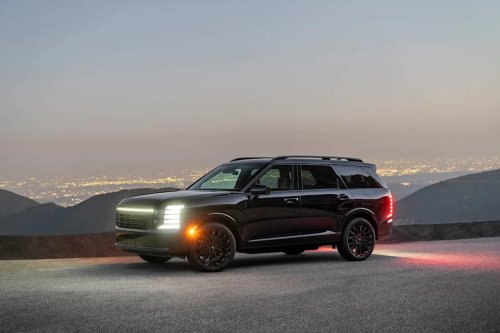
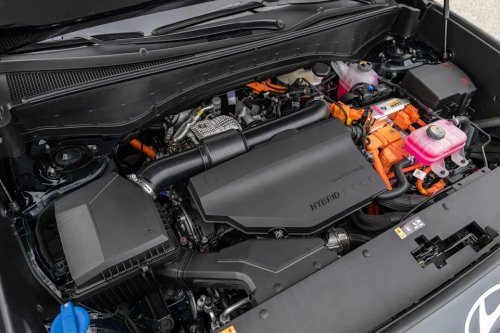
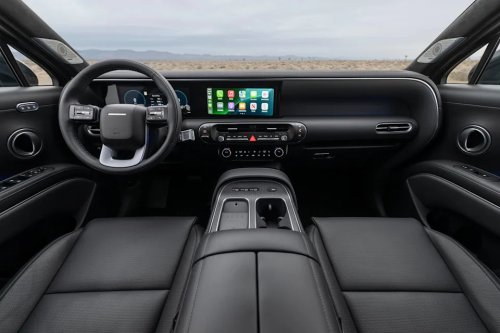
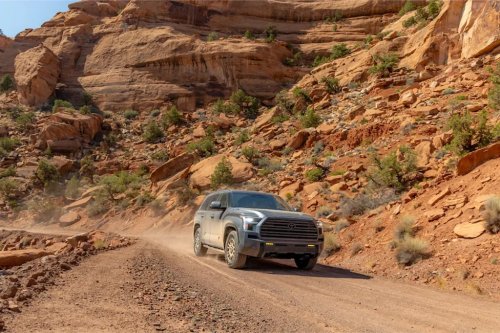
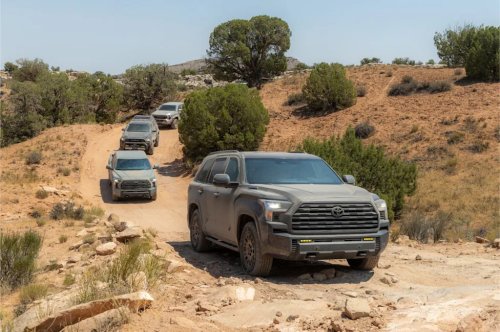
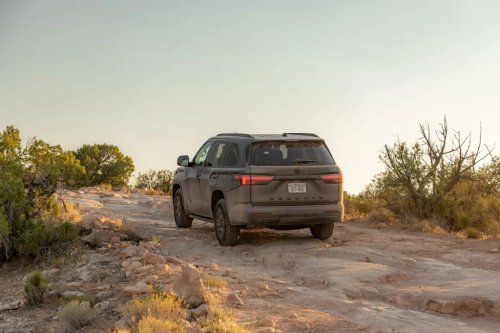
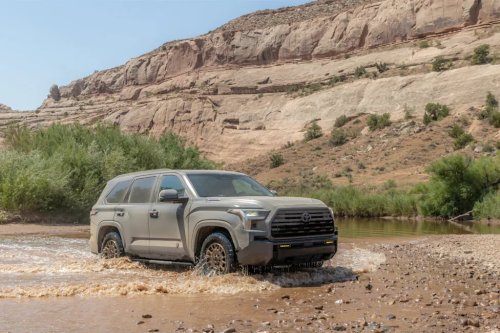
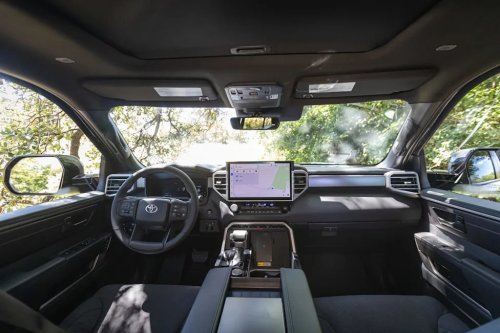
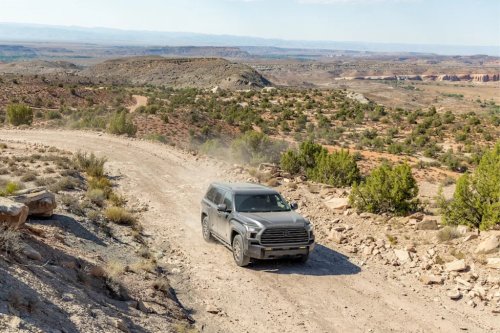
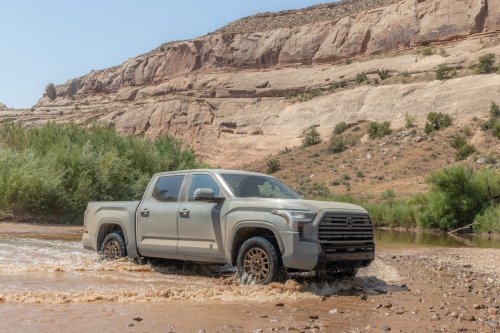
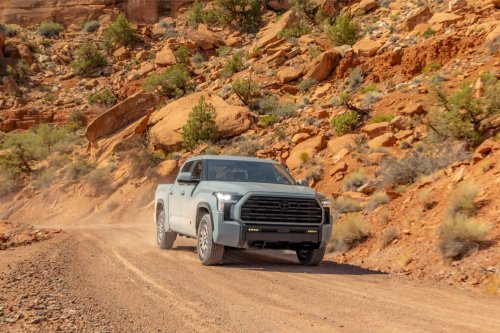
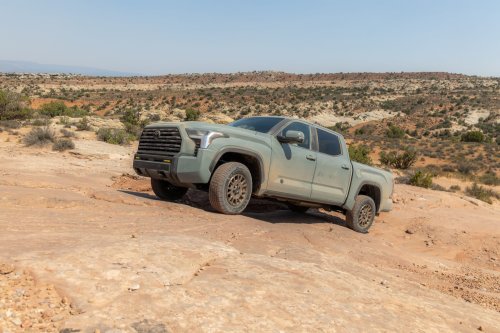
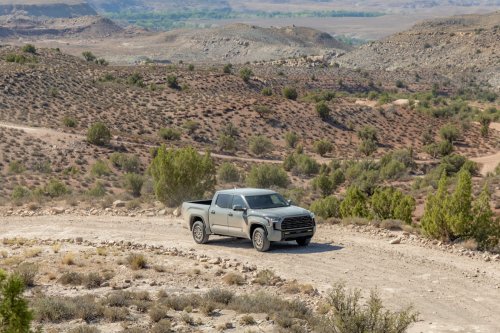
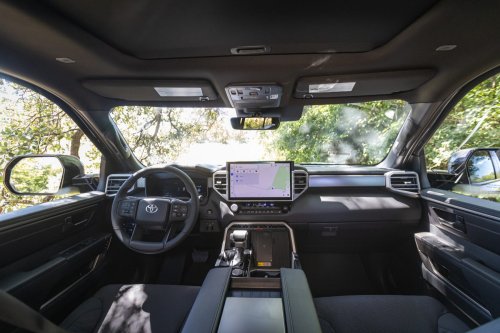
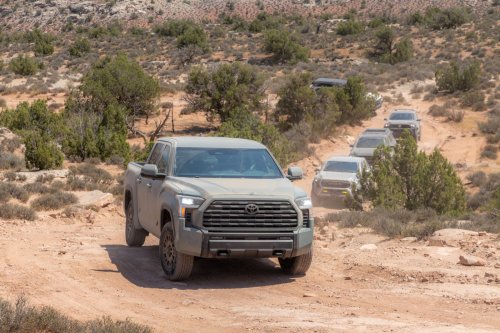
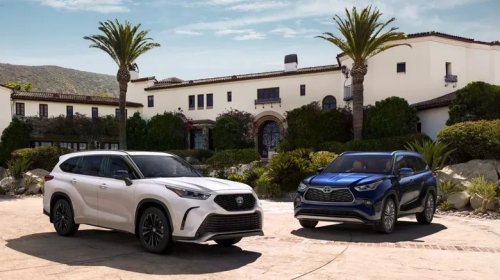
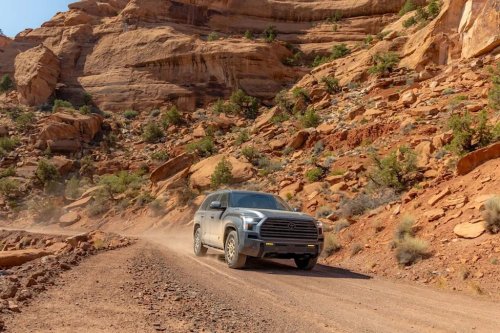
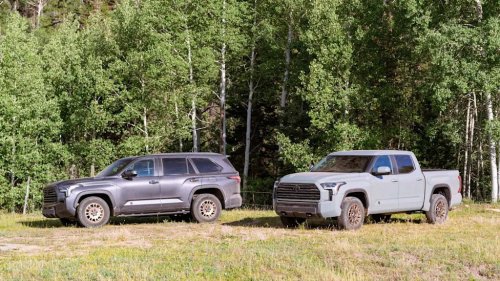
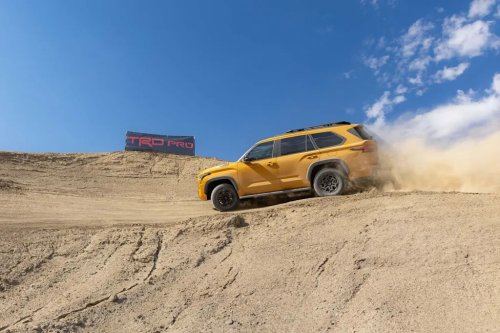
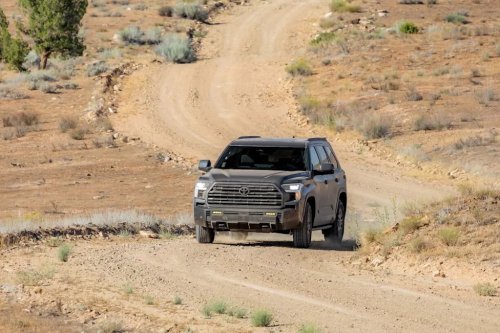
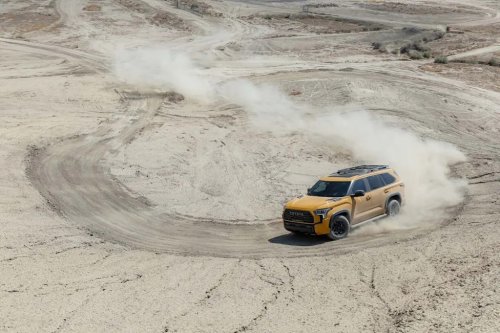
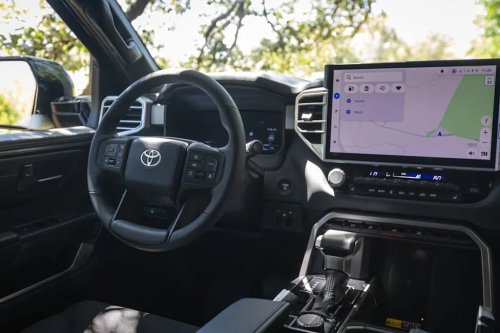
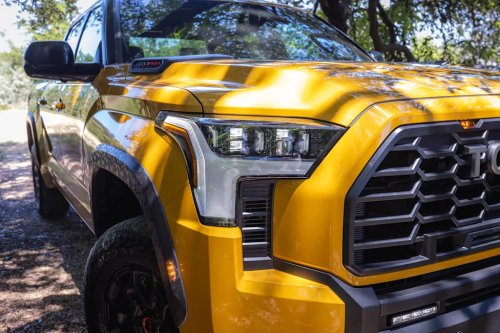
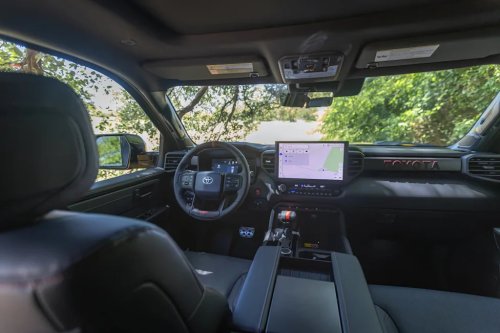
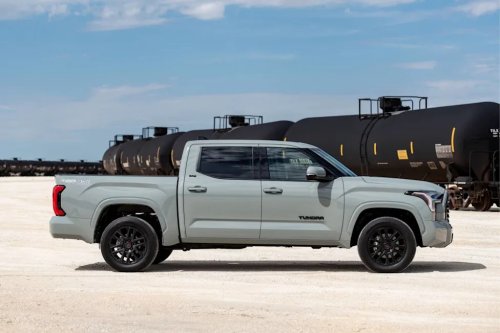
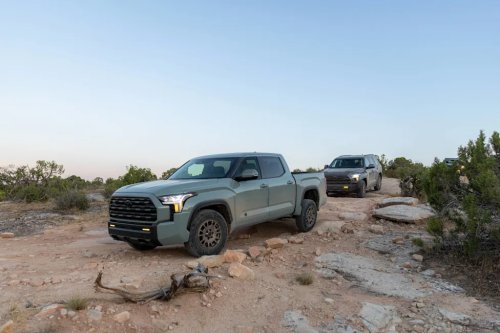
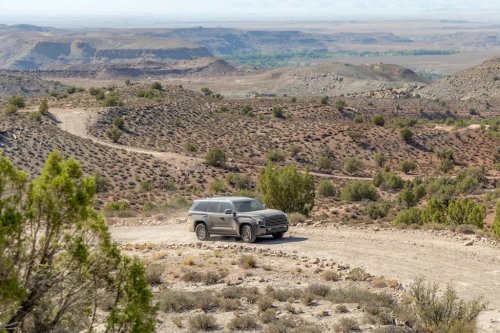
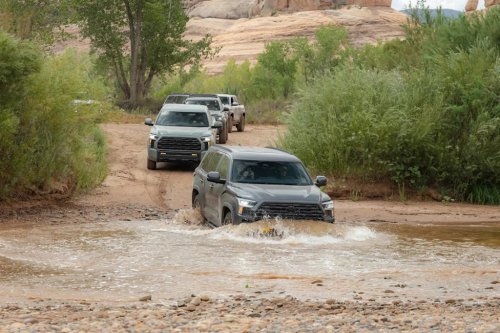
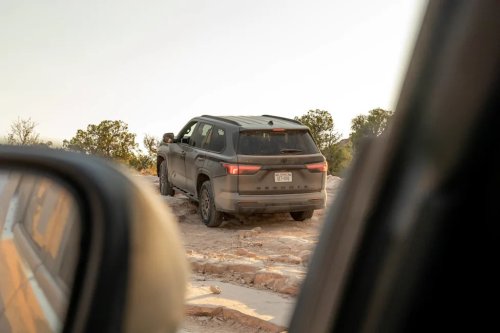
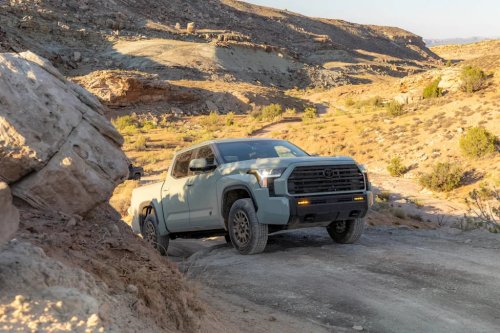
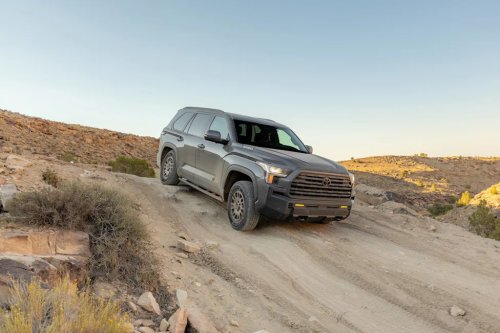
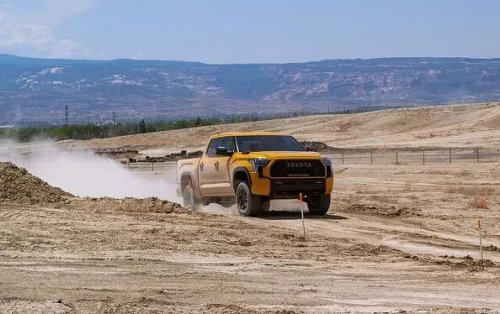
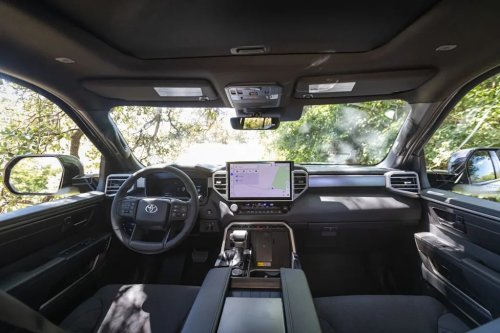
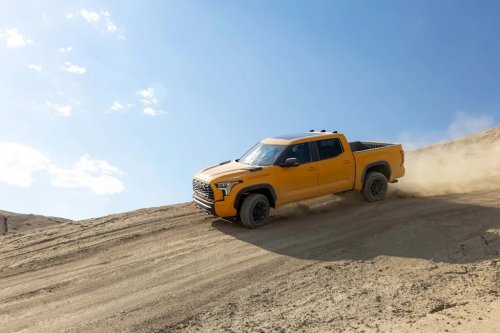
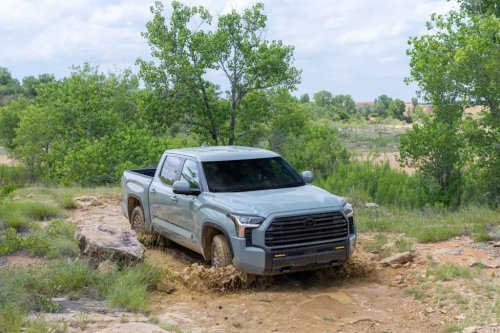
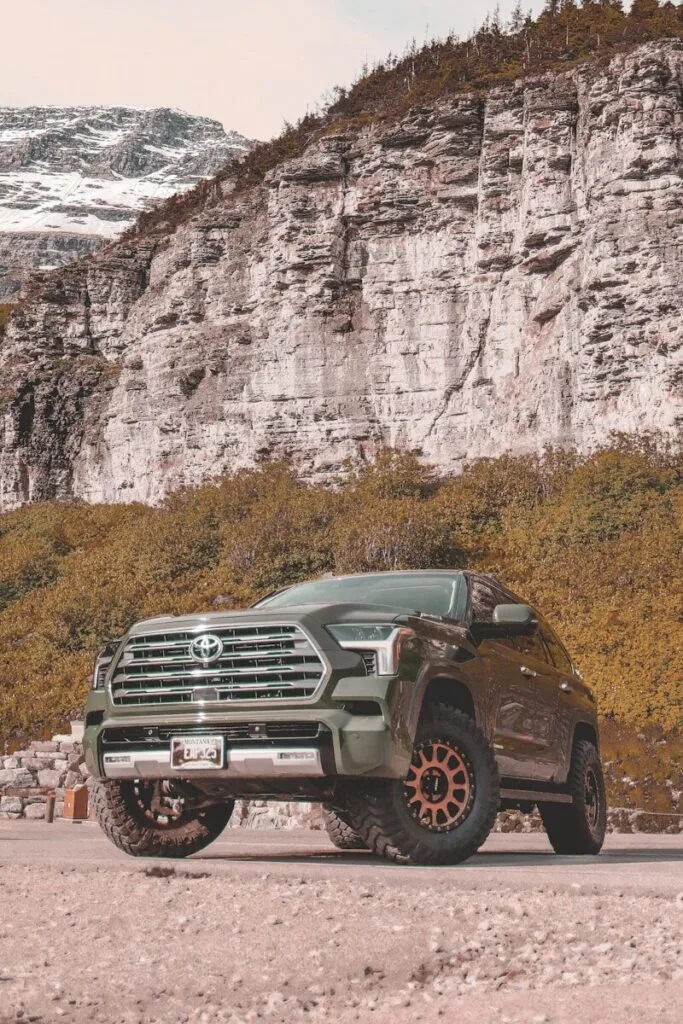
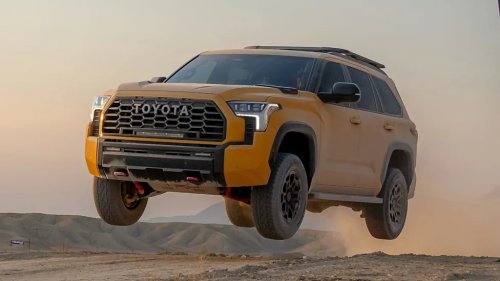
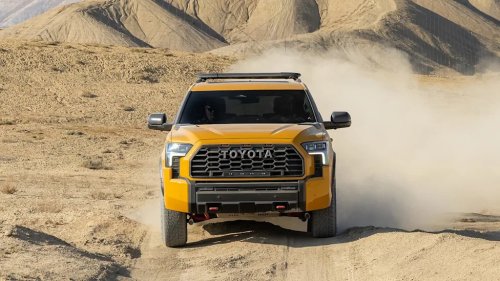
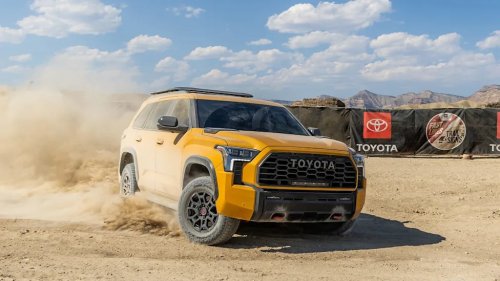
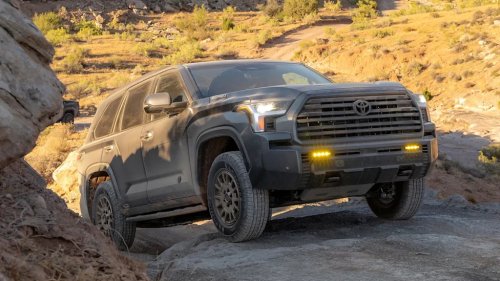
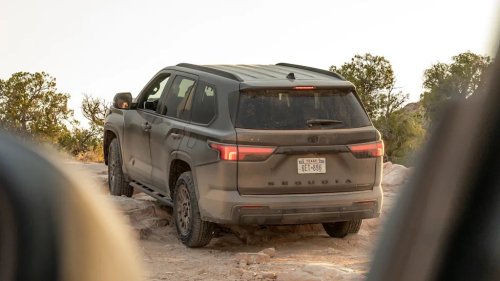
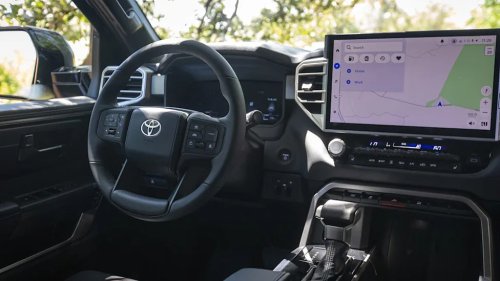
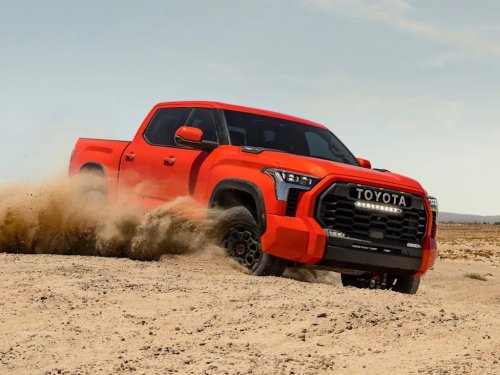
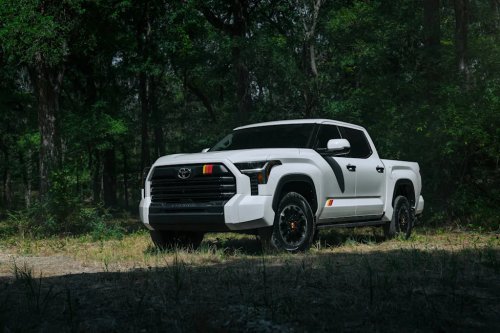
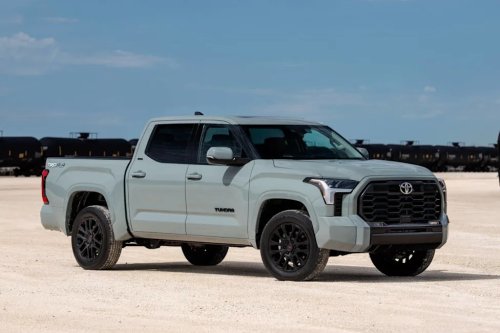
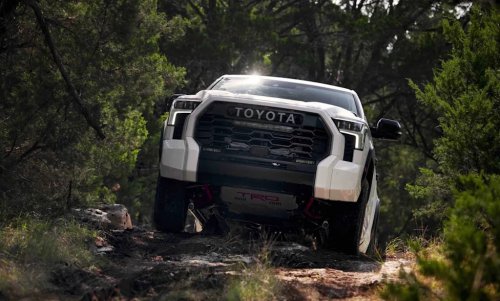
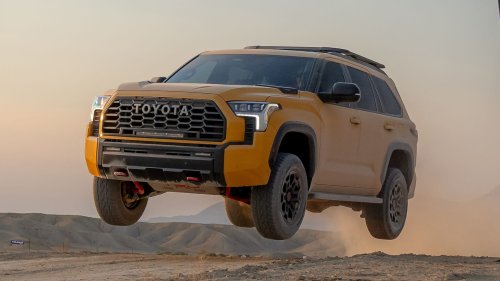
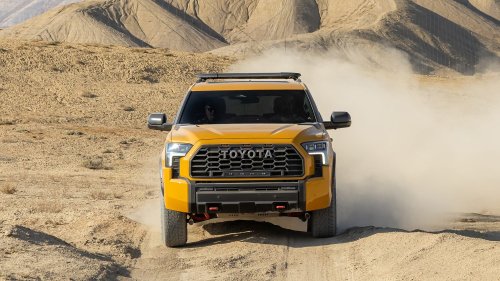
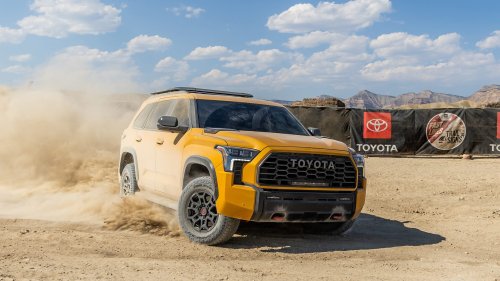
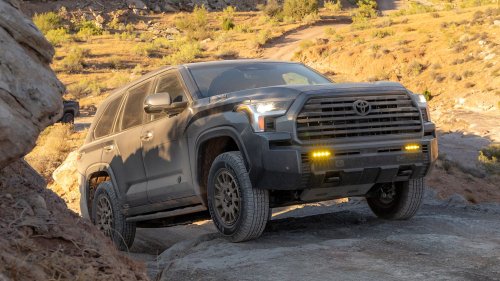
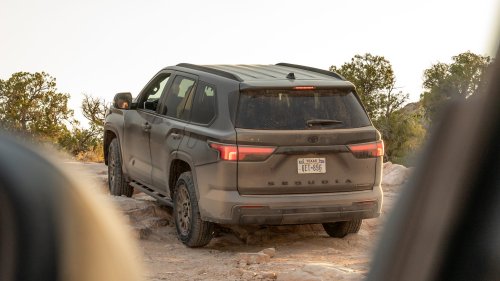
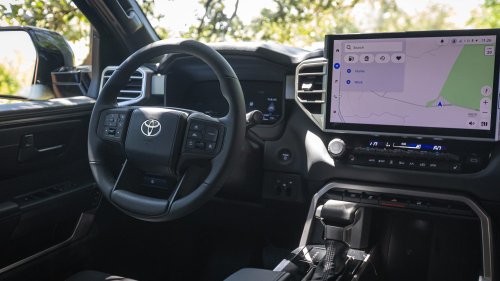
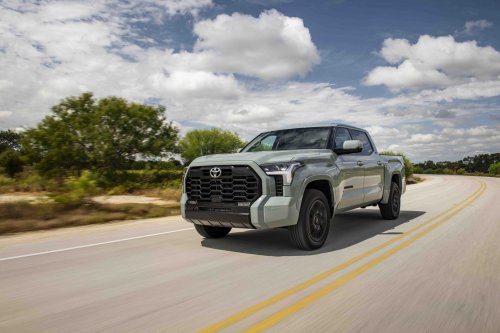
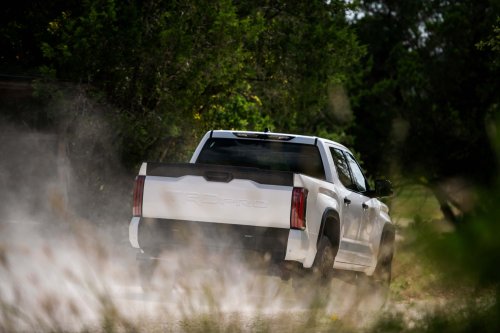
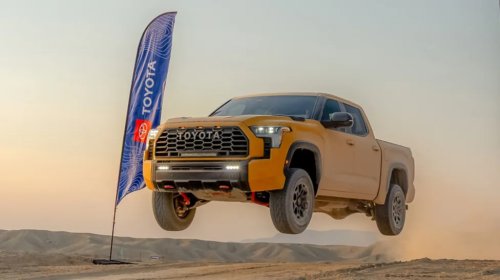
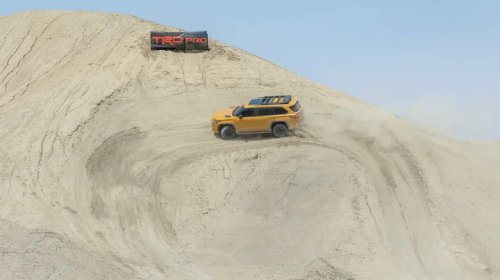
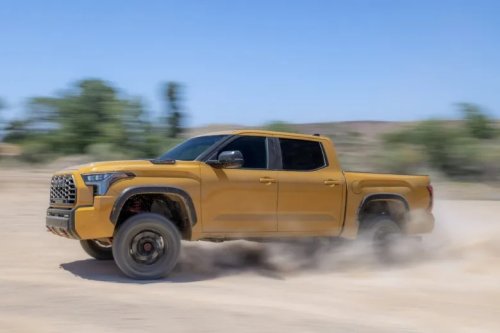
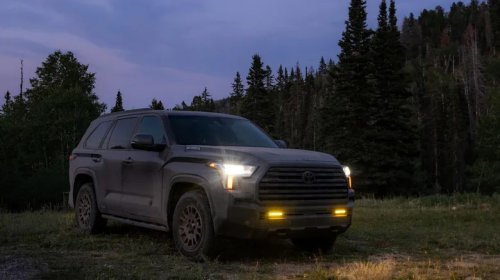
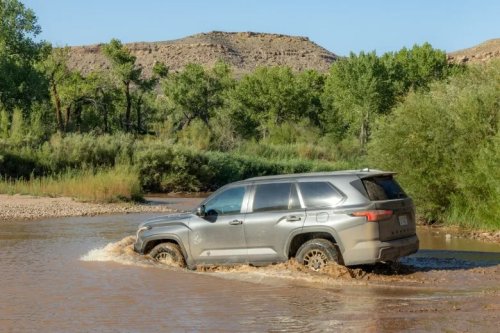
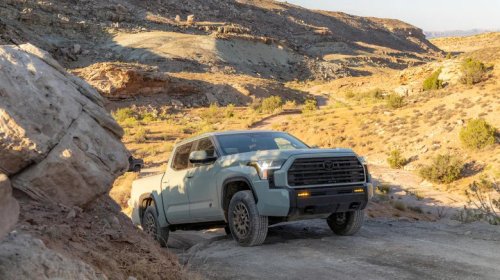
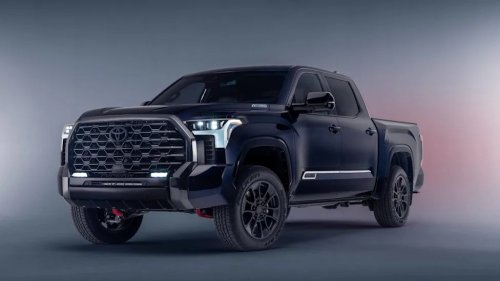
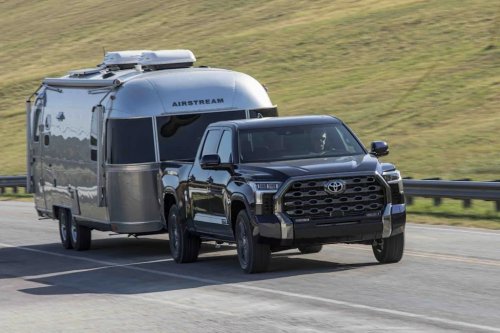
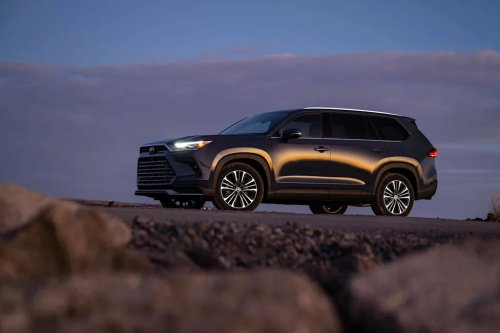
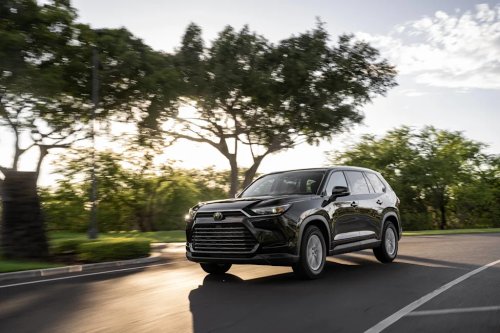
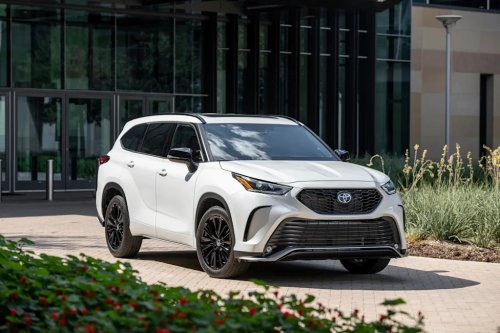
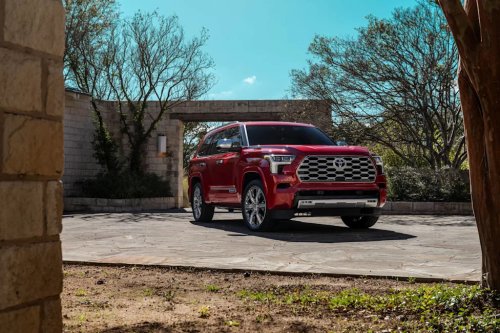
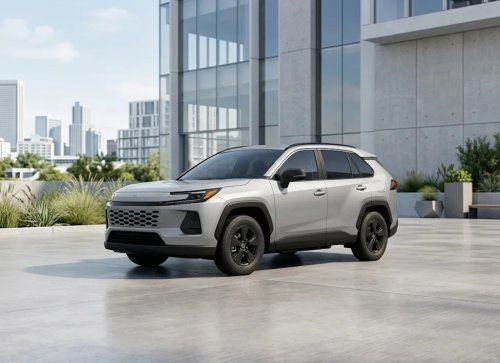
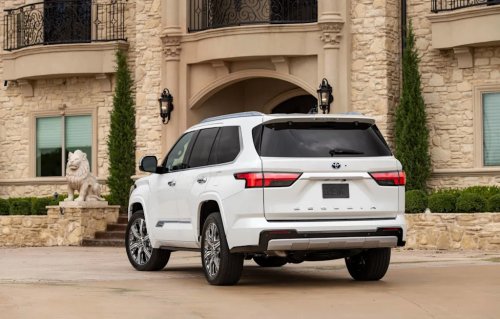
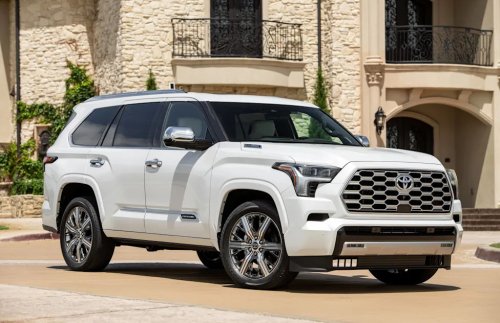
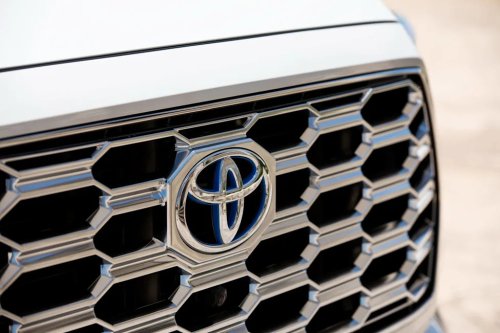
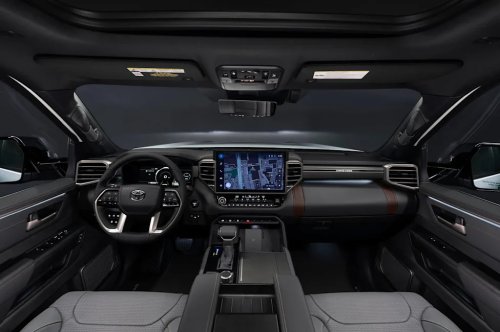
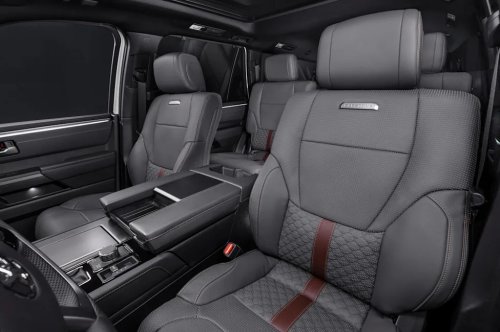
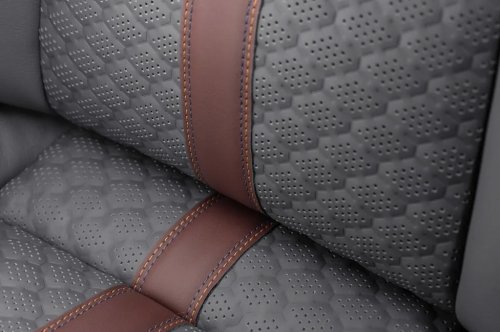
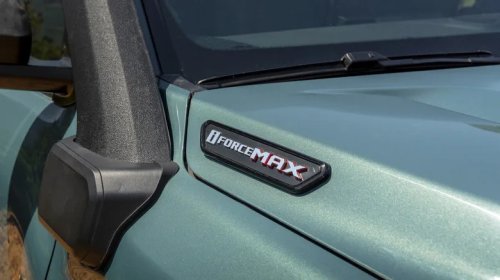
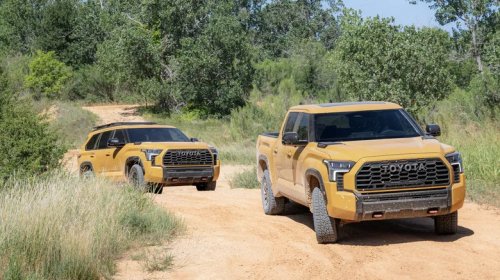
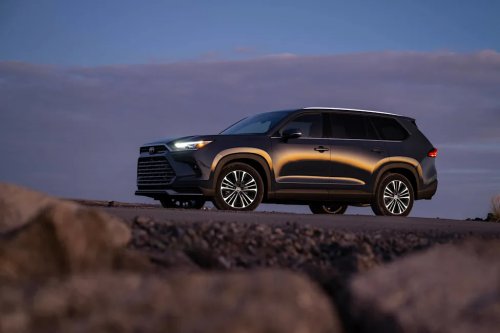
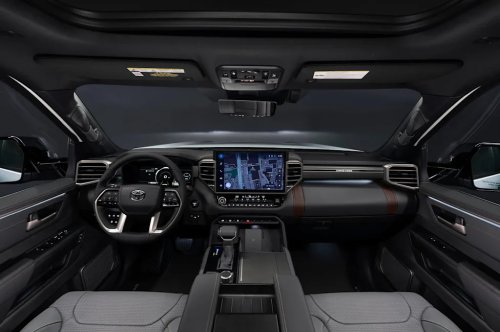
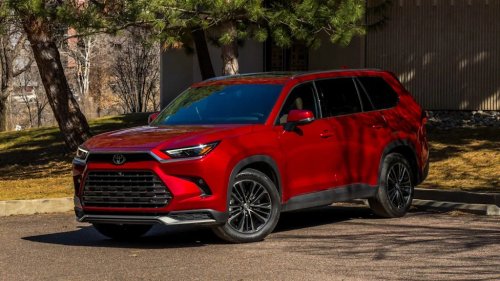
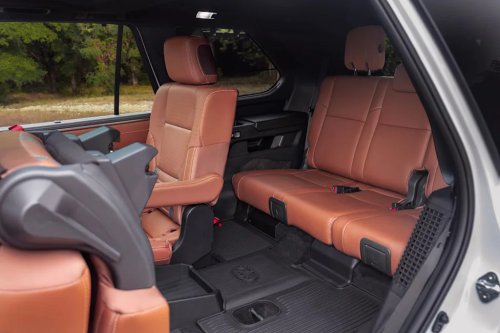
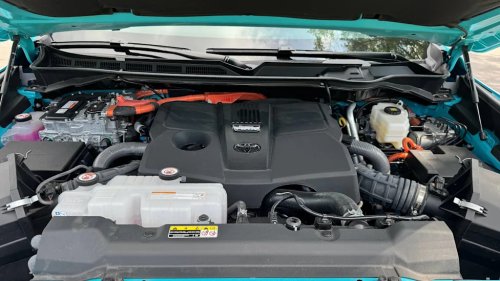
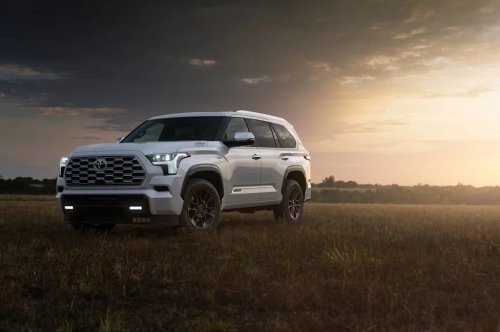
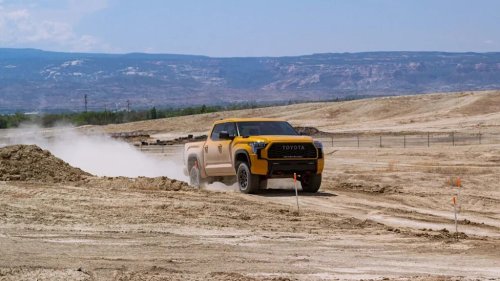
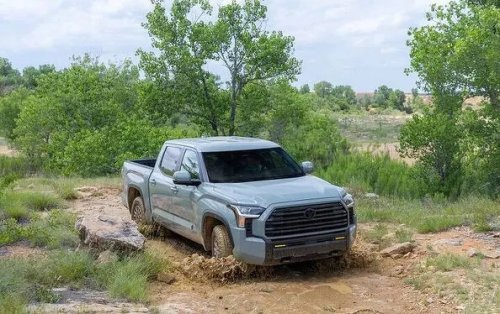
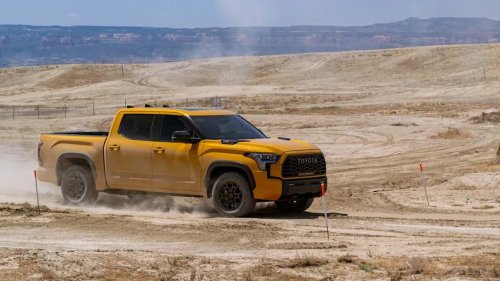
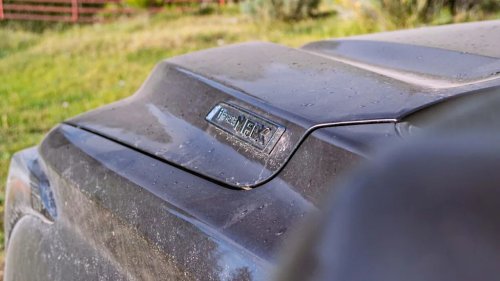
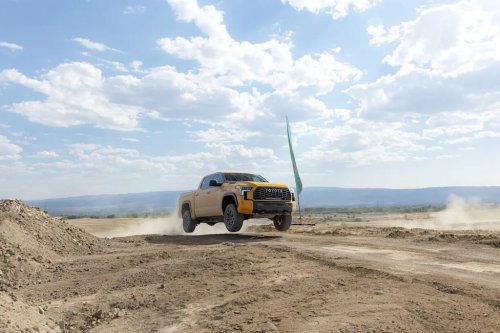
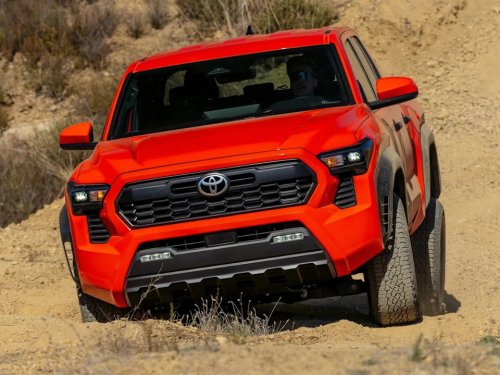
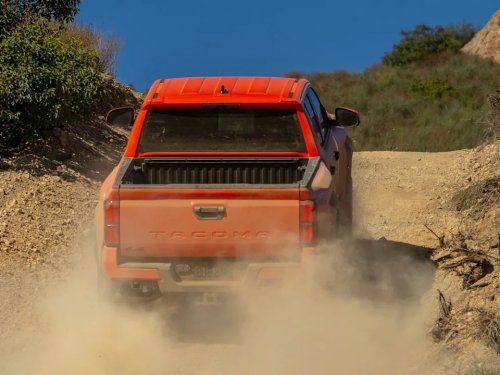
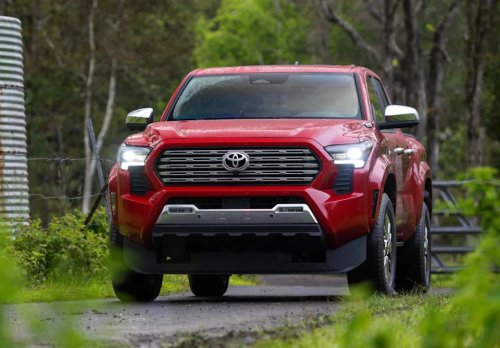
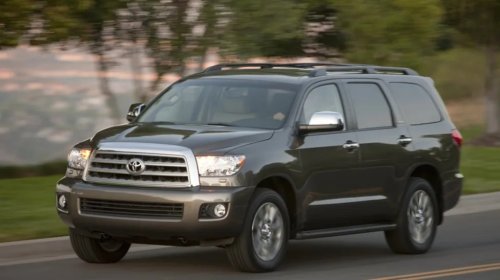
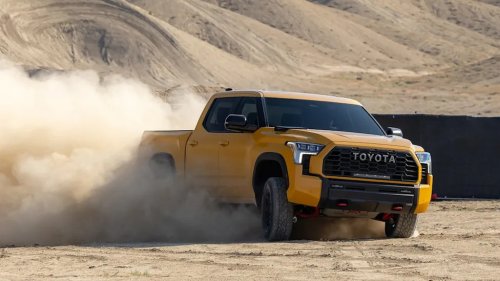
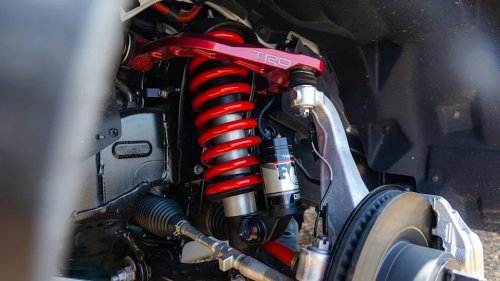
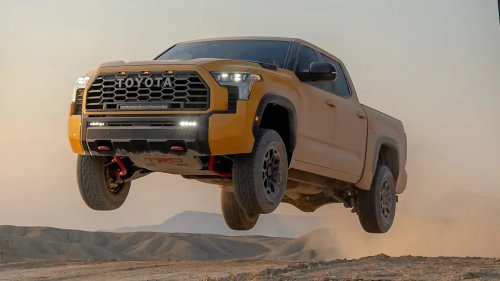
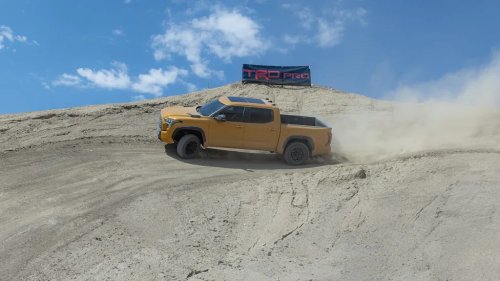
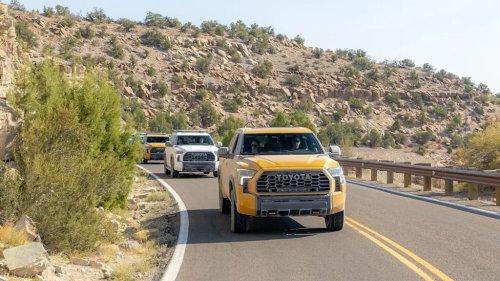
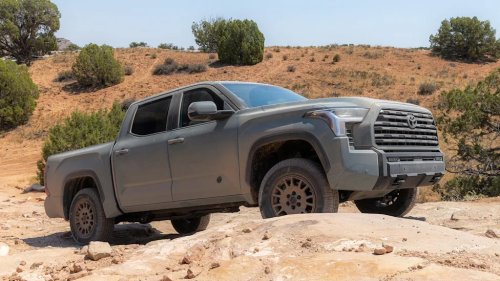
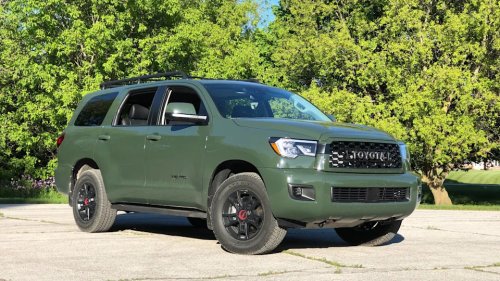
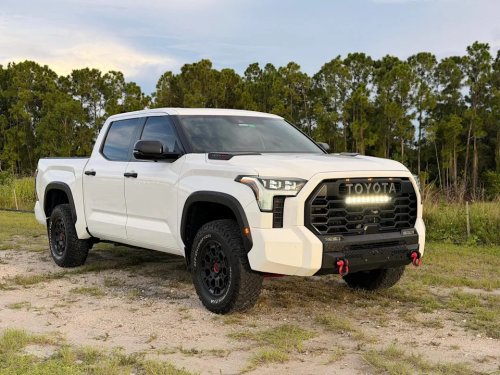
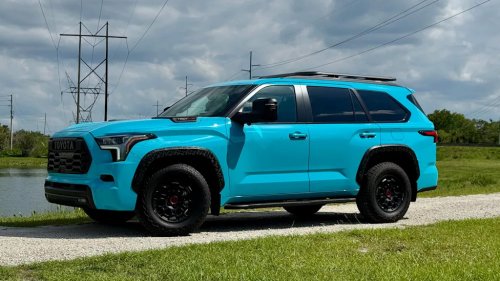
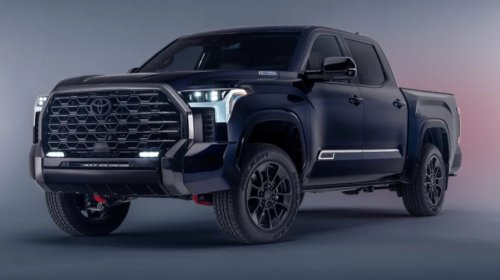
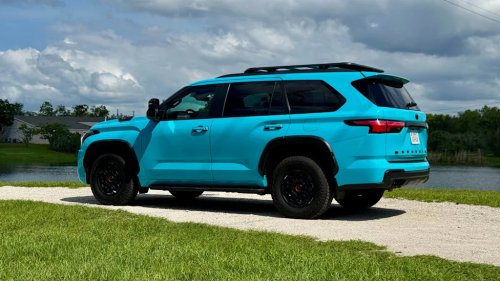
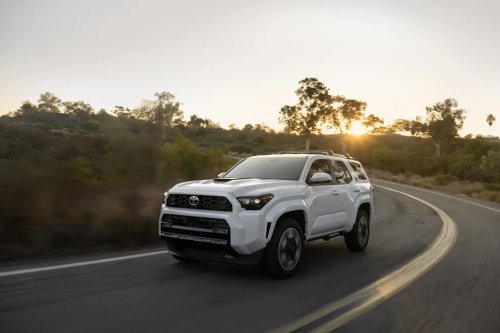
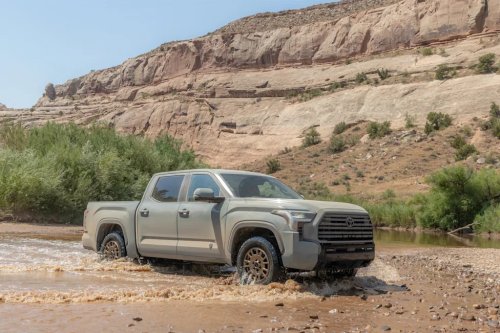
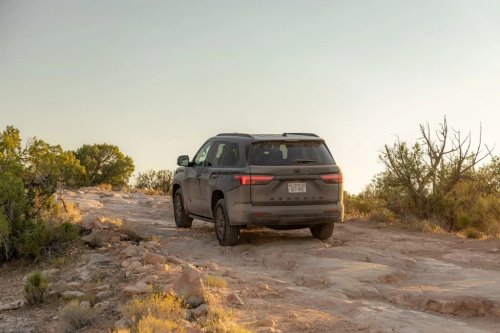
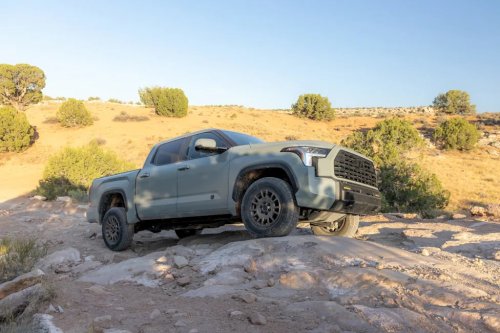
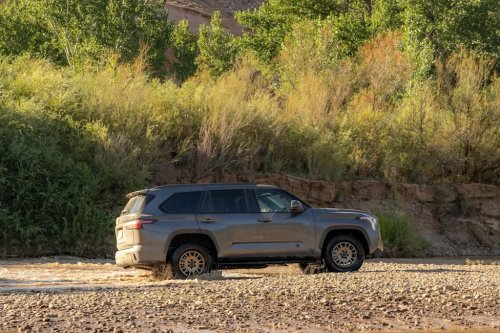
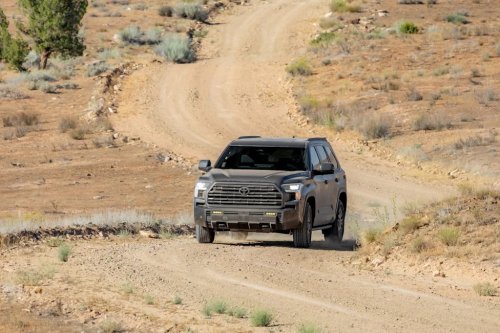
2027 Toyota Sequoia and Tundra Go Trail HuntingtoyotaThose shopping for a Trailhunter in the Tacoma or 4Runner lineups are essentially looking at the highest reaches of those vehicle's price ranges. That's because the Trailhunter is an all-inclusive trim level for the Tacoma and 4Runner that has all of the interior and exterior bells and whistles baked in, along with the essential off-road gear you may be after. But the Tundra and Sequoia are different animals that play in a higher price bracket. Toyota decided to try something different with these two, so the Trailhunter is an option package you can add to the SR5 4x4 trim level, which is the least expensive trim for the Sequoia and next to least expensive for the Tundra.Ticking the Trailhunter option package adds Old Man Emu (OME) dampers that are tuned for backcountry work. Dirt-friendly 33-inch-tall Michelin LTX Trail tires are mounted on unique 18-inch bronze-colored alloy wheels. There are front recovery hooks, an aluminum skid plate, and an aluminum rear differential protector. If these seem like bolt-ons that you might just install yourself, the Trailhunter package also brings off-road electronic helpers such as the Multi-Terrain Select and Crawl Control systems, and it includes a push-button-controlled electronic locking rear differential. In the grille, there are bicolor Rigid fog lamps. There's also a badge, if you're into that sort of thing.toyotaUnfortunately, the full-size Trailhunters' OME dampers aren't quite as robust as the ones on the Tacoma and 4Runner—these are two-inch units with 46-mm pistons that lack external reservoirs, as opposed to the Tacoma and 4Runner's 2.5-inch dampers with 60-mm pistons and external reservoirs at the rear. There's no increase in ride height either, as the Sequoia and Tundra roll on the same springs as any other SR5. You won't find the nifty bronze-colored forged-aluminum upper control arm of the Tacoma and 4Runner Trailhunter, as these retain the nondescript steel unit. The last omission may be a positive rather than a negative, but the externally mounted Desert Air Intake is not here either.toyotaInterestingly, the engine power differs greatly between the Tundra and Sequoia Trailhunters. The SR5 Tundra only has the nonhybrid version of the twin-turbo 3.4-liter V-6, so if last year's numbers stay the course (they should), it makes 389 horsepower and 479 pound-feet of torque. Conversely, the Sequoia is only available with the gas/electric hybrid known as iForce Max, so its twin-turbo 3.4-liter V-6 and hybrid system generate a combined output of 437 horses and 583 pound-feet of torque. Their fuel economy estimates aren't available yet, but we expect the 2026 combined ratings of 19 mpg (17 city/22 highway) for the Tundra and 20 mpg (19 city/22 highway) for the Sequoia hybrid to carry over.AdvertisementAdvertisementWe prowled the back roads of Colorado and poked along the mining trails of Utah in each one and came away impressed. The Tundra has the longer wheelbase of the two, at 145.7 inches, so it's not as wieldy as the Sequoia with its 122-inch wheelbase. We had to reverse to line up a tight turn through a gate in the Tundra, where the Sequoia made it in one go. However, the ground clearance advantage goes to the Tundra, 9.3 to 8.6 inches. The Sequoia's shorter wheelbase lessens the effect on break-over angle somewhat, but it still came closer to dragging its belly. What's more, the approach angle is more advantageous on the Tundra on account of its front-end styling.toyotaFor their part, the OME shocks worked like a treat, even if they don't have the larger piston diameter and external reservoirs at the back. That's because of the terrain we covered and the speed at which we were exploring. In both the Tundra and the Sequoia, the shocks had sufficient damping to prevent excess motion when tiptoeing over rocks, and they dealt with medium-speed meandering quite well. As for the incessant hammering of washboard roads, they did well, but we must admit there wasn't a long stretch of truly high-speed desert bombing runs. That's more like a TRD Pro type of terrain, and they have a separate model for that. As for the on-road ride, both trucks did admirably, and we might even go so far as to say they outperformed a regular SR5 at sucking up potholes and dealing with cracked pavement.One aspect of the package on both vehicles that stood out was the inclusion of the Multi-Terrain Monitor, which gives views down the side and out the front at low speed in low range. It really helps when breaking over a sharp divide, and the side view helps with tire placement. You can toggle the image to the rearview, as well, and there's even a transparent hood view, should you need it. The best part is when you turn it on, the terrain display takes up the entire real estate of the new 14-inch screen. We'll learn more about it later, but both vehicles also include a jump to Toyota Safety Sense 4.0, which is a mid-cycle change from TSS 2.5.toyotaIt's hard to put a price on the Trailhunter option package because Toyota wasn't saying anything. They kept stalling us until fall of this year, when complete details of the entire 2027 Tundra and Sequoia lineups will be revealed. But looking at the scope of the package, it looks quite similar to the TRD Off-Road package, which goes for $2125. But that package lacks a few of the goodies that are included with this one, such as the fog lights and the MTM system. Let's call it $3000, but that's truly a wild guess. What is clear is that whatever the package ultimately costs, you'll be able to get into a Sequoia or Tundra Trailhunter without first summiting the peak of the most expensive trims.➡️ Skip the lot. Let Car and Driver helpyou find your next car.Shop New Cars Shop Used CarsYou Might Also LikeGift Guide: Best Ride-On Electric Cars for KidsFuture Cars Worth Waiting For: 2025–2029



















 +81 others