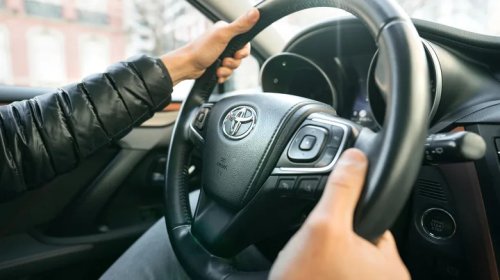
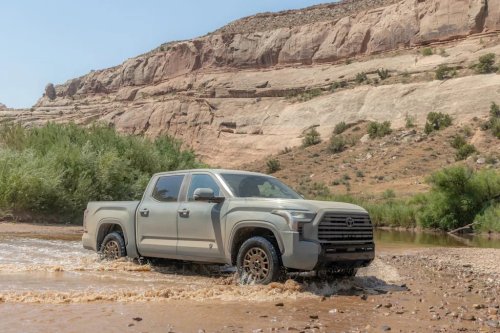
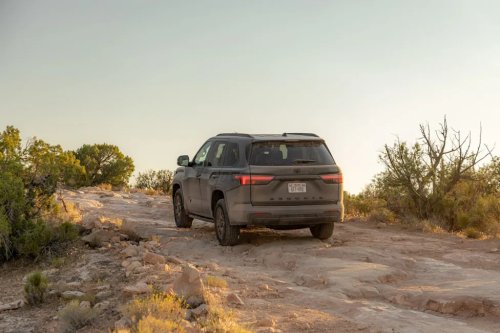
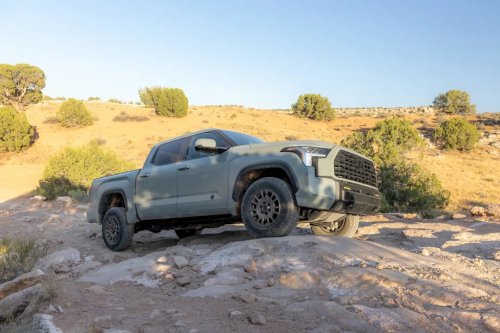
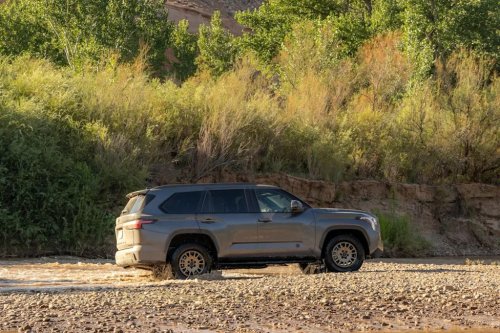
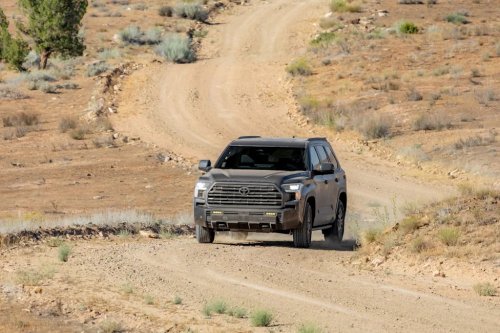
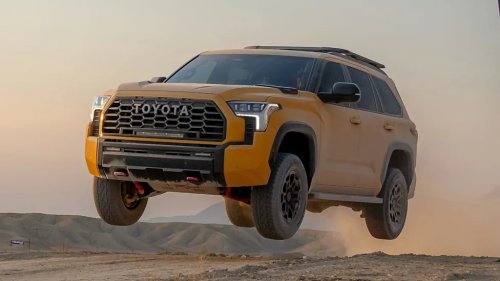
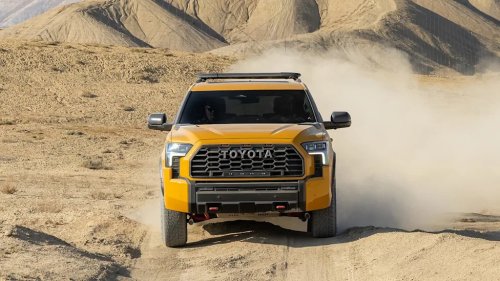
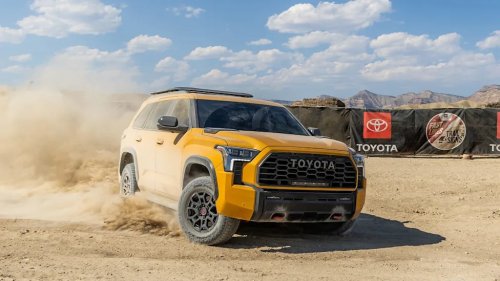
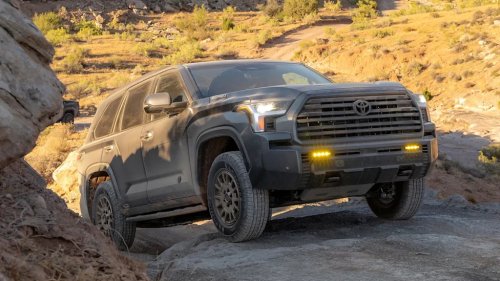
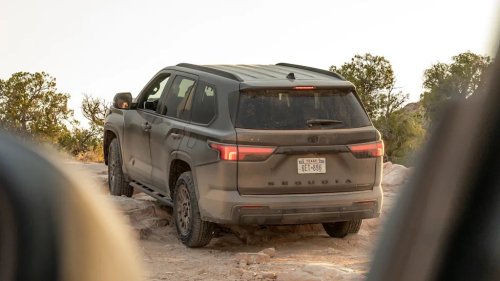
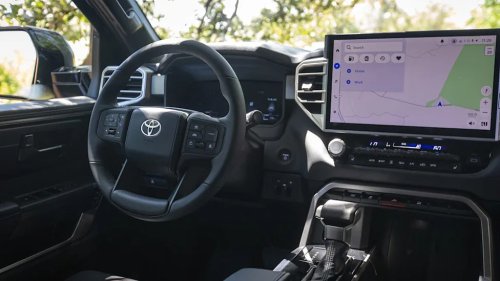
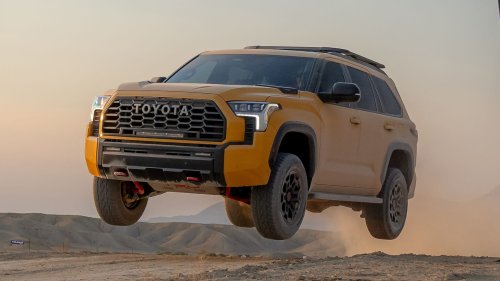
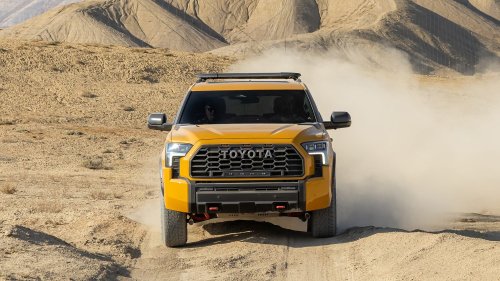
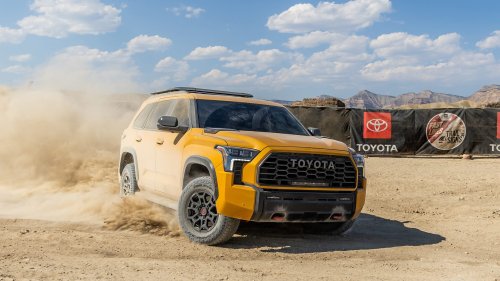
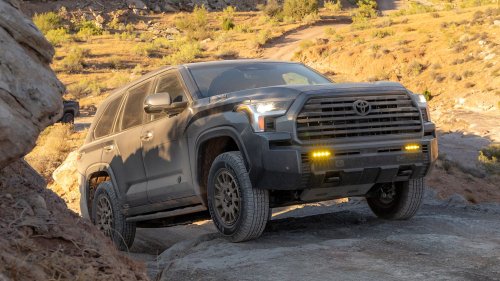
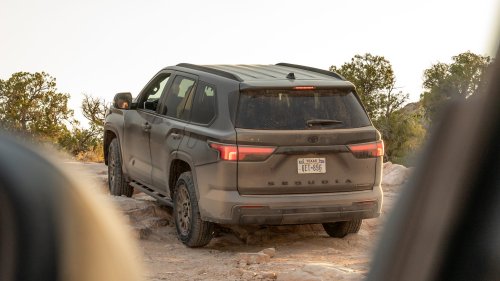
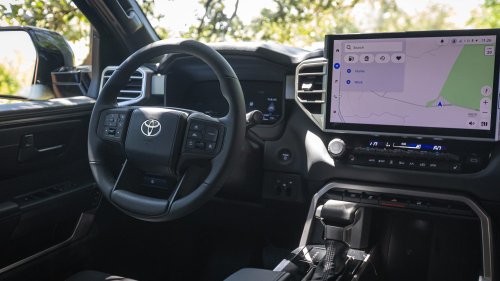
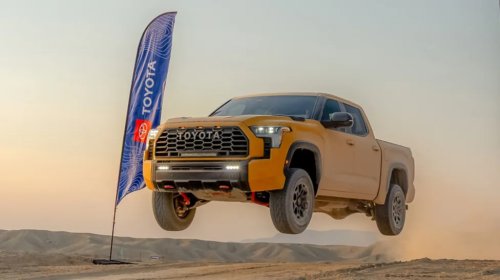
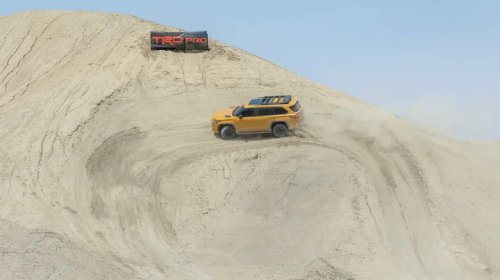
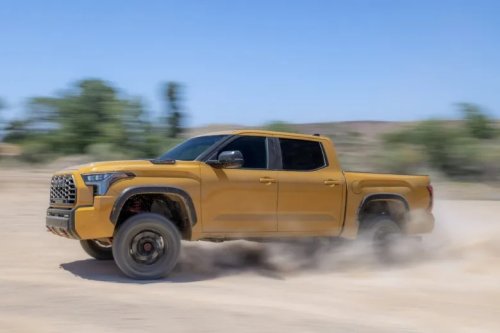
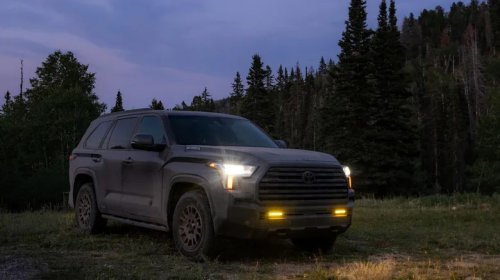
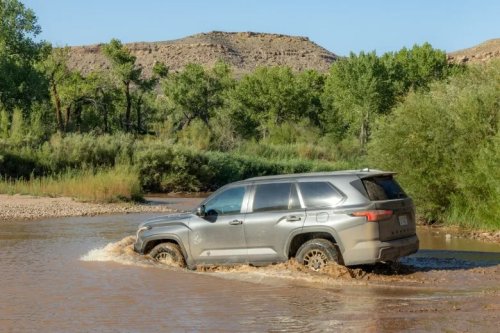
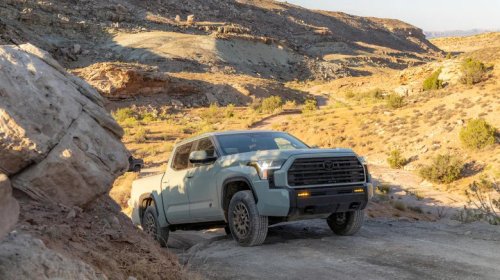
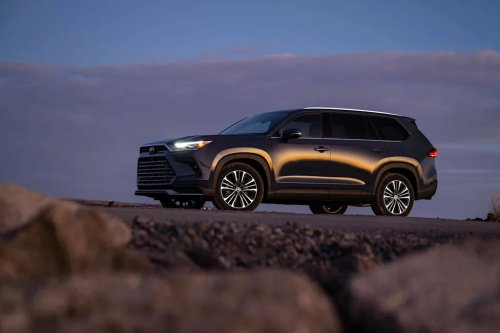
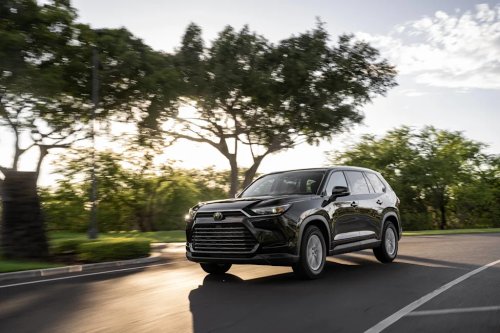
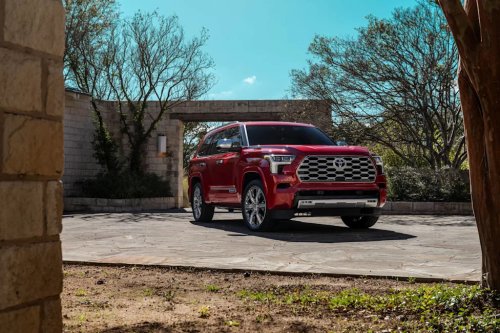
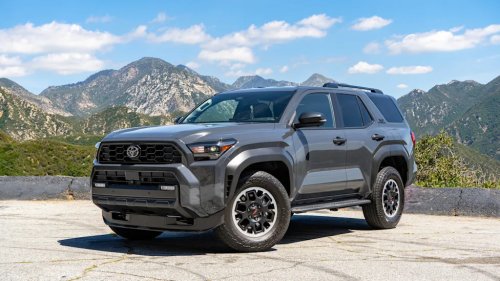
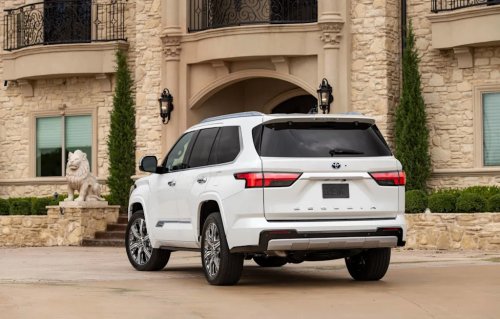
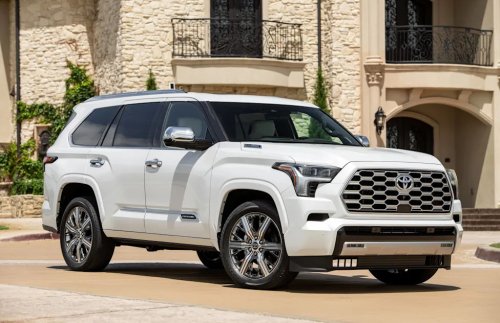
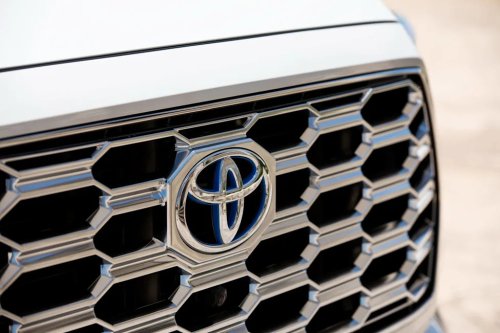
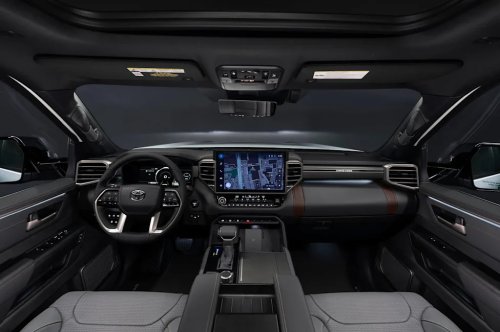
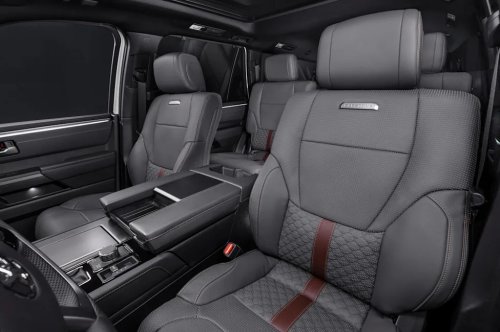
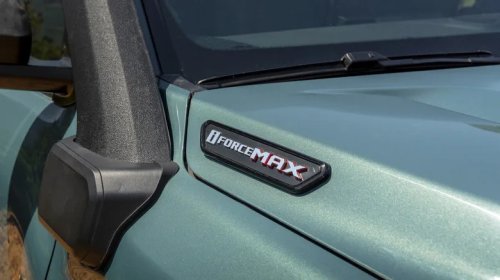
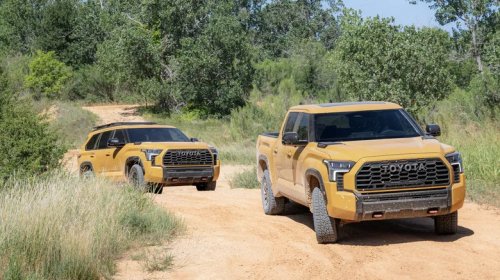
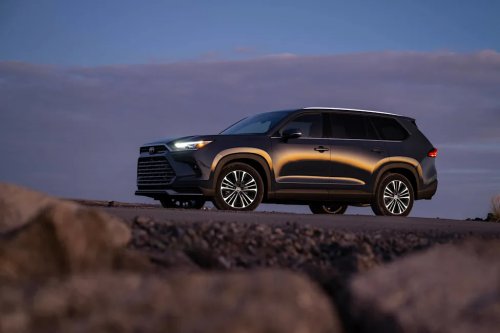
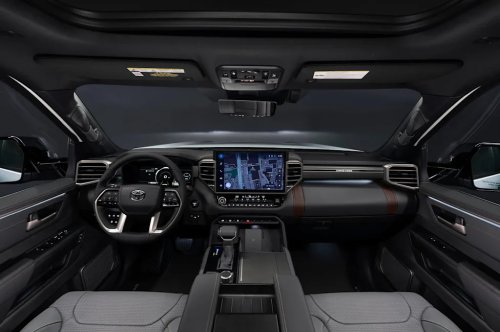
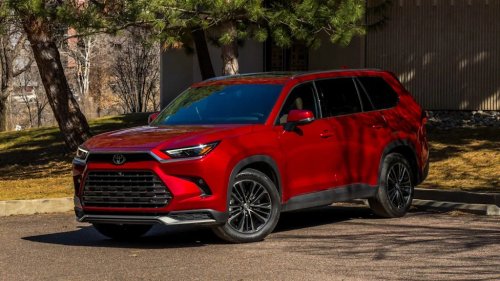
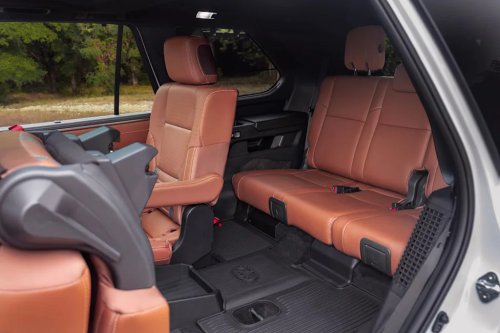
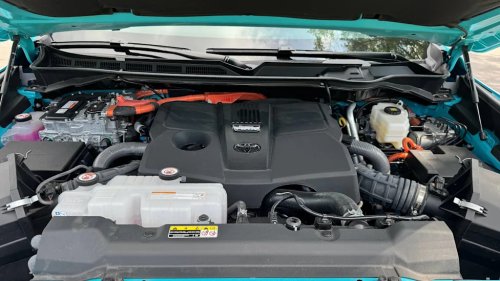
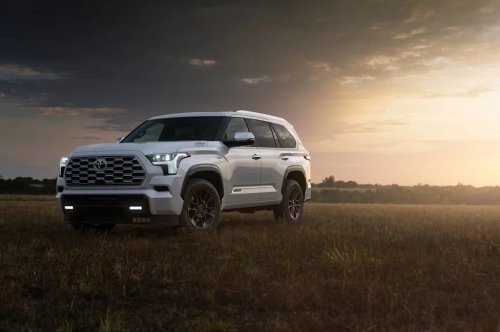
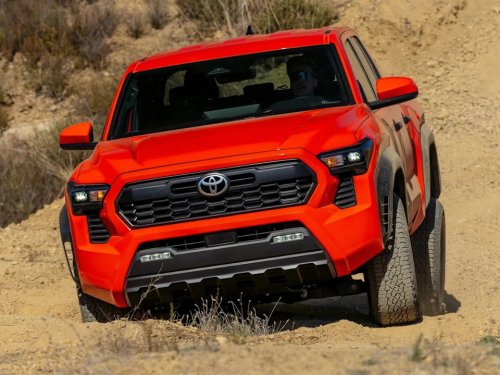
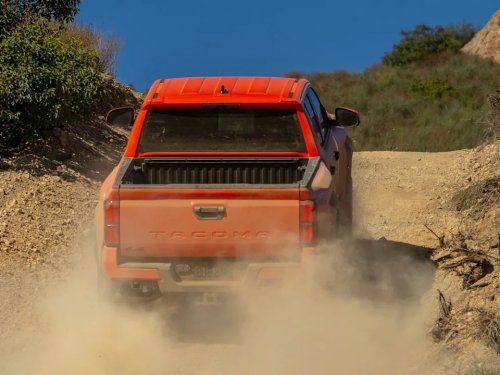
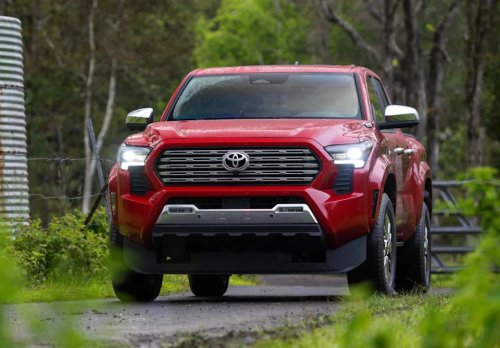
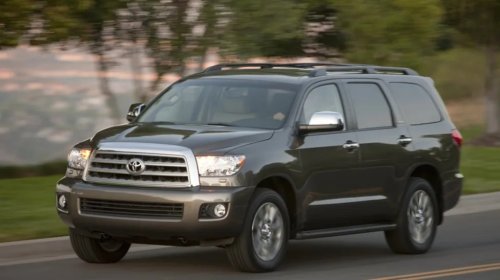
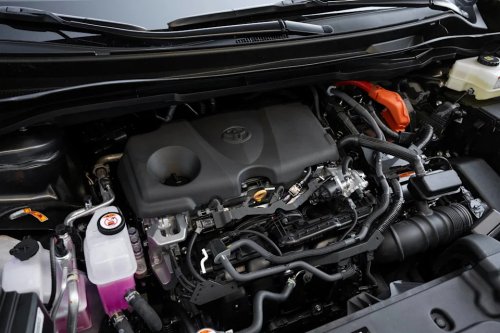
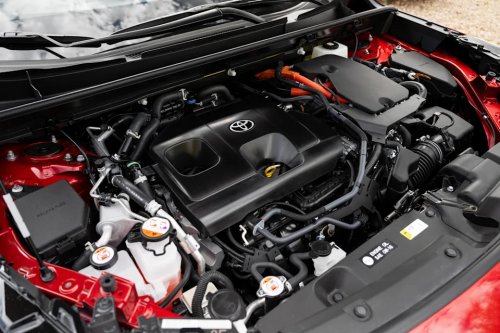
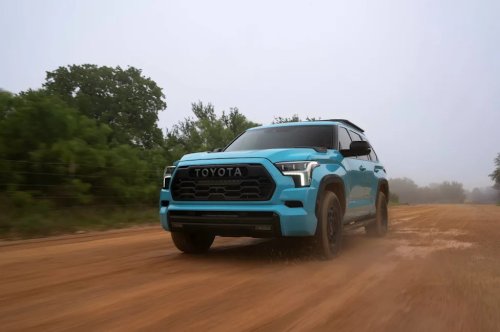
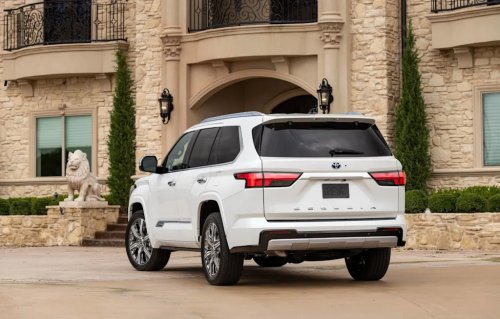
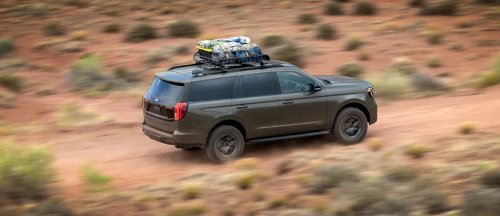
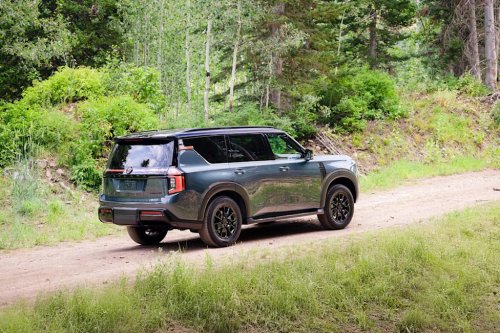
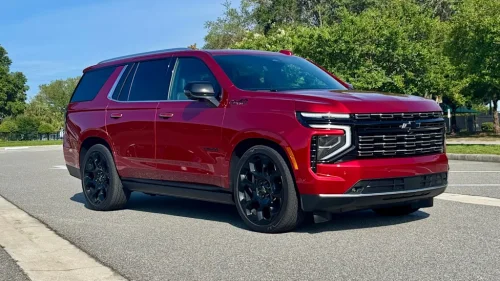
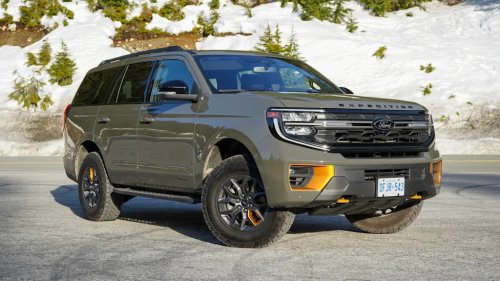
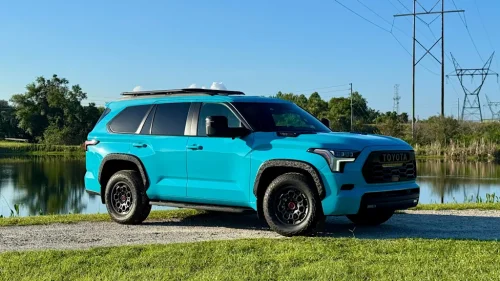
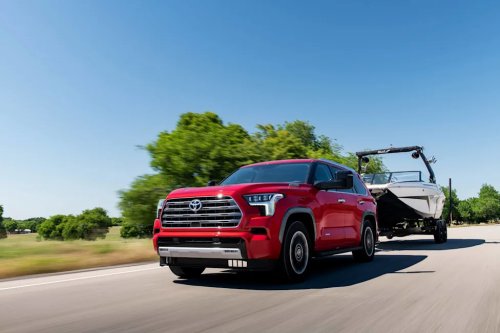
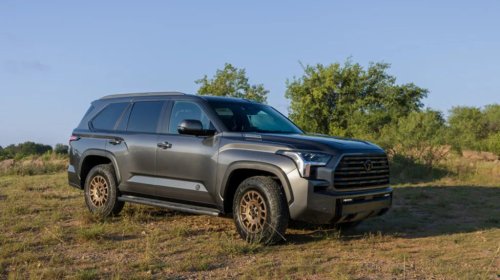
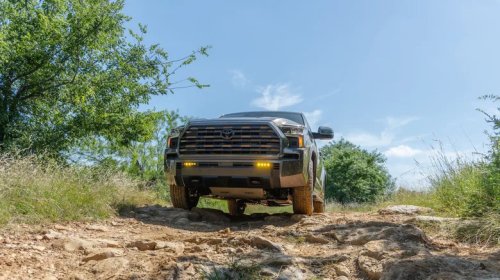
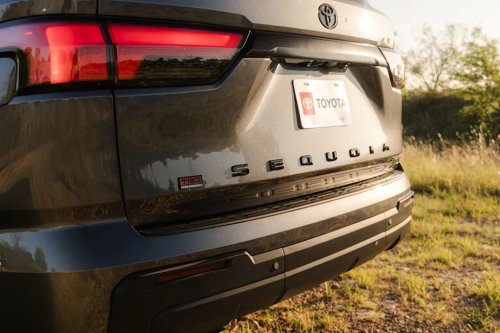
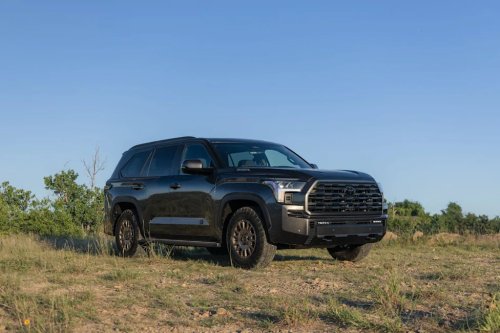
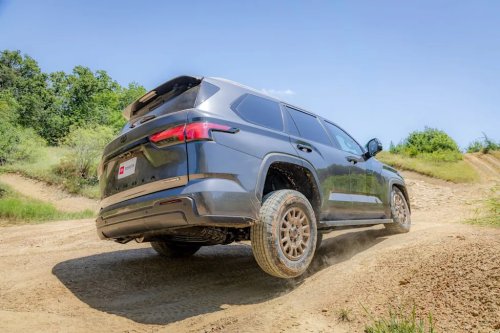
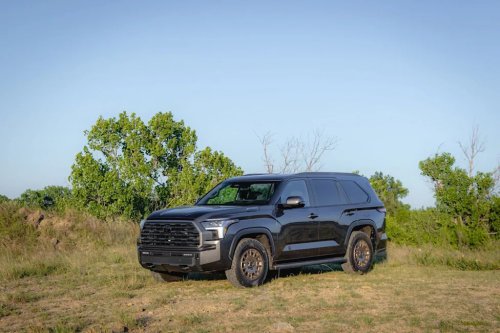
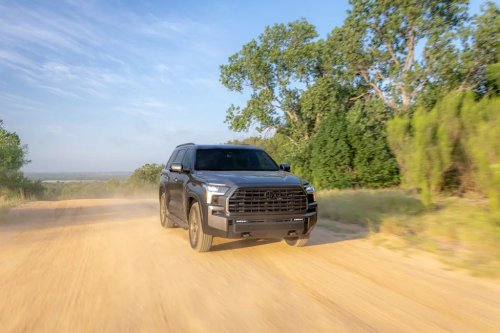
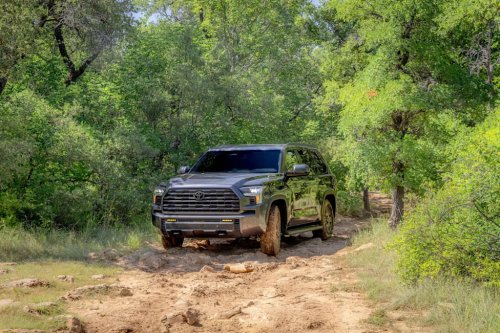
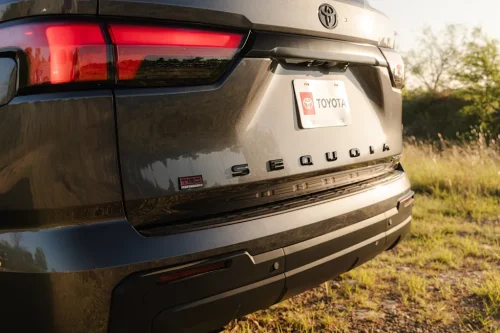
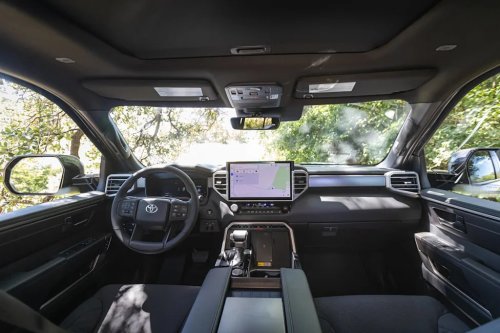
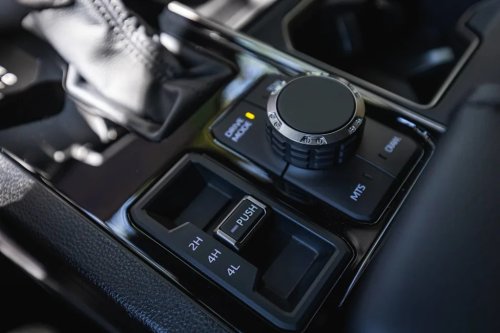
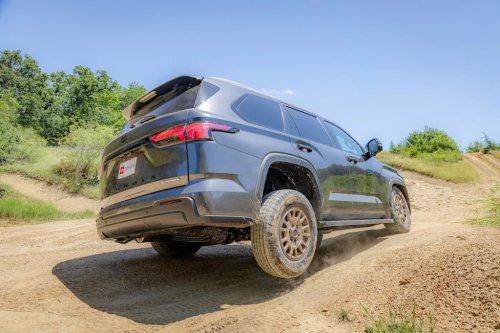
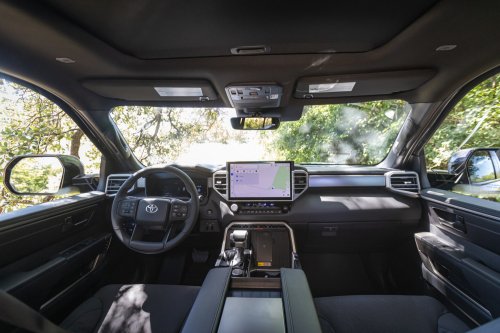
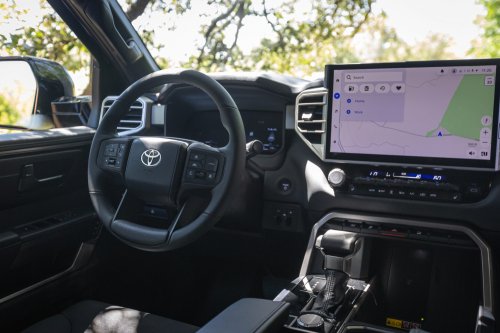
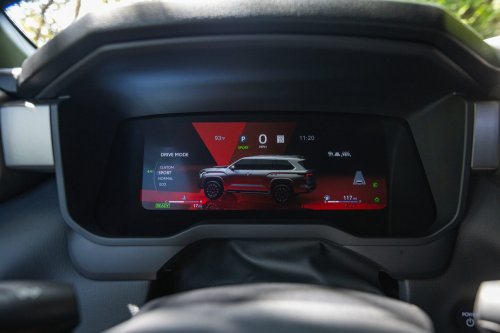
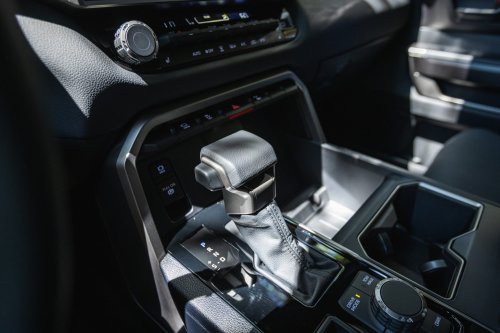
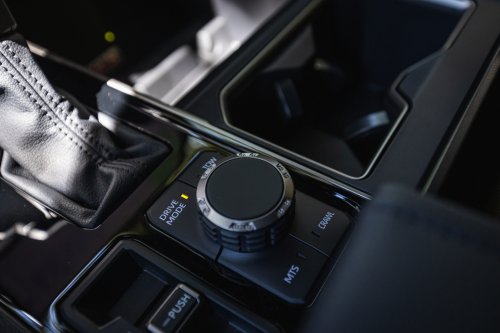
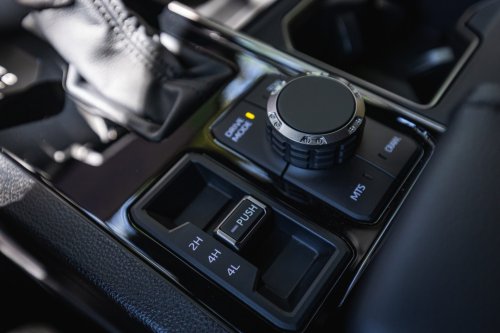
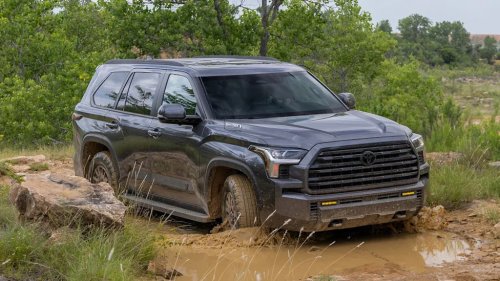
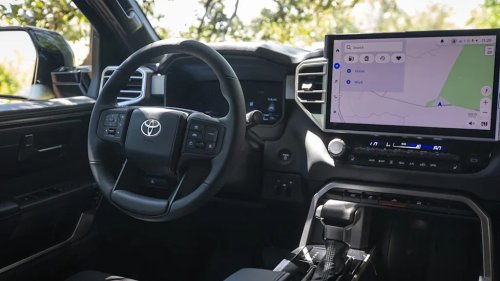
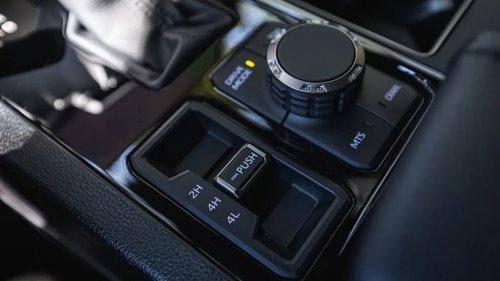
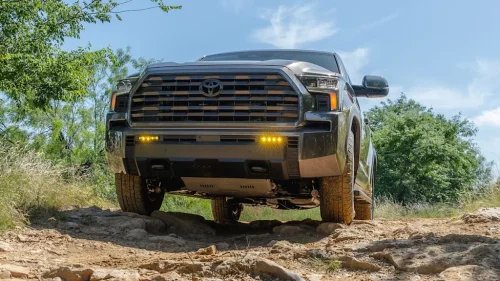
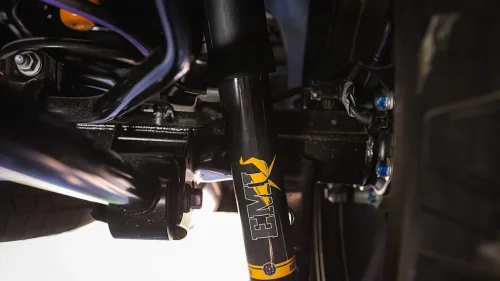
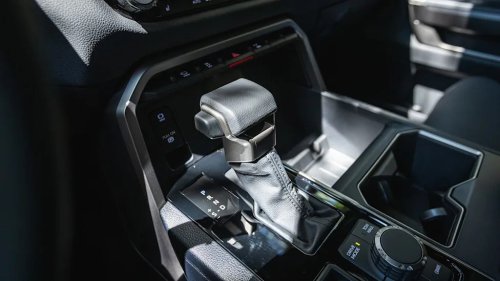
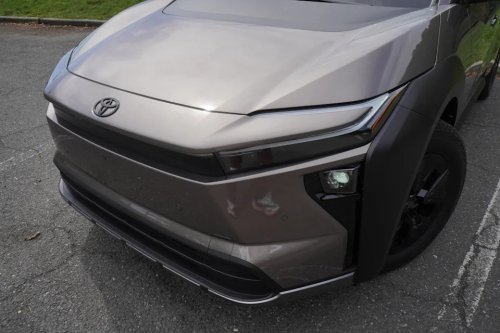
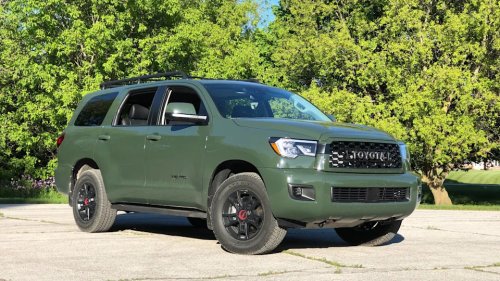
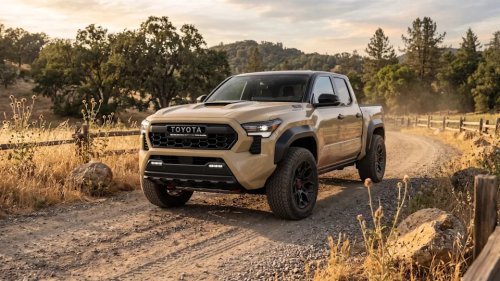
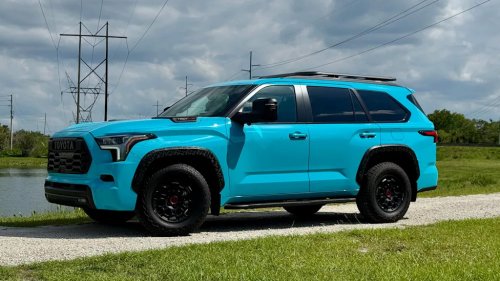
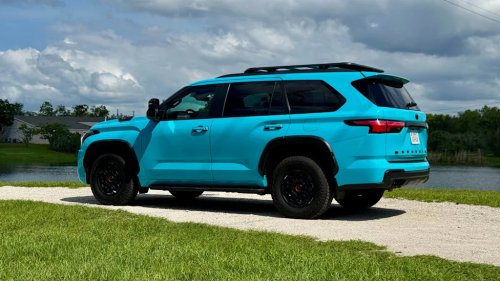
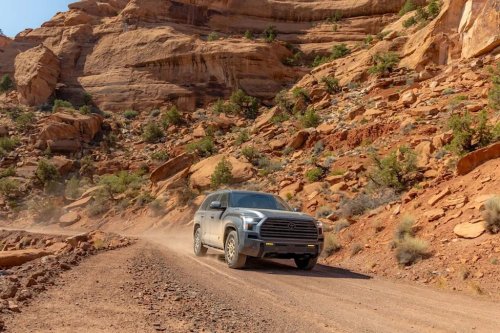
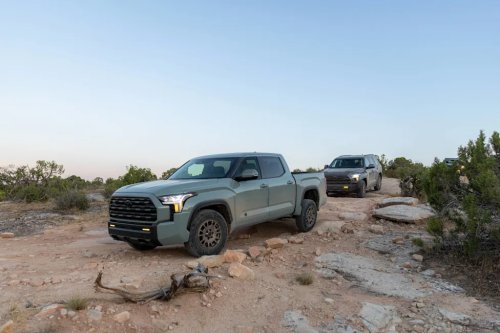
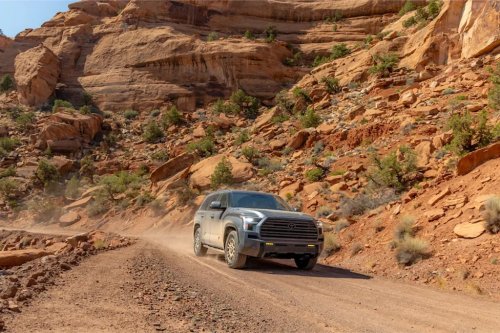
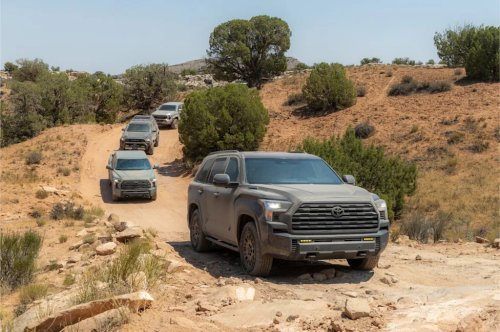
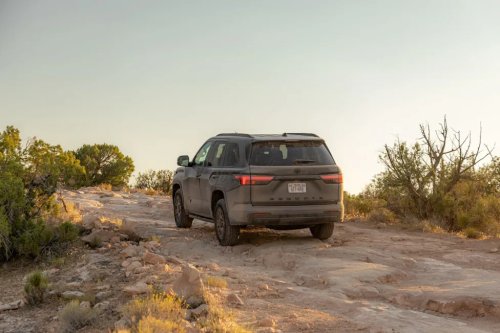
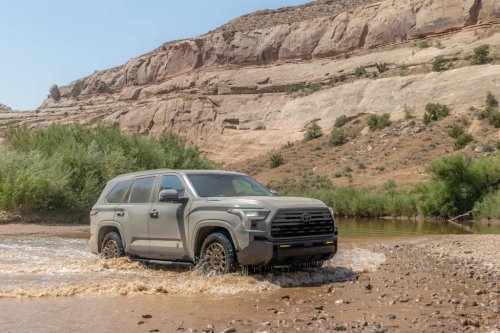
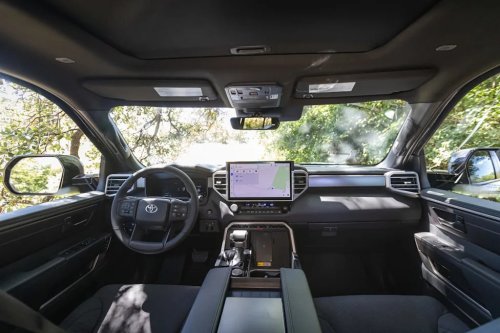
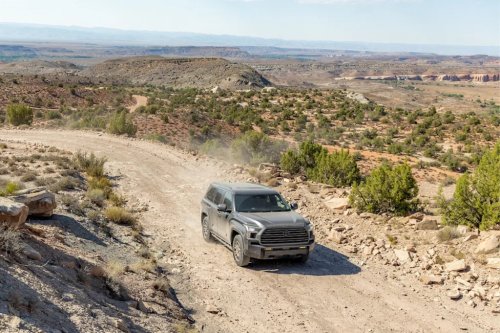
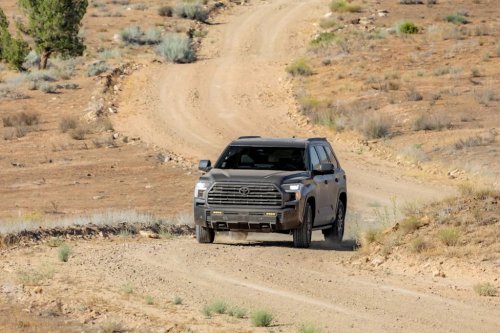
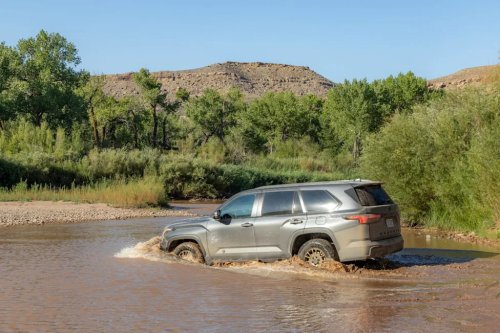
The 2027 Toyota Sequoia Trailhunter Is BurlyToyotaThe Sequoia sometimes feels like Toyota's forgotten SUV. The big beast isn't the most capable off-roader. Nor, after the launch of the Grand Highlander, is the Sequoia the Toyota SUV with the most cargo capacity either. But to sharpen the case for the brawny explorer, Toyota has released a Trailhunter version, one that R&T put through its paces at nearly 10,000 feet of elevation.Our expert editors test every vehicle we review. Read more about how we test and review cars here.The LowdownToyotaThe Toyota Sequoia gets a major facelift for 2027, with the addition of the Trailhunter package being another upgrade. All Sequoia models get a new front fascia, while the Trailhunter adds the extra features we have come to expect from factory "overlanding" packages. Visually, that means bronze-colored wheels and an available grille-mounted LED light bar, plus front recovery hooks. Mechanical upgrades include suspension from Australian specialist Old Man Emu, Michelin LTX Trail tires, additional underbody protection, and a locking rear differential. The interior now has a standard 14-inch infotainment touchscreen as standard.AdvertisementAdvertisementVehicle Tested: 2027 Toyota Sequoia TrailhunterBase Price: $74,000 (Manufacturer EST)Price as Tested: $74,000 (Manufacturer EST)Location: Grand Junction, ColoradoMore SpecsPowertrain: 3445-cc twin-turbocharged V-6 enginePower: 437 hp @ 5200 rpmTorque: 583 lb-ft @ 2400 rpm0–60 mph: 6.2 sec (Manufacturer EST)Transmission: 10-speed automatic, all-wheel driveHow Does It Drive?Toyota's test ground for my drive of the Sequoia Trailhunter was not an easy one. Climbing over 5000 feet above the mesas of Grand Junction, Colorado, the Sequoia Trailhunter endured three days of 102-degree heat without faltering. From keeping pace on an 80-mph limited stretch of Interstate 70 to rock crawling through the skirts of Arches National Park, the Trailhunter adapted to each environment without any noticeable limitations.AdvertisementAdvertisementLike the regular Sequoia, the Trailhunter uses a hybridized twin-turbo 3.4-liter V-6 which Toyota calls i-Force Max. We don't have an official peak output figure for the Trailhunter, but Toyota confirms these will be very close to the 437 horsepower and 583 lb-ft of the stock car. Despite its near-6000-pound curb weight, the Sequoia Trailhunter felt impressively peppy when I drove it.ToyotaThe on-road experience is plush. Highway miles disappeared painlessly under the 20-inch wheels and all-terrain tires without any noticeable noise intrusion in the cabin. Similarly, the off-road-biased suspension remained pretty compliant on asphalt, although this Sequoia definitely isn't up to pulling big lateral g's. Torque was available early and often, making highway passing a breeze. Based on the standard Sequoia's 5.6-second 0-to-60-mph time, the Trailhunter probably wouldn't disgrace itself in a stoplight drag race either. Putting my foot to the floor once rolling did result in slightly slow downshifts, but there is enough low-down torque that this didn't really matter. The V-6 made a pleasant rasp when worked hard.ToyotaThe combination of plentiful torque and the new parts made the Sequoia impressively competent off-road for a three-row SUV. Following a pair of Tacoma and 4Runner Trailhunters over the border from Colorado to Utah, I piloted the Sequoia through river crossings, over jagged rock walls, and through high-speed sand whoops without any body contact or sense of uncertainty as to what it could do. The Sequoia's dimensions make it slightly awkward on narrower trails, but approach and departure angles are good enough for most challenges on the easier side of Hell's Revenge. The Multi-Terrain Select drive mode and Crawl Control were intuitive to engage and effective in practice.My only real complaint about the driving experience was centered around the 10-speed transmission. Shift timing was too slow for my liking on-road, and the gearbox was similarly unwilling to downshift early off-road. Additionally, the terrain modes' gear selection was often off, making it easier to simply select ratios manually. Another omission was the front sway bar disconnect feature of the 4Runner and Tacoma Trailhunter models, meaning that head toss on rougher tracks was harsh at times.What's It Like to Live with?ToyotaToyota is working hard to standardize its interior experience, particularly in its body-on-frame SUV and pickup models, and the Sequoia Trailhunter feels entirely on pace. The 14-inch infotainment touchscreen was intuitive to use, quick to respond, and served as an excellent camera display while off-roading. My only complaint, shared with Toyota vehicles at large, is that certain functions, like adding new devices or particular vehicle settings, require too many menu inputs. Similarly, the fully digital gauge cluster was functional but looked uninspiring.AdvertisementAdvertisementThe Sequoia Trailhunter is a behemoth of an SUV inside and out. And that made the experience inside particularly pleasant, especially when compared to its Tacoma and 4Runner siblings. Headroom, legroom, and shoulder space were beyond ample in the first two rows, while the third row remains appropriate for adults on shorter rides and kids on longer ones. Another advantage of the ample amount of interior room is that it kept me from being jostled against hard interior parts during low- and high-speed off-roading alike.ToyotaThe Sequoia Trailhunter earns bonus points for its ergonomic design as well. The steering wheel is thicker than what's in smaller Toyota SUV counterparts, and the shifter is chunkier. Both of these suited the size and feel of the vehicle, a helpful tactile reminder on tightening trails and in suburban parking lots alike. Similarly, the placement of an Apple CarPlay–connecting charge port is perfectly front and center, while the large volume knob is placed directly above it. Everything essential is within reach, extraneous distraction is minimized, and Toyota deserves kudos for that.There is an important distinction to be made in Toyota's lineup of Trailhunter models. While the 4Runner and Tacoma versions are standout trims within their model lines, the Sequoia and Tundra are not. Instead, the Sequoia Trailhunter is a package added onto the lowliest SR5 trim. As a result, it has fewer premium amenities; the Tacoma Trailhunter gets ventilated IsoDynamic seats, for instance, while the Sequoia does not. However, the difference in price tags—the 4Runner Trailhunter can reach as high as $77,000—levels the playing field.Should I Buy One?ToyotaThe three-row off-roader market is not a hugely competitive one. At an estimated $74,000 sticker price, the Sequoia Trailhunter is up against the Lexus GX, the Land Rover Defender 130, and the GMC Yukon AT4. Family-focused buyers will rightly quibble over interior dimensions and cargo capacity, but the Sequoia Trailhunter is only bested in off-road capability by its Lexus sibling while offering significantly more space. If getting off the beaten path and fulfilling your weekly carpooling duties are equally important, the Sequoia Trailhunter is hard to beat.Highlights and LowlightsWe Love:Torquey, unstoppable powertrain.Impressive technical off-road ability for something so big.Generous interior dimensions.We Don't:Overly complicated infotainment menu functions.Bizarre hybrid drivetrain noise.Particularly wide turning circle.Favorite DetailToyotaDespite Toyota's transition to electrified, six-cylinder power for its full-size trucks, the Sequoia Trailhunter almost has the soul of a proper V-8. The hybrid powertrain offers strong low-end torque, while the 3.4-liter V-6 brings in a breathy intake note. For a family-focused ride, the Sequoia Trailhunter is sonically satisfying.AdvertisementAdvertisementYou Might Also LikeIf You Can Only Own One Car, Make It One of TheseThese Are the Most Popular Cars by State



















 +56 others