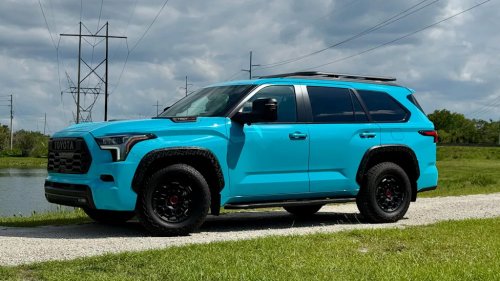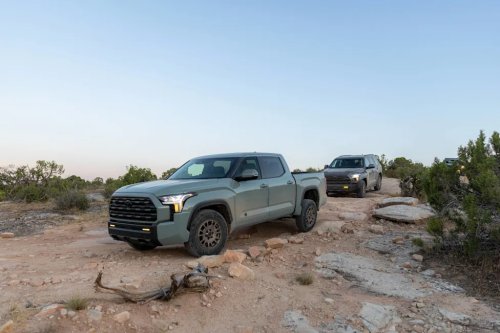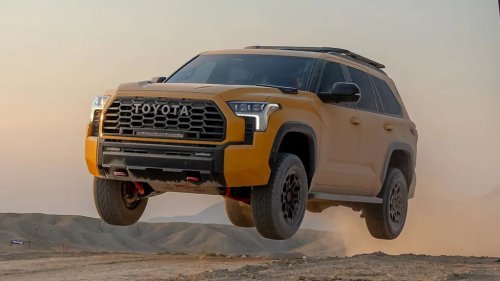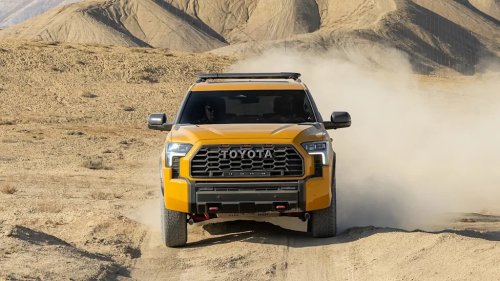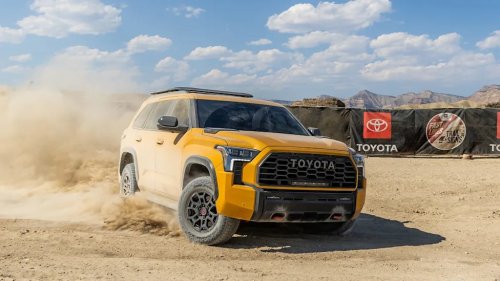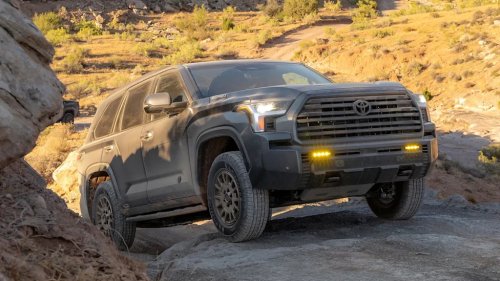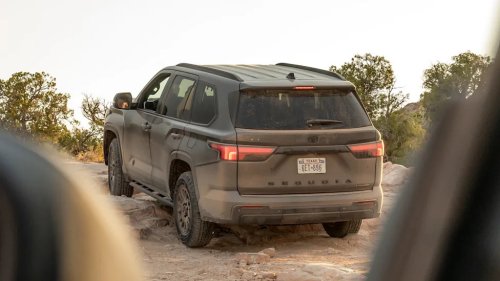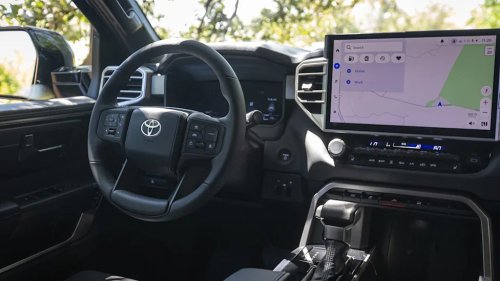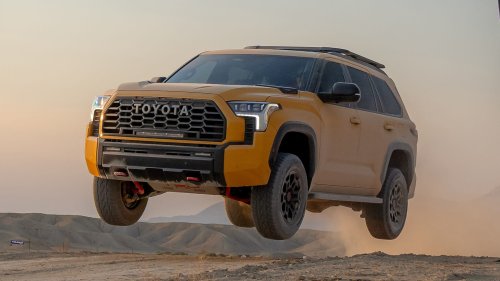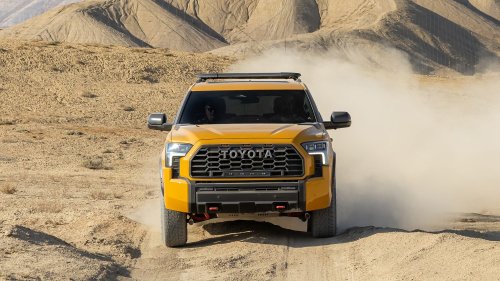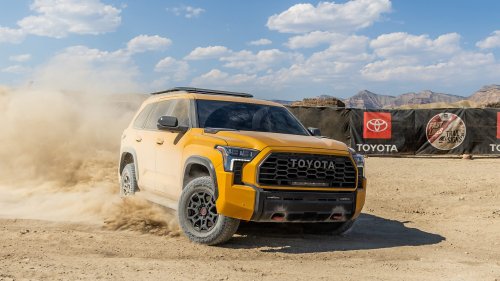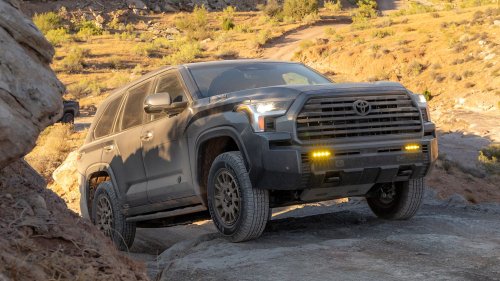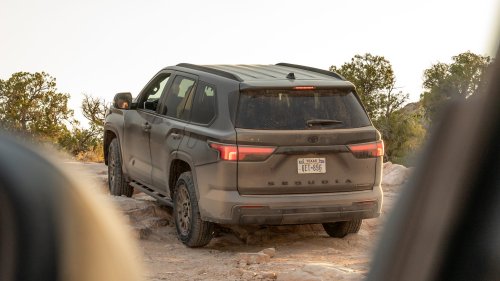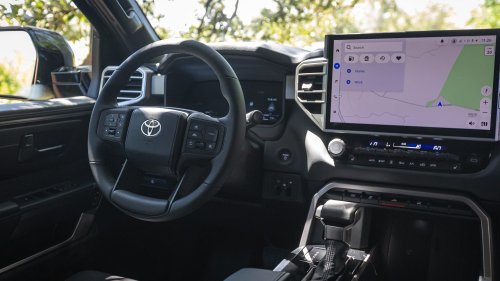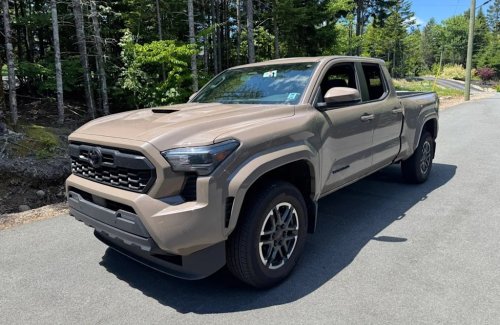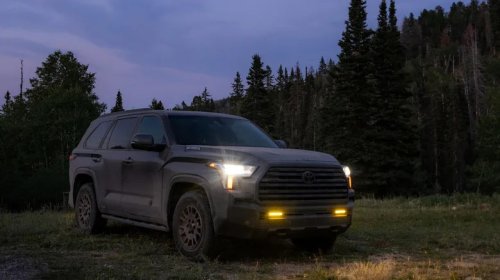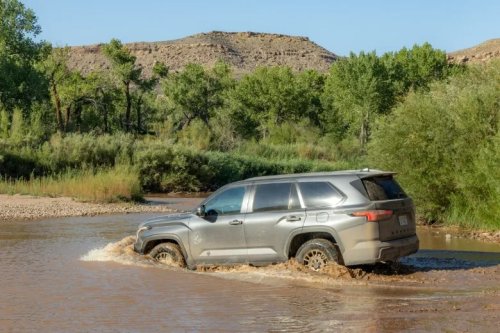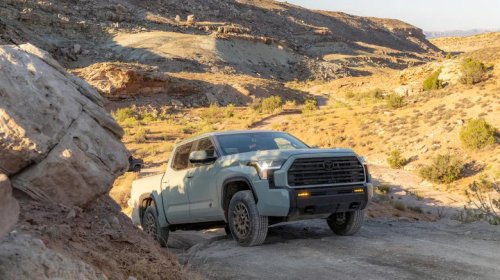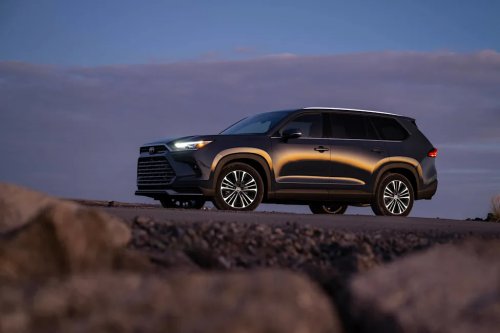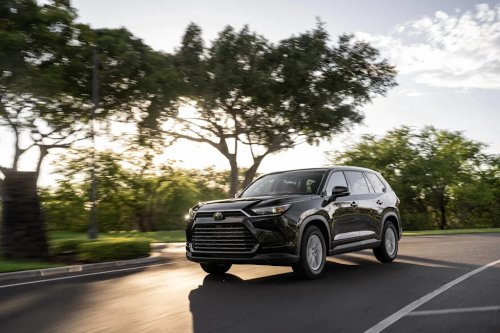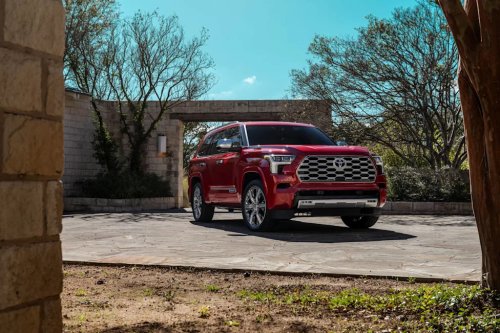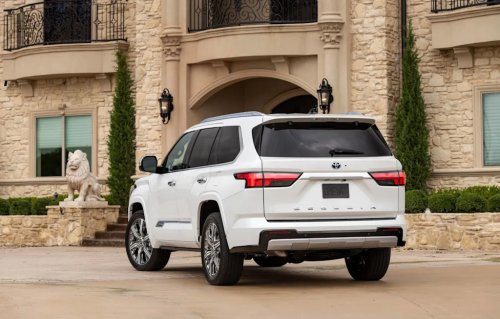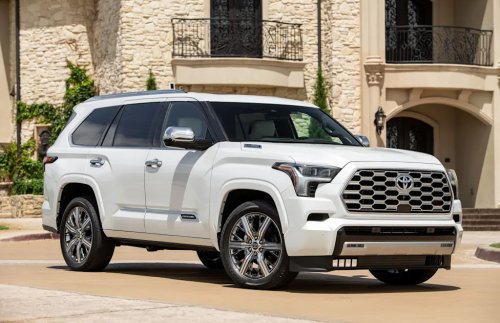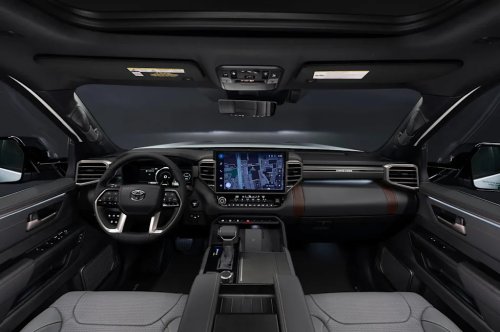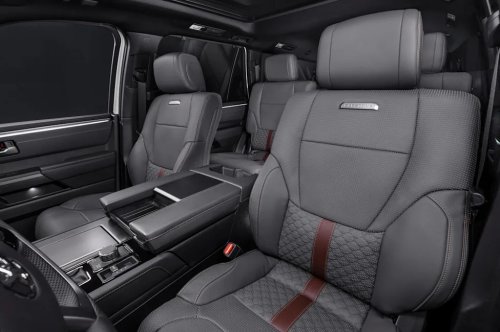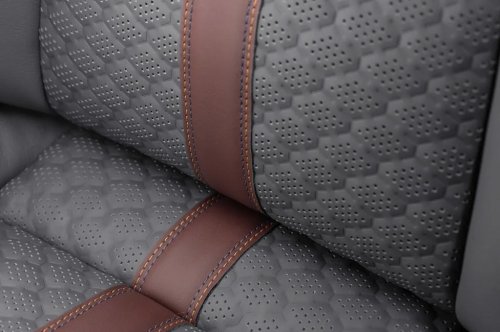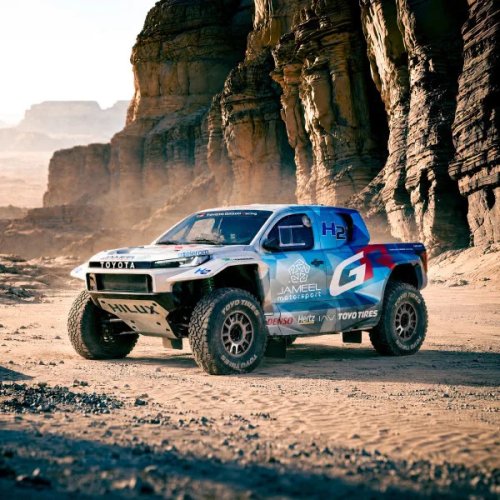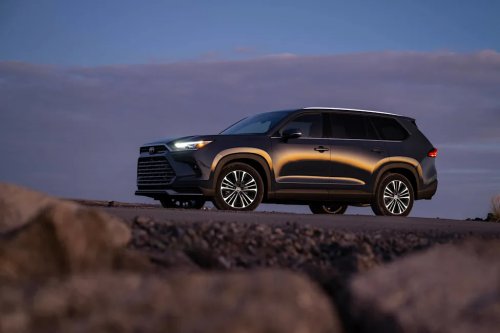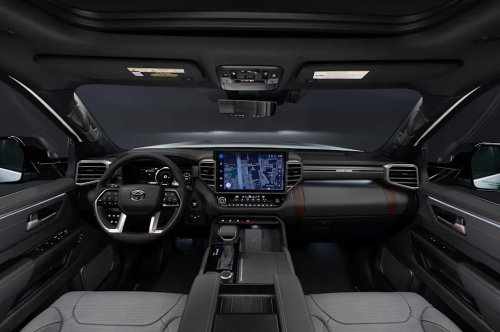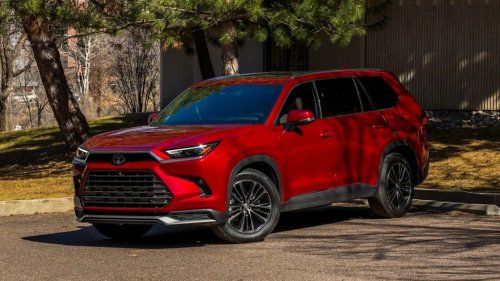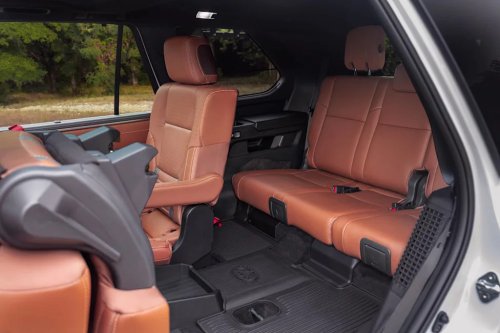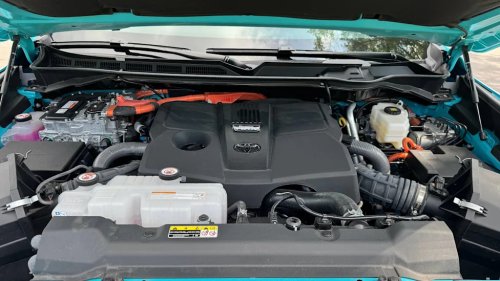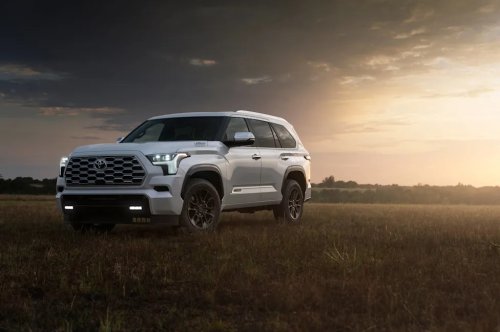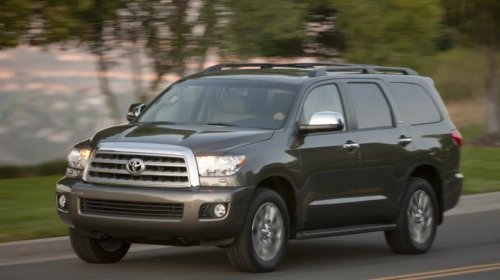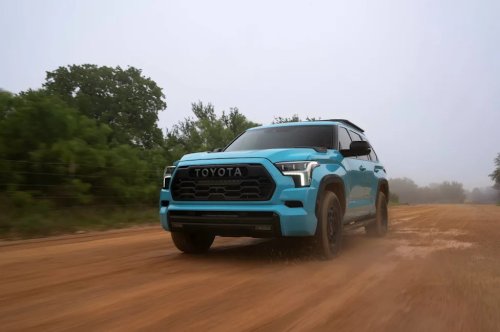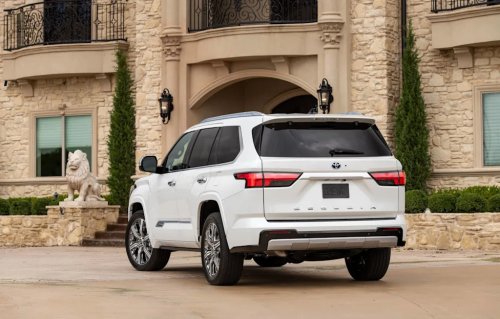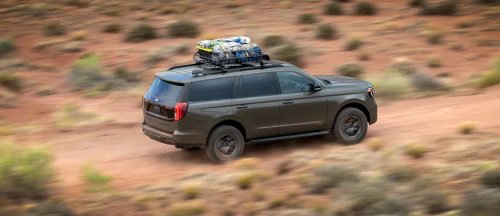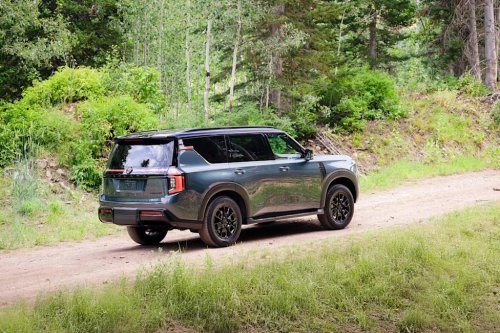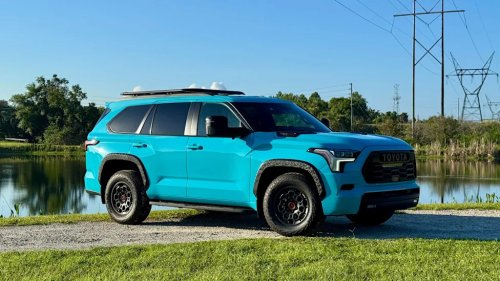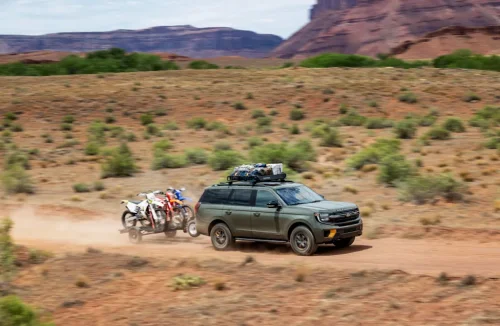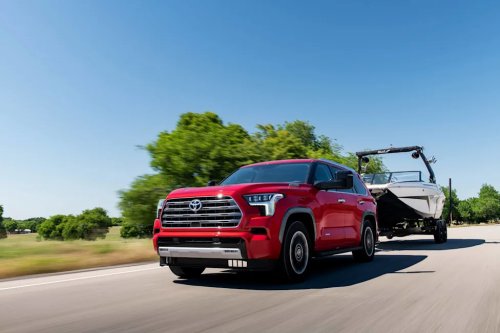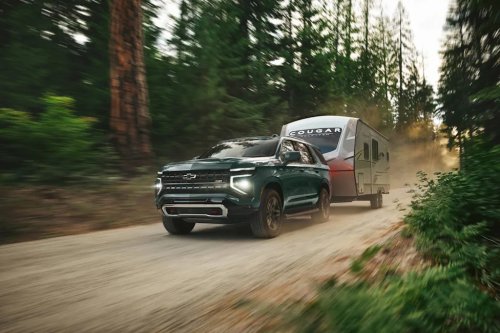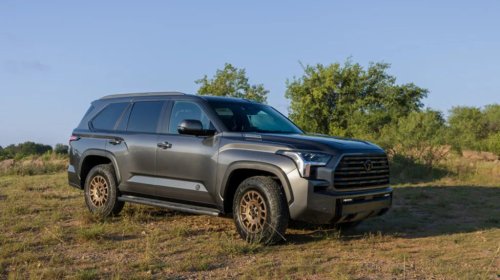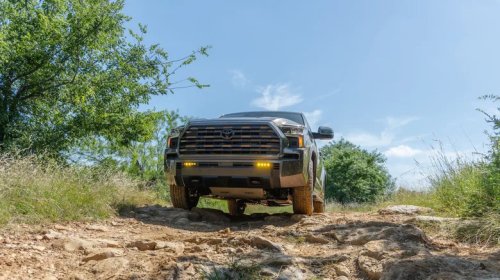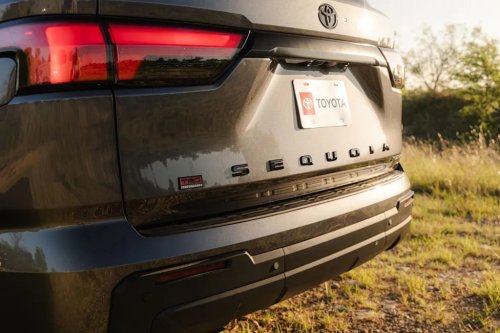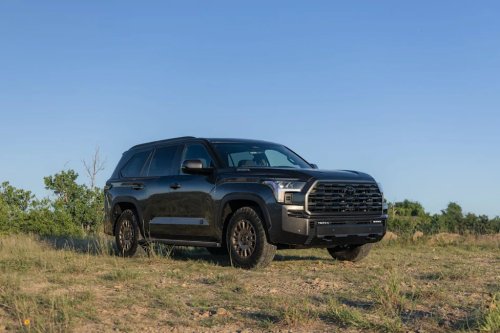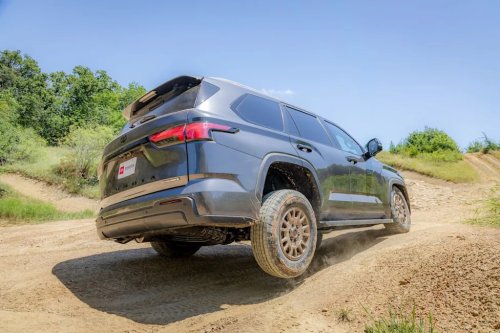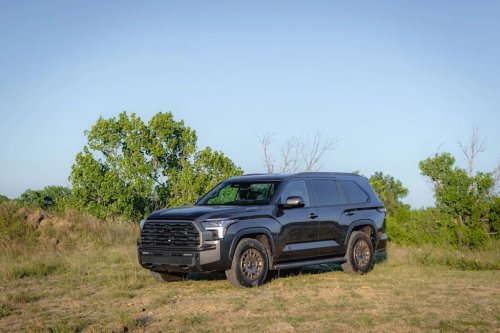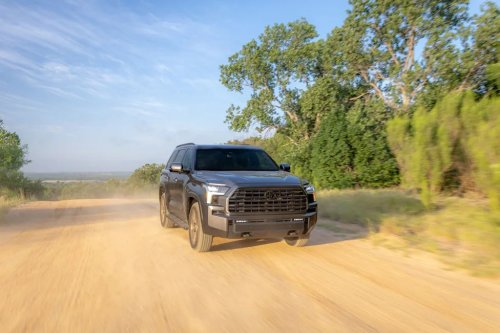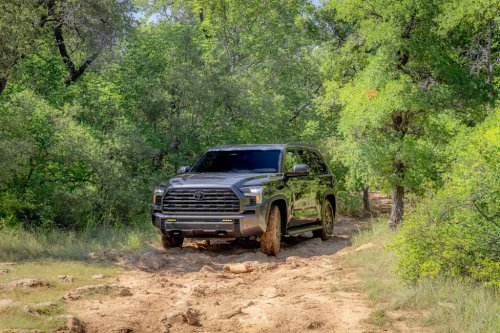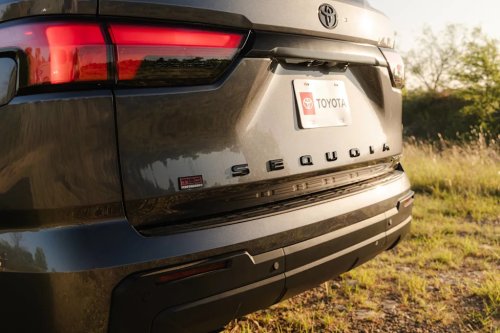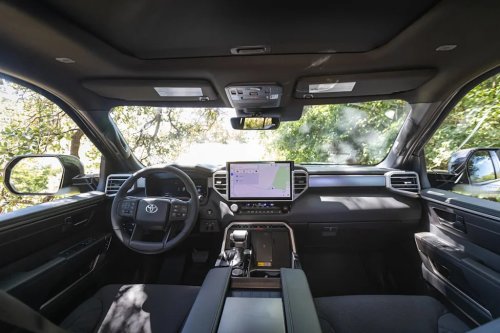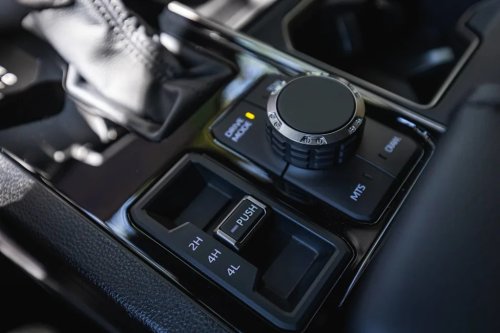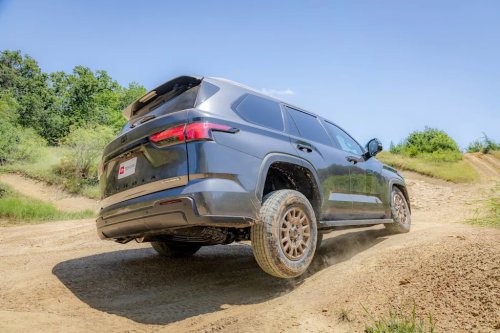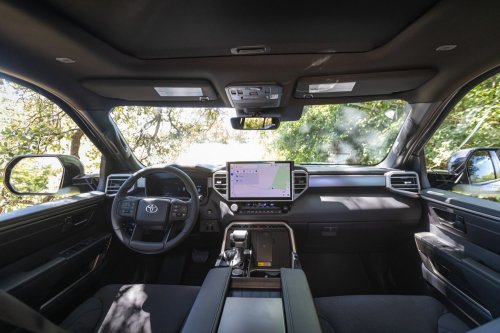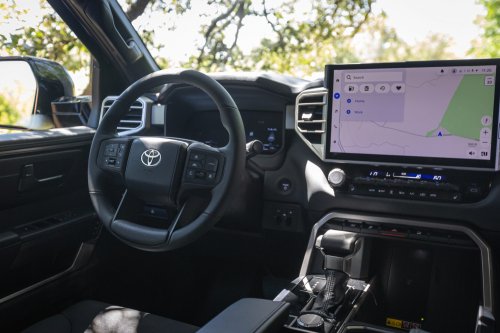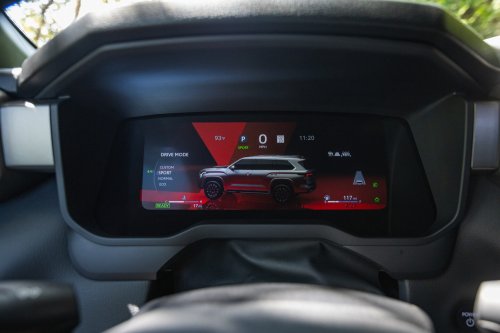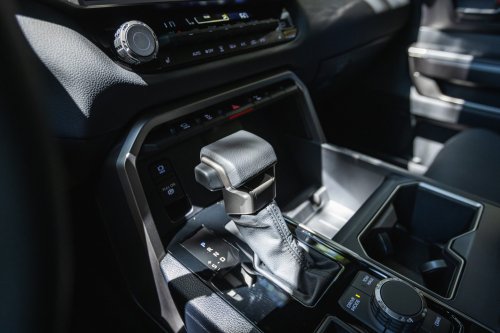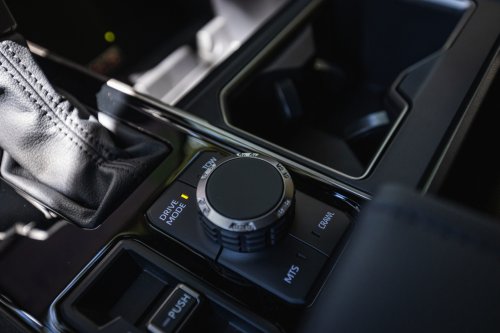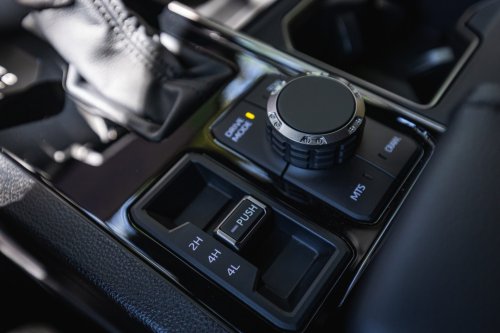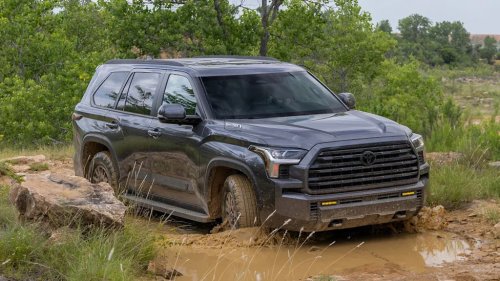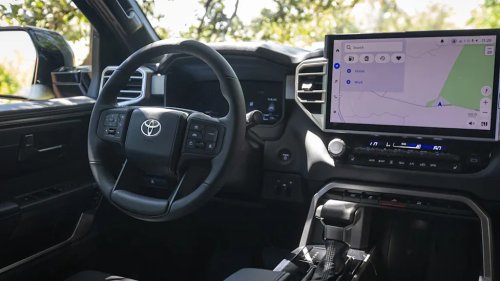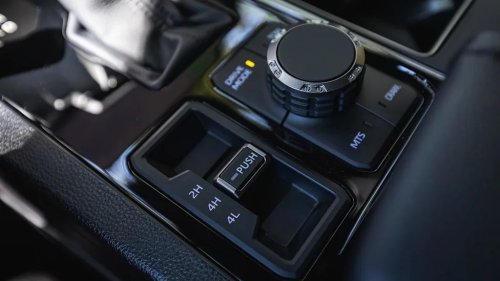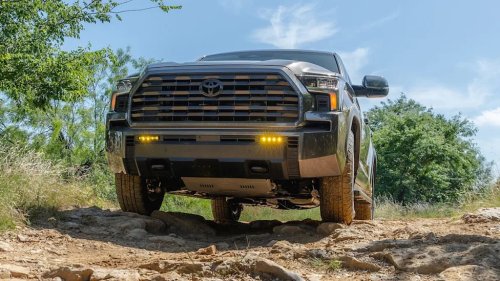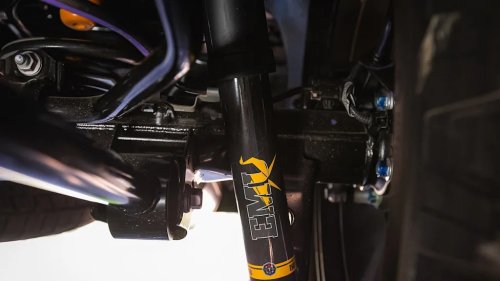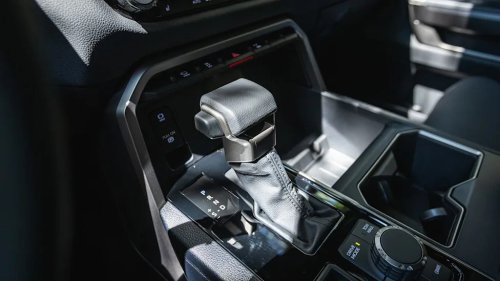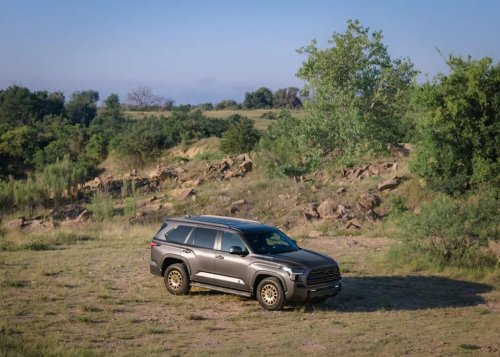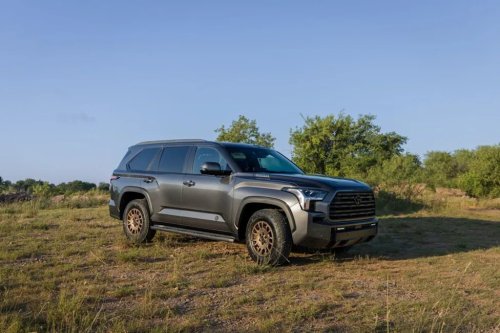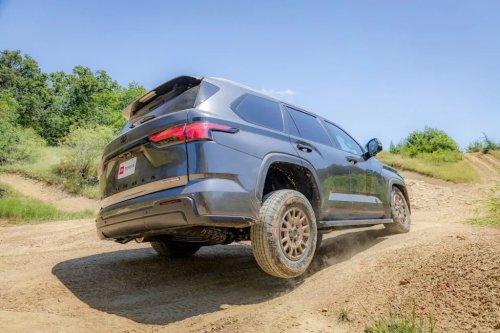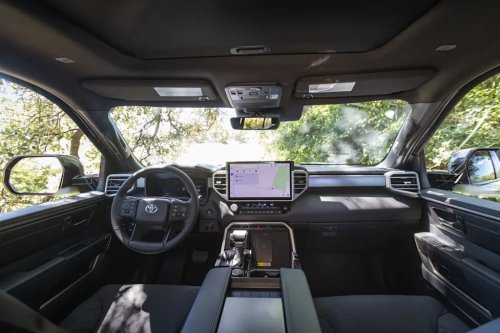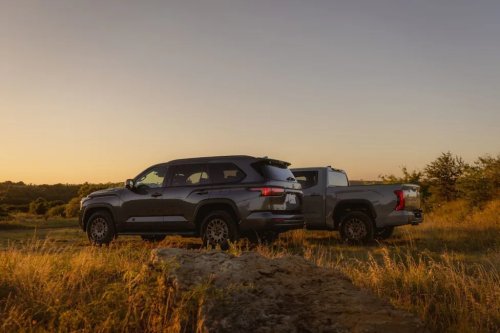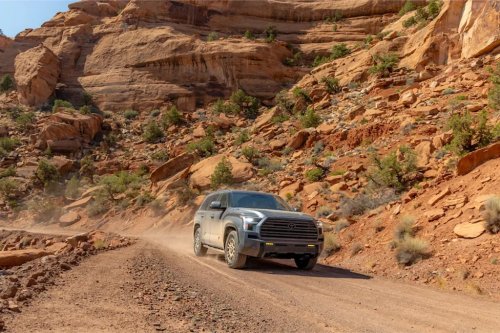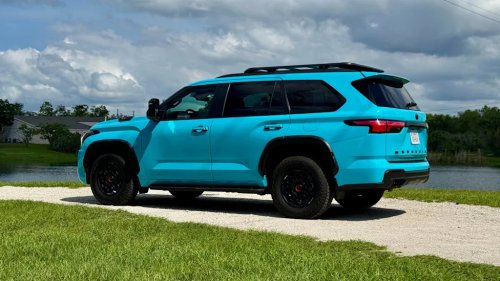
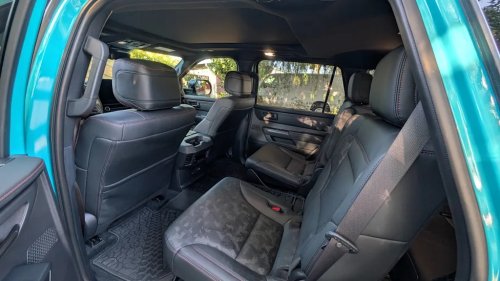
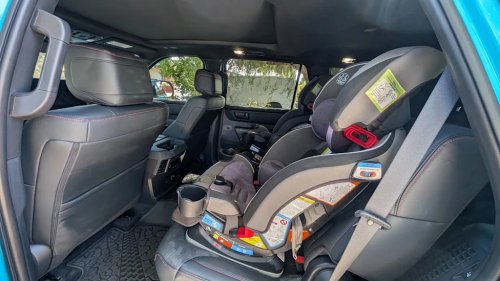
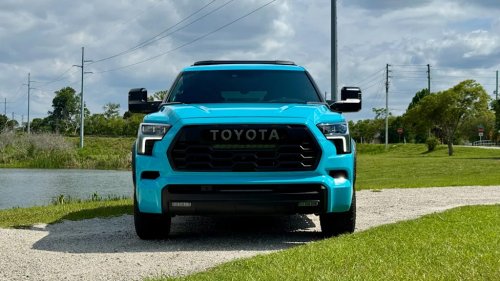
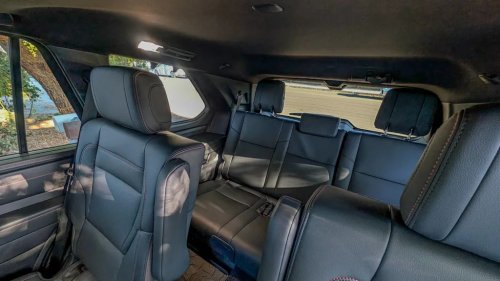
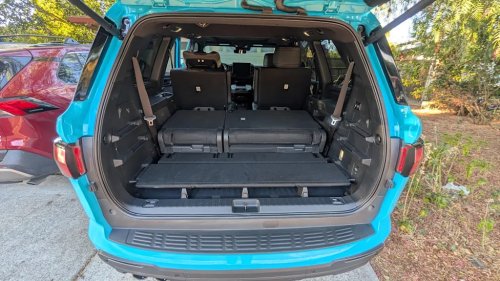
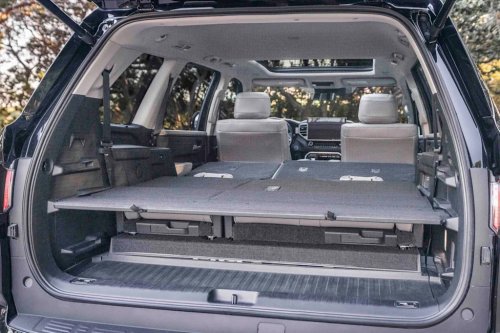
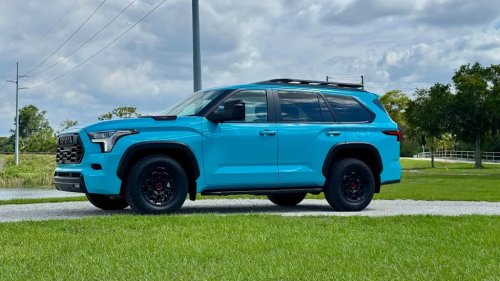
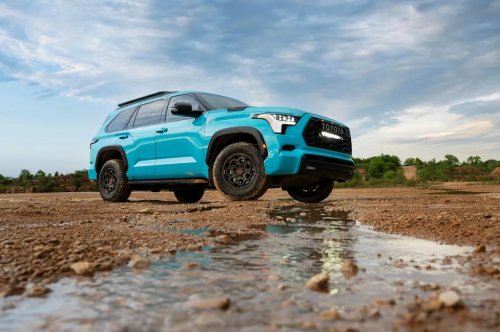
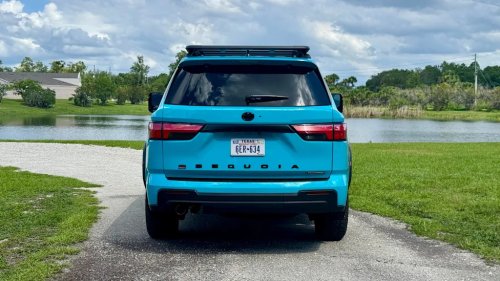
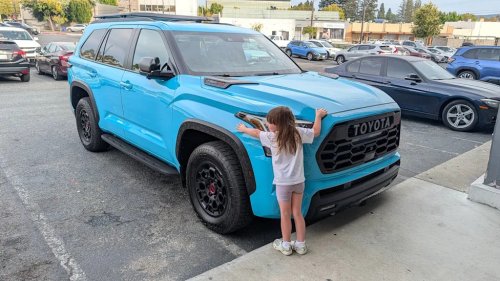

















Autoblog and Yahoo may earn commission from links in this article.Since I'm in the automotive industry, my algorithms on social media are very car-heavy—especially when it comes to discussions between moms about which 3-row is the best option for them and their families. Recently, I've been seeing a lot of TikToks by moms who've bought a 2026 Toyota Sequoia, dubbing it the "ultimate mom car." Naturally, I had my reservations. I've seen the tight third row, I've seen the funky storage setup behind the third row, and I know it's a gas hog. When I was offered the chance to review the Toyota Sequoia TRD Pro, I was excited to see if the enthusiasm I saw online from other moms was either staged or legitimate. Jared Rosenholtz/AutoblogIt definitely shocked me—in ways both good and bad, as a family car and as a daily driver in general. In fact, I liked it a whole lot more than I thought I would. After installing car seats, having someone ride in the third row, and filling it full of groceries, would I recommend it as a family car? Sure, but to a very, very specific shopper. Let's dig in.AdvertisementAdvertisementRelated: Road Ethos Launches: The New Automotive Lifestyle Site You Should ReadCar seat installation: 10/10Car seats won't last in a family forever, but kids are bound to some kind of supportive seat for many years. So, I'm always sure to pay special attention to how easy it is (or isn't) to install my 4- and 3-year-old daughter's front-facing car seats. The TRD Pro comes from the factory with captain's chairs (only trims that offer bench seats are the SR5 and Limited trims), and I found it very easy to get their seats installed. The lower ISOFIX LATCH anchors were exposed and accessible; I was able to tilt the seatback a little to make her seat fit flush, and I was able to remove the headrest in seconds. Securing the top tether was just as easy—I just crawled into the third row, secured it, and tightened it. Easy. The second seat was easy, too. Kristen BrownBut it wasn't just the hardware that made it easy. The entry point is wide, the load floor is low, and the ceiling is tall, giving me tons of room to work with. I didn't have to bend too low or lift their seats too high to get their seats installed. The doors are large, but they open at almost a perfect 90 degrees, so I didn't have to maneuver the seats at all to get them in, or risk banging into the door panels. In all the 3-row SUVs I've tested so far, the 2026 Toyota Sequoia is definitely in the top 5 "Easiest to Install a Car Seat Into" list. Kristen BrownAs a bonus, the third row does have a top tether point if you need to squeeze in another front-facing car seat. There aren't any lower LATCH points, but you can safely install a rear-facing seat with a seatbelt. Second row space and accommodations: 9/10Those who get to sit in the second row captain's chairs should consider themselves lucky. They're arguably just as comfortable as the driver or passenger's seats, with armrests, large, tinted windows, customizable climate controls, and 39.2 inches of legroom. Between the two passengers, there are a total of six cupholders: two on the rear of the center console, and two in each door panel. Each window had a built-in shade, too, so if the dark tint wasn't dark enough, it would be easy enough to lift and secure the shade. My daughters were huge fans of the low window sills, and the fact that the glass rolled down completely. My 4-year-old daughter was the first to say, "I can see the road, mommy!" Jared Rosenholtz/AutoblogI mentioned that the second row captain's chairs aren't on rails to slide forward or backward, but the seats do tilt forward (or "tumble" forward), or they can fold up and down to make the third row easier to access. However, if a car seat is installed, the tumble feature is disabled for safety reasons. But my husband and I found it easy enough to crawl through the aisle between the seats to get into the third row.AdvertisementAdvertisementRelated: 2026 Toyota 4Runner VS. Sequoia: Is the Bigger SUV Worth $23K More?Third row space and accommodations: 7/10At first glance, the Toyota Sequoia's third row is a squeeze. But Toyota's clever in how they packaged the second and third row, and how they work together. The second-row seats aren't on rails, so you can't slide them forward or backward like you can in most full-size 3-row SUVs. But that's okay, because the third-row seats are the ones on rails. They can slide forward or backward by six inches, and that can make or break someone's experience back there. For me, at 5'8", those extra inches made the third row a lot more roomy, without compromising space for second row passengers. With the seats slid backwards, the legroom back there expands to 35 inches, which is more than enough for most teens or elementary-aged children. Kristen BrownI found the space back there plentiful, but my taller husband wasn't a fan. He's about 6'1", so he found his knees pressed up against the second-row seat. I'd likely be happy back there on a longer drive, but he was grumbling within a few miles. However, we were both impressed by the third-row accommodations. Each passenger had two dedicated cupholders, a USB-C charging port, a dedicated A/C vent in the roof, and a built-in sunshade. The panoramic sunroof helped bring in a lot of natural light back there, so those in the second or third row wouldn't feel like they're stuck in a cave. Cargo space: 7.5/10 (bonus points for ingenuity)Behind the second row with the third row folded, the 2026 Toyota Sequoia TRD Pro offers about 49 cubic feet of cargo space. While that's a respectable figure, the packaging makes using it a bit… funky. Because of the hybrid battery, the third-row seats can't fold flat into the floor. Instead, they sit on top of the cargo floor, gobbling up vertical space and leaving you with a multi-tiered surface rather than a truly flat deck. That steep load-in height makes sliding large items in quite the chore—and since the TRD Pro is a tall SUV, you'll definitely need some muscle to hoist heavy gear up there. Kristen BrownToyota does, though, offer a clever workaround to the uneven floor: an adjustable cargo shelf. Slotting the shelf into its upper position bridges the height gap against the folded third row, leveling out the cargo floor. This setup also creates a tiered underfloor nook—perfect for tucking away soggy cleats or camping gear away from your main luggage. And it's surprisingly tough: rated to hold up to 220 pounds, which genuinely impressed my husband and me. But that still leaves the height issue, as the shelf increases the load floor by quite a bit.ToyotaWith the third row in use, cargo space is next to nothing. If the seats are pushed forward, you're left with 22.3 cubic feet of space. That's only slightly bigger than the rear cargo space of the 2026 Subaru Crosstrek, so it's not terrible, but it's less than you'd assume for a car its size. If the seats are slid all six inches backwards for third-row passengers, it shrinks to 11.5 cubic feet. Thankfully, though, the TRD Pro comes with a roof rack, and it's rated to tow a whopping 9,500 lbs, so if you need to tie something onto the roof or attach a hitch cargo carrier, you certainly can.AdvertisementAdvertisementRelated: I Drove The 2027 Toyota Tundra And Sequoia Trailhunter In The Desert: Here's My First Taste Of Toyota's Big Overlanding PushPower and mileage: 6/10No one is going to be shocked when I say that mileage in the off-road-ready TRD Pro trim was abysmal. It sits on bigger, taller all-terrain tires from the factory; it's less aerodynamic because of that extra inch of ground clearance and factory roof rack, and the i-FORCEMAX hybrid system is the same that's packed into the Tundra—a 3.4-liter twin-turbo V6 that produced a combined 437 horsepower and 583 lb-ft of torque. That makes it a serious asset when it comes to towing or off-roading, but when it comes to daily tasks and errands, the TRD Pro is out of its element. I averaged about 16 MPG driving my kids around, going grocery shopping, and hitting the drive-thrus (which, let's be honest, is probably where 90% of Sequoia TRD Pros will spend their time). On the highway, I was lucky if I saw higher than 18 MPG, and when my older sister was up front, my two kids in the second row, and my husband was in the third row, the mileage dropped to 15.8 MPG. Jared Rosenholtz/AutoblogBut, then again, no one is buying the Sequoia for mileage. They're buying it for the heft and muscle, and it certainly delivers there. And if you lived somewhere like Texas where gas was still averaging below $4 per gallon, that's not a huge obstacle for most buyers. I live in California's San Francisco Bay Area, where regular is pushing $6, so I can't imagine how much physical and emotional pain I'd feel at the pumps every two weeks. Especially since the maximum range is just under 300 miles. Off-road capability: 10/10One thing I've learned about Toyota: they don't mess around when it comes to their off-road-focused trims, especially the TRD Pro models. Like other Toyota models, the TRD Pro is second from the top of the line. For the Sequoia, the Capstone is the luxury-focused top-tier model. If you plan on frequenting the roads less traveled, the TRD Pro's MSRP of $82,465 means it comes with a very long list of factory modifications that make it the four-wheeler it is. AdvertisementAdvertisementInterior-wise, it comes with Toyota's multi-terrain monitoring system, which utilizes all of the exterior cameras on the side mirrors, grille, and rear tailgate to make it easier for the driver to spot obstacles off-road (and check your wheel placement) on the 14-inch screen. You can set it to display multiple angles on one screen, or you can pick a specific one. Hardware-wise, it comes with a part-time 4WD system, electronically controlled 2-speed transfer case, and an e-locking diff in the rear. I already mentioned the factory lift of 1.1 inches and taller, all-terrain tires, and that's thanks to FOX 2.5-inch internal bypass shocks; this trim also boasts rock sliders and a ¼ inch thick skid plate in the front to protect the engine. Otherwise, Toyota didn't mess with any other internal stuff. But they did throw in some TRD badging and red accenting throughout the interior. My daughters also noticed the fun all-weather floor mats that had patterns representing muddy tire tracks, which was a cute touch. One thing the TRD Pro comes with is a dual-tip catback exhaust, which drove my husband crazy as the hybrid system would randomly turn the engine on or off while driving, which made the sound more distracting. I didn't mind it much, but my husband couldn't stand it. He said, and I quote, "If this were my truck, the first thing I'd do is remove that awful exhaust."Related: I Drove Toyota's Most Expensive Vehicle. Is the 2026 Sequoia Capstone Worth $90 Grand?Safety features: 10/10Interestingly enough, the 2026 Toyota Sequoia TRD Pro comes with Toyota Safety Sense 2.5 instead of the 3.0 system, so while it's an "older" system, it still comes with a laundry list of standard (and optional) safety features. The pre-collision suite is substantial, with features like pedestrian detection, dynamic radar cruise control (that will automatically detect and slow down for turns, my favorite feature for long drives), lane departure warning with steering assist, and lane tracing assist. The suite also includes blind spot monitoring and parking assist, with automatic emergency braking either way. On the surprisingly unmodifiable all-digital gauge display, the TRD Pro comes with road sign and speed limit assist, which comes in handy in unfamiliar territory. AdvertisementAdvertisementI also adored the high-resolution digital rearview mirror, and my husband adored the built-in towing and trailer features like a trailer backup guide with straight path assist, too. It's truly a regular tower's dream.Jared Rosenholtz/AutoblogIf that's not enough, Toyota offers a few packages for those who tow:Wireless Trailer Camera Package: Adds an exterior-mounted wireless camera and transceiver that mounts to the back of a travel trailer/camper, streaming live rearview footage directly into the digital rearview mirror.Power Towing Mirrors: Power-extending and power-folding trailering mirrors with integrated convex spotters, turn signals, and perimeter puddle lights.Dashcam (Toyota Integrated Dashcam): A dealer/factory-installed continuous-recording windshield camera wired directly into the vehicle harness with automatic impact-detection file locking.And, worth noting: The TRD Pro doesn't list massaging seats or rear-load leveling suspension because of its suspension setup. Final thoughtsWould I recommend the Sequoia TRD Pro to families? Absolutely—especially to outdoor-focused families who regularly tow campers, horse trailers, or boats and rely on genuine four-wheel drive to power through snow and mud in the same weekend. But as a purely suburban kid-hauler, it's a much tougher sell. It feels almost criminal to take a thoughtfully engineered, heavy-duty beast built for serious towing and trail work and neuter it to handle school drop-offs and Costco runs.Kristen BrownIt will happily play pavement princess if you're willing to drop $82,000, but suburban parents looking for effortless daily utility will be far better served by unibody crossovers like the Toyota Grand Highlander, Kia Telluride, or Honda Pilot. The Sequoia TRD Pro is a great 3-row SUV, but it's designed specifically for those who need a truck to do truck things. Maybe I'll save up and get one to haul my Jeep, since my daughter fell head over heels for it.AdvertisementAdvertisementThis story was originally published by Autoblog on Aug 31, 2026, where it first appeared in the Reviews section. Add Autoblog as a Preferred Source by clicking here.