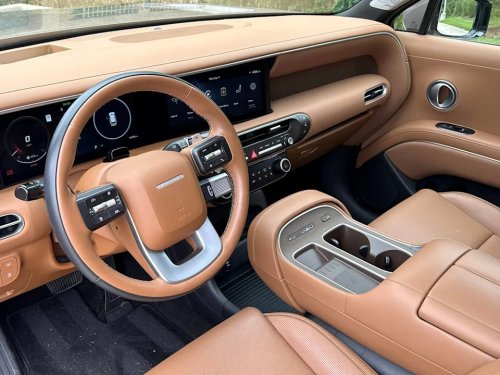
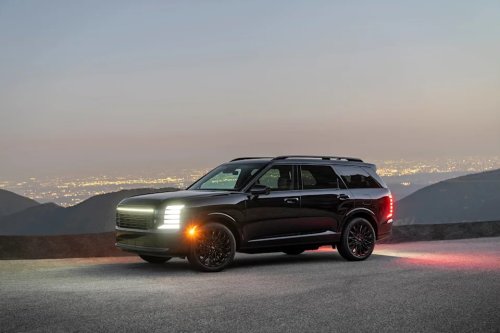
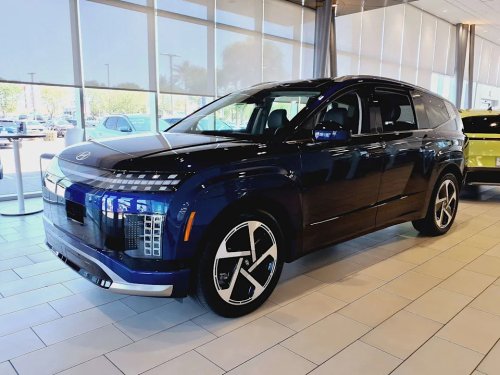
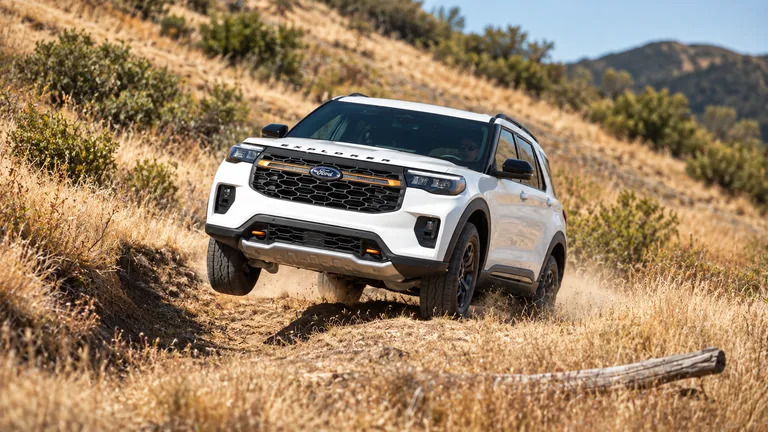
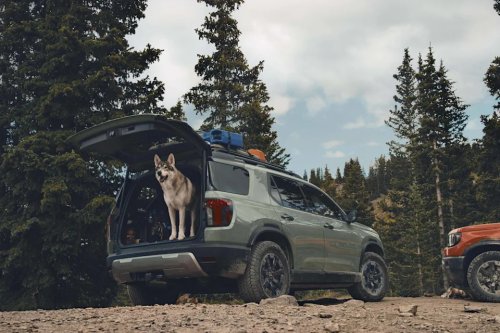
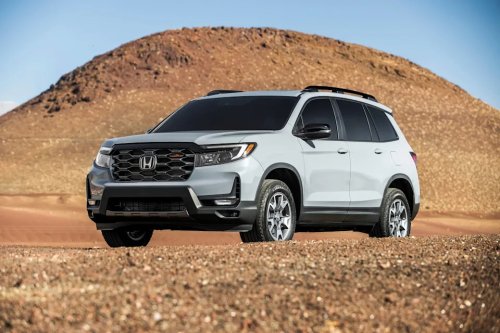
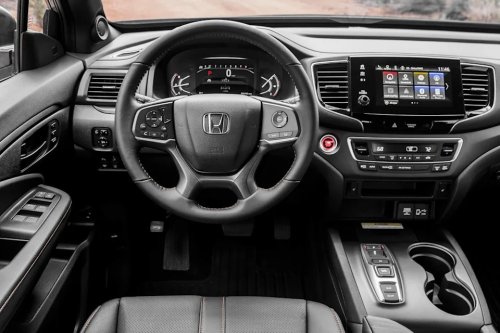
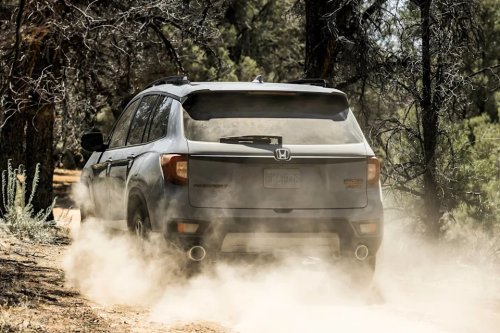
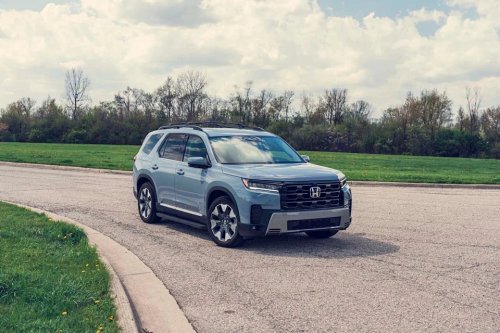
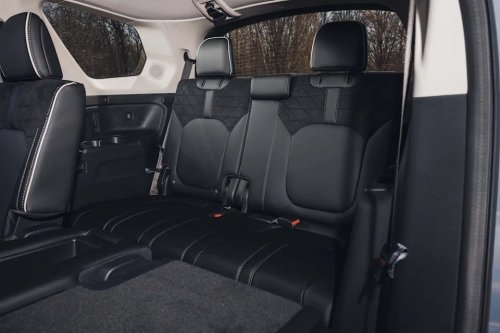
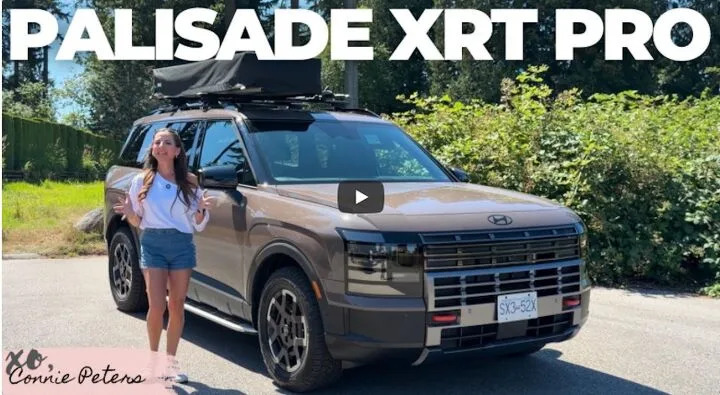
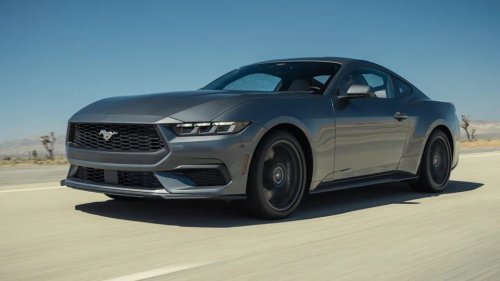
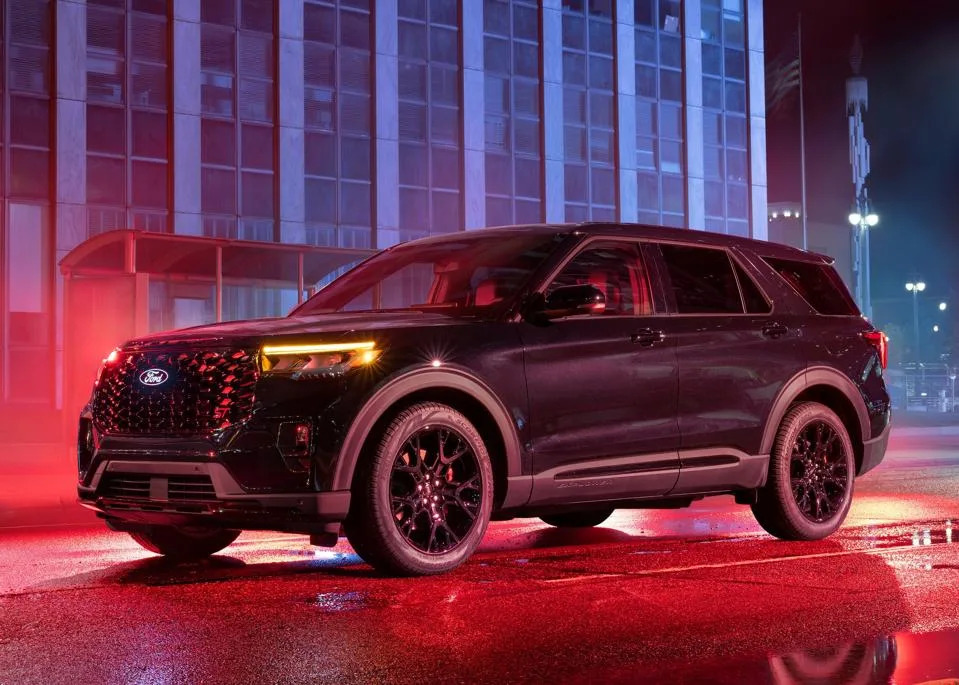
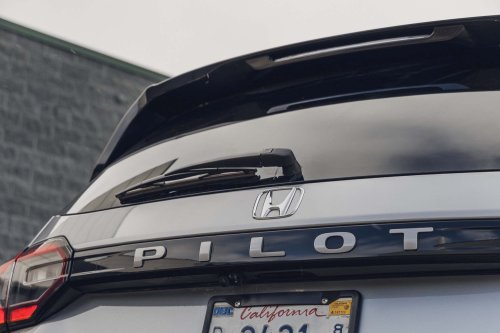
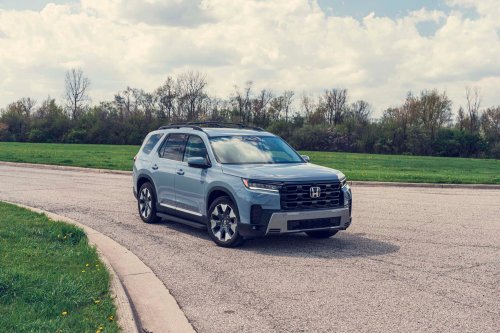
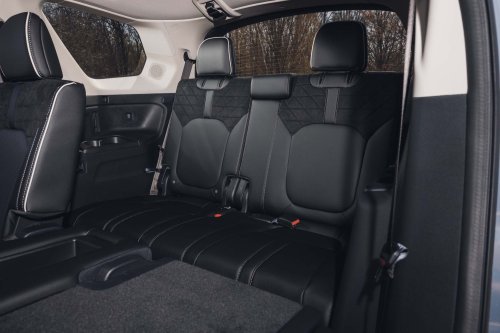
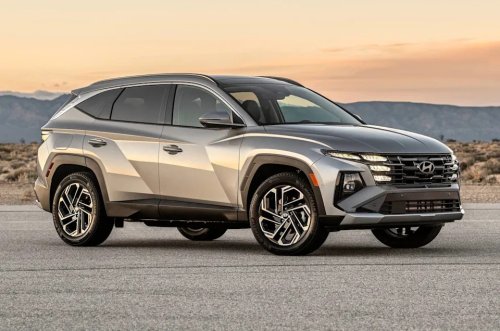
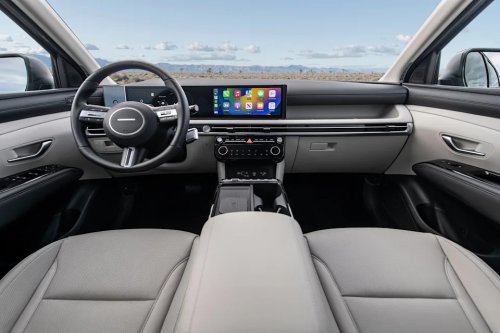
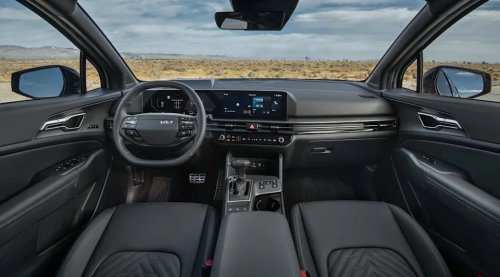
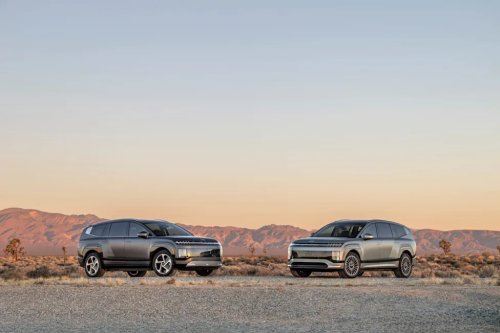
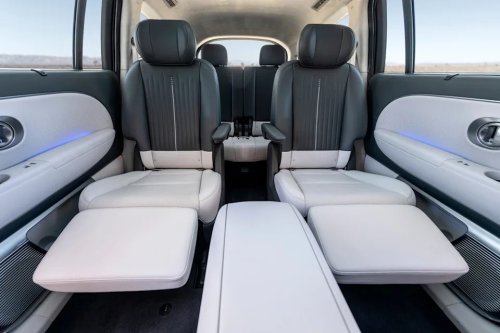
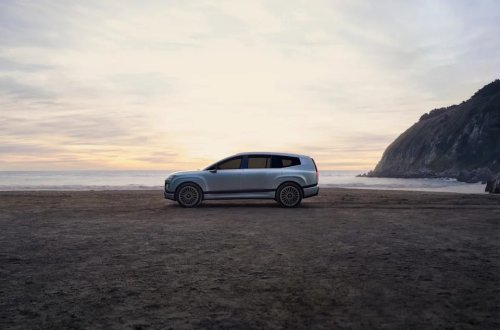
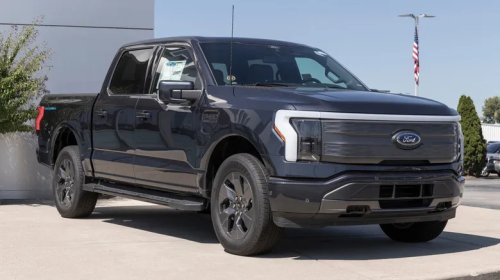
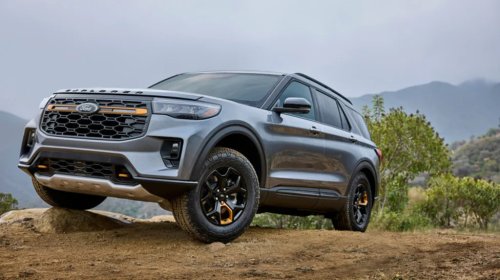
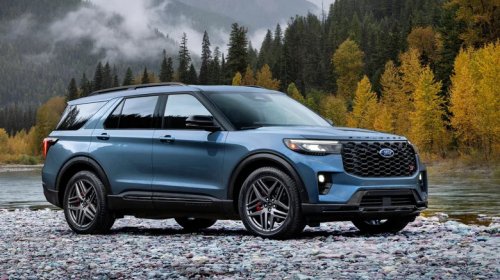
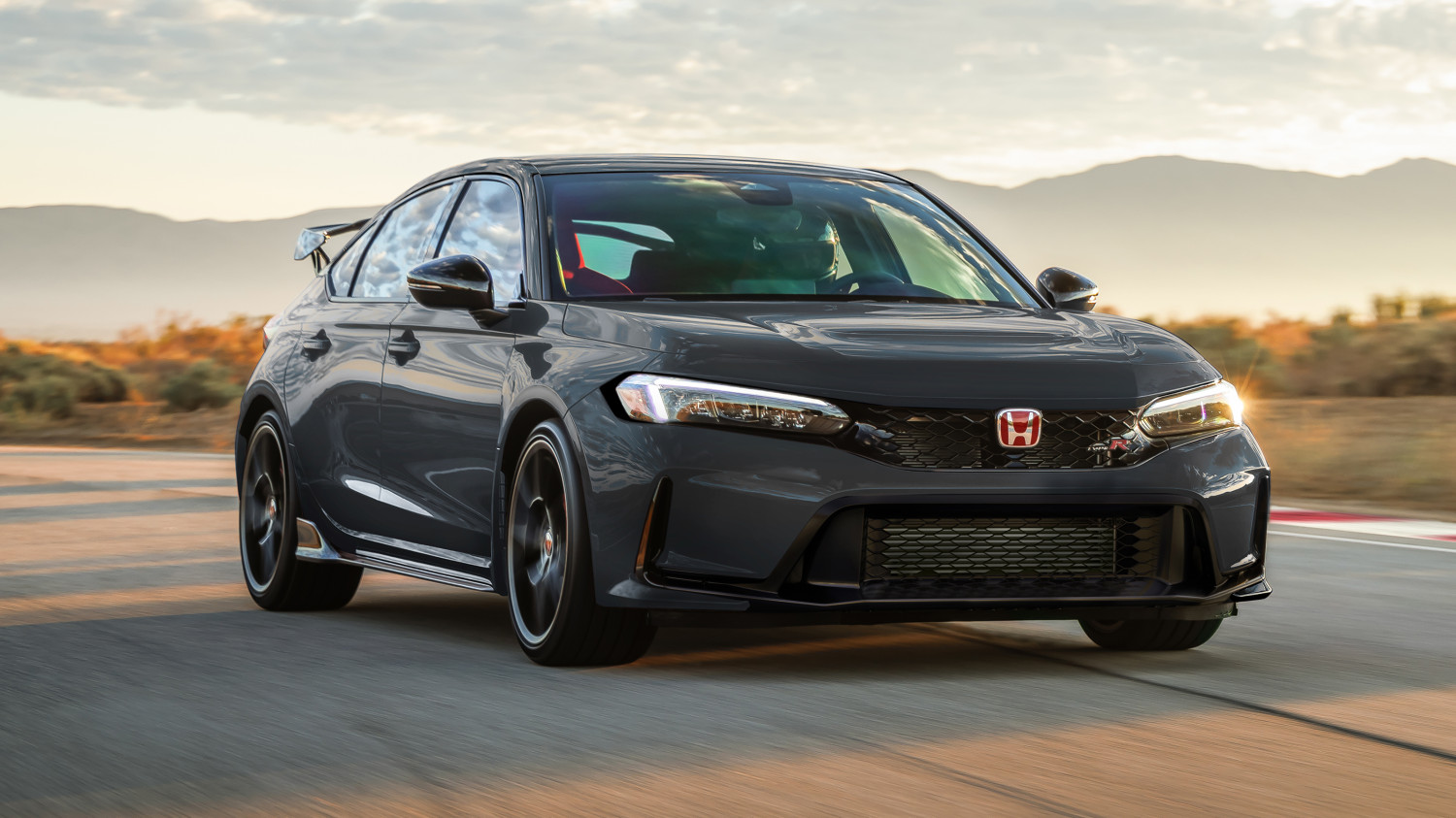
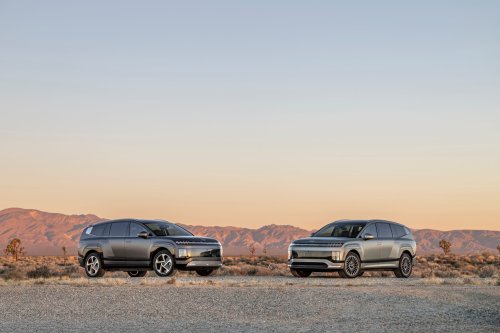
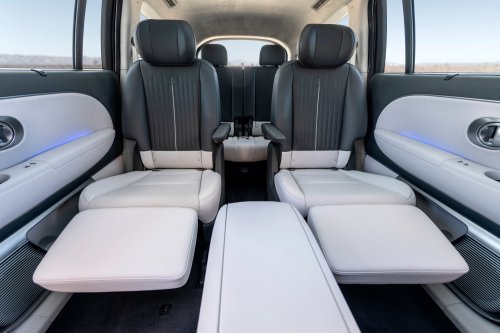
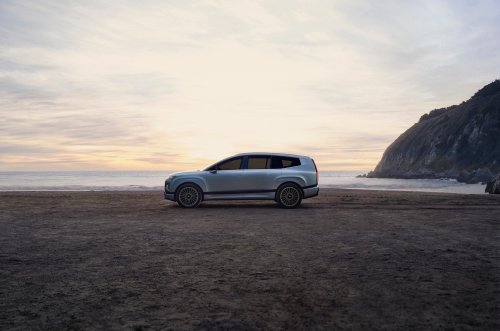
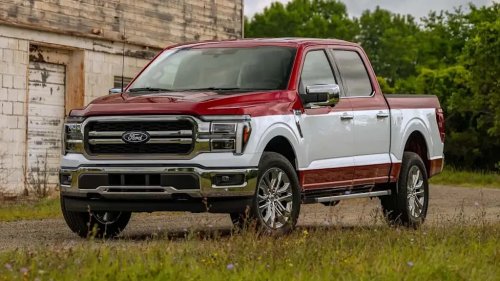
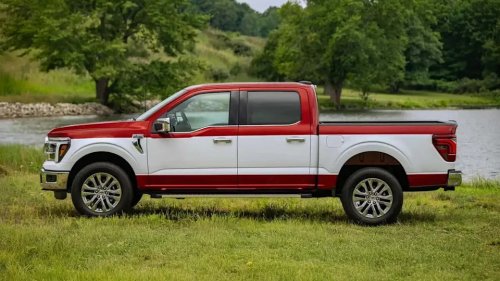
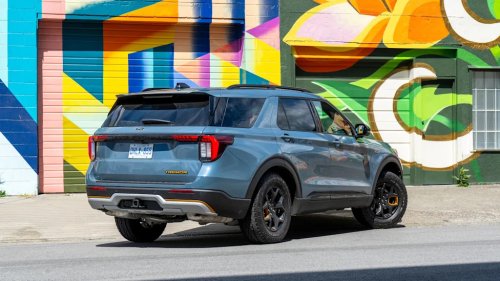
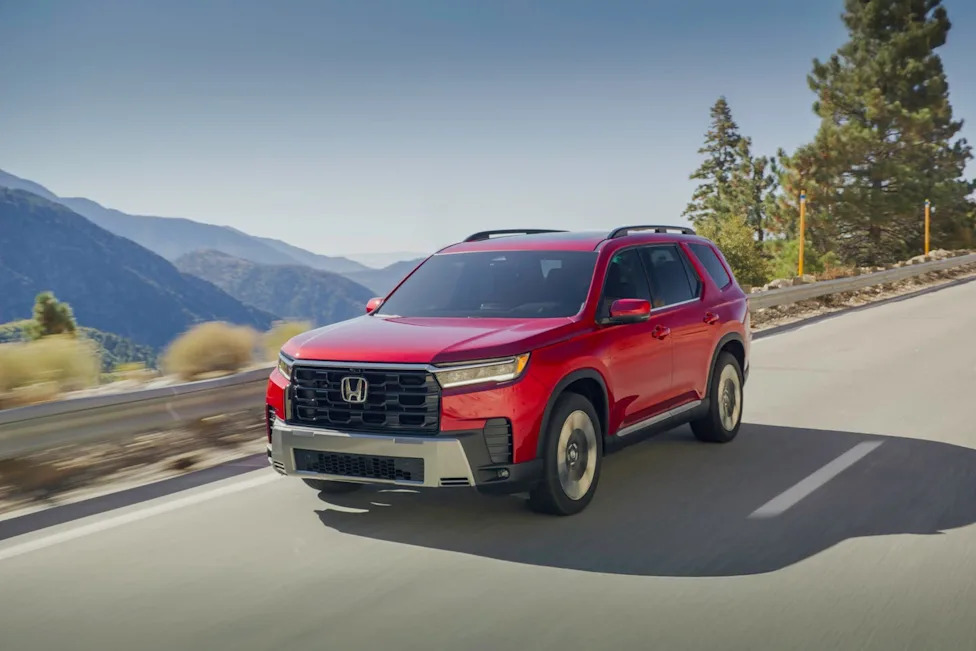
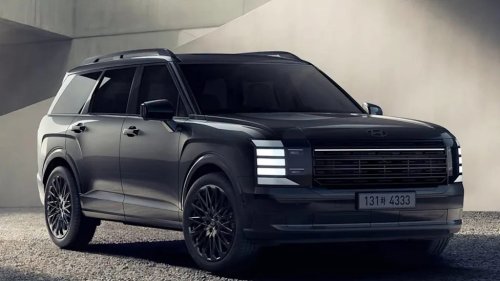
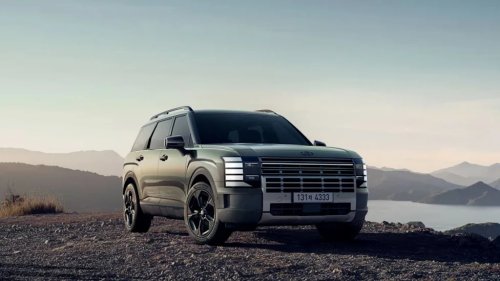
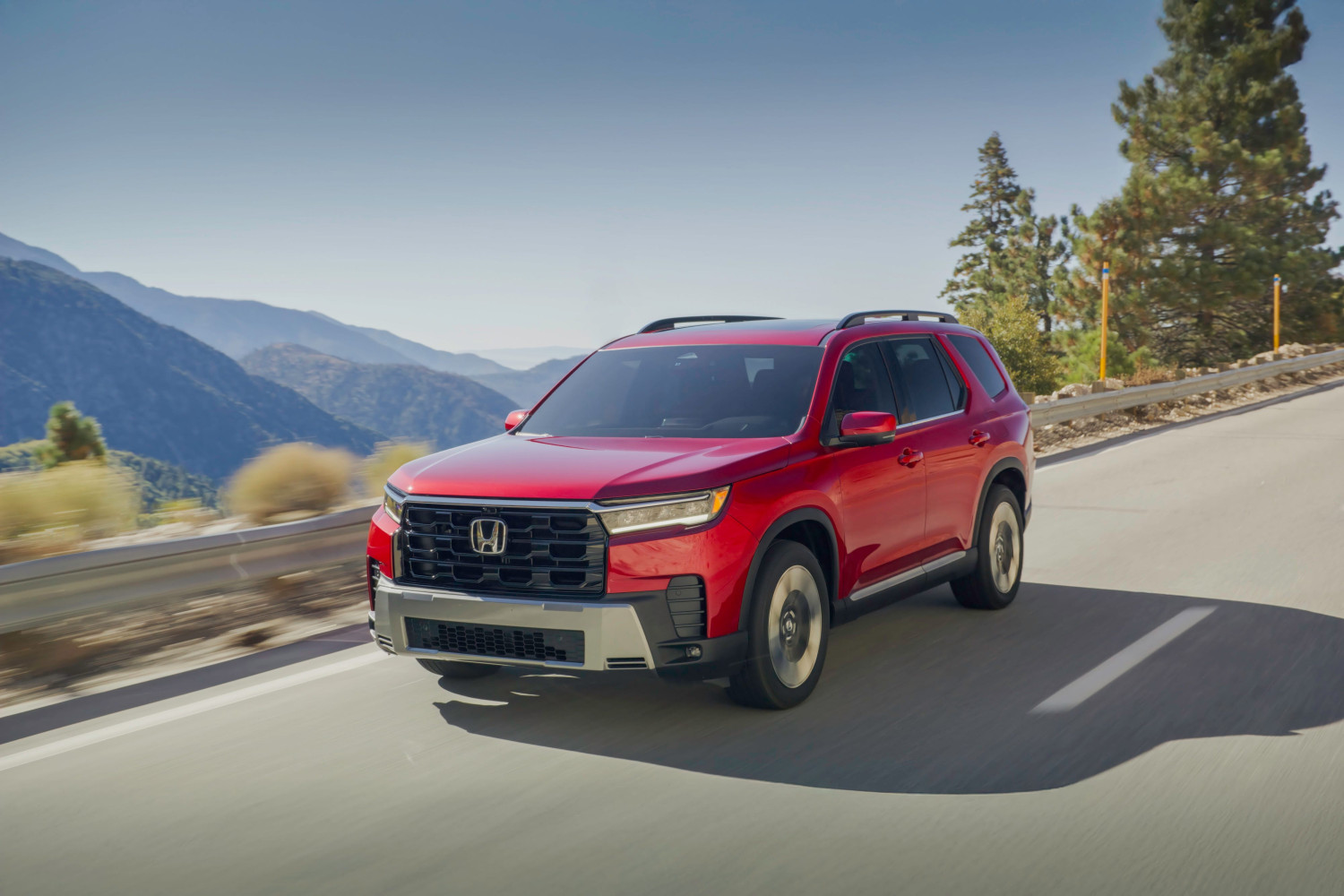
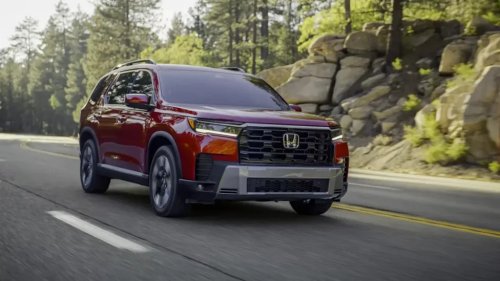
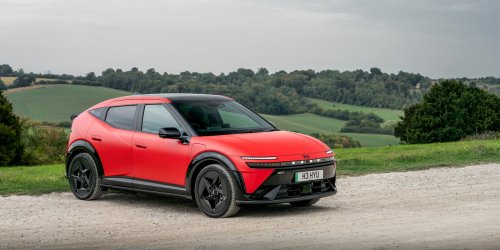
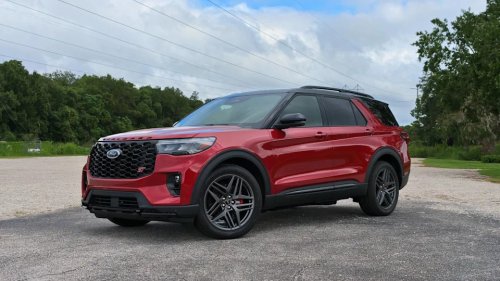
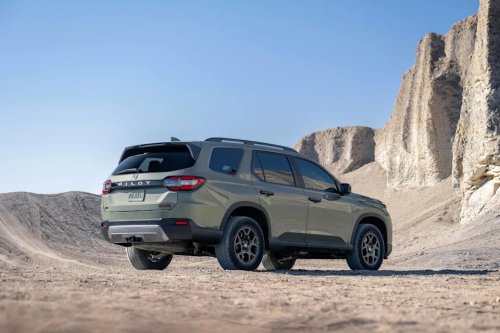
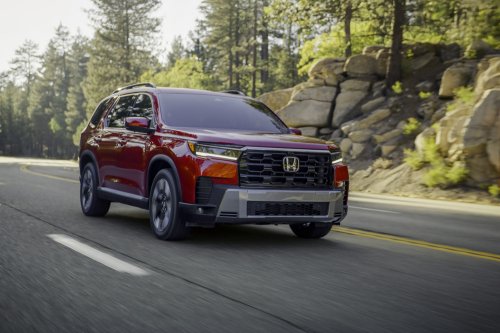
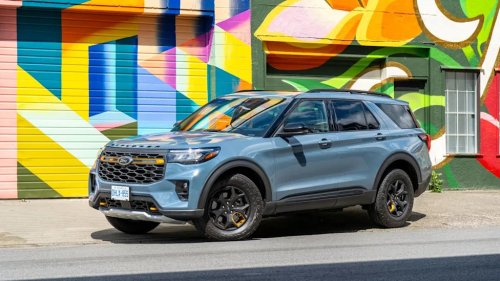
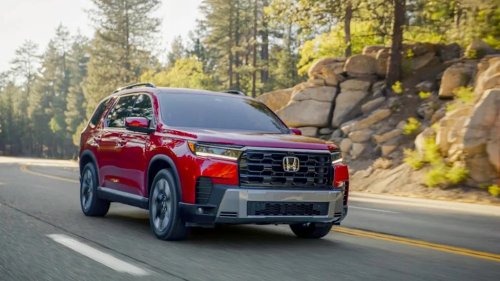
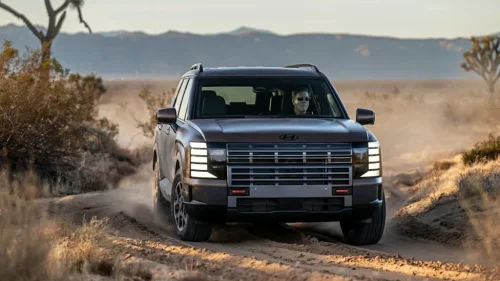
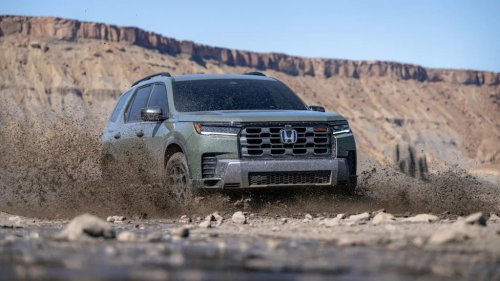
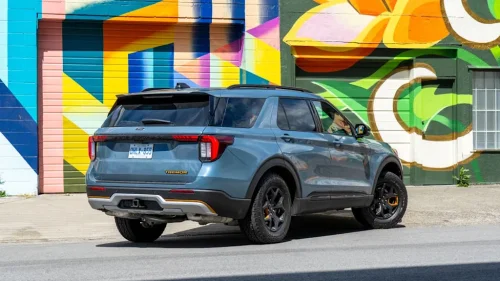
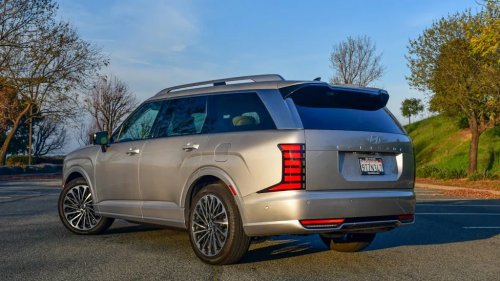
Autoblog and Yahoo may earn commission from links in this article.When every vehicle in a comparison earns the highest safety designation from the same testing organization, the conversation shifts from which one passed and which one failed to which one goes further after the test. The Honda Pilot, Hyundai Palisade, and Ford Explorer all carry IIHS Top Safety Pick+ awards for 2026. All three scored Good ratings across the major crashworthiness categories. On paper, this is a three-way tie. In practice, the differences live in what each manufacturer includes as standard equipment, how many airbags deploy in a collision, and whether the active safety systems intervene automatically or merely warn the driver.2026 Ford Explorer Tremor 4WDCole AttishaCrash test ratingsStarting with the Explorer, Ford's three-row earned both an IIHS Top Safety Pick+ and a NHTSA 5-star overall safety rating, making it the only vehicle in this comparison with both top designations confirmed. Good ratings across small overlap, updated moderate overlap, and updated side tests anchored the IIHS score. Pedestrian crash-prevention testing returned Acceptable or Good marks, depending on the scenario. For a vehicle with a documented reliability history that often lands it in third place during ownership comparisons, the Explorer's safety performance is a genuine bright spot.2026 Honda PilotHonda Motor CoMatching the Explorer on IIHS designation, the Pilot earned Top Safety Pick+ for 2025-26 with Good ratings across every crashworthiness category and strong performance in headlight evaluation. NHTSA awarded the Pilot 5 stars overall, giving Honda the same double certification the Explorer carries. Honda Sensing is standard across every trim, providing automatic emergency braking, lane-keeping assist, adaptive cruise, and traffic sign recognition without requiring a higher trim or an option package.2026 Hyundai Palisade HyundaiEarning its TSP+ designation in May 2026 for models built after November 2025, the Palisade completed the sweep with Good ratings in all major IIHS crash categories, including the updated vehicle-to-vehicle front crash prevention test. NHTSA has not yet published a rating for the redesigned 2026 model, so the Palisade currently carries one confirmed top-tier designation.Standard safety featuresHere is where the comparison stops being a tie. Every Palisade comes standard with 10 airbags, the most in this group. That count includes a front seat center airbag that deploys between the driver and front passenger during a side impact, preventing the two occupants from striking each other. Neither the Pilot nor the Explorer offers a center airbag. Third-row seatbelt pretensioners and load limiters are standard on the Palisade, tightening the belt and managing force distribution for rear passengers in a collision. Hyundai's SmartSense suite includes Rear Cross-Traffic Collision-Avoidance Assist, which does not just warn the driver when reversing into traffic. It automatically applies the brakes if the driver does not respond. An available built-in dual camera dash cam and Advanced Rear Occupant Alert round out a feature set that treats safety as a standard-equipment priority rather than an options-list revenue opportunity.2026 Honda PilotHondaAdvertisementAdvertisementWith Honda Sensing standard on every trim, the Pilot includes automatic emergency braking, lane departure warning, lane-keeping assist, adaptive cruise, and a traffic sign recognition system. Blind-spot monitoring with cross-traffic alerts is standard on all trims above the base. However, the Pilot's cross-traffic monitor only warns the driver. It does not brake automatically. Eight airbags are standard, which is competitive but two fewer than the Palisade, and no center airbag is offered. For a vehicle that matches the Palisade on crash test results, the Pilot's standard feature set is comprehensive but falls one step short of what Hyundai includes without charging extra.2026 Ford Explorer Tremor 4WDCole AttishaRounding out the trio, the Explorer includes Ford Co-Pilot360 with automatic emergency braking, blind-spot monitoring, lane-keeping, and auto high beams as standard. BlueCruise 1.5 hands-free highway driving is available on higher trims. Eight airbags are standard. The Explorer's active safety suite is competitive but does not include the Palisade's auto-braking rear cross-traffic system or center airbag as standard equipment. Where the Explorer compensates is in hands-free driving capability: BlueCruise covers roughly 130,000 miles of compatible highways, offering a level of highway automation that the Palisade and Pilot approach but do not match.Child and family safetyFor families with children across multiple rows, the Palisade's safety hardware is specifically designed to protect smaller passengers in positions the other two vehicles address less comprehensively. Third-row seatbelt pretensioners are not standard on the Pilot or Explorer. The Palisade's 10-airbag system includes coverage for the third row that competitors leave to the curtain airbags alone. Safe Exit Assist, which warns rear passengers before opening the door if traffic is approaching from behind, is a standard feature that parents of young children will use more often than they expect and appreciate more than any spec sheet can convey.2026 Hyundai Palisade Calligraphy AWDKristen BrownBoth the Pilot and Explorer offer child safety features, including rear door child locks, LATCH anchors across the second row, and rear-seat reminder systems. Honda's CabinWatch camera allows the driver to monitor rear passengers on the infotainment screen, a family-specific feature the Explorer does not offer. Ford counters with rear-seat reminder alerts and available rear passenger climate controls that keep children comfortable on longer drives.The bottom lineAll three vehicles passed the same crash tests with the same top designations, and any one of them would protect your family in a collision at the level the ratings promise. Where the Palisade presents itself as the safest option is in what it includes before the crash happens and how comprehensively it protects every row when one does. Ten airbags, a center airbag, third-row pretensioners, and auto-braking rear cross-traffic assist are all standard.AdvertisementAdvertisementThis story was originally published by Autoblog on Jun 10, 2026, where it first appeared in the Car Buying section. Add Autoblog as a Preferred Source by clicking here.



















 +80 others