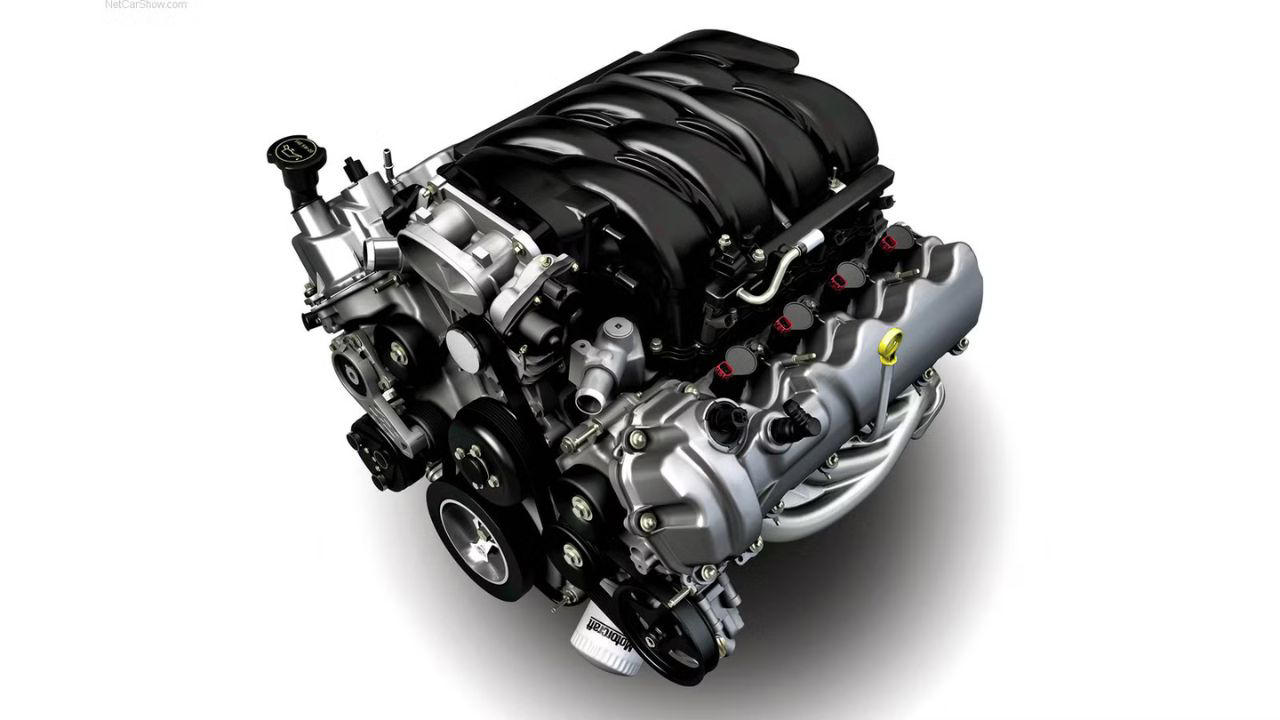
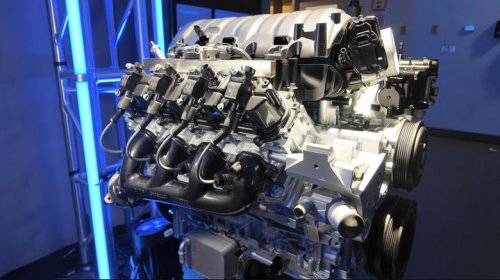
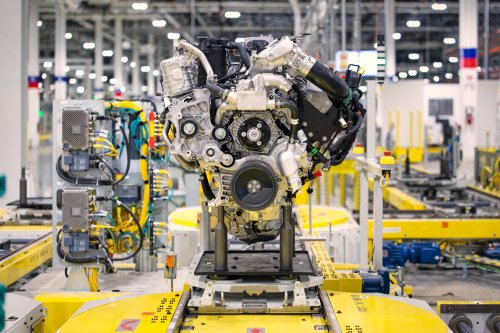
Why police departments preferred the Ford 4.6 modular V8 over Chevy rivalsPolice fleets in the 1990s and early 2000s were built around one priority: durability under constant abuse. Among the most widely chosen powertrains was Ford’s 4.6-liter Modular V8, which quietly earned a reputation for long service life, predictable maintenance, and strong high-mileage performance. While Chevrolet offered competitive alternatives, many departments leaned toward Ford’s platform for everyday reliability and fleet economics. Ford designed the 4.6 Modular V8 for long-term fleet survival When Ford introduced its Modular V8 family through the Ford Motor Company lineup, the focus was not just performance but scalability and endurance. The 4.6-liter version became a cornerstone in police vehicles like the Crown Victoria Police Interceptor, where engines were expected to idle for hours, endure rapid acceleration, and survive extreme mileage without major internal failure. The Ford 4.6L Modular V8 was engineered with overhead cam architecture and robust internal components designed to reduce stress at sustained RPM ranges. In fleet service, this meant fewer catastrophic failures and more predictable maintenance intervals. Police departments valued engines that could survive long shifts, repeated cold starts, and continuous stop-and-go duty without losing consistency or requiring frequent rebuilds. Chevrolet’s V8 performance was strong but less fleet-optimized Chevrolet’s competing small-block V8s, used in vehicles from the Chevrolet lineup, were well-regarded for performance and simplicity. However, in fleet testing scenarios, they often showed different wear characteristics under prolonged idle and high-hour duty cycles. While powerful and responsive, some configurations required closer attention to cooling systems and maintenance schedules when pushed into police-style usage. In contrast, Ford’s 4.6 Modular V8 developed a reputation for consistency under abuse rather than peak performance dominance. Police departments prioritized uptime over raw acceleration figures, and the Ford platform often delivered fewer unexpected downtime events. This reliability gap, even if small, became significant when multiplied across entire fleets operating 24 hours a day in demanding environments. The Crown Victoria platform strengthened Ford’s advantage One major reason the Ford 4.6L Modular V8 became dominant in law enforcement was its integration into the Ford Crown Victoria Police Interceptor. The vehicle itself was engineered specifically for fleet and police duty, with a body-on-frame design that was easier and cheaper to repair after collisions compared to many unibody competitors. This platform synergy mattered as much as the engine. Departments could standardize parts, simplify training for mechanics, and reduce long-term operating costs. The combination of a durable V8 and a rugged chassis created a package that could survive high-speed pursuits, curb impacts, and relentless daily use without rapidly escalating repair bills. Cost of ownership pushed fleets away from competitors While performance comparisons between Ford and Chevrolet police vehicles were often close, long-term cost of ownership became the deciding factor. The Ford 4.6L Modular V8 benefited from widespread parts availability, simplified service procedures, and a long production run that made replacement components inexpensive and easy to source. Chevrolet police alternatives from the Chevrolet were still competitive, but fleet managers often found Ford’s total lifecycle cost more predictable. In policing, even small differences in downtime or repair frequency scale into major budget impacts. Over time, that practical advantage helped Ford secure dominance in many North American law enforcement fleets throughout the era. More from Fast Lane Only Unboxing the WWII Jeep in a Crate 15 rare Chevys collectors are quietly buying 10 underrated V8s still worth hunting down Police notice this before you even roll window down