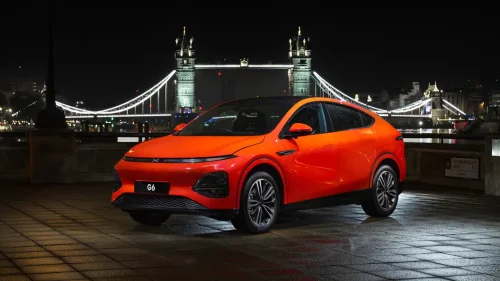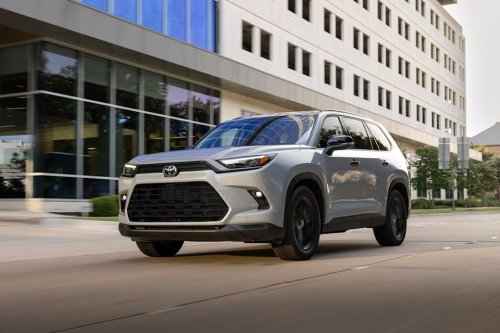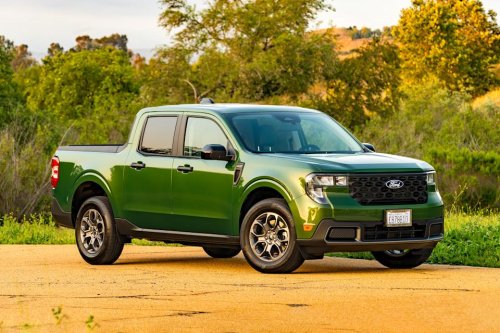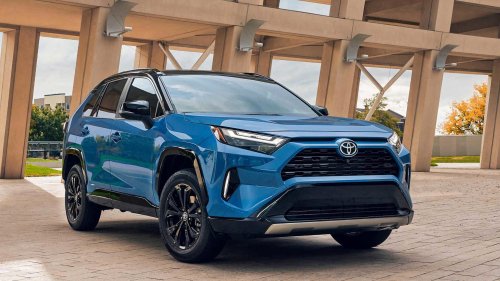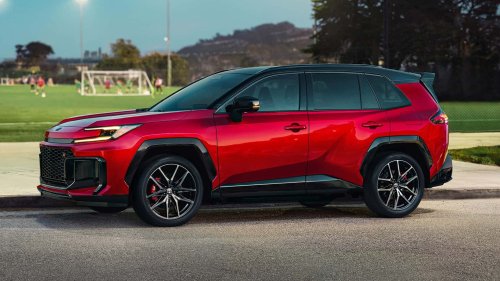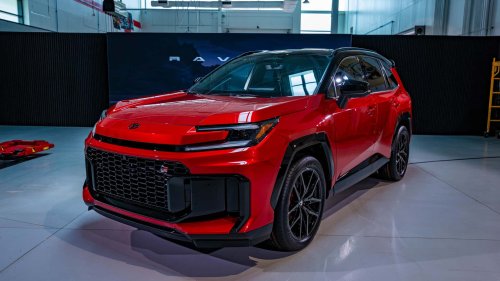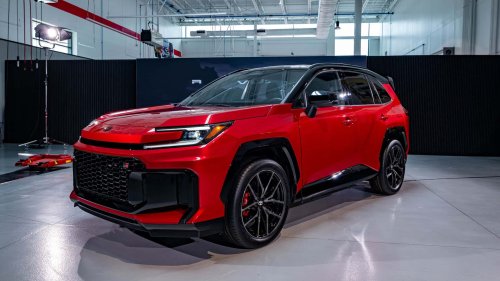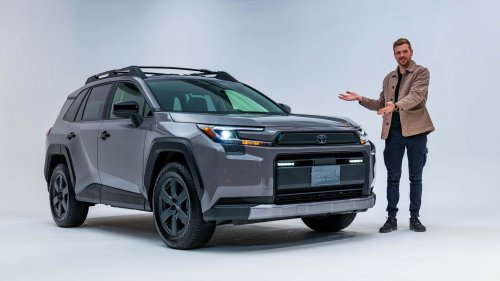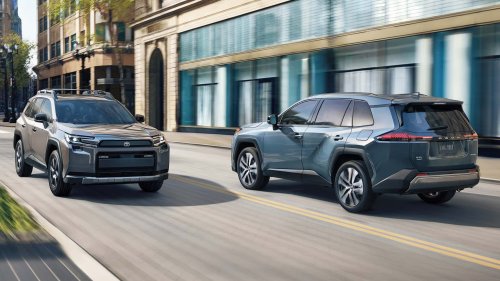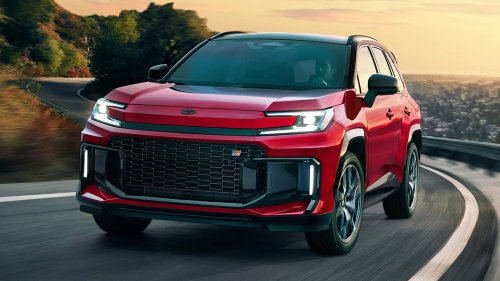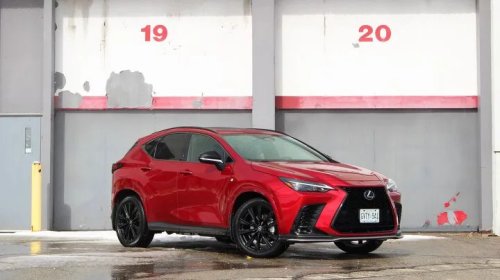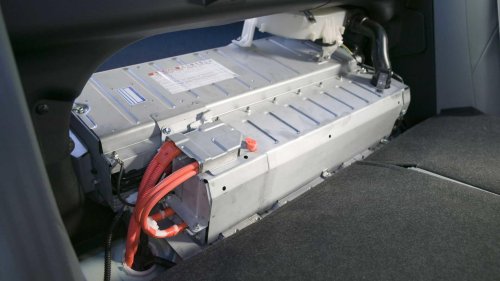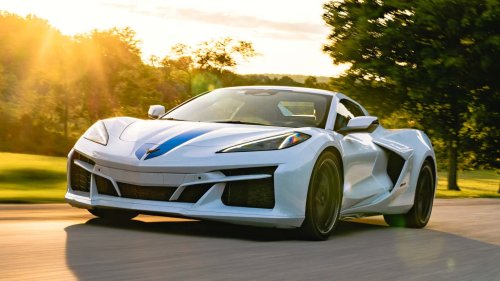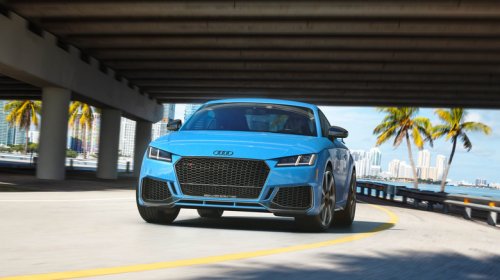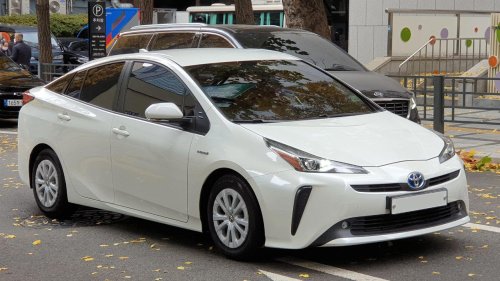
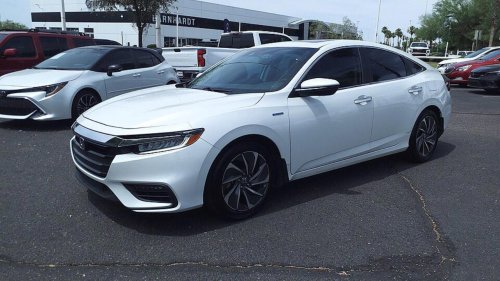


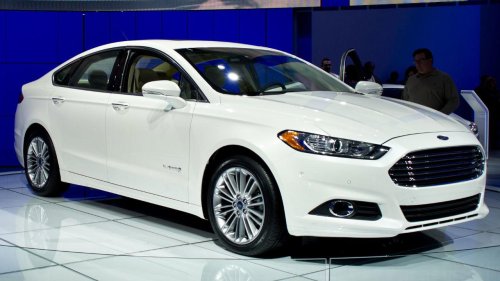



















Considering a hybrid vehicle can be a smart choice for many potential car buyers. With the growing emphasis on sustainability and fuel efficiency, hybrids present a compelling option. However, it’s essential to weigh both the advantages and disadvantages before making a decision. Here, I’ll explore various aspects of owning a hybrid, such as environmental impact, fuel efficiency, cost factors, maintenance, and driving performance. Environmental Impact Image Credit: Damian B Oh, via Wikimedia Commons, CC BY-SA 4.0 One of the main attractions of hybrid vehicles is their potential to reduce environmental impact. By using a combination of an internal combustion engine and an electric motor, hybrids can significantly lower emissions compared to traditional gasoline-powered cars. For example, the Toyota Prius, a popular hybrid model, is known for its low CO2 emissions, making it a more eco-friendly choice. However, it’s important to consider the environmental cost of manufacturing and disposing of hybrid batteries. While hybrids produce fewer emissions during operation, the production and recycling of lithium-ion batteries can have a substantial environmental footprint. Balancing these factors is crucial when evaluating the overall environmental benefits of a hybrid vehicle. Fuel Efficiency and Cost Savings Public domain / Wikimedia Commons Hybrids are renowned for their fuel efficiency, which can translate into significant cost savings over time. Models like the Honda Insight and Hyundai Ioniq offer impressive miles per gallon (MPG) ratings, allowing drivers to spend less on fuel. This efficiency is especially beneficial for those who frequently drive in urban areas, where stop-and-go traffic can reduce the efficiency of traditional vehicles. Despite the potential for fuel savings, it’s essential to consider your driving habits. If you primarily drive long distances on highways, the fuel efficiency benefits of a hybrid may be less pronounced. Therefore, understanding your driving patterns can help determine if a hybrid’s fuel efficiency aligns with your needs. Purchase Price and Incentives Image Credit: Atlantic Ambience/Pexels The initial purchase price of a hybrid can be higher than that of a conventional vehicle. However, various incentives can offset this cost. Many governments and local authorities offer tax credits and rebates for hybrid buyers, which can significantly reduce the overall expense. For instance, the federal tax credit for plug-in hybrids can be up to $7,500, depending on the model and battery size. It’s crucial to research available incentives in your area, as they vary widely by location and are subject to change. Additionally, some manufacturers offer financing deals that can make purchasing a hybrid more affordable. Weigh these incentives against the higher sticker price to determine the best financial choice for your situation. Maintenance and Repair Costs Photo by Andrea Piacquadio via Pexels Hybrid vehicles generally require less maintenance than traditional cars due to their efficient use of both electric motors and combustion engines. For example, brake systems in hybrids often last longer because regenerative braking reduces wear and tear. Additionally, hybrids typically have fewer moving parts, which can lead to lower maintenance costs. However, when repairs are needed, they can be more expensive due to the complexity of hybrid technology. Specialized components, such as batteries and electric drive systems, may require service from trained technicians. Before purchasing a hybrid, consider the availability of qualified service centers in your area and the potential costs of specialized repairs. Performance and Driving Experience Image Credit: Arvind Govindaraj / Wikimedia Commons / CC BY 2.0 Driving a hybrid can offer a unique experience compared to traditional vehicles. Many hybrids, like the Ford Fusion Hybrid, provide a smooth and quiet ride, especially at low speeds when running on electric power. This can be a plus for those who value a serene driving environment. However, some drivers may find hybrids less exciting in terms of performance. While models like the Toyota RAV4 Hybrid offer respectable acceleration, hybrids generally prioritize efficiency over speed. If performance and speed are top priorities for you, it’s essential to test-drive various models to ensure a hybrid meets your expectations. More from Fast Lane Only: Unboxing the WWII Jeep in a Crate The Fastest Farm Truck Ever Built 10 Old Trucks That Were Built Like Tanks 12 Classic muscle cars still within reach for budget buyers *Created with AI assistance and editor review.