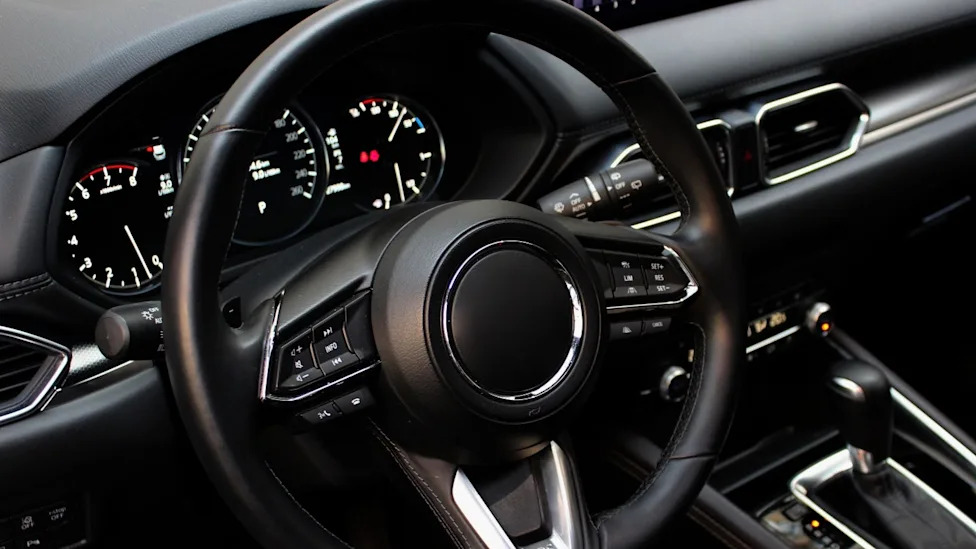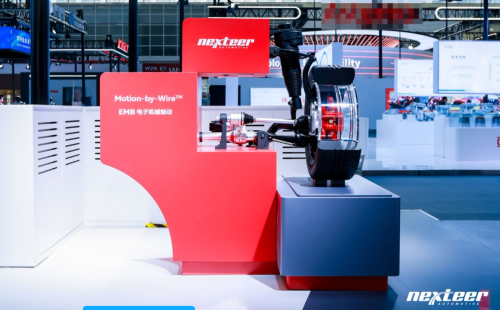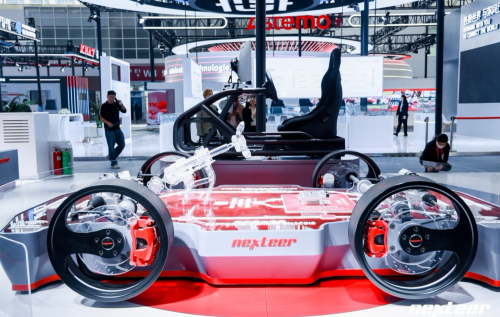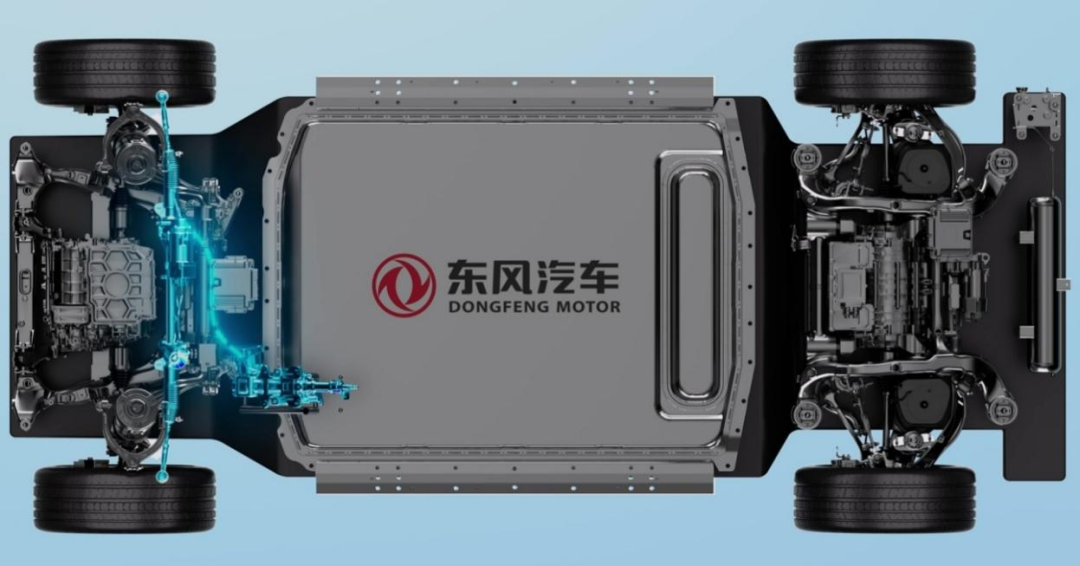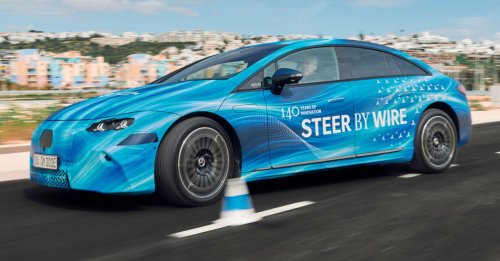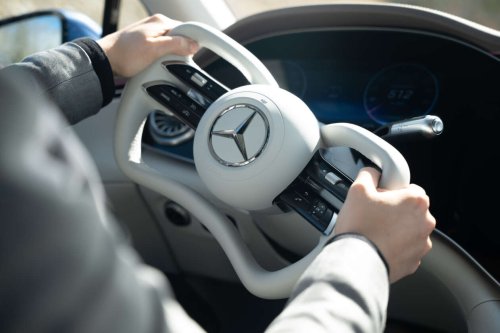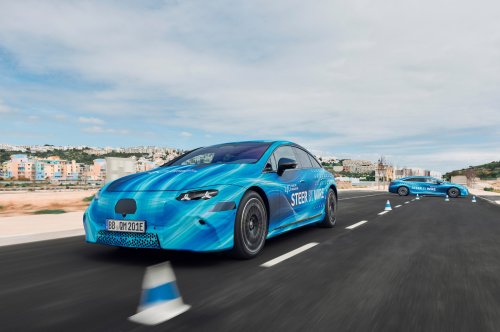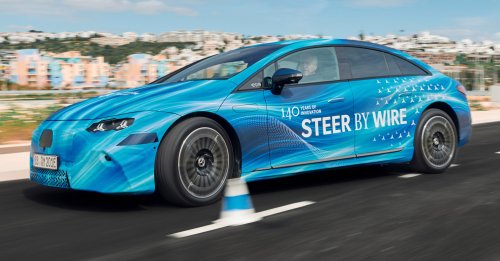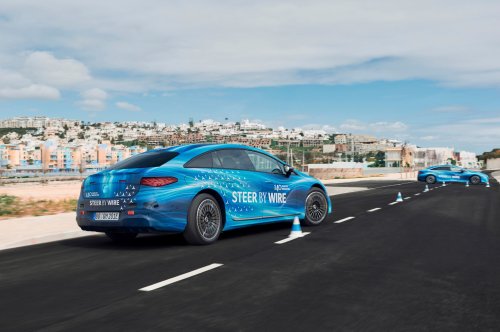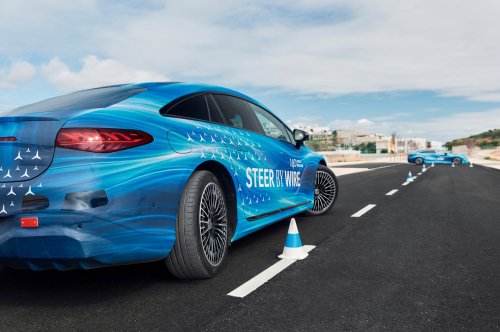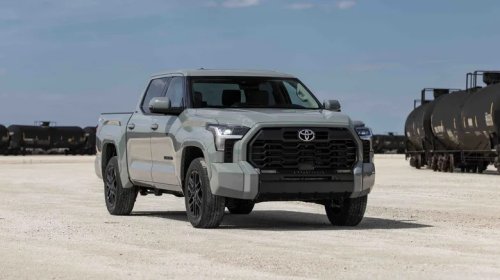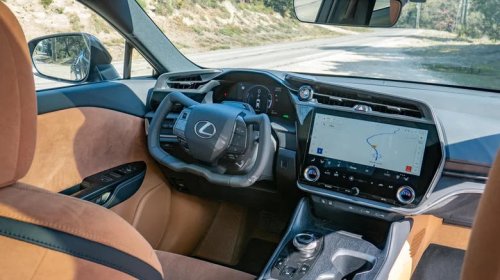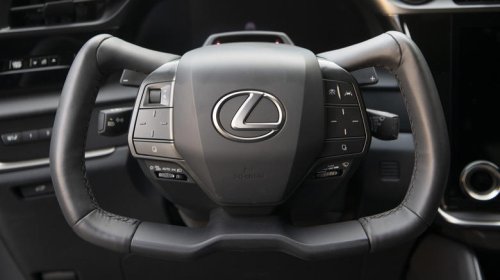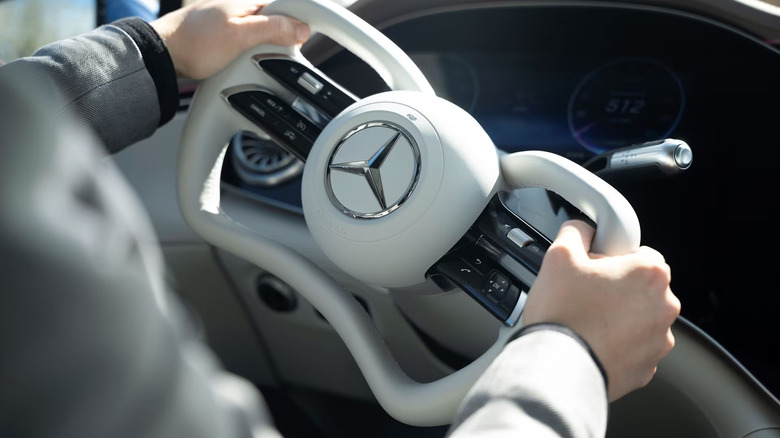
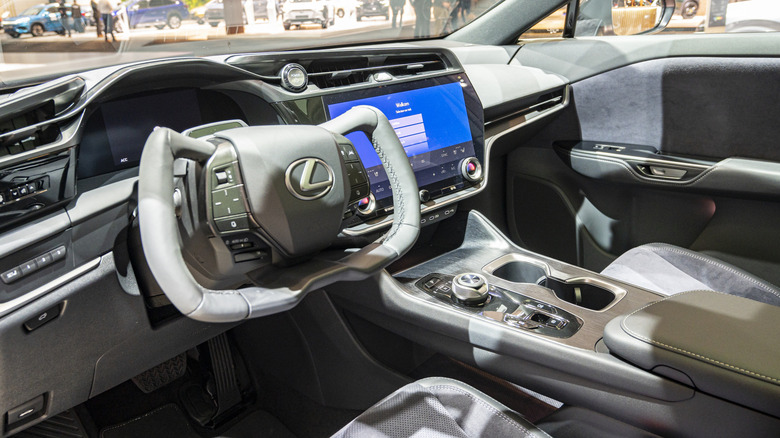
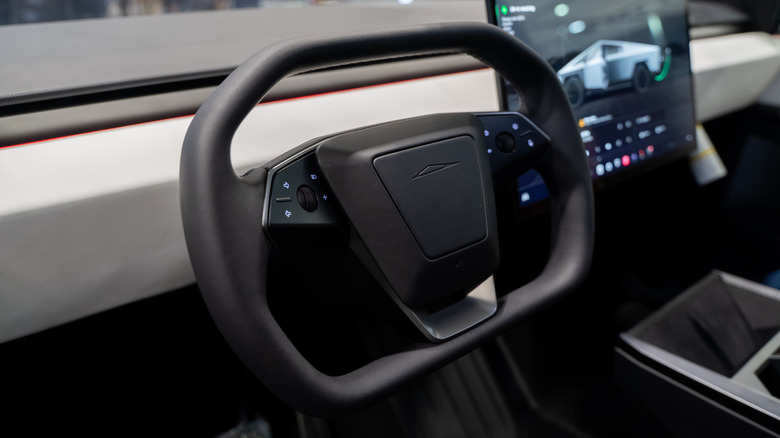



















A person using a Mercedes-Benz steering with Steer-by-Wire technologyIn a standard rack-and-pinion steering setup, the steering wheel is bolted to a steering column. When you turn the wheel, a pinion gear moves over a horizontal rack, which pushes the tie rods to turn the front wheels. It's a simple setup that has largely remained unchanged, even with new technologies like hydraulic or electric power steering. However, we are at the beginning of a new era where even our cars are steered by digital input, with no physical connection between the steering and the steered wheels. This offers great flexibility for steering wheel ratios, and it makes your steering safer in the event of a crash, too. However, you do have to contend with the lack of feel, and its development costs are outrageous. This steering system is called Steer-by-Wire (SbW), and it removes the metal rod entirely for a complex array of sensors, wires, and electric motors. In SbW steering systems, the steering wheel is similar to a gaming steering wheel, which is a yoke trend that even Mercedes-Benz is getting onboard with. When you turn it, a sensor measures the angle and speed of your input and sends digital data to a control unit. It then signals a powerful electric motor mounted on the front axle, telling it exactly how and where to turn the front wheels.Because the steering wheel isn't directly connected to the tires, you don't feel any feedback like you would in a mechanical steering system. That includes feedback like vibrations, kickback from potholes, or even resistance — unless it's built into the system. Like how you get force feedback from gaming wheels, a feedback actuator attached to the steering wheel simulates the weight and resistance to your palms, essentially translating digital data into physical sensations. A strong case for the digital rackA yoke wheel using Steer-by-Wire in a Lexus RZThe primary argument for Steer-by-Wire is flexibility. In a traditional car, your steering wheel ratio is fixed by the size and number of teeth on the gears. This creates a dilemma. A quick steering rack makes for a twitchy and nervous drive at high speeds, while a slow steering rack at slow speeds will have you sawing at the steering wheel while trying to navigate a tight parking spot. Steer-by-Wire solves this problem through software. At low speeds, the computer can sharpen the ratio significantly, allowing you to turn the steering wheel "lock-to-lock" with just a 200-degree turn. As you accelerate, the computer slows the steering down, offering stability and weight needed for high-speed cruising. There are mechanical variable steering systems too, like BMW's Active Steering. Steer-by-Wire is a revolution for car interiors from a design and packaging point of view. Without a heavy, rigid steering column, you get massive footwell space, significantly improving legroom. It is beneficial in terms of safety, as well. In a severe head-on collision, there is no rigid metal steering column being driven through the cabin and into the driver's chest. SbW also allows automakers to streamline manufacturing for global products. With SbW, switching from Left-Hand-Drive to Right-Hand-Drive doesn't require a complete re-engineering of the engine bay to accommodate the steering shaft. Most importantly, Steer-by-Wire is a vital bridge to autonomous power. In a self-driving vehicle, a mechanical system's wildly-rotating steering wheel is a disaster waiting to happen. With SbW, the front wheels can freely pivot without the steering wheel moving. The ghost in the machineA steering yoke with Steer-by-Wire technology in a Tesla CybertruckSo what's the catch? The most immediate question is the "what if" factor. If the wires fail or batteries die in a traditional car, you might lose power to the electric power steering, but you can still muscle the steering wheel around to the side of the highway. The physical connection is a safety net that SbW does not have. To counter this, carmakers rely on redundancy in the form of multiple sensors, an independent power supply, and separate communication paths. In many systems, a backup takes over if one motor or circuit fails. The main worry is long-term reliability. A 20-year-old SbW system will have aging sensors and computer chips that could be difficult to diagnose and far more expensive to repair than a traditional rack-and-pinion setup.The other issue is the physical connection, which is important to driving enthusiasts. A mechanical steering wheel is often referred to as a communicative wheel, as you can feel the front wheel losing grip or the specific texture of asphalt through your fingertips. SbW systems mimic this feel with actuators, but they can't replicate the physical touch. It's the difference between hearing a live concert and listening to a high-fidelity recording. One is an authentic, physical event, while the other is a digital reconstruction.Between the ECUs, high-torque actuators, and a huge amount of software validation needed to ensure you don't veer off course due to a glitch, developing a Steer-by-Wire system is also far more expensive than a traditional steering rack. For now, SbW remains a high-tech novelty reserved for premium EVs, resulting in things like the laggy system in the Tesla Cybertruck and the Lexus RZ's neat idea that was implemented poorly. Want more like this? Join the Jalopnik newsletter to get the latest auto news sent straight to your inbox, and add us as a preferred search source on Google.