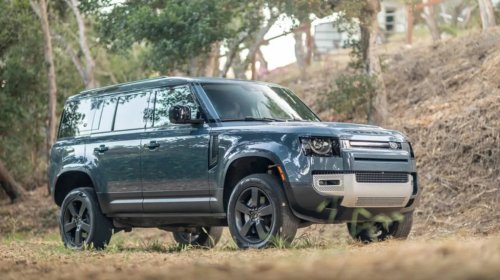
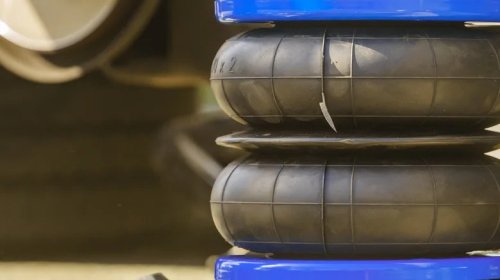
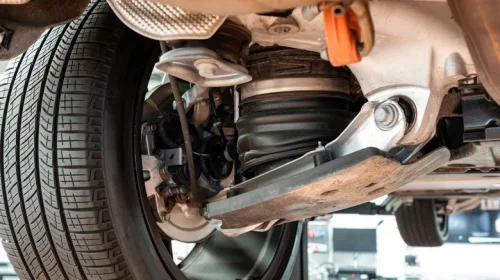
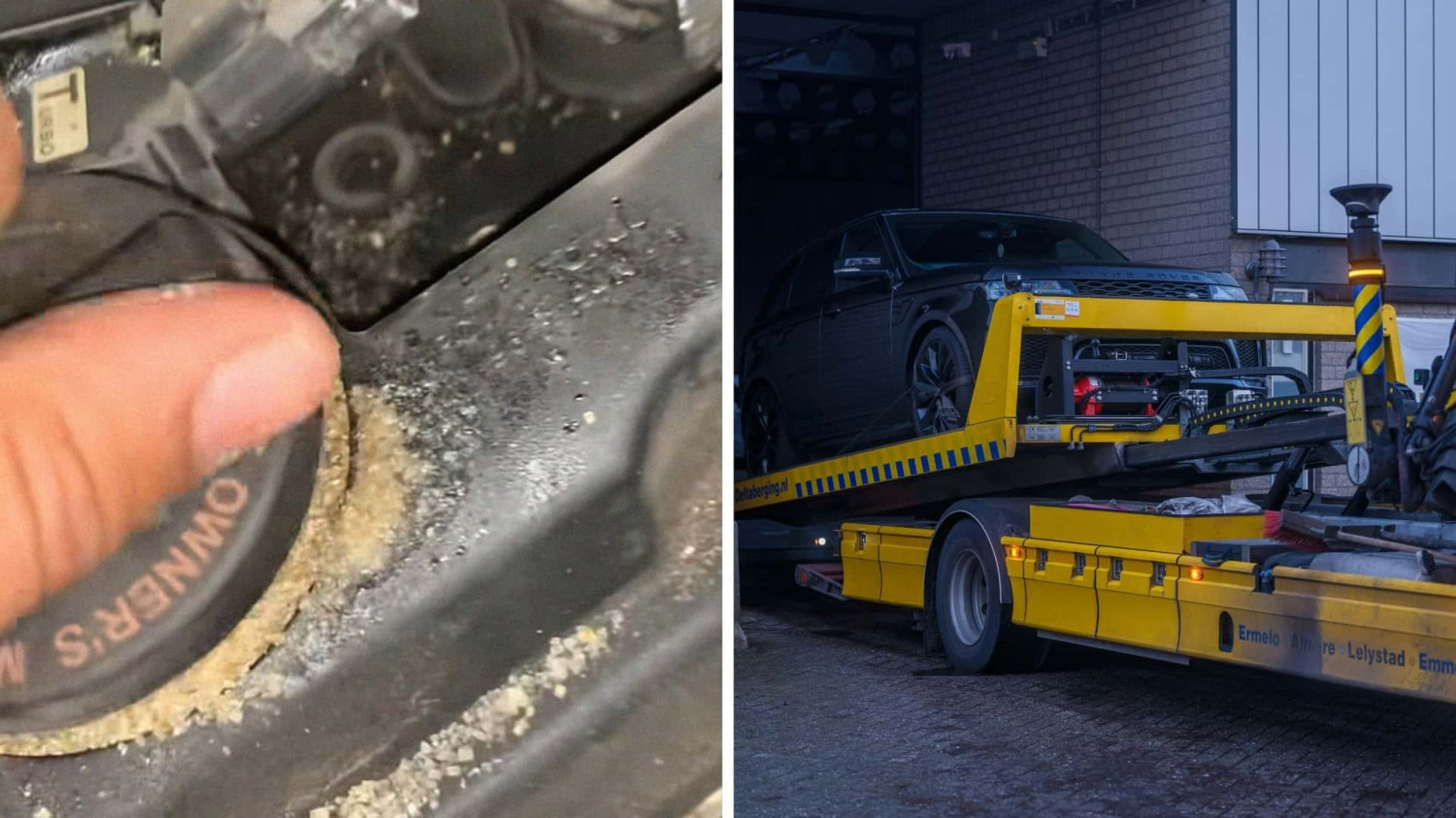
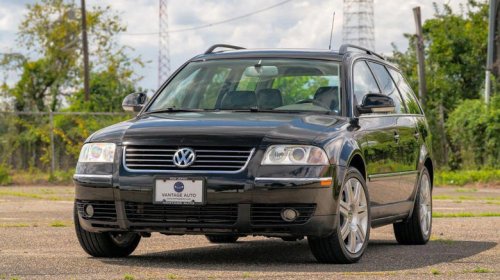
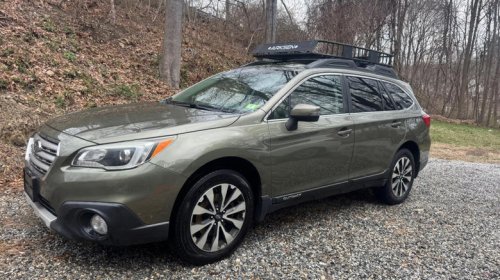
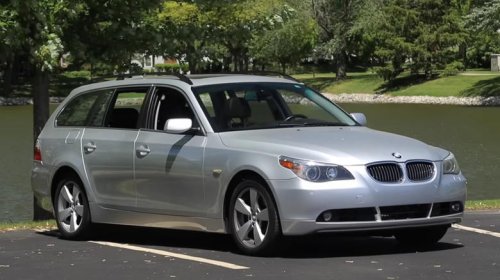
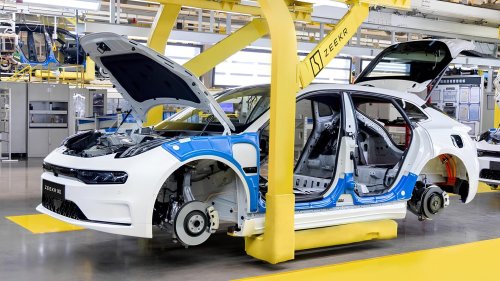
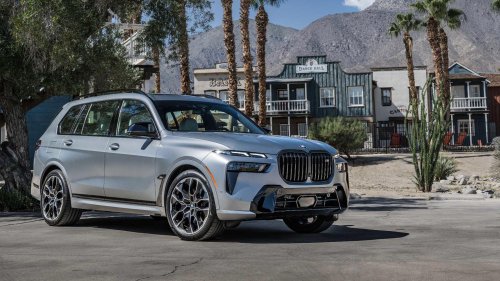
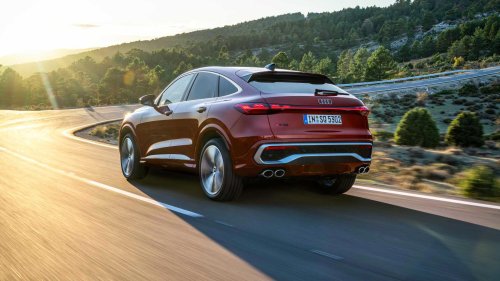
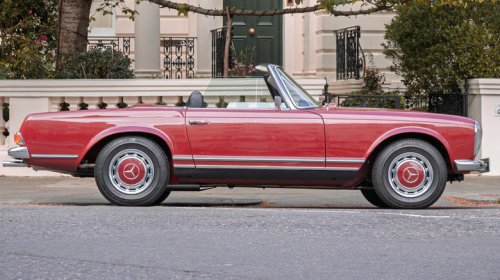
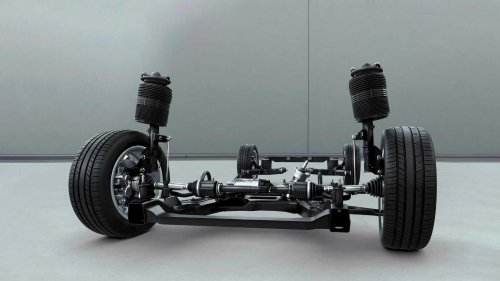
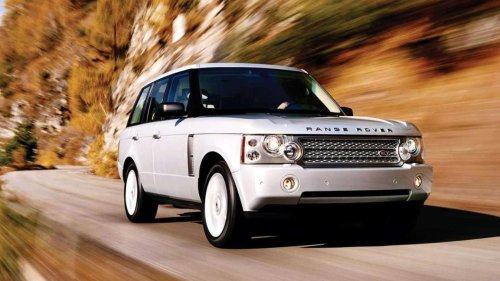
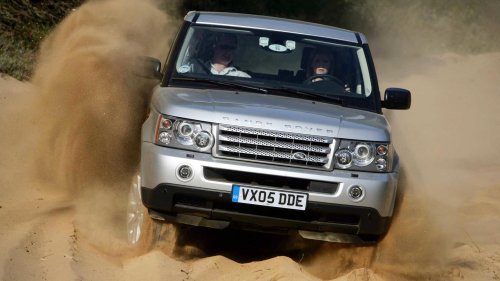
European luxury cars can look ever so tempting on the used car vehicle market, which is why many people imagine parking a German S-Class, or X5, or a big old British Range Rover on their driveway. They know that this vehicle once cost the equivalent of a small house deposit, and they'll be getting plenty of machine in terms of scale, comfort, engineering, and prestige, and all for the price of a new economy crossover.However, problems can lurk beneath that metal when some of the more complex comfort systems start to fail. This means that some of the biggest hidden ownership costs of an aging European luxury car are not necessarily linked to the transmission, engine, or even the electronics. As when things start to go south, it can often be due to an ailing air suspension system, and it pays to be aware of that risk with long-term ownership costs in mind. Air Suspension Is Often The Biggest Hidden Cost Mercedes-Benz The air suspension system can represent a future risk on a used European luxury car because it represents a network of individual components that can all affect the others. This means that when one component starts to weaken, it may put the other components under pressure and force them to work harder. And that's particularly important when you consider that a typical system relies on air springs, struts or shocks, a compressor, air lines, height sensors, fittings, valve blocks, AND related control hardware. If some of those other components need to work harder when they are also aging, you can quickly get a domino effect.It's also important to be aware of some rough numbers to plan ahead. For example, a Mercedes-Benz S-Class air compressor could run in the mid-$300s before labor, while a front AIRMATIC shock assembly could typically spike over $600 and BMW X5 rear springs sit at about $500. Don't forget that you need to factor in diagnosis and installation charges and more than one tired component may come into the picture.If your old Euro-luxury vehicle is only worth a few thousand dollars, that repair bill could quickly start to muddy the waters. Still, don't forget that an air suspension system rarely fails at one dramatic moment, and it will start to give you clues as time goes by. It may start to sag in one corner or throw a warning here and there, and unless you take early action, the situation may turn into a layered problem. Why Manufacturers Fitted These Systems In The First Place Land Rover Some people think that air suspension systems are a complicated answer to a relatively simple question. But while a coil-spring approach can work perfectly well, European luxury brands often feel that air suspension systems can genuinely improve their vehicles' performance.Take the case of a first-generation Range Rover Sport, where the manufacturer tells its owners that the system maintains vehicle height by controlling the air in the springs. The company also explains the vehicle's multiple ride heights, including an off-road height that's 2.2 inches higher than the normal ride height. The body can lower by about the same margin to make it easier for people to get in and out. Then, the system automatically lowers the vehicle at higher road speeds in pursuit of efficiency and aerodynamics, and when everything works well, you can see some clear advantages over legacy systems.The AIRMATIC suspension in a Mercedes works generally the same way, with a system that has variable damping and level control to manage ground clearance and elevate ride quality.Don't forget that these manufacturers needed to up their game to convince buyers to trust their luxury products and functioning air suspension systems definitely contributed to that scenario. A 2006 Range Rover Sport Supercharged is a good example to use to reinforce that point. Its chassis features four-wheel independent suspension with adjustable air springs, to go alongside its 4.2-liter V8, six-speed automatic, and full-time four-wheel drive. Range Rover was clearly selling comfort, speed, adjustability, and all-terrain capability in a vehicle that cost a shade under $70,000 as new.While a sophisticated suspension system was probably part of Range Rover's charm offensive, to make its vehicle feel special in the marketplace, there were trade-offs. The more complex the engineering package is at the outset, the more risk it can pose due to failure as the years go by. Air Suspension System Failures Can Be Very Annoying Land Rover The biggest irritation when air suspension systems start to go south is their general complexity. While a conventional suspension system failure is usually quite obvious and relatively easy to fix, that's not the case here. You don't just replace a damper or squeeze in a new spring because you first need to get to the root cause of your air suspension malady. It's possible that a weak compressor is compensating for a leaking air bag, but a tired valve may be causing the system to vent incorrectly. If a corner starts to sag, the compressor will cycle more frequently and that may in turn cause issues with the compressor as well.What comes across as a suspension fault could be a variety of different issues at various stages of their development. And to illustrate how complicated the entire process may be, one Land Rover technical bulletin says that if you find white powder around the silencer, that could just as easily be a faulty suspension air supply unit as it could an engine exhaust valve issue.If you buy the Land Rover specifically, be on the lookout for a dashboard suspension warning light. If it flashes amber, Land Rover suggests that you can still drive it normally but seek advice. If it flashes red, then you should slow down and get qualified assistance as soon as possible. And that probably underlines the challenge for those looking for cheap used European luxury vehicles. The moment that colorful LEDs start to do their thing on the dashboard, the original deal comes into question. Coil Conversions Can Make So Much Sense On Aging Land Rovers Land Rover For those who would rather not lay awake at night worrying about warning lights, coil conversions could become attractive. For older Land Rovers, they make good sense and this is why there are several after-market suppliers catering to the need. These kits can replace failing air suspension systems with traditional steel springs, and some kits even have electronic modules that lock out any fault messages or warning lights.This type of solution could transform the ownership proposition for an older Range Rover Sport and help to get rid of that aging network of compressor springs, valves, and fittings. Certainly, the vehicle may not be as original or as special as it once was, but it could become far easier to live with.Companies like Arnott Industries have a dedicated conversion kit program for not just Land Rovers but Audis and BMWs as well. Kits for older L322 Land Rover models cost around $1,100, so that's not necessarily a throwaway buy. But a kit can still look attractive if you compare it to the cost of replacing multiple air suspension components as they fail. Air Suspension Failure Is Not Just A Range Rover Problem BMW While coil conversion kits may be more famously associated with Land Rover or Range Rover, you can still apply the broader lesson across the European luxury market. Don't forget that most vehicles in this sector have complex suspension systems and issues can still affect BMW X5s, Mercedes-Benz S-Class models, some Audi A models, Mercedes CLS applications, and the like. You can find conversion kits for many of these premium brands because the demand is real.This complexity is why some used European luxury car shoppers who know their stuff will look at the suspension type of the vehicle in question before they jump. They may understand that a steel-sprung luxury car may be a bit less special at the outset, but it could turn out to be the smarter buy a couple of years hence. Vehicles with the original suspension system can still make sense, but it's important to check their maintenance history and look for any recent suspension work first.The reason European luxury cars were so attractive in the first place was as much to do with their capability as it was their prestige. Air suspension systems certainly contributed to the picture with their self-leveling stance, adjustable ride heights, and broad terrain capabilities. But there's no doubt that those systems do not always age well and keeping them in tip-top shape can often be a rich person's hobby. And that's why coil conversion kits represent a logical escape hatch, as they allow the vehicle's latest owner to enjoy their upscale vehicle without too much of a drag on their pocketbook.




















 +41 others