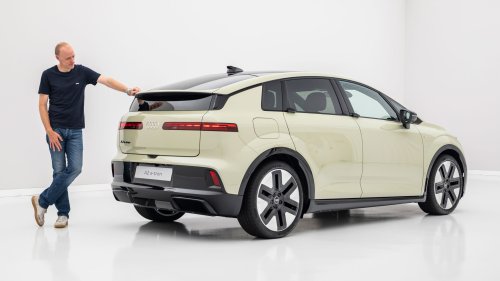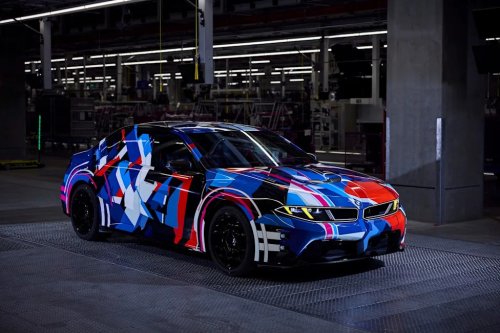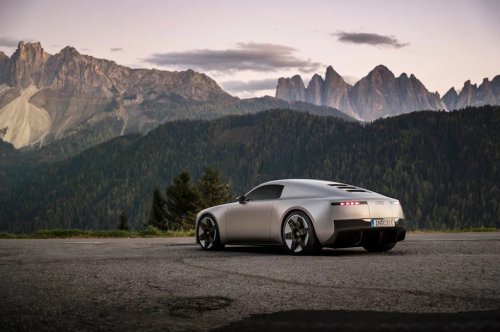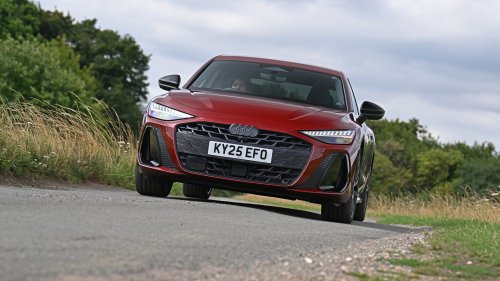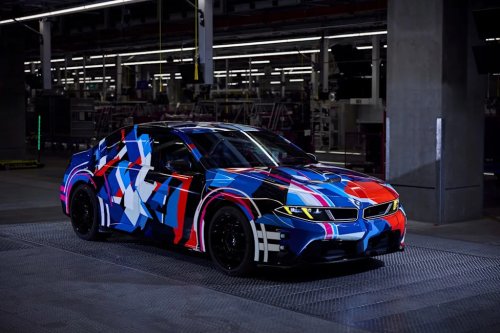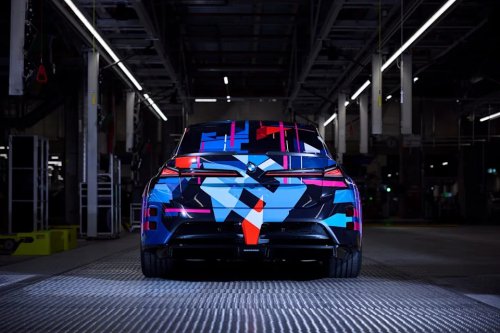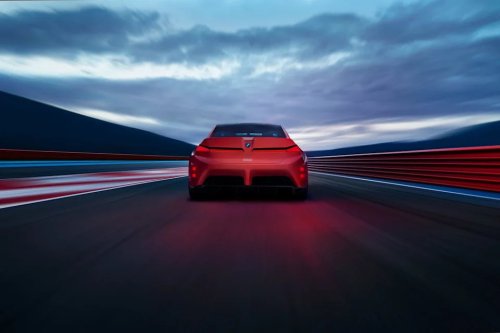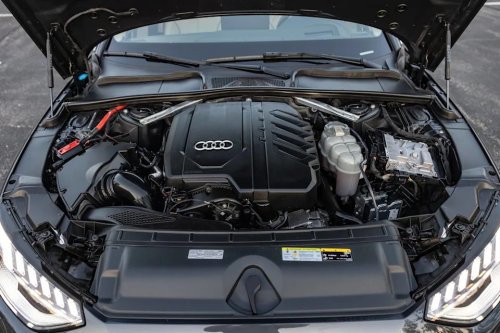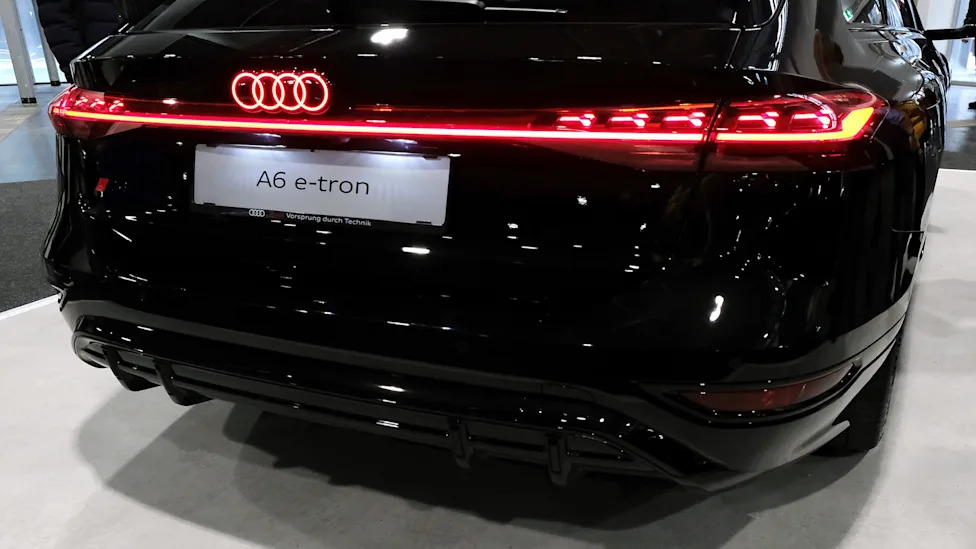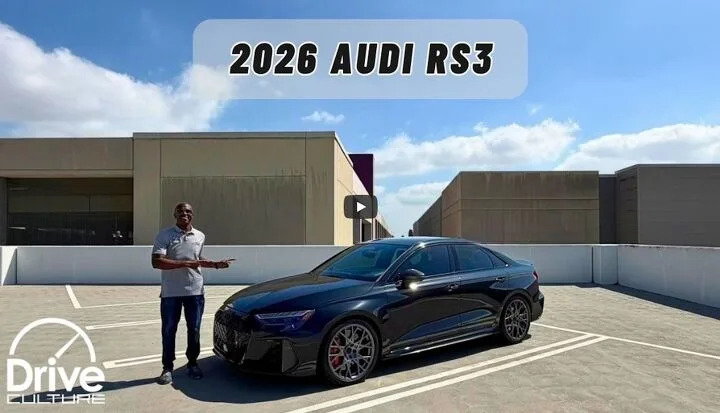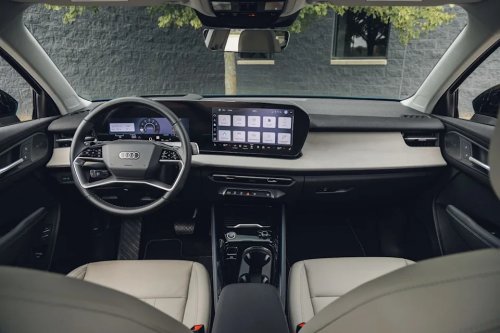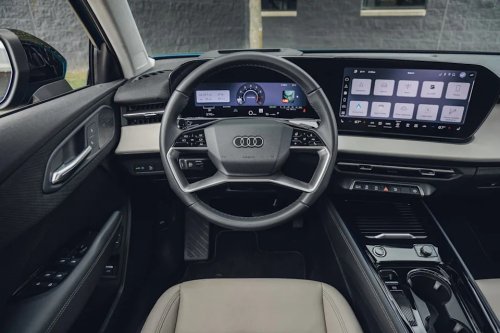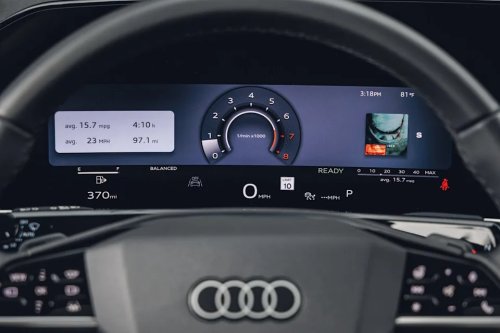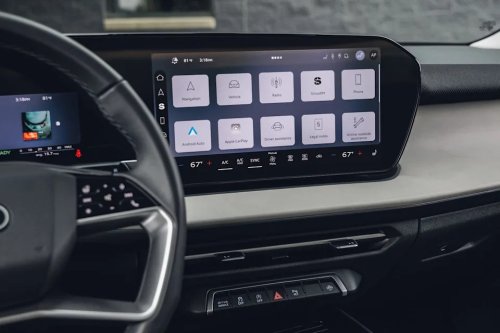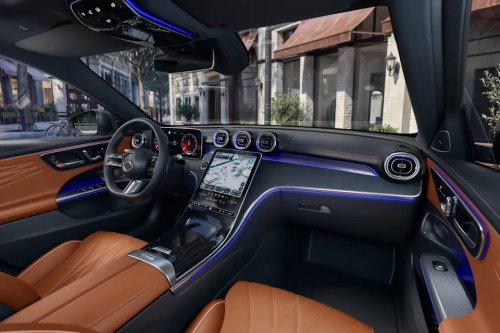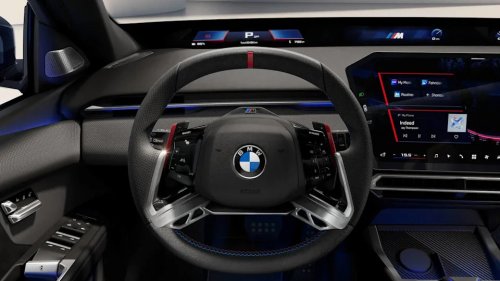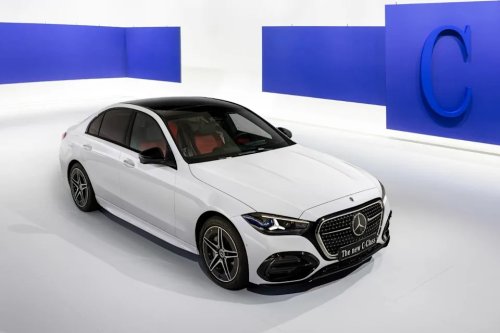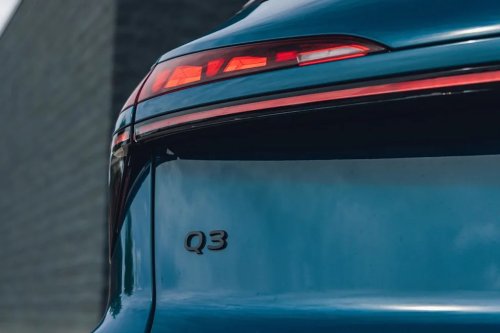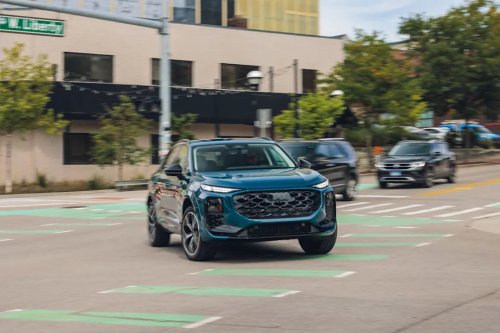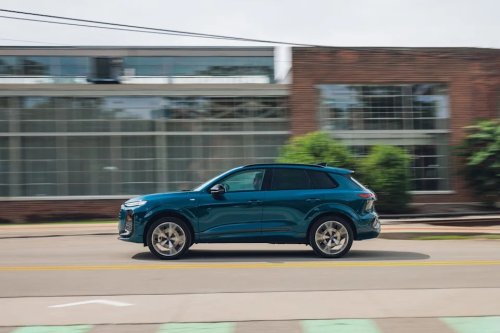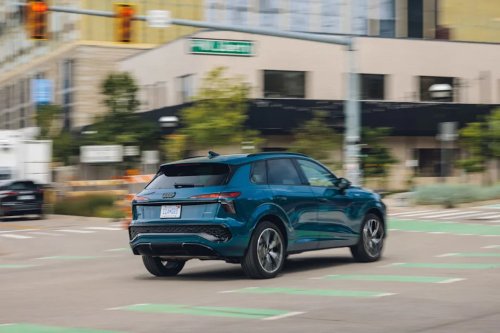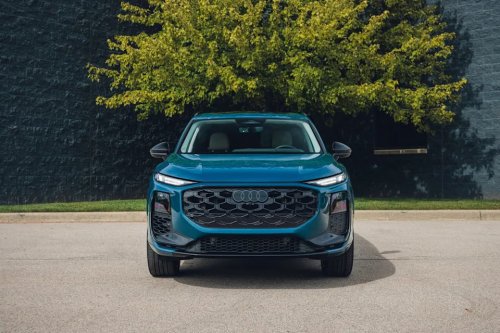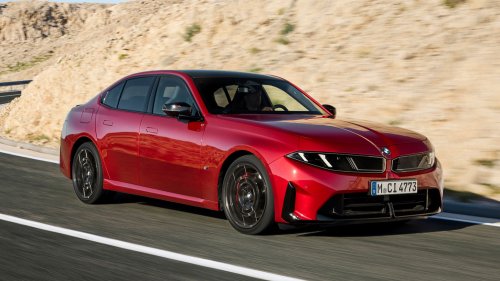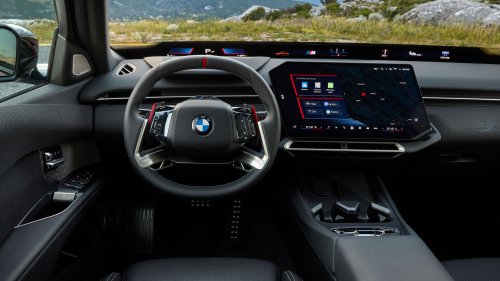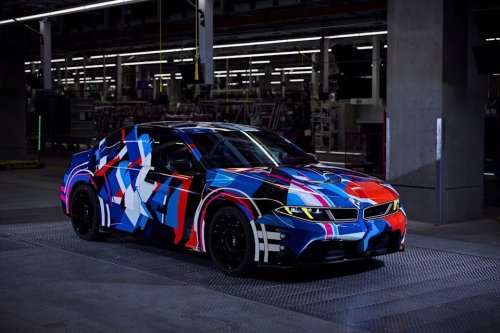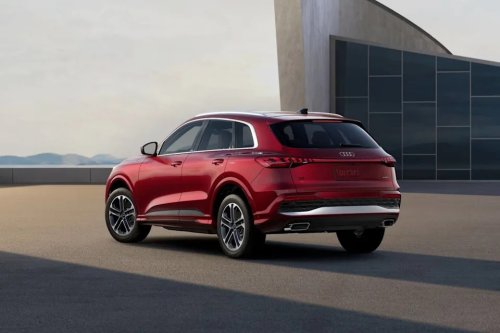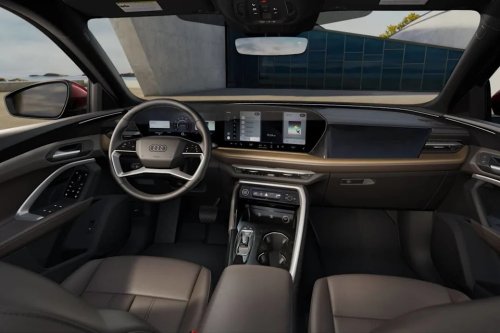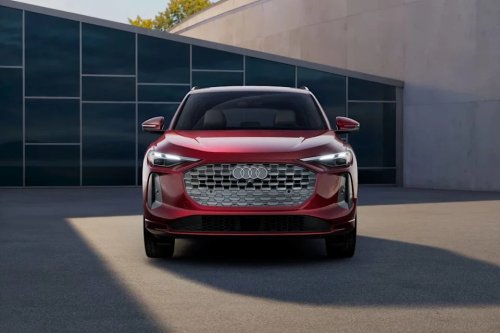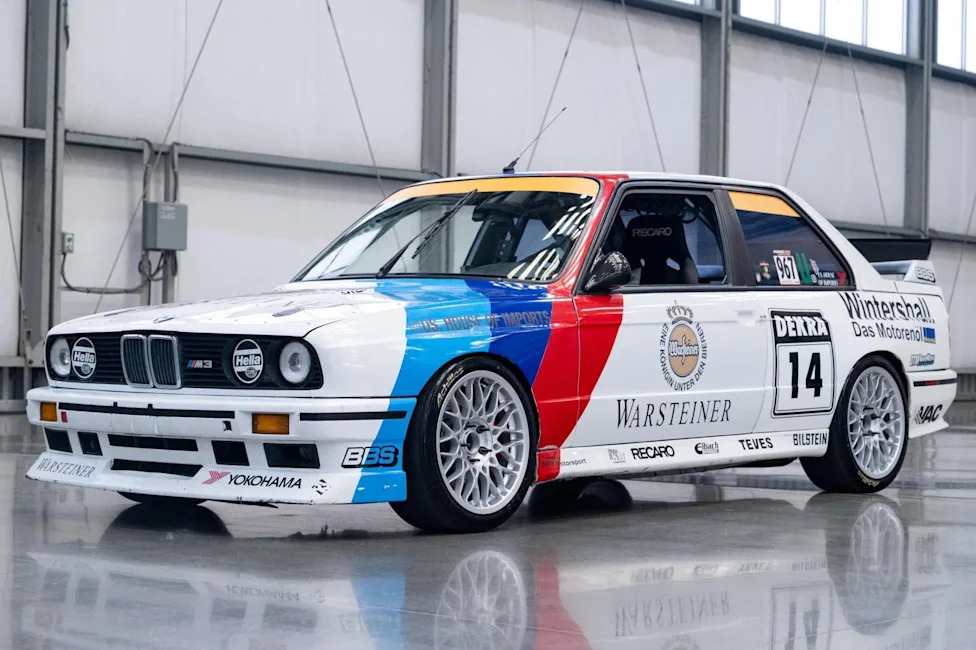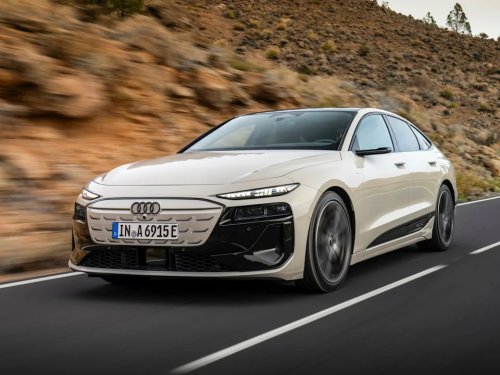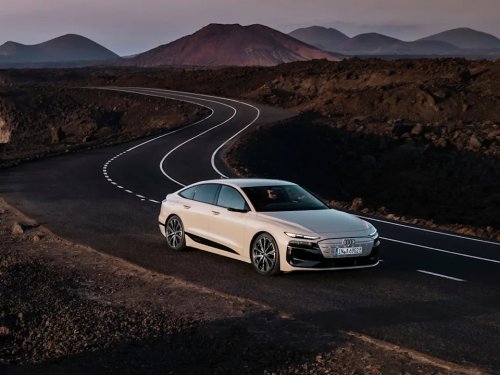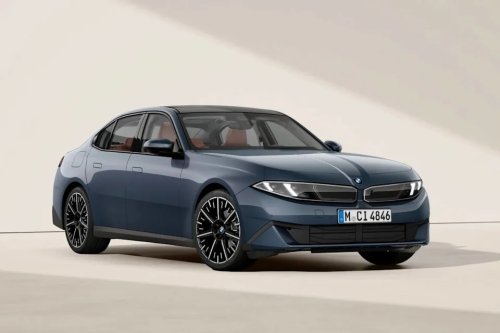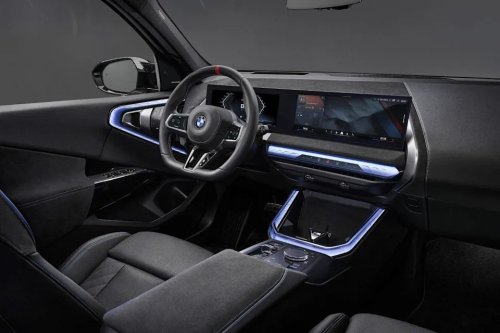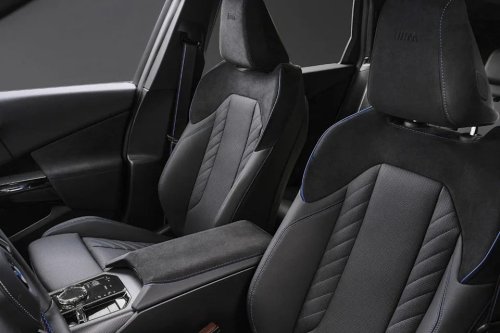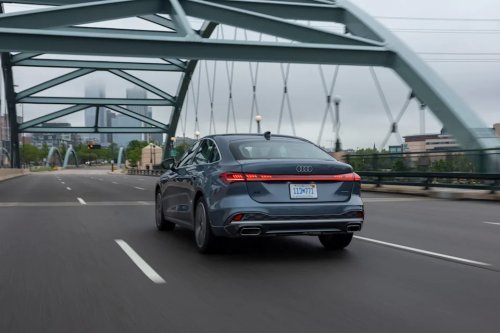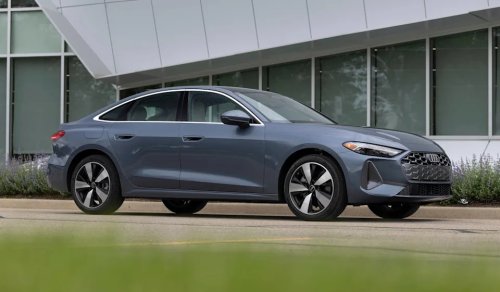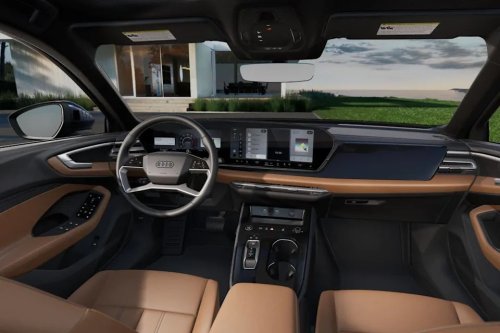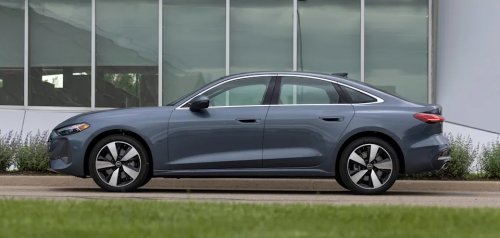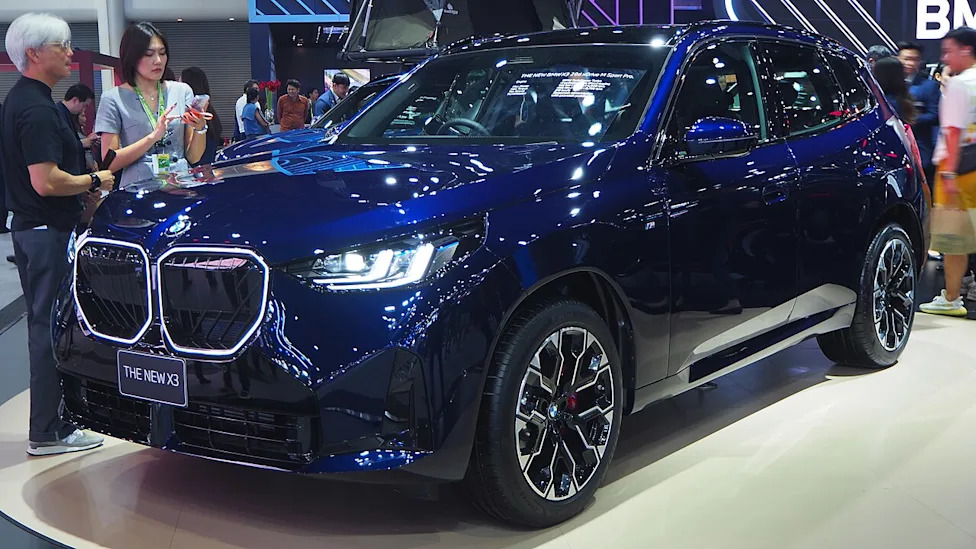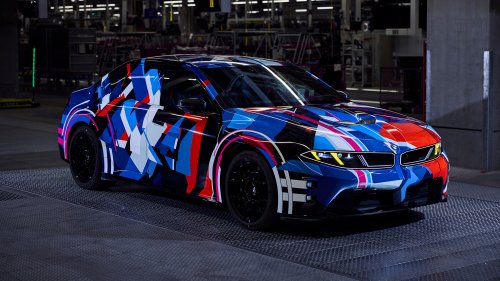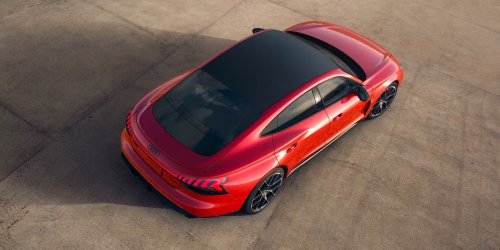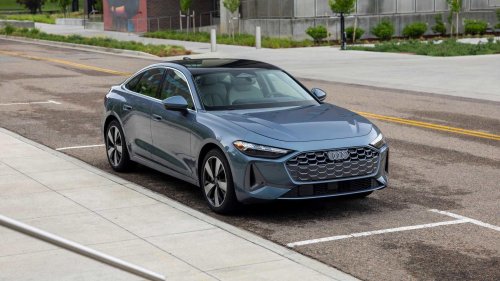
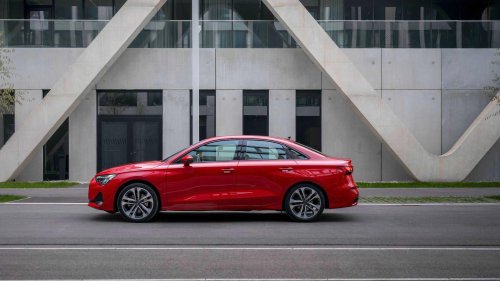
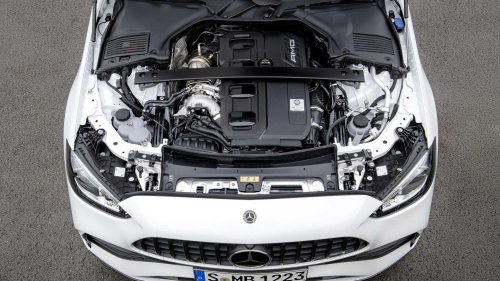
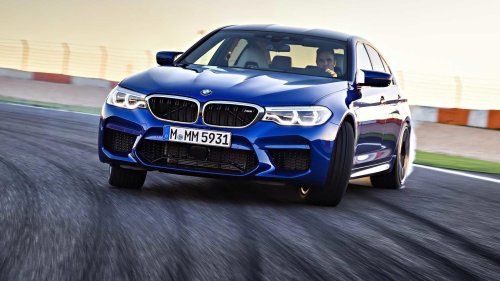
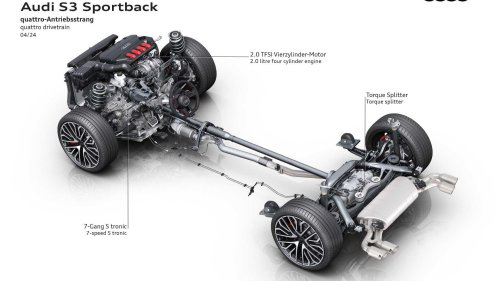
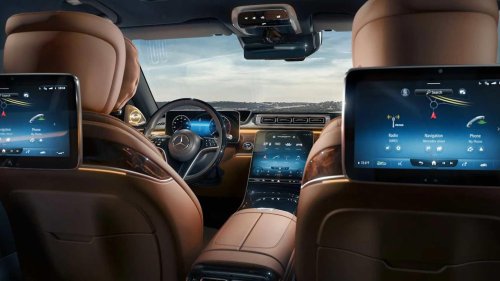



















One of the most interesting groupings in the automotive industry is the German trio of Audi, BMW, and Mercedes-Benz. All three make the bulk of their sales in the premium market but stretch out into the high-luxury segment. The broadest generalizations that differentiate the brands are that BMW is the sporty brand for people who love to drive, Mercedes is the comfort-and-technology brand, and Audi is somewhere in the middle.While that summation is largely accurate, it's also a major disservice to the brands' fundamental philosophies. The argument also ignores the fact that they all have performance sub-brands with their own unique approaches to performance. These automakers can even be boiled down to having differing philosophies about what a car should be. Sloganeering 2025 Audi A5Another easy way to understand the three major German brands' differing philosophies is to look at their slogans. BMW is the most famous in the English-speaking world as "The ultimate driving machine." As a slogan, it's extremely self-explanatory. As is Mercedes-Benz's “The Best or Nothing.”The most interesting is Audi's slogan of "Vorsprung durch Technik," which translates as "Progress through Technology." Curiously, it is an old Audi slogan that Englishman Sir John Hegarty revived in the 1980s when working on an advertising campaign for the automaker. He saw an old poster on the wall at the headquarters in Ingolstadt, Germany, and those three words spoke to him, despite needing them to be translated. The Basics: Exterior Design And Style 2026 Audi A3 Sedan Side ViewBMW is the brand most likely to be experimental when it comes to style. The approach has resulted in a few massive misfires, including the infamous "Bangle Butt," the nickname given to the rear of the early-2000s 7 Series developed under BMW's then-chief designer Chris Bangle. More recently, the automaker has been mocked for its giant grilles. However, many BMW designs have been massive hits, like the seemingly timeless generations of the 3 Series and 5 Series from the late 1990s into the 2000s, the BMW M1 from the 1970s, the modern 1M Coupe, and the latest 8 Series.Historically, Audi is the brand that plays it safe and consistently remains sophisticated and flowing through each generation of models. The automaker's designs aren't boring, though. They just tend to be subtle and timeless with their proportions. The subtlety extends to Audi's RS performance brand, which tends to stand out only in traffic if you choose a bright color.Mercedes is its own beast when it comes to design. For any model year, you can look through its range and see examples of conservative design in, for example, the E-Class sedan, or more extravagant yet sophisticated design in the ever-present luxurious S-Class.Mercedes used to stretch itself into exciting designs with its sportier models, which are now largely left to its performance arm, AMG. The sporty division can make downright menacing models when it comes to design, particularly with the AMG GT, with the current top form of the two-seater muscle car being the brutal AMG GT 63 Coupe. Engine Philosophies 2023 Mercedes-AMG C43 Engine BayIn general, BMW and Mercedes are best known for inline-six-cylinder engines and V8s, but for different reasons. However, Mercedes transitioned to V6 engines for a while before switching back to a straight-six, which offers a good balance of smoothness and performance. In a premium or luxury car, power in reserve means the car feels effortless, and in a performance car, well, the high output is part of the excitement.Audi has a history with V8s and also uses V6 engines regularly, but the automaker is famous for its wildcard layout – the inline-five cylinder. When it comes to engines, Audi can absolutely think out of the box. It dates back to the late 1970s, but can still be found in its cars today, including a brilliant iteration in the high-performance Audi RS3. At this point, the five-cylinder engine has reached cult status among enthusiasts for delivering lightweight, smooth power. It was the engine that powered the revolutionary Audi Quattro that, complete with an all-wheel-drive system, dominated rallying for a period in the 1980s. Drivetrains 2018 BMW M5 Blue Front View Track DriftingBMW and Mercedes built their brands on rear-wheel drive. From a performance perspective, separating the drive wheels and the wheels charged with steering does two main things. It means one pair of tires isn't doing all the work, having to grip for acceleration as well as for turning.BMW takes it further with its obsession with a 50-50 weight balance, meaning the front and rear of the car weigh the same, giving the car balance and precision in its handling. It's why just about any BMW you drive has a distinct feel when pushed hard. Even BMW's all-wheel-drive systems tend to be rear-biased, meaning a majority of the power goes to the rear wheels in normal driving but can send some of the output to the front in slippery conditions.Audi takes a different approach. It's uncommon for a modern product from the automaker to have only two wheels driven. In the 1970s, a chassis engineer discovered that an underpowered Volkswagen military vehicle with all-wheel drive could outperform anything else he could drum up in the snow. That led to the Audi 80, then the legendary Audi Quattro rally car. Audi Goes Its Own Way, Again Audi Not only does Audi use all-wheel drive as the basis for its cars, with few exceptions, but even on its performance cars, it doesn't seem to care about the finesse of weight distribution. BMW likes its six-cylinder engines to have a longitudinal layout, so the mill goes from front to back in the engine bay. BMW also positions its powerplants as far back in the engine bay, which supports its overall goal of a 50/50 weight balance.The extra bulk of the Quattro system means Audi engines are typically mounted further forward than those in Mercedes or BMW cars. The layout can make a vehicle nose-heavy and prone to understeer, with front tires struggling for grip in corners under power. However, the added grip from all-wheel drive provides an entirely usable, sporty driving dynamic. Technology 2026 Mercedes-Benz S 580eMercedes is the brand that pushes technology the hardest and has had the most overall influence on the automotive industry. As far back as 1959, Mercedes was at the forefront of developing crumple zones, making crashes safer for occupants. The automaker also introduced the first digital, electronically controlled Anti-lock Braking System (ABS) to consumer cars and introduced airbags to the market.Today, Mercedes is still pioneering safety features, but it's also class-leading with its MBUX infotainment system. Although Audi and BMW aren't far behind in terms of cutting-edge tech. Mercedes was also early on the hype train over autonomous driving, and has remained a significant player in the field. After all, what's more luxurious than your car driving itself while you relax? Which Suits You? BMW i4 badgeWhile the three main German brands operate in the same spaces, it's surprising how much someone's choice can say about them. Mercedes is the brand to go to if comfort is the main consideration, but that doesn't mean Mercedes cars can't be sporty. Mainly, the automaker hands that job off to the AMG side of the business.BMW and Audi are where the rubber meets the road for someone who enjoys driving, and most people would know what suits them better. For this writer, it depends on the day and the car, but I've owned more than one BMW. It would be interesting to hear in the comments where you stand on the three.