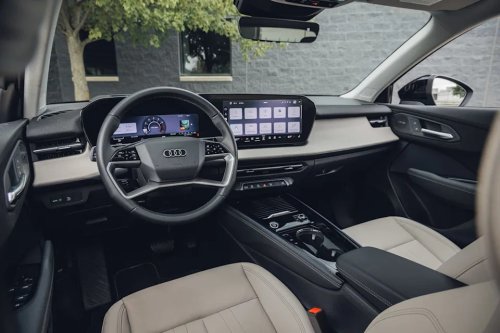
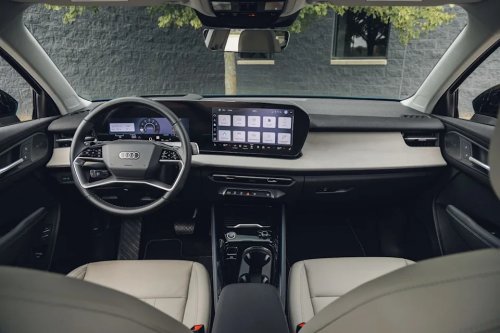
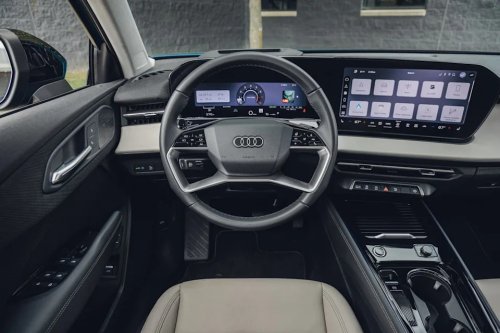
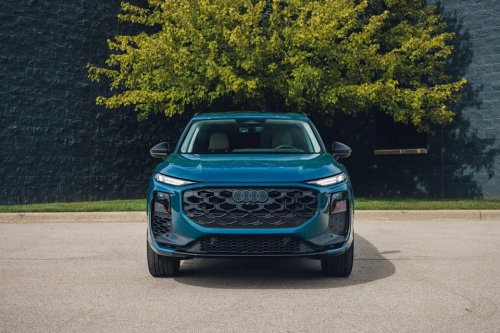
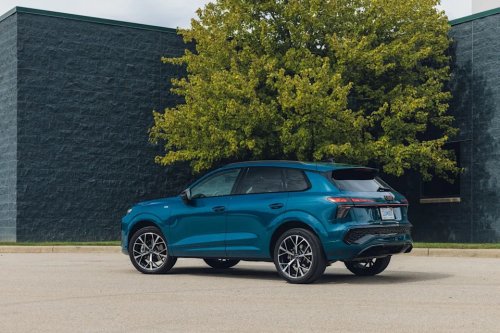
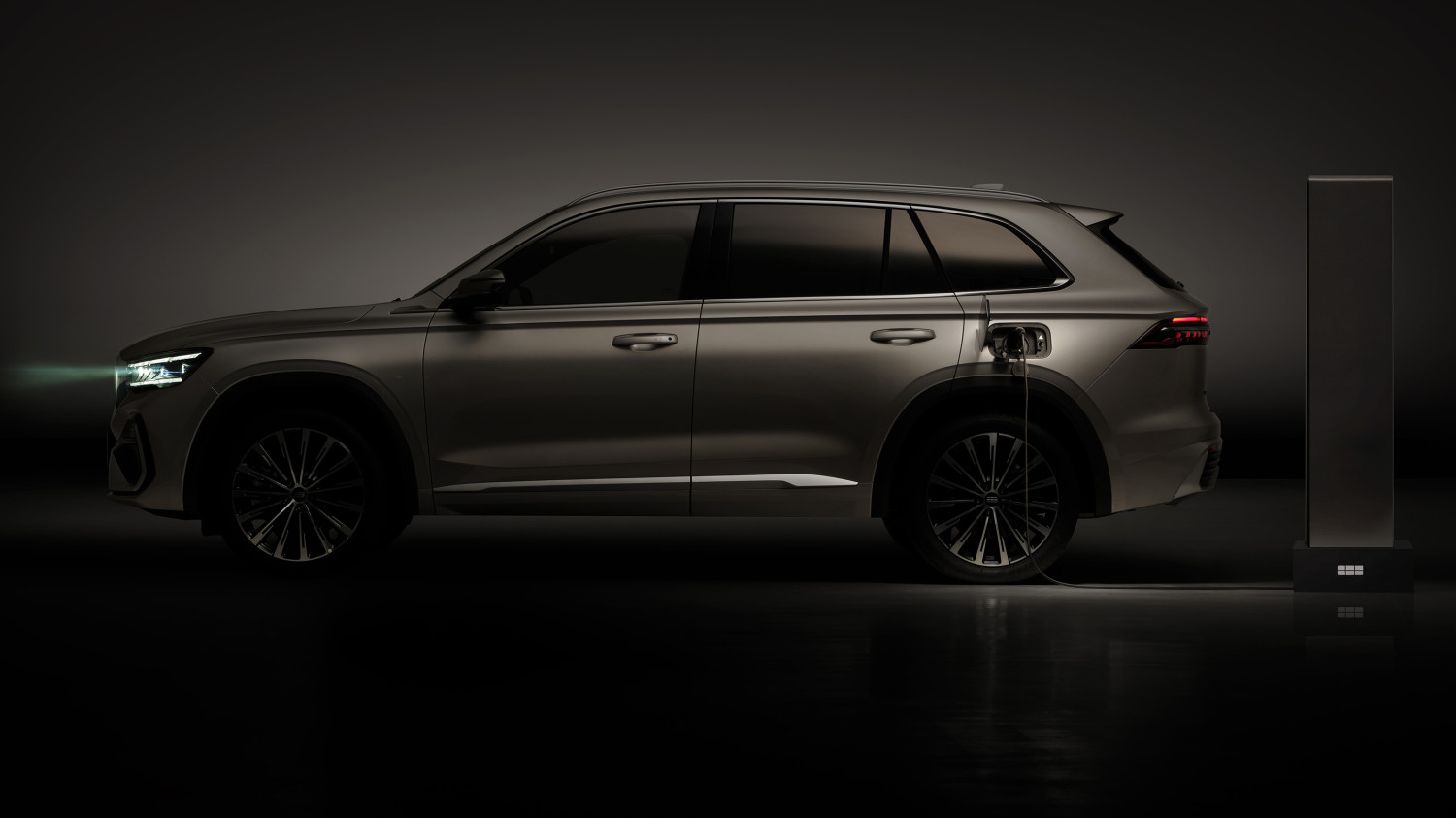
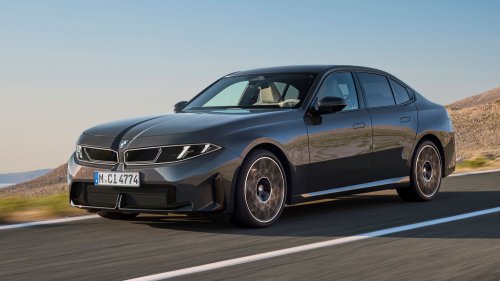
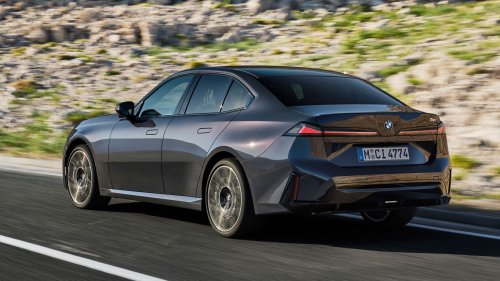
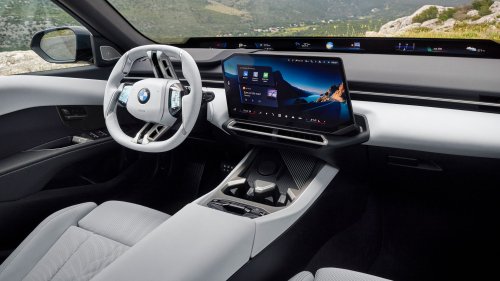
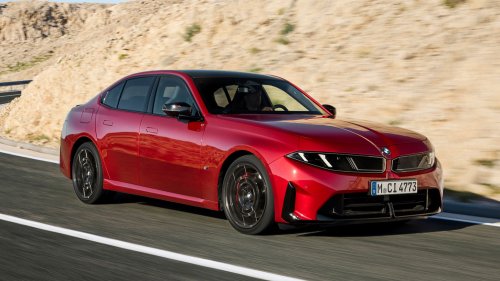
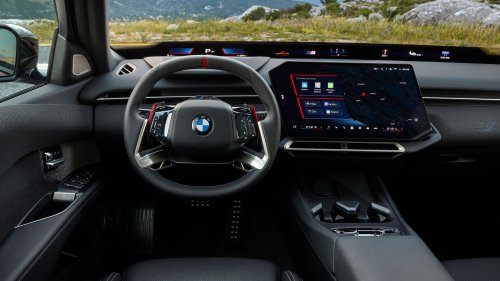
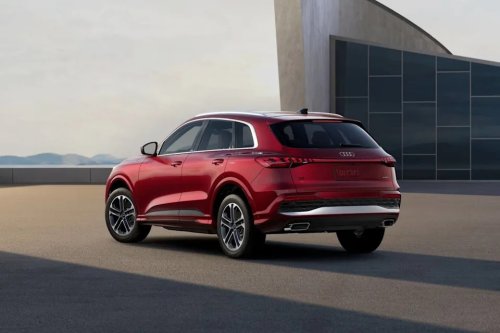
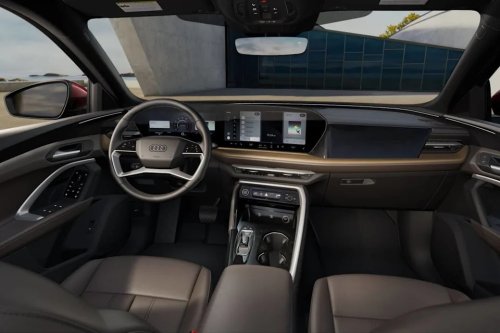
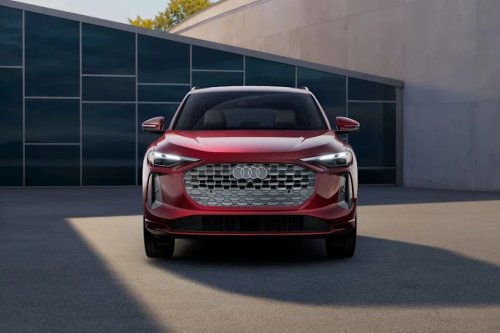
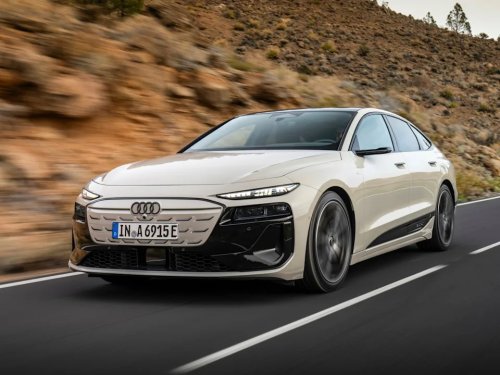
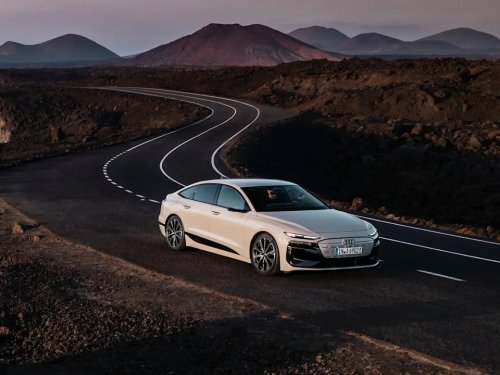
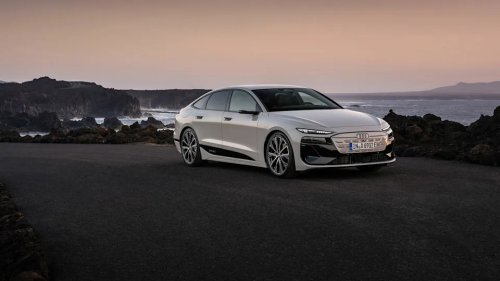
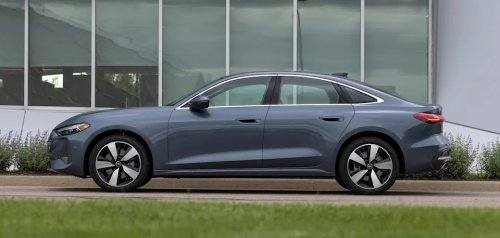
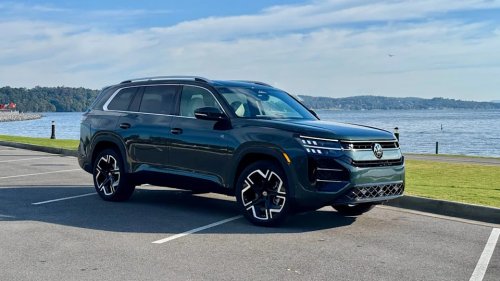
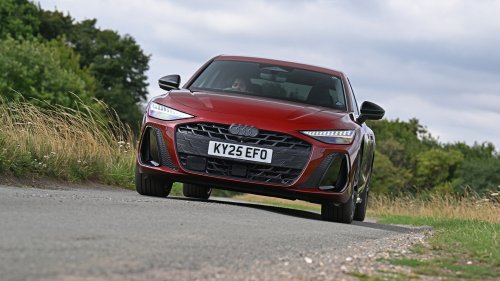
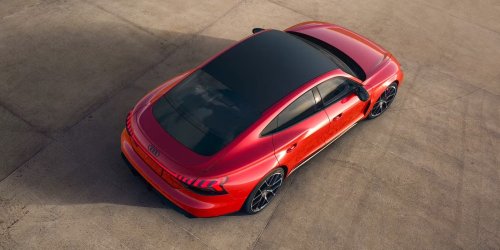
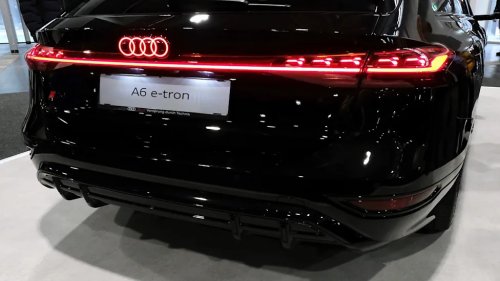
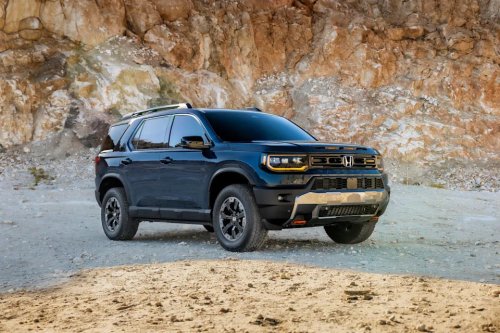
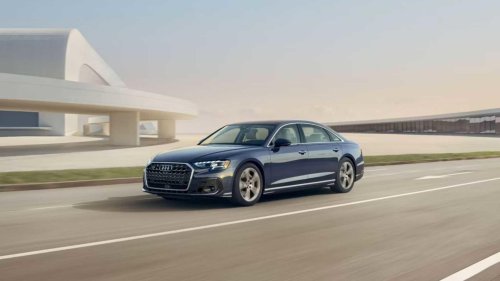
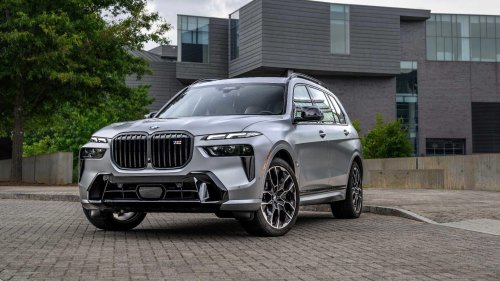
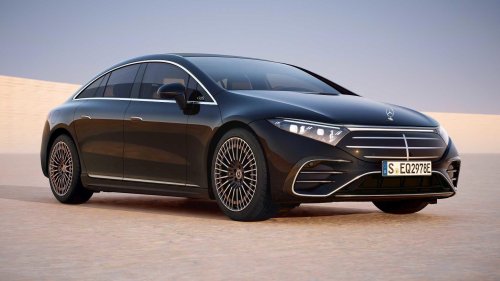
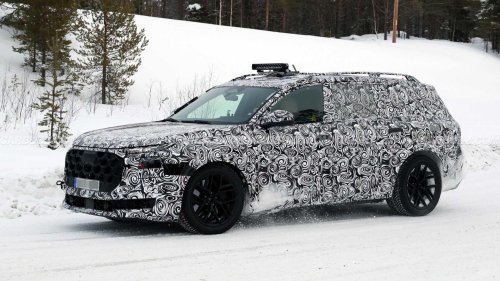
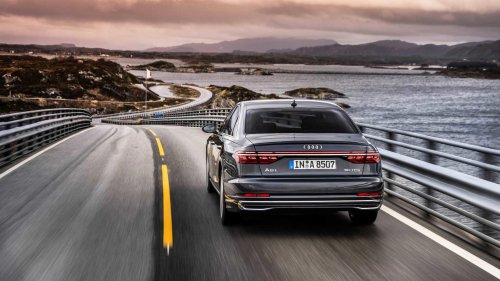
Audi has clearly earned its place as one of the big three in the German automotive world, even though it sometimes operates in the shadow of its classmates. You could argue that Mercedes-Benz is often bolder and more industry-leading in the luxury world with its S-Class, while BMW leans heavily into design drama and spectacle with its 7 Series.Meanwhile, Audi tends to display a quieter form of authority with its A8 flagship, even though it’s usually not too far behind the other two in the race for relevance. And that's why Audi's latest strategic plan is so interesting, as it's chosen not to rush a new A8 sedan into battle against the latest S-Class, BMW 7 Series, or their electric equivalents. Instead, it's decided to focus on the Q9 as a new flagship SUV, and it's interesting to pick apart its reasoning. How The A8 Defined Audi's Quiet Luxury AudiOver time, Audi's A8 has grown to become a very well-rounded interpretation of the brand itself. It was never just a stretched executive car, but it showed off the company's engineering identity from top to bottom through quattro all-wheel drive, aluminum-intensive construction, and a no-nonsense but well-received interior design. The A8 was less flashy than those other German competitors when it came to flagship positioning, but it nevertheless seemed to suit consumers who didn't necessarily want to announce that they'd bought into the concept.In the 2026 market, Audi's A8 L 55 TFSI quattro comes with a 3.0-liter turbocharged V6 that has mild hybrid assistance and produces 335 hp and 369 lb.-ft of torque. It also has an eight-speed Tiptronic automatic and standard quattro all-wheel drive, and it sells for around $95,000. By any measure, Audi's A8 is a serious luxury sedan, but it exists in a world where the very definition of a flagship is changing. Many high-end buyers now want full-size SUVs that have the space, driving position, cargo capacity, presence, and family utility they need, and that puts the A8 under pressure in terms of defining what an Audi flagship ought to be. The Sales Gap Turns Prestige Into A Business Problem BMW Audi sold 1,406 A8s in 2025, down from 1,628 the year before, while BMW sold 11,393 of its 7 Series family, and the Mercedes-Benz S-Class rang the tills at a rate of 5,006. By comparison, BMW sold 31,575 of its X7 family in the US in 2025, indicating how much stronger the big luxury SUV side of the market has become. And all these figures present Audi with a serious challenge when it comes to its flagship sedans. There's no doubt that these vehicles can have their place in the hierarchy due to their engineering, prestige, design leadership, and brand credibility, but those sales figures are very relevant.If Audi wanted to come up with a properly new A8, it would need to invest heavily in platform strategy, electronics, driver assistance systems, carbon technology, safety systems, emissions, and electrification. It would also start from a position of relative weakness when it came to its actual A8 sales volume. And so, it's not surprising to see that Audi will give the Q9 a real shot in an attempt to increase its relevance in the US market. It won't try to make a traditional luxury sedan compete head-on with Mercedes or BMW but will start chasing after those top-end buyers as they move elsewhere. A Missing Electric A8 Makes The Problem Bigger Mercedes-Benz Audi is arguably more exposed in its flagship sedan positioning because it doesn't have an EV solution to back up the A8 story. BMW has the i7 as its fully electric flagship sedan, and Mercedes sells the EQS sedan as the flagship of its electric fleet. BMW sold 2,905 i7 models in the US in 2025, and while that's not really an eye-opening number, it represents a clear electric answer at the top of the sedan range. And Audi has no equivalent electric A8 to even enter that conversation.Certainly, Audi has an EV presence elsewhere, with good performance coming out of its Q6 e-tron and A6 e-tron. But its current A8 is a gas-powered mild hybrid and there are no plans to fully electrify its traditional flagship sedan. That adds another twist to the company's rivalry, as BMW and Mercedes are arguably making their flagships more future-proof from a technology POV. BMW has combustion, plug-in hybrid, and electric options around its 7 Series family, and Mercedes has the EQS to carry its electric luxury message.While Audi could create a new electric A8, that process would be expensive, slow, and risky. And Audi seems to have decided to go down the Q9 route and attack a segment with stronger SUV demand instead. The Q9 Puts Audi Where American Luxury Buyers Spend CarBuzz/Valnet Audi has been falling behind in the flagship SUV fight for too long. Yes, it’s selling the Q7 as a three-row luxury SUV and the Q8 as a more style-led option, but neither is the kind of true, full-size luxury SUV you can put alongside the BMW X7, the Cadillac Escalade, or the Mercedes-Benz GLS. And so, the Q9 will effectively be Audi’s new flagship SUV, sitting at the top of the brand’s product narrative and be a much larger model than the Q7, with full three-row capability and a strong US focus.This type of full-size SUV might be able to do a lot for Audi in the way an A8 could not. It should be able to carry six or seven people and serve as both a family transporter or an executive carrier, and it should make a strong visual statement in the places that matter. It should also be able to command higher transaction prices and give dealers something to be happy about as they try to align with changing American demand.If all this works out, Audi should be able to reposition its flagship without trying to save the luxury sedan market. The company will move into a segment where its German rivals are already successful, rather than hoping that buyers could somehow return to the classic limousine format. The Smarter Play Still Comes With Risk Audi There’s no doubt that luxury sedans still matter, especially in markets outside the US, and many would argue that they represent engineering discipline in its purest form. A vehicle like the A8 will tell a very different story and appeal to a different segment than a Q9, and that story still has some value even if the current sales number trajectory appears to be modest.So, Audi must clearly think about how it positions its A8 going forward and understand that luxury sedan development can, in many respects, be more challenging than a focus on SUVs. After all, luxury sedans tend to be harder to package than SUVs, more sensitive to ride quality, and far more dependent on body control, refinement, and cabin execution.Amid that backdrop, some reports suggest that Audi is winding down its current A8 in European markets, and it's unclear what will happen with the vehicle in the US. Buyers can still choose from the A8 or S8 range today, which means the company's luxury sedan is still around for now.But if Audi does eventually spruce up the A8 as a next-generation flagship sedan, it will surely have to answer the EV question squarely. It can't just conjure up a safer-looking S-Class rival with some updated screens or a cleaner dashboard and will probably have to decide if the A8 approach is even sensible anymore.In summary, Audi’s pivot toward the Q9 doesn’t represent a move away from luxury, but it does recognize that luxury buyers in the US are changing. The A8 remains a credible sedan, even though its low sales numbers and lack of a fully electric version are not helping its positioning, but the Q9 is surely a better bet. It gives Audi a much cleaner route into the higher-volume, higher-visibility luxury space as its rivals split their options between sedans, EVs, and SUVs. And the Q9 could indeed become the Audi flagship that buyers are waiting for, while the legacy of the A8 remains in a state of flux.Sources: Audi, BMW, Mercedes.



















 +81 others