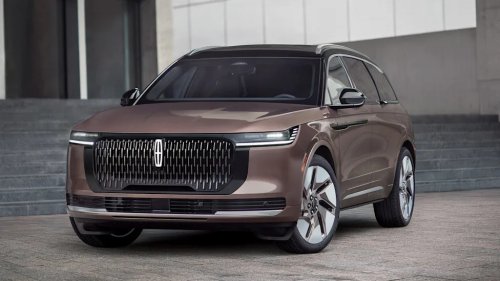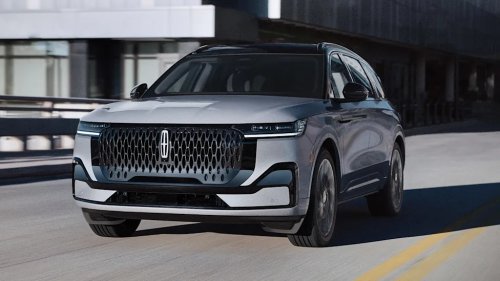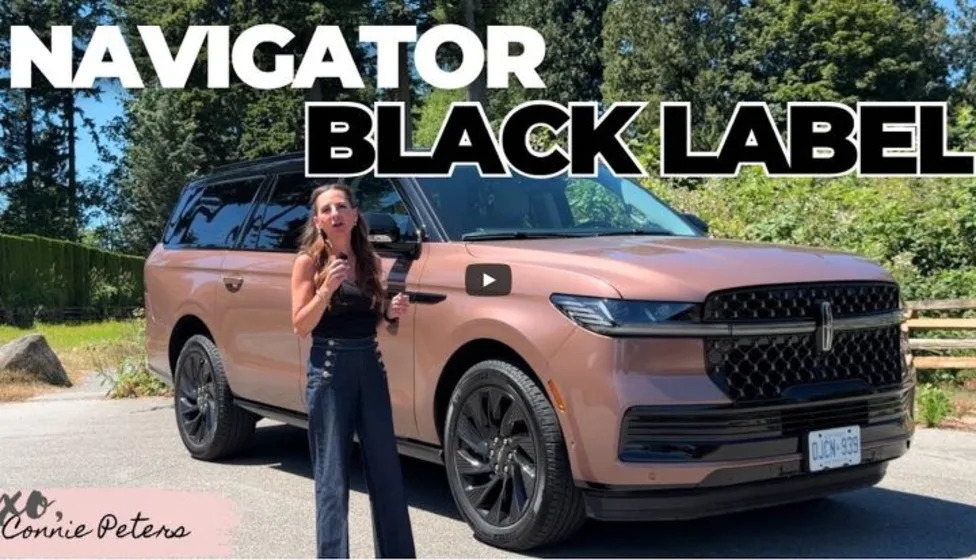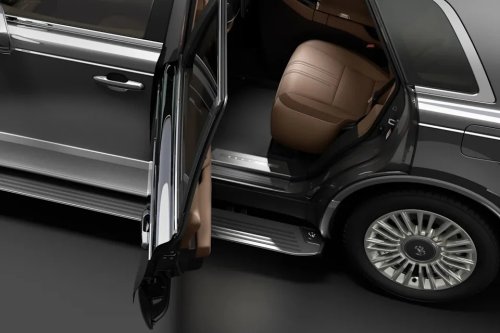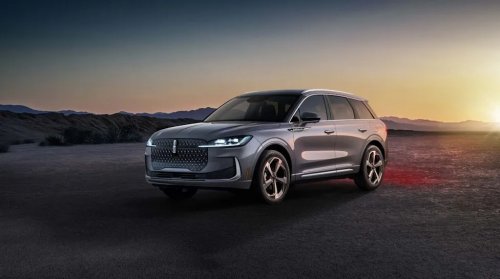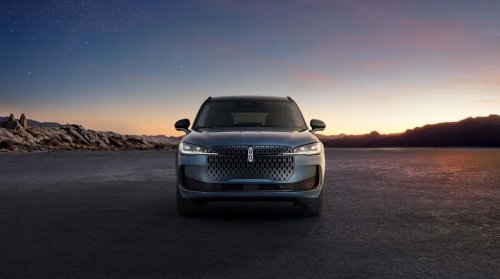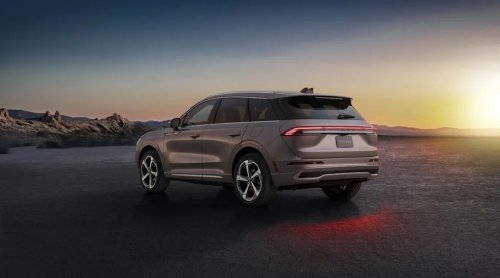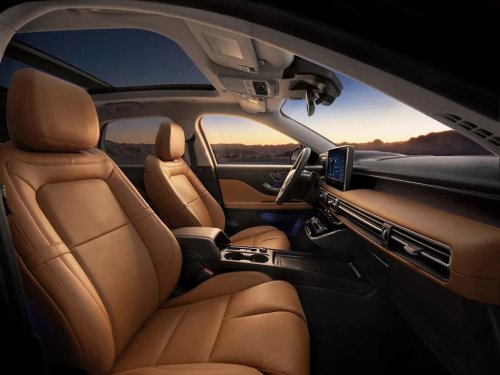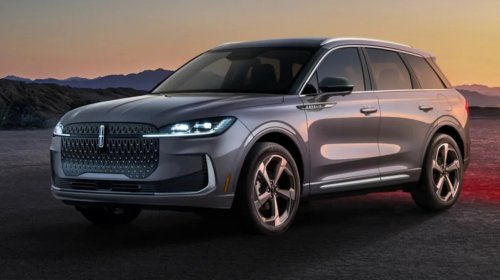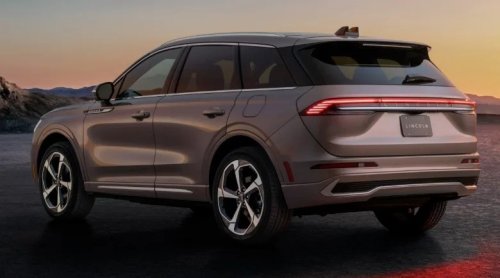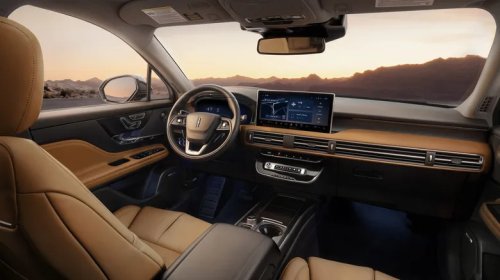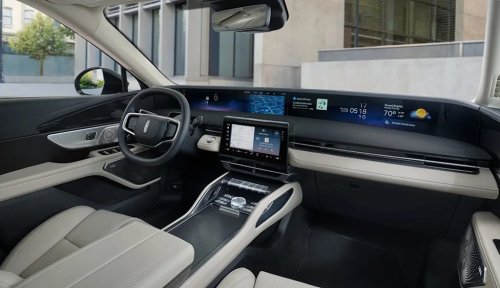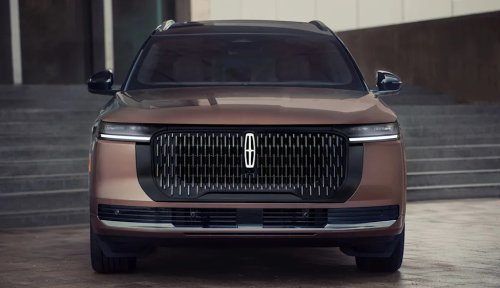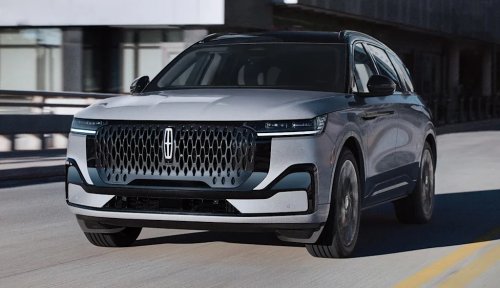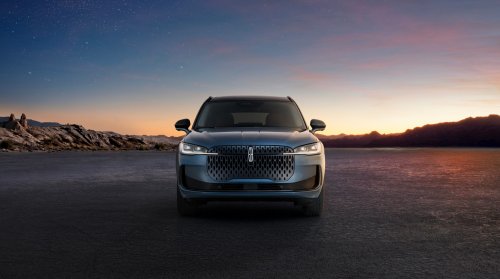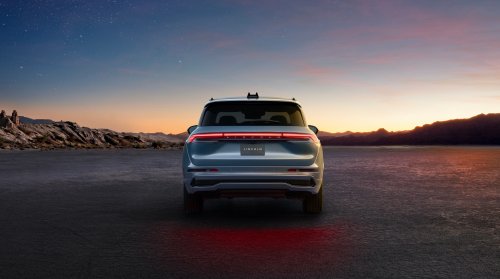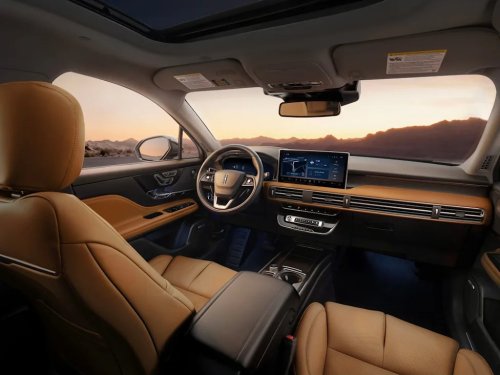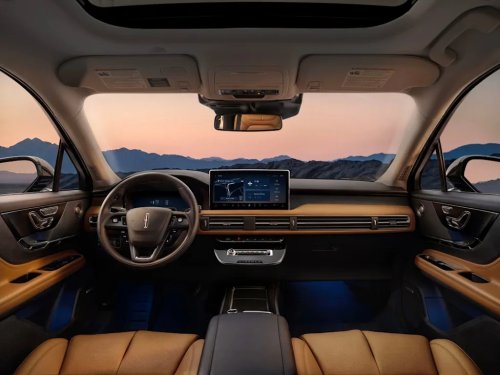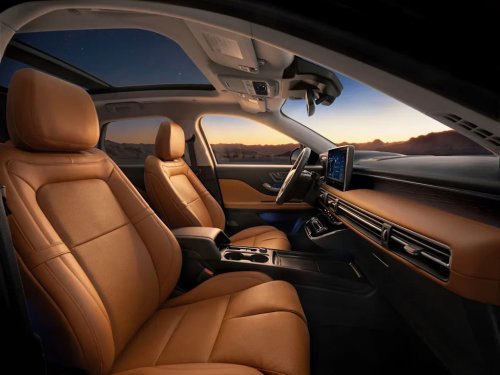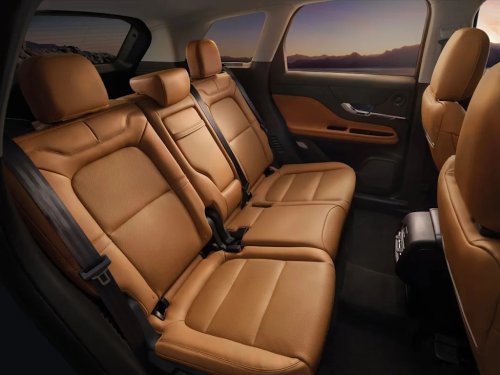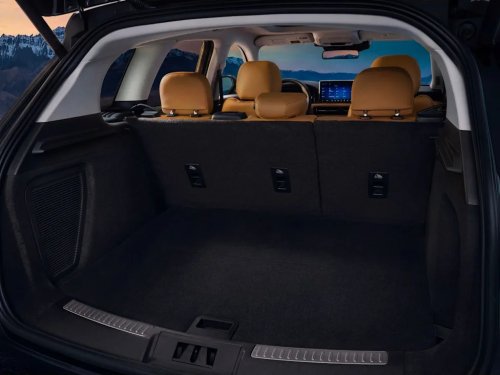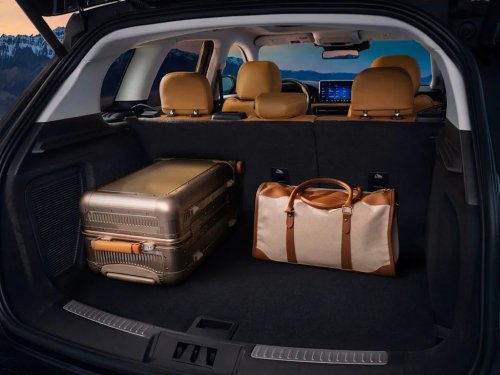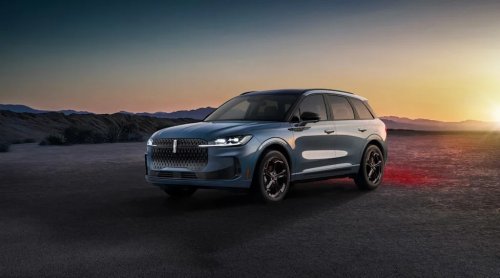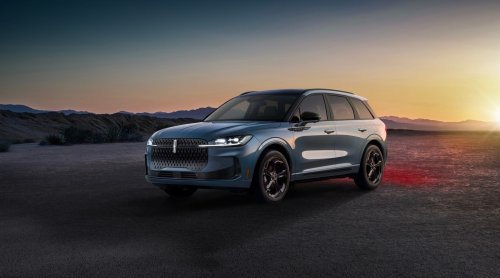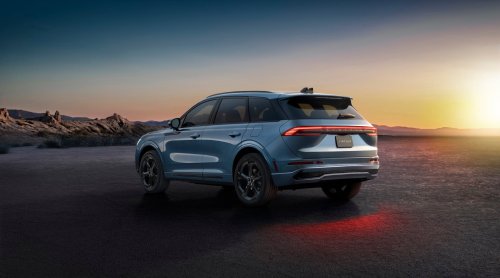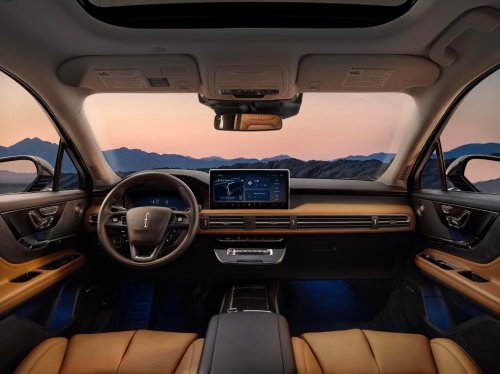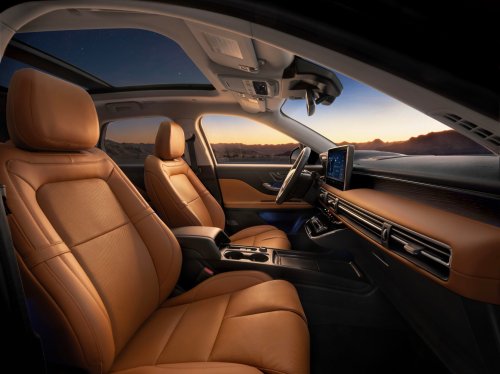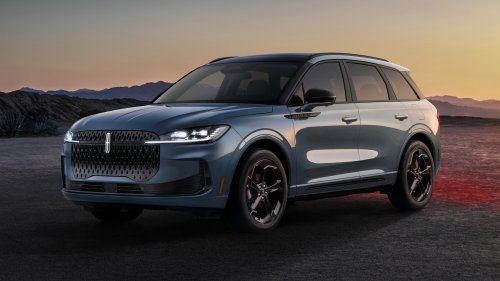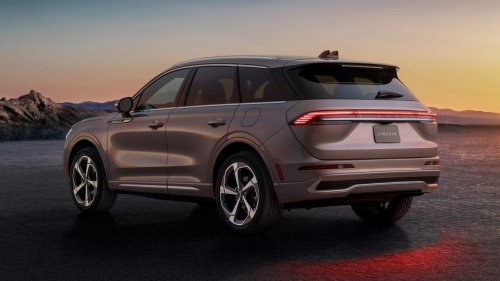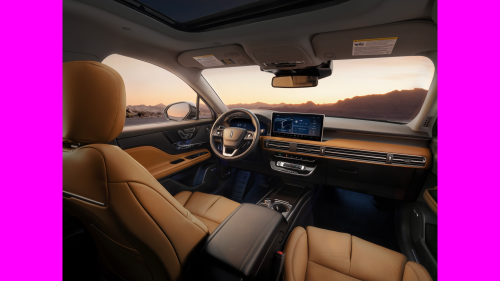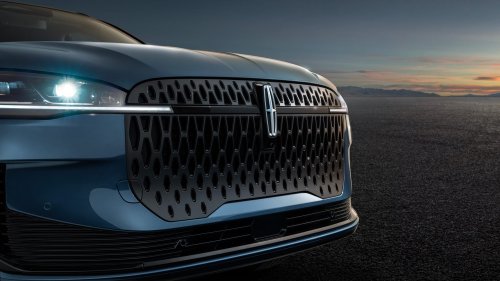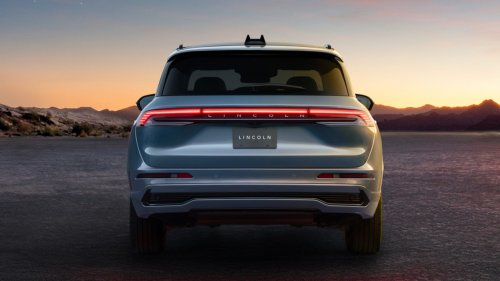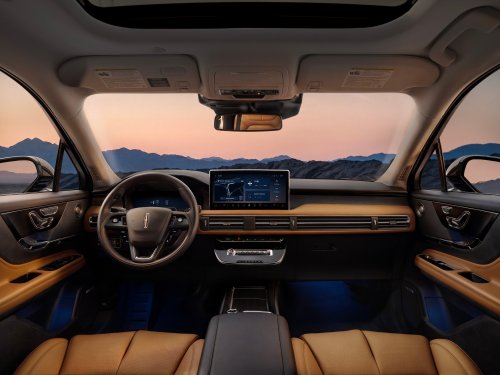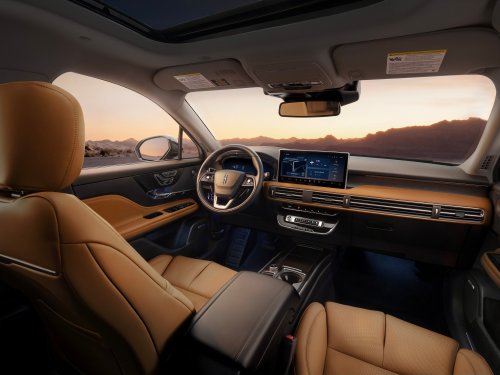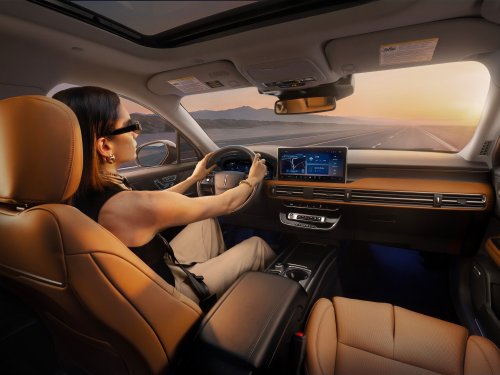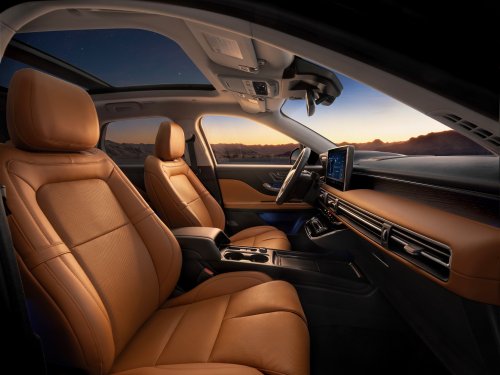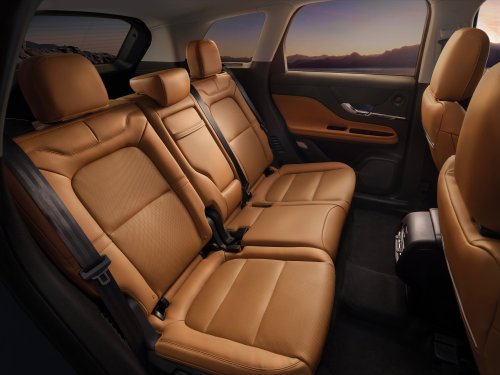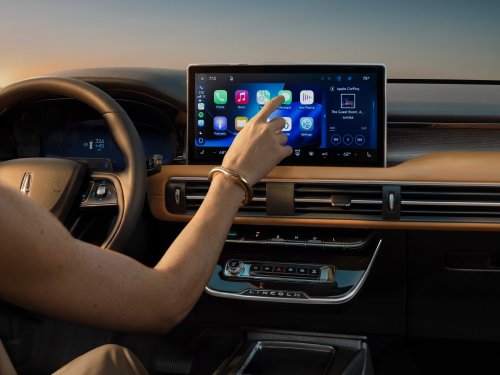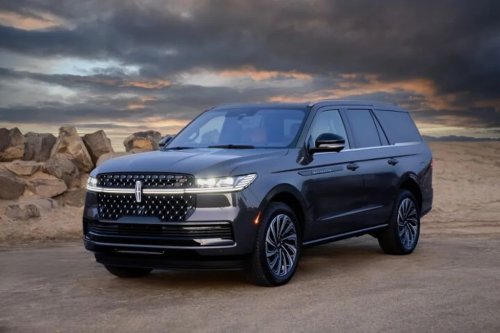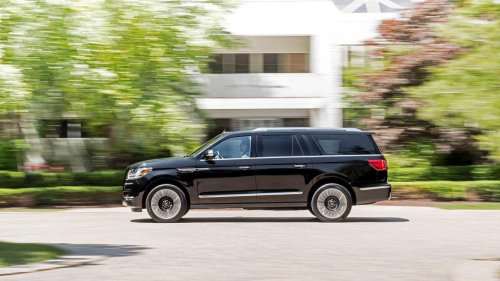
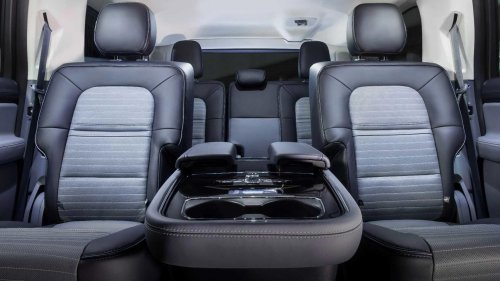
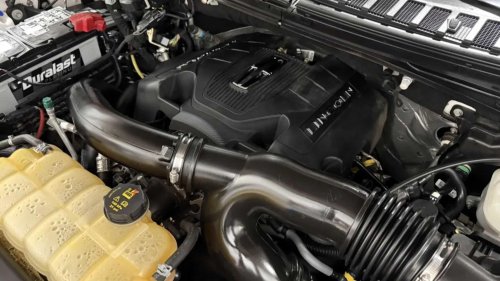
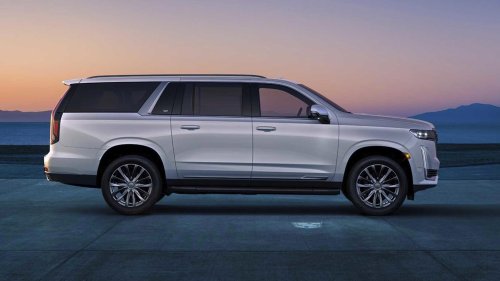
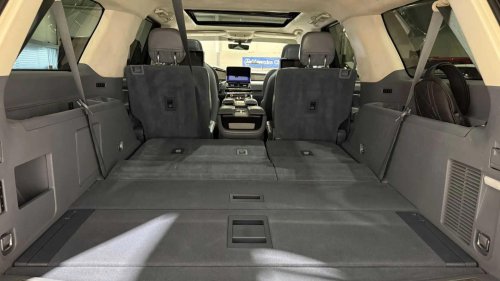



















Jump LinksWhen American families need to take a long-distance road trip, one letter of the alphabet can make a surprising difference. In this case, the “L” version of the Lincoln Navigator seems purpose-built for the task, without needing to ask the family unit to make many compromises. Certainly, America offers plenty of large SUVs, but not all of them appear as well suited as this one. The best news for used SUV shoppers is that a fourth-gen Navigator L has now taken a significant depreciation hit, while still being modern enough where it really counts. The Best Road Trip SUV Starts With The Problem Most SUVs Avoid LincolnPlenty of manufacturers point out that their big SUVs have three rows, but they often gloss over the potential compromises. Sometimes, families may need to adjust the second-row position, and using the third row can cause the cargo area to take the biggest hit. When a vehicle is fully loaded, third-row occupants may have to sacrifice legroom, which can cause tempers to flare as the miles add up. Lincoln wanted to address all those trade-offs head-on.To try and make road trips fun again for bigger families, Lincoln offered the long-wheelbase Navigator. The stretched L design rode on a 131.6-inch wheelbase, making it a proper full-size SUV, with the biggest benefit being more luggage room for the adventurous family and their possessions.The Navigator L offered 36.1 inches of third-row legroom, or up to 40.9 inches with the second row fully forward. There was 34.3 cubic feet of space behind the third row, 73.3 cubic feet behind the second row, and 120.2 cubic feet behind the front row. And this meant that everybody could bring whatever they needed on that family trip, rather than trying to pick and choose based on available space. The Cabin Still Feels Built For Long-Distance Luxury Ford There’s always a danger that stretching an already large SUV could punish the driver, turning the vehicle into more of a truck-like experience without paying attention to the details. But Lincoln seemed to recognize that danger when it designed this generation of Navigator and came up with a different formula. The company focused on elements like higher seating positions, broader armrests, additional insulation, and soft ride tuning to take the edge off those long interstate days. Buyers could choose available Perfect Position seats and other elevated features like Revel Ultima audio, a heads-up display, and a 12-inch digital instrument cluster.Lincoln's attention to detail seemed to work rather well. The CarBuzz review said that the vehicle's roll stability system did a great job of managing the pitching and rolling that often comes with larger SUVs. The adaptive suspension handled bumps and other irregularities more adeptly than other vehicles in the class. However, the steering lacked feel.The biggest draw of the long-wheelbase model was that it made the luxury feel much more useful. Here, Lincoln realized that families can be far more needy in real life than they may appear in staged brochure photos. Those folks were likely to bring a wide range of awkward items on a trip, from backpacks to strollers, cooler boxes, camera cases, sports bags, and whatever else got added at the last moment. Demands like that could quickly turn the rear cargo area of a standard-wheelbase luxury SUV into a real-life game of Tetris, but not so with the Navigator L and the extra space it offered behind the third row. The Twin-Turbo V6 Gives The Navigator The Effortless Pace It Needs Bring a TrailerWith its larger size and intended use as a luxury family hauler, the Navigator L needed some real power to get around. In the early-generation models, Lincoln offered a 3.5-liter twin-turbo V6 generating 450 horsepower and 510 pound-feet of torque, paired with a ten-speed automatic transmission. After the mid-generation refresh, the horsepower decreased slightly to 440 hp while torque remained at 510 lb-ft.Certainly, it’s unusual for engines to decrease in horsepower over time. But the most important figure for road-trip drivers is that torque, and 510 lb-ft is exactly where you need to be with a large luxury SUV like this. The torque gives the Navigator the tools it needs to merge confidently onto highways or climb grades without snarling too much and drivers losing their cool.In period testing, the 2018 Navigator could get to 60 mph in about 5.9 seconds, while a 2021 Navigator Black Label recorded 5.2 seconds for the same distance. Those are perfectly acceptable figures for a large, heavy, body-on-frame vehicle, and exactly what buyers should be looking for to make their fully-loaded road trips calmer. An Escalade May Have The Badge, But The Lincoln Has The Market Angle Cadillac In a straightforward comparison, buyers may also consider a Cadillac Escalade ESV, which has a strong V8 personality and perhaps stronger cultural recognition. Cadillac also gave the Escalade ESV a significant redesign from 2021 onward, and it now comes with a more dramatic interior presentation. For those looking for driveway bragging rights, an Escalade might carry more weight than the Navigator badge might.However, when it comes to the used vehicle math, the argument starts to change. According to the CarBuzz Marketplace, it's now possible to find a 2021 Lincoln Navigator L Reserve model for an average of about $30,000, and a Black Label 4WD for an average of $40,677. Of course, those figures would depend on mileage, condition, location, and other factors in a dynamic market,The equivalent Cadillac Escalade is typically more expensive. Here, buyers should expect to pay around $56,500 for a 2021 Escalade ESV Sport or a touch under $60,000 for the Sport Premium RWD, with the same caveats about value. The Cadillac comes with a 6.2-liter V8 producing 420 hp, but it only boasts 460 lb-ft of torque, which is 50 lb-ft less than the Lincoln's twin-turbo V6.The Cadillac also comes with a more spectacular dashboard from 2021 onward, with 38-inches of screen across the dashboard. However, the Lincoln may yet be quieter and is equally practical. Plus, it comes in at a lower entry point for those who would rather keep their budget under $40,000. Cheap Luxury May Still Need Some Expensive Car Discipline Bring a Trailer There's plenty to like about the Lincoln Navigator L, especially its compelling used value. Buyers get a large, turbocharged, high-content luxury SUV, but plenty can go wrong. The Navigator L comes with power running boards, advanced electronics, adaptive suspension hardware, and expensive trim pieces. A poorly maintained example could quickly turn from a bargain into quite an expensive repair story.Buyers should also consider fuel economy, especially if the vehicle's main purpose is long road trips. The 2021 Navigator L returns 16 miles per gallon city, 21 mpg highway, and 18 mpg combined. Those figures aren't especially shocking, given that this is a full-size luxury SUV, but in today's environment, it's certainly not frugal. By comparison, the Escalade ESV comes in at 15-20 mpg, so it's not a fuel-sipping alternative either.Prospective owners should also pay attention to the Navigator L's recall history, including warnings about the battery junction box for certain 2021 Navigator models. As part of that notification, Lincoln advised owners to keep their vehicles outside and away from structures until they could effect a repair, as there was a certain risk of fire. Buyers should conduct an appropriate VIN check before they go any further.A used Lincoln Navigator L offers the features most buyers look for on a lengthy road trip. It has genuine long-wheelbase cargo room, strong twin-turbo torque, some acceptable highway pace, and a quiet, luxurious cabin to keep the family temperature down.Perhaps best of all, shoppers can find a Navigator L for around $40,000 or less. The best one may not be the cheapest option in the marketplace, but it could be the one that is clean, well-documented, and well-serviced. And while an Escalade may still represent a more obvious status symbol, the Navigator L seems to be the much smarter play for the money.