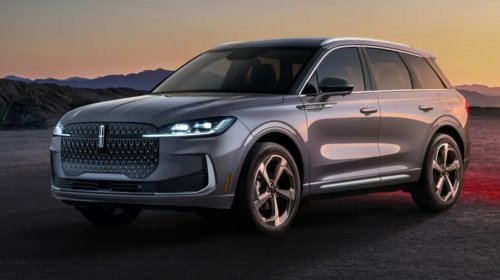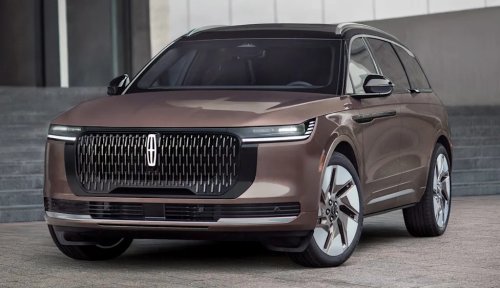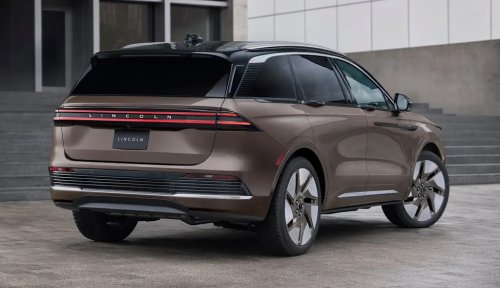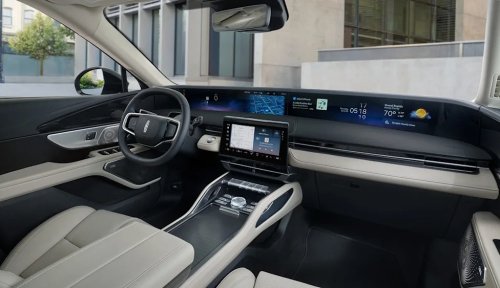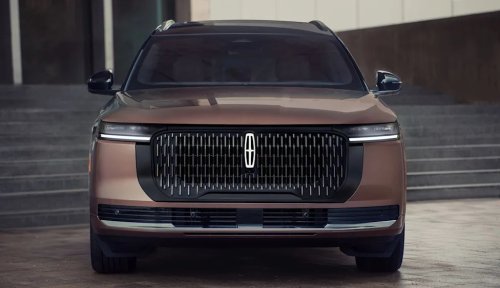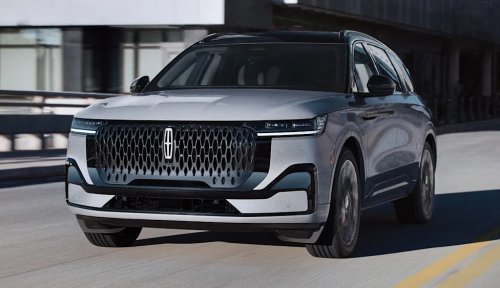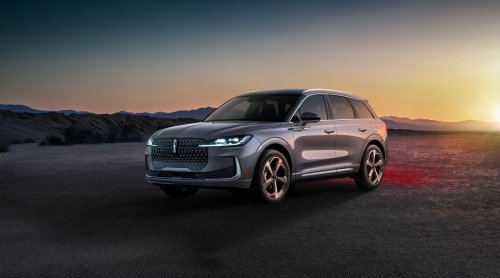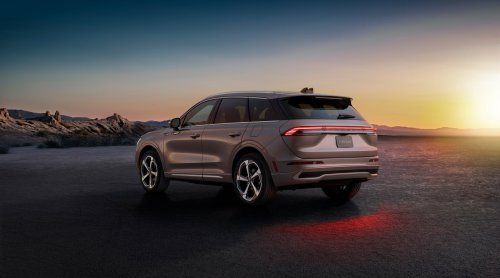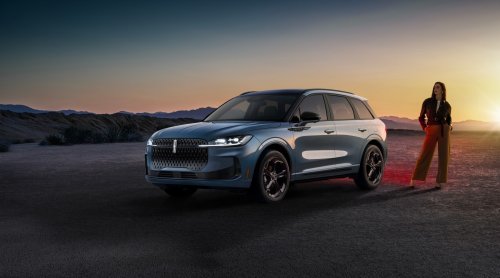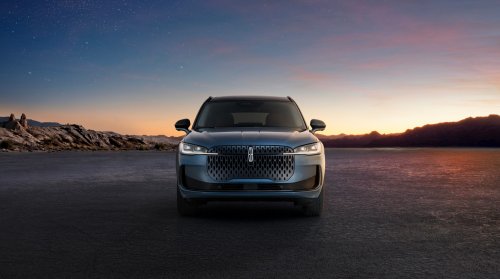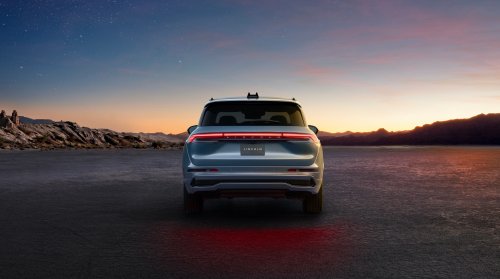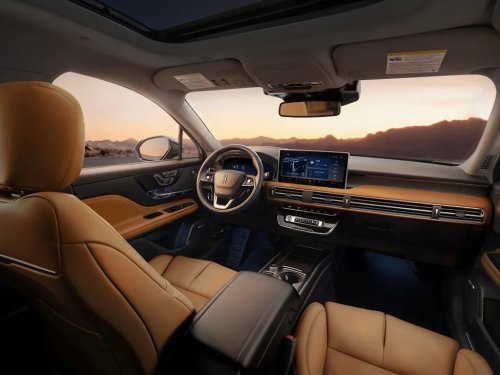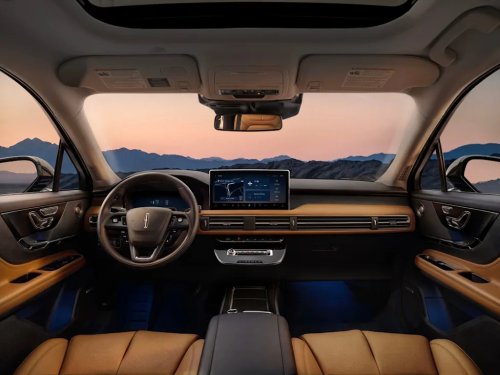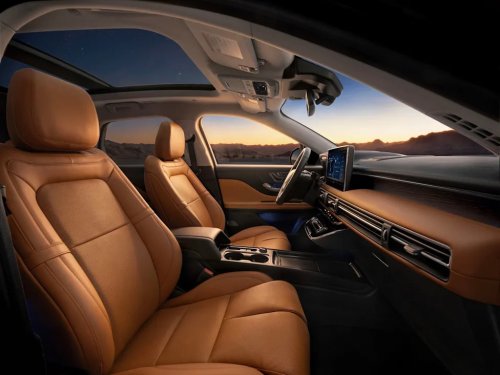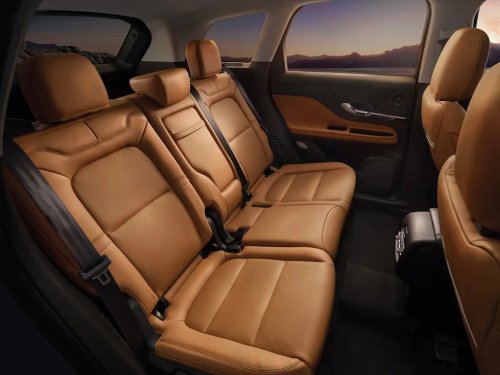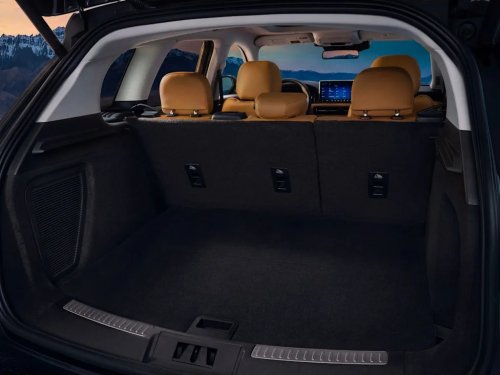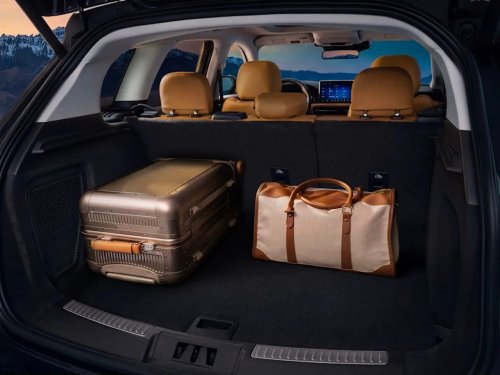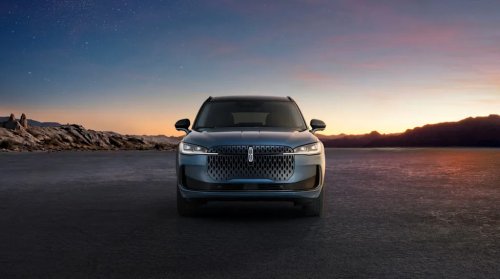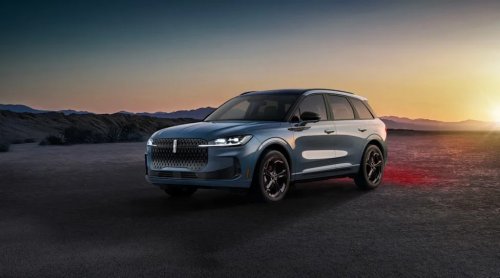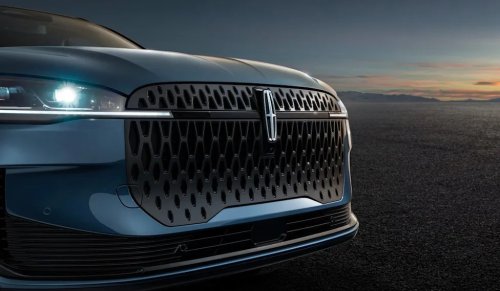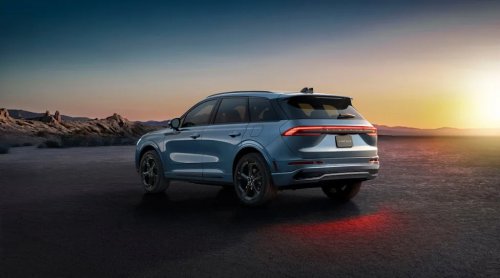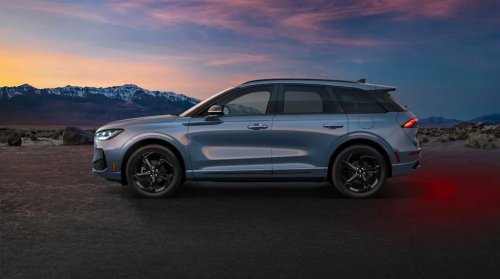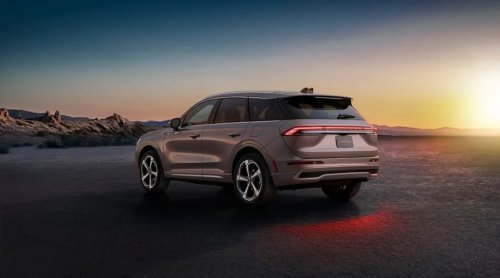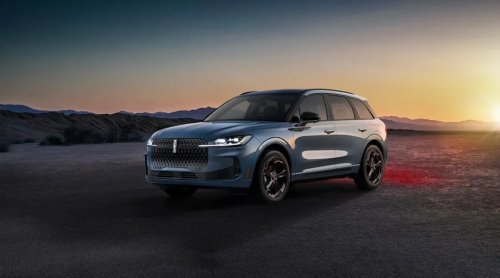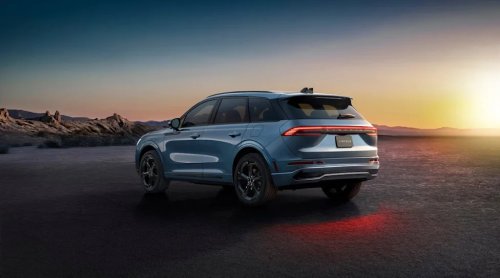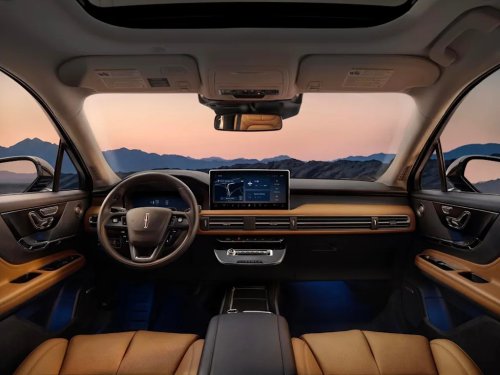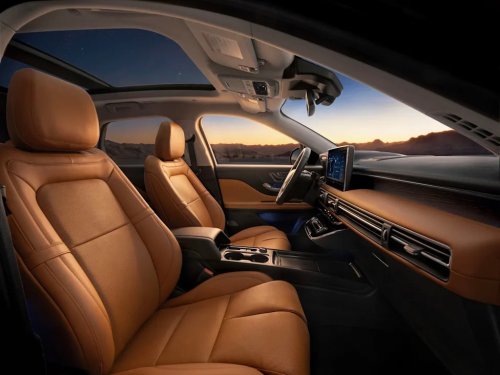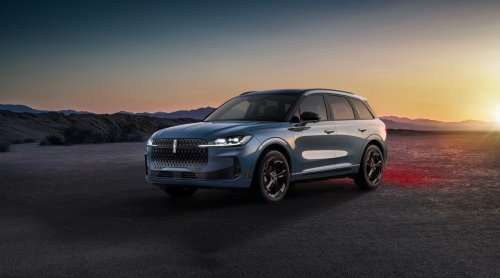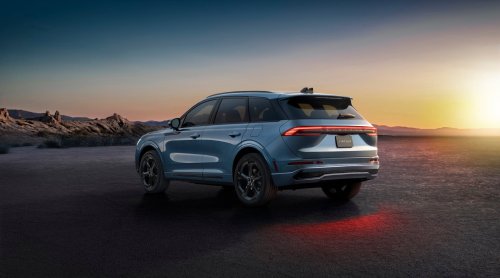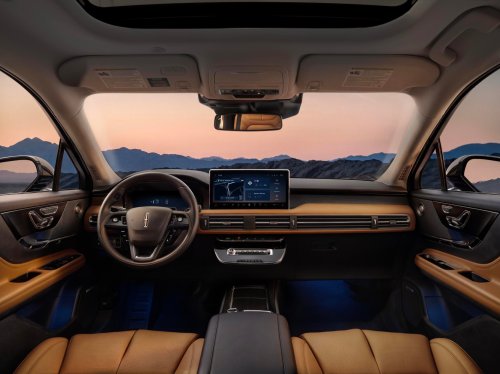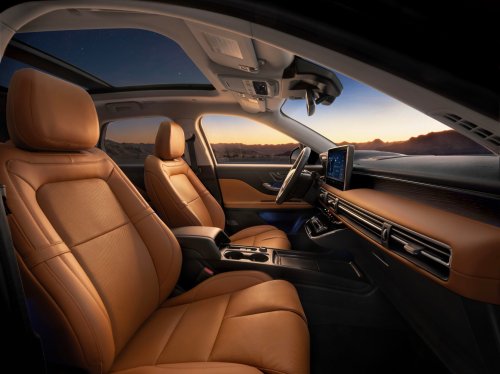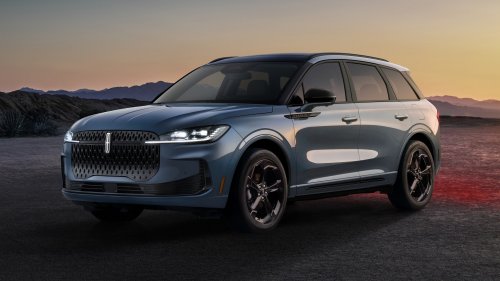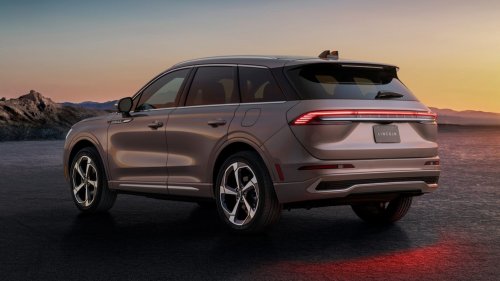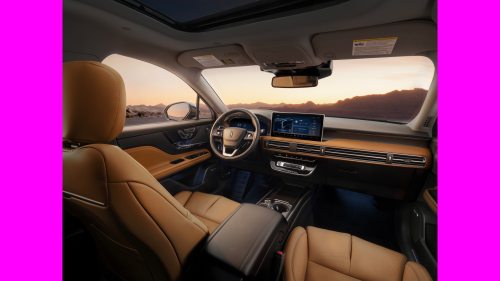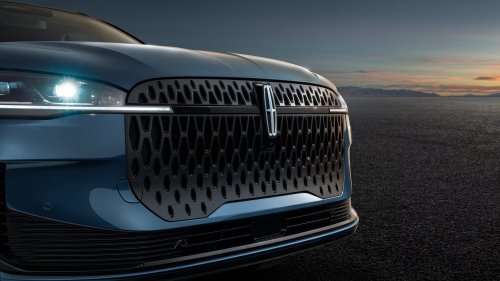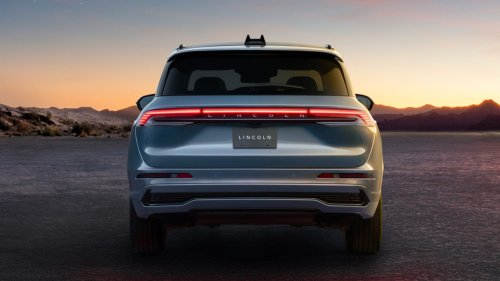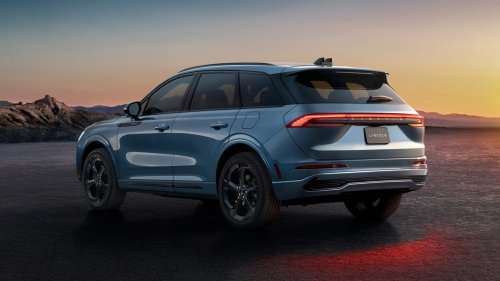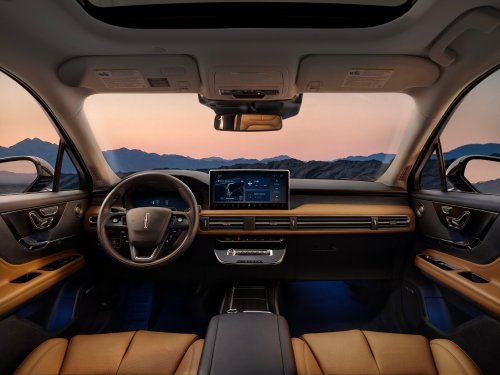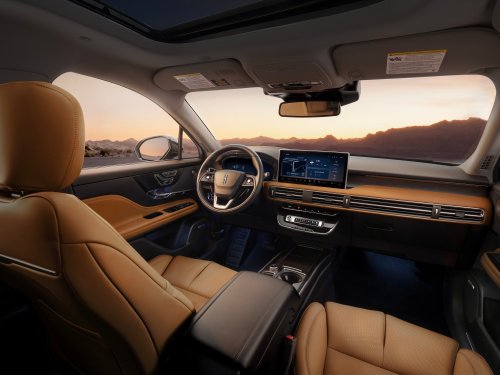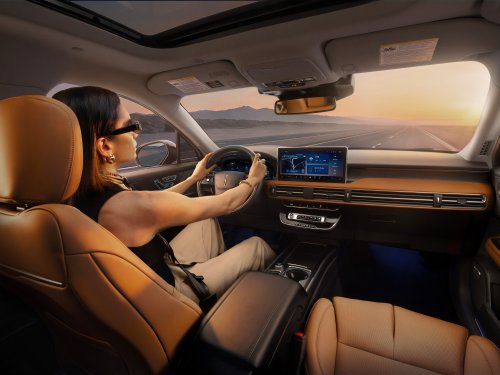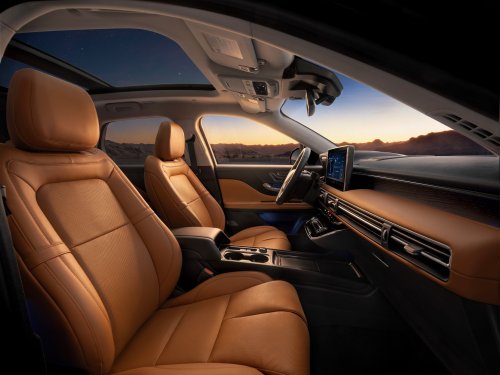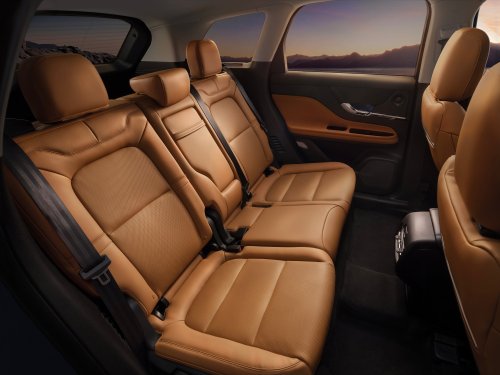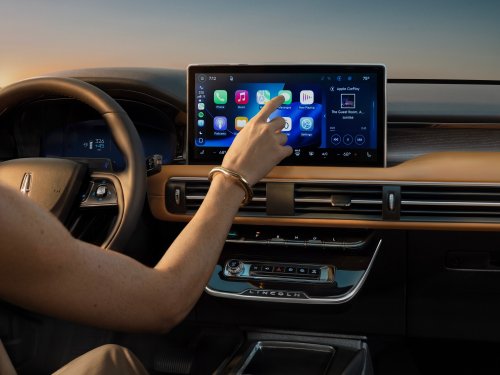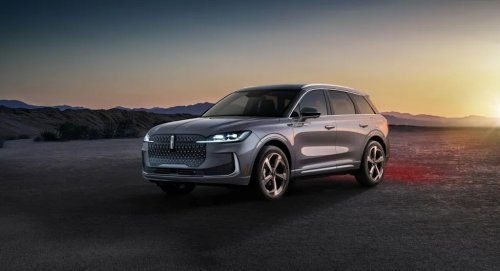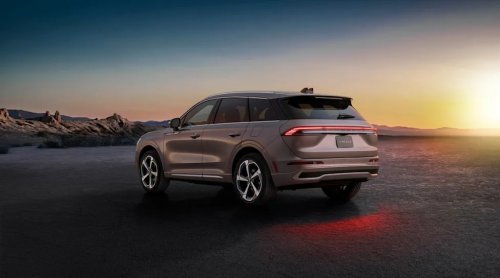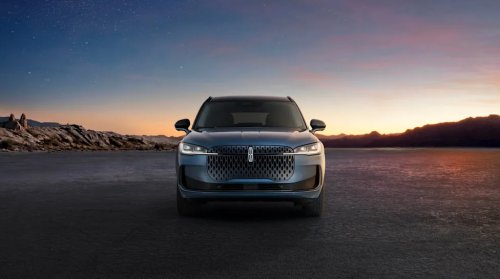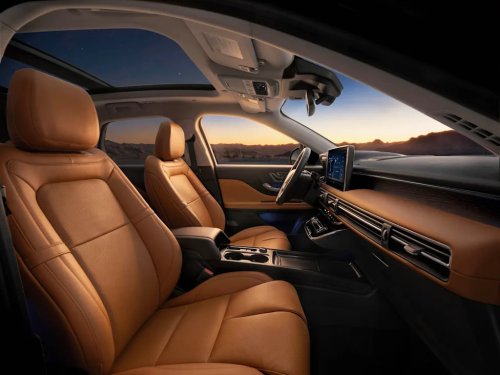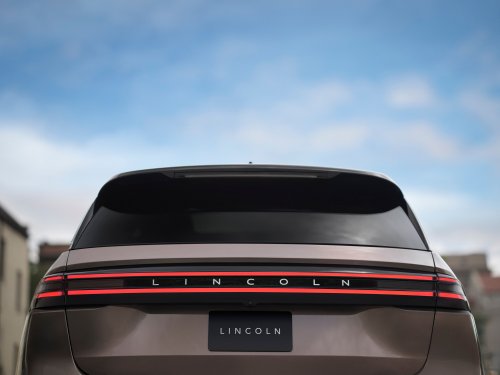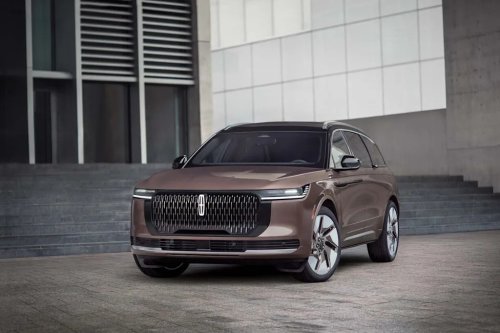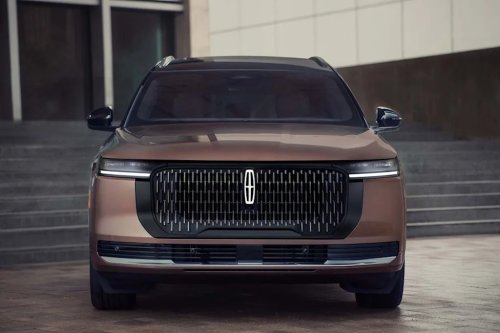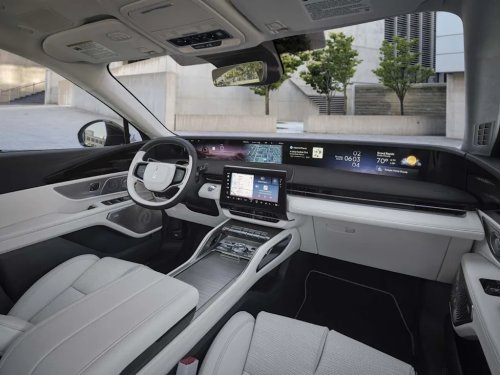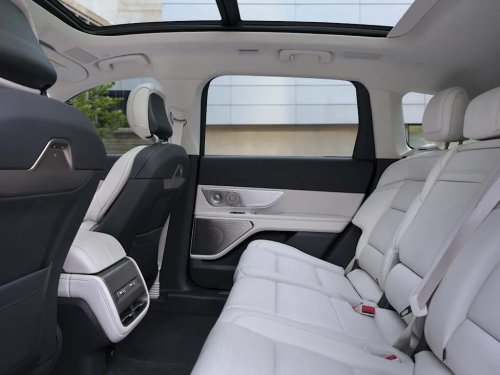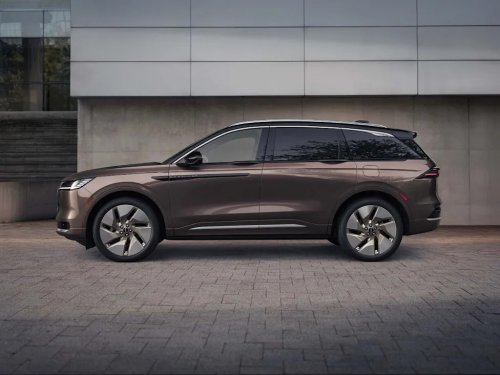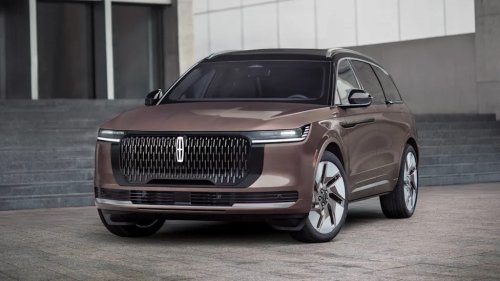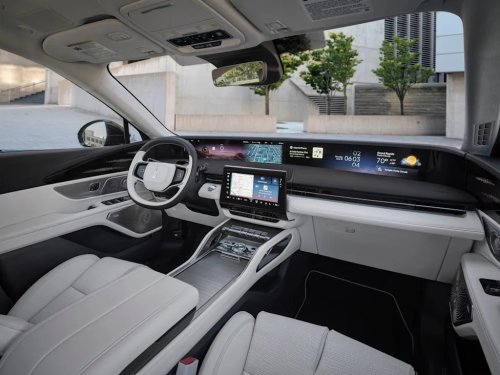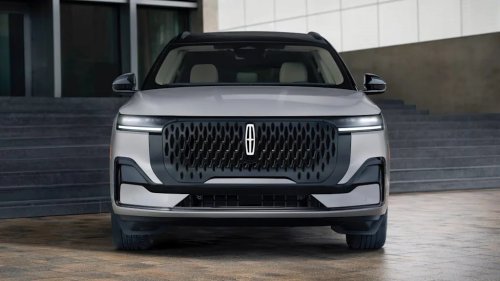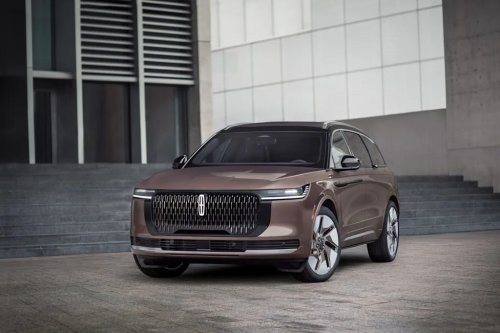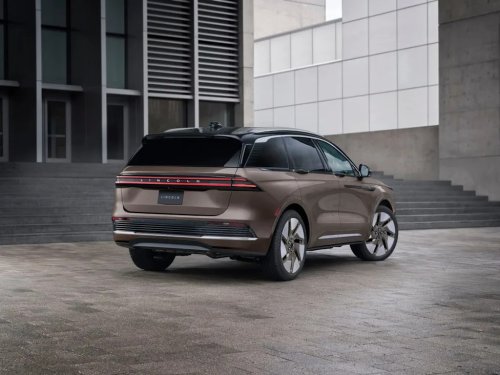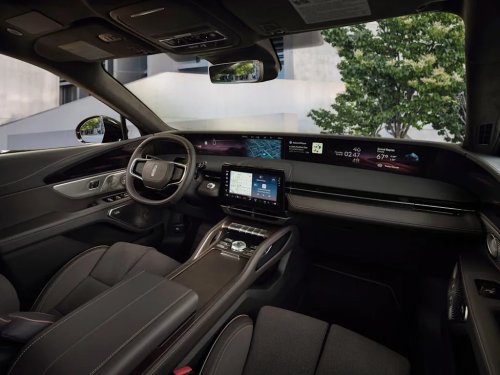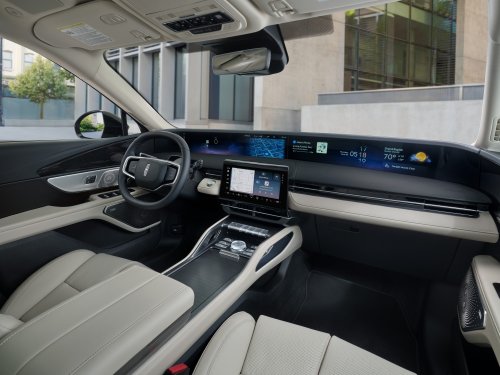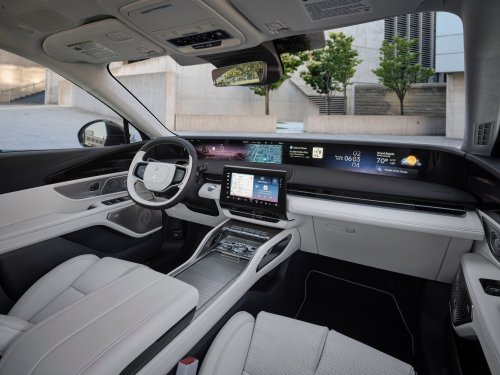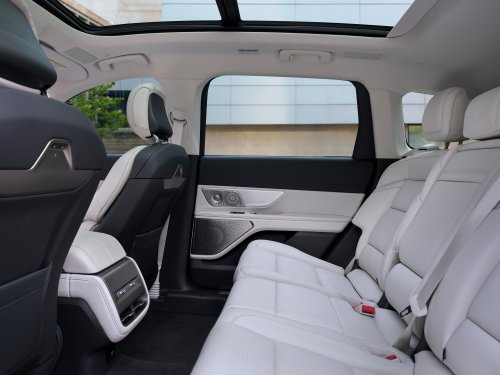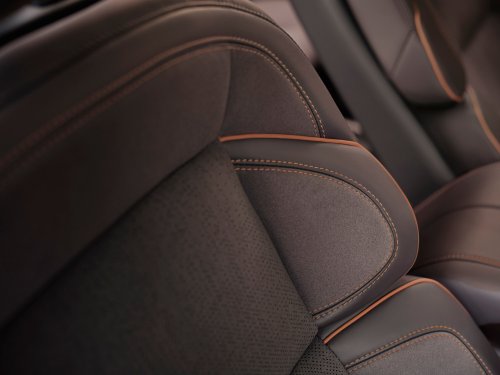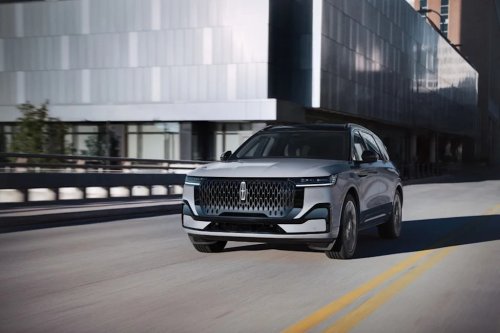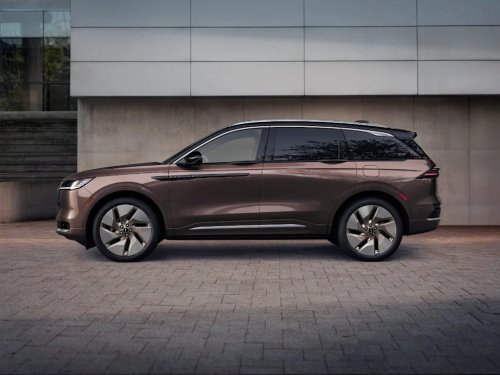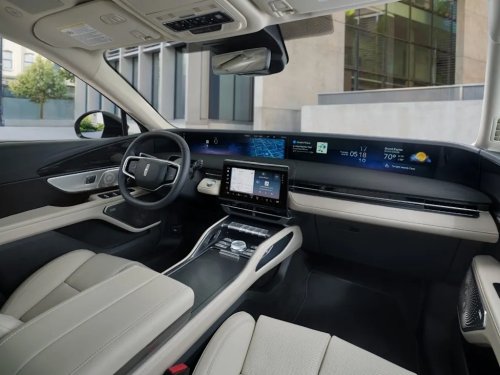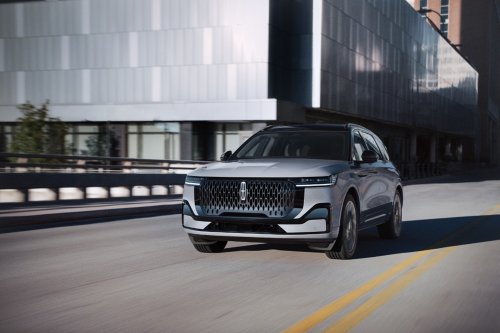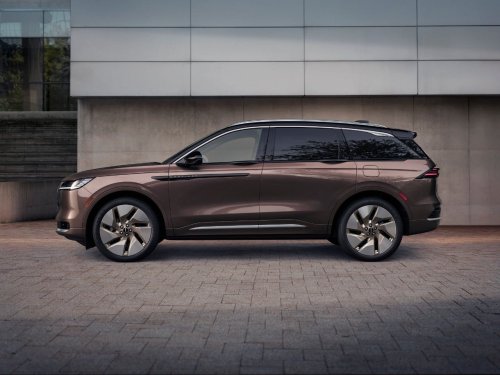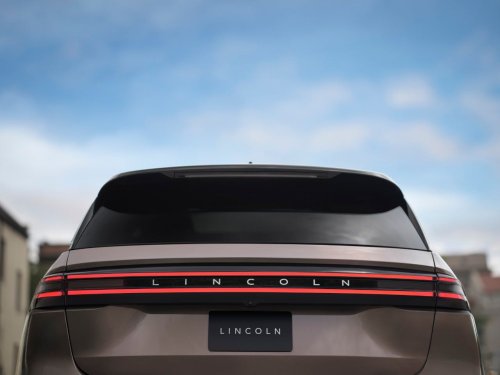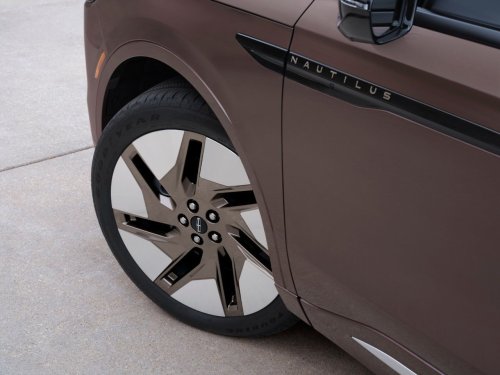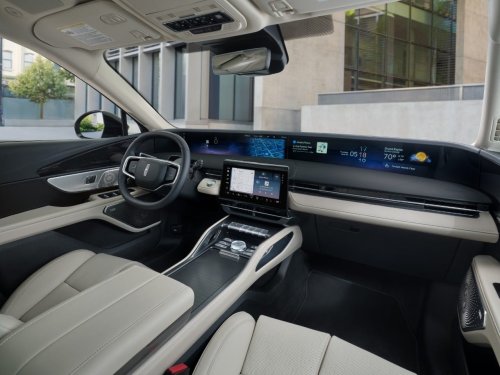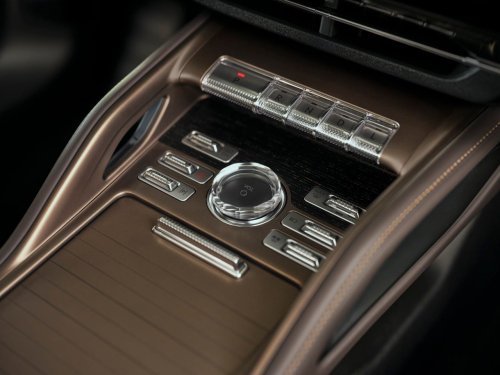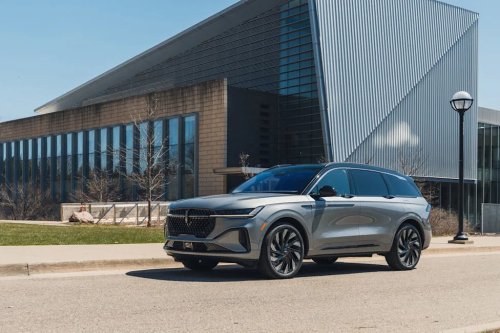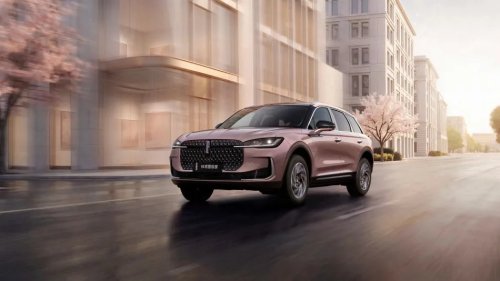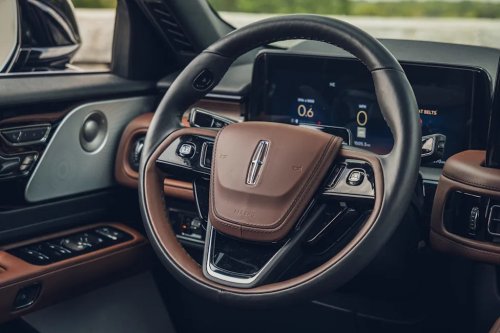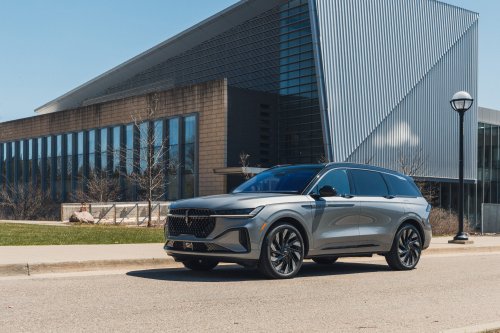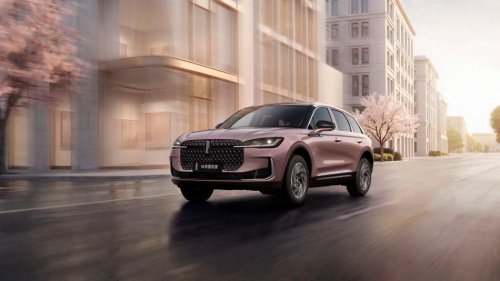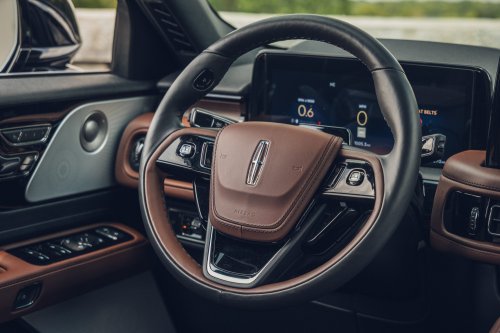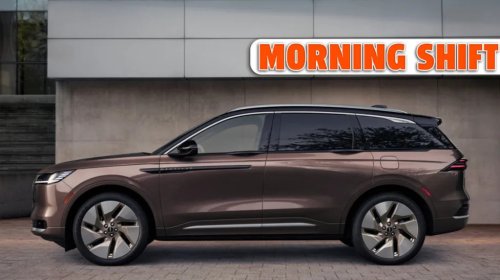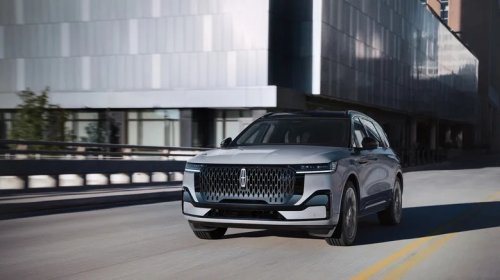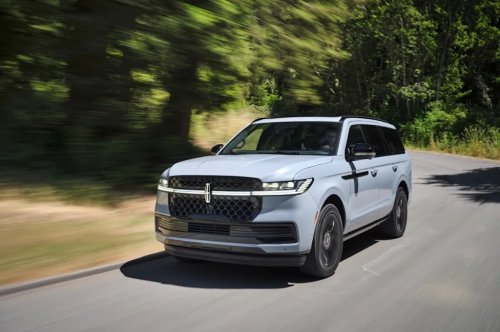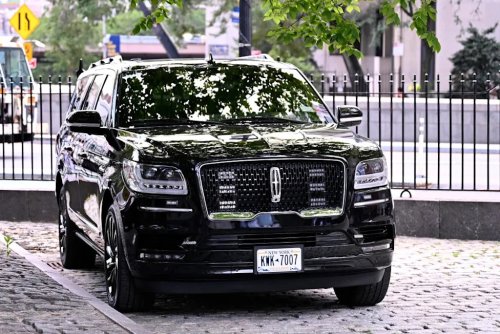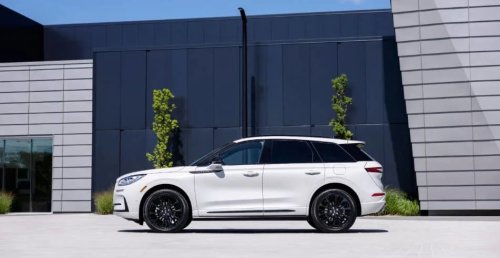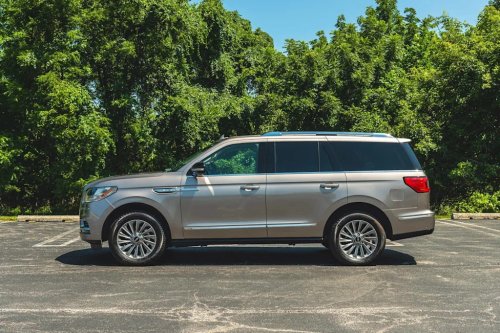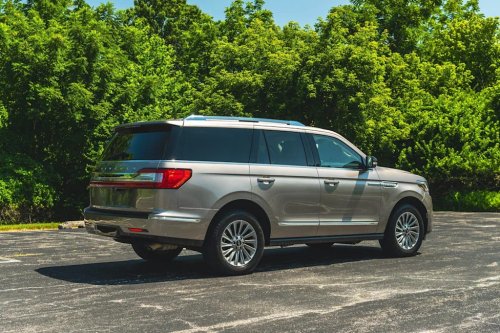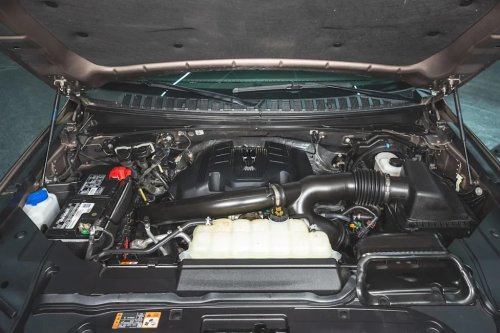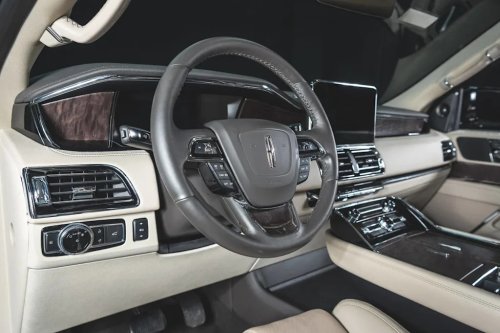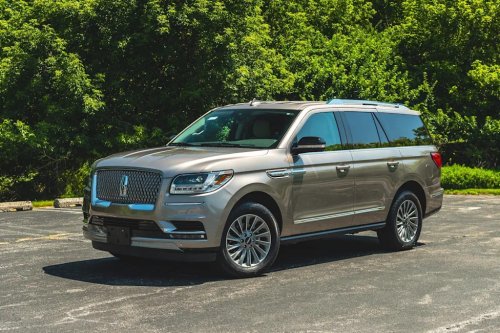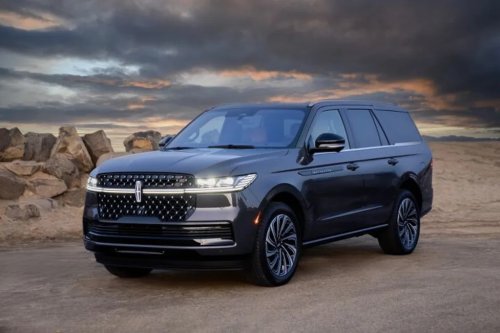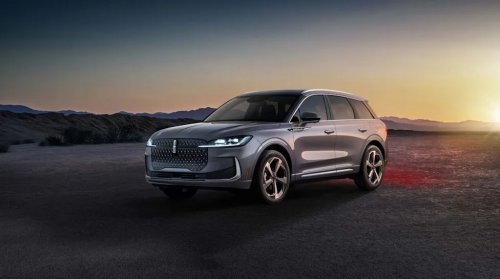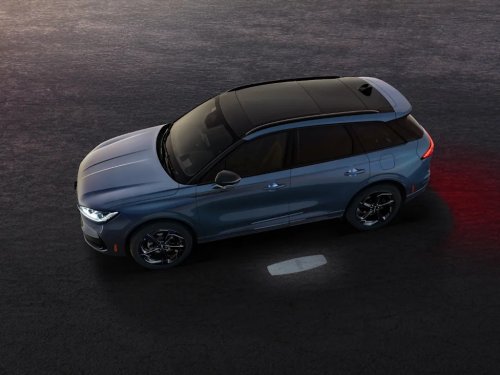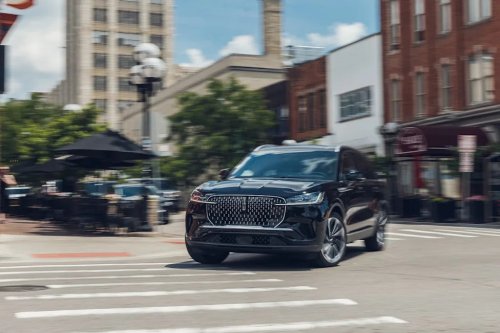
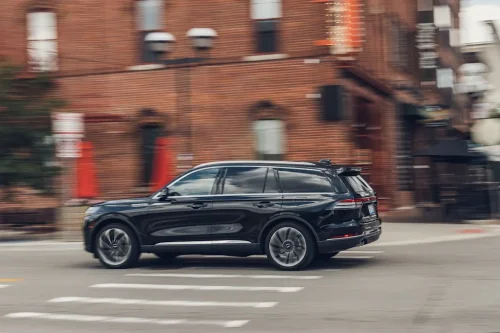
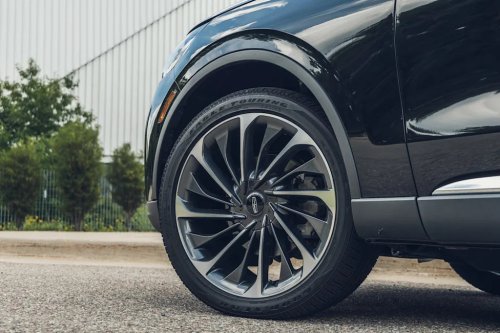
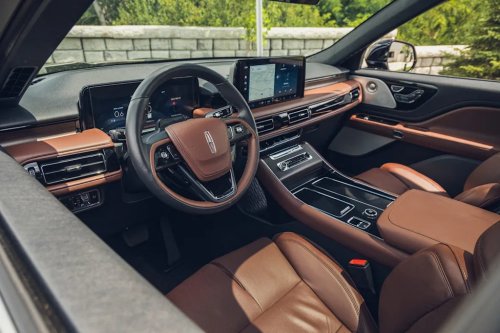
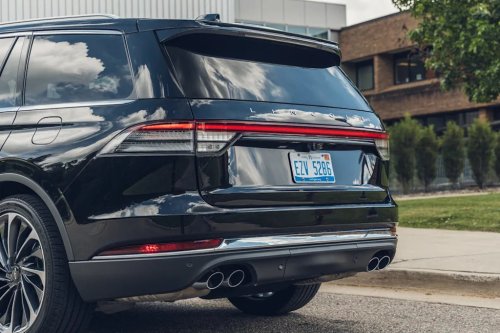



















2026 Lincoln Aviator Tested: Old-School LuxuryMichael Simari - Car and DriverFew auto companies embrace the laid-back vibe as much as Lincoln. The brand is all about unstressed, relaxing transport, which is what luxury automobiles used to promise back in the days before modern ideas such as cutting-edge performance, futuristic tech, or off-road prowess became prevalent among bucks-up brands. The Lincoln Aviator largely hews to this traditional notion of luxury, which it pulls off fairly convincingly despite being mechanically related to the more pedestrian Ford Explorer.In size and scale, the Aviator stands a respectful distance behind the big-dog Lincoln Navigator, but the family resemblance is clear. (The overall Lincoln design aesthetic shows the clear influence of the genre-defining Range Rover.) The look marries restrained surface treatment with just enough bling, and the front end was freshened last year. More than 10 inches shorter than the standard-length Navigator and crouching some eight inches lower, the Aviator is much less physically imposing and feels far more wieldy from the driver's seat. Parking is therefore much less stressful, aided by a tight turning circle and, in our example, a 360-degree-view camera that can be instantly summoned with a console-mounted button.Michael Simari - Car and DriverThe Aviator can get a little close to the Navigator in price—at least if you're looking at the range-topping Black Label, which starts at a heady $87,605. The value proposition is much better a little further down the lineup, with the rear-wheel-drive Premiere starting under $60K and the better-equipped Reserve coming in at $68,425 to start. That's the model we tested, with all-wheel drive and a handful of options pushing the price to $82,300.AdvertisementAdvertisementThe Aviator's optional plug-in hybrid powertrain was decommissioned a few years back, but that's not so sad, really, since it added a prodigious amount of weight and significant cost. All models now come exclusively with a twin-turbocharged 3.0-liter V-6 that spins out a hearty 383 horsepower and 415 pound-feet of torque. A 10-speed automatic handles the shifting.Michael Simari - Car and DriverThis powertrain is a vehicle highlight. Nearly 400 horses are plenty in this application and a good deal more than you'll find in the Infiniti QX60 or the nonhybrid versions of the Volvo XC90 and the Lexus TX. At our test track, the Aviator hustled to 60 mph in 5.6 seconds, which is nearly two seconds quicker than the most recent QX60 we tested and more than a second ahead of the XC90 B6 and the TX350. Out on the street, this boosted V-6 is unstressed, smoothly getting you up to speed. The 10-speed automatic packs a lot of gears, but it never seems busy and operates unobtrusively in the background. Drivers can switch from the default Normal drive mode to the sportier Excite mode (there's also Slippery, Conserve, and Deep Conditions), but the peppier drive mode doesn't notably alter the proceedings and is hardly necessary to achieve satisfying throttle response.Michael Simari - Car and DriverThe V-6 does have a bigger appetite for premium unleaded than its turbocharged four-cylinder competitors do. EPA estimates for the all-wheel-drive Aviator are 17 mpg city and 25 highway; we saw 24 mpg in our 75-mph highway test. The EPA rates the XC90 B6 and the TX350 AWD at 20/26 mpg, and the Volvo matched that highway result in our hands. The all-wheel-drive QX60 also boasts better EPA numbers, at 22/27 mpg.Our Aviator was equipped with the Dynamic Handling package ($2500), which includes air springs and adaptive dampers; it also uses the forward-looking camera to scan for potholes and speed bumps and adjusts the suspension accordingly. The system found plenty with the Northeast in the midst of its spring pothole bloom, and it did a remarkably effective job isolating the cabin from the nastiness—and that's while rolling on high-style 22-inch wheels. This is a much more comfortable ride than you'll find in the XC90 or even the TX. But your results may vary. Around our Michigan headquarters, the ride was often choppy over broken asphalt. Here again, Excite mode didn't do much to alter this Aviator's character. No matter the drive mode, the Aviator stays true to its mission. There's not a whiff of sportiness here—unlike, say, an Acura MDX Type S—but the Lincoln makes no such promises.AdvertisementAdvertisementThe Aviator's cabin doesn't quite rise to the level of the Navigator's mid-century-inspired space, but the Black Label model has historically followed the Navi's lead with interesting color and trim offerings; even our mid-level Reserve test example had a rich-looking Hot Chocolate interior, with fragrant leather that smelled better than any artificial scent from a perfume atomizer.Lincoln's 30-way-adjustable Perfect Position front seats (part of a $7995 option package on the Reserve, standard on the Black Label) offer more than the usual adjustability, including separate left- and right-side under-thigh extensions. But they're also quite firm; we might prefer the standard seats. The second row, consisting of a three-person bench or a pair of captain's chairs, is adequately if not overly roomy for adults; the standard third row is kid-sized. A Lexus TX is roomier. There is, however, a reasonable amount of luggage space behind the rearmost seats—enough for five carry-on suitcases.The second-gen Aviator has been out since 2019, and partially as a result, its dashboard is not ablaze with screens in the manner of some newer competitors (or Lincoln's own Nautilus and Navigator). There's a digital gauge cluster with some degree of configurability and a 13.2-inch central touchscreen that incorporates the climate controls. A volume knob, another knob for drive modes, and a smattering of physical buttons comprise the rest of the switchgear. Overall, the learning curve for this car is quite easy.Michael Simari - Car and DriverIn fact, "easy" describes the Aviator overall. Granted, it won't be an easy sell for those seeking bleeding-edge tech or pavement-scorching performance, but sometimes you just want to chillax.➡️ Skip the lot. Let Car and Driver help you find your next car.Shop New Cars Shop Used CarsYou Might Also LikeGift Guide: Best Ride-On Electric Cars for KidsFuture Cars Worth Waiting For: 2025–2029