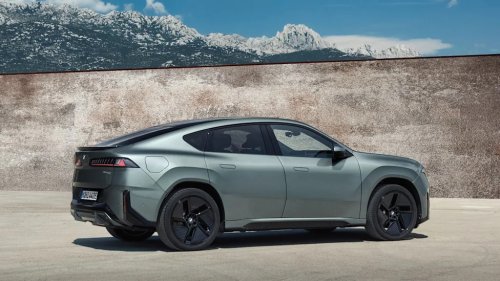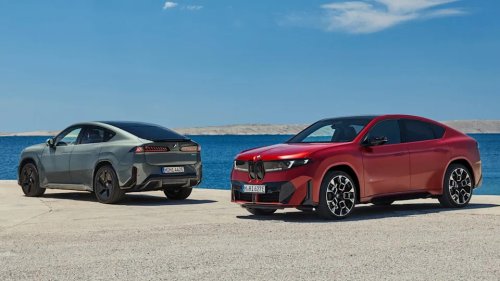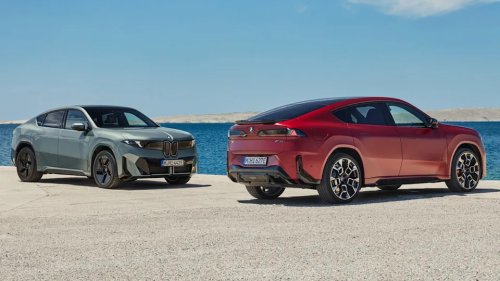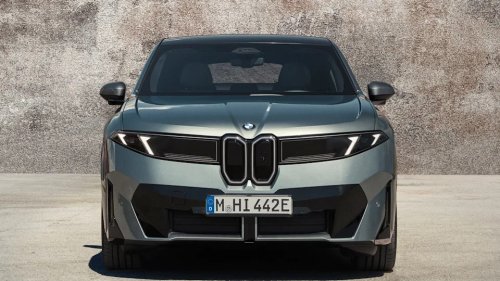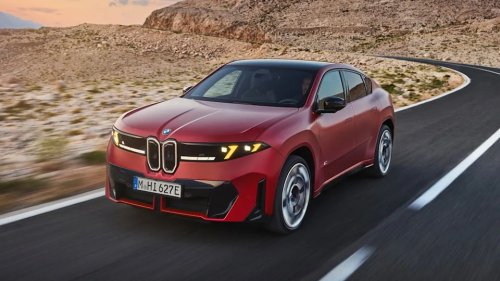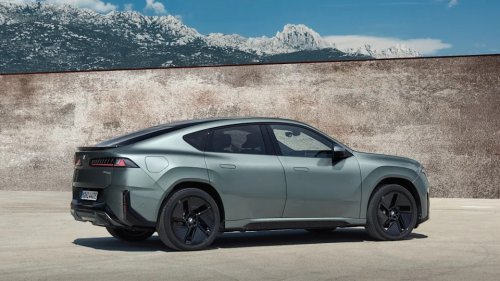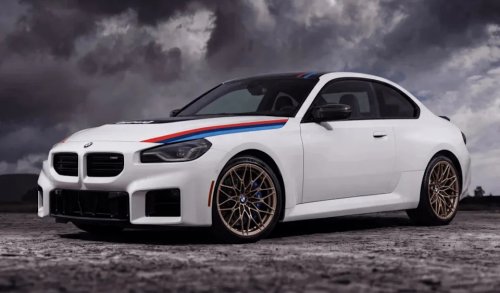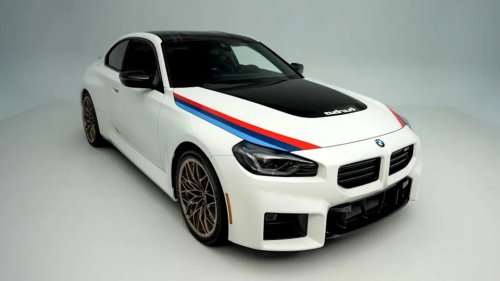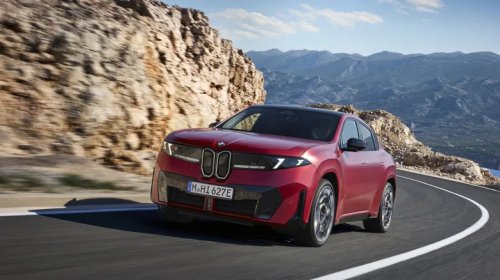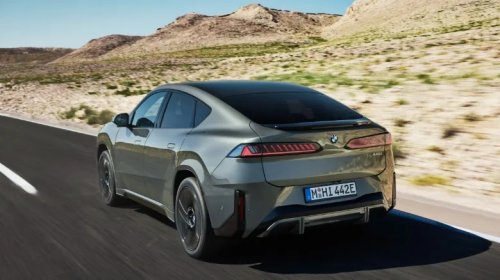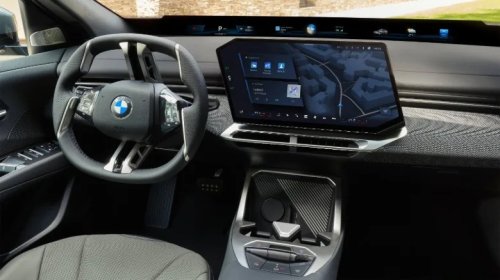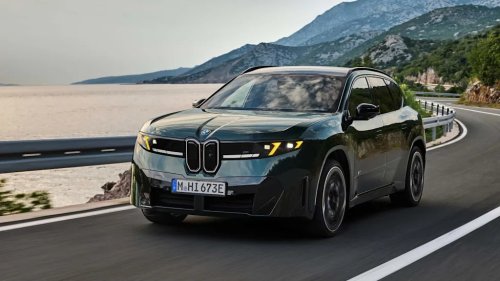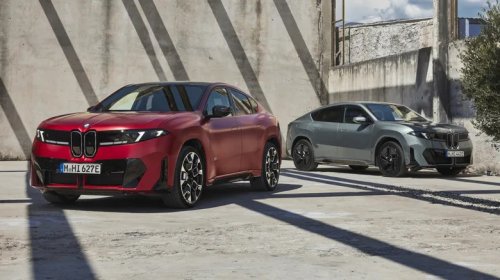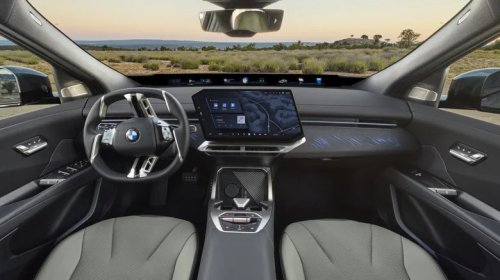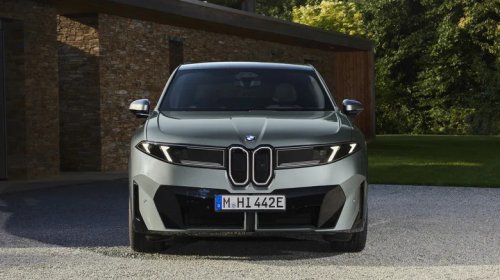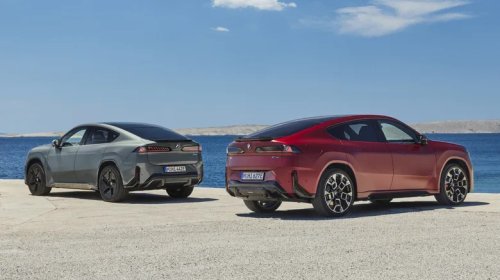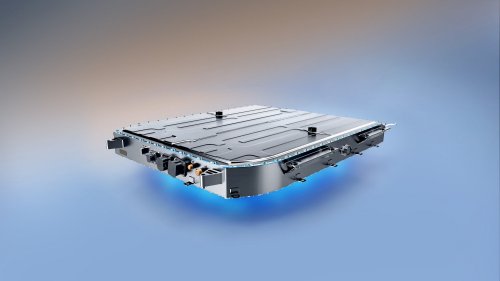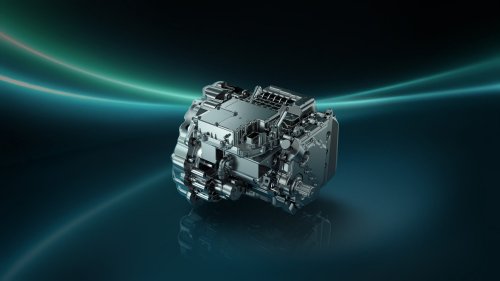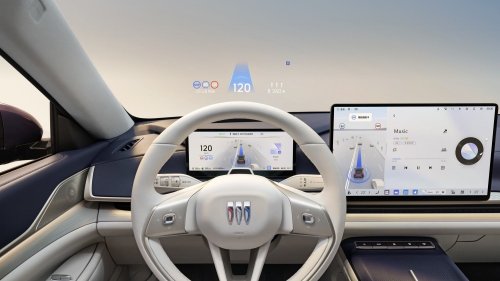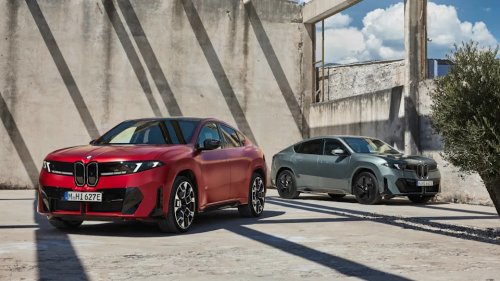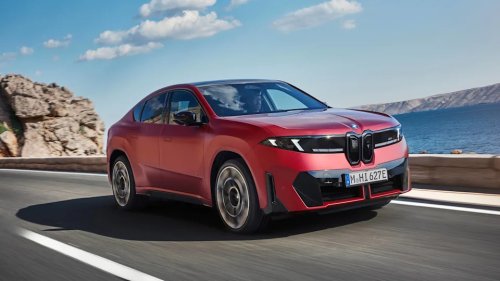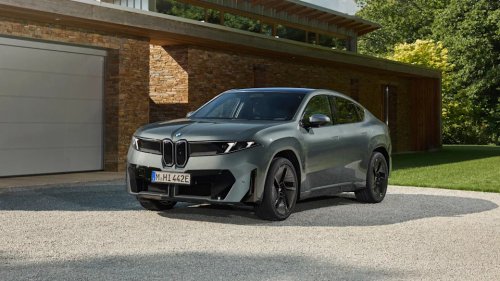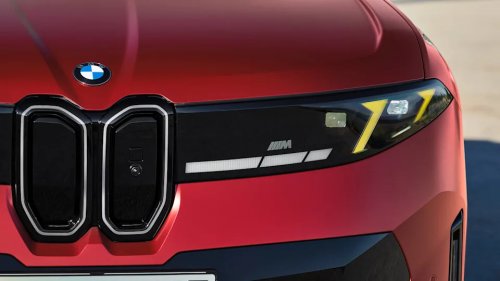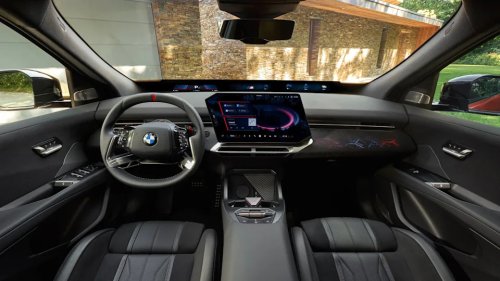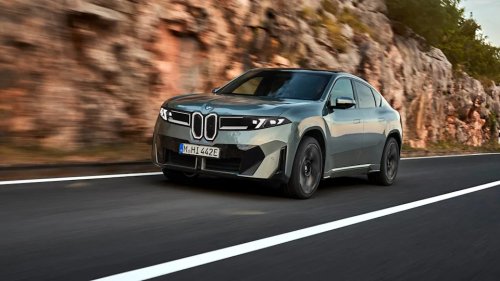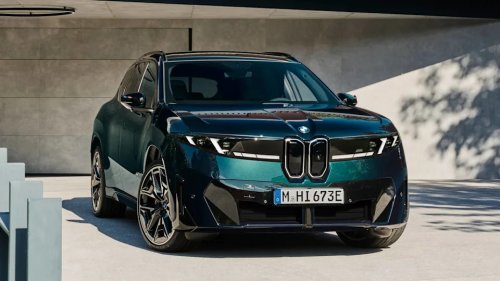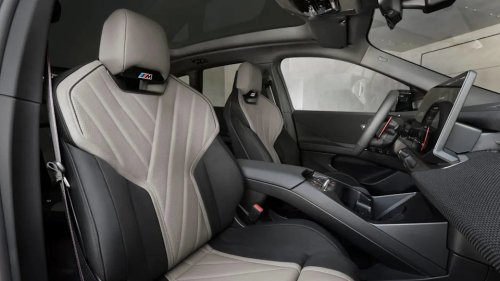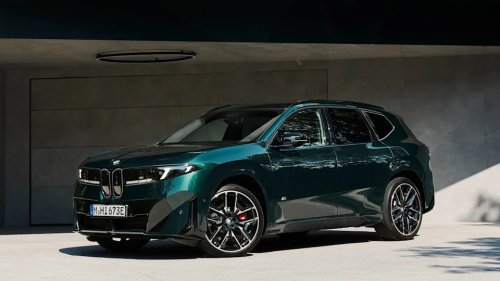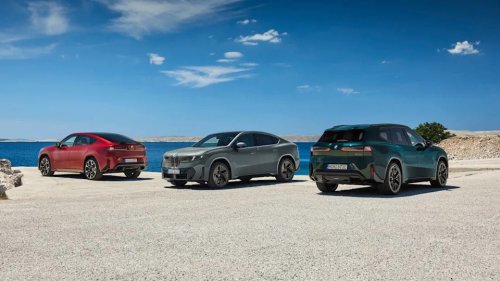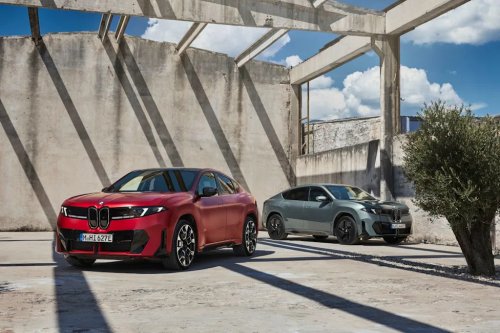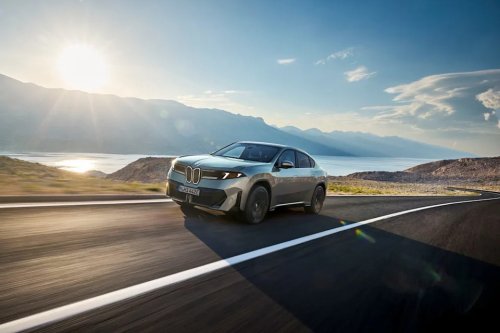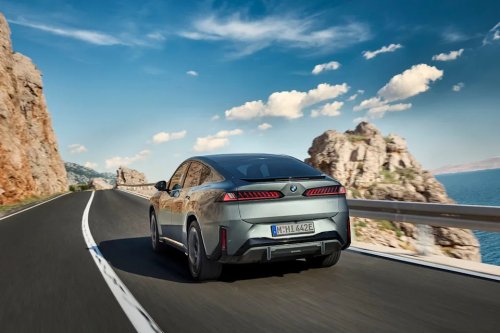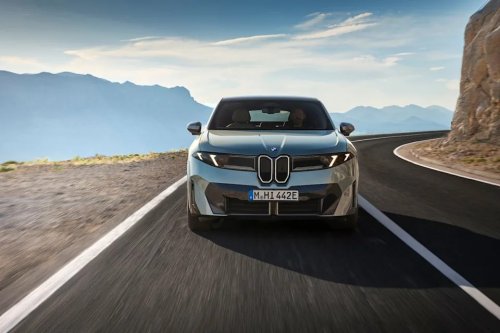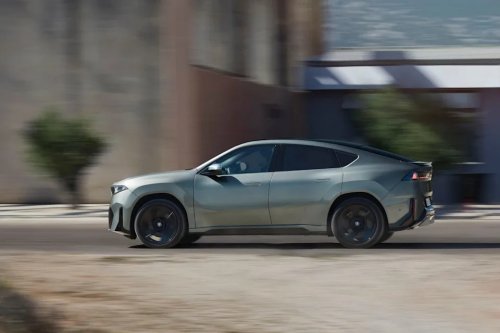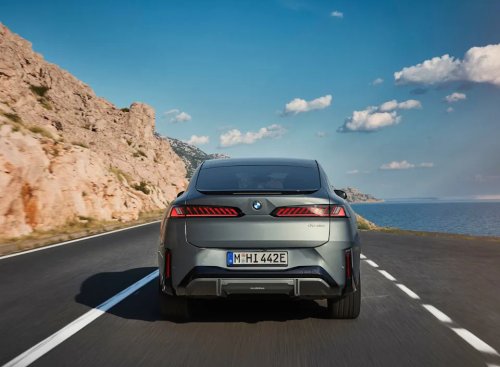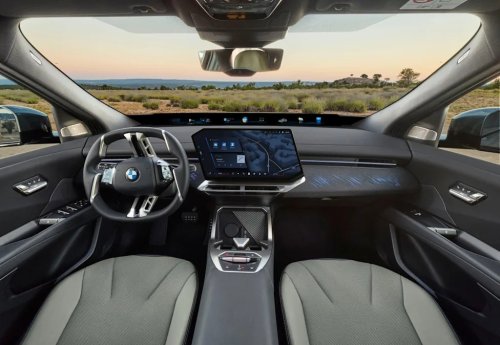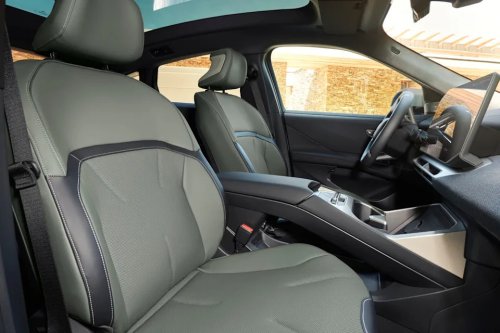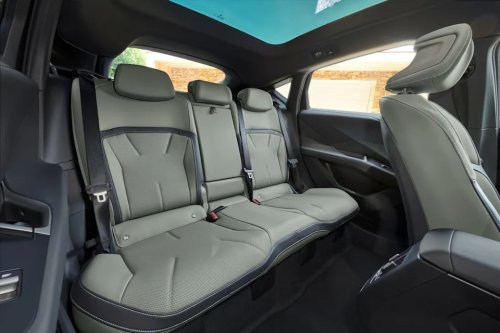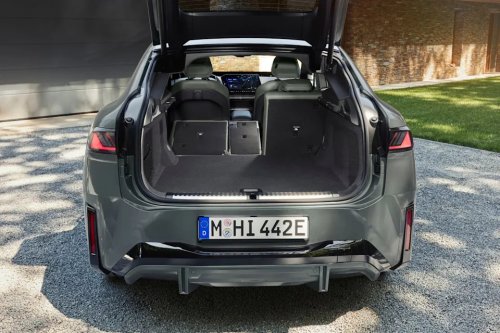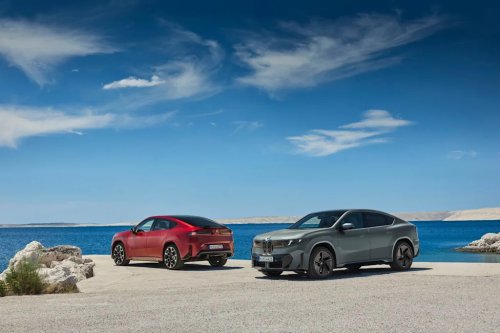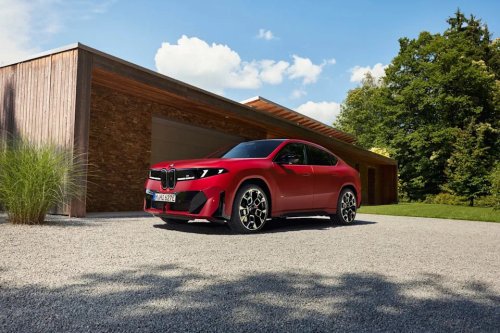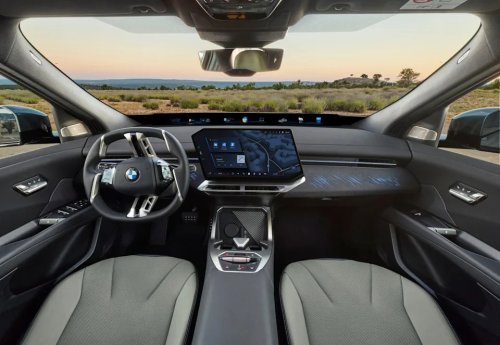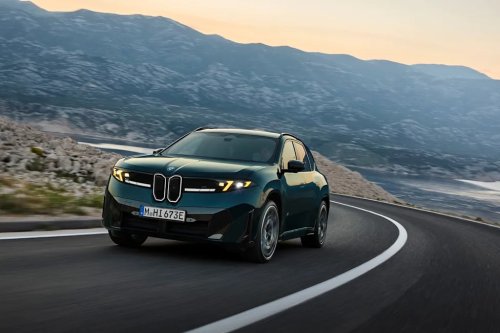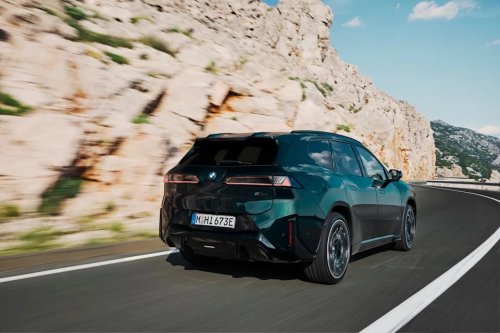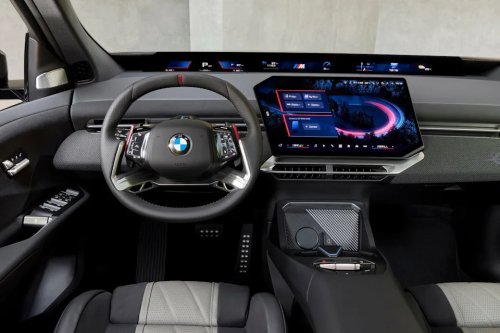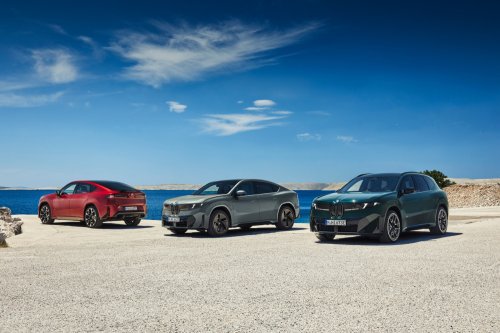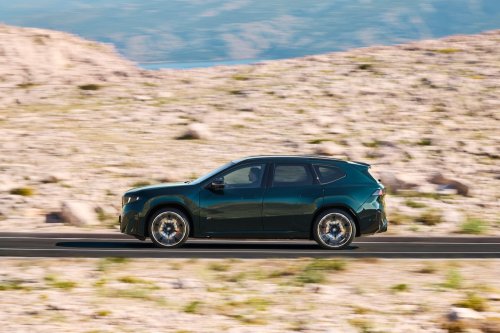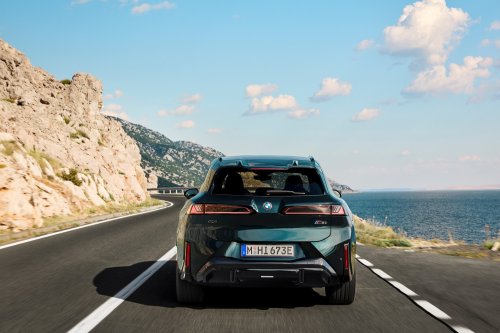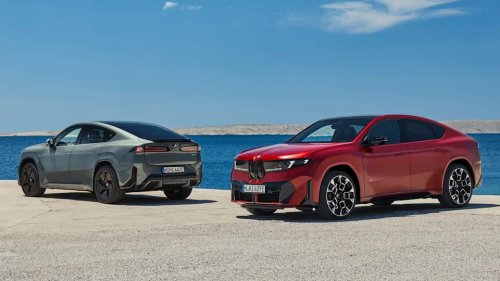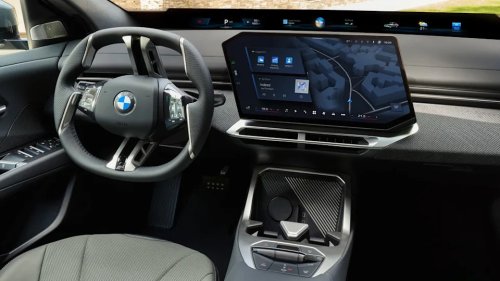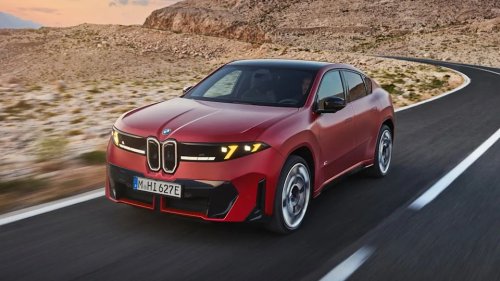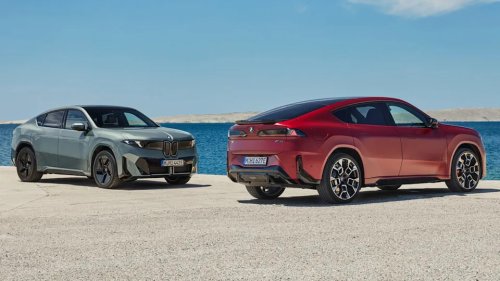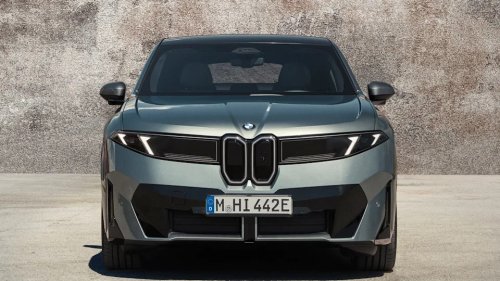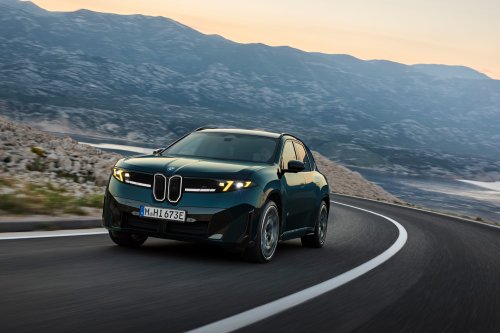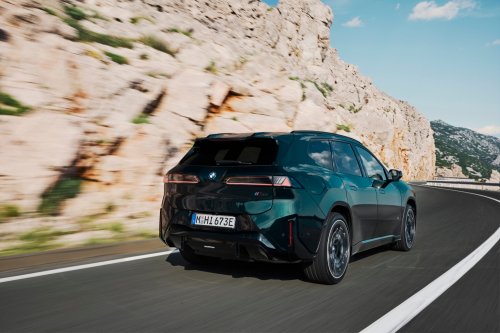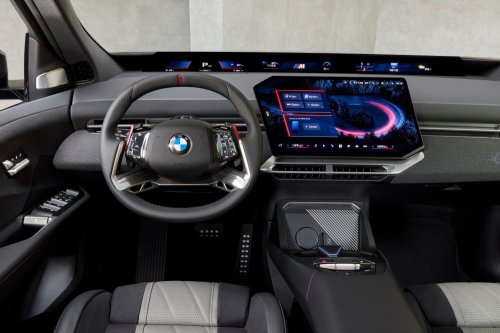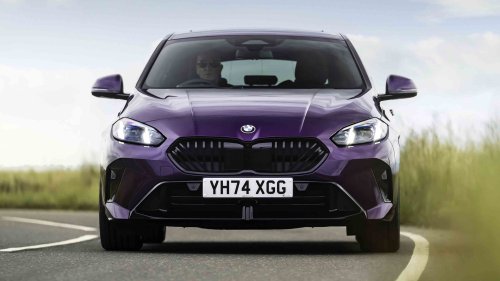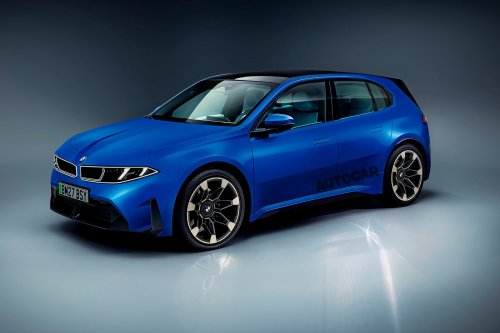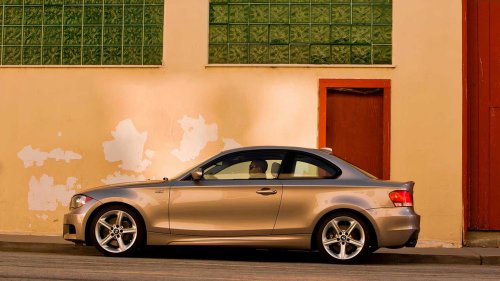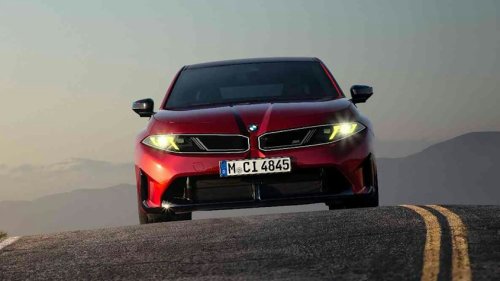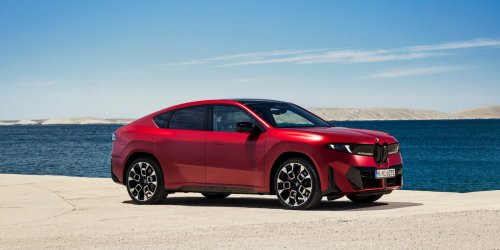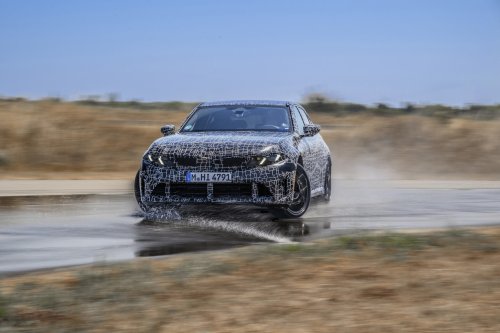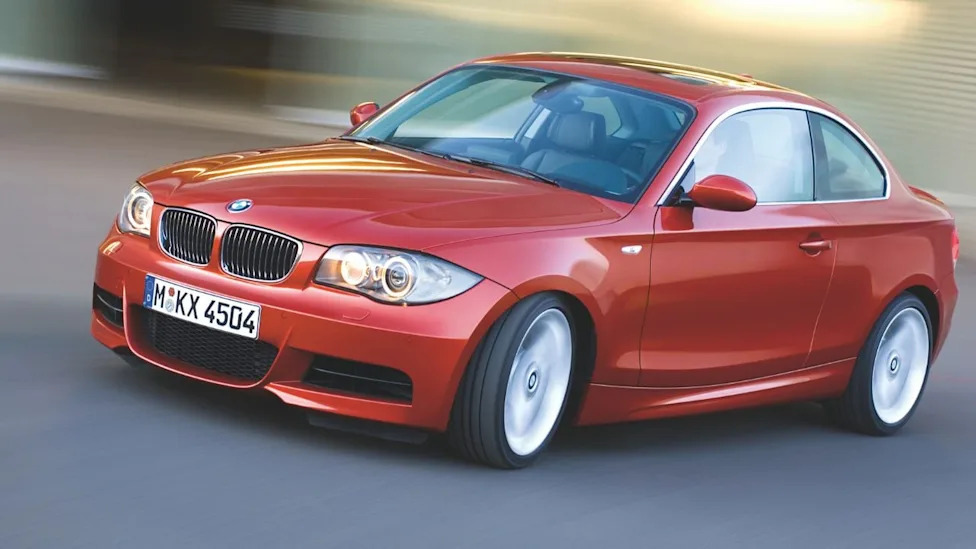
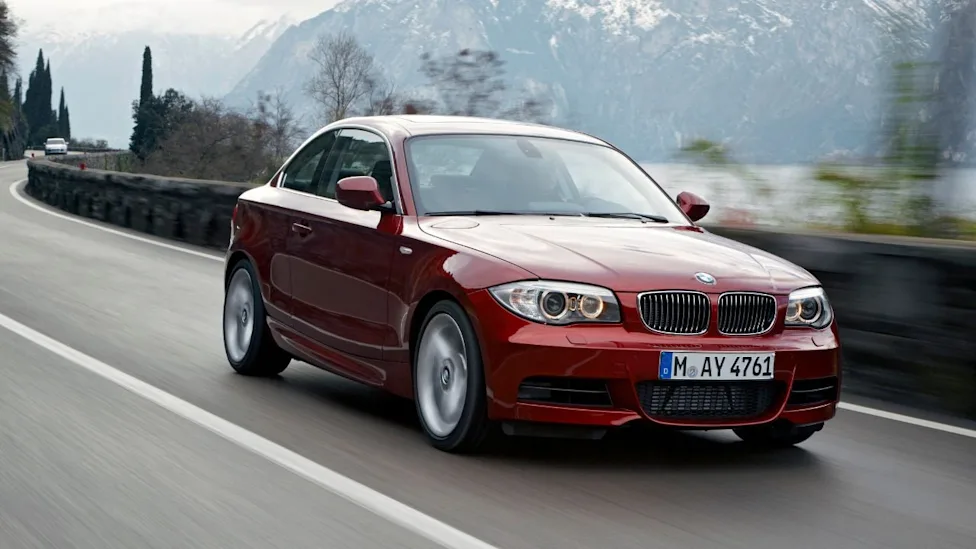
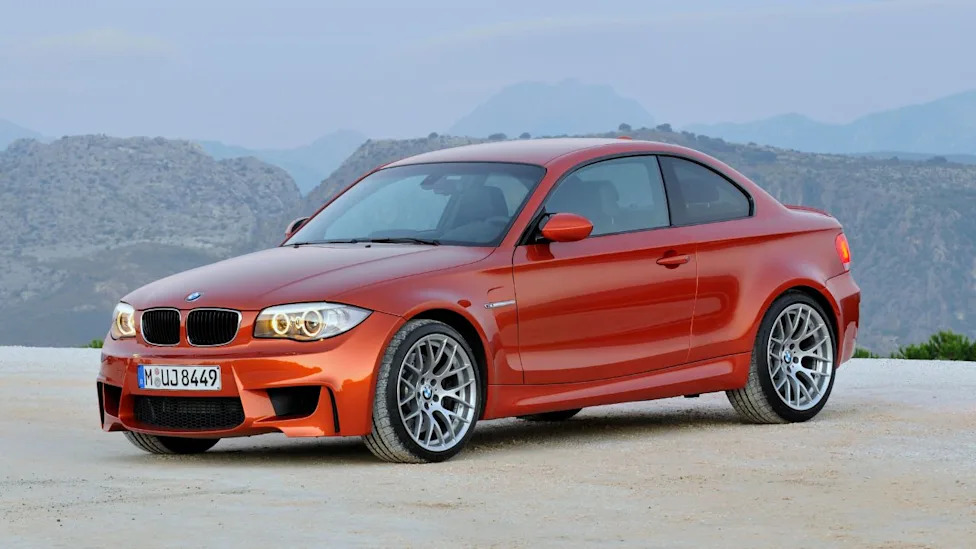



















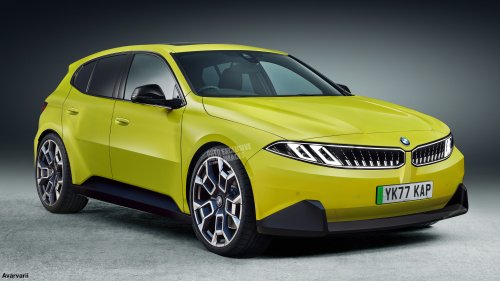
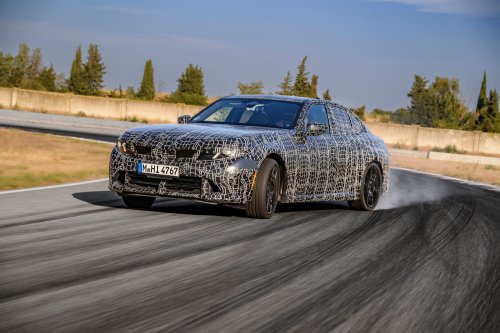
Image Credit: BMW.BMW is preparing one of the biggest reinventions in the history of the 1 Series. After years of criticism from enthusiasts over the switch to front-wheel drive, the next-generation hatchback is finally heading back to a rear-wheel-drive layout, although there’s a major twist. The return to BMW’s traditional formula will happen through an electric version of the car.According to new details from Autocar, the fourth-generation 1 Series will arrive in 2028 with both combustion and electric powertrains. The electric variant, expected to wear the i1 badge, will sit on BMW’s dedicated Gen6 EV platform and feature a rear-biased architecture, giving the compact hatch the sort of drivetrain layout fans have been asking for since the original E87 generation disappeared.It also sounds surprisingly potent for an entry-level BMW. In its most powerful standard form, the electric 1 Series is expected to produce up to 322 horsepower from a single rear-mounted electric motor. BMW is also reportedly considering an even hotter dual-motor M version with as much as 463 horsepower, which would easily make it the most powerful 1 Series ever built.AdvertisementAdvertisementMost importantly, BMW doesn’t appear interested in turning the 1 Series into some awkward crossover-like hatchback. Unlike the upcoming Mercedes-Benz A-Class successor and Audi’s future compact EVs, the next 1 Series will reportedly remain a proper hatchback with proportions closer to today’s car.BMW Wants To Keep The 1 Series Young And RelevantImage Credit: BMW.Despite the industry’s obsession with SUVs, BMW still sees the 1 Series as a crucial part of its lineup. The company sold nearly 200,000 examples globally last year, with particularly strong demand in European markets such as Italy and France.BMW executives also see the compact hatchback as an important gateway into the brand for younger buyers. Product boss Bernd Körber previously explained that smaller cars like the 1 Series help keep BMW appealing to first-time premium-car customers rather than forcing everyone into larger and more expensive SUVs.That thinking explains why BMW is investing heavily in the next-generation car instead of abandoning the segment entirely. Many automakers have walked away from entry-level hatchbacks because profit margins are thinner, but BMW appears determined to keep competing in the compact premium category.AdvertisementAdvertisementThe company also believes electrification gives it more flexibility with proportions and packaging. Development boss Joachim Post even suggested the new EV platform could make a three-door version possible again, something BMW dropped years ago.Neue Klasse Styling Will Transform The HatchbackVisually, the next 1 Series will adopt BMW’s Neue Klasse design language already previewed on the upcoming i3 sedan and iX3 SUV. However, BMW says each model line will still maintain its own identity rather than simply copying the same design themes across the lineup.Design boss Oliver Heilmer explained that Neue Klasse is more of a philosophy than a rigid styling template. The goal is to create stronger differentiation between models through unique grilles, silhouettes, and body surfacing instead of shrinking larger cars into smaller segments.That should be welcome news for buyers worried about BMW homogenizing its future lineup. The 1 Series has traditionally carried a more youthful and aggressive personality compared to larger BMWs, and the company appears eager to preserve that character.AdvertisementAdvertisementInside, the hatchback will receive BMW’s latest high-tech cabin layout. Expect a massive 17.9-inch angled central touchscreen alongside the company’s new Panoramic iDrive display stretching across the dashboard in place of a conventional instrument cluster.ICE Models Aren’t Going Anywhere YetImage Credit: BMW.BMW is not abandoning combustion power just yet. Alongside the electric i1, the standard 1 Series will continue using an updated version of BMW’s CLAR platform with mild-hybrid petrol engines and a new plug-in hybrid option.Engine choices are expected to include updated versions of the familiar 1.5-liter three-cylinder and 2.0-liter four-cylinder turbocharged units already found in today’s car. The plug-in hybrid system could borrow heavily from the current 3 Series setup, pairing a 2.0-liter engine with an electric motor and roughly 60 miles of EV-only range.The split-platform strategy is particularly interesting because it means the electric and combustion versions will have fundamentally different driving characteristics. The EV gets rear-wheel-drive architecture, while the gasoline models remain front-drive-based underneath.AdvertisementAdvertisementStill, the electric version is clearly shaping up to be the enthusiast favorite. A compact rear-wheel-drive hatchback with more than 300 horsepower sounds far closer to classic BMW philosophy than many fans probably expected from the company’s EV future.If you want more stories like this, follow Guessing Headlights on Yahoo so you don’t miss what’s coming next.