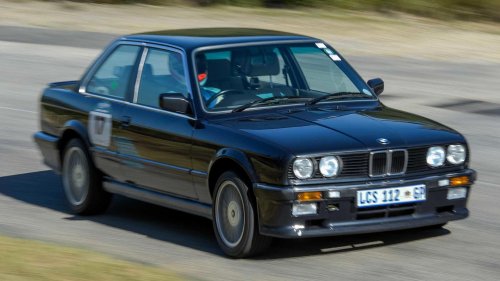
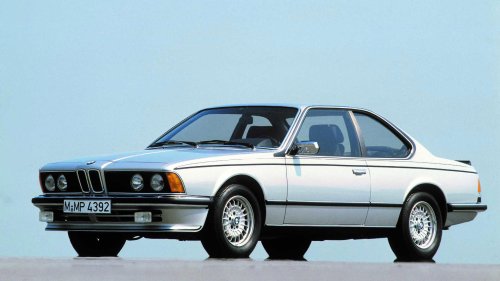
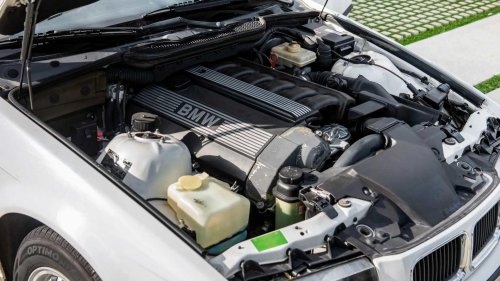
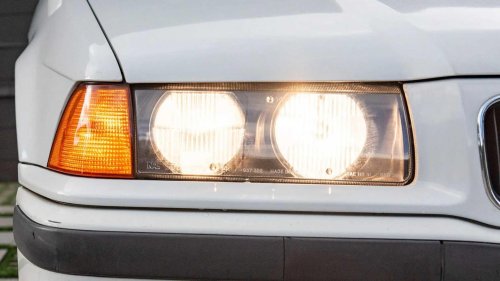
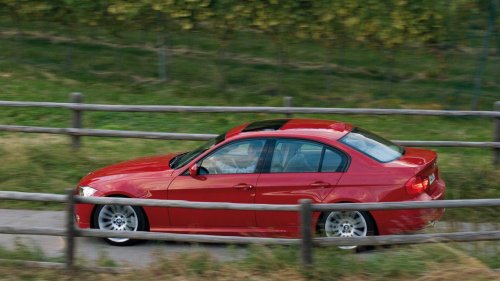
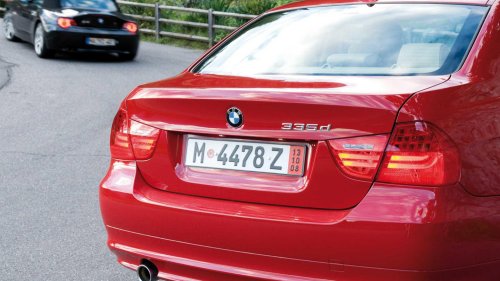
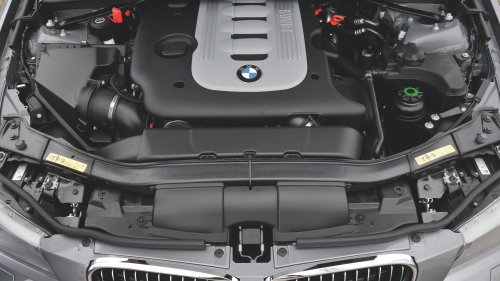
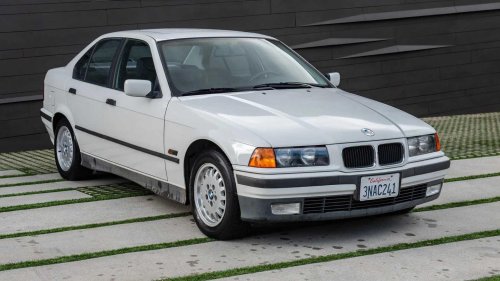
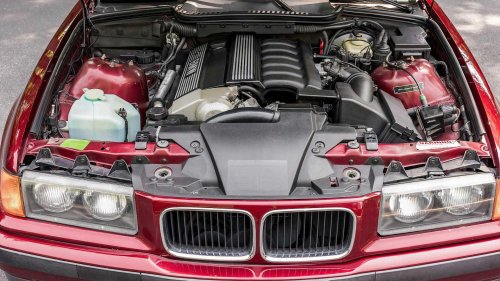
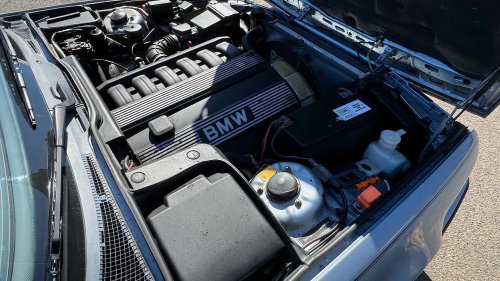
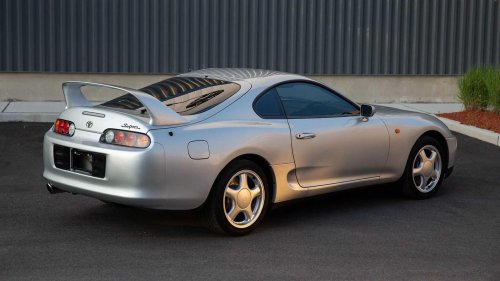
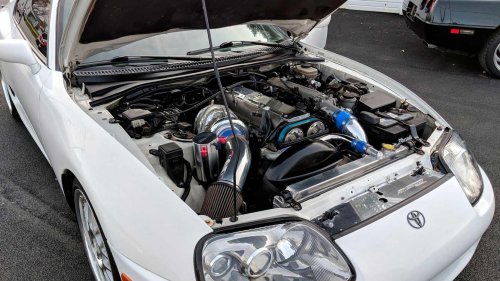
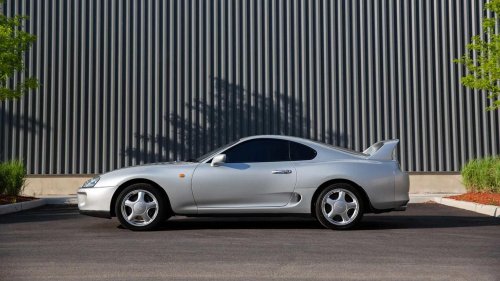
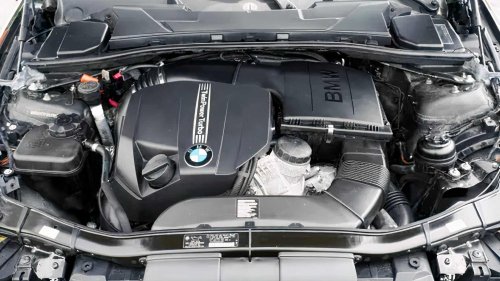
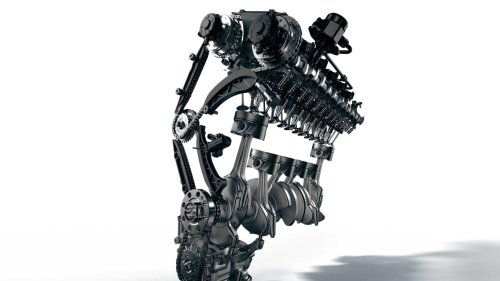
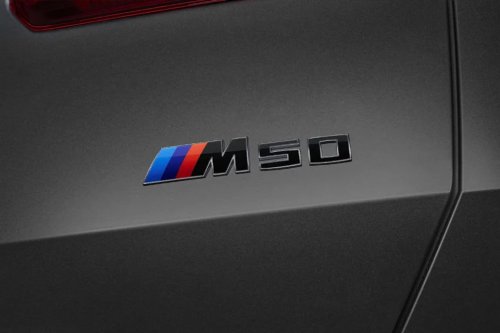
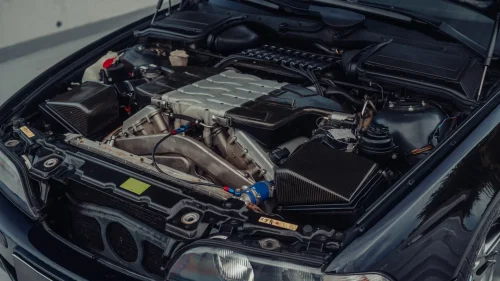
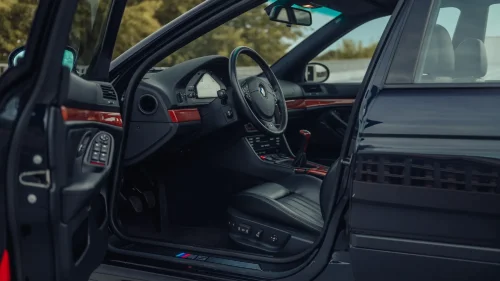
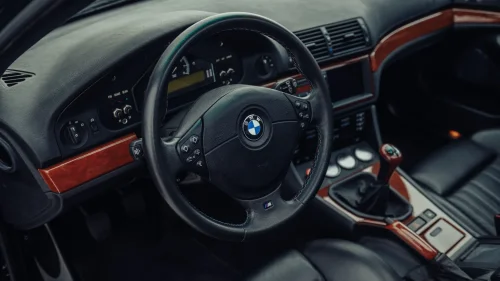
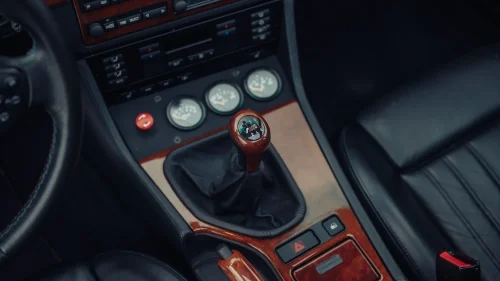
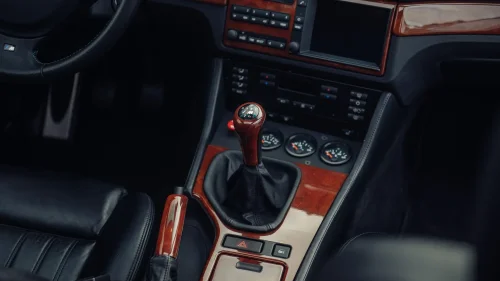
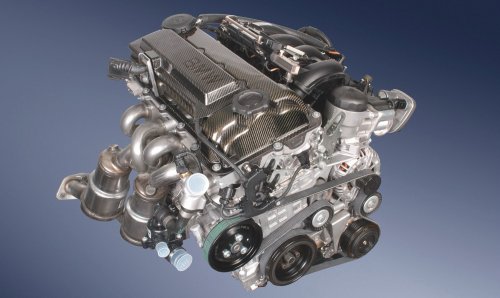
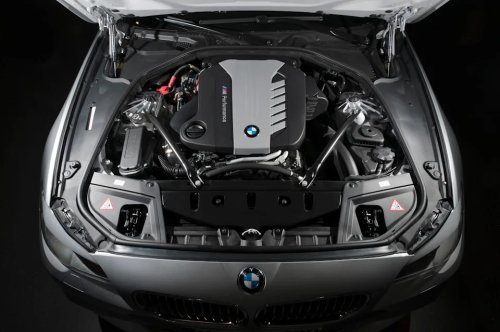
BMW is one of the most interesting automotive brands because, depending on which model you buy, your ownership experience can feel like opening Pandora's box. For example, buying a used twin-turbocharged BMW 7 Series that is a couple of years old at a heavy discount is an alluring but deeply dangerous proposition. It's jokingly said that BMW stands for "Break My Wallet." However, back in the day, BMW used to focus on a different set of values. At a certain point, the German luxury brand developed two inline-six engines that offered reliability levels usually reserved for Toyota Land Cruisers and Honda Civics. Most current-generation BMW owners don't even know these engines by name. Yet, these two engines laid the foundation for the brand's constantly increasing durability standards and are still accumulating mileage most people wouldn't believe. The Reliability Gap Plaguing German Engines BMWThe conversation around engine longevity has a clear winner, and it hasn't changed in decades. Before even looking at the spec sheet, you can know which engine is going to be more reliable just based on the country of origin alone. Why Japanese Engines Are Automatically Trusted LexusThe hierarchy of engine reliability across different brands is not a debated topic anymore. The answer is clear: if you want the most reliable offering for the most bang-for-your buck, it's going to be a Japanese engine. Specifically, it's likely to be a Toyota, Honda, or Nissan engine. Keep up with routine scheduled maintenance, and there is no reason your Japanese engine shouldn't last to 300,000 miles with little to no hiccups. It's not a matter of opinion. Decades and decades of real-world data prove that Japanese engine durability is a constant, not a variable. Honda Back When BMW Took An Industrial Approach BMWWhat often gets lost in the sauce is that BMW did not always build cars this way. There was once a simpler time when old-school engineering was still the dominant force within the company. This was a time before twin-scroll turbocharging, high-pressure fuel pumps, and highly complex Valvetronic systems. Back then, BMW focused on engine design with an industrial approach—overbuilt and mechanically conservative. Nowadays, the overbuilt aspect is more present than ever, but mechanical conservatism is essentially non-existent across the entire product line. BMWThat old-school approach may not offer the extreme performance capabilities of modern BMW engines, but it did develop a pair of inline-sixes that would spawn cult followings en masse. Not because these engines were the highest performers of their heyday, but because, despite sky-high mileage, these engines simply never quit. These two engines had completely different engineering mindsets, yet they arrived at the same improbable destination. Two BMW Engines That Built A Reputation Modern BMWs Can't Match Bring A TrailerThese two engines are not the kinds that gained their reputations through strong marketing or motorsport success. They earned their credibility through a slow and steady grind, with high-mileage owners reporting their experiences in generation-specific forums that many general fans never visit. Quietly Building A Bulletproof Reputation Bring A TrailerIt is a feat for any engine, of any era, to cross the threshold of a quarter-million miles without major internal work. So, once owner reports of such mileage began appearing more often, most owners are pleasantly surprised. As this occurrence becomes more common, owners begin to build their own mythologies with these platforms. Slowly, awareness started to build and disperse to the greater enthusiast community. BMWThe real turning point in consumer opinion occurs once an engine becomes the swap of choice for a specific niche, such as off-roading diesels. Once an engine is proven to survive abuse in a vehicle it was never designed for, it gains a whole other level of legitimacy. What happens is, people begin to view used examples of these engines at 180,000 miles as a halfway point rather than the end of the road. This shift in opinion didn't happen because of corporate marketing or clever framing. The underlying foundation was always rock-solid; most people had not realized the full potential of what was possible. One Was A Diesel Built For Truck-Level Torque BMWThe first engine of these two unsung heroes of BMW's catalog is an inline-six turbo diesel, engineered with the kind of conservatism that belongs in commercial vehicle design rather than passenger car production. Despite being a relatively modern unit, it still features a cast-iron block because longevity was that important for this platform. Internally, the turbodiesel has an unshakable bottom end with forged rods capable of handling nearly 1,000 lb-ft of torque in stock form. That's comparable to the torque levels of heavy-duty commercial trucks, despite the BMW engine having less than half the displacement of most commercial turbodiesels.BMWThe engine in question is the BMW M57, a turbocharged inline-six diesel. It won the International Engine of the Year award in its category every year from 1999 to 2002. Then, it won it again in 2009, a record that reflects its long-standing engineering quality. M57-powered vehicles reaching 250,000 miles without an engine rebuild are now common, and the diesel swap community has taken notice. The M57 does have some peripheral weak points, but the block and internals are among the strongest BMW has ever built. Parts are replaceable, a strong architecture is not. Gaining Legendary Status By Being Predictable And Boring Bring A TrailerNot every durable engine gets there through brute engineering excess. The second engine we are discussing made its case quieter than the M57 turbo diesel, through a philosophy of mechanical restraint. Before The Era Of Electronics, There Was The BMW M50 Bring A TrailerUnlike the BMW M57, the naturally aspirated M50 inline-six did not feature a cast-iron block or forged internals. It was not designed like a commercial engine from the outset. Its durability came from something much less dramatic: solid engineering. The M50 was built in an era before BMW had discovered and tested all the different ways additional complexity could improve engine performance. The result was an engine that didn't have to compromise long-term reliability for the sake of meeting an extreme standard.Bring A TrailerThe M50 was produced from 1990 to 1996 and was available in both 2.0-liter and 2.5-liter displacements. Its horsepower figures were modest at best, producing between 148 horsepower and 189 horsepower depending on the displacement size. This modesty was baked directly into the engineering design, as its conservatism was entirely the point. This approach was made possible because, at the time, emissions regulations had not yet restricted such design choices. It ran well within its mechanical limits, which is often the effective strategy behind the world's most durable engines. Why Both Engines Earned "Bulletproof" Status For Completely Different Reasons BMWThe M57 turbo diesel earned its reputation by being overbuilt to an extreme. Although the M57 could handle 1,000 lb-ft of torque, even the most powerful production iteration did not reach half that output. For an engine of this caliber, 250,000 miles feels like a reasonable lifespan rather than an extraordinary one. You would have a lot of trouble killing it even if you tried.Bring A TrailerThe M50 earned the same type of reputation with the opposite logic. While the M57 was overengineered, the M50 was balanced for longevity. Its mechanical simplicity meant there were fewer systems to fail, fewer sensors to malfunction, and fewer components waiting to throw a code. Even owners who didn't religiously maintain their M50s found that the engine simply continued to operate. Nowadays, 200,000 miles might be considered a lot for another engine, but it is considered a totally normal mileage range for an M50. BMW Accidentally Built Engines That Belong In The Toyota Conversation Bring A TrailerBMW did not set out to build engines that compete with Toyota and Honda in terms of longevity. Its goal was always to create the best possible product with the technology and resources they had available. The durability was a byproduct of the engineering approach, not the stated goal. Inline-Sixes Worthy Of Rivaling Any Toyota Engine Mecum AuctionThe 2JZ-GTE inline-six is perhaps the most recognized Toyota performance engine ever built. This engine was capable of 1,000 horsepower with a stock block, but only made about 320 horsepower from the factory. With the proper maintenance, there is no reason a 2JZ-GTE shouldn't be capable of outliving its owner. Yet, most enthusiasts don't realize that the M57 and M50 quietly earned a seat at the same table as legendary engines like the 2JZ. Bring A TrailerThe fact is that these BMW inline-sixes accumulate miles at rates that owners of newer BMWs cannot even fathom. They manage to survive neglect and abuse that would put the nail in the coffin for the most critically acclaimed engines. The trust that M57 and M50 owners describe is the same trust that Toyota owners report. Once you see what these engines are capable of handling with your own two eyes, your outlook on the durability of BMW engines is never the same. Why BMW Never Repeated This Same Formula Bring A TrailerThe engineering conditions that produced engines like the M57 and M50 no longer exist inside BMW or any other brand. As emissions regulations became increasingly more stringent, engines like the M57 were phased out in favor of more sophisticated diesels carrying a new generation of emissions control architecture. The problem is that with every technology introduced to achieve a new regulatory standard, a new reliability variable comes into play. BMWThe M50's successor, the M52, introduced additional complexity like double VANOS, and since then, the next generations have only added to that trend. BMW was not unique in making these compromises. Every manufacturer made them. The engineering conditions permitting the construction of engines like the M57 and M50 were temporary, and BMW took advantage of that small window to great effect. Now these engines are among the most notable entries in the high-mileage, high-durability conversation, and we will never see this exact formula repeated.Sources: BMW, Toyota, Honda



















 +43 others











![BMW's new iX4 leaks days ahead of its debut [Images]](https://cdn.topcarnews.net/thumb/id/aHR0cHM6Ly9pMC53cC5jb20vZWxlY3Ry-ZWsuY28vd3AtY29udGVudC91cGxvYWRz-L3NpdGVzLzMvMjAyNi8wNy9CTVctaVg0-LUdULVNVVi0yLmpwZWc_dz0xNTAwJmFt-cDtxdWFsaXR5PTgyJmFtcDtzdHJpcD1h-bGwmYW1wO3NzbD0x/44847916d4631457013dfd46d3f7570e.jpeg?t=20261007&post_id=68433)