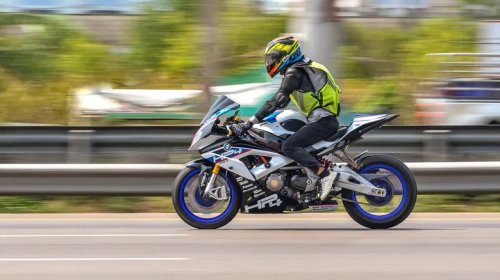
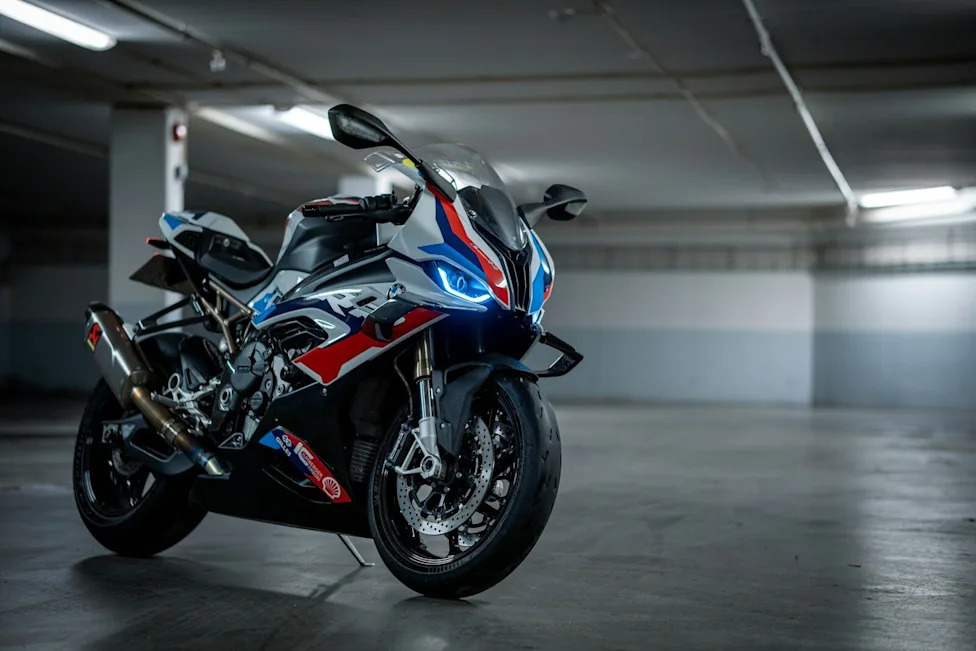
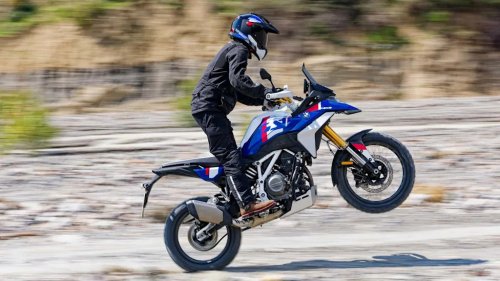
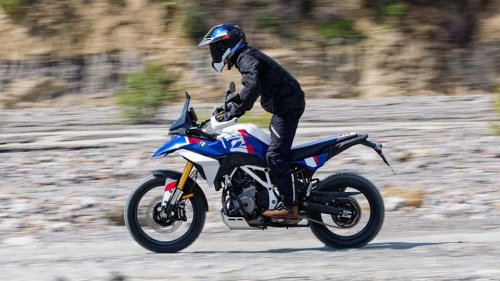
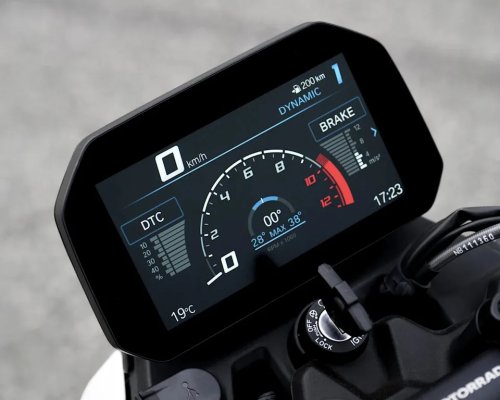
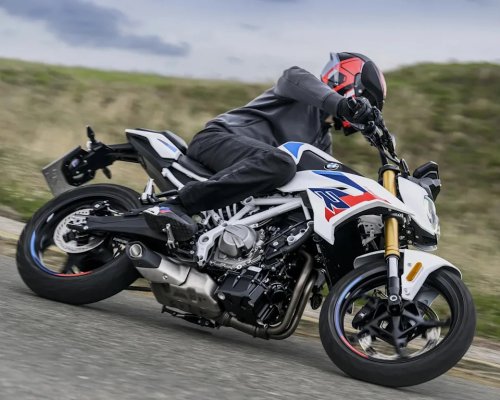
BMW S 1000 RR Recall: 16,736 Superbikes Can Lose Power While RidingBMW of North America has filed a defect report covering 16,736 S 1000 RR superbikes because the ignition lock — the humble mechanical switch that everything electrical on the bike depends on — can shake itself into failure while you're riding.The campaign is logged with federal regulators as 26V478000 and covers certain 2024 S 1000 RR US-spec machines plus 2020–2026 S 1000 RR motorcycles. In plain terms, that's essentially the entire K67-generation RR from its 2020 U.S. debut through the current model year. If you own a modern liter-class BMW superbike, assume you're in it until a VIN check says otherwise. TransportationWhat actually breaksThe filed defect description is blunt: motorcycle vibration "may cause an internal component of the ignition lock to fail," which can knock out the instrument display, rear lighting, and other systems including ABS, or stall the engine mid-ride. Regulators list the affected component under the electrical system category, and the consequence is spelled out as an increased crash risk. TransportationRelated ArticlesLamborghini Just Posted Record Revenue and Still Watched Profit Shrink — Tariffs Are WhyHow a Turbocharger Actually Works — No Engineering Degree RequiredAdvertisementAdvertisementHere's why that's worse on a bike than it would be in a car. An ignition switch isn't a computer — it's a set of physical contacts carrying the wake-up signal and, in many circuits, real current to the vehicle's electrical architecture. Interrupt it and you don't get a graceful degradation. You get a hard drop.On the S 1000 RR specifically, that hard drop is expensive. BMW's own equipment sheet lists ABS Pro, Dynamic Traction Control, Hill Start Control Pro, Brake Slide Assist, DTC Slip-Slide Control, a 6.5-inch TFT dash, and intelligent emergency call as standard kit. Every one of those is downstream of the bike having power. Lose the ignition circuit at a lean angle and you are simultaneously losing your dash, your rear lighting, your anti-lock braking, and your engine — while the rear tire is still connected to a driveline that just stopped making torque. A four-cylinder engine that quits under load at partial throttle doesn't coast neutrally; it drags. bmwmotorcyclesThe rear lighting failure deserves its own paragraph, because it's the part riders will underestimate. A superbike that goes dark from behind at highway speed while decelerating unexpectedly is a rear-end collision looking for a place to happen, and the rider has no way to know it's happening.Vibration is the tellThe identified mechanism — vibration — is worth sitting with. The RR's 999cc inline-four makes 205 horsepower at 13,000 rpm and revs well past where most street engines live. Inline-fours are primary-balanced but not free of secondary vibration, and a sportbike frame that uses the engine as a stressed member transmits a lot of that energy into everything bolted to the chassis, including the switchgear near the top triple clamp. bmwmotorcyclesAdvertisementAdvertisementFailure modes driven by vibration and dwell time share a pattern: they scale with miles and hours, not with build date. That's why a recall population spanning seven model years makes sense here. It's also why owners of early 2020–2021 bikes should treat this as more relevant to them than owners of a 2026, not less.There is no fix yetThis is the part that matters most practically. The remedy is still under development. BMW plans to mail letters informing owners of the safety risk on September 14, 2026, with a second round of letters once a repair actually exists. VINs become searchable on NHTSA.gov starting that same date, and BMW's recall line is 1-800-525-7417. TransportationRelated ArticlesRed Bull Hires Mercedes' Junior Program Chief Gwen Lagrue to Replace Helmut MarkoPorsche Cuts 5,000 Jobs and Freezes Perks to Keep the 911 Alive Through 2035That two-letter sequence isn't BMW dragging its feet — it's the law. Under federal notification rules, a manufacturer has 60 days from filing its defect report to notify owners, and when no remedy is ready at that point, it must send a second notification once one is. So the September letter is a heads-up, not an appointment.AdvertisementAdvertisementNo do-not-ride or park-outside advisory has been attached to this campaign.What owners should do nowDon't wait on the mail. Run your VIN through BMW's recall lookup, which the company updates continuously, or through NHTSA's database after mid-September. Dealers frequently see campaign flags in their systems before customer letters land.If your bike has already exhibited a random dash blackout, a stall with no fault code you could reproduce, or an intermittent no-start that a dealer chalked up to the battery, get it documented in writing now. A dated service record is your leverage if you end up paying out of pocket before the remedy exists — federal law requires the manufacturer to perform recall repairs without charge and requires remedy programs to include a reimbursement plan for owners who paid ahead of notification. That same statute cuts off the free-repair obligation once a vehicle is more than 15 calendar years past first purchase, which nobody in this population is close to.For anyone shopping a used S 1000 RR between now and whenever the fix lands: an open recall with no available remedy is not a bargaining chip, it's a real cost. You'll own a bike you can't get fixed on your schedule, and if the seller's paperwork is thin you may inherit a repair history you can't verify. Ask for the VIN before you ask for the price.
















 +74 others


![BMW's new iX4 leaks days ahead of its debut [Images]](https://cdn.topcarnews.net/thumb/id/aHR0cHM6Ly9pMC53cC5jb20vZWxlY3Ry-ZWsuY28vd3AtY29udGVudC91cGxvYWRz-L3NpdGVzLzMvMjAyNi8wNy9CTVctaVg0-LUdULVNVVi0yLmpwZWc_dz0xNTAwJmFt-cDtxdWFsaXR5PTgyJmFtcDtzdHJpcD1h-bGwmYW1wO3NzbD0x/44847916d4631457013dfd46d3f7570e.jpeg?t=20261006&post_id=68433)