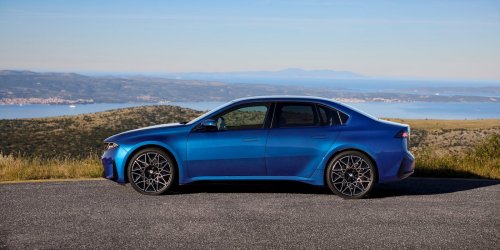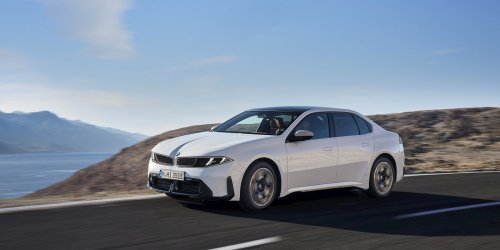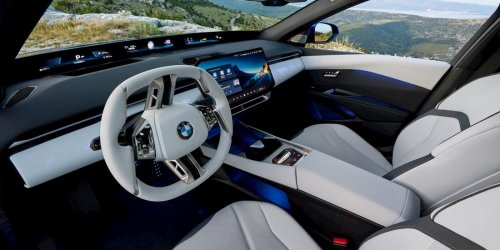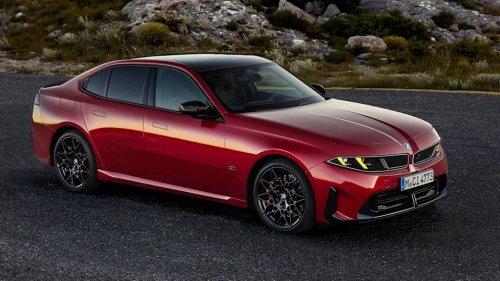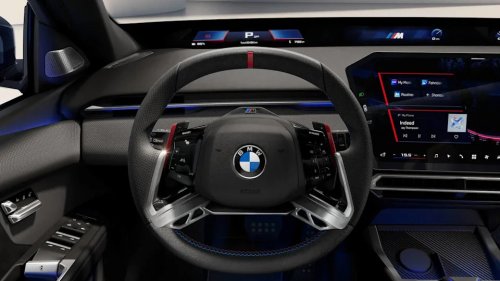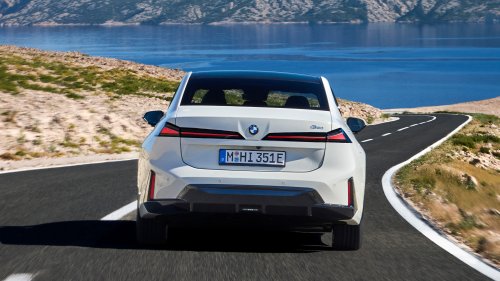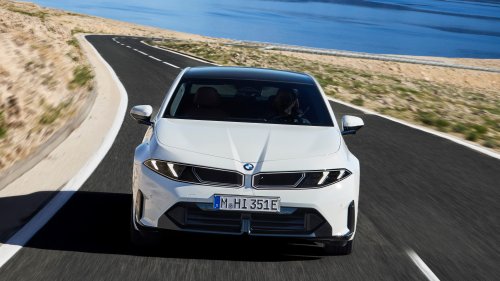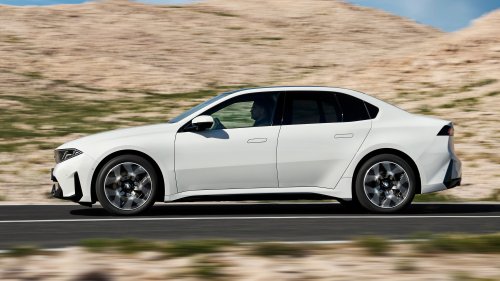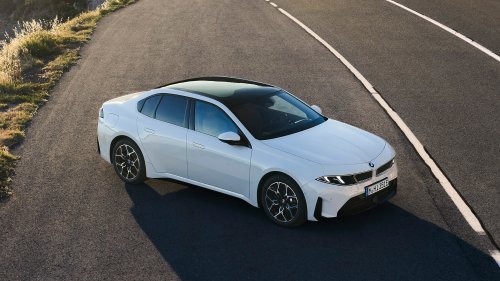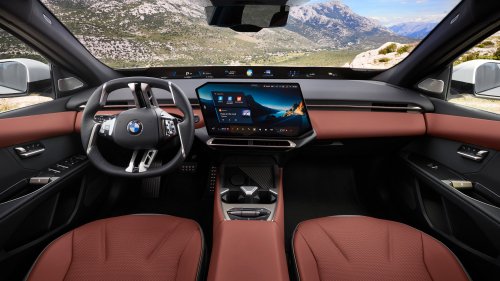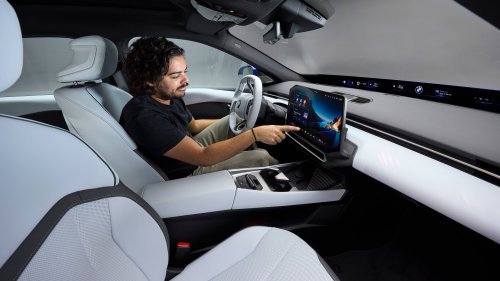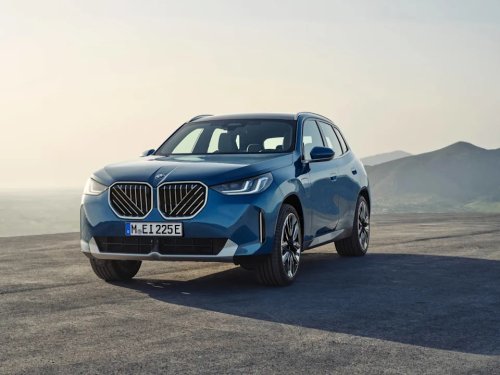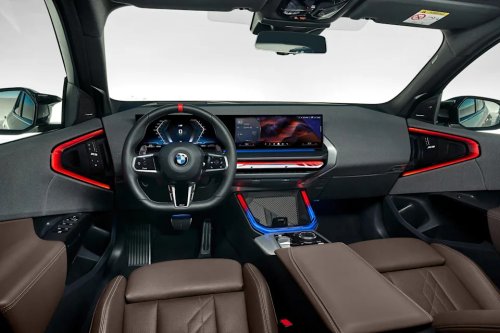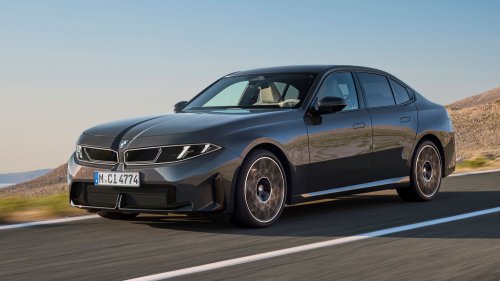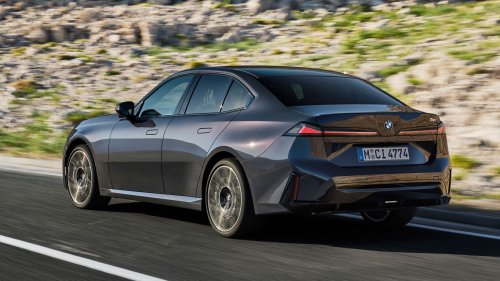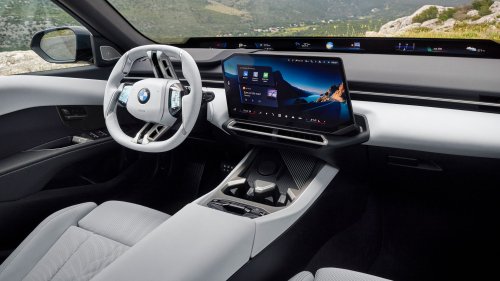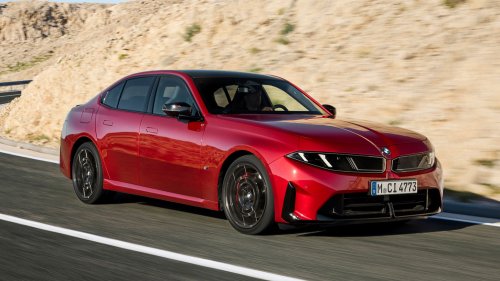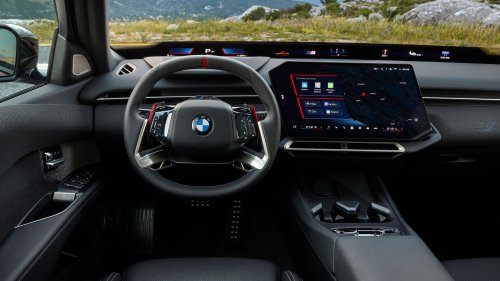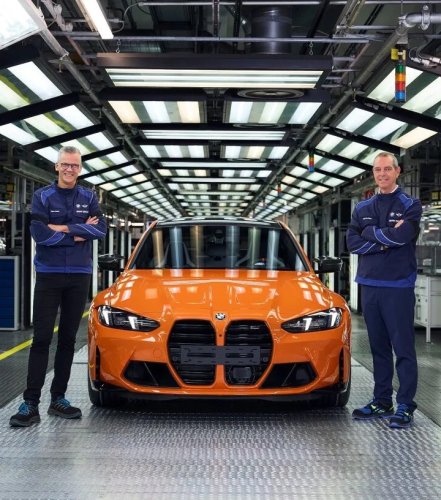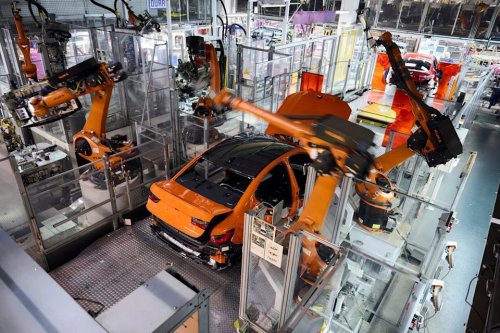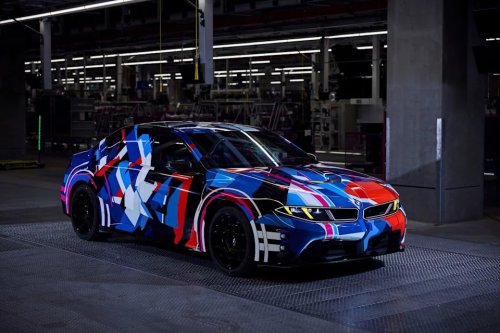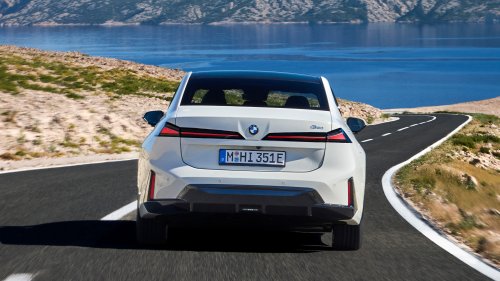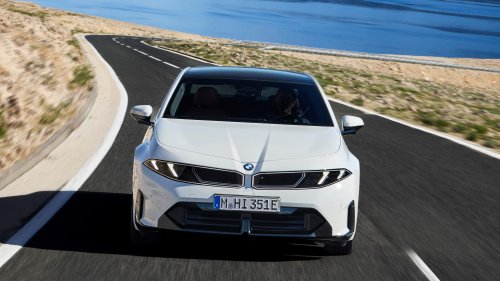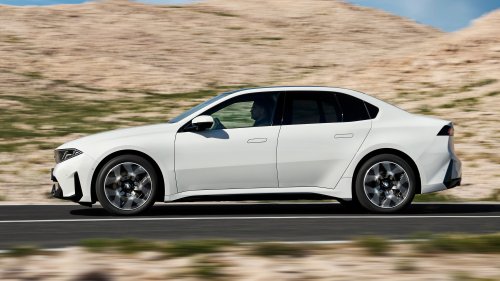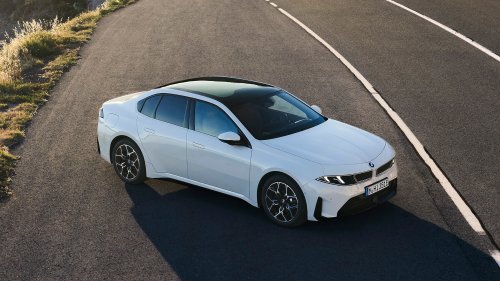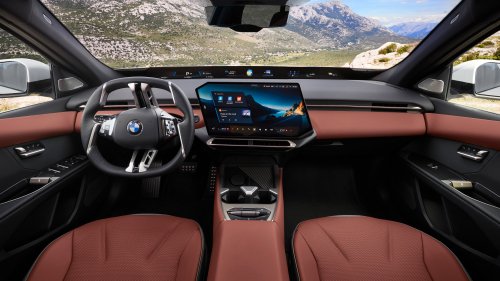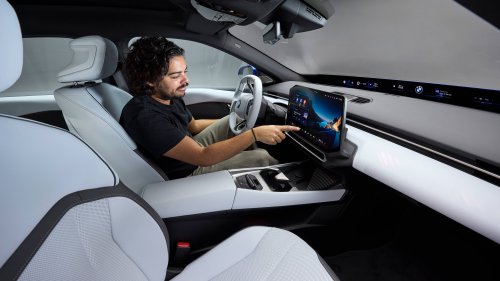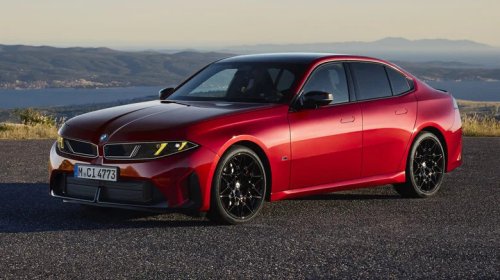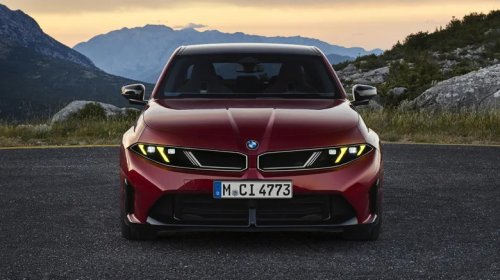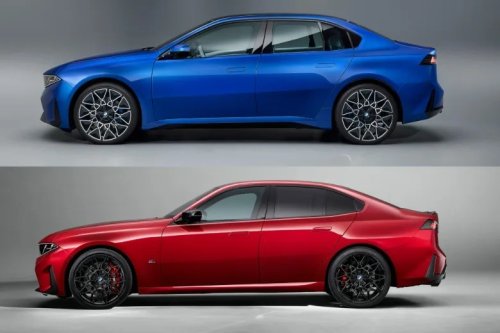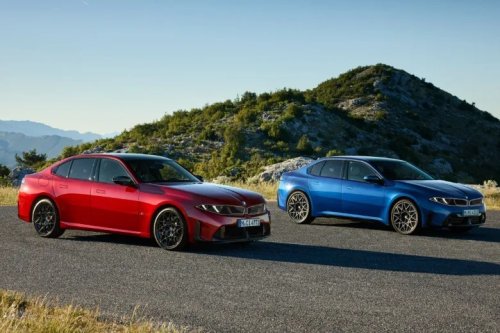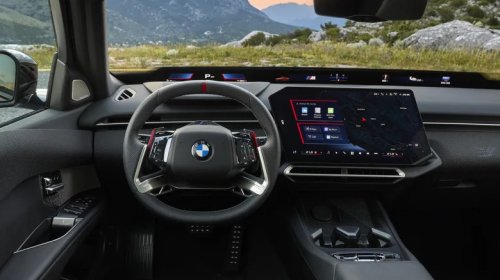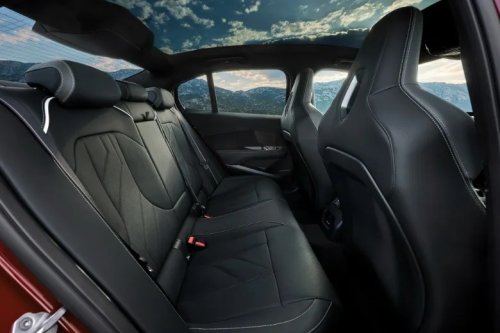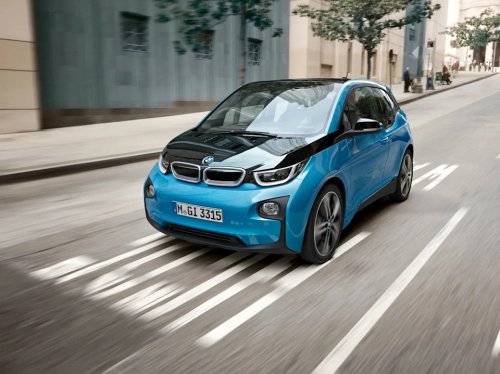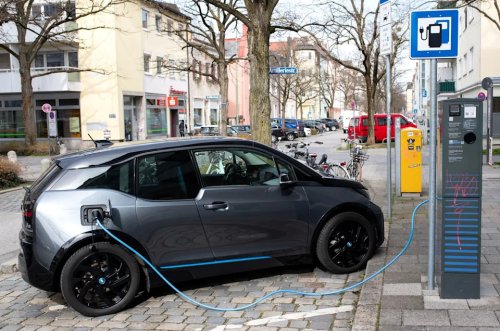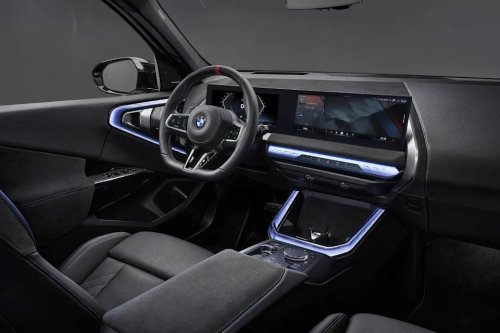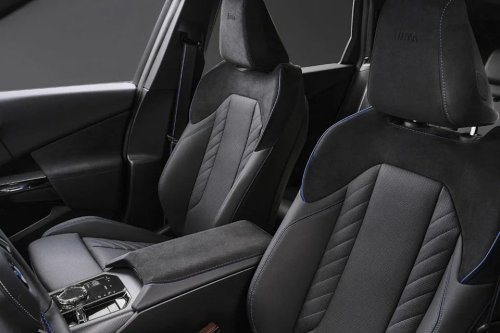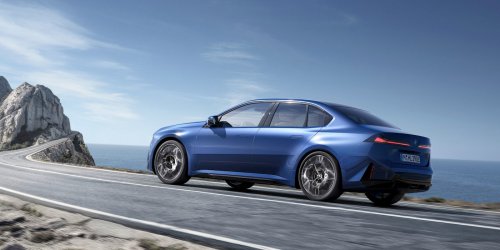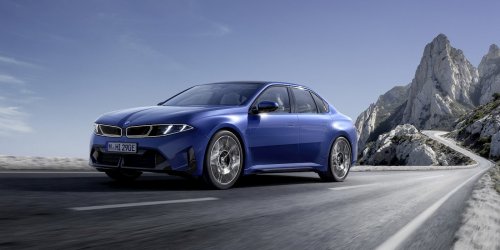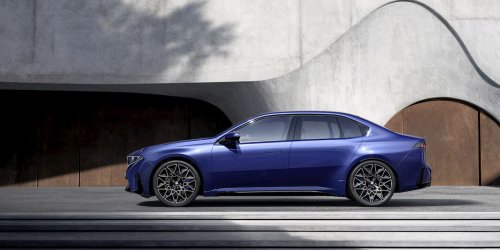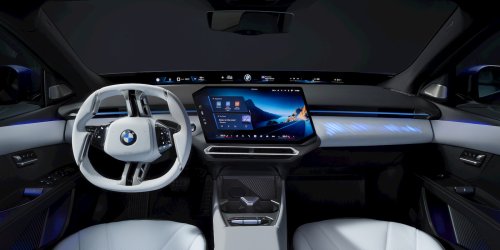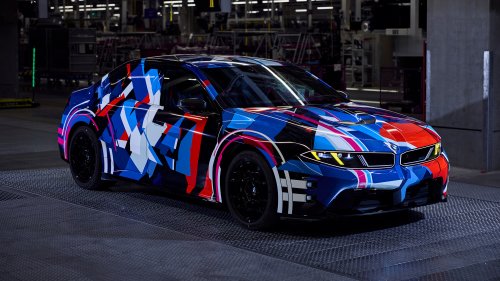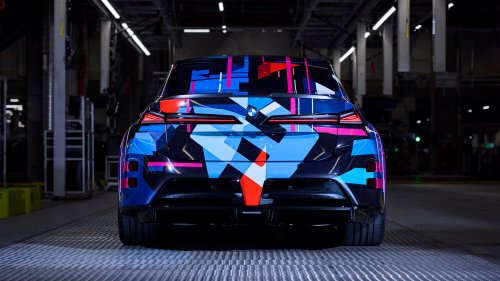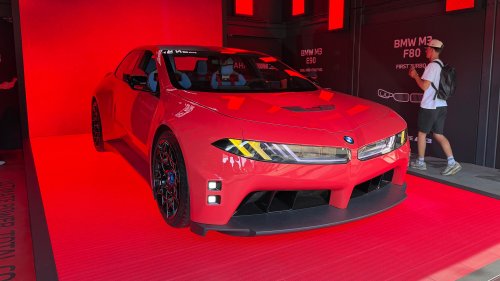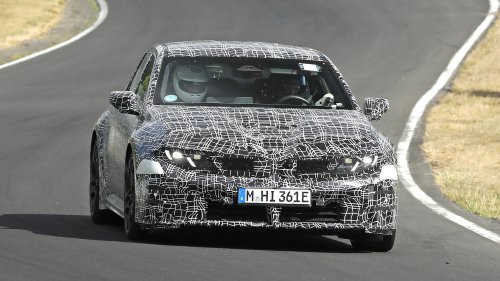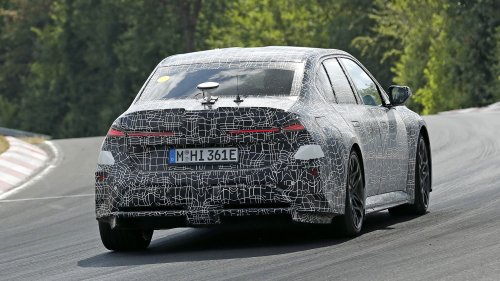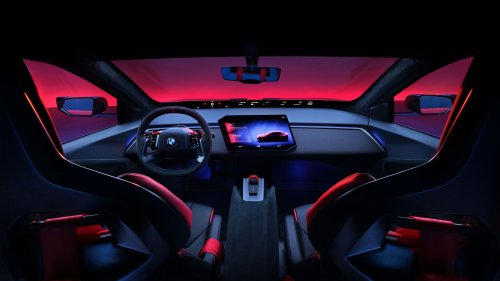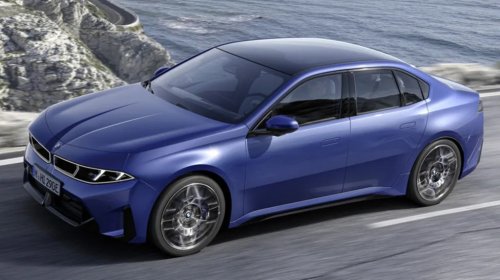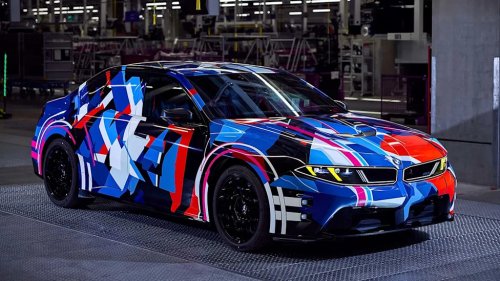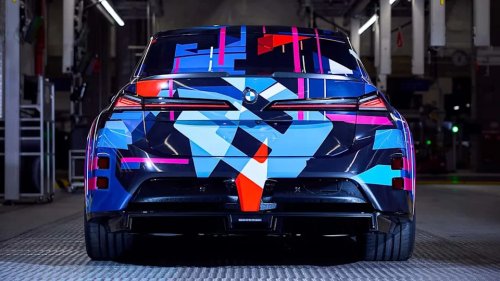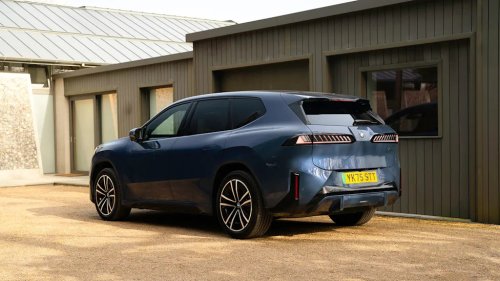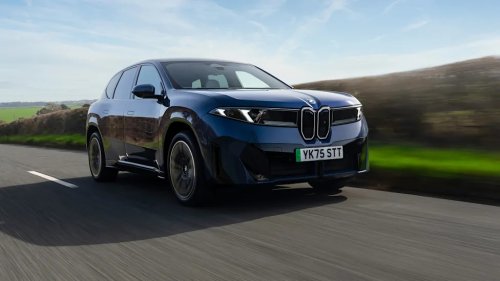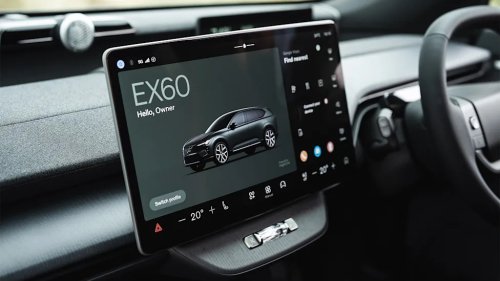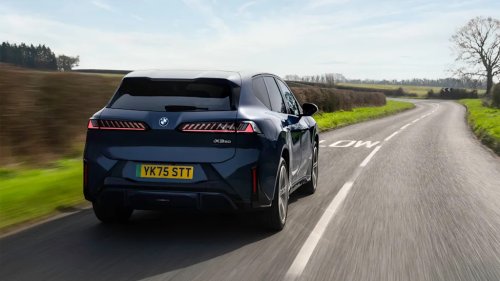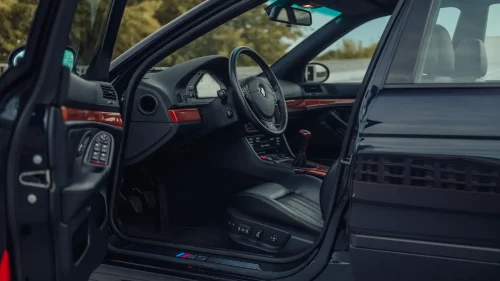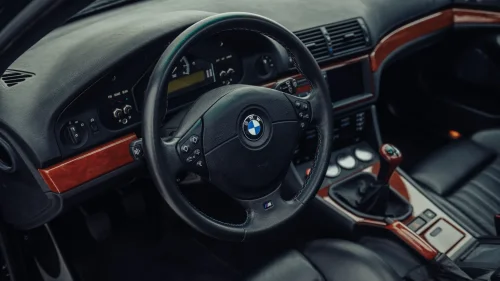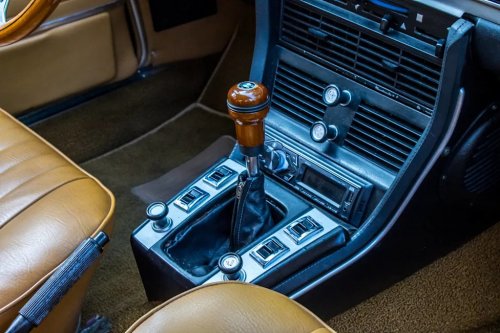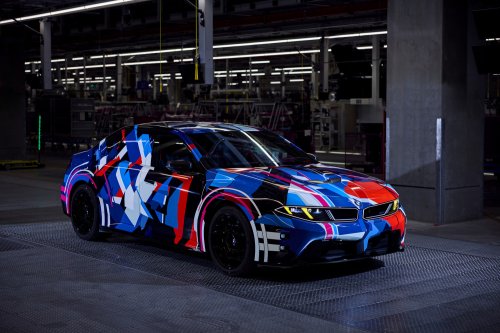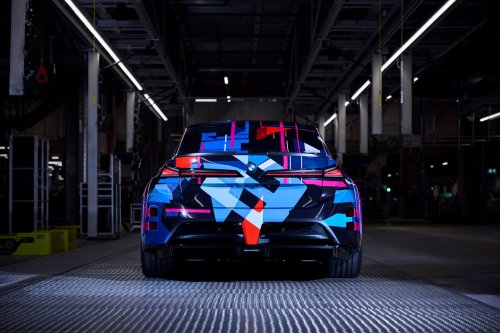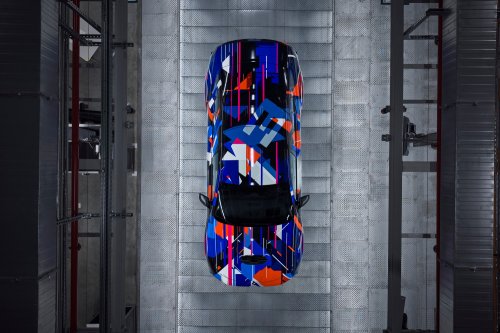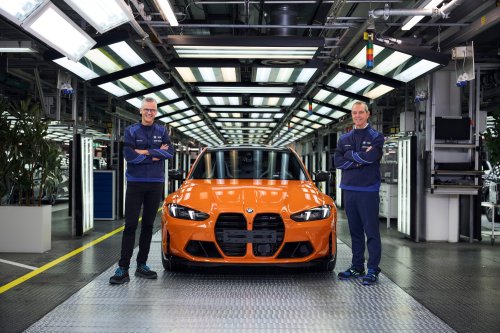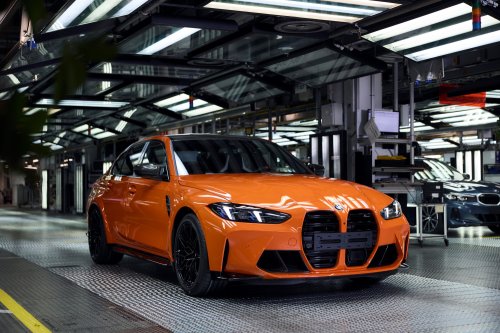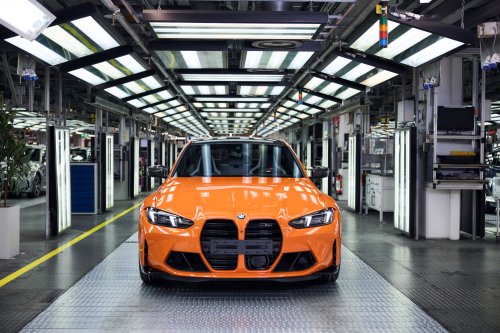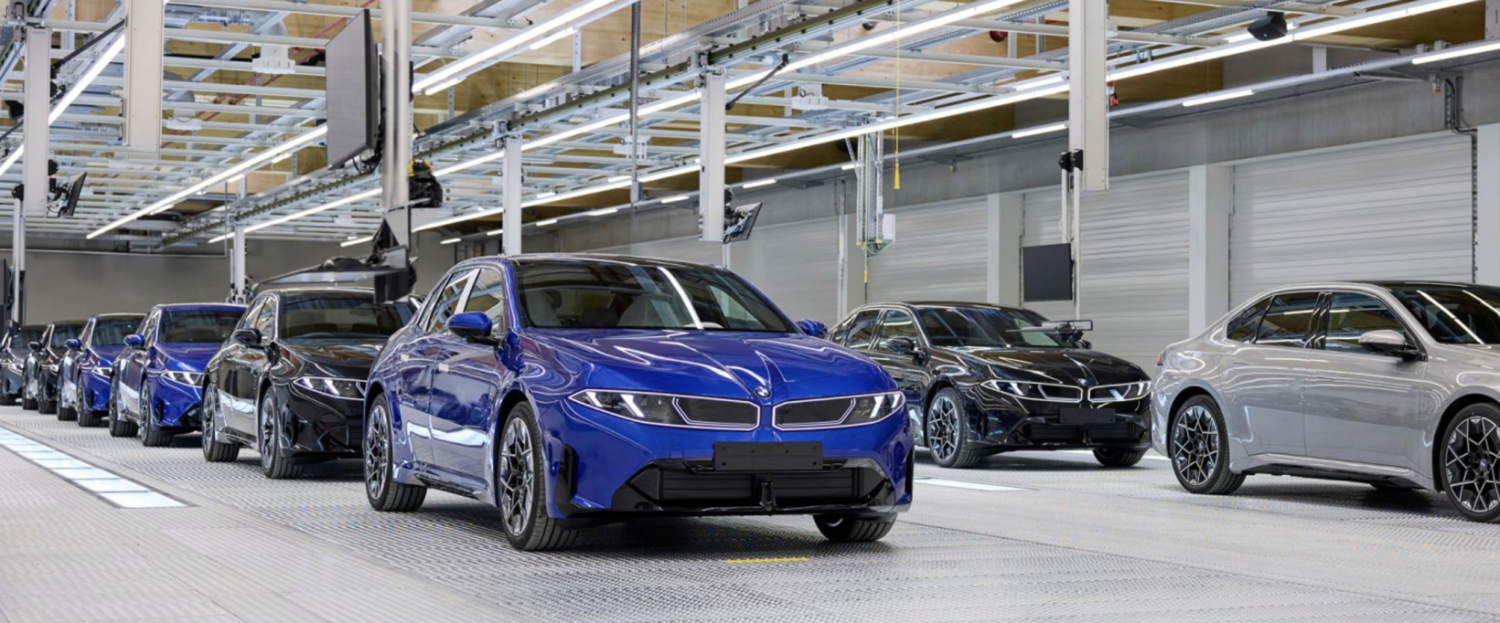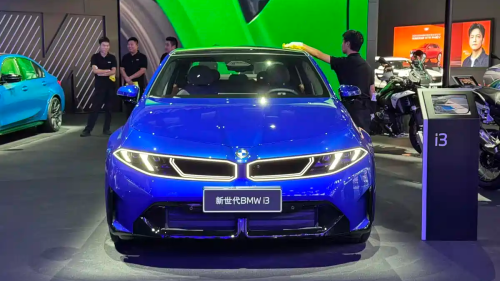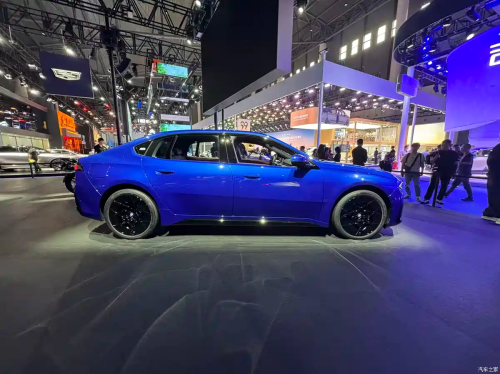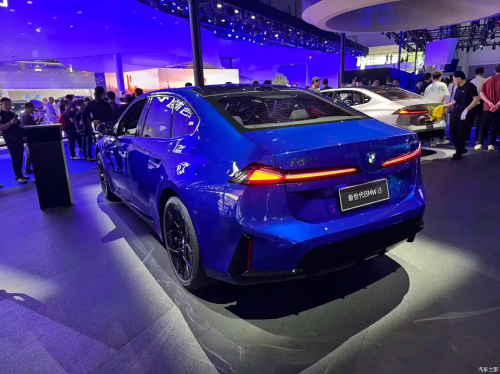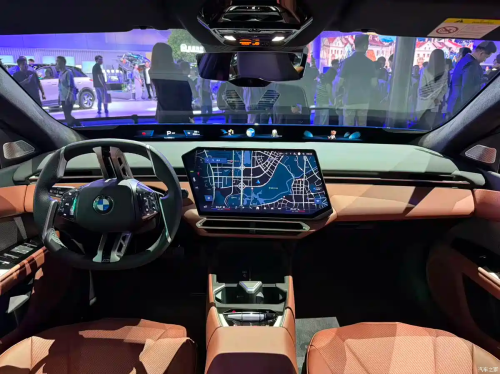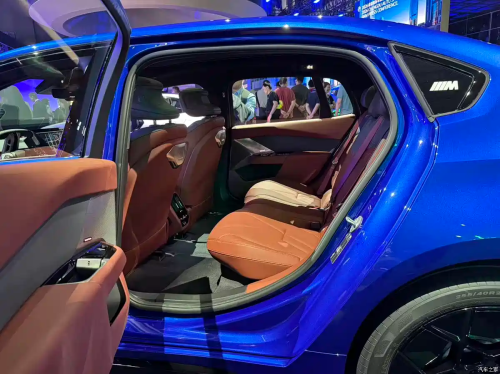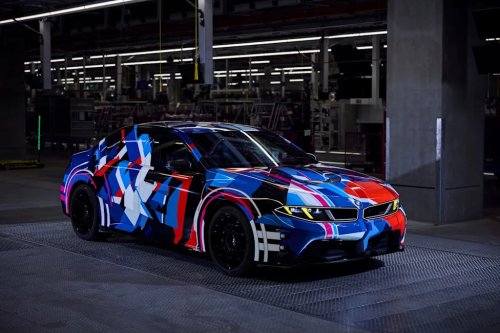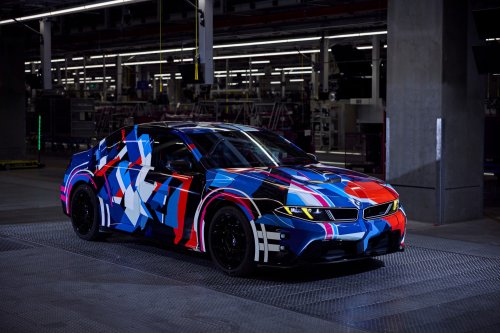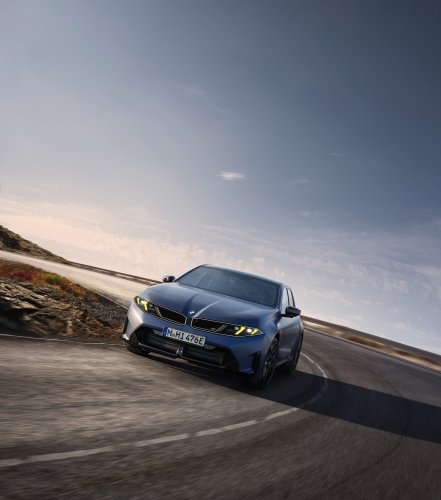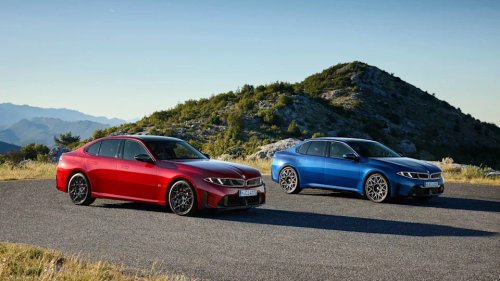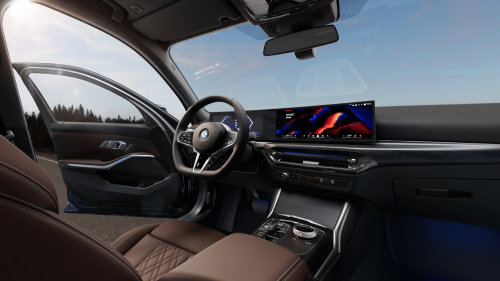
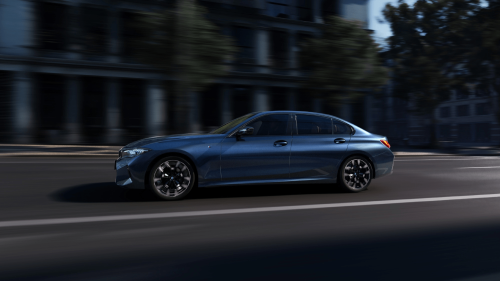
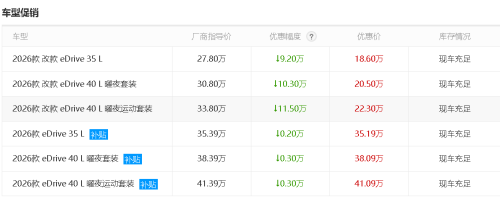
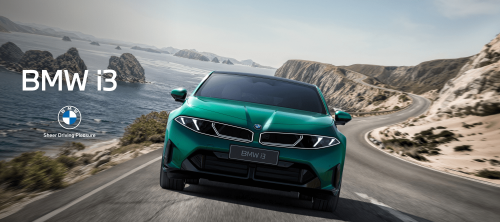



















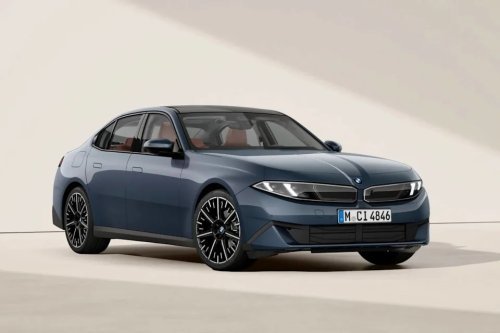
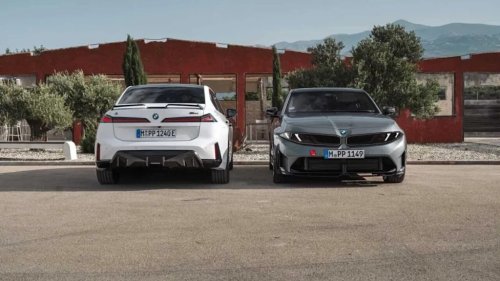
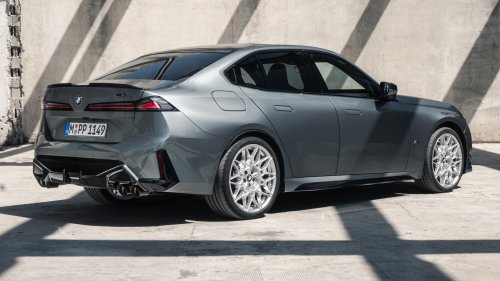
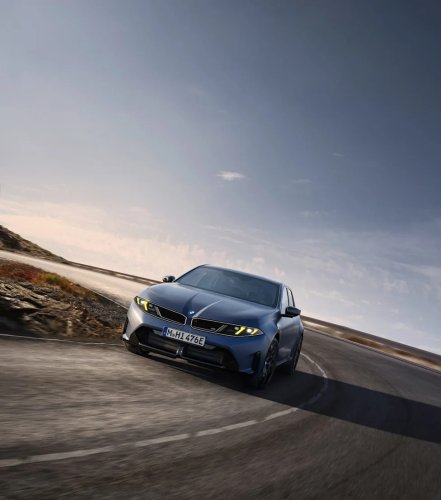
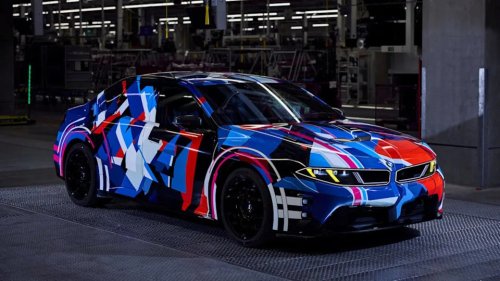
Recently, some media reported that the current China-produced BMW i3 will officially cease production in August this year at the BMW Brilliance Shenyang Lida Plant. At the same time, the all-new long-wheelbase BMW i3, built on the Neue Klasse platform, made its global debut at the Beijing Auto Show in April 2026 and is expected to be officially launched and delivered in 2027. Current i3 Interior The domestically produced BMW i3 has been rolling off the assembly line at the Shenyang Lida Plant since 2022. As BMW’s first domestically produced all-electric sedan, its product lifecycle spans four years. The current i3 has a starting price of RMB 278k(~$ 41032) for the entire range. It is equipped with fifth-generation eDrive electric drive technology and is offered in two versions: eDrive35L and eDrive40L. The biggest point of controversy for this model lies in its “oil-to-electric conversion” identity. Constrained by the CLAR platform shared with the gasoline-powered 3 Series, the rear floor still has a noticeable hump. Additionally, although the car is equipped with a Qualcomm 8155 chip and comes standard with a 360-degree panoramic view camera and heated seats (effective January 2026), it only supports L2-level assisted driving. Its feature richness does not match that of its domestic new-energy rivals in the same class. Current i3 It is worth noting that alongside the production halt news, many 4S stores across the country have also entered a inventory clearance phase. According to some netizens, the price reduction for the bare vehicle generally ranges from RMB 80,000 to 160,000, with the lowest bare-vehicle price for some variants reaching RMB 170,000 — a discount of over 50%. Transaction cases from Wuxi, Foshan and other places show that the eDrive35L version can be picked up for about RMB 180,000, while the eDrive40L M Shadow Edition — which has a guide price of RMB 308,000 — can be purchased for approximately RMB 205,000 after discount. Promotional Prices for Current i3 Variants The discontinuation of the BMW i3 is not an isolated case, but rather a snapshot of the difficulties traditional luxury brands face in their electric vehicle transformation in China. From an annual data perspective, the sales decline of the BMW i3 is evident. In 2023, annual sales reached approximately 49,900 units, with a monthly average of 4,000 units. After entering 2025, the sales curve turned downward, with total annual sales of about 23,400 units — a sharp drop of more than 50% compared to the previous year. Since 2026, the current model’s monthly sales have remained around 1,000 units. Next-Generation i3 As the successor, the all-new long-wheelbase BMW i3 will completely move away from the “oil-to-electric conversion” approach. The new car adopts an 800V high-voltage architecture, with the official claiming a WLTP range exceeding 900 kilometers and the ability to replenish 400 kilometers of range in 10 minutes. In terms of intelligence, the new model will be equipped with the BMW Panoramic iDrive system and sixth-generation eDrive electric drive technology, achieving a generational leap in multiple aspects. However, the new car is not expected to be launched and delivered until 2027, leaving BMW with a product gap in the mid-size all-electric sedan market over the next year — which will undoubtedly become a major challenge for the brand.