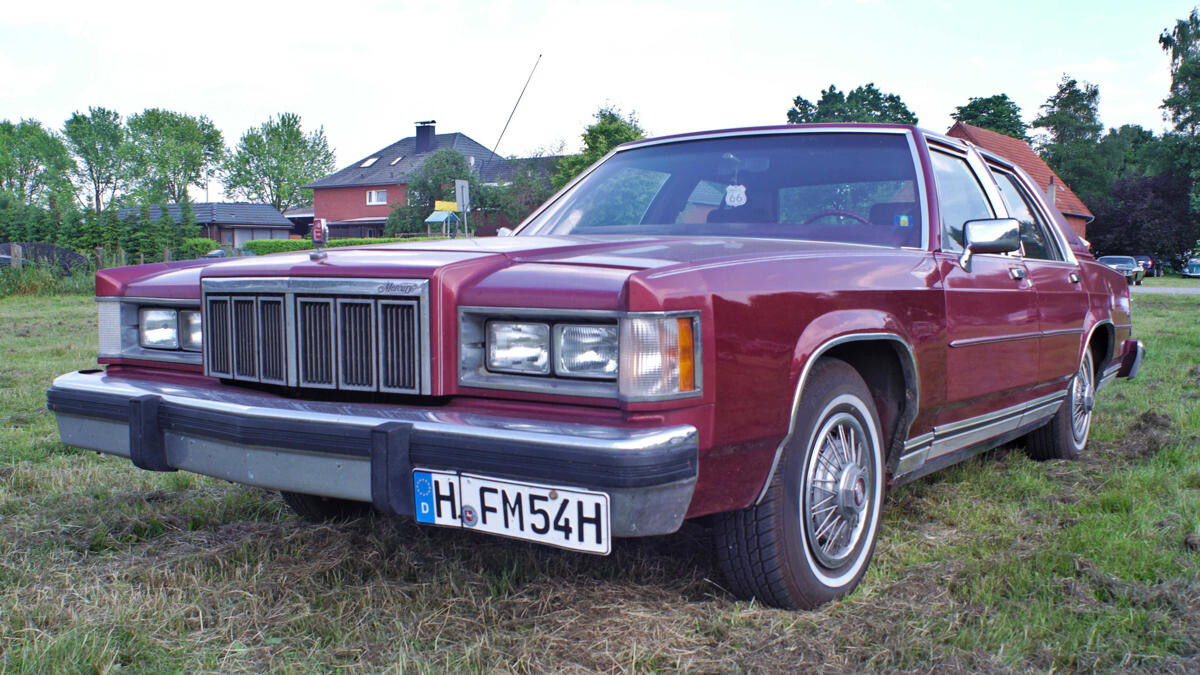
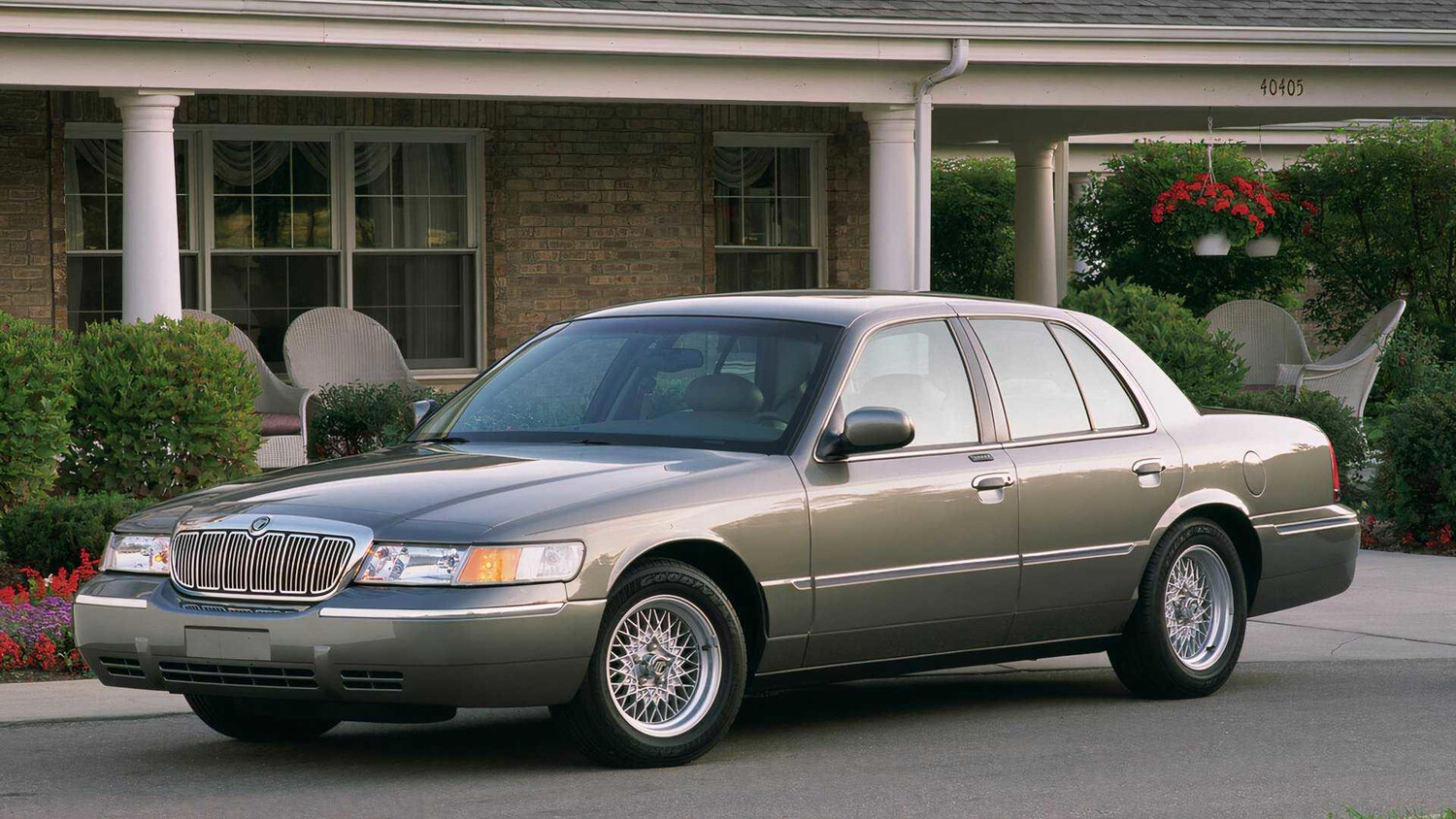
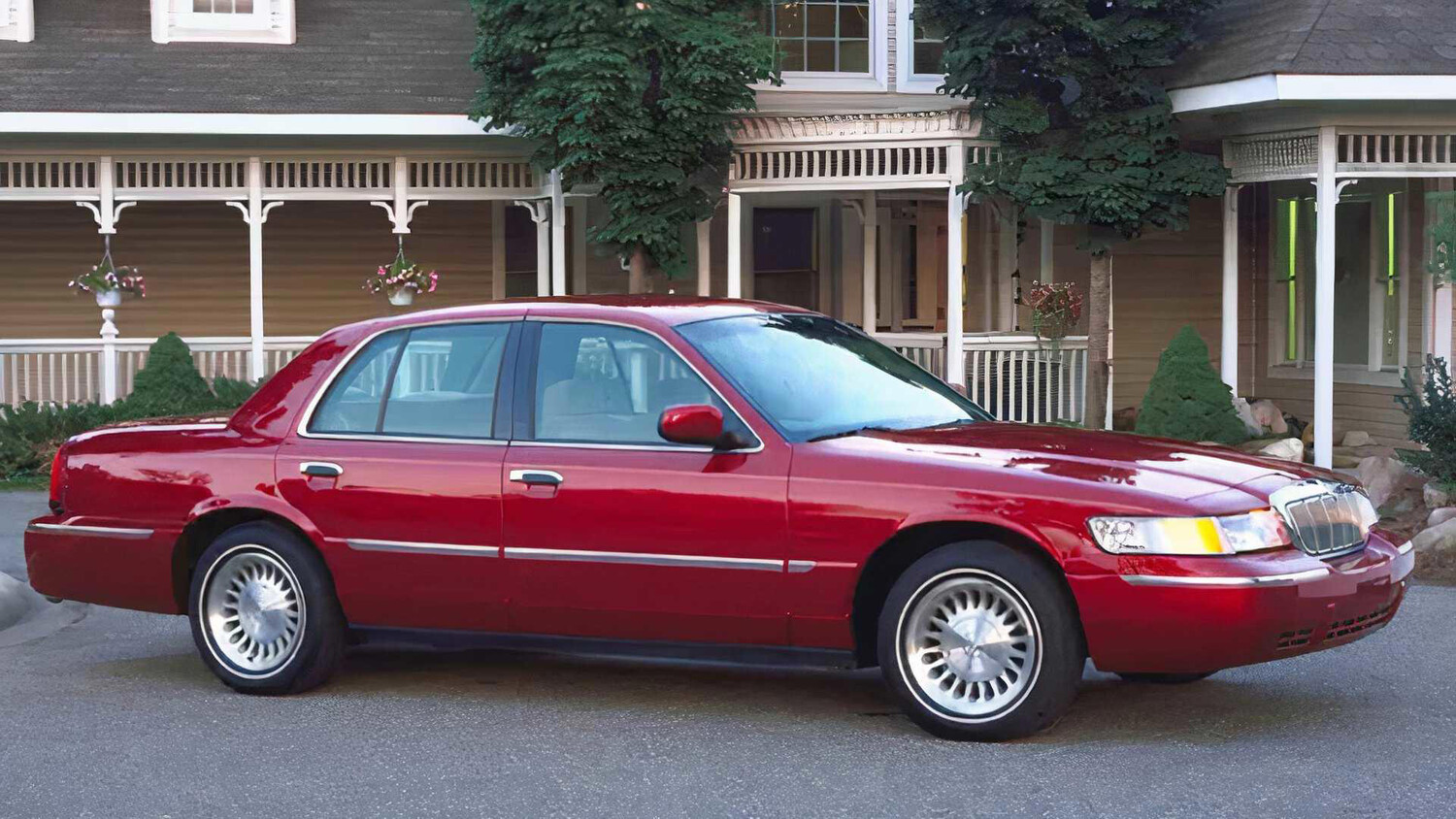
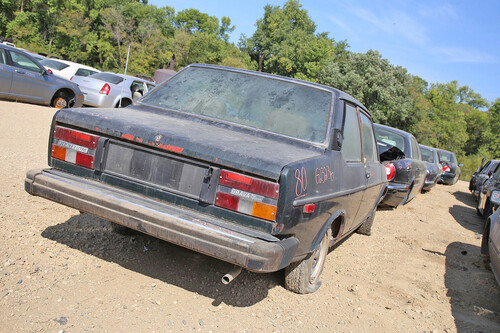
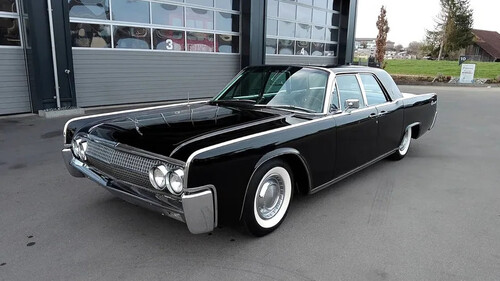
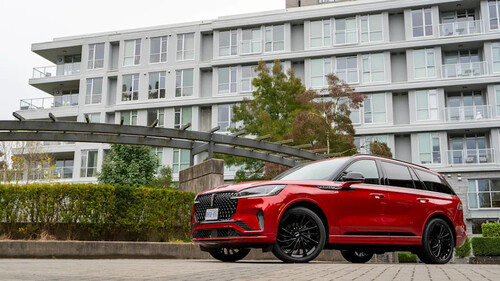
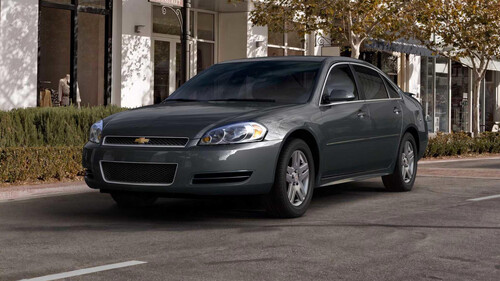
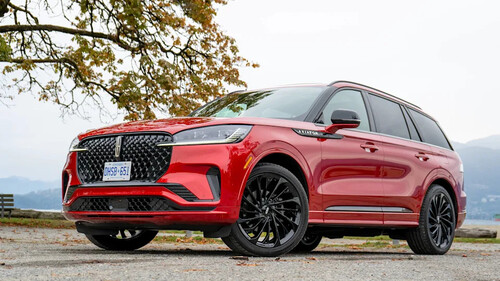
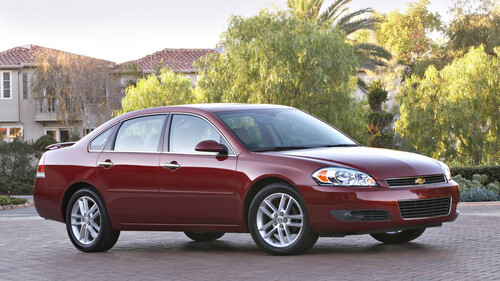
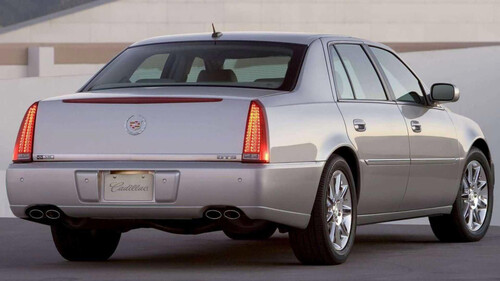
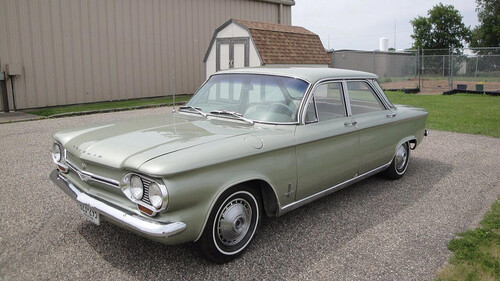
In today's automotive world, the American sedan has largely fallen by the wayside. Think about it, virtually every single domestic brand has canned their sedan production altogether. Some of the largest carmakers in the US, like Ford and Chevrolet, no longer offer a single four-door sedan, and Chevy doesn't even offer a four-seater coupe anymore, either, since the Camaro was axed in 2024. Dodge still builds the Charger sedan, and Cadillac still pumps out a pair, those being the CT4 and CT5.However, none of these current four-doors offer the old-school recipe, of a rear-wheel drive, body-on-frame sedan that made the US market famous for decades. The honor for the final body-on-frame rear-drive sedan goes to Ford with its Panther platform derivatives, those being the Ford Crown Victoria, the Lincoln Town Car and, today's model of interest, the Mercury Grand Marquis.The Grand Marquis still holds up in today's market, is known to be bulletproof for myriad reasons, and it's even relatively cheap. In short, it still has a lot to offer used car buyers, despite being 15 years old. The Middle Child MercuryOf its Panther platform siblings, the Mercury Grand Marquis was slotted right in the middle of the lineup. The Ford Crown Victoria, in its latter years, had been largely relegated to fleet sales, the overwhelming majority of which were from police precincts and other government applications.The Lincoln Town Car, much like the Crown Vic, was also mainly destined for fleet sales in the final years of its life, although instead of police work, the Town Car was more suited for limousine and luxury car service duties.Thomas Vogt/Wikimedia Commons That left the Grand Marquis, which enjoyed the best civilian sales by far in the final years of its life. The Grand Marquis namesake was first introduced back in the mid 1970s as the top-spec trim for the Mercury Marquis Brougham. Come 1979, Ford introduced the fabled Panther Platform, which the Mercury Marquis began to utilize that same year. Then, in 1983, the Grand Marquis trim was given its own, standalone model, as the Mercury Marquis namesake was discontinued. The Grand Marquis We All Know Mercury Come 1992, the Grand Marquis entered its second generation, following a first generation that spanned 12 years. That same year, the model began to utilize Ford's then-new 4.6-liter Modular V8, an engine that would go on to become one of America's most reliable V8 motors ever produced. The newly styled Grand Marquis was virtually identical mechanically to the platform mate, the Ford Crown Victoria.Despite the Crown Vic's lower price point, the second-gen Grand Marquis managed to outsell its counterpart in both 1994 and 1997, even when accounting for the Crown Victoria's fleet sales. It became obvious to Ford that the Mercury's styling was much more well-received by the public. Because of this, once the third-gen was introduced in 1998, the second-gen model's styling was merely modernized, whereas the Crown Victoria took on an entirely new look.Mercury However, once the fourth and final-gen Grand Marquis came along in 2003, it adopted the Crown Victoria's look. By this point in the model's life, it had retained its use of Ford's 4.6-liter Modular V8, which it would use right up to the very end.A fourth-gen facelift was undertaken in time for the 2006 model year, wherein it gained a slightly different look, both inside the cabin and out. Its final model year came about in 2011, after which Ford canned the Panther platform as a whole, following 32 years of faithful service. Here's Why It's So Bulletproof MercuryThe crux of the 2011 Grand Marquis' bulletproof nature is its Modular V8 engine. The mill itself first entered the fold in the early 90s. Back then, Ford was interested in updating its entire V8 engine lineup with an all-new, modern, and lightweight motor boasting a design that could easily be altered to accommodate different engine sizes.The as-yet-unnamed Modular engine was also tasked with being easier to produce, and that any altered forms could be built with the same assembly line equipment as the original 4.6-liter iteration, saving Ford a boatload on tooling costs and manpower utilization.When it comes to why the 4.6-liter Modular V8 is so reliable, it can be boiled down to a few key aspects. First, its bore and stroke make up a "square" design. This means that both the bore and stroke are nearly identical in measurement, leading to an extremely smooth-running engine, which does lend itself to a longer-lasting mill. In addition, the relatively low-powered 4.6-liter V8 found in the Grand Marquis is under stressed. While that means it lacks a bit of power, an under-stressed engine typically lasts far longer than an over stressed one.Finally, the 4.6-liter Modular V8 was built with police use/hard use in mind. It takes advantage of things like a deep-skirt cast iron engine block, meaning the actual block casting extends below the crankshaft's centerline, or the exact mid-point of the crankshaft. This design lends itself to extra strength. The mill also comes with cross-bolted main bearings, which help to prevent crankshaft twisting and main cap walk, where main bearing caps shift side-to-side under heavy load.Because of the Modular V8's penchant for reliability, it caught the attention of WardsAuto, which curates the annual "Ward's 10 Best Engines" list, and has done since 1995. The 4.6-liter Modular V8 has been featured on the list a total of six times, the final of which came about in 2008.Mercury In addition to its engine, the '11 Grand Marquis also features a couple of other bonus points that lead to its overall reliability. Its transmission – a four-speed Ford 4R70 unit – is regarded as highly reliable. Its ladder-frame construction and associated suspension components are also reliable, as well as simple.Up front is an independent setup, and the rear is held up using a four-link system that typically also features air shocks for ride height leveling. The air shocks are regarded as the only point of weakness throughout the model's entire suspension. Topping everything off is the fact that virtually all the '11 Grand Marquis' components are cheap to buy, and easy for DIY-minded folks to replace themselves. Reliability: The Numbers According to Repair Pal, the Mercury Grand Marquis costs roughly $527 per year to maintain on average, $63 cheaper than the average full-size car, which sits at a reported $590 per year. One of the only common issues that plague the 2011 Grand Marquis has to do with its plastic, variable-length intake manifold, which is prone to cracking and causing overheating. However, the repair cost, with labor and parts included, sits between $918 and $1,155, which isn't all too financially ruinous. Here's How Much You'll Pay For One MercuryThe Mercury Grand Marquis, especially those belonging to its fourth generation, are still actively sought out by loads of folks today. Its simple mechanical make-up, honestly handsome looks, comfortable cabin, and affinity for outlasting the test of time make it a prime candidate for commuter or winter beater duties. According to the CarBuzz price trends tool, a 2011 Grand Marquis in average condition with average odometer mileage will cost you about $12,995, although this number is based on just one listing.To paint a more comprehensive picture, let's take a look at a few examples for sale from CarGurus.com: A 2011 model in Louisiana selling for $9,995 with 88,264 miles A 2011 model in California selling for $10,028 with 65,588 miles A 2011 model in Ohio selling for $12,448 with 46,529 miles If you're gunning for one of your own, it's a safe bet to set aside roughly $13k–$15k just to make sure you've got enough for the car itself, miscellaneous taxes, and registration fees. Verdict MercuryAs for whether you should buy one, both the short and long answers are a resounding "yes". The 2011 Grand Marquis marks the final year that an old-school, ladder-frame, rear-drive sedan was produced on the US domestic market (USDM), and it happens to also be extremely durable and comfortable. It scores well regarding reliability, and numerous owners have reported achieving mileage in excess of 250,000 miles with just routine maintenance.Sure, it's an old man car, but who cares? It'll probably outlast some of the plastic, tech-laden cars being produced today.