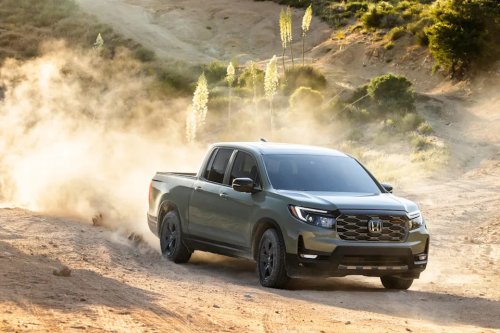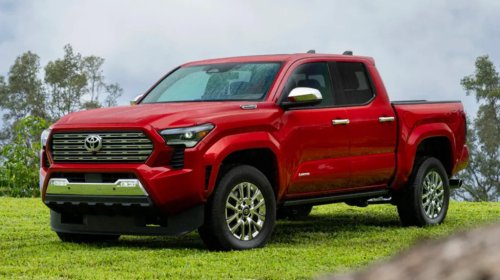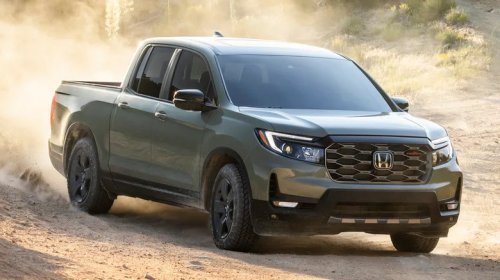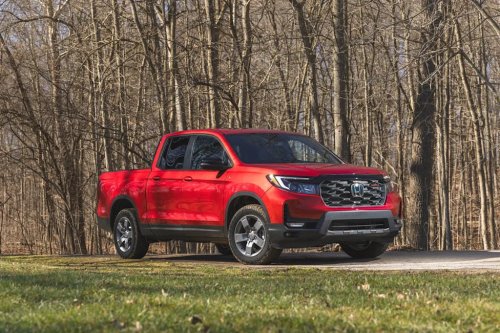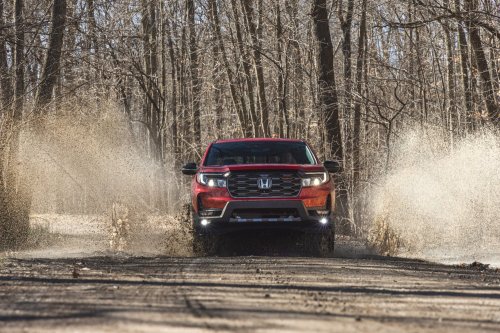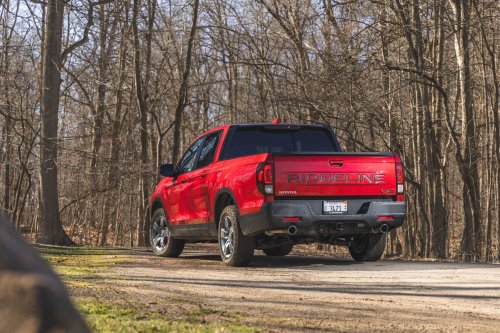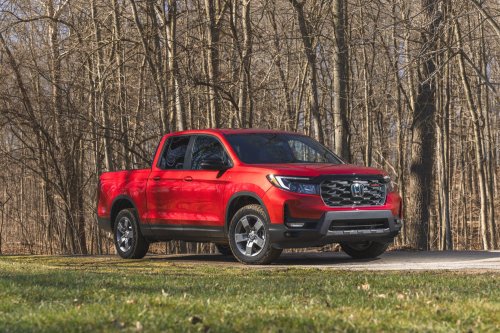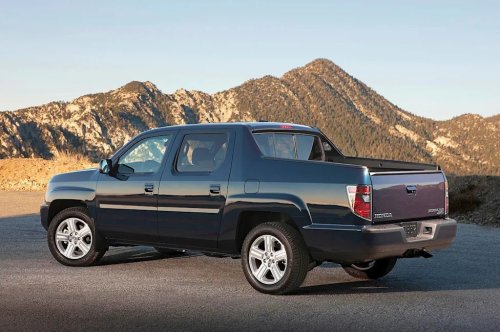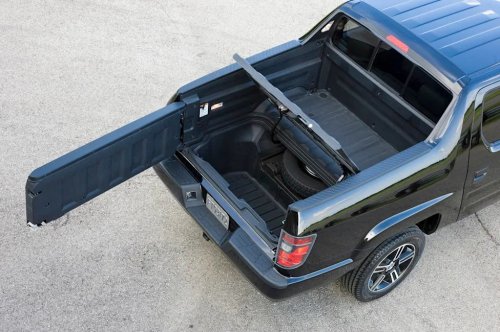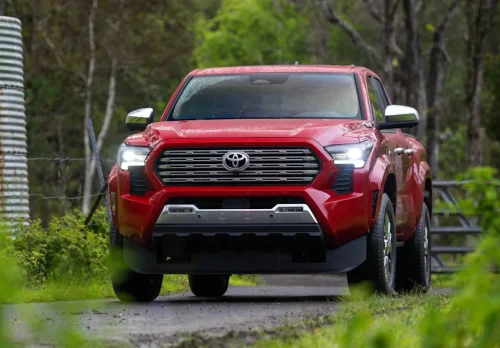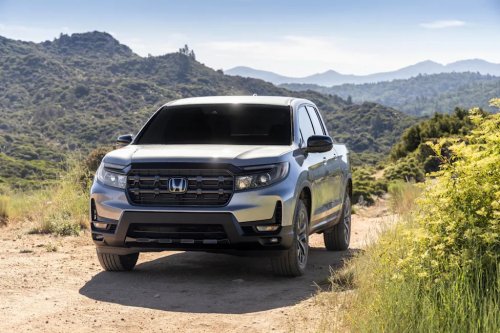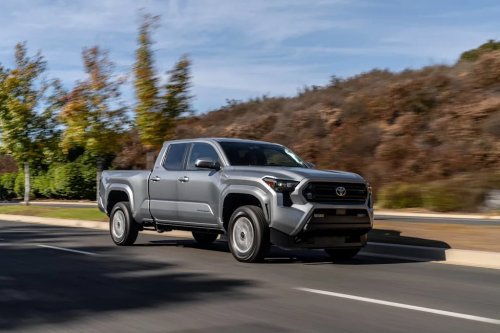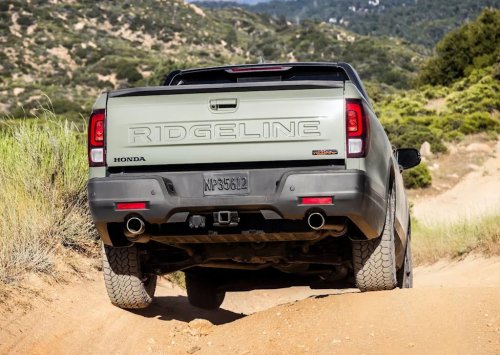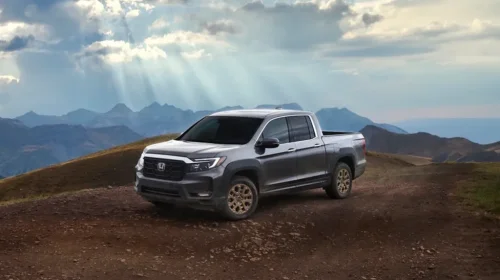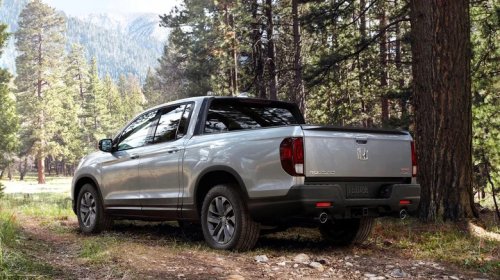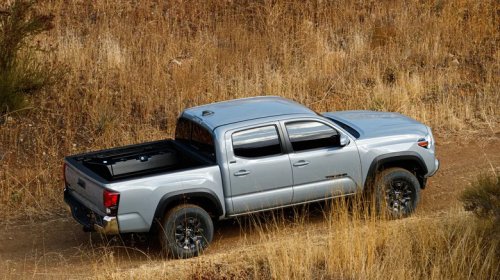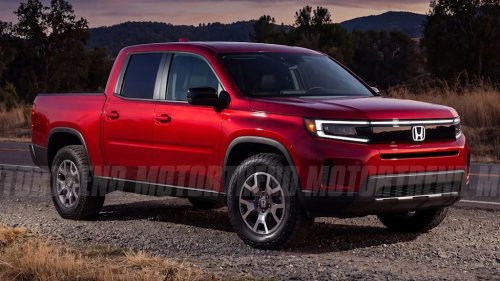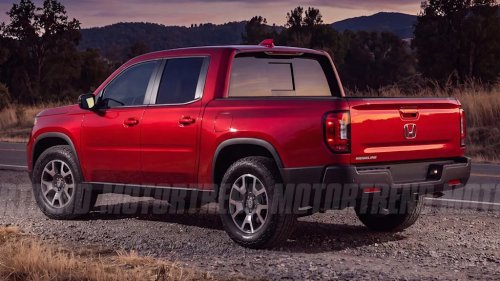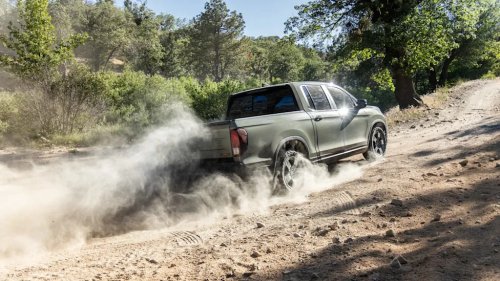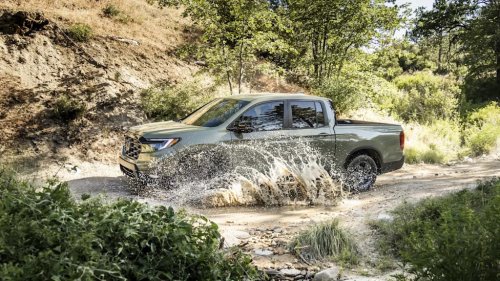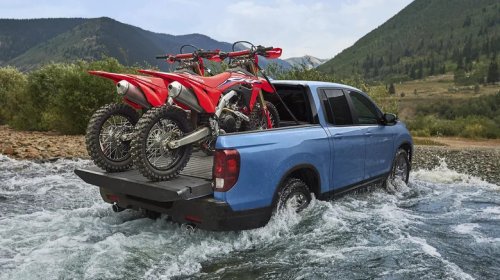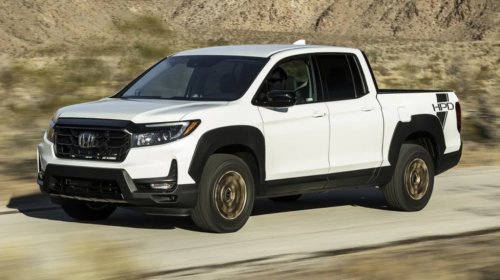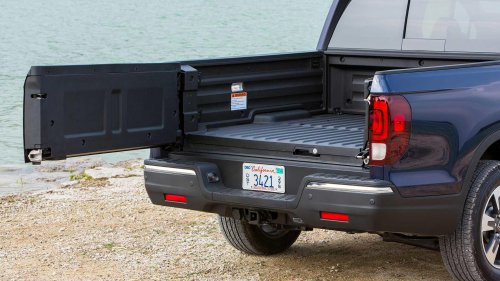
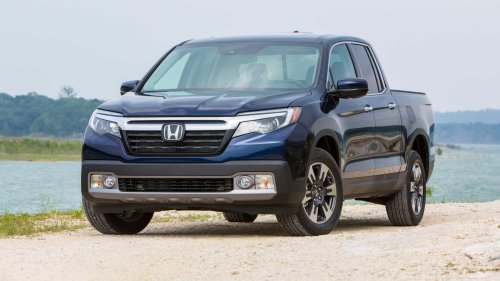
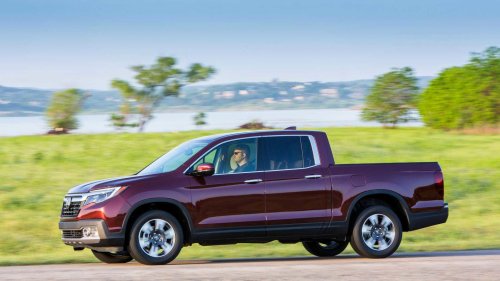
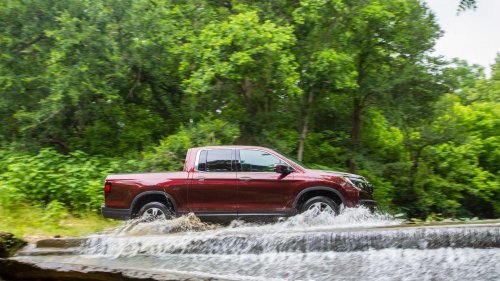
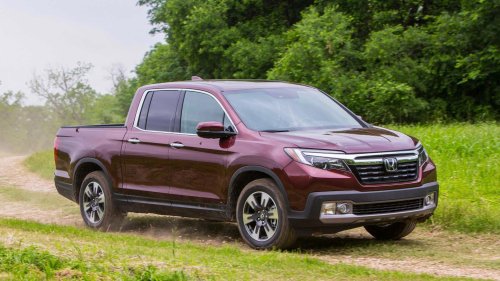



















You don't always need four-wheel drive, right? There are plenty of pickup drivers who are perfectly happy with front or rear-wheel propulsion. If you're not spending a lot of time off-road, a two-wheel drive configuration, especially in a compact or mid-size truck, can save fuel and offer car-like handling that some drivers find more appealing than a tanky full-size pickup.Part of the Toyota Tacoma's appeal is that it's available in rear-wheel drive, making it an appealing daily-driver, and one with little competition, seeing as the Honda Ridgeline hasn't been available in two-wheel drive since the 2020 model year. Here's why we think a used front-wheel drive Ridgeline might be the everyday pickup you've been looking for. How Does A Ridgeline Compare To A Tacoma In 2020? Honda There's no talking a Toyota Tacoma fan out of replacing their last Taco with another one, and it's certainly a vehicle that's earned that loyalty. We're not trying to convert the true believers here. But, if you haven't made up your mind, you might want to consider a Ridgeline before buying a used Toyota. Here's how a Tacoma SR5 with a V6 compares to a Ridgeline Sport.In terms of power ratings, the Tacoma and Ridgeline are in spitting distance. The Tacoma's biggest advantage is that it can tow nearly twice the cargo of a Ridgeline. An all-wheel drive Ridgeline can tow 5,000 lbs, but we're specifically comparing two-wheel drive trucks for our purposes. Front and rear-wheel drive both have their advantages and disadvantages.With front-wheel drive, you have some understeer, although torque steer is manageable in the Ridgeline, and drivers report that the truck handles better with a load in the back to even out the weight distribution. But, having the Ridgeline's V6 engine situated over the front axle can produce better traction in tricky conditions.Rear-wheel drive typically offers poorer traction on slippery roads, but many drivers prefer how it handles, they find the weight distribution to be superior to that of a comparable FWD vehicle, and you don't have to deal with torque steer.In our own review for the 2020 Ridgeline, we had plenty of praise for the truck's modest goals in terms of towing and hauling, with a comfortable cabin, and its segment-leading on-road feel, with its suspension capably absorbing bumps and potholes, and its electrically-assisted steering feeling responsive even at higher speeds. Pair all that with minimal body roll, and you have a truck that more than makes up for its middling towing and off-road capabilities. The Most Underrated Truck In America Honda We're on record naming the Ridgeline as the most underrated pickup in America, in large part because it delivers exactly what most drivers need from a pickup. It's a capable, efficient daily driver that scoffs at bad weather and rough roads, and you can carry some building supplies or camping gear in it from time to time.The fact is, very few truck owners actually need a machine that can pull four tons and drive over tree stumps. For a typical truck-owner, what you want is basically an all-weather SUV with a cargo box in the back. That's the Ridgeline in spades. What Will A FWD Honda Ridgeline Cost You In 2026? Honda Here's how a 2020 Tacoma TRD Sport with a V6 compares to a 2020 Ridgeline Sport, according to our own trending prices tool.We have a pretty clear winner here when it comes to sticker price. Toyotas are notoriously slow depreciators, Tacomas especially, and that goes double for V6 Tacomas. We've covered how the rollout for the newer Tacomas has been somewhat problematic, with the new turbo-four engines hitting the market with major reliability issues that, some drivers feel, Toyota was slow to address. That's only driven the resale value of the previous generation through the roof.The Ridgeline, meanwhile, offers Honda reliability, but, as the most underrated pickup in America, it's losing its resale value at a more predictable rate, making for an excellent used buy.To go over some used Ridgelines we were able to turn up via our own marketplace. A 56,654-mile Ridgeline Sport is selling for $26,997 in Arizona. A 105,169-mile 2020 Ridgeline Sport is selling for $17,994 in Florida. An 83,890-mile Ridgeline Sport is selling for $22,107 in Connecticut. A 59,299-mile Ridgeline Sport is selling for $23,000 in Maryland. A 61,531-mile Ridgeline Sport is selling for $23,788 in New York. At these prices, you could budget $25,000 for the purchase and have your pick. Budget just $20,000, and you should still have no trouble finding something decent in the 100,000-mile range. Ridgelines Are Famously Reliable Honda It's almost unfair to compare something to a Toyota. With a handful of exceptions, Toyota produces the most reliable cars on the planet. But, a Ridgeline would be an excellent choice for anyone looking to join the high-mileage club. Over in the Ridgeline Owners Club forums, a user by the name of '25 Year Honda Owner' reports a Ridgeline making 985,775 on its original equipment back in 2016. If this story is to be believed, then, by now, that truck has certainly cleared a million miles.Comparing maintenance costs for the Tacoma and the Ridgeline, via RepairPal for the annual expenses, and CarEdge for the ten-year estimate, here's what we get.The Ridgeline is a little pricier to maintain than a Tacoma, according to these numbers, but it takes several years for the difference to be noticeable. In any event, both trucks come in well below typical repair costs for a mid-size pickup. Cylinder head replacement $5,642 - $6,334 Brake booster replacement $702 - $813 Oxygen sensor replacement $600 - $718 Wheel replacement $564 - $592 Heater hose replacement $384 - $456 Finally, we can't compare ownership costs without taking a look at how much fuel these trucks are burning. Part of the appeal of driving a two-wheel truck is that you use less gas than you would in an all-wheel-drive model, after all. Here's what we get from the EPA.The Ridgeline does a little better on the highway, but both of these trucks are pretty efficient for a mid-size pickup. The difference only comes out to $100, annually. Annual fuel expenses are based on an assumption of 15,000 miles annually, split 45/55 between highway and city driving. We've Got Nothing But Praise For The Honda Ridgeline Honda We don't have much negative to say about the V6 Toyota Tacoma, but we've been singing the Ridgeline's praises for years now. There are bigger, more powerful pickups out there, but the Ridgeline absolutely fits the bill of delivering exactly what the average driver needs from a truck.Honda dropped the front-wheel drive Ridgelines after the 2020 model year, and, as much as we all love four-wheel drive, we can't help but think that we're missing out. With FWD, the Ridgeline has as much in common with mid-size pickups as it does with Honda sedans like the Accord, offering drivers an intuitive driving experience that feels more like sitting behind the wheel of a car.