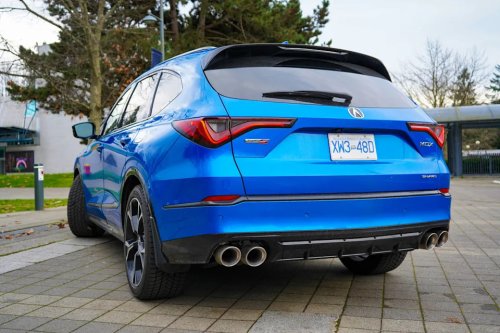
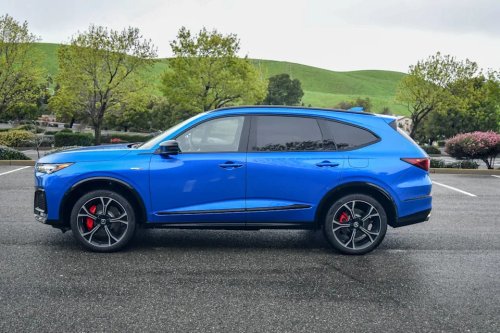
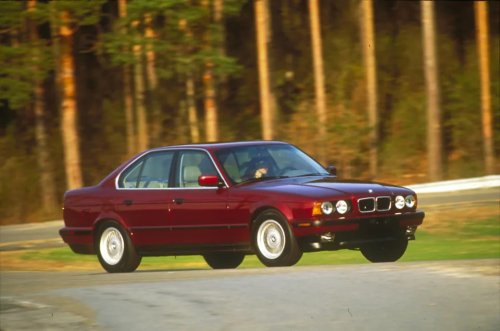
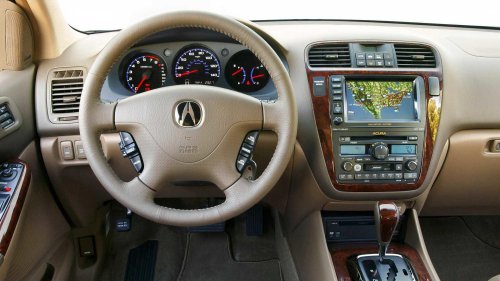
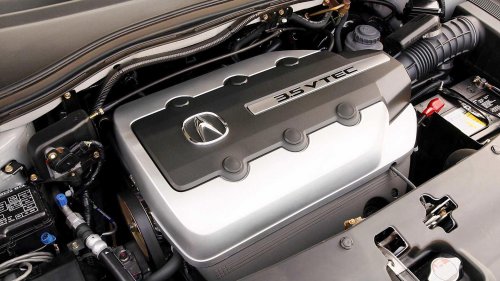
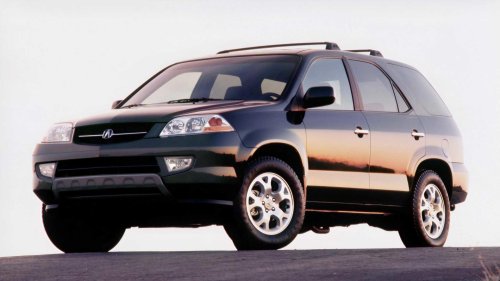
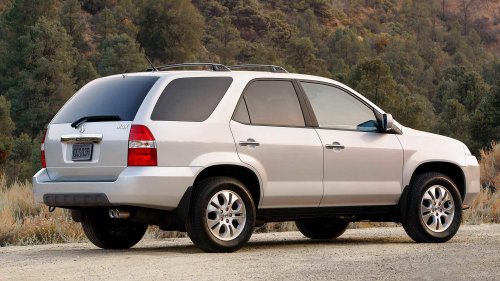
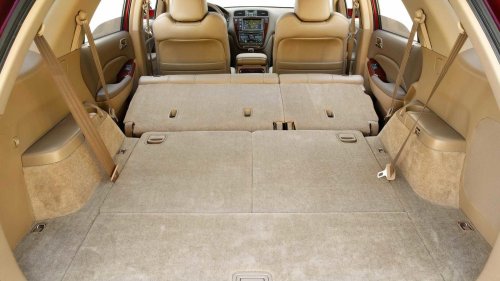
Sleek luxury SUVs with a sporty edge are basically everywhere on today’s automotive landscape, but things were different back in the early 2000s. German brands like Mercedes and BMW were yet to refine the whole recipe, and SUVs were generally tailored for off-roading capability as opposed to road-going performance. Their aesthetics matched that purpose rather well; boxier, much tougher and more truck-like than what we see on the market nowadays. Crossovers were still in their infancy when the 21st century rolled around, so even the idea of a utility vehicle with unibody construction instead of the traditional body-on-frame design was relatively new. When SUVs Were No Longer About Off-Roading Honda NewsroomBut even though the SUV segment emphasized the whole off-road thing back then, the fact of the matter was that most buyers rarely used their rides for this intended purpose. Japanese automakers were the first to understand this, with models such as the Toyota RAV4, Honda CR-V and Subaru Forester establishing the crossover genre in the nineties. The Germans took it further a bit later on, leaning heavily into the "sport" part of sport utility vehicles with the BMW X5, Porsche Cayenne, and Mercedes-Benz GL-Class, among many others. However, one particular marque from Japan had already embraced the formula before it was polished by these aforementioned nameplates. Honda Jumps On The Luxury Crossover Bandwagon Honda NewsroomAs the SUV craze was really taking off during the 1990s, Honda’s North American luxury division Acura was in dire need of a competitive model for the segment. The SLX available at the time (essentially a rebadged Isuzu Trooper) was more of a traditional, body-on-frame utility vehicle, so the brand needed a road-focused unibody crossover with X5 sportiness and Lexus RX luxury to compete. This resulted in a lavish family hauler with three-row seating, plenty of cargo space and a wagon-like design far from common at the time. Besides that, the model had just enough power to feel sporty, while also providing a spacious and premium interior with a seven-passenger capacity. Premium, Practical And Sporty — The Acura MDX Takes Its Segment By Storm Honda NewsroomThe first-gen Acura MDX debuted as a 2001 model, and it made one hell of a splash on a market transitioning to car-like SUVs. Penned at American Honda Motor’s design center in Torrance, California and assembled up in Ontario, Canada, it was aimed primarily at U.S. buyers as the industry’s first three-row luxury SUV built on a unibody platform. During development, Honda prioritized comfort, practicality, and smooth driving dynamics over off-roading ability, which was clearly the right call in hindsight given how popular the MDX (and crossovers as a whole) became. It did very well commercially from the moment it was launched and is still in production today, hailed as America’s best-selling three-row luxury SUV. How Unibody Construction and Honda Engineering Created a New SUV Category Honda NewsroomThe model’s handling was notably responsive and composed, thanks in no small part to its unibody construction. Steering felt light, body roll was minimal, and large windows ensured excellent visibility all around, while the middle and rear seats could be folded flat in case you needed extra cargo space out back. We’re talking 82 cubic feet with all of them lowered and a generous 14.8 cubic feet when they’re upright, so storage room was unlikely to ever be an issue for MDX buyers. Premium materials were used throughout the cabin to make it feel exquisite but not too flashy, and the same level of understated brilliance extended to the exterior design.It was rounded, smooth and easy on the eye, without looking as aggressive as a Mercedes-Benz M-Class or BMW’s X5. Low-key elegance was the name of the game for Acura's full-size crossover, so it aged rather well cosmetically compared to bulkier, truck-like SUVs. The MDX’s styling was an accurate reflection of its intended purpose, complementing its practical daily driver nature which placed usability above off-road competence. Paired with that fabled Honda reliability, it was a recipe for success the public simply couldn’t ignore. Let us now take a look under the hood and talk about the powertrain.The MDX came with Honda’s solid J-series 3.5-liter V6 engine and waskitted with VTEC technology. It had 240 horsepower and 245 pound-feet of torque at its disposal, all managed by a five-speed automatic transmission. The engine gained more power for the 2003 model year, at first with 260 ponies and 265 later on. Power is sent to Honda's VTM-4 all-wheel-drive configuration, which operates primarily as front-wheel drive for fuel efficiency but can send up to 70% of the engine's force to the rear wheels when needed. Just about everything on the MDX was built to last, so the vehicle could easily stack up 300,000 miles or more with proper maintenance as reported by several owners. Stronger Credentials At A Lower Price Honda NewsroomPricing was very attractive, too, with Acura’s premium SUV costing less than its rivals while offering two extra seats and, in many cases, more power. Whereas an X5 3.0i would cost you north of $40k and the Mercedes ML320 had an MSRP of around $36,000, the MDX was conveniently priced at just under $35,000. The Bimmer and the Merc had 225 and 215 horsepower, respectively, compared to the Acura’s 240 ponies. Even the top-tier Touring package had a fairly reasonable price of around $38,000, offering an eight-speaker Bose audio system, built-in navigation and additional luxury trim inside. The MDX’s Commercial Success Extends To The Present Day Honda NewsroomBut the base MDX already had a ton of great equipment, including a moonroof, heated front seats and leather upholstery. The first generation was produced up until the model-year 2006, but sales remained strong thereafter over the three subsequent generations. And by 2020, Acura had sold around one million copies of the MDX, making it a resounding success in its segment and one of the most influential crossover SUVs ever produced. Essentially, this was a case of Honda playing chess while others played checkers back in the early 2000s, as it predicted where the market was heading and wasted no time capitalizing on changing customer demands.With its premium features, practical three-row seating and sporty character, the MDX was a killer combo unlike anything else on offer 25 years ago. It demonstrated that SUVs could have great road manners, serve as better family haulers than minivans, and provide just about as much luxury as prestigious German brands at a lower price. The fact that sales figures are still solid today is a clear indication of Honda getting it just right, so much so that the core MDX formula remained largely unaltered over time. It’s been refined and taken to greater heights, of course, but the main principles work as well today as they did more than two decades ago.




















 +59 others