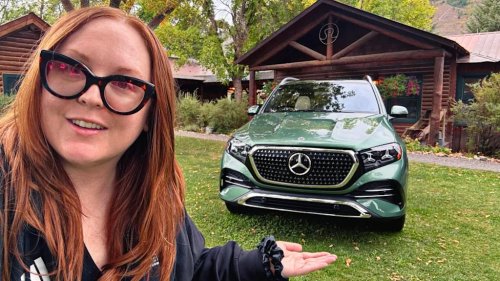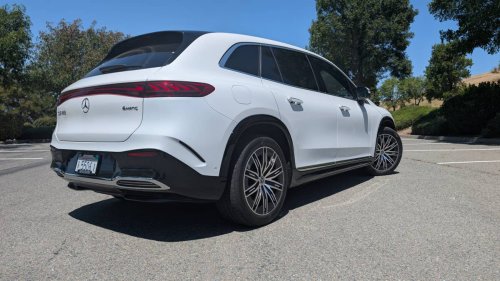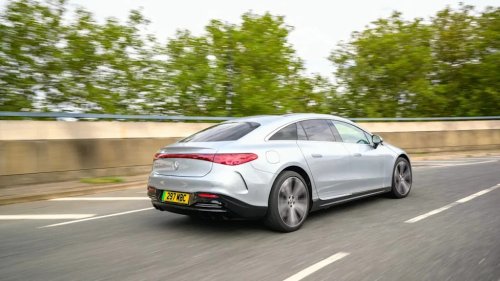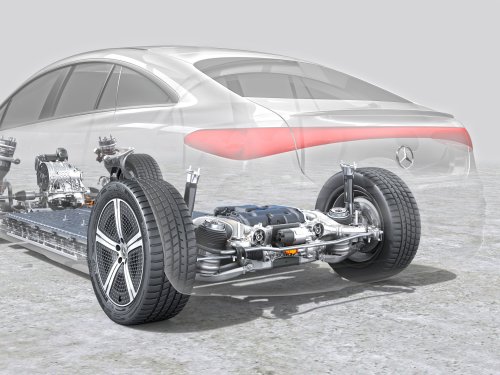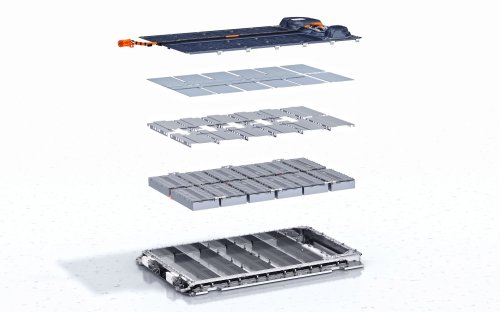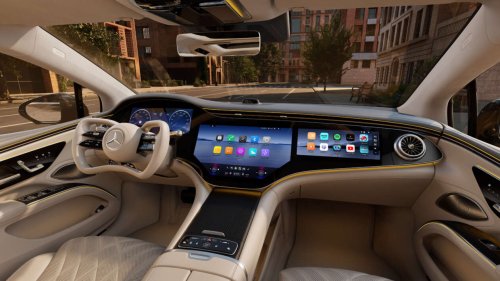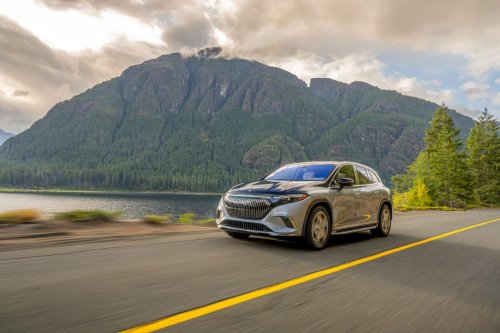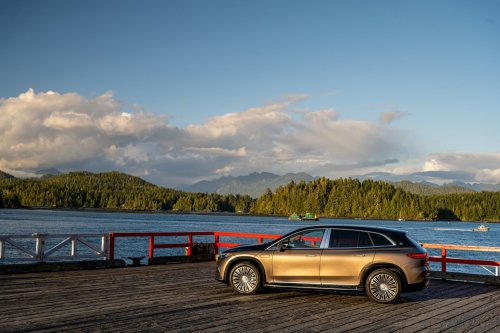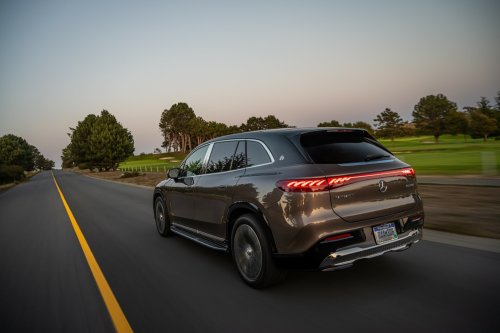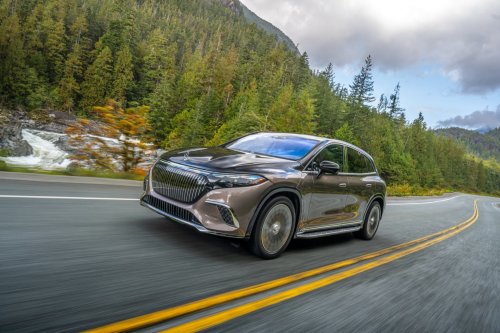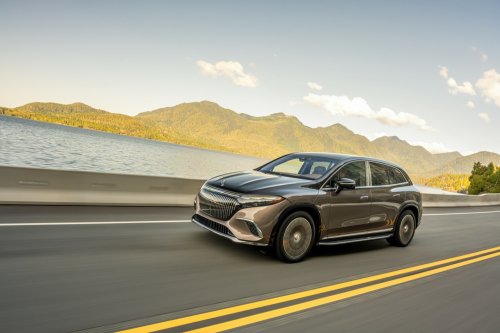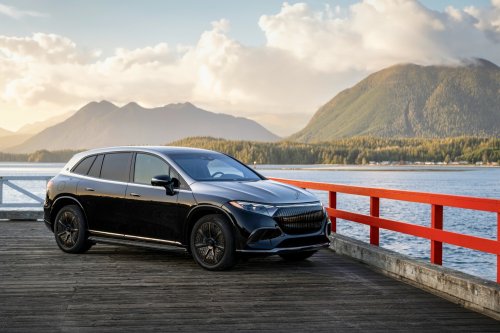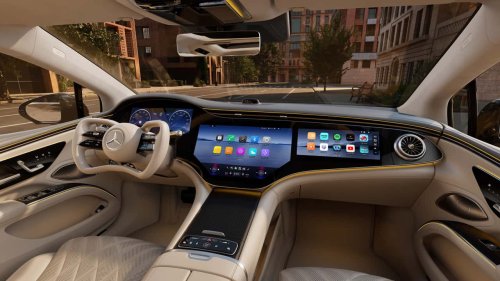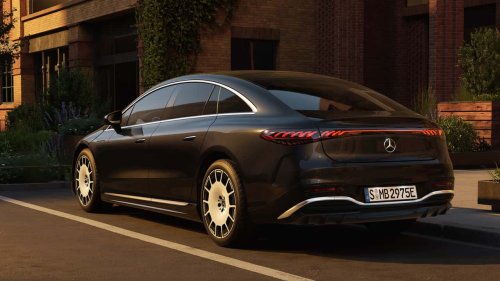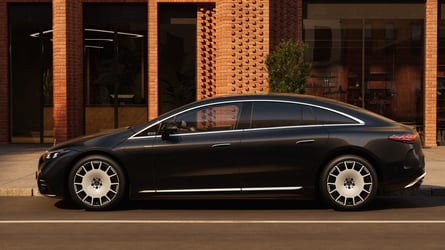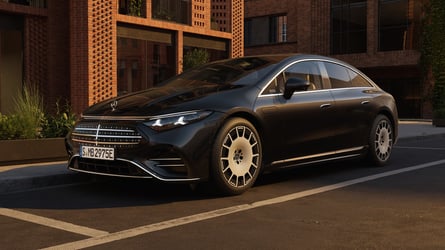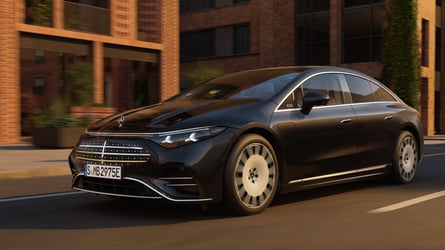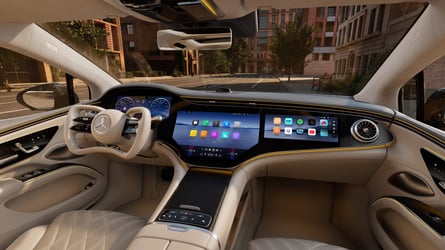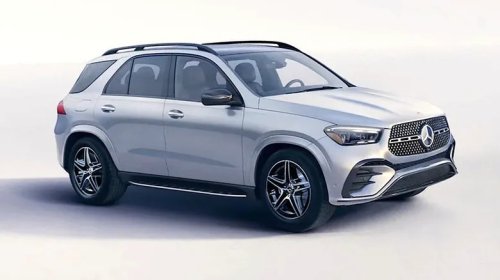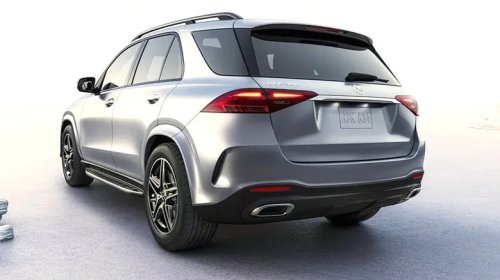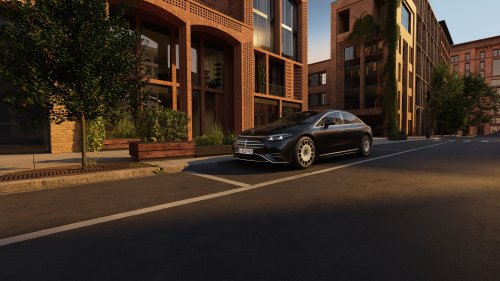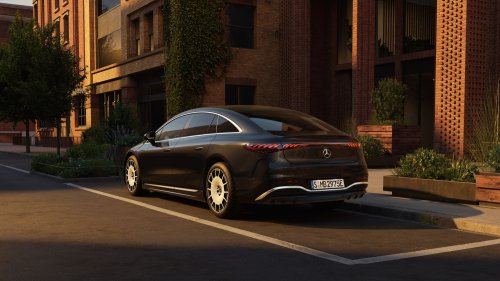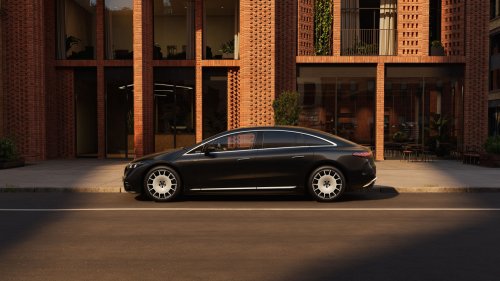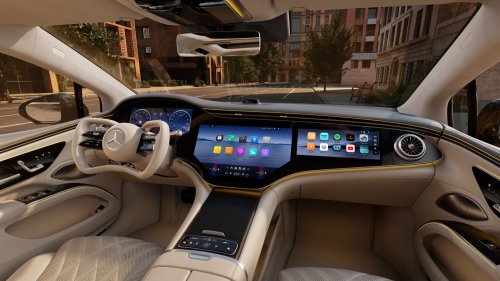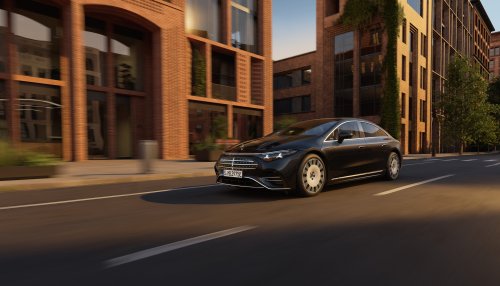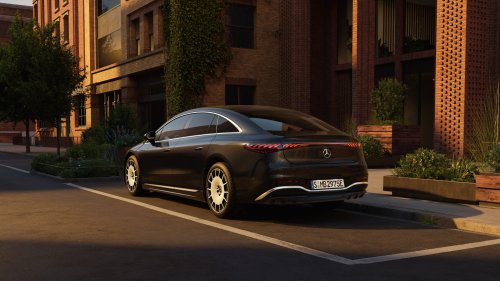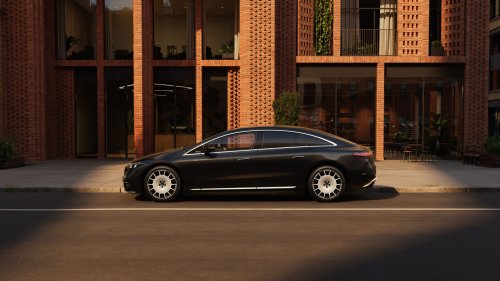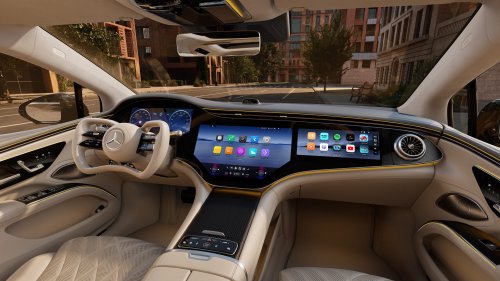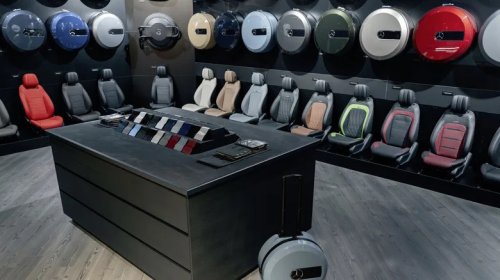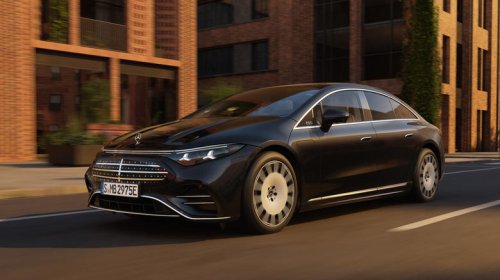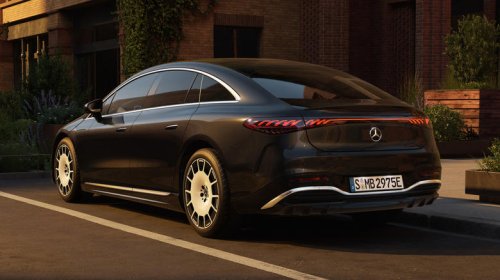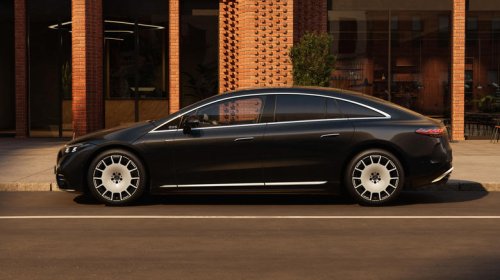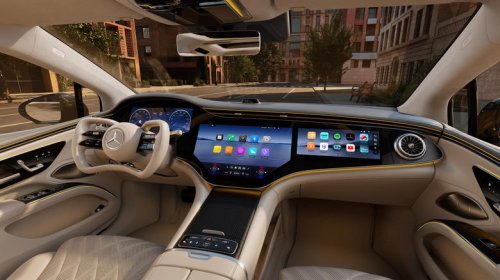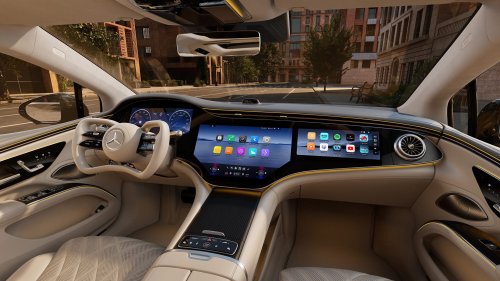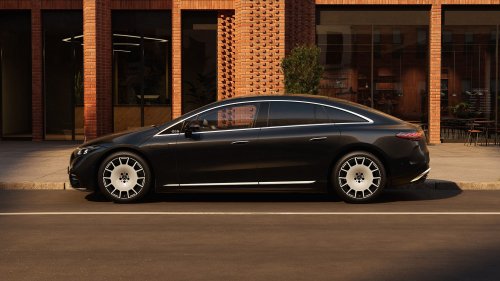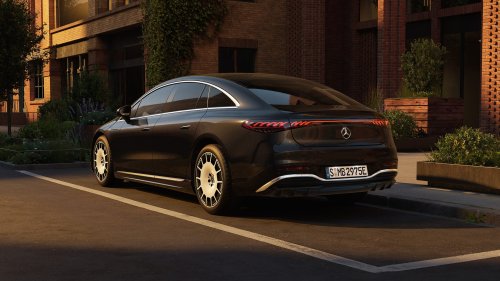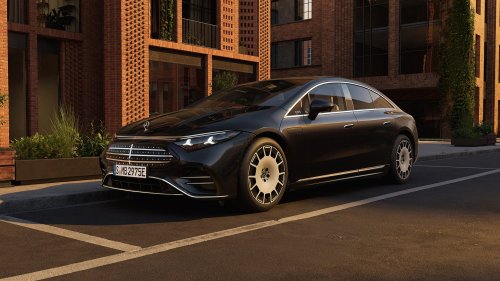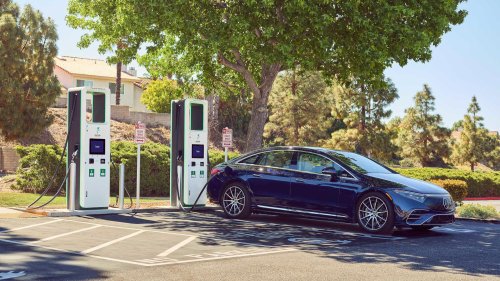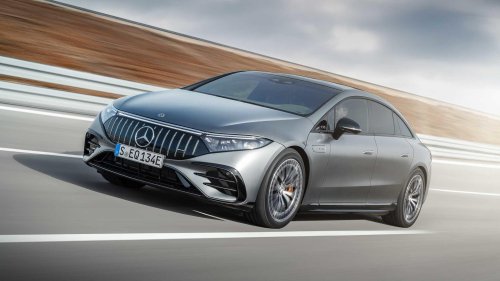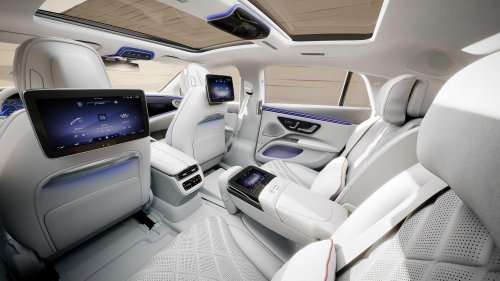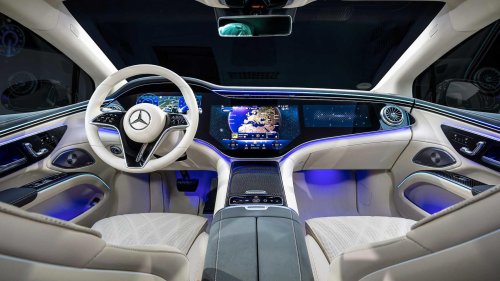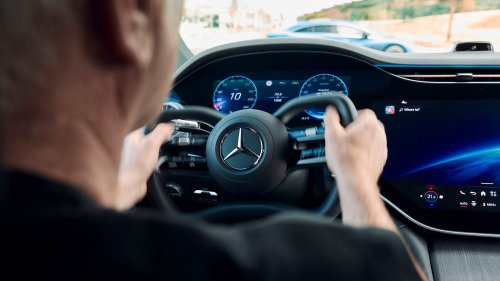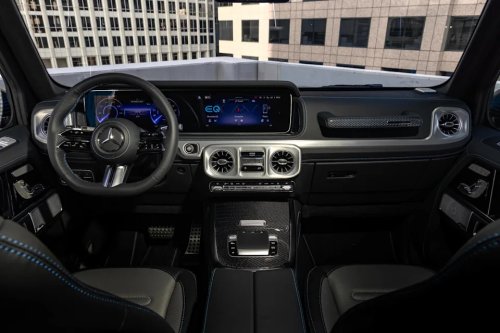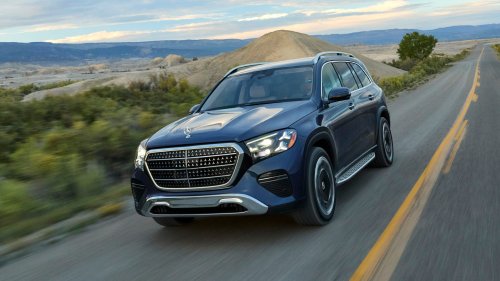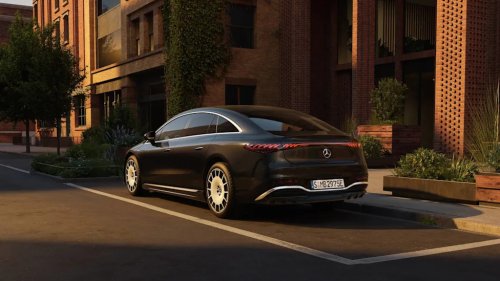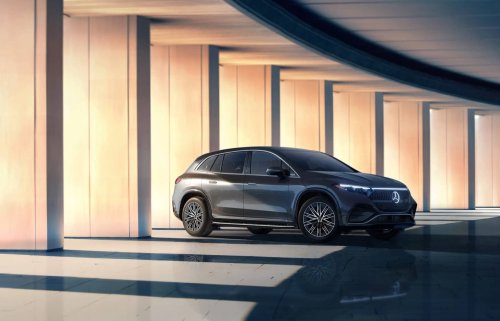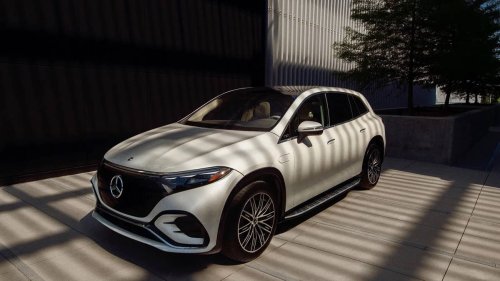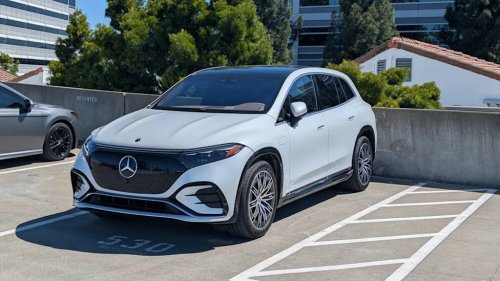
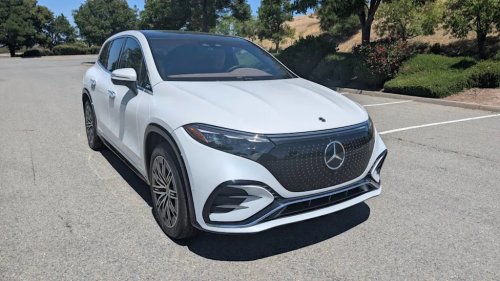
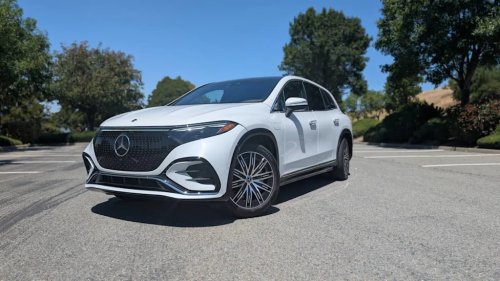
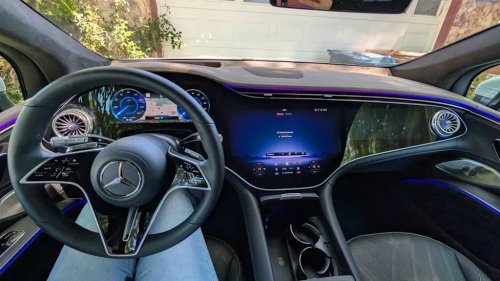
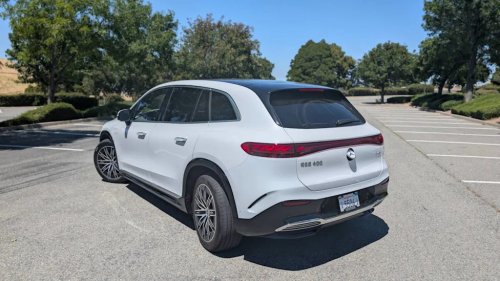
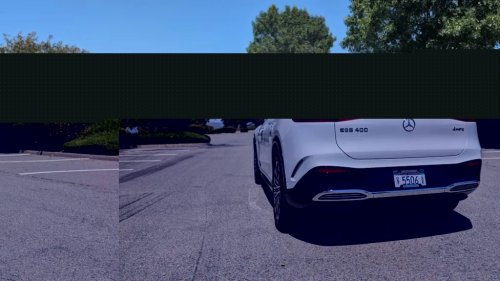
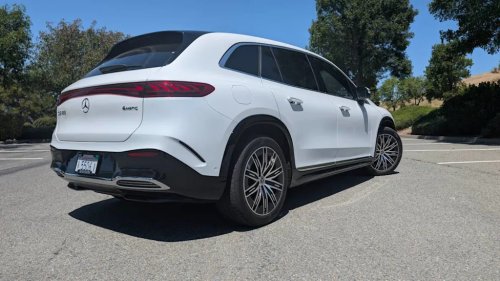



















Autoblog and Yahoo may earn commission from links in this article.For years, early adopters of flagship electric vehicles have been saddled with an unwritten "EV novelty tax"—paying a massive premium for high-end battery platforms that often arrived with sub-par luxury finishes or stripped-down feature lists unless you checked every options box. Mercedes-Benz executed a massive corporate reality check for the 2026 model year, completely restructuring the EQS SUV lineup to align its price tag with genuine S-Class luxury. By slashing the entry-level MSRP by roughly $12,500 to $15,000 down to a starting $89,950, eliminating rear-wheel drive to make 4MATIC all-wheel drive standard, and throwing in the mesmerizing 56-inch MBUX Hyperscreen at no extra charge, Mercedes stopped charging extra just for the privilege of driving an electric flagship. Kristen BrownThe result of this pricing reset is a six-figure luxury EV that finally feels entirely worth the money. My recent tester, a 2026 EQS 400 4MATIC SUV, crossed the six-figure threshold with a total retail price of $105,330. However, because the crucial electric architecture, dual-motor powertrain, and cutting-edge screen tech were already baked into the lowered base price, that extra $15,000 in options actually went toward true, uncompromising personalization. Instead of nickel-and-diming for basic EV features, the window sticker on this tester represents a beautifully tailored sanctuary, loaded with ultra-premium MANUFAKTUR Moonlight White paint, supple Sable Brown Nappa leather, enhanced 10-degree rear axle steering, and an Acoustic Comfort Package that delivers a whispering, vault-like ride. But does all of that make it a good SUV? Here's what I think.AdvertisementAdvertisementRelated: Road Ethos Launches: The New Automotive Lifestyle Site You Should ReadWhat do you get with that $105k price?The options on my tester included $14,130 in optional packages and visual add-ons, and a non-negotiable $1,250 destination and delivery fee. Here are the packages that came on the EQS 400 I tested, and how they added to the overall experience:16 10-Degree Rear Axle Steering ($1,300): This doubles the standard 5-degree rear steering angle. For a large, heavy luxury SUV, this option completely transforms low-speed agility in tight parking lots and high-speed stability on the highway. It made it insanely easy to drive and maneuver when my family and I took it to San Francisco for a day at the aquarium.444 Head-Up Display ($1,100): Crucial for keeping a driver's eyes forward, projecting augmented reality navigation instructions cleanly onto the windshield. I didn't use this feature much, as it's not super visible with my polarized glasses, but at night, it was a game-changer. PAF Acoustic Comfort Package ($1,010): Laminated safety glass with acoustic/radiant heat membranes. In an EV that already lacks engine noise, this package is highly recommended to prevent wind and tire roar from translating into the cabin. On the Bay's bumpy, embarrassing roads, this was a very welcome feature. In my opinion, it's definitely worth the price.DY1 Exclusive Trim ($3,000): Elevates the interior luxury components and material finishes. This also unlocks a fun multicontour front seat feature, which allows me to adjust the bolstering if I want to, too. I don't like flopping around when I drive, so I really enjoyed being able to adjust that. The setting can be programmed to the seat memory, too.DG1 AMG Line Exterior Package ($3,000): Adds a more aggressive front apron, side sills, and a sportier stance. Not necessary, but it sure did improve the curb appeal. Less eggy, more sexy.61U Microfiber Black Headliner ($1,600): Swaps the standard roof lining for premium microfiber fabric. This also isn't incredibly necessary since I don't know anyone who points out headliner material. But hey, it would boost resale value.885 MANUFAKTUR Moonlight White Metallic Paint ($1,750): Premium multi-stage metallic exterior finish. A bit pricey for a fairly boring color, but high fashion often comes with high prices, so whether it's worth it depends entirely on the buyer.811 Black/Sable Brown Nappa Leather ($1,370): Upgrades the seating surfaces to ultra-premium, supple Nappa leather. To me, this was non-negotiable. Not only was it gorgeous, but they were also incredibly comfortable. And of course, it added a lot to the Mercedes-Benz experience.Kristen BrownDo you need all of these add-ons to enjoy the luxuries of a Mercedes-Benz EQS 400? No. The base model is perfectly luxurious and well-equipped. But if you want the ultimate experience, you can choose a few of these. Or if you're a real baller, you can have a fully-loaded Mercedes-Benz for less than a fully-loaded Tesla Model X.The interior and driving dynamics help justify the cost—but you can have more if you want itTesla and Rivian aren't the only EV companies that charge extra if you want to unlock more horsepower with a software update. When I was browsing through the Mercedes-Benz online store on the massive 56-inch tri-screen setup (more on that later), I saw an option to unlock 80 additional horsepower. This upgrade would bring the horsepower from 355 to 435, and it would supposedly bring the zero-to-sixty up by a full second (so, 4.4 seconds instead of 5.4 seconds). But it comes at a cost. You can either pay $90 per month, $900 per year, or a one-time fee of $2,950. However you pay, the extra 80 horsepower is then unlocked with an OTA update. Pretty cool, but that much money for just 80 horsepower seems a bit steep to me. Kristen BrownFor me, the 355 horsepower felt like the perfect amount for daily driver. There was plenty of power for passing, commuting, and driving through town. It never felt sluggish or underpowered to me, regardless of whether or not I was on the highway. The comfort drive mode, thanks to adaptive and electronic dampers, felt a bit squishy at all speeds. But the EQS 400 tightened up very nicely in sport mode—and since it's incredibly easy to switch drive modes, I regularly went back and forth between the two depending on how I was driving at any given time. Kristen BrownAnd that's largely thanks to the three-screen setup. I'm a bit of a stickler with interiors, and I'm not a fan of screen-dominant interiors that lack physical buttons. The Mercedes-Benz had not one, not two, but three large screens—the smallest being 17.7 inches and the other two being 12.3 inches—that are very easy to use and interpret. I was never confused by the operating system or layout. All the menus were very easy to find and make adjustments in, and if I couldn't do it, then my husband could make adjustments on his own screen from the passenger's seat. Common driver functions were easy to find on the large, curved screen, so the tech-forward interior would be very easy for anyone to get acquainted with. I very much enjoyed it, and it certainly helped make the EQS 400 feel a lot more expensive than it is.AdvertisementAdvertisementRelated: Mercedes-Benz Releases Surprisingly Aggressive 2026 EQS May Lease DealsIt comes with a reasonable and livable range, even at the base modelFor $89,950, you get 312 miles of range, all-wheel drive, four-wheel steering, a large and durable battery, all three screens, a full-safety suite, and you still have access to that 80 horsepower update. In the San Francisco Bay Area, 312 miles was more than enough. I was able to do all of my grocery runs, take my daughters to all of their play dates, and even do a few day trips without an ounce of range anxiety. Plus, if you do the math, a gas car with 355 horsepower and over 600 lb-ft of torque is not likely to have a range of over 300 miles, making the EQS 400 very practical and efficient for a region that practically lives in traffic. No wonder I see so many out here.Kristen BrownIt doesn't charge the quickest, with a maximum charging speed of 200 kWh (other EVs can get up to 350 kWh), but it's designed to withstand higher charging rates for longer without causing any damage to the battery. With Mercedes-Benz's native navigational software, it will also help you find compatible chargers that are within your car's range, depending on a variety of factors like speed, incline or decline, or ambient temperature, and it can start preconditioning the battery before you even get to a quick charger. Pretty neat. Mercedes-Benz gets it: if you make it easy to charge and live with, people are more likely to convert.It gives the Volvo EX90, BMW iX, Tesla Model X, and Rivian R1S a run for their moneyWhen you line it up against the other premium heavyweights in the $80,000 to $105,000 bracket, the 2026 EQS 400 4MATIC SUV successfully pivots from being an overpriced tech experiment to a genuinely smart luxury buy. Take its most obvious rivals: the BMW iX, the Rivian R1S, the Volvo EX90, and the Tesla Model X. While the BMW iX is an absolute blast to drive dynamically, it's strictly a five-passenger vehicle with a polarizing exterior and a digitized cabin that can feel a bit clinical. With the Mercedes-Benz, you have an option for a third row. The Rivian R1S is a rugged, off-road beast, but its truck-based roots mean you suffer through a notably firm, stiff ride on daily commutes. And while the interior is easy on the eyes and the software is excellent, it doesn't have the exterior drip that the Mercedes-Benz does. The Volvo EX90 brings brilliant Swedish safety and minimalism to the table, but it can't match the pure executive opulence or the whisper-quiet cabin insulation that Mercedes has spent a century mastering. Plus, Volvo's operating system doesn't even compare to what Mercedes-Benz has cooked up.Even when stacked against the elder statesman of the segment, the Tesla Model X—which starts significantly higher at $99,990 but has seen massive $15,000 inventory price spikes as its production run winds down—the Model X's aging cabin design, frustrating lack of Apple CarPlay, and finicky falcon-wing doors look increasingly dated next to the rock-solid build quality of a legacy German brand.AdvertisementAdvertisementThanks to the massive 2026 price correction, the EQS SUV might actually be the best value play in the entire segment. By dropping the base price down to $89,950 and baking in standard 4MATIC all-wheel drive, the standard 56-inch MBUX Hyperscreen, a standard NACS Tesla-style adapter, and upgraded heated second-row seating, Mercedes stopped making you pay an EV novelty tax. In past years, building a vehicle to match the $105,330 sticker of my tester meant you were paying through the nose just to get basic electric capability. Kristen BrownNow, that six-figure price tag is working for you exactly the way it does on a traditional gas-powered S-Class. The core EV tech is already included, meaning your extra money goes directly toward legitimate, high-margin luxury upgrades like multi-stage MANUFAKTUR paint, gorgeous Nappa leather, active side bolsters, and acoustic glass. It transforms the car from an expensive compromise into a completely tailored, over-engineered sanctuary that finally feels like it's worth every single penny. Though even at the base price, it doesn't feel like a compromise.Related: Can The 2026 Rivian R1S Quad Motor Work for Families? Here's How it Worked (And Didn't) For MineFinal thoughtsIs the base model price of $89,950 worth it? Absolutely, especially since it isn't difficult to get a full-sized EV SUV up to that price. Even EVs from Kia or Hyundai are pushing $80k at the top of the line. But the EQS 400 feels worthy of the price tag. Is it worth the $105k worth the splurge? For someone like me, not necessarily. The updates I'd pay for would be the acoustic glass, leather seats, and the updated sound system. Everything else, in my opinion, doesn't really add to the overall experience. It does, however, add more curb appeal, it increases the resale value, and it makes you feel better about your exuberant purchase.AdvertisementAdvertisementThis story was originally published by Autoblog on Jun 6, 2026, where it first appeared in the Reviews section. Add Autoblog as a Preferred Source by clicking here.