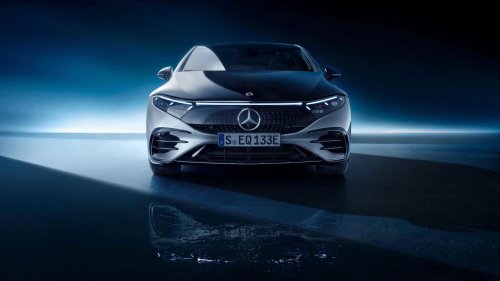
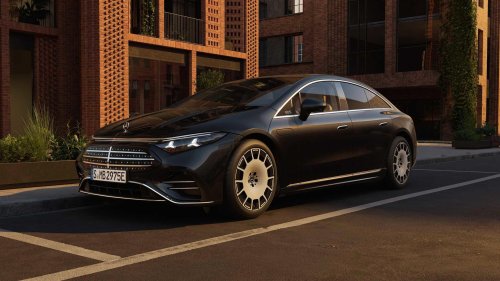
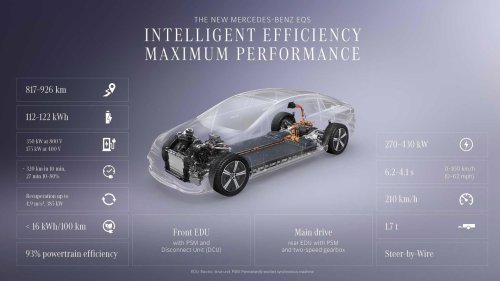
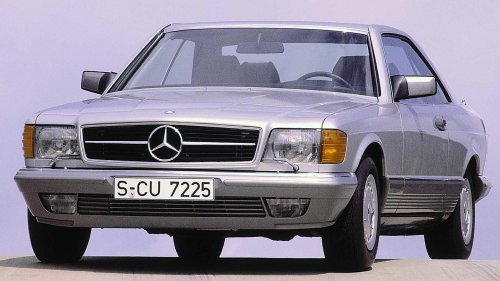
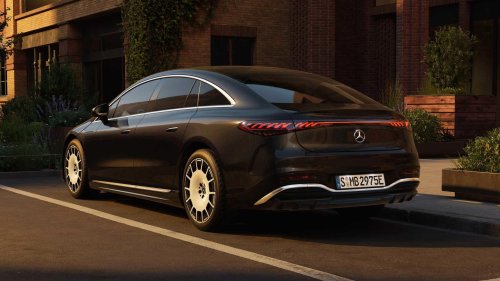
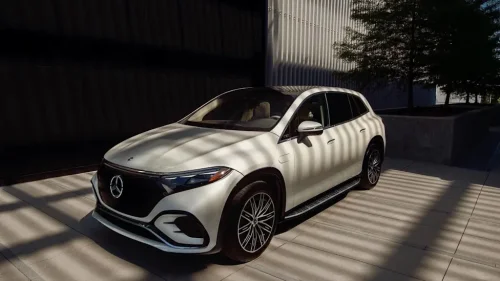
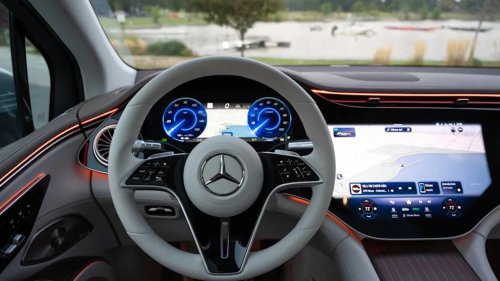
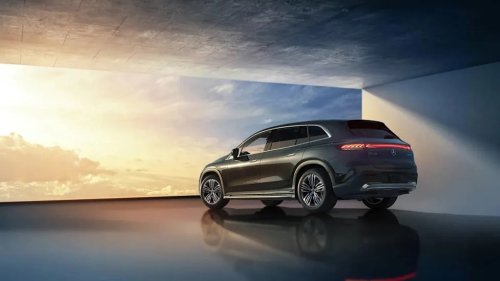
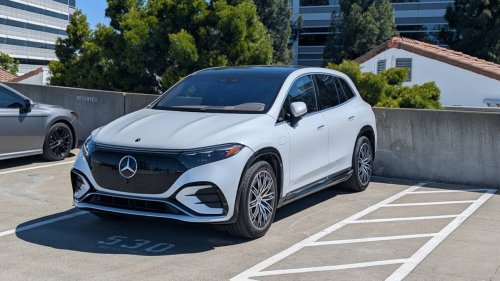
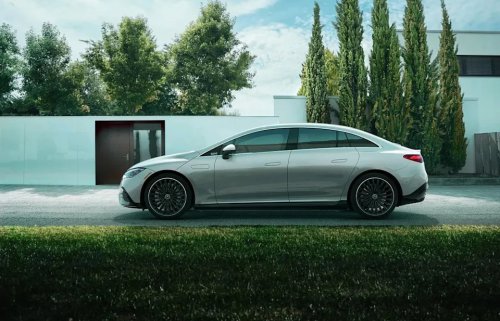
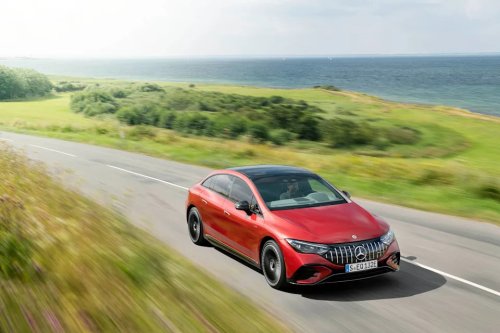
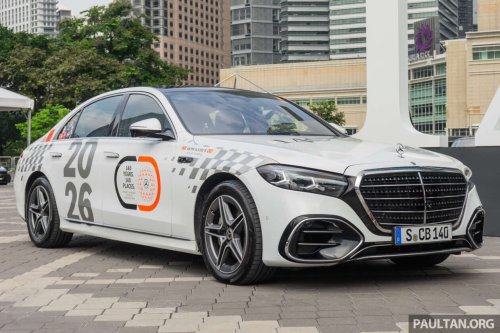
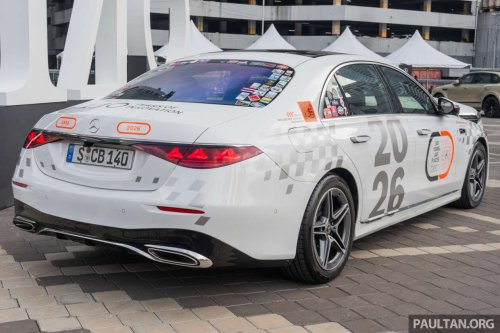
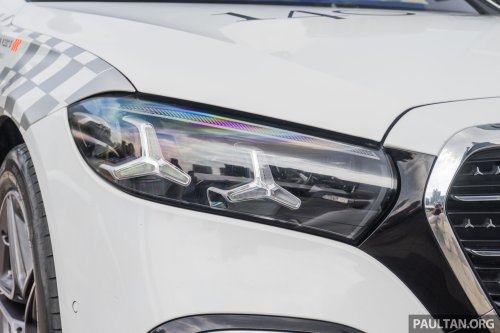
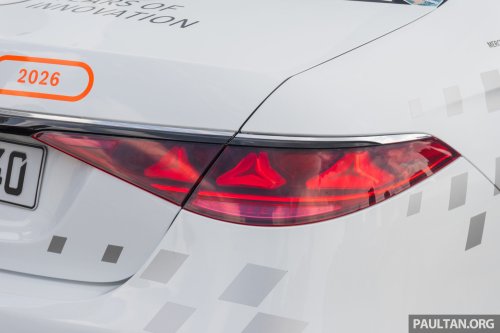
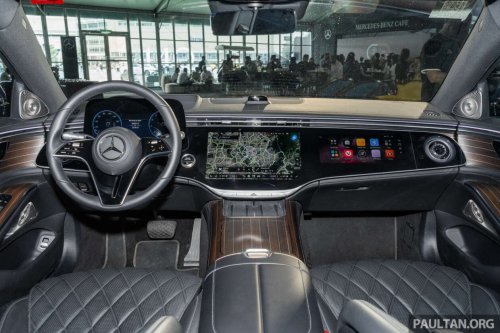
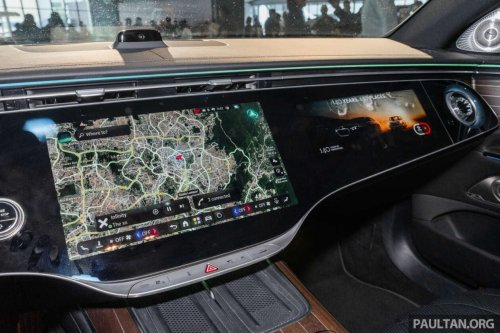
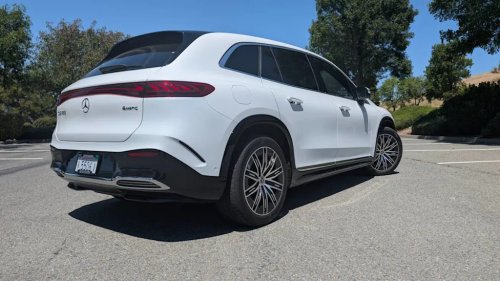
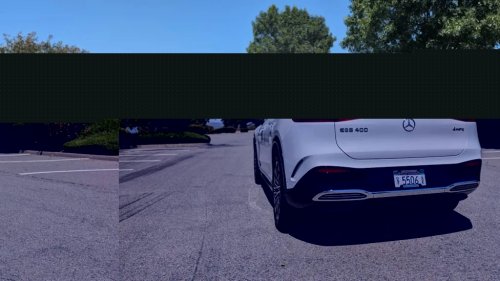
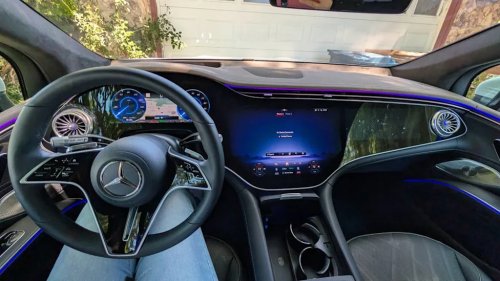
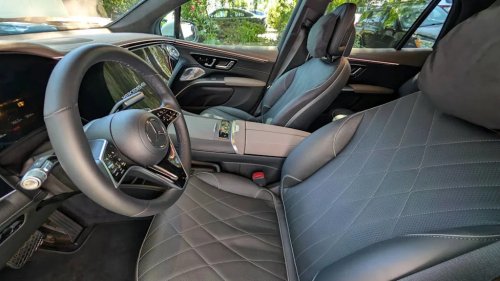
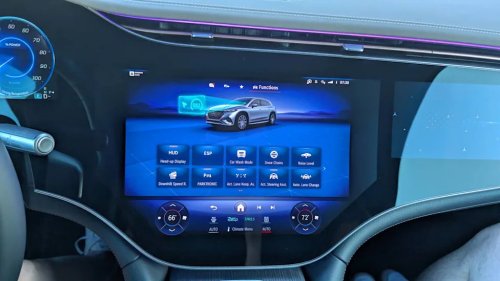
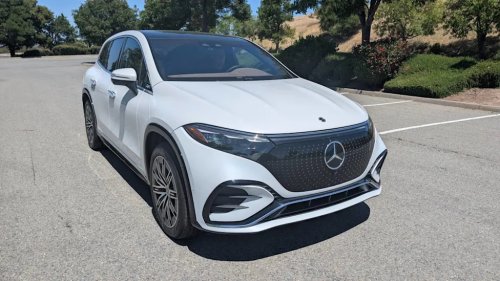
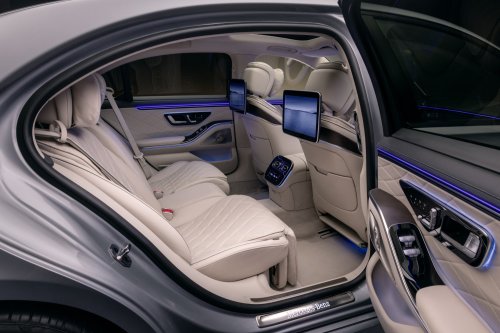
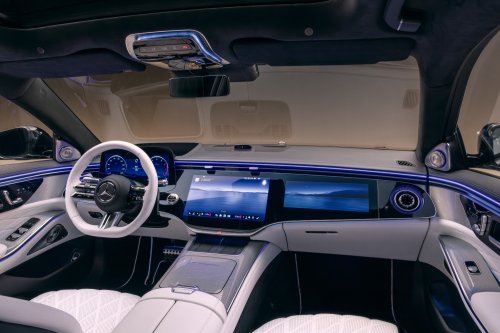
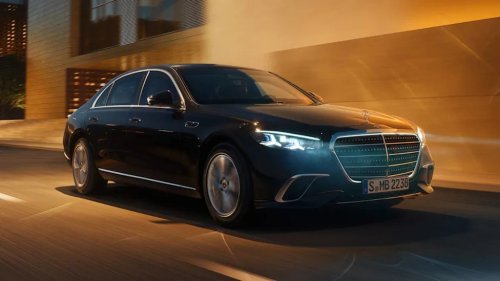
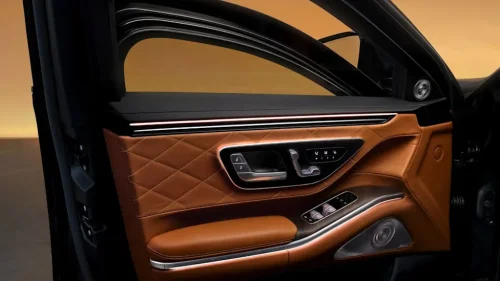
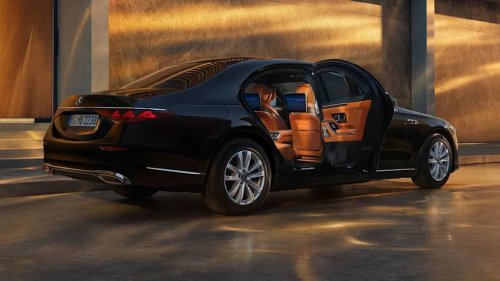
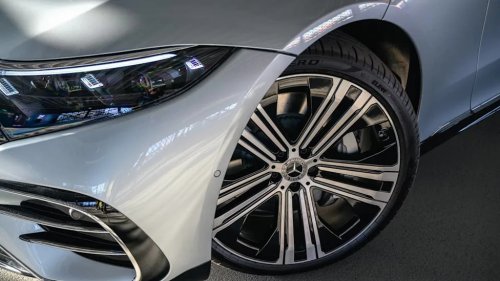
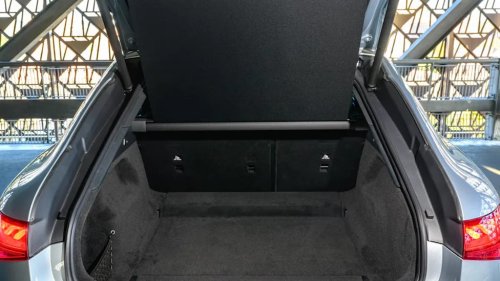
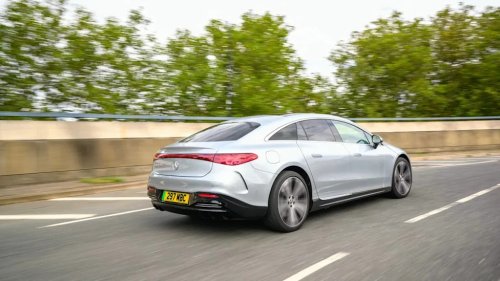
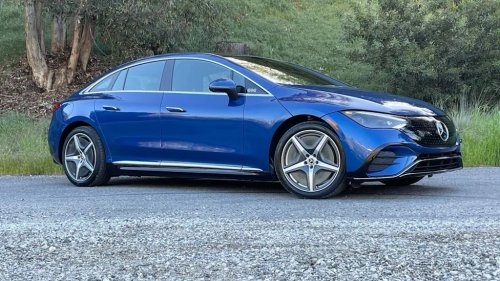
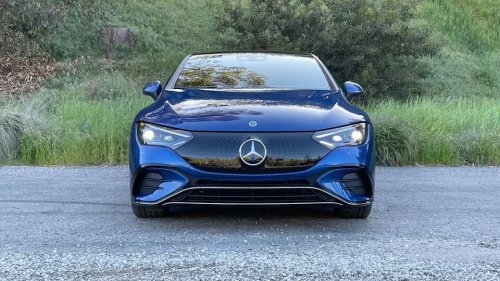
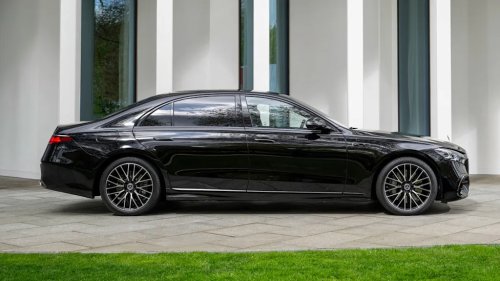
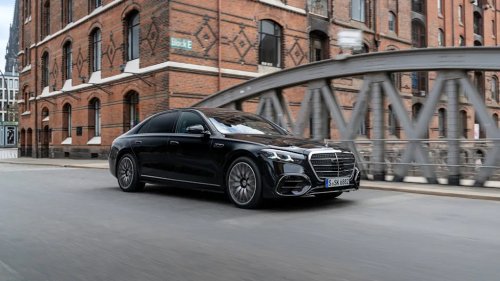
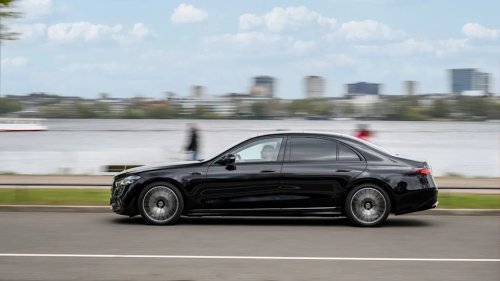
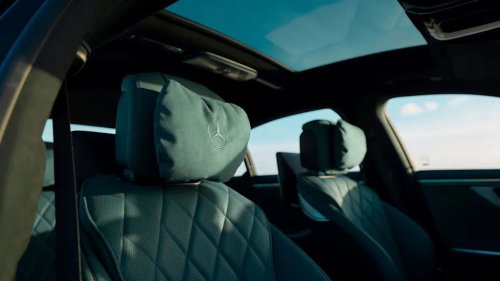
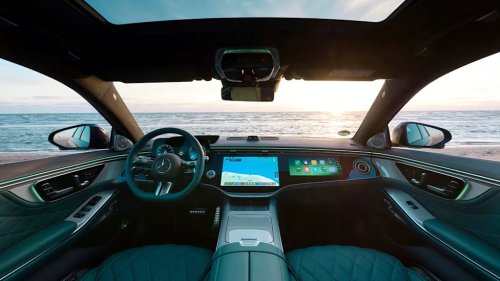
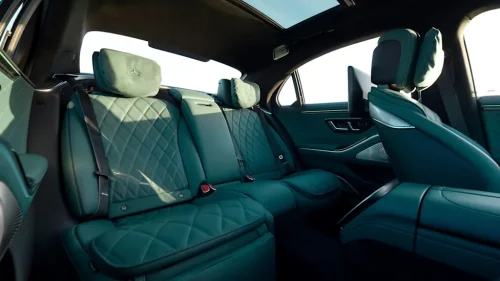
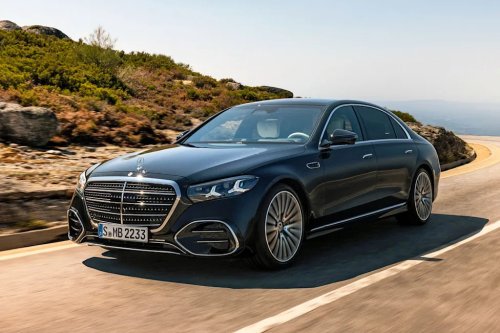
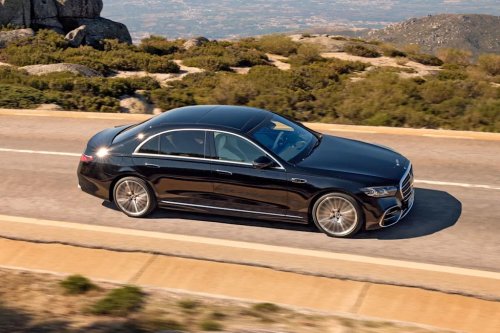
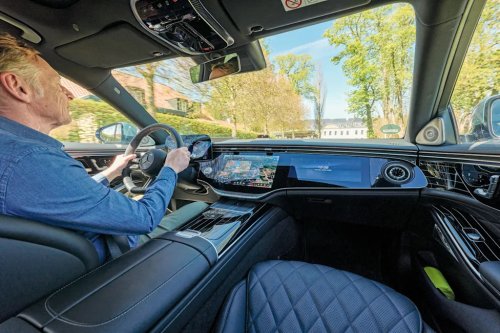
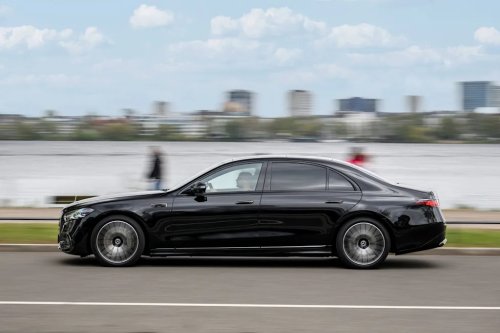
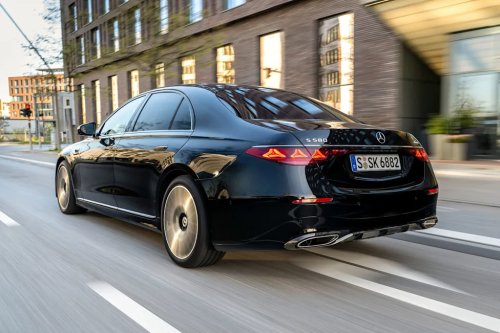
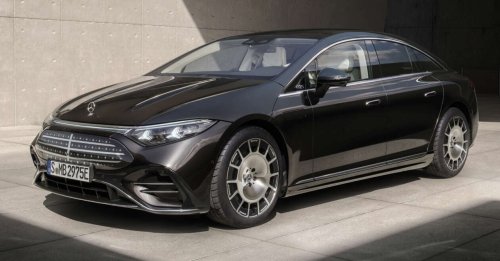
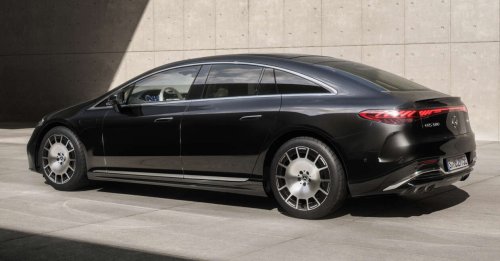
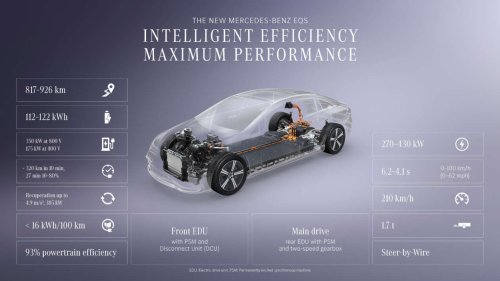
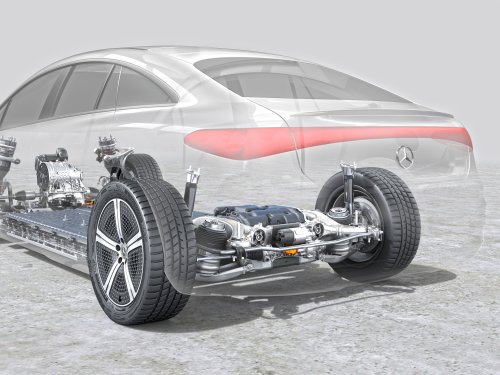
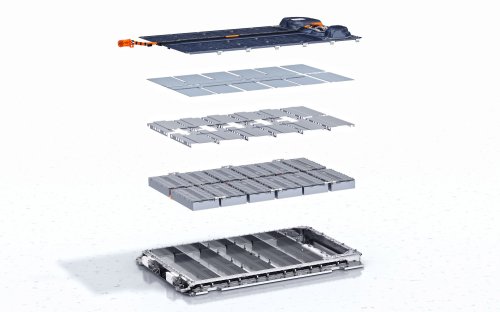
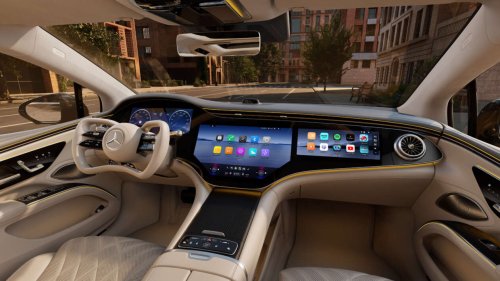
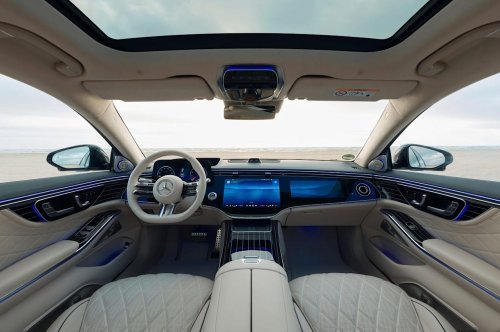
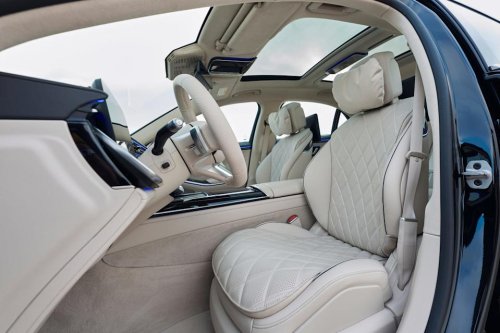
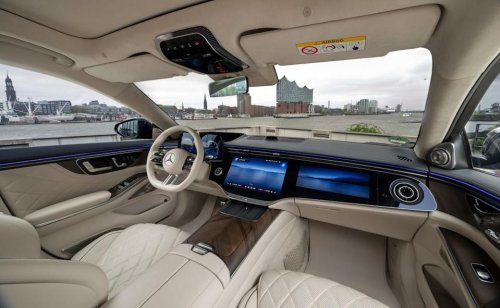
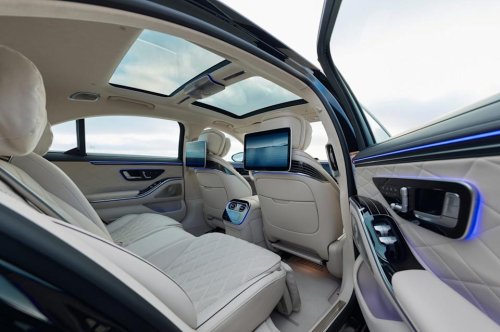
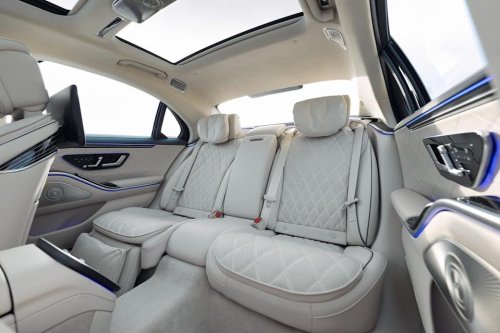
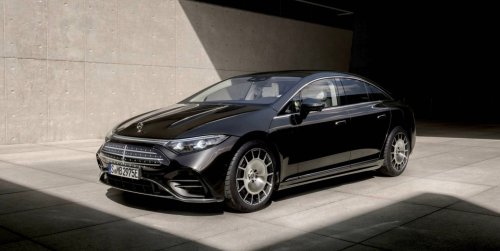
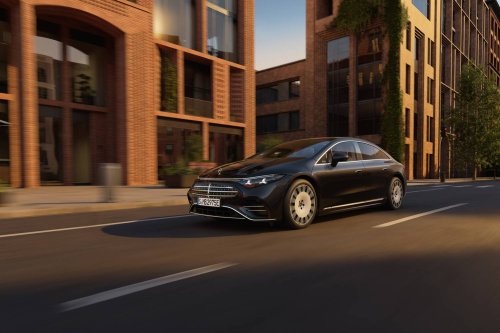
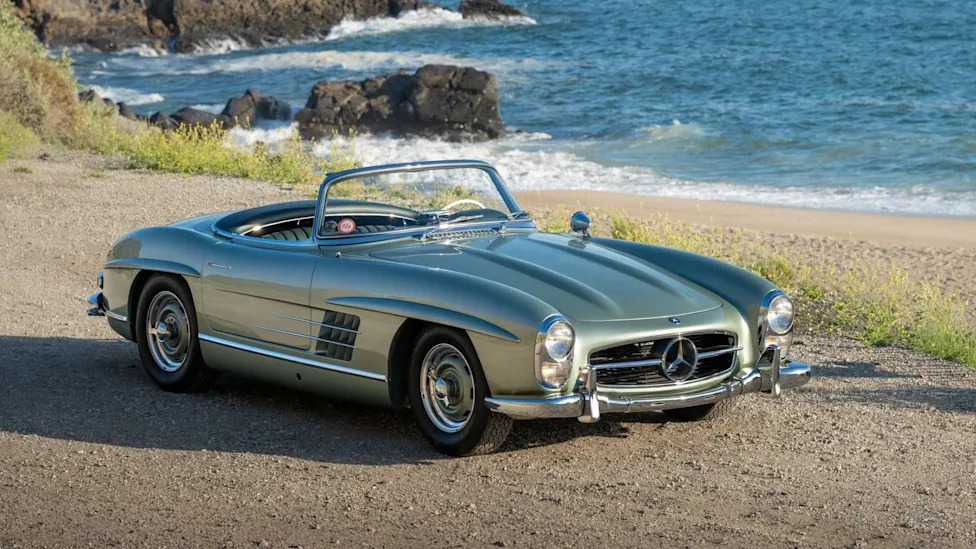
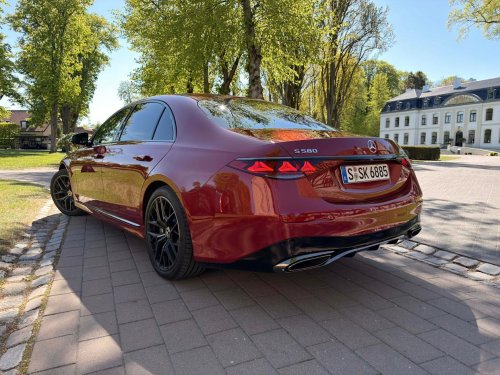
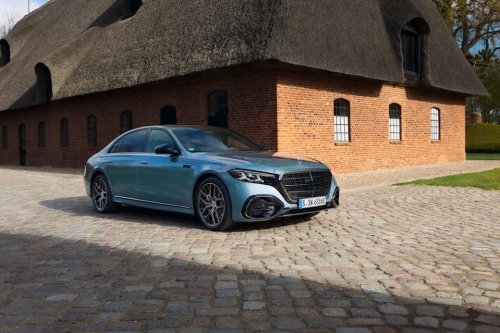
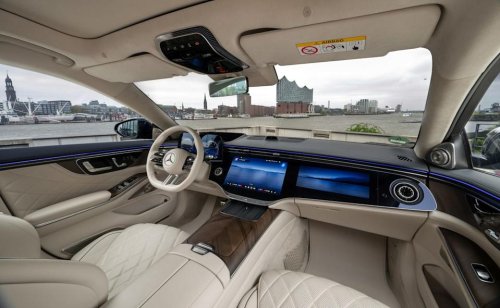
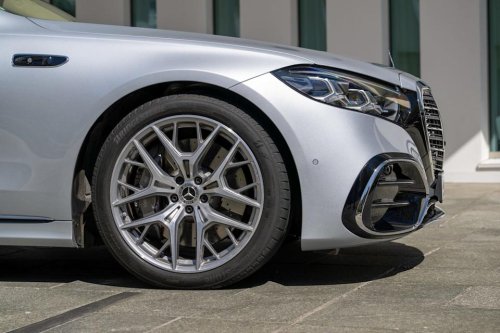
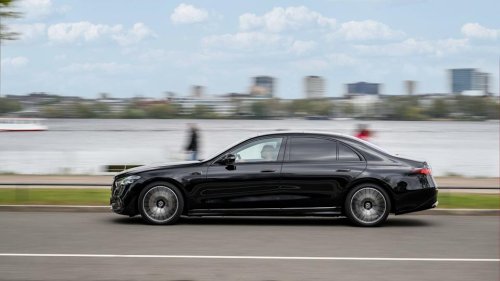
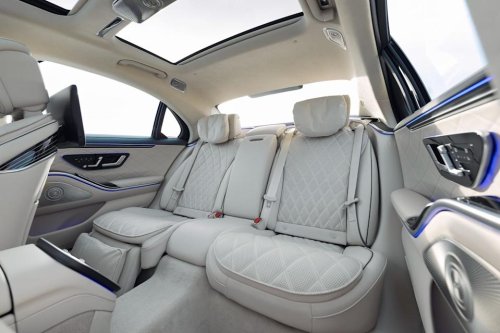
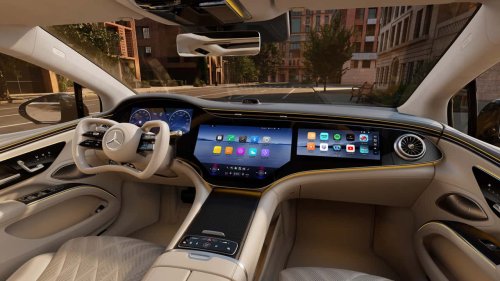
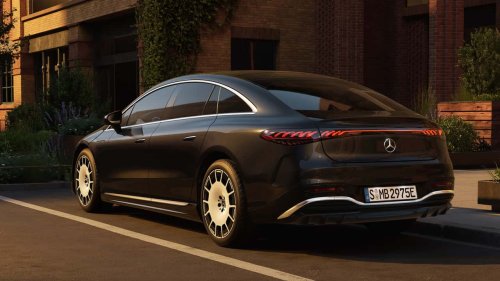
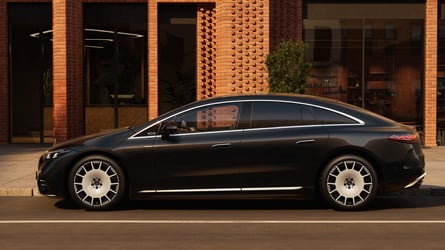
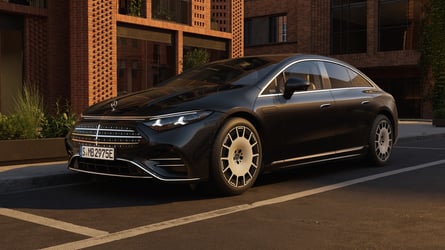
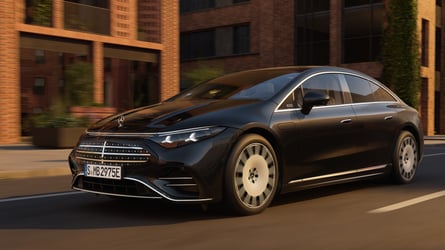
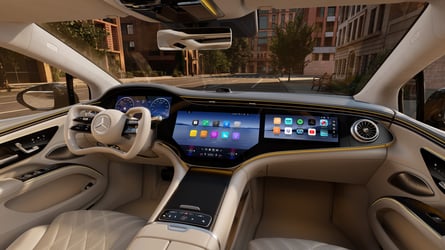
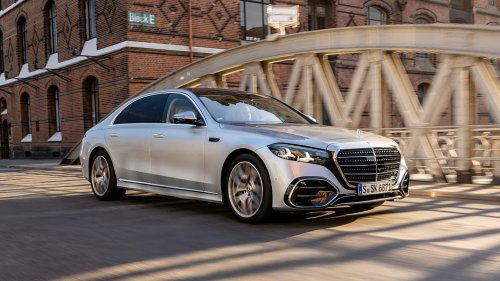
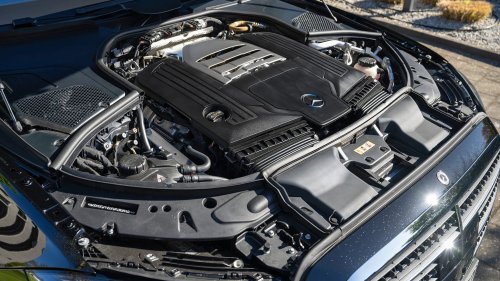
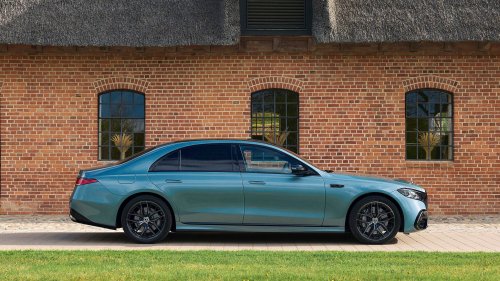
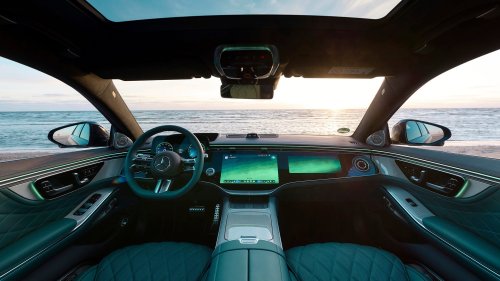
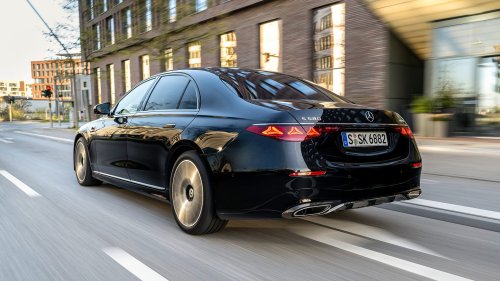
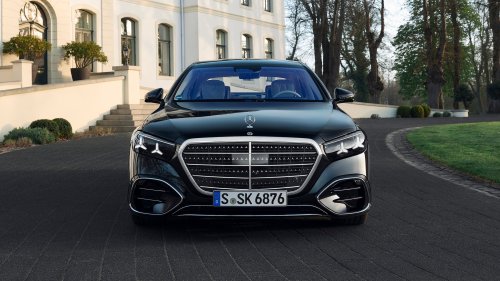
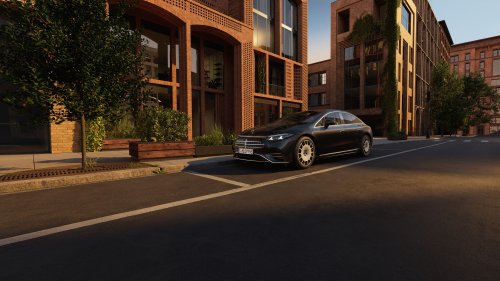
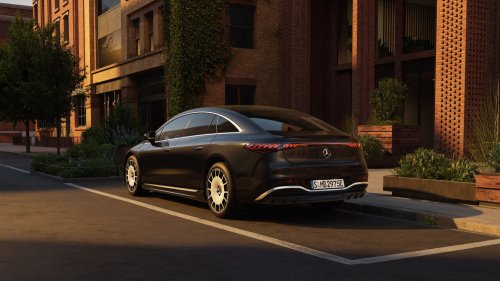
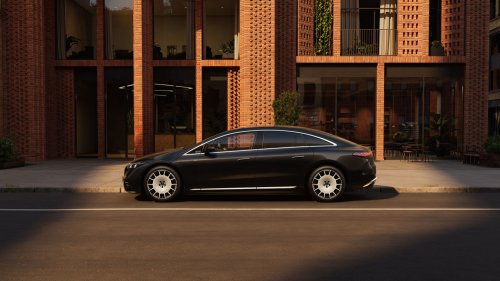
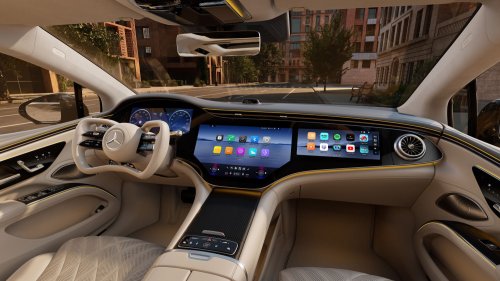
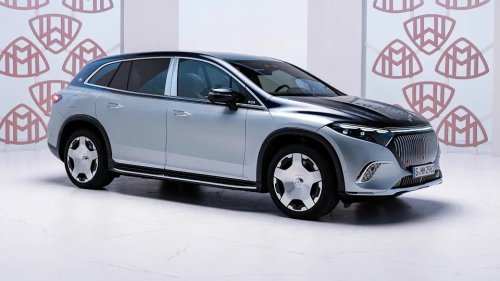
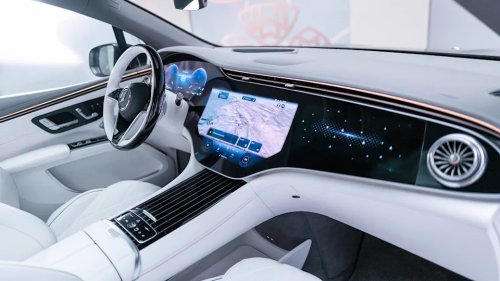
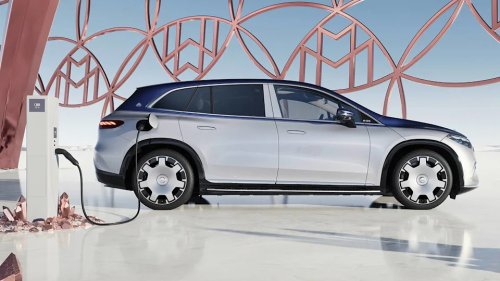
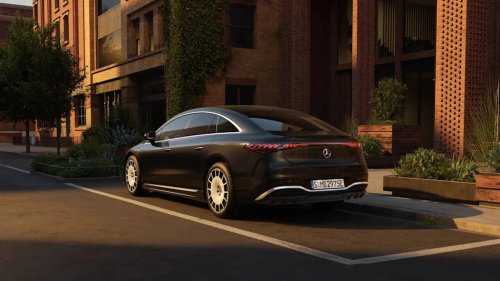
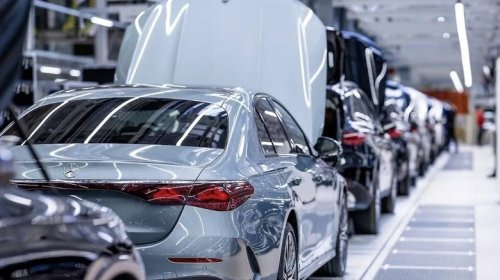
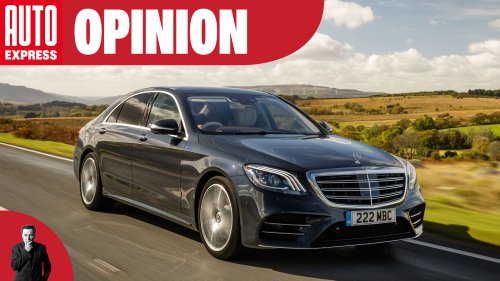
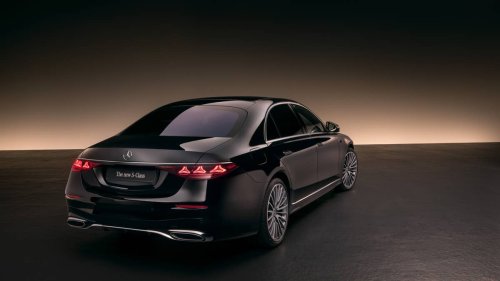
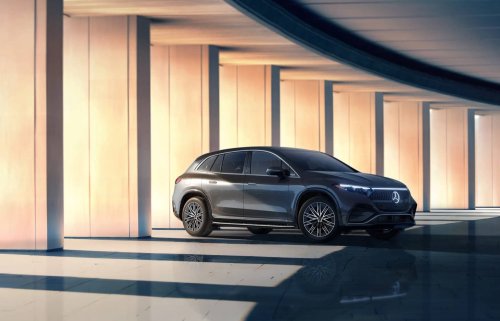
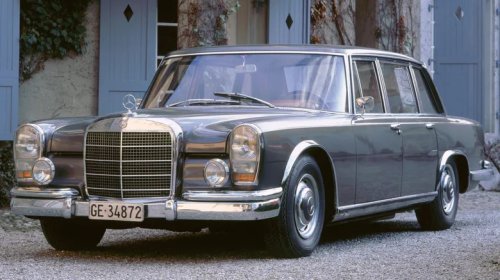
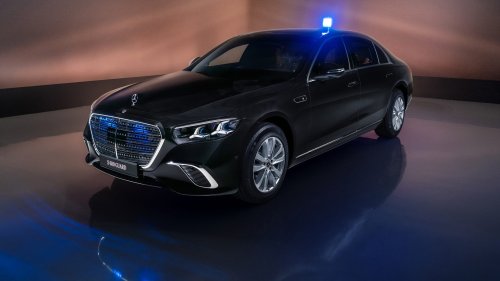
Mercedes-Benz may have heaped far too much pressure on its EQS when it finally rolled it out of the door. It wanted it to be more than a new technological flagship and more like the S-Class of electric sedans, and that set a very high bar from the get-go. After all, the company's S-Class vehicles are legendary, and most new cars would struggle to survive if they were meant to play in that company. This meant that the EQS had to somehow act like the natural battery-powered heir to the most important luxury sedan in the company's history.So, even though the EQS was an excellent product when it first appeared, being quiet, spacious, richly trimmed, and packed with technology, it still struggled to answer the S-Class question. And that may have led to a change of heart for Mercedes-Benz in the shape of a heavily updated EQS. It's got a brand-new software stack and 800-volt architecture, as well as other headline-grabbing features, and its role in the wider M-B world may now be a lot clearer. The EQS Arrived Carrying The Wrong Burden Mercedes-Benz In hindsight, Mercedes-Benz might have been better off positioning its first EQS as just an EV flagship, and as a show of its software ambition, technical progress, and aerodynamic efficiency. The EQS could certainly deliver on that particular brief and tell its own story centered around its slippery design, giant screens, and forward-thinking personality. And with that distinction, it might say that electric luxury can look and behave very differently from an old-world limousine, which is where those haughty S-Class models live.But in practice, the first version of the EQS failed to inherit the emotional authority of an S-Class because it was asking traditional flagship buyers to overlook much of what they liked in that top Mercedes sedan. After all, the S-Class has always balanced innovation with careful positioning, but the EQS was just making a bold statement in its own right. And few people in the S-Class market felt that this newcomer could somehow replace the old hierarchy, meaning that EQS had to fight to live up to its billing from the start. Mercedes Has Now Changed The EQS Proposition Mercedes-BenzWith its latest iteration, Mercedes now appears to be taking the EQS in a different direction. It's no longer treating it as a direct electric S-Class replacement but is instead doubling down on the technology front. The company seems to be using the EQS as a high-level test rig for its next push into big sedan innovation. And in doing so, it's probably found a stronger purpose for the EQS than trying to frame it as an electric S-Class vehicle.The 2027 EQS now has an 800 V electric architecture, up to 430 kW DC fast charging, a 122-kWh battery, a new generation of MB.OS software, and an optional steer-by-wire system (an industry first from a German automaker in its sector). That's a lot of sizzling new tech, rather than a gentle facelift, and features some systems that need a dedicated proving ground in the real world. Meanwhile, on the other side of the parking lot, those conventional S-Class sedans continue to do what they do best. They're still appealing to a different segment of top-end buyers who are looking for prestige, traditional luxury cues, and comforting executive confidence.If Mercedes is now taking a different positioning approach, it could solve the lineup problem in a much cleaner way. Perhaps it can now treat the EQS as a place to chase new technological headlines and introduce different steering, charging, and interface design without trying to compromise its bread-and-butter flagship luxury products. In this way, the EQS doesn’t have to chase those S-Class targets at all. It can justify its position as a flagship in its own right by embracing risk. New Technology Proves The Point Mercedes-Benz One of the biggest headlines linked to the fresh EQS is its steer-by-wire system. Mercedes says that this tech has completed more than one million test kilometers on benches, test tracks, and proper roads, and that it is now ready for customer adoption. And this steer-by-wire system has a redundant architecture with two signal paths. So, even if the system were to completely fail, lateral control is still supported by rear axle steering and wheel-specific braking intervention through ESP. It's clearly some cutting-edge technology and shows that the EQS will now be a serious technology carrier as part of its remit.Mercedes also feels that the steer-by-wire system will make the EQS much easier to manage for the average driver. It should reduce the effort required to turn from lock to lock and eliminate hand-over-hand turning. It can also allow the steering ratio to vary more freely based on the vehicle's speed and situation. And this could make a big difference in this type of large luxury sedan, especially in many everyday environments, where it should help with low-speed maneuvering and cleaner parking behavior.Mercedes also offers an optional yoke-style steering wheel, that turns through only 270 degrees lock to lock, for some added visual drama. The company is once again redefining how a flagship sedan should present itself.While steer-by-wire may be a headline maker for the new EQS, there’s a lot more to look forward to as well. The company claims 402 hp and 372 lb-ft of torque in the 2027 rear-drive EQS 450+ version with 469 hp and 553 lb-ft for the EQS 500 4Matic. The EQS 580 4Matic will boast 576 hp and 590 lb-ft and come with a high-efficiency two-speed transmission and standard air suspension.Meanwhile, the EQS will also have the latest MB.OS system with generative AI-backed MBUX functionality, digital light hardware, and significantly improved charging performance. In other words, this EQS is packed with features and innovations to showcase how Mercedes views the future. The S-Class Has Always Been A Pioneer Over The Decades Mercedes-Benz The Mercedes-Benz S-Class has historically been the place for the company to launch innovative ideas. For example, the 1978 version introduced anti-lock brakes, and the 1981 S-Class came with a driver airbag. In 1995, the company brought in ESP and Pre-Safe arrived in 2002. All of this shows that innovation seems to be part of the S-Class formula, and as a true flagship, the S-Class introduced ideas before the rest of the lineup caught up.This kind of history may help to explain the new identity of the EQS. Originally, the company may have wanted people to see the original EQS as an S-Class flagship just due to its presentation, but that approach didn’t really hit the mark. But now, the EQS is taking a different road and functioning as a leading-edge sedan that also champions new architecture, innovative steering logic, new steering, charging capability, software integration, and more. And as such, it’s far more aligned with what an S-Class has typically delivered from that traditional point of view. The EQS Finally Makes Sense Now Mercedes-Benz Traditional S-Class buyers haven't suddenly welcomed the new EQS with open arms as some kind of new standard-bearer. And in the background, Mercedes seems to have realized that positioning this vehicle as such a candidate was probably an awkward mismatch in any case. Instead, and as part of a different approach, M-B has now given the repositioned EQS a role that doesn't depend on it winning an argument for which it wasn’t ready.In many respects, a true flagship can justify itself in more ways than one, and the updated EQS will now play its part by testing big changes in the cut and thrust of the market. Mercedes can use this sedan to evaluate how customers will view steer-by-wire or appreciate ever deeper software layers, and to see how their prospect base views a more radical EV-specific interpretation of luxury.Overall, this should make the EQS easier to understand than before. It may still feel a little strange within the Mercedes hierarchy, but it's now leaning into the idea that a flagship EV can exist alongside an S-Class and not actually try to be one. The EQS can be an experimental counterpart within a company where large sedans have often served as technology trailblazers.Going forward, the updated EQS may be far less like a confused substitute and more like a deliberate statement of intent. It can champion the idea of steer-by-wire, faster charging, bigger batteries, deeper software integration, and technological wizardry without any perceived naming baggage. And while it may not actually be the S-Class of EVs in the traditional sense, it can still play the role of a historical flagship and introduce the next interpretation of luxury instead.Sources: Mercedes-Benz