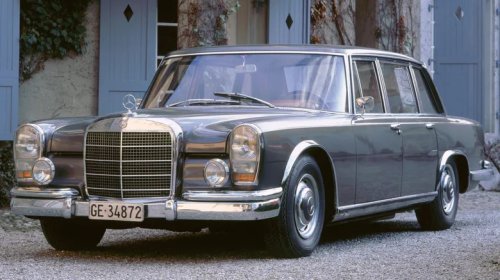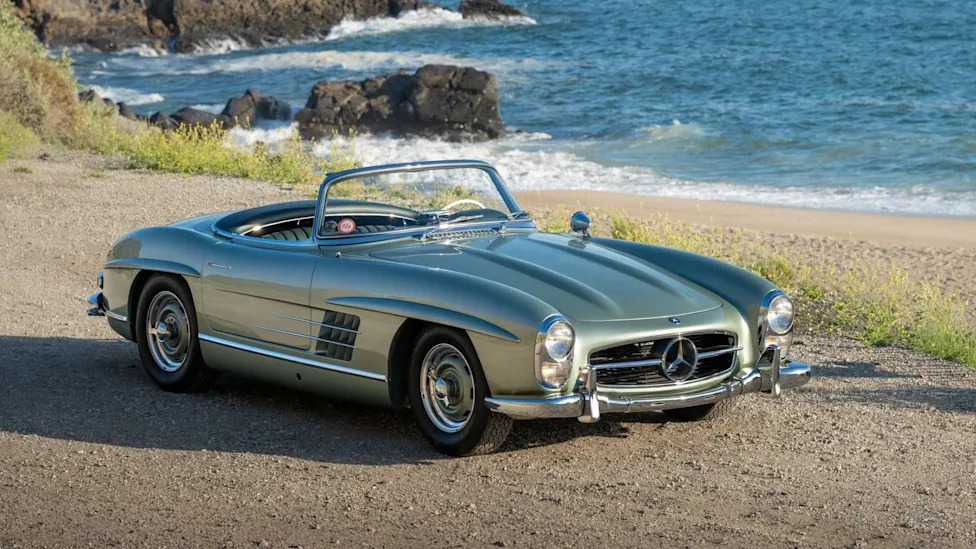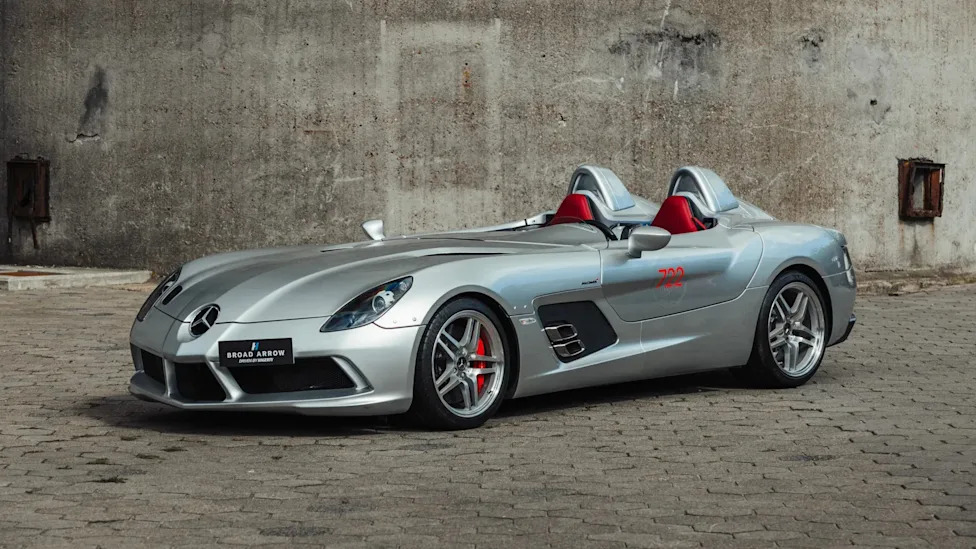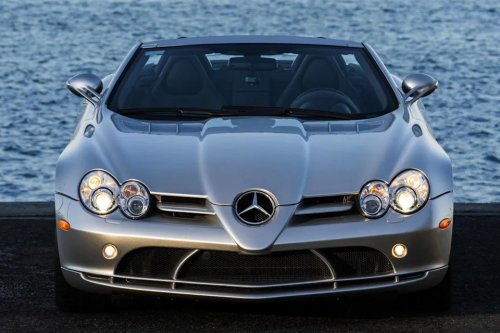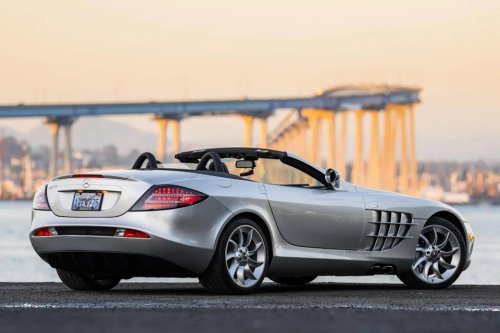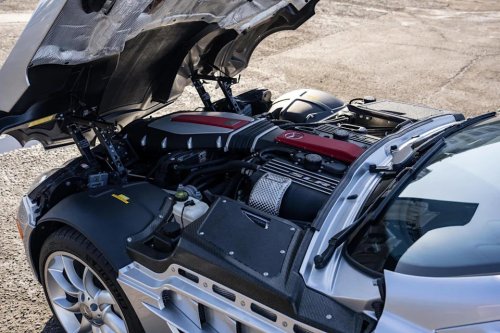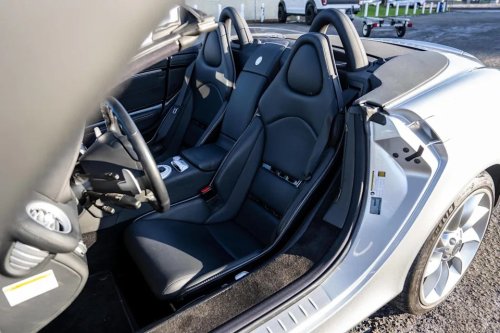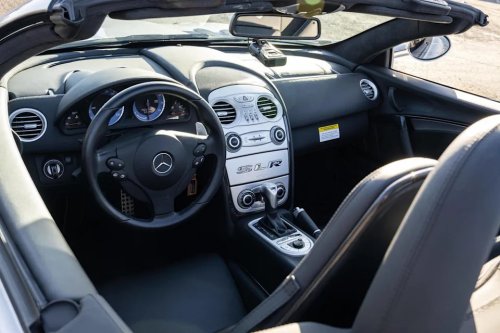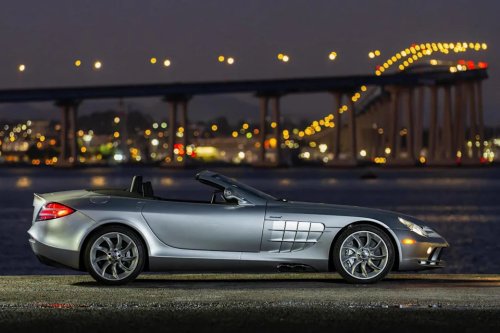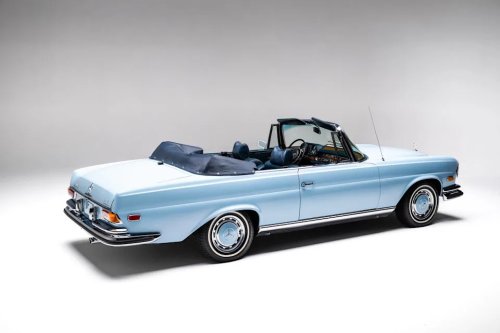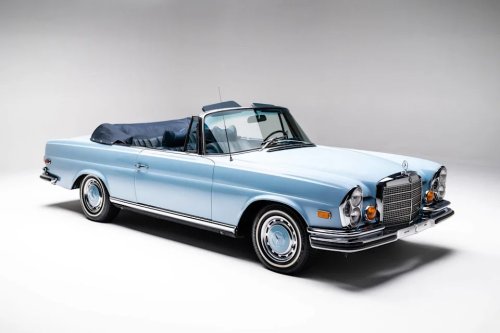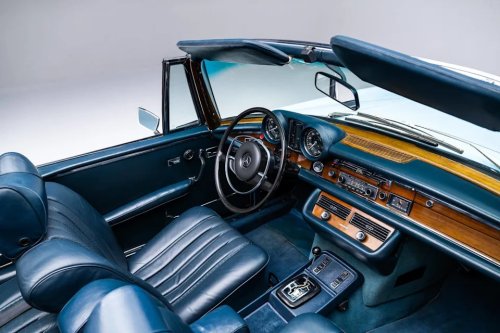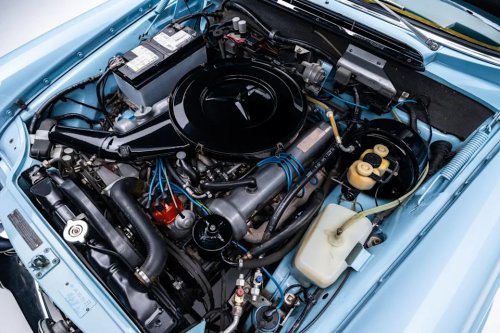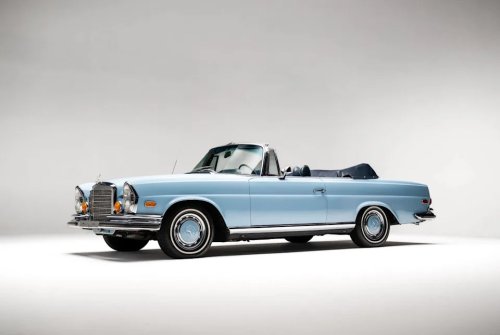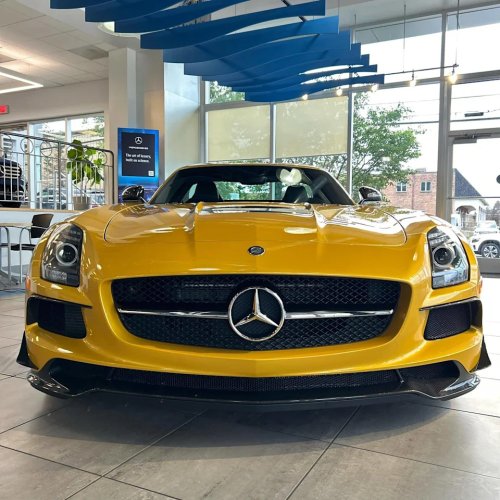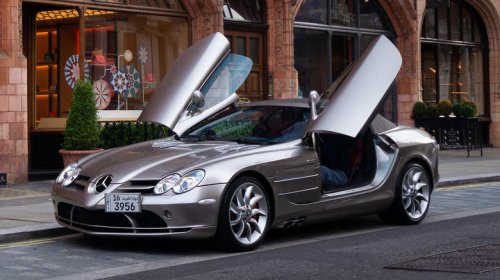
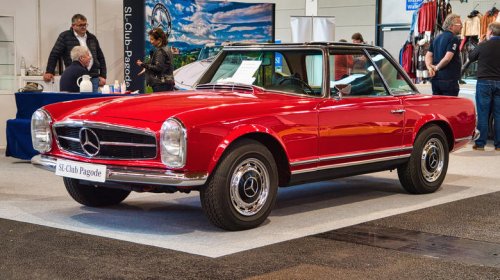
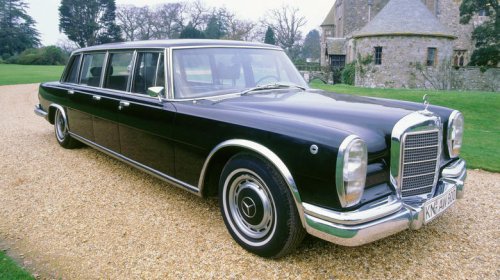
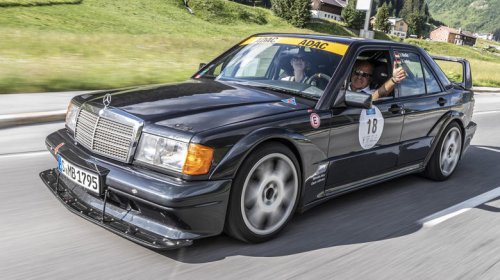
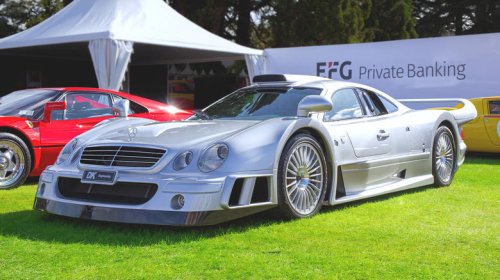



















Mercedes-Benz SLR McLarenThe Mercedes-Benz SLR McLaren was the first and only roadgoing supercar to be jointly developed between the two manufacturers. It was announced in 1999 and would be first shown off in production guise at the Frankfurt Motor Show in 2003. Demand for the car was strong from launch, with over 2,000 examples produced by the time production ended in 2009, alongside a slew of special edition variants.The SLR was different from other landmark supercars released during the same era, in that it was less of an all-out track car and more of a long-distance tourer. However, it could still keep up with any of its contemporaries in a straight line thanks to its AMG-developed supercharged 5.5L V8 engine, which produced around 620 horsepower.In the years since production ended, McLaren has continued to offer upgrades and conversions for the car, the most recent being the SLR High Downforce Kit, launched in 2023. Interest in the car from collectors has remained very strong over the years, and given that no direct successor ever emerged from the now defunct Mercedes-McLaren partnership, that seems set to continue for the foreseeable future.Mercedes-Benz SL PagodaEarning its nickname from its upright pagoda-like glasshouse, the Mercedes-Benz W113 SL is one of the most instantly recognisable cars of its era. It was first launched in 1963 and survived until 1971, with many of the era's most famous faces having one in their garage. Stars ranging from John Lennon to Sir Sterling Moss were pictured behind the wheel of an SL Pagoda, and as a result, they've earned an enduring air of celebrity about them, drawing attention wherever they go. Of course, this isn't just down to their famous owners. It's just as much about the car's clean, elegant lines and timeless styling.Few other convertibles look quite as eye-catching, especially with the roof down and at cruising speeds. The SL wasn't built to go fast, but can be if needed, with 150 horsepower on tap from its straight-six engine. Unsurprisingly given its evergreen appeal, the Pagoda is far from the cheapest Mercedes on the market, with well-sorted examples fetching six-figure sums at auction.Mercedes-Benz 600 PullmanThe "Grand Mercedes" was a favorite of many world leaders and celebrities during its nearly two decades on sale, with 2,677 examples of the 600 produced. Of those cars, only around 300 were the top-spec 600 Pullman limousine. Each one was hand-built to the exacting tastes of its commissioner, with some cars having TVs, minibars, or conference seating for on-the-go meetings. Few cars were as lavish, and almost none were as expensive.Rather than using electronic systems, the 600's power windows and adjustable seats used unique hydraulic systems that had been developed specially for the car. As a result, each requires the attention of not just a marque specialist, but one with particular knowledge of the 600. Few qualified specialists remain around the world, making the 600 an extremely expensive car to maintain. Its rarity and status have ensured that examples remain costly to purchase, selling for hundreds of thousands of dollars on the rare occasion they appear for sale.Mercedes-Benz 190E 2.5-16 Evo IIRacing homologation rules have had a hand in creating many of the greatest classic road cars, with one such car being the Mercedes-Benz 190E 2.5-16 Evo II. A total of 502 examples were built to allow Mercedes to enter the DTM touring car championship, each featuring a 232-horsepower four-cylinder engine and a distinctive body kit that mirrored the competition car. The Evo II retailed for over three times the price of a base spec 190E, but buyers who held onto the car will have a healthy return on their investment today.The racing version of the 190E proved extremely successful on the track, winning the DTM championship for three consecutive years, with two of those seeing the car take a 1-2 finish. This in turn reinforced the appeal of the road car, which given its impressive performance and eye-catching looks, had already found favor with well-heeled enthusiasts.Mercedes-Benz CLK GTRThe fact that it would take years for the CLK GTR's performance to be outshone is testament to the '90s supercar's capability. The road going CLK GTR was built to homologate the racing version, a car so good that it's credited with killing the GT1 class. It won so frequently that, just two years after its launch in 1997, every one of its competitors had withdrawn from the class. The road car was built more as a necessity to go racing than anything else, but it still turned out to be an excellent machine in its own right.The sight of a futuristic, low-slung supercar with a mid-mounted 6.9L V12 engine turned heads everywhere it went, although with just 25 examples built, it was vanishingly rare. Of that run, 20 cars were coupes and a mere five were roadsters, with each one selling for more than $1 million. The car's scarcity, performance, and race-winning pedigree have ensured that it remains a seven-figure car today, although examples very rarely appear for sale.