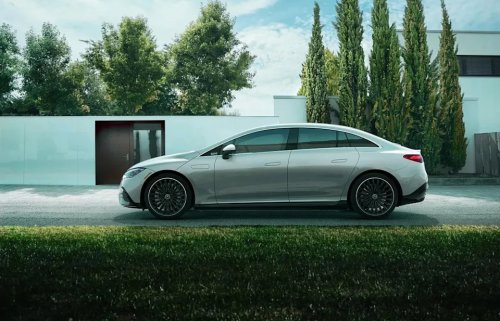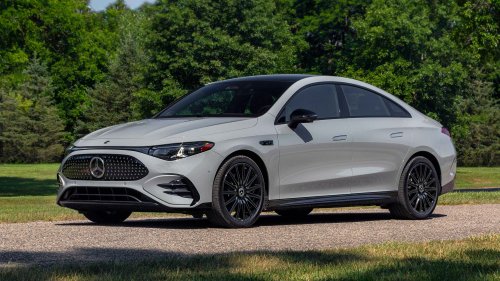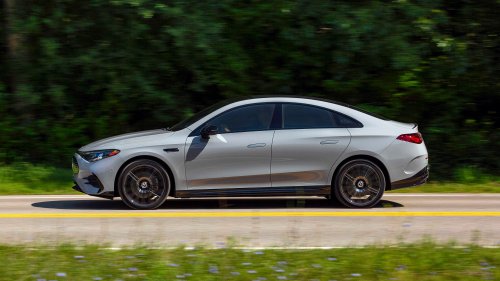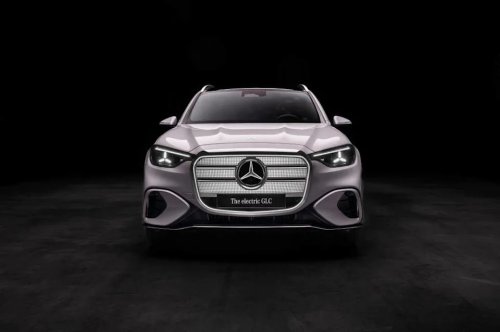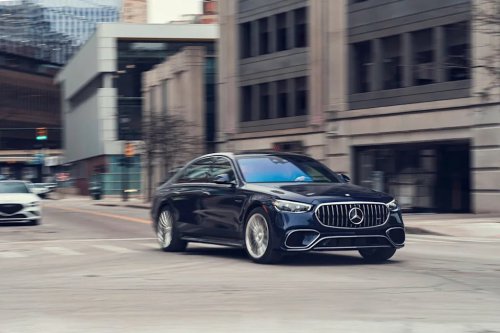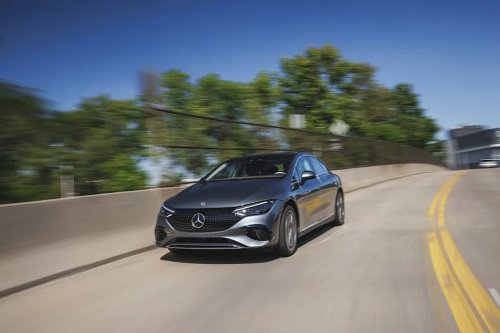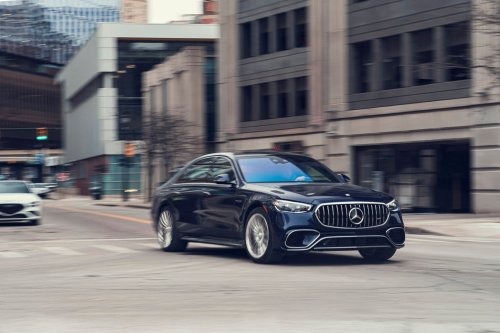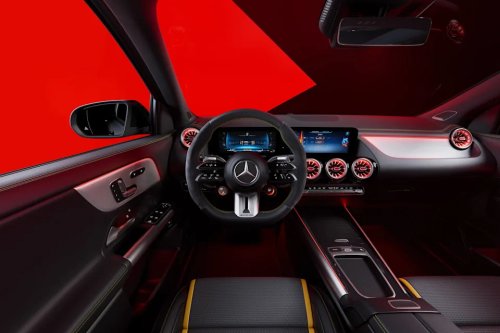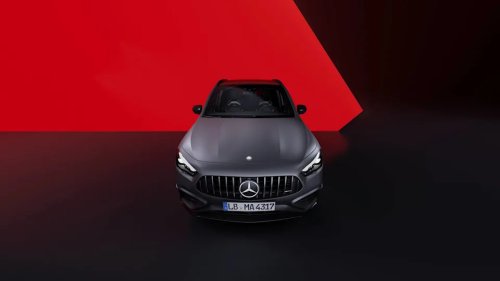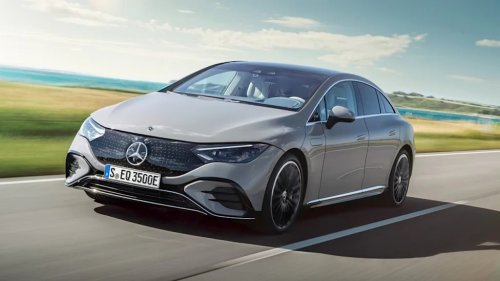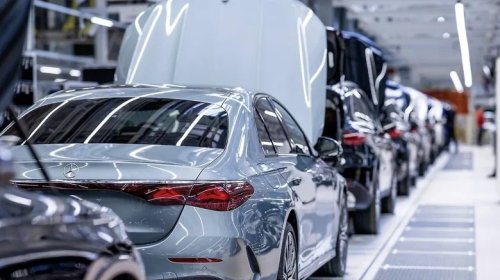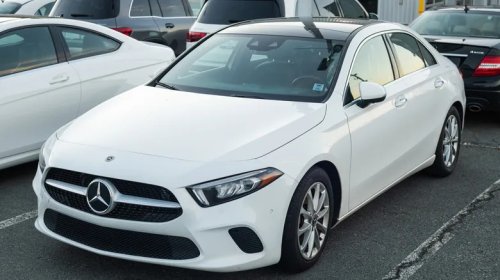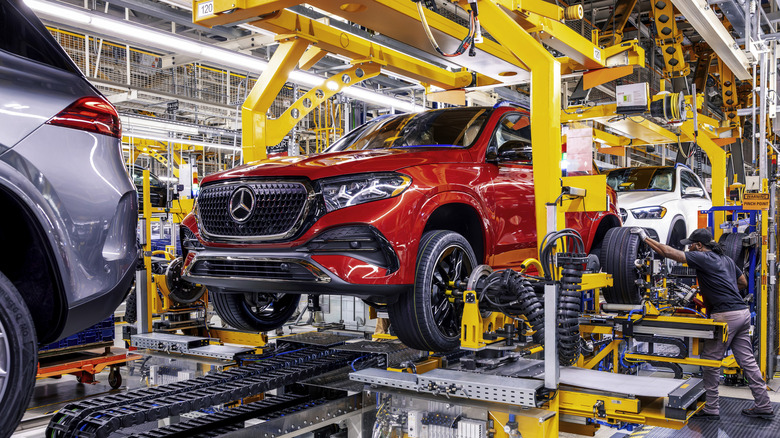
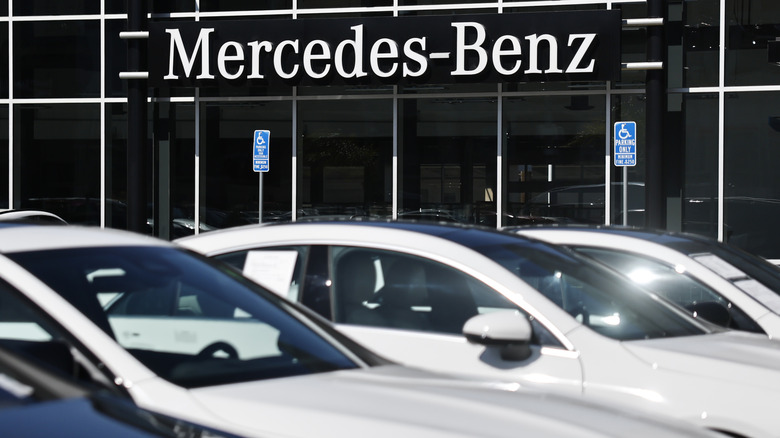

















Mercedes-Benz Mercedes-Benz better hope some things change awfully quickly, or it could be staring down a real issue thanks to a new, poorly worded bill from Washington. The bill in question could end up banning automakers that are partially owned by "foreign adversaries" — including China, Russia and North Korea — from building or selling cars in the U.S. The provision is part of a broader auto-industry legislative package that's currently advancing through the House of Representatives, and it would prohibit the sale or production of vehicles in the U.S. by automakers that are at least 15% owned by countries the U.S. — and President Donald Trump — aren't fans of. Of course, the bill, called the Motor Vehicle Modernization Act of 2026, is still a long way from being set in stone; it'll likely see several changes, and it will have to go through the Senate, but, in its current state, the measure could shut Mercedes-Benz out of the U.S. altogether, according to Bloomberg. That would be a disaster for the company and the thousands of Americans it employs across the country. A spokesperson for Mercedes says it has and will continue to work with lawmakers in good faith to ensure that any legislation allows the company to serve its U.S. customers, dealers, employees and suppliers. It might be optimistic thinking, but I don't see a world in which Mercedes suddenly stops building and selling cars in the U.S. — I expect something will change or an exemption will be made. As the bill currently stands, though, MB would definitely get kicked to the curb. The company's largest individual shareholder is the state-owned Chinese automaker BAIC with a 9.98% share. Another 9.69% is owned by Li Shu Fu, the billionaire founder and chairman of Chinese automaker Geely. Together, these ownership stakes potentially push MB past the 15% foreign-adversary ownership mark. A theoretical mess Mario Tama/Getty Images The theoretical aim of the bipartisan bill is to prevent big, bad Chinese-government-backed automakers from gaining any sort of foothold in the U.S. market. It does include carve-outs for China-backed companies, but not if they're directly or indirectly owned by the Chinese government. From CNBC: Several people familiar with the legislation who spoke to CNBC cited gray areas in the bill that, depending on how they're interpreted, could ban Mercedes-Benz from operating in the U.S. Two sources who agreed to speak on the condition of anonymity for fear of repercussions or because they weren't authorized to speak publicly said they believe the bill, as it's currently written, would ban the company. Now, automakers that have manufactured passenger vehicles in the U.S. for at least the last five years could qualify for an exemption, but the bill says that companies with "any direct or indirect equity interest by a foreign adversary government" won't get that exemption, CNBC reports. I'm not sure how anyone would qualify in that case. While I don't expect anything to really come of this, Mercedes losing the ability to build and sell in the U.S. would be catastrophic. It's one of the top luxury brands here, and it has been employing thousands of people and assembling millions of cars in Alabama since the 1990s. Mercedes isn't the only European brand caught up in all of this. Volvo also has to deal with the fallout thanks to its partial ownership by Geely. Just last week, Volvo received special authorization from the government to bypass federal bans restricting connecting vehicle software linked to China, according to CNBC. However, when asked about how it may be impacted by this latest bill, Volvo didn't respond. Listen, I know that in all likelihood, nothing is going to materially change for Mercedes-Benz, but it's so exhausting living in a world where the company could be forced to stop selling cars because government officials are afraid of Chinese technology. I mean, I wrote this on my Chinese-made laptop, and you're probably reading it on your Chinese-made phone. Do you see how silly this all is?