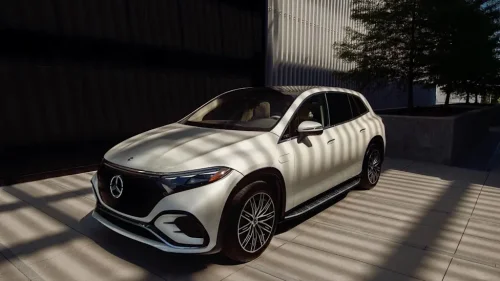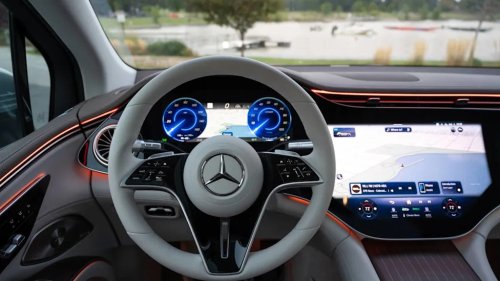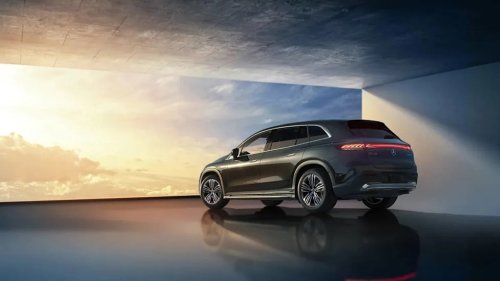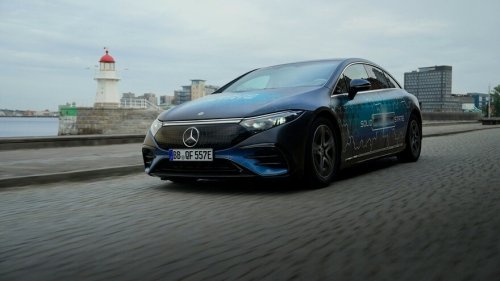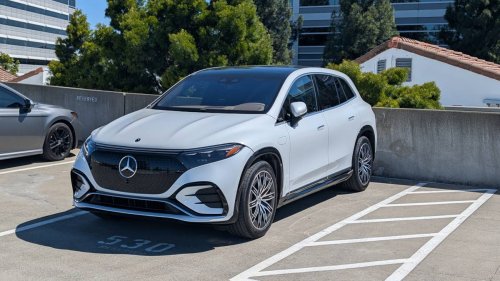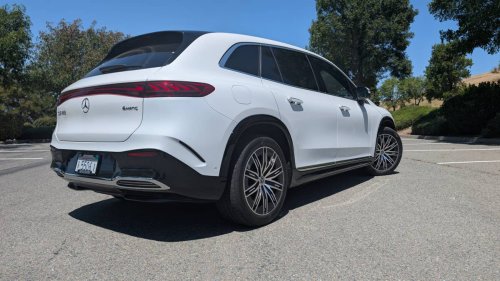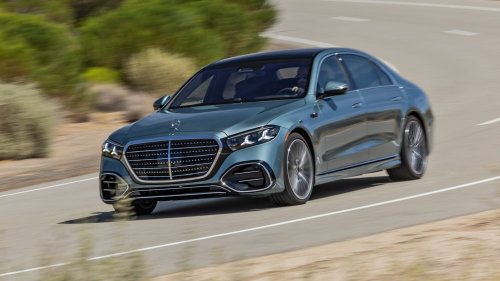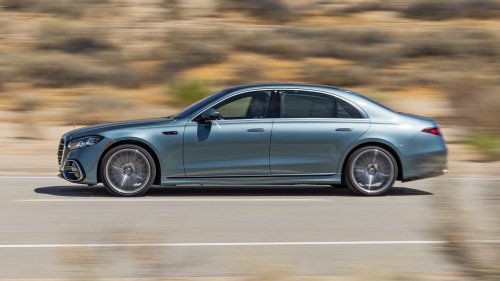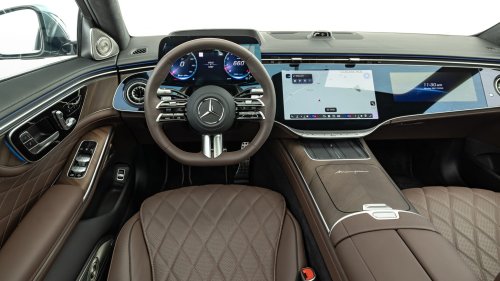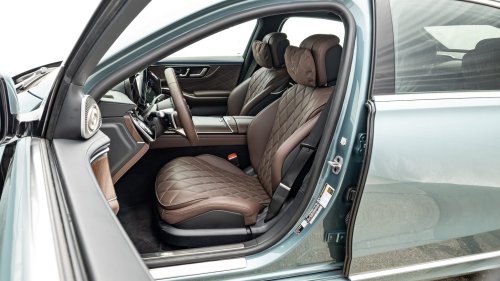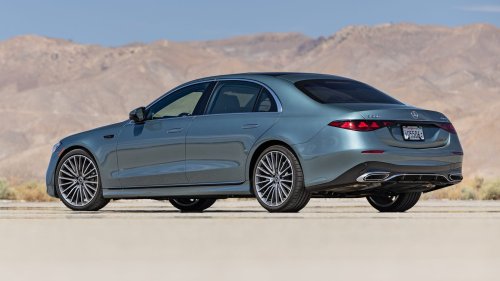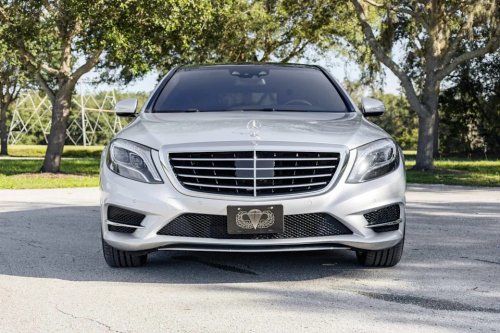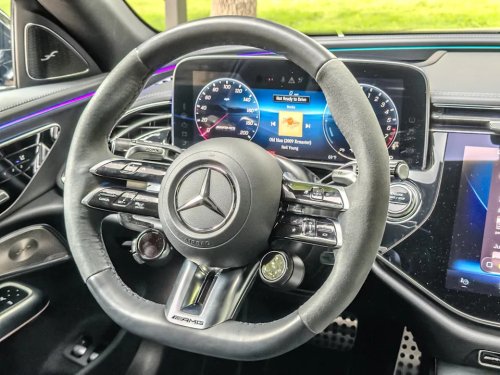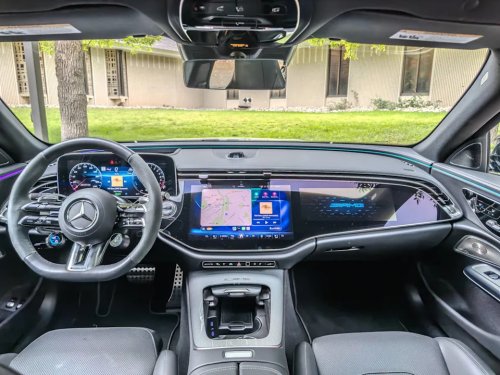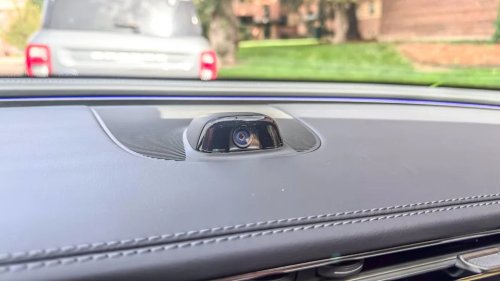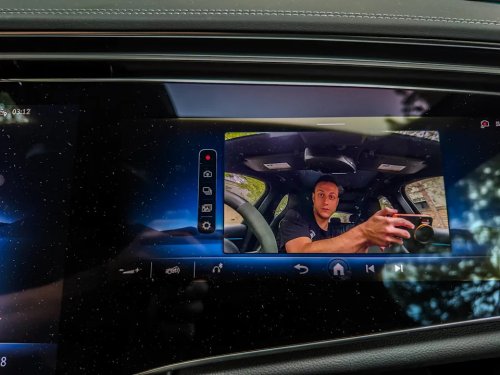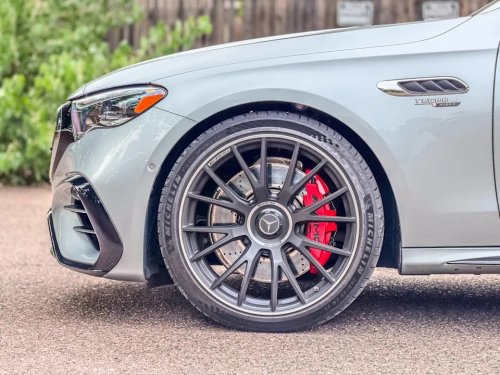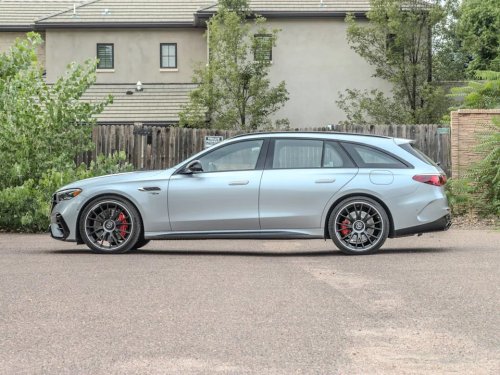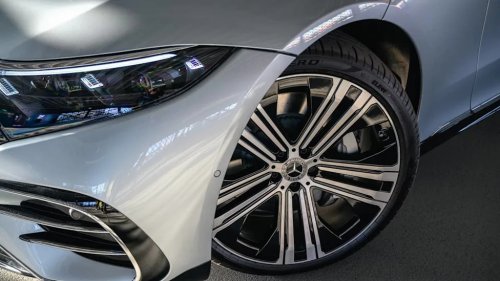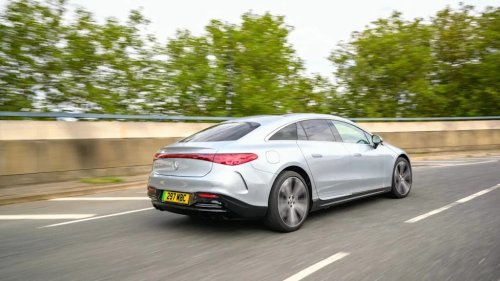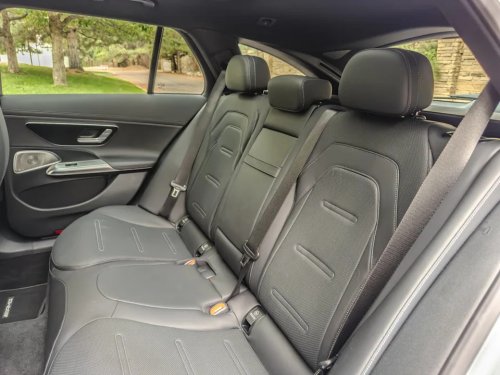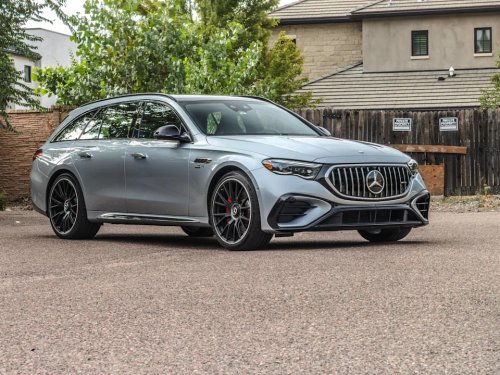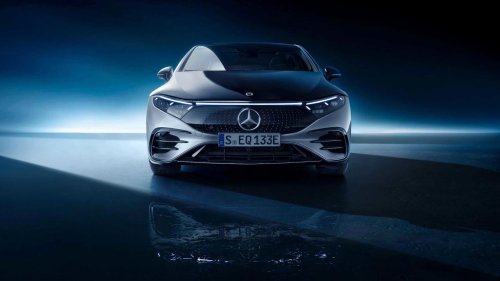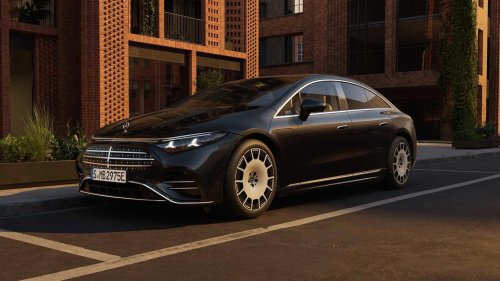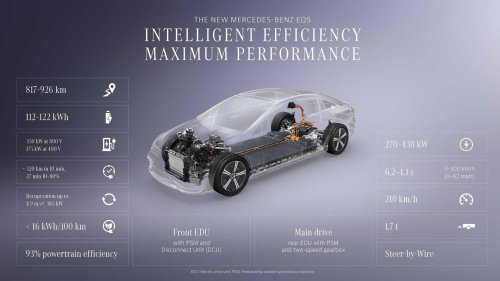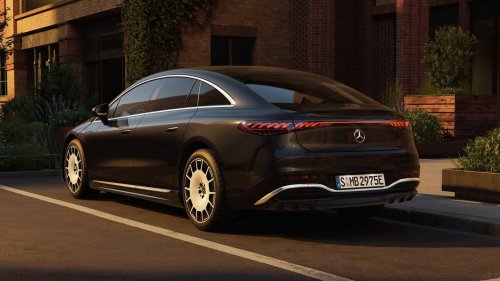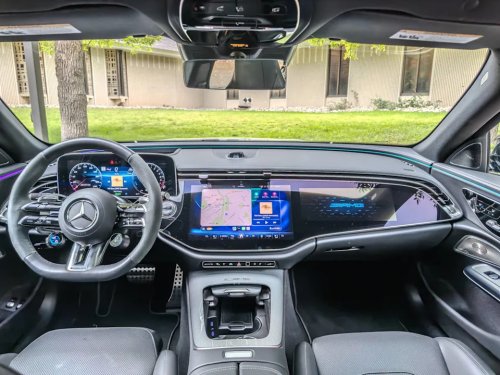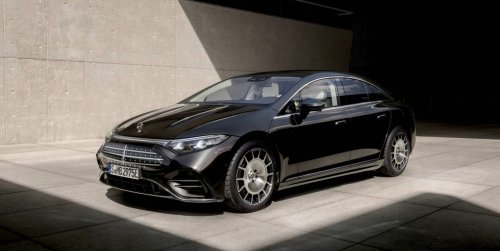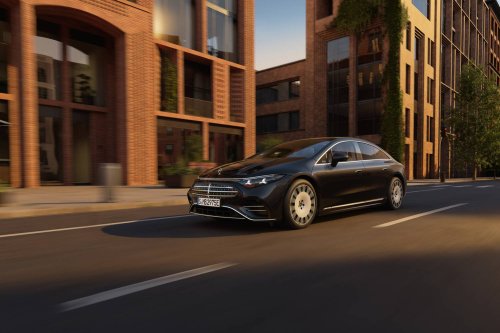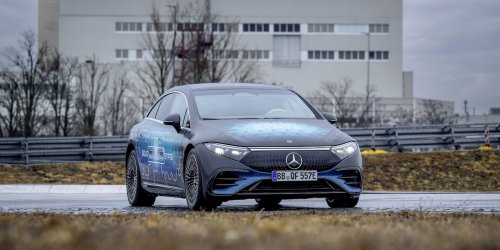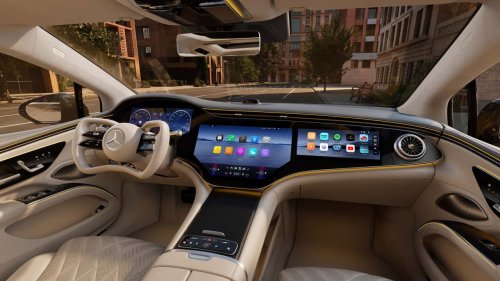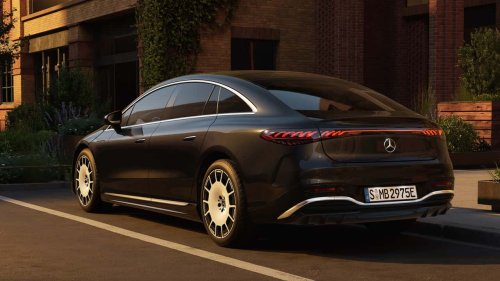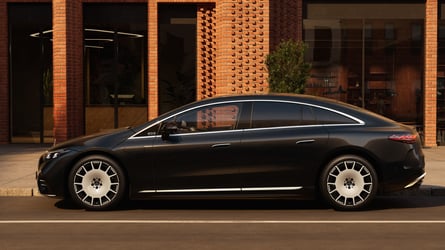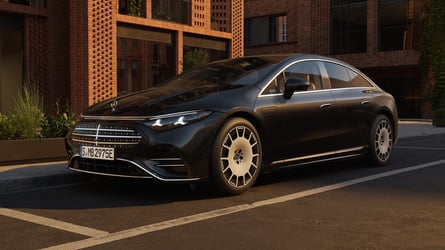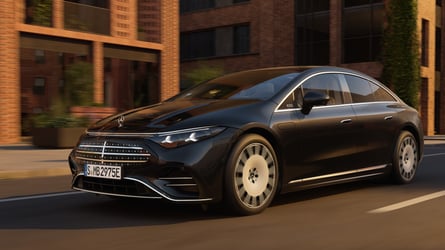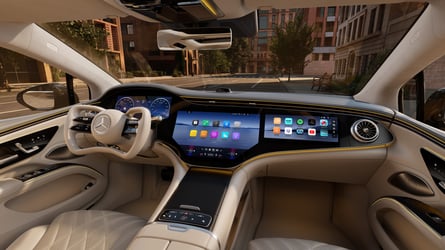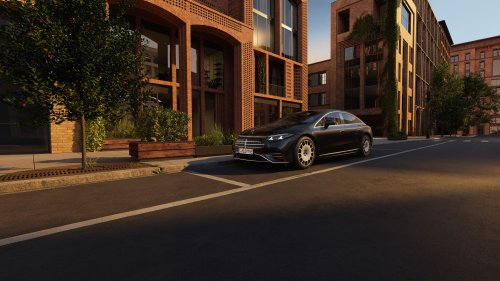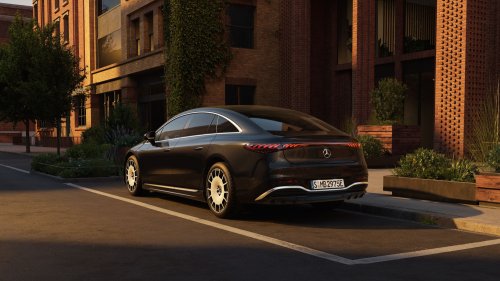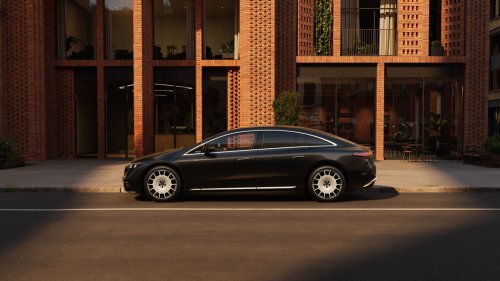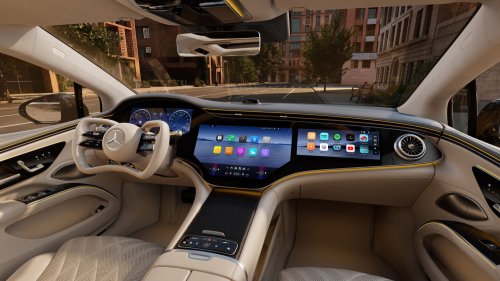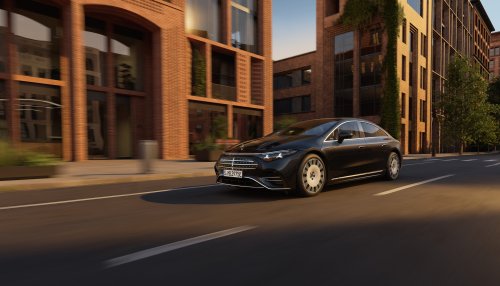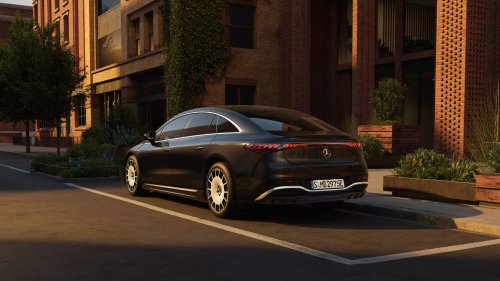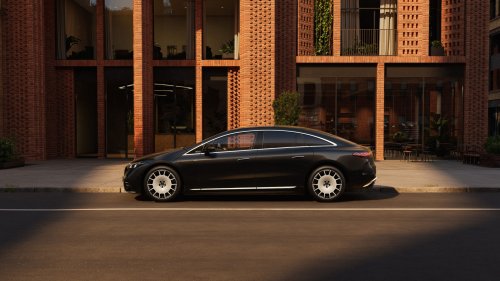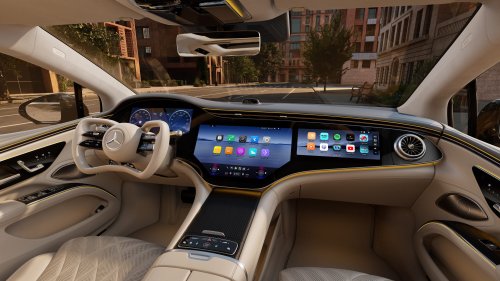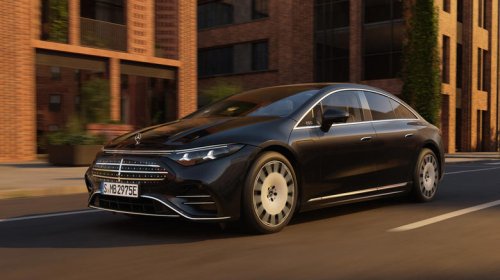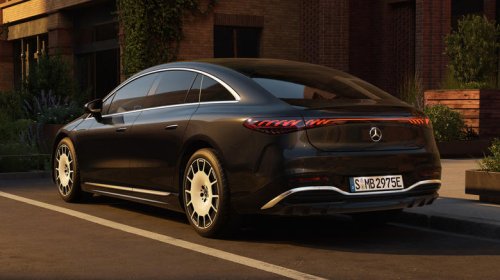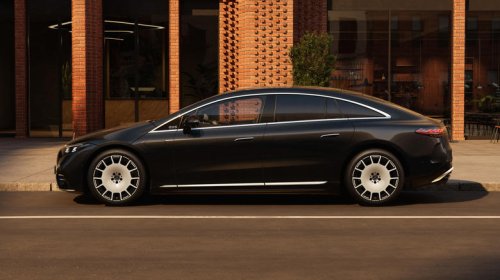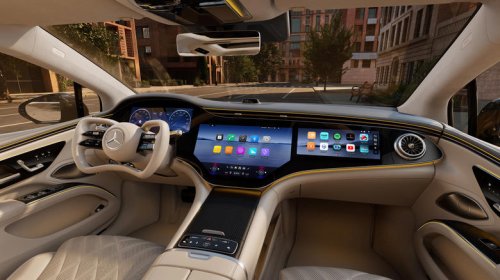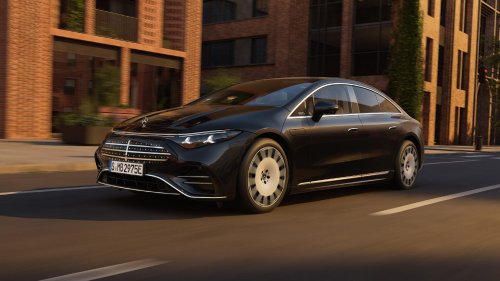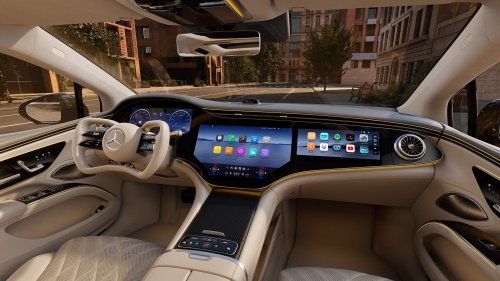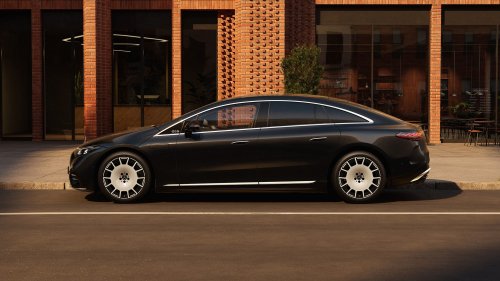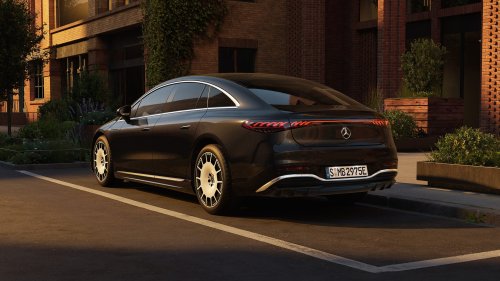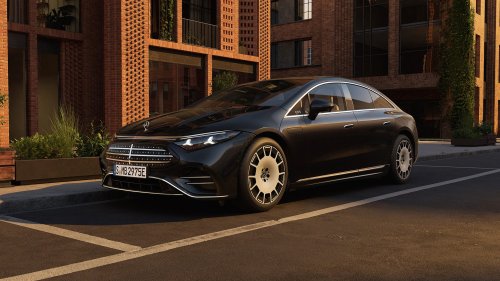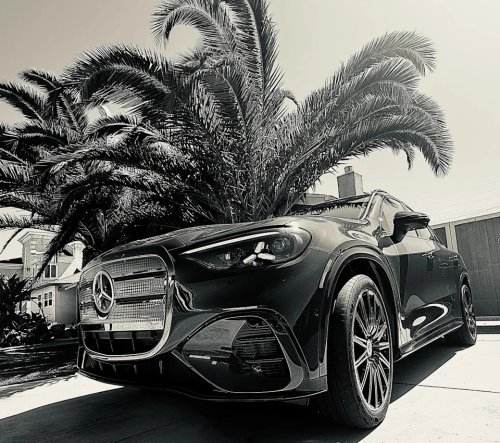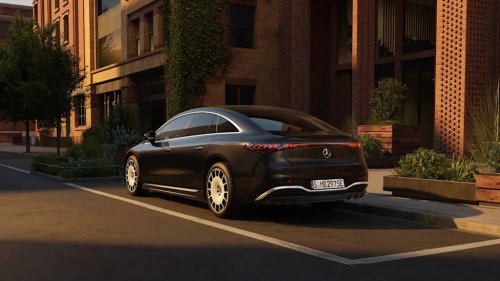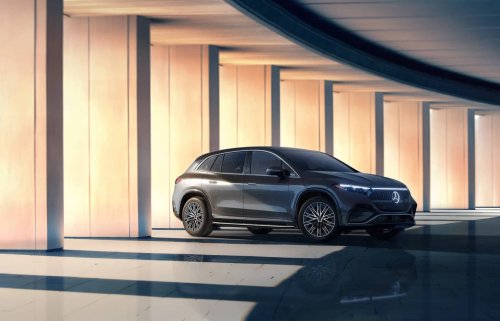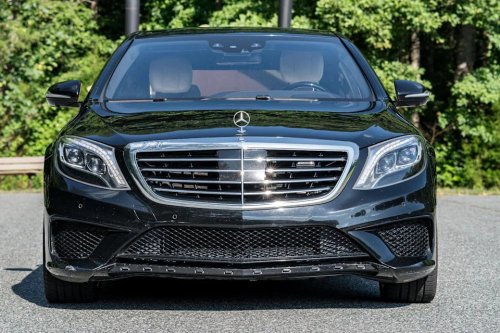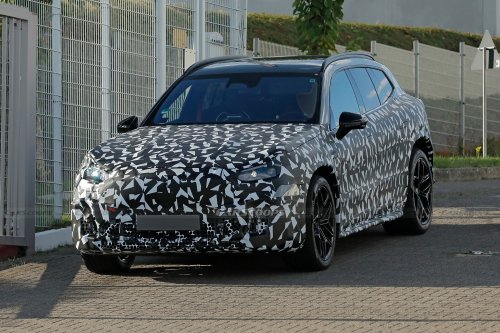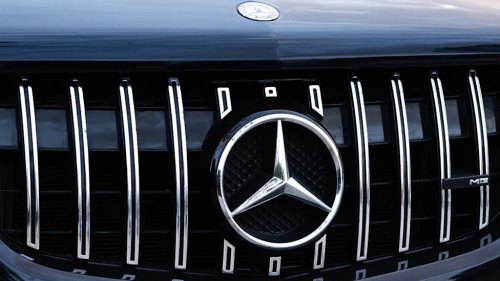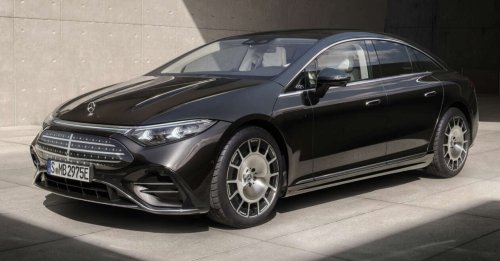
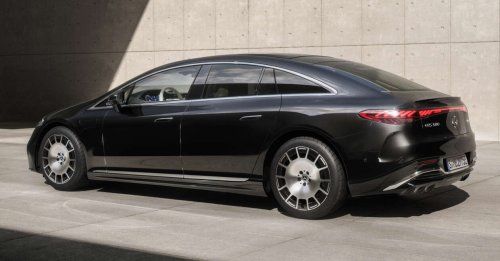
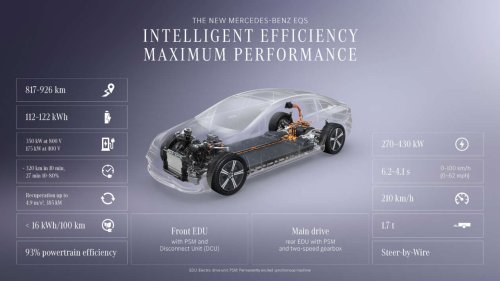
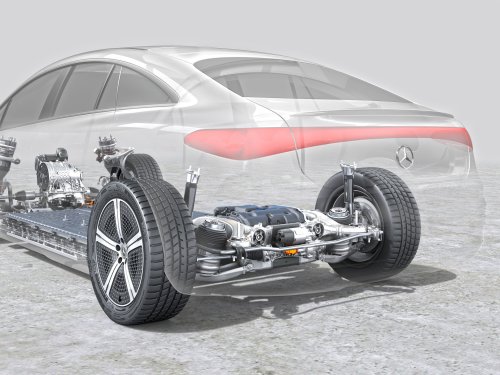
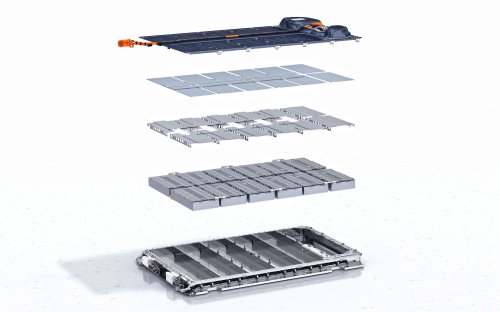
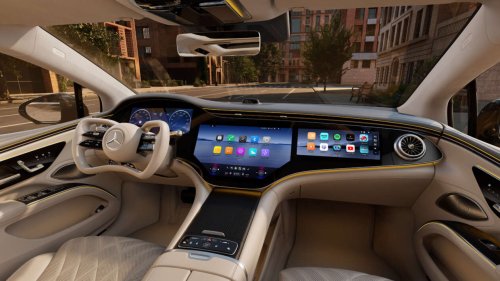
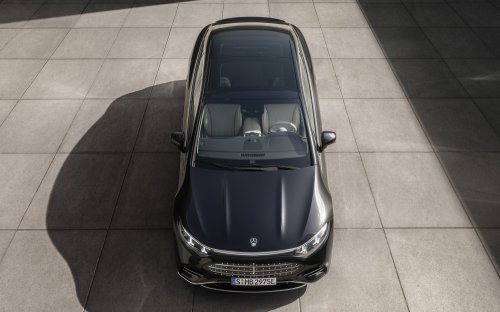
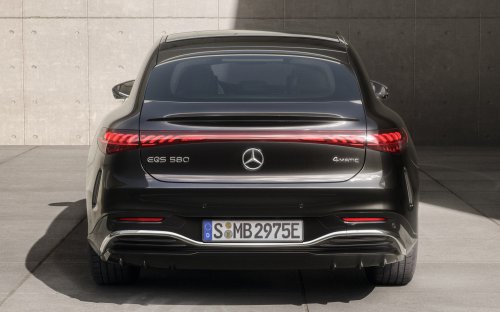
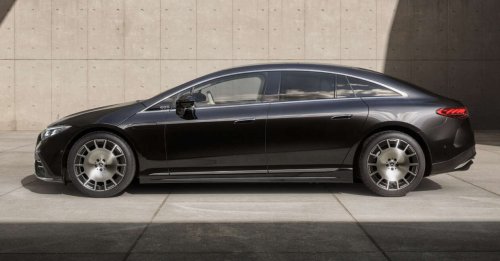
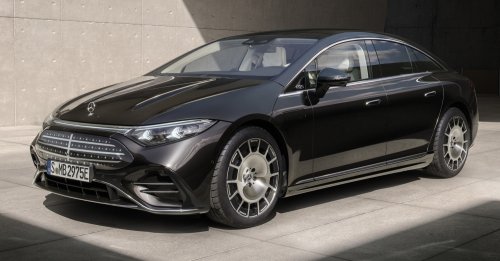
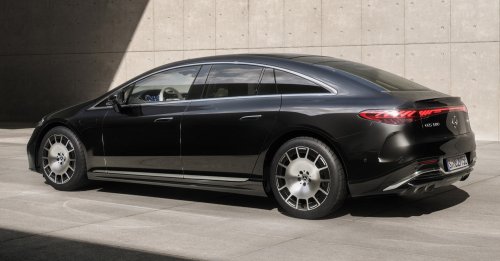
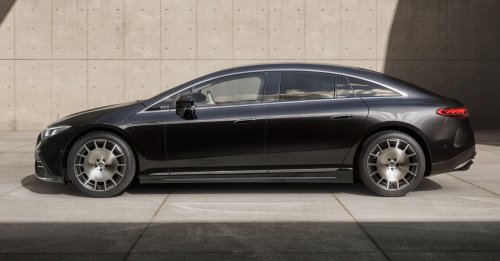
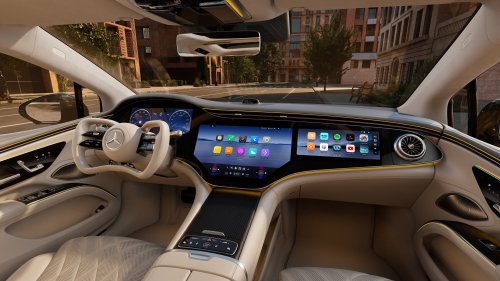
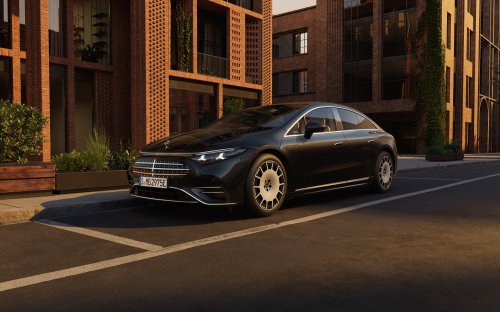
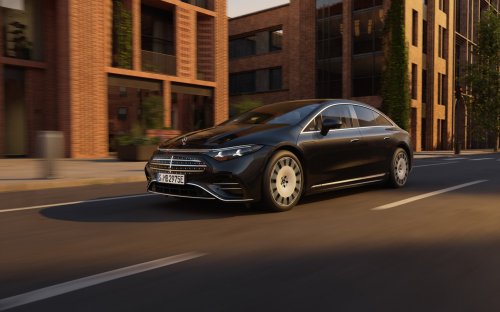
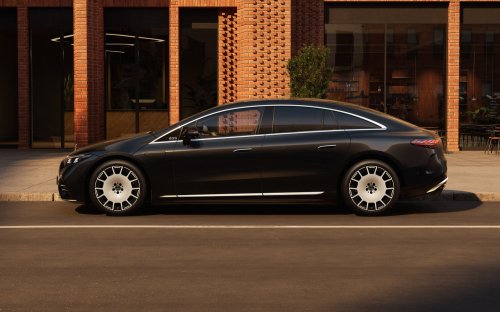
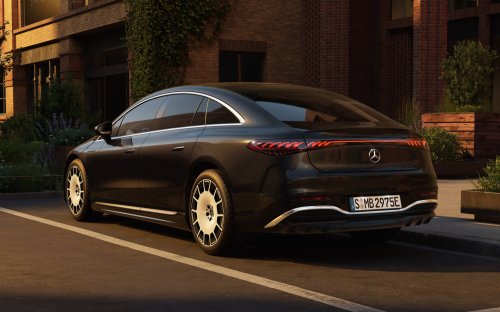
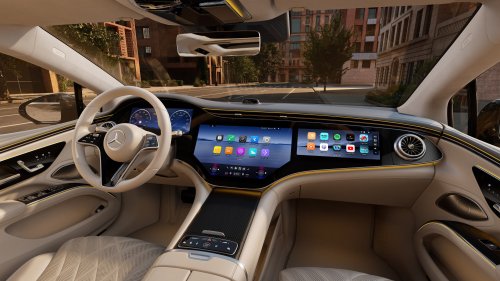
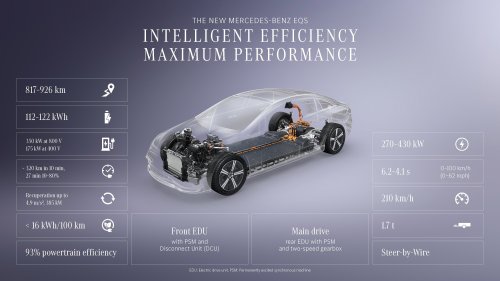



















The Mercedes-Benz EQS has received another facelift, two years after the brand’s flagship sedan/rolling test lab got revised back in April 2024. This time, the design changes are a lot more noticeable and the tech under the new skin has been improved significantly. We’re going to start with the latter because that’s what the EQS stands for. The big news here is the switch to an 800-volt electrical architecture, which is an upgrade from the 400-volt system that the EQS came with when it first made its debut in April 2021. Thanks to this upgrade, the EQS now supports DC fast charging at up to 350 kW (previously up to 200 kW), although this only applies to three of the four variants available at launch: EQS450+, EQS500 4Matic and EQS580 4Matic. The German automaker says that if an 800-volt charging station is not available and you are left with a 400-volt station, the battery splits virtually to charge at up to 175 kW. On the mention of the battery, there’s more available range as a result of the cell chemistry being optimised for a higher usable energy content of 122 kWh instead of 118 kWh, the latter introduced during the 2022 facelift. Again, this only applies to the variants mentioned above. The three are joined by a new addition to the line-up called the EQS400, which gets a 112-kWh (usable energy content) battery and supports DC fast charging at a peak of 330 kW. Disappointingly, the EQS still comes with an 11-kW onboard AC charger across the entire range, with a 22-kW system being an option. Another important powertrain revision is the new electric drive units (EDUs), which Mercedes-Benz says are more compact, efficient and powerful. All variants come with a rear electric motor paired with a two-speed transmission that allows for rapid acceleration when setting off before switching to the second gear for greater efficiency and to hit the top speed. As per the prior facelift, variants with 4Matic in their name gets a front EDU that integrates a Disconnect Unit (DCU) to automatically decouple the electric motor on the front axle depending on the driving situation and the required performance. When the front electric motor is not needed, the DCU makes the EQS rear-wheel drive only to optimise range. Mercedes-Benz also notes that energy recuperation power has been increased from 290 kW to 385 kW, and the battery supports both vehicle-to-grid (V2G) and vehicle-to-home (V2H). Here’s an overview of the facelifted EQS’ available variants: Mercedes-Benz EQS400 Electric motor(s) output: 367 PS (362 hp or 270 kW) and 505 Nm; RWD 0-100 km/h time: 6.2 seconds Top speed: 210 km/h Battery: 112 kWh nickel manganese cobalt (NMC; usable energy content) Range: 817 km (WLTP) AC charging: 11 kW; 22 kW optional DC charging: 330 kW; 305 km recoverable in 10 minutes Mercedes-Benz EQS450+ Electric motor(s) output: 408 PS (402 hp or 300 kW) and 505 Nm; RWD 0-100 km/h time: 5.9 seconds Top speed: 210 km/h Battery: 122 kWh nickel manganese cobalt (NMC; usable energy content) Range: 926 km (WLTP) AC charging: 11 kW; 22 kW optional DC charging: 350 kW; 320 km recoverable in 10 minutes Mercedes-Benz EQS500 4Matic Electric motor(s) output: 476 PS (469 hp or 350 kW) and 750 Nm; AWD 0-100 km/h time: 4.5 seconds Top speed: 210 km/h Battery: 122 kWh nickel manganese cobalt (NMC; usable energy content) Range: 876 km (WLTP) AC charging: 11 kW; 22 kW optional DC charging: 350 kW; 305 km recoverable in 10 minutes Mercedes-Benz EQS580 4Matic Electric motor(s) output: 585 PS (577 hp or 430 kW) and 800 Nm; AWD 0-100 km/h time: 4.1 seconds Top speed: 210 km/h Battery: 122 kWh nickel manganese cobalt (NMC; usable energy content) Range: 876 km (WLTP) AC charging: 11 kW; 22 kW optional DC charging: 350 kW; 305 km recoverable in 10 minutes Mercedes-Benz is also proud to claim it will be the first German automaker to offer a series-production car with full steer-by-wire technology. This was revealed before the facelifted model is being presented and serves to reduce the amount of steering effort required, so much so that drivers no longer need to adjust their grip on the steering wheel. This system, which will be offered as an option a few months after the new EQS goes on sale, comes requires just 170 degrees of steering from lock to lock. As such, a yoke steering wheel can be fitted that is more compact to improve the view of the driver display, while also making ingress and egress easier. With a steer-by-wire system, there’s no mechanical linkage between the steering wheel and road wheels. Instead, a motor takes the driver’s steering input to deliver steering actuation, which allows for infinitely variable steering ratio. An upside of this is undesired vibrations caused by uneven road surfaces, which were previously transmitted to the driver via the steering wheel, can now be eliminated. For redundancy and to meet safety regulations, there are two sets of DC-DC converters and power supplies, communications circuits and motors to ensure there are two signal paths. In the event of one failing, the other takes over so the car can be continued to steered safely. Ticking this option also brings with it rear-wheel steering that allows the rear wheels to turn up to 10 degrees. The standard rear-wheel steering system for the EQS is set at 4.5 degrees unless optioned with a software upgrade that brings it up to 10 degrees. If customers prefer their steering wheels to be of a normal shape, the EQS will continue to be offered with electromechanical steering. As for other driving-related systems, the EQS’ ADAS features are supported by ten external cameras, up to five radar sensors and 12 ultrasonic sensors. In Europe, MB.Drive Standard is standard and includes functions such as Distronic Distance Control, with MB. Drive Assist being an option that adds Steering Assist and Lane Change Assist. Other functions like Evasive Steering Function Plus, Proactive Lane Change Assist and more can be added as a factory-fitted optional extra or activated via the Mercedes-Benz Store. There’s more, as MB.Drive Parking Assist now supports diagonal parking assist, while MB.Drive Parking Assist can now park at speeds of up to five km/h (60% faster). The MB.Drive Parking Assist 360 also gets an improved 360-degree camera and redesigned interface. Meanwhile, the Airmatic air suspension with intelligent damper control gets tweaked for improved ride comfort, with car-to-X (C2X) communication enabling other supported vehicles to “talk” to the EQS to keep it informed of potential hazards and “prepare” for the road ahead. Tech talk aside, we can finally get to how the facelifted EQS looks. Where the 2024 update largely looked the same as the original, the new one you see here cranks up the visual presence with a new bonnet featuring powerdomes for a more dynamic look. The front grille also sticks out more pronouncedly on the new car, and the insert is a black panel with wide chrome slats and a backlit, animated star pattern when optioned with the Electric Art Line – an upright and illuminated Mercedes-Benz star on the bonnet is also included. Go with the AMG Line and the you lose the chrome slats but gain a sportier grille with a high-gloss illuminated central star. Even with a less pebble-like exterior, the EQS is claimed to have a drag coefficient as low as 0.20. The more pronounced grille is accompanied by headlamps with star-shaped daytime running lights – a common theme among new Mercedes-Benz models – as well as the latest generation of Digital Light that increases the lighting field by 40% while consuming 50% less energy as a result of improvements to the micro-LED units inside. Elsewhere, the light bar connecting the front headlights are even less discreet than before. Ditto the rear light bar, which now integrate the same helix elements as the taillights. Inside, the EQS largely looks the same if you don’t count the yoke steering wheel. Improvements here include seatbelt heating to match the S-Class, while rear passengers have the assurance of beltbags that inflate in the event of an impact to better protect them. The MBUX Hyperscreen is still here with its triple display setup (12.3-inch driver display, 17.7-inch central touchscreen and 12.3-inch front passenger display), and rear passengers can enjoy the two 13.1-inch touchscreens. Mercedes-Benz is also particularly proud of the HEPA filter under the bonnet that it says filters over 99.65% of particles to keep the interior air as fresh as possible. For customers with more money to spend, the Manufaktur programme and a whole host of cost options are available. Compare prices between different insurer providers to save the most on your car insurance renewal compared to other competing services. Many payment method supported and you can pay with instalment using Atome, Grab PayLater or Shopee SPayLater. Use the promo code 'PAULTAN' when you checkout for 10% discount!