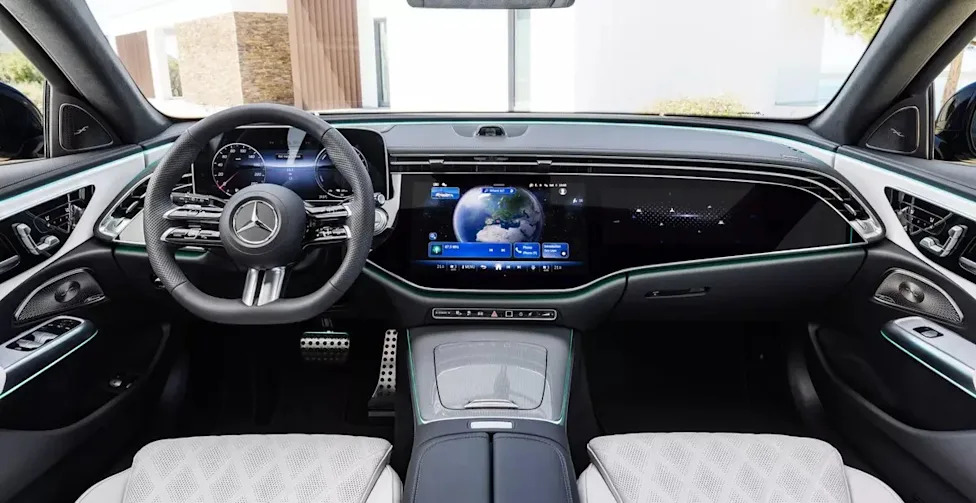
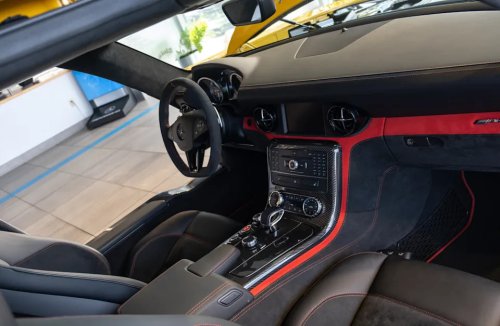
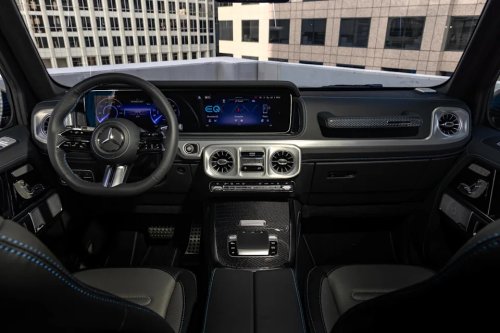
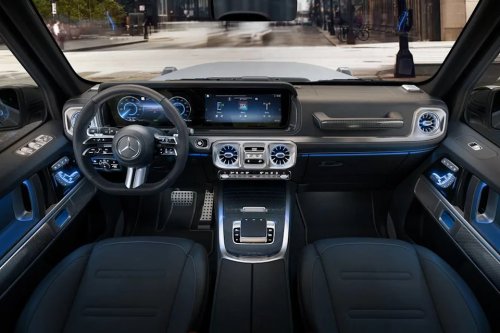
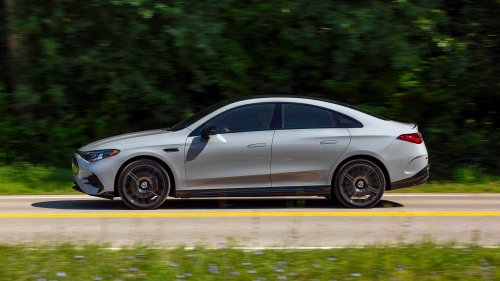
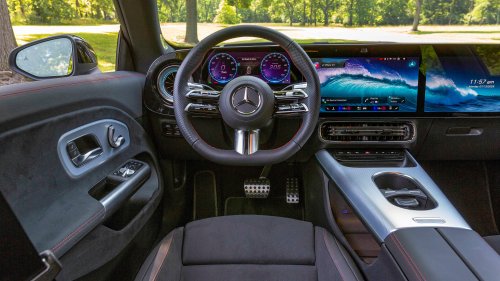
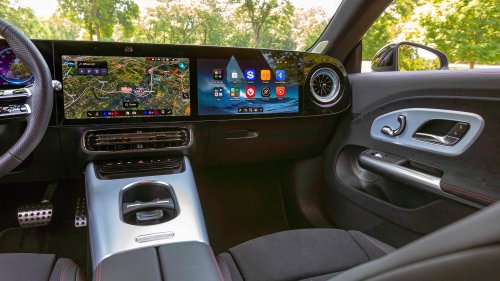
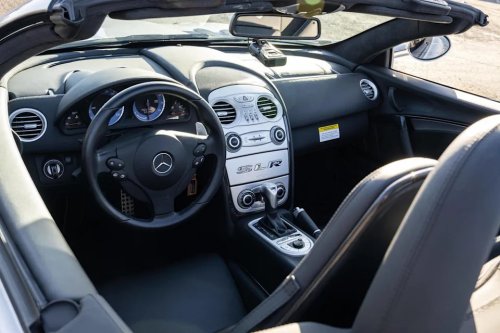
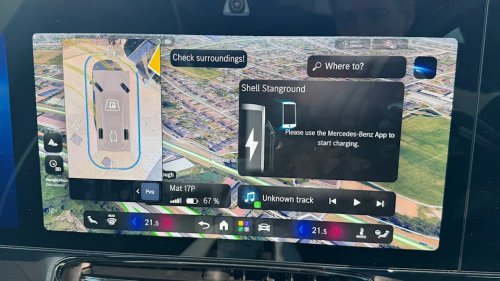
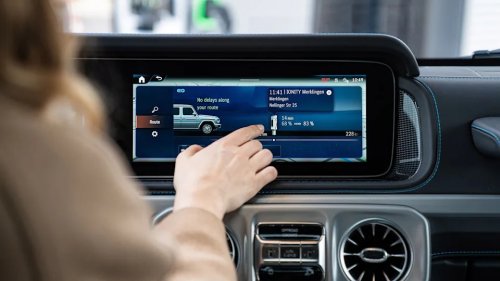
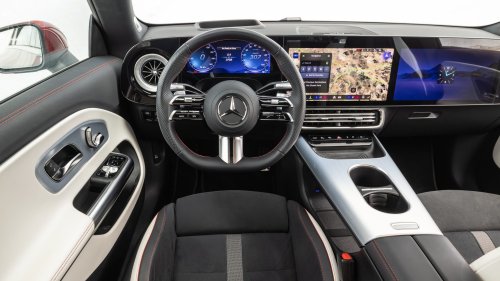
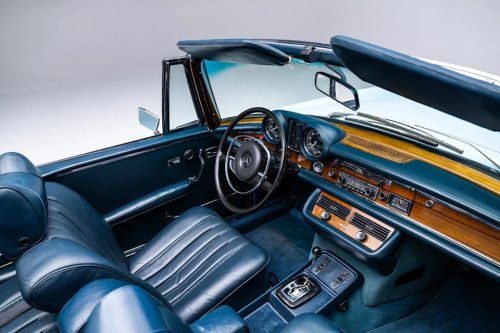
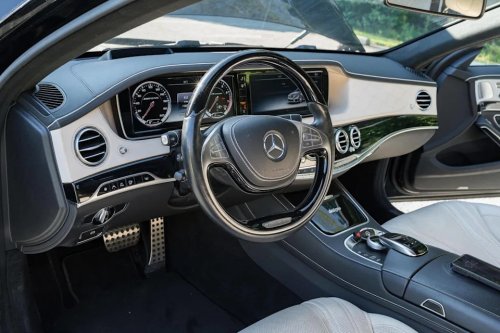
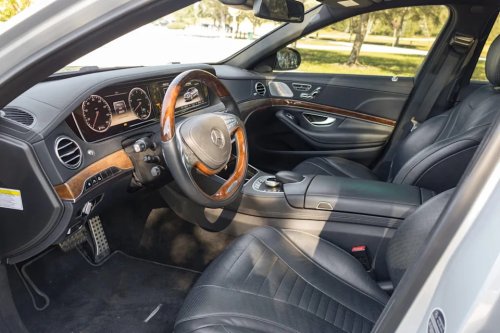
If you have stepped inside a high-end Mercedes-Benz anytime in the last few years, you have likely come face-to-face with the MBUX Hyperscreen. The massive, 56-inch curved glass panel stretches seamlessly from pillar to pillar, replacing almost every traditional knob and switch with a glowing digital interface.It is an undeniably striking piece of technology that looks incredible on a showroom floor. However, a growing number of drivers have complained that the screen-heavy layout is distracting, prone to smudging, and frustrating to use while actually driving.According to recent reports and discussions surrounding the automaker's design strategy, Mercedes CEO Ola Källenius is acutely aware of the touchscreen pushback. But if you were hoping the brand was going to ditch the massive displays entirely, you might want to adjust your expectations.AdvertisementAdvertisementIn recent interviews evaluating the current state of Mercedes interiors, Källenius acknowledged that the company had prioritized futuristic technology over customer convenience by eliminating physical controls across its modern lineup.Conceding that automakers may have pushed digitization too aggressively, Källenius offered a rare bit of self-reflection from the luxury brand. "Sometimes you get a bit ahead of yourself and do technology for the sake of technology and maybe forget a little bit about the customer," Källenius stated (via The Drive).2024 Mercedes-Benz E-Class Estate2024 Mercedes-Benz E-Class Estate wagon | MBHe noted that Mercedes spends huge amounts of time developing its interfaces, joking that a vehicle interface fundamentally needs to be simple enough for either a five-year-old or a Mercedes board member to operate seamlessly. As a result, the automaker has already restored physical steering-wheel controls and promised it will continue bringing back tactile buttons where they make sense for everyday usability.But the Screens Aren't Going Anywhere (Sadly)While the return of physical buttons is a massive win for driving purists, it does not mean Mercedes is abandoning its digital ambitions. In fact, if you dislike screens, the interiors might actually be about to get "worse."AdvertisementAdvertisementDespite the restoration of some physical switches, Mercedes does not intend to reduce the overall size or number of screens in upcoming models. When asked if the automotive industry had finally reached maximum display sizes, Källenius replied, "I don't know if we're at peak screen, but we're at low button."This means that pillar-to-pillar screens—which have largely been reserved for top-tier EV models—will inevitably continue to trickle down into the rest of the lineup. Moving forward, the automaker's goal is to let giant touchscreens and traditional switches coexist, creating an ecosystem where you can stream movies on the passenger display while still having a physical dial for the air conditioning.The Euro NCAP MandateMercedes is not the only automaker walking back its touchscreen obsession, and the industry-wide pivot isn't purely driven by customer complaints.Starting in January 2026, the European New Car Assessment Programme (Euro NCAP) actively began penalizing automakers that fail to provide physical switches for essential functions. Under the new testing guidelines, vehicles will not be able to achieve a five-star safety rating unless they have dedicated physical controls for turn signals, hazard lights, windshield wipers, the horn, and SOS features.AdvertisementAdvertisementUltimately, the era of the "touch-everything" dashboard is officially over. Mercedes is bringing back the buttons to keep drivers safe and regulators happy, but the giant, glowing glass displays are absolutely here to stay.