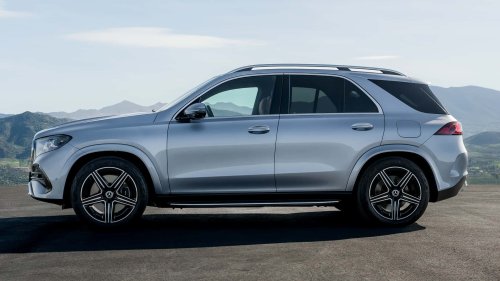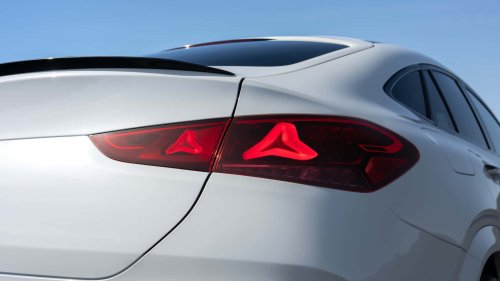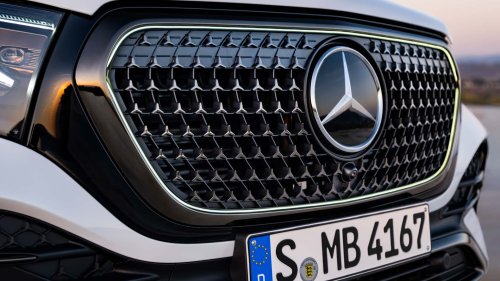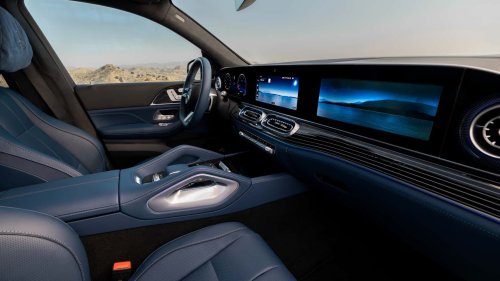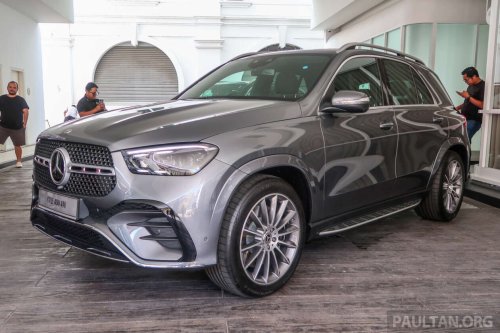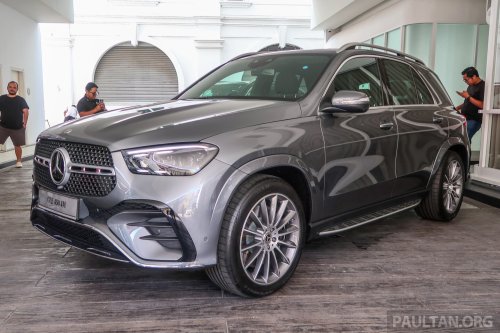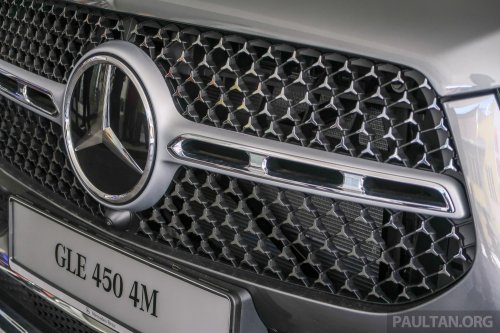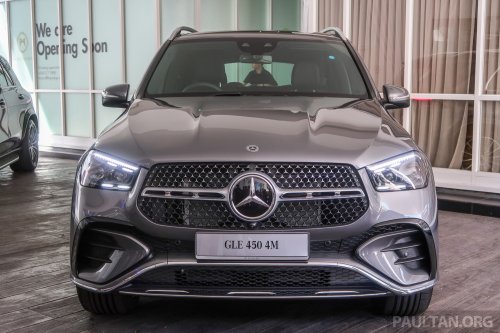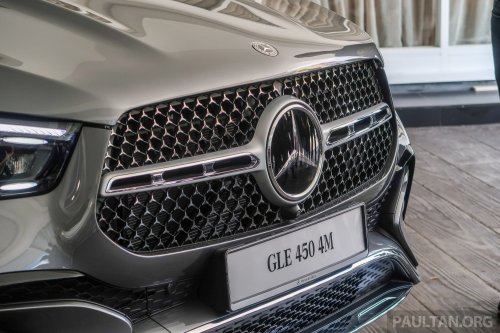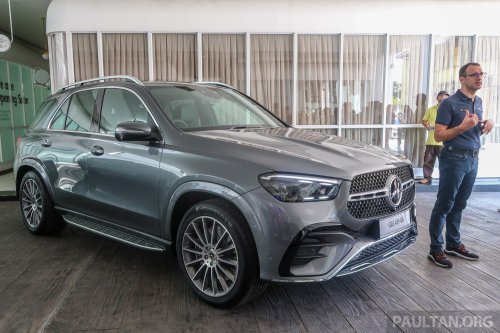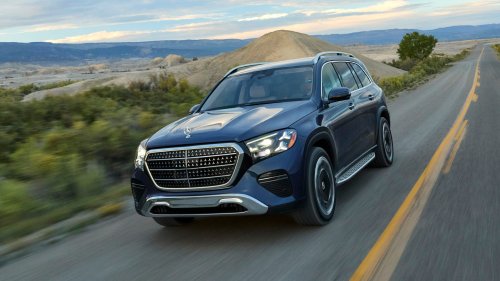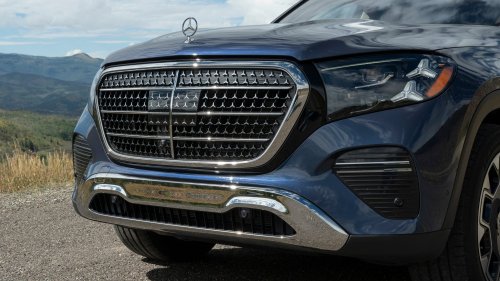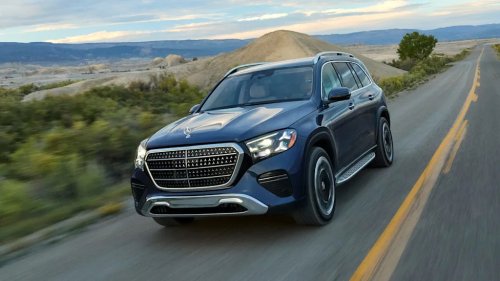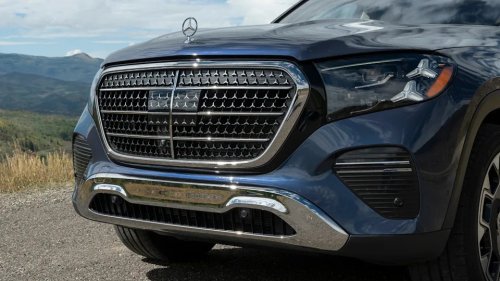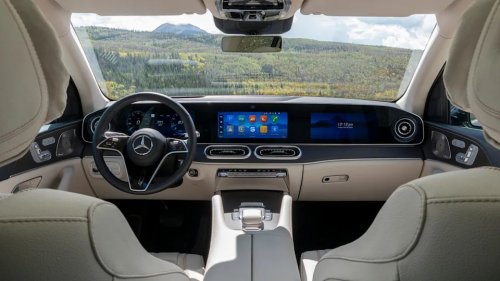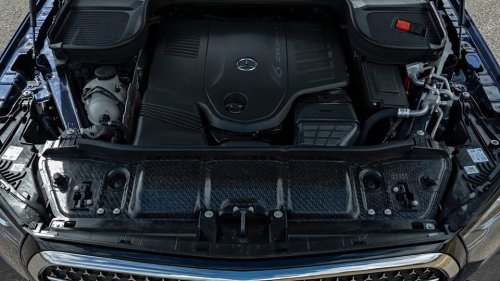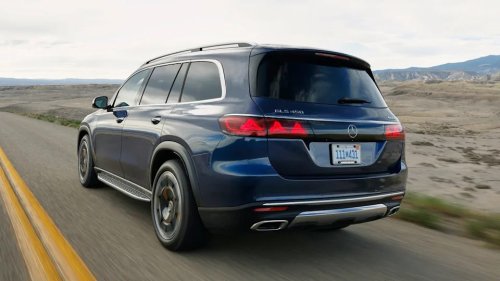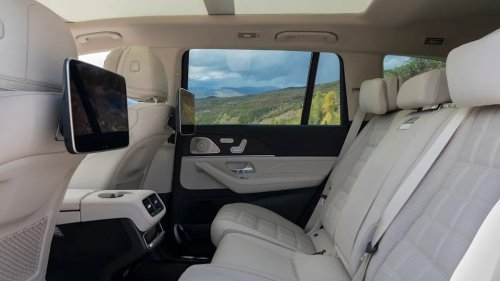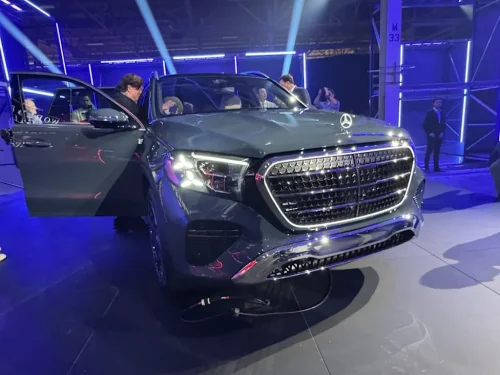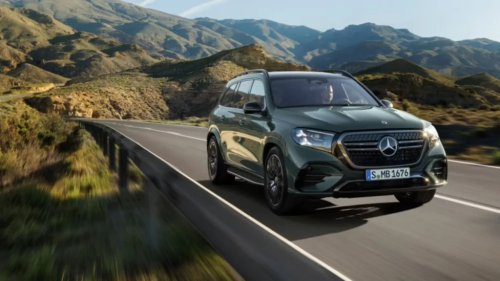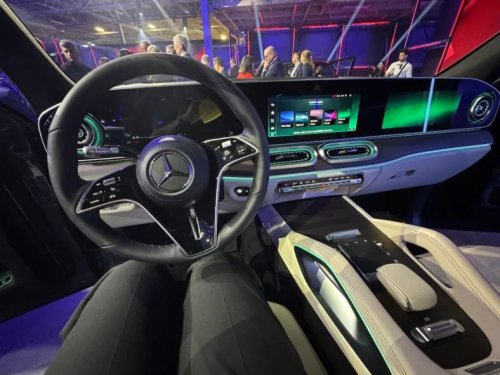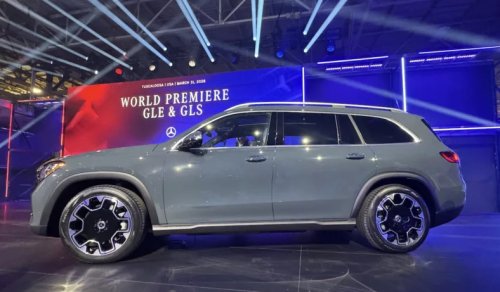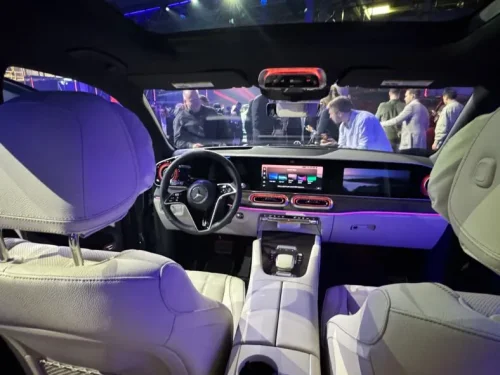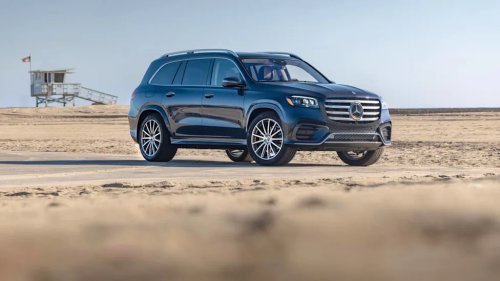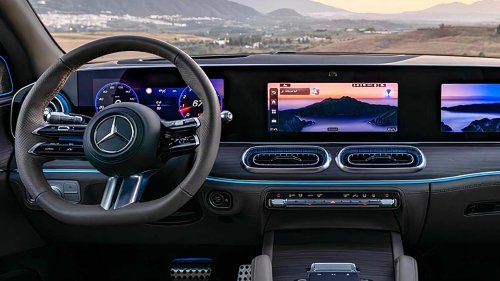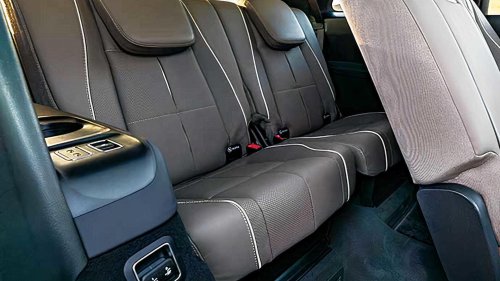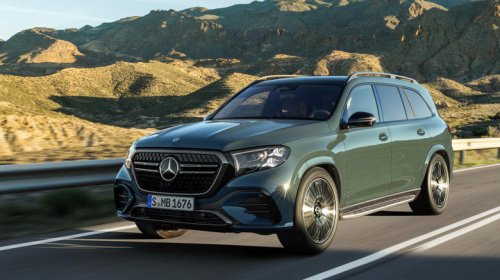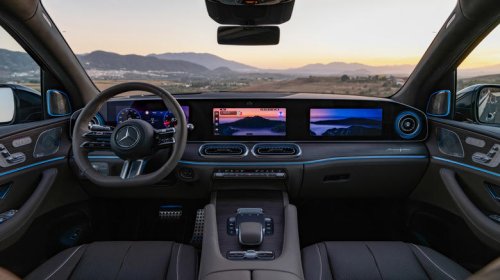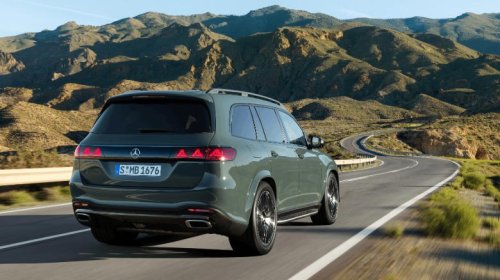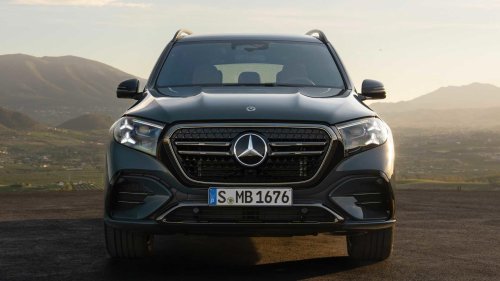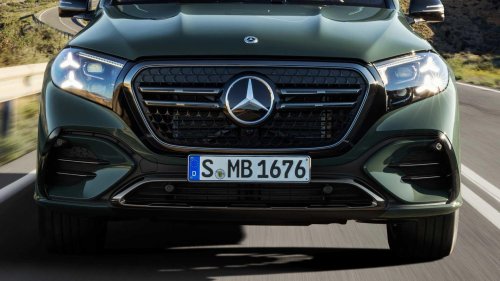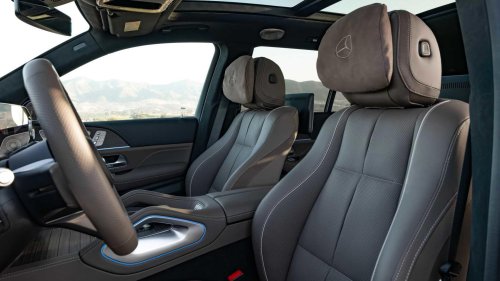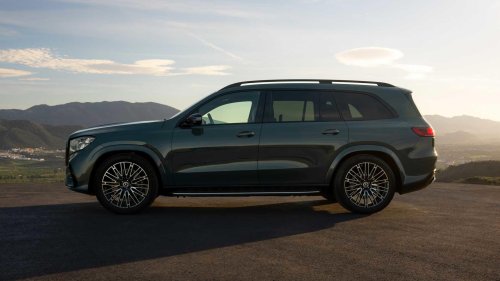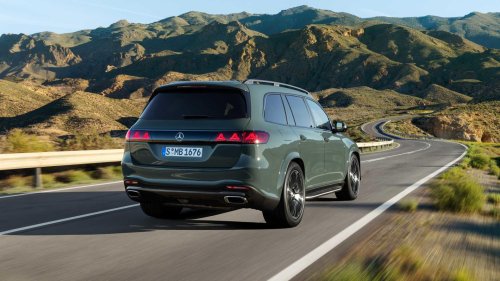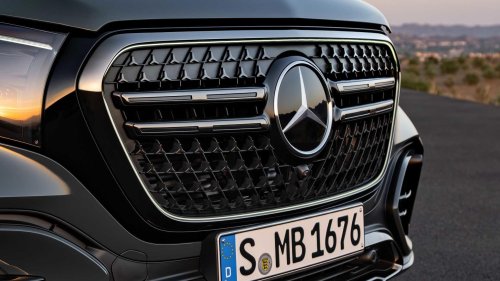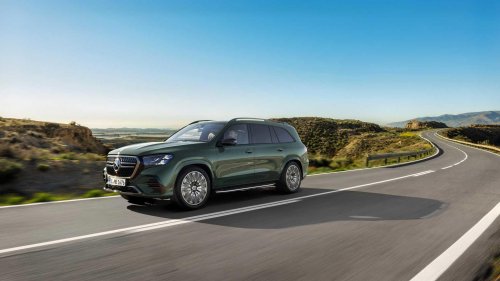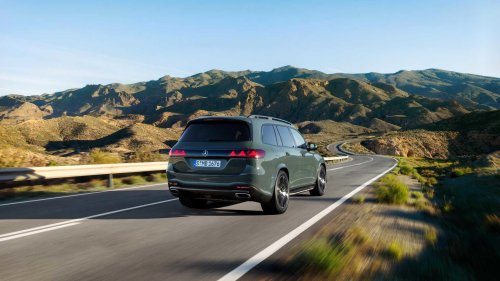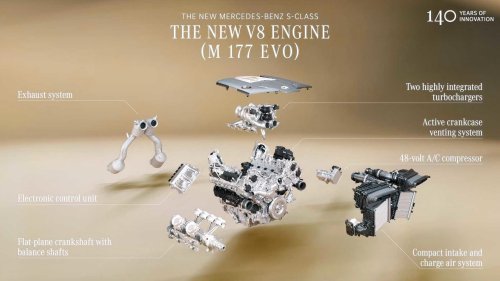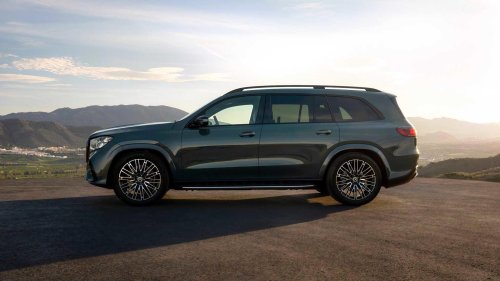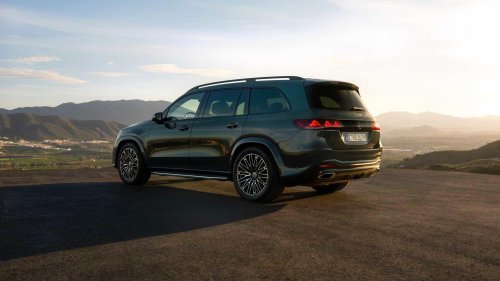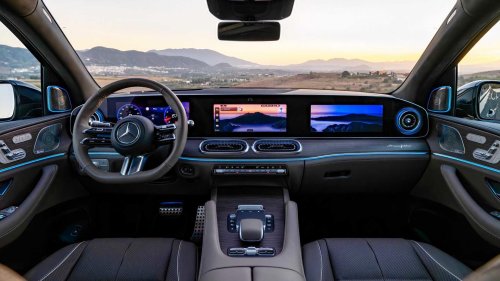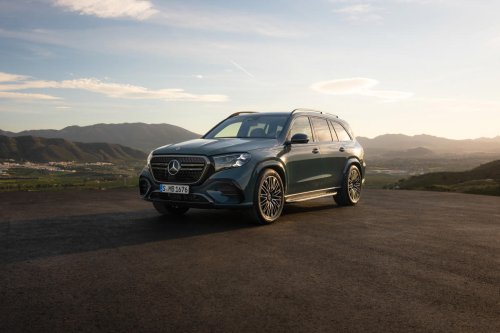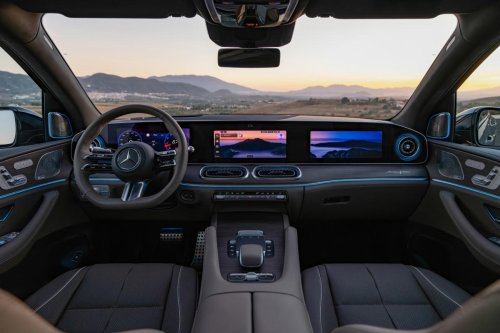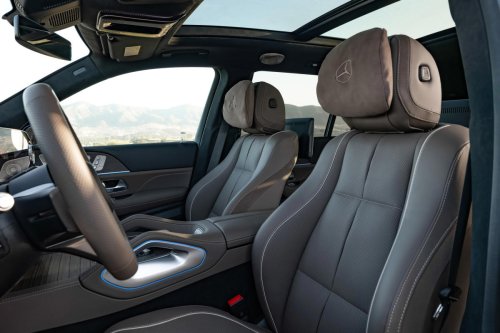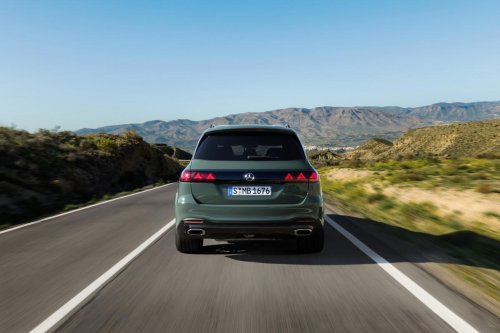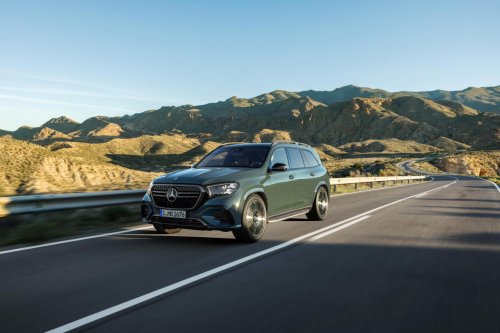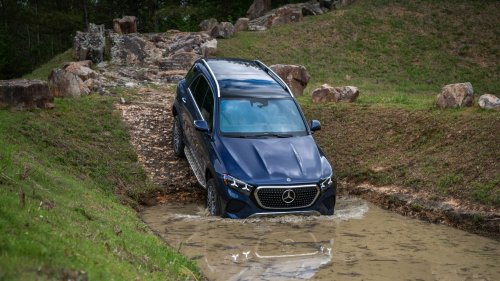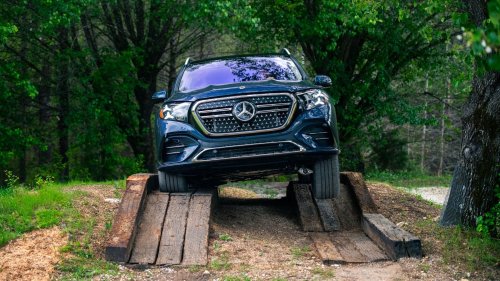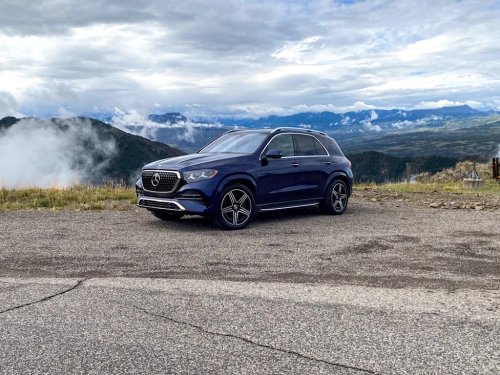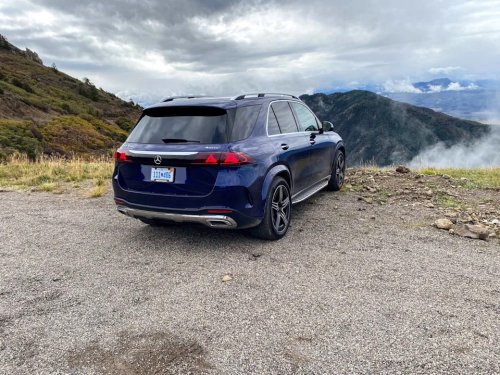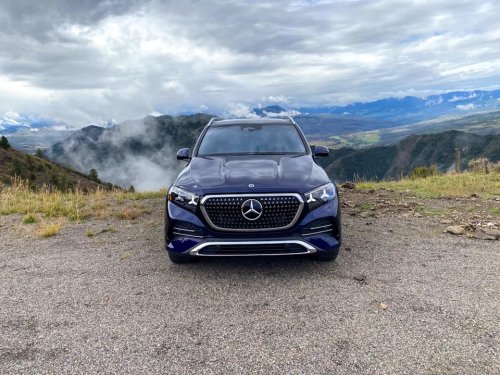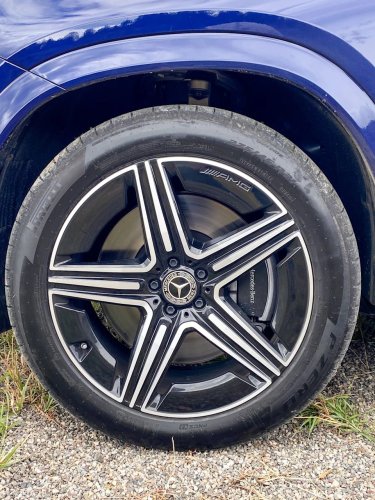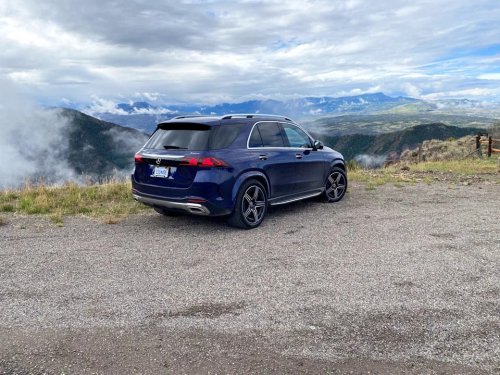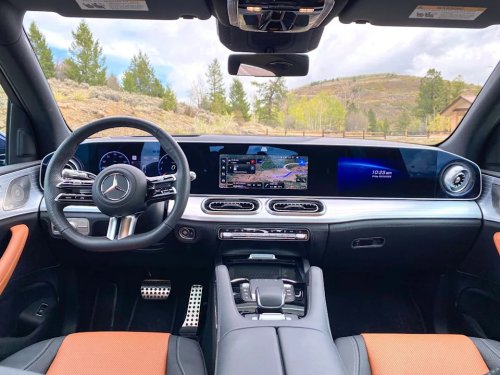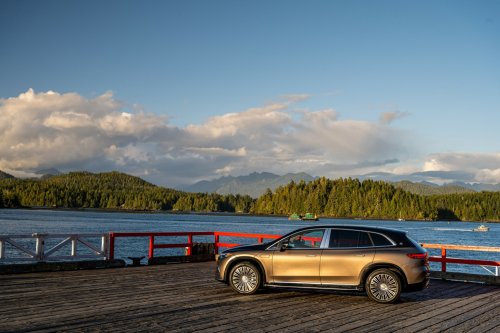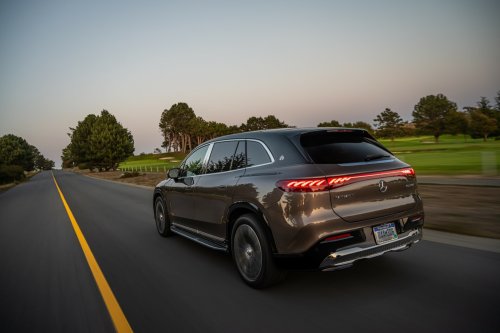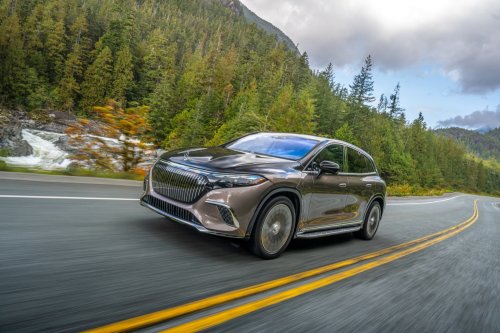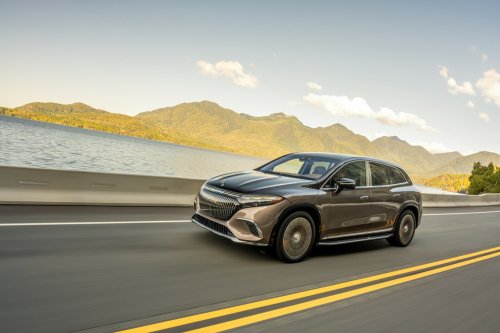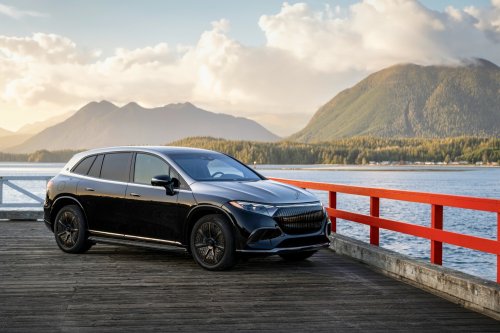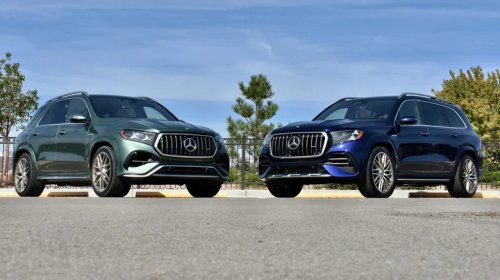
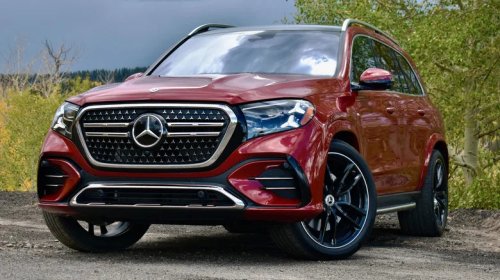
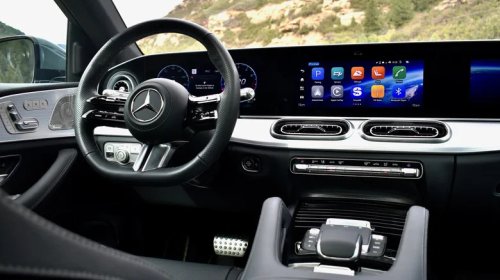
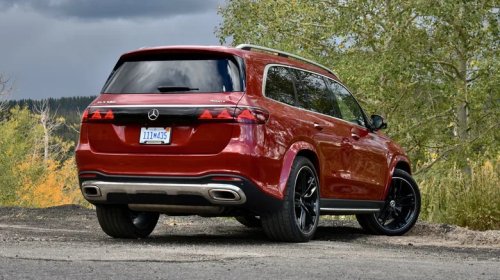
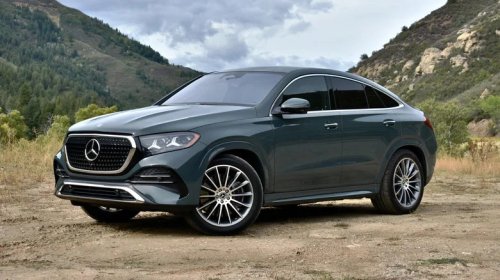
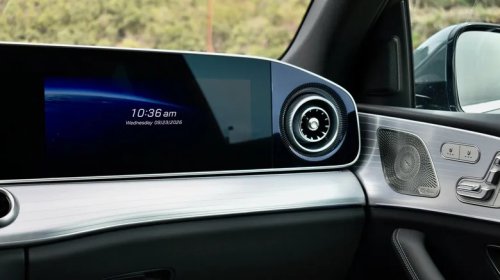
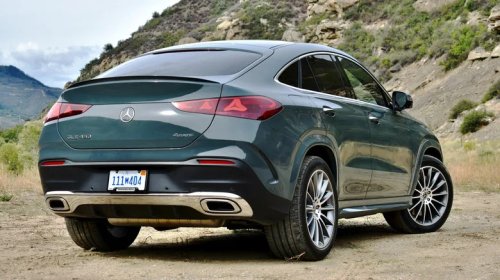
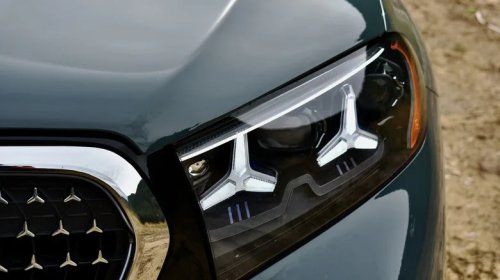



















Stephen Edelstein/SlashGearMercedes-Benz loves to portray itself as the technological innovator that birthed the automobile, but the company is as happy to follow trends as it is to set them. In 1997, M-Class seemed like a non sequitur to Mercedes' traditional lineup, but the Alabama-built crossover helped create a new market segment and beat the thematically similar BMW X5 to the punch.About a decade later, the success of the Cadillac Escalade and Lincoln Navigator had Mercedes' dealers clamoring for a big SUV with three rows of seats and superficial glitz, and so the automaker delivered the GL-Class. Today, the M-Class and GL-Class live on as the GLE and GLS, respectively, continuing to blend Mercedes luxury with the American love for locally-built SUVs.Mercedes has such a good bead on the U.S. market, in fact, that it seems to have run out of ways to update the GLE and GLS. The 2027 model year brings the second facelift for the current generations of both models. The shared architecture underneath remains the same, but Mercedes claims both SUVs are 40% new. Those differences are definitely noticeable, encompassing design, powertrains, and tech. But whether they'll convince luxury car shoppers to switch from a BMW or Lexus is another matter.Star-spackled stylingStephen Edelstein/SlashGearMost styling refreshes are fairly subtle, but not this one. If the American flag is star-spangled, these SUVs are star-spackled. The headlights and taillights are made up of illuminated Mercedes logos. The headlights also have digital-matrix tech that allows the high beams to be aimed away from other road users, something that U.S. regulations are finally allowing about a decade after this tech was introduced in Europe.The automaker's three-pointed star badge also compromises the grille texture on most trim levels. AMG performance models still get unique grilles with vertical chrome bars, recalling 1950s SL race cars. There's over 140 tiny stars on the front of these SUVs, including the giant illuminated Mercedes logo on most trim levels. A more formal grille with a hood ornament (also illuminated) is available on the GLS, making it look more like the S-Class of SUVs that Mercedes claims it is.These styling updates do a good job of making the GLE and GLS look new, despite the fact that the body shells of both models were first introduced for the 2020 model year (the GLE continues in both standard SUV and low-roof "coupe" forms). And they'll certainly get attention. But I couldn't help snickering each time I saw the pair. Repeated logos work better on designer handbags than cars. Or maybe I'm just not enough of a fashionista to understand the aesthetic appeal of conspicuous corporate branding.Screen-saturated interiorsStephen Edelstein/SlashGearThe updated interiors of both the GLE and GLS follow a similar approach to the exterior. Only instead of Mercedes stars, the one dominant feature here is screens. The standard Superscreen display incorporates three 12.3-inch screens, one serving as the instrument cluster, the other two as infotainment touchscreens. The front passenger gets their own screen, despite the identical one just a few inches away on the center stack.Unless you think more screens equals better, you'll probably be disappointed by this interior. The giant dashboard-spanning plank of black plastic that houses the screens isn't very attractive, and doesn't leave much room for other design features. With light-colored upholstery, it looks like a black hole that's about swallow the steering wheel and air vents.As it turns out, you also don't need that much screen space. Using the Superscreen and its fourth-generation MBUX infotainment software wasn't that different than in the pre-facelift GLE and GLS. That's despite a new operating system called MB.OS developed in-house, and a voice recognition system augmented by AI.There just wasn't that much room for improvement from the old system, which featured gorgeous graphics and an already-great voice recognition system that made the touchscreen practically redundant. But hey, at least front passengers can now watch YouTube videos on the dashboard (once they log in, course).Plentiful powertrain choicesStephen Edelstein/SlashGearThe third big update is under the hood, where Mercedes reworked most of the available powertrains to improve performance and efficiency. Most significantly, the twin-turbocharged 4.0-liter V8 switches from a conventional cross-plane crankshaft to a flat-plane crank. Normally associated with high-revving performance engines like the "Voodoo" 5.2-liter V8 in the last Shelby GT350 Mustang, here it's mostly used for better control of combustion in preparation for future emissions standards.The updated engine—known as the M177 Evo—also brings a small bump in power. It makes 530 horsepower and 553 pound-feet of torque, up from 510 hp and 538 lb-ft before, in both the GLE 580 4Matic and GLS 580 4Matic. The turbocharged 3.0-liter inline-six used in both SUVs (in "450" models) also gets a new cylinder head and intake camshafts, among other changes, boosting peak torque by 44 lb-ft, to 413 lb-ft. The engine's 375 hp output is unchanged.The GLE plug-in hybrid also switches from a four-cylinder to a six-cylinder gasoline engine, becoming the GLE 500e 4Matic. It now makes 429 hp and 502 lb-ft of torque as a result. Battery capacity also grows 23.3 kilowatt-hours to 25.3 kWh (usable), but estimated EV range was not available at press time.The four-cylinder GLE 350 4Matic returns as well, along with the AMG variants. There's a new six-cylinder plug-in hybrid AMG GLE 53 Hybrid, and the traditional V8 AMG GLE 63 S and AMG GLS 63.Luxurious and laid-back characterStephen Edelstein/SlashGearMercedes claims the updated six-cylinder and eight-cylinder engines are more responsive, but the previous versions weren't exactly lacking in that area. These are still great engines perfectly suited to luxury SUVs.In the non-AMG models, the inline-six revs and sounds smoother than more common V6 engines, but the V8 is delightfully indulgent. Particularly in the lighter GLE, it provides more power than you need without being excessive. It's foie gras, not a Big Mac. Mercedes also preserved its bassy burble with specially-chosen cams and exhaust hardware to counteract the effects of the flat-plane crank. And the GLE 500e plug-in hybrid can be driven like an EV most of the time. Pushing the accelerator all the way to the floor for a quick launch did wake up the gasoline engine, though.As before, both models can be equipped with air suspension and the E-Active Body Control active suspension system. But, at least for these non-AMG models, chassis tuning is definitely on the luxury side of the spectrum. Sharp handling is not on the menu, the emphasis instead being on damping all movement so that passengers are less aware that it's happening. The steering and suspension work at their own pace, which isn't much fun for the driver, but totally appropriate for a luxury vehicle. Not everything needs to be built for the racetrack.Practicality is preservedStephen Edelstein/SlashGearKeeping the same body shells rather than undertaking a full redesign makes sense, because both the GLE and GLS already offered plenty of interior space. Headroom and legroom in the first and second rows of the GLE are class-competitive, and while Mercedes did also find room for an optional third row in this midsize model, it's best to upgrade to the full-size GLS if that's something you'll be using often.The GLS' third row offers comparable legroom to the larger Cadillac Escalade and Infiniti QX80, showing the advantages of the Mercedes' unibody construction over the body-on-frame Cadillac and Infiniti. And while the GLS has less total interior space than the biggest vehicles in its segment, it makes a pretty good compromise between space inside, and manageable dimensions outside. I'd much rather parallel park a GLS than an Escalade, QX80, or Navigator.If you run out of space inside, both the GLE and GLS can also tow up to 7,700 pounds, again showing that Mercedes takes the "U" in "SUV" seriously.That being said, both SUVs seem to push the front seats close to the dashboard, so it's hard to find a good driving position that doesn't make you feel like you're hunched over the wheel. And while there's apparently enough demand to warrant keeping it in the lineup, the GLE Coupe seriously compromises rear-seat headroom and cargo space for styling that's an odd mashup of car and SUV elements.Driver-assist tech is left waiting for upgradesStephen Edelstein/SlashGearMercedes did a proper job on the driver-assist front, upgrading the GLE and GLS' sensory array and computers instead of just piling on more features that might overtax the existing hardware.Both SUVs now have 10 cameras, up to five radars, and 12 ultrasonic sensors. They feed information to a new water-cooled processor that runs new software as part of the MB.OS operating system. Like the infotainment system running the same OS, this leaves some headroom for additional features to be added as they become available, and as Mercedes' legal department signs off on them.At launch, the GLE and GLS will have expected driver-assist features like adaptive cruise control, lane-keep assist, and a park assist system that automatically detects spaces and backs the car into them. The latter is a common feature, but Mercedes' version is one of the few that works quickly and smoothly enough to actually be practical in the real world.At a later date (dependent on regulatory approval, Mercedes says) the MB.Drive Assist Pro hands-free driving system will also become available. This is a door-to-door system that works on both highways and surface streets when using the navigation system. SlashGear previously demoed it in San Francisco, and it's pretty darn impressive.2027 Mercedes-Benz GLE and GLS verdictStephen Edelstein/SlashGearPricing remains well within the norm for both SUVs' respective segments. The GLE starts at $69,850 in four-cylinder 4Matic form, but you can spend $138,550 or more if you opt for the AMG GLE 63 S performance model. There are no less than nine versions of the GLE to choose from across the two body styles and six available powertrains (only some of which are available on the GLE Coupe).The GLS lineup is a bit less complicated, with just the six-cylinder GLS 450 4Matic starting at $95,500, the eight-cylinder GLS 580 4Matic ($122,500), and the AMG GLS 63 ($156,800) performance model. A Maybach ultra-luxury version will also join the lineup at a later date.Whether it's pricing, horsepower, or fuel economy, the numbers haven't improved enough to alter the outcome of the value equation for either SUV. And though they look different inside and out, these non-AMG models don't drive that differently to the pre-facelift versions. That means both the 2027 GLE and GLS are good luxury vehicles that justify their place on consumers' shopping lists, but they probably won't win any new converts. With some notable new competition on the way in the form of the redesigned BMW X5 and Audi Q7, as well as the Audi Q9 that will challenge the GLS for the first time, it will be interesting to see how that approach holds up.