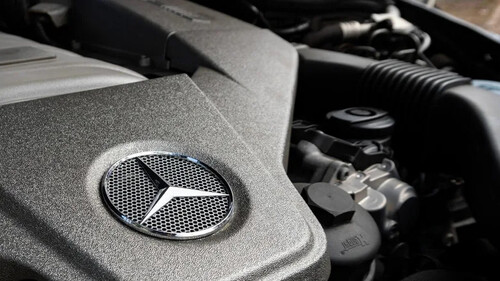
Gabriel Carter · 1 months ago@gabrielcarter210Mercedes-Benz signs deal to put Wayve AI Driver in cars within 2 years Liked byTeslaPost commentRelated PostsYour Car Is Sharing More Private Data Than Your Smartphone. Who’s Getting It? 93 · Amélie Green · 24 days agoAustralian Plugin Vehicle Sales, September Update — Are Mainstream Media Finally Waking Up?Jackson Labelle · 12 days agoBMW announces 2027 i3 prices with a range of up to 468 miles 71 · Liam Labelle · 24 days agoAre Aero Caps A Worthwhile Upgrade for Electric Vehicles? Testing the HALOBLK HALODISCSAva Macdonald · 12 days agoAmerica’s EV Charging Is a Mess. The CEO Trying to Fix It Explains Why 65 · Samuel Hall · 24 days agoStudy Finds Many New Cars Share Your Data With Third-Party CompaniesAdam Turner · 12 days agoFord CEO Says U.S. Must Not Fall To Scourge Of Chinese Cars, It's Already 'Too Late' For Europe 82 · Claire Campbell · 24 days agoAll the Great Car Names Have Been TakenAva Labelle · 13 days agoNew BMW i3 gets a huge £10k price cut with arrival of 40 xDrive model 75 · Oliver Rogers · 24 days agoBack in the real world: electric equipment is saving job sites BIG MONEYMia Walker · 13 days agoCalifornia woman trades in Mercedes, then paper imitation of her license plate triggers fines, toll bills 66 · Mia Fortin · 24 days agoAs electric semi truck race heats up, SoCal is getting another charging hubAudrey Wilson · 13 days agoNew BMW i3 gets a huge £10k price cut as entry-level 40 xDrive model arrives 27 · Noah Turner · 24 days agoTesla owner drove 1,857 miles in 31 days, says charging cost $136 and saved $235 on gasClaire Fortin · 13 days agoThe 2027 Mercedes G 580 EV Gets A NACS Port, More Range, And Faster Charging 21 · Kaitlyn Smith · 25 days ago6 New Cars With Payments That Cost Less Than $500 Per MonthOliver Lewis · 13 days agoID Bust: VW Delays The ID Buzz's U.S. Comeback To 2028 Model Year 73 · Oliver Lewis · 29 days agoIn the US, new Tesla Model 3 and Model Y orders can now back up a home during outagesLiam Girard · 13 days agoThe 2026 Mercedes-Benz GLC 400e: It's Full of Surprises 40 · Gabriel Côté · 29 days agoKia Bets the $30,000 EV3 Becomes Its Top U.S. SellerJenna Carter · 13 days ago