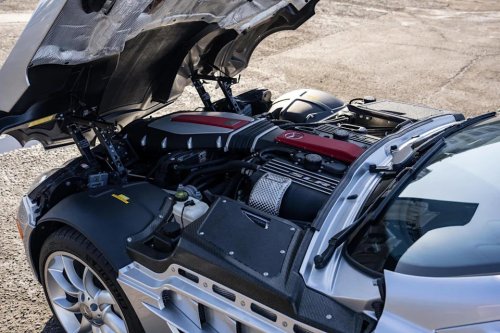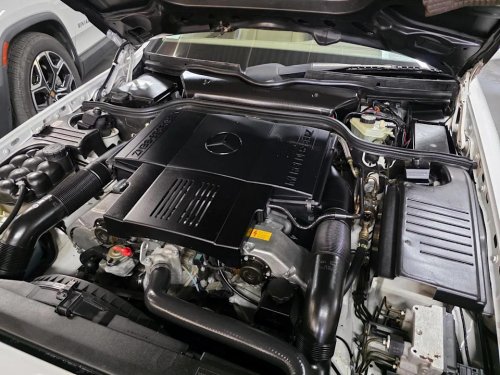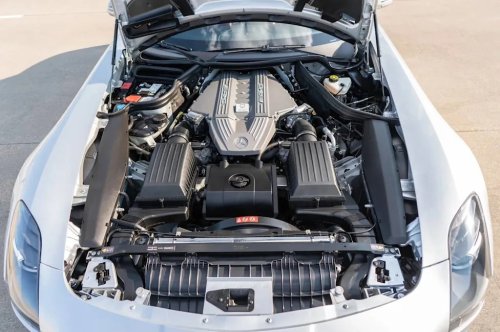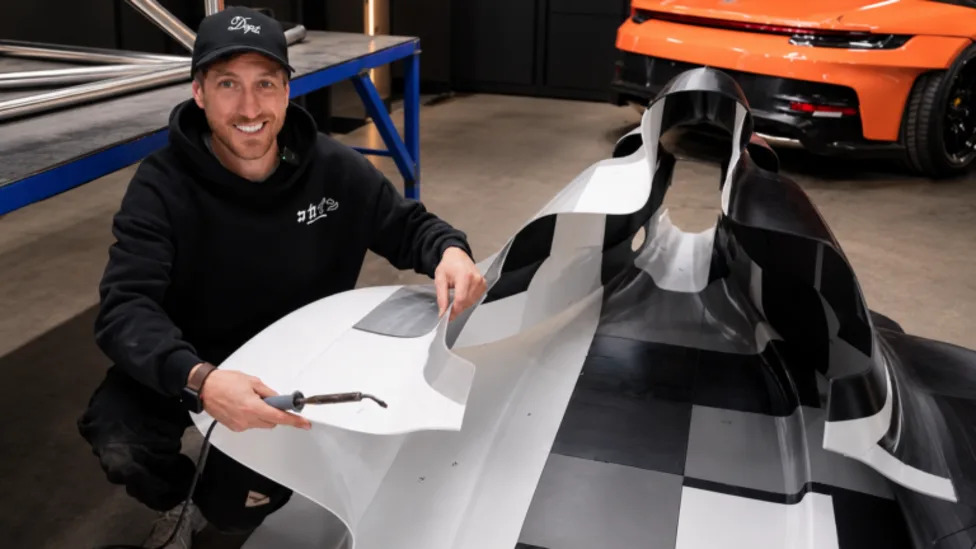



















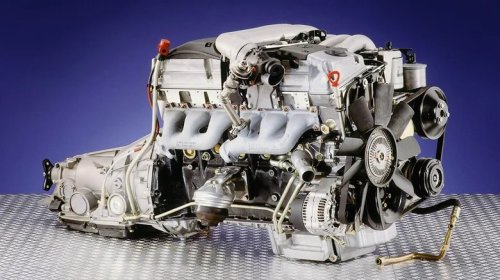



This Youtuber Is 3D Printing a Full-Size 2026 F1 Car — Then Drifting It With a Mercedes V12Building a replica Formula 1 car is already a borderline unhinged ambition. Building one from 3D-printed PETG, stuffing a Mercedes M120 V12 into it, and then taking it drifting is something else entirely. That's exactly what Australian YouTuber Mike Lake is doing, and the latest episode of his ongoing series shows the project graduating from ambitious render to something that genuinely looks like an F1 car."We're 3D printing an entire 2026 Formula 1 car powered by a Mercedes V12 engine. And this is by far the most challenging project we've ever undertaken," Lake said at the top of the video – and he's not underselling it. His previous benchmark for difficulty was a 3D-printed Porsche build. This makes that look like a weekend project.What 100 Pieces and Two Sleepless Days Gets YouThe main body shell – floor, side pods, and engine covers – couldn't fit on any single printer bed, so Lake's team at Two Step Garage sliced the geometry into 100 separate pieces, each averaging around 10 hours of print time on their Bambu Lab H2S machines running PETG filament. The math on that alone is horrendous. The 3D model files came from Melbourne-based mechanical engineer Fatlip Collective, and FreeCAD was used to keep all 100 numbered components organised during assembly.AdvertisementAdvertisementAssembly itself took two full days, with Lake plastic-welding each piece and reinforcing every seam with Loctite 406. The front wing alone had previously consumed around 175 hours of print time and roughly nine kilograms of plastic – about $158 USD in raw material – so the body shell build represents a large expansion of this project (and the budget). At one point, Lake spent three hours hunting for a missing piece before realising it was already installed. The part was number five. It was right there.The chassis underneath all of this printed bodywork was designed and fabricated with help from Cage Kits Australia, and it's built to accommodate the M120 – the naturally aspirated V12 that powered early Pagani Zondas and has no business being inside anything shaped like a contemporary open-wheel car. Lake has confirmed the engine passed a compression test and is ready to run. "There's no off-the-shelf parts and no instruction manual for this thing. We're literally starting from scratch," he said, which makes sense given that fitting a V12 with a transaxle gearbox into a 2026 F1 silhouette requires custom… well, everything.The exhaust, well that's even more interesting. Lake is building a 12-into-1 collector to route the V12's output through the side pod exit – "That's where our 12-to-1 exhaust from our Mercedes V12 engine is going to exit," he confirmed – and there's apparently about five inches of clearance in that area to work with. The intake side is equally as interesting: the air scoop above the driver's head will function as an actual working intake, feeding the V12's individual throttle bodies. His stated goal is a car with a 2026 F1 exterior and the exhaust note of a 1990s racing machine.The front wing is designed to detach for trailer transport using a dowel-and-bolt system, which solves a real logistics problem given the sheer length of the car. Weight distribution is something Lake is already thinking about – the V12 and transaxle sit at the rear, leaving the nose relatively light, and the removable wing being off the car during transit helps get the whole thing further forward on the trailer.AdvertisementAdvertisementOver 500 hours of print time have gone into the project so far, per The Supercar Blog. STL files for the build are available through twostepgarage.com if anyone is inspired enough – or unhinged enough – to attempt their own version."It's been one of the most satisfying things I've ever 3D printed. And if anything, it's given me more motivation and makes me think we might actually pull this off," Lake said after the shell came together. The gearbox pickup is reportedly happening within the next week, which means the drivetrain assembly phase is close. Whether a 3D-printed body can survive a track day with a V12 behind the driver's head is a question that will eventually answer itself. Lake seems confident:"I'm massively confident that we can have this thing looking exactly like the 2026 Formula 1 car." Whether it survives drifting is a separate question entirely.