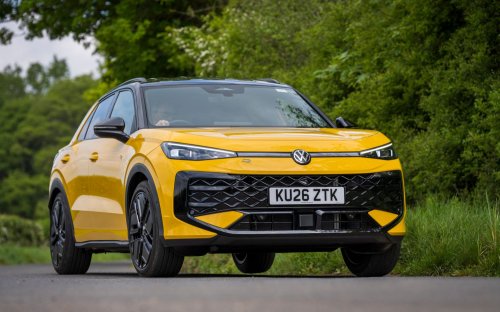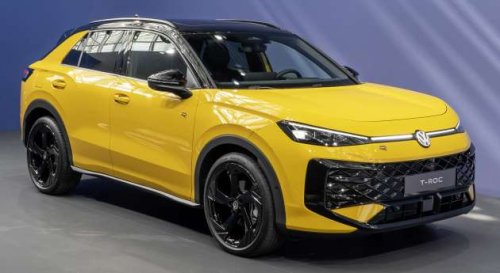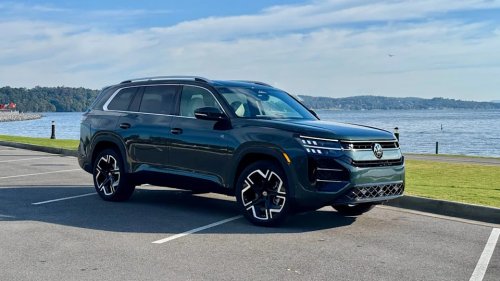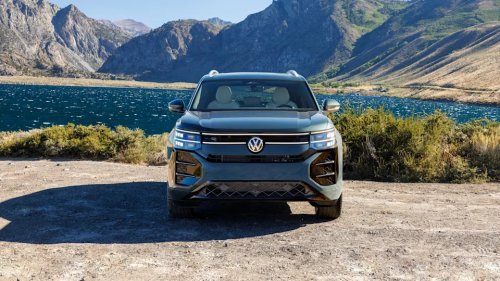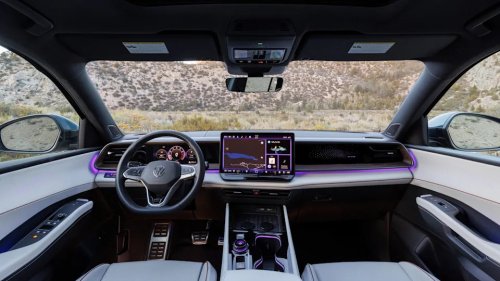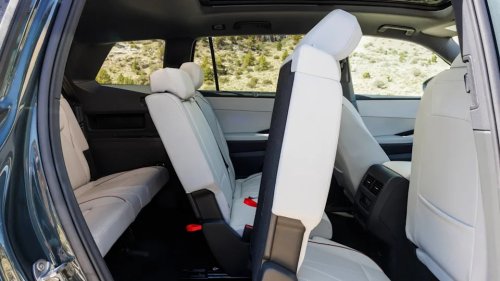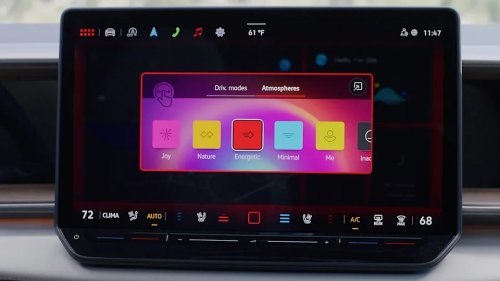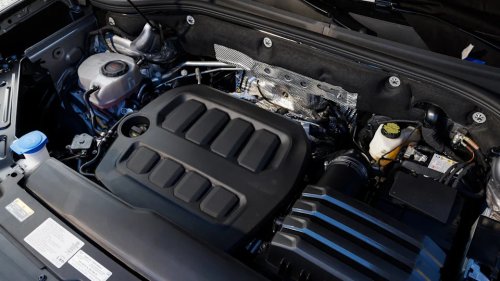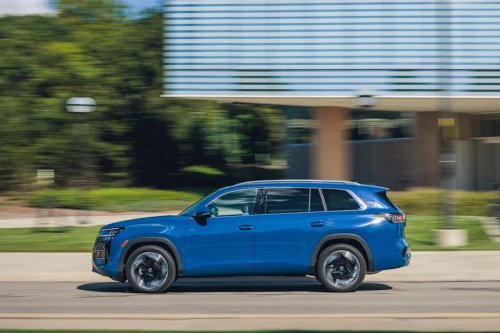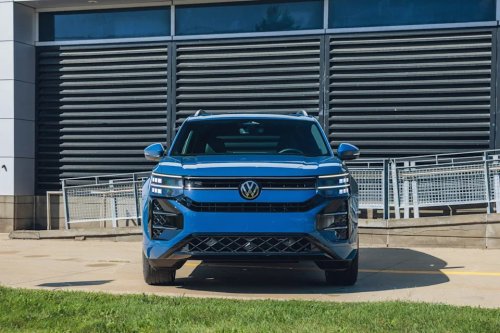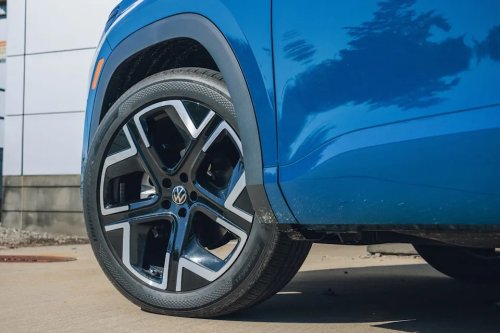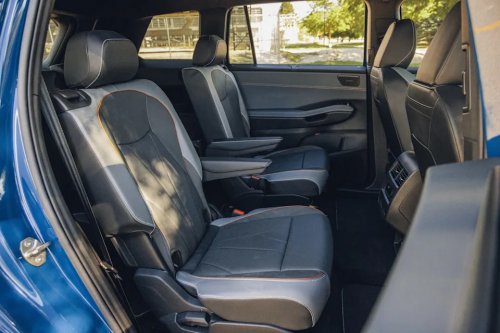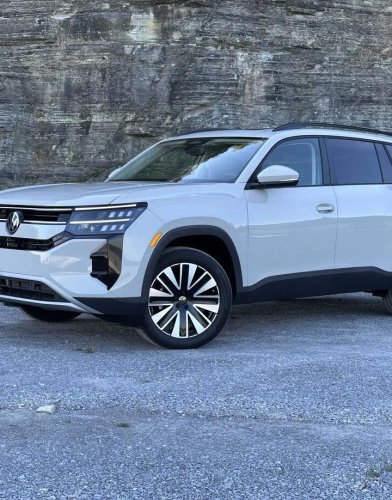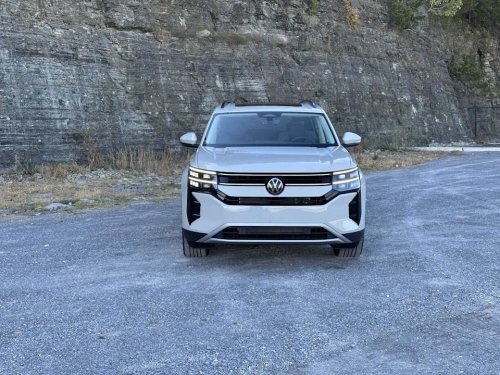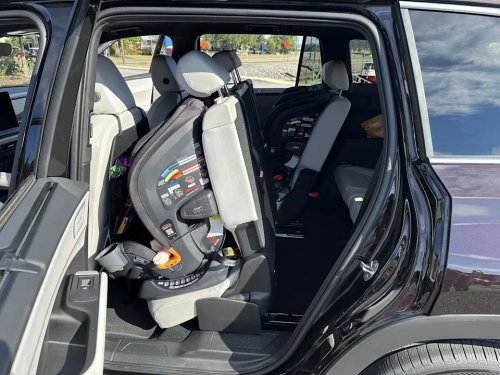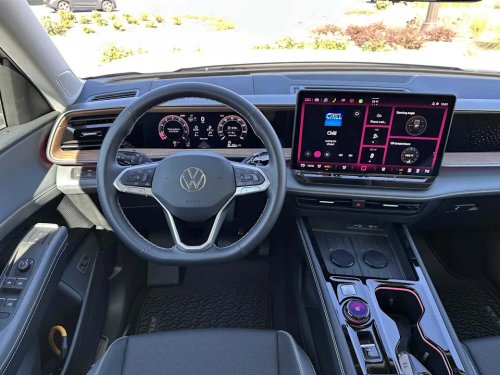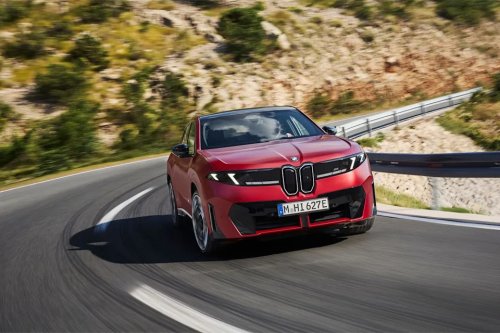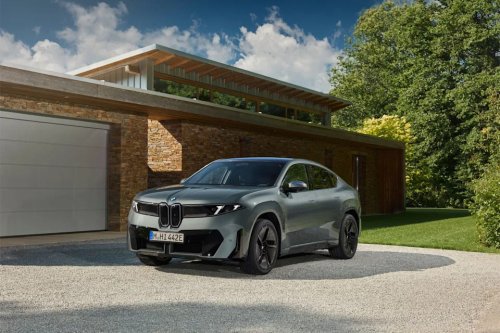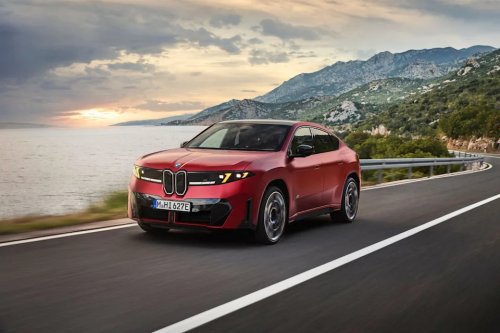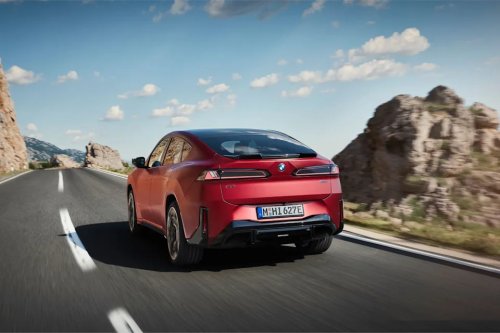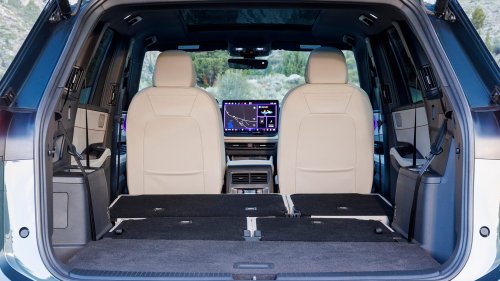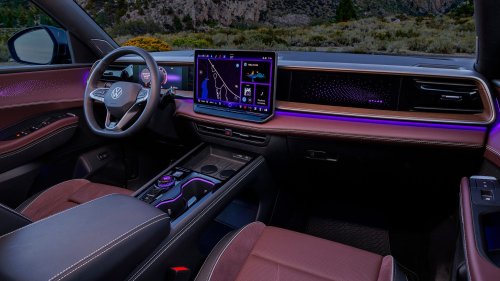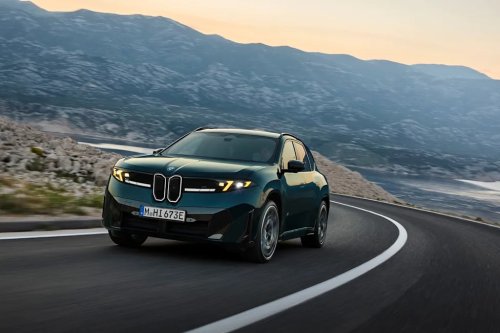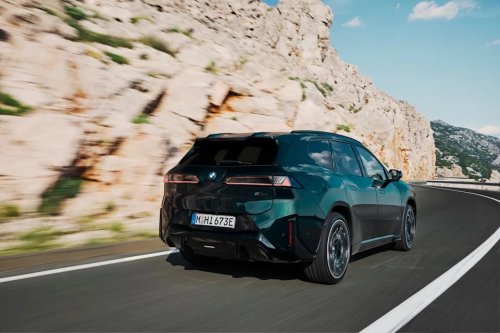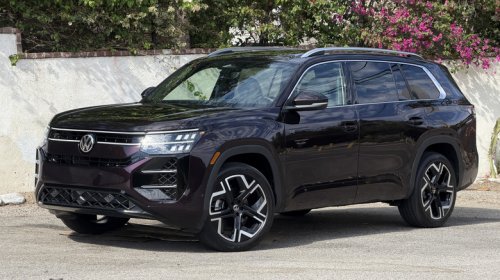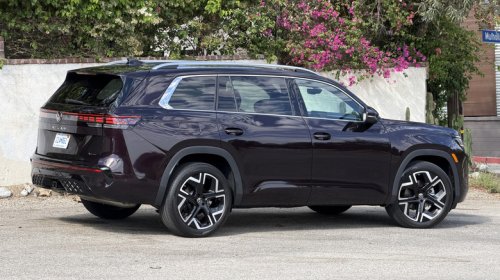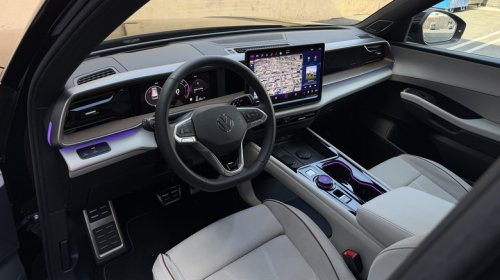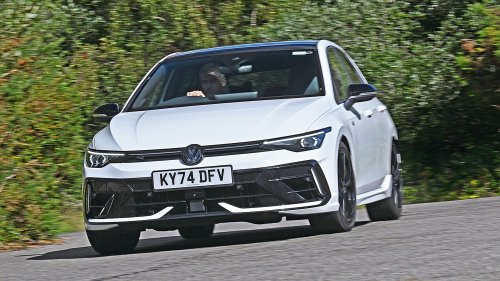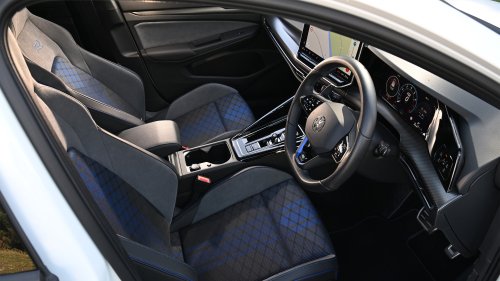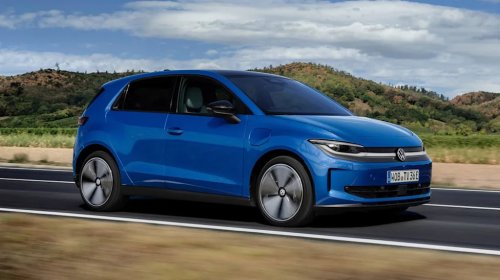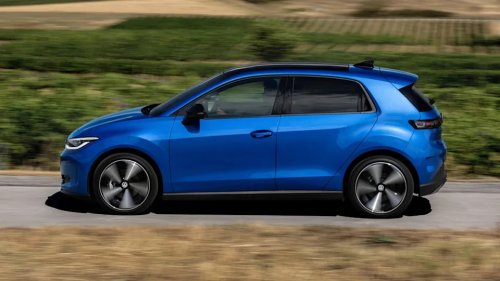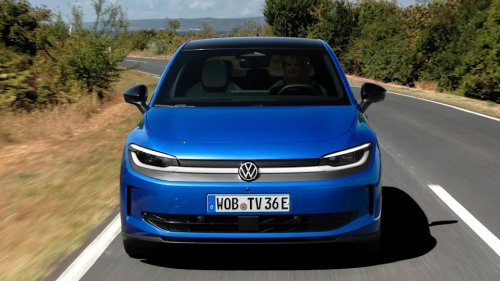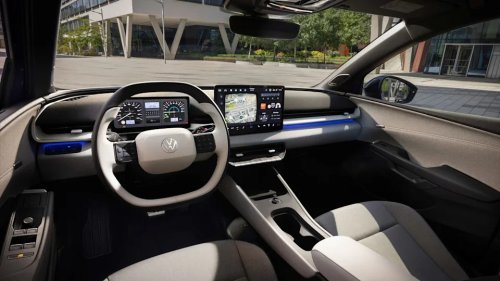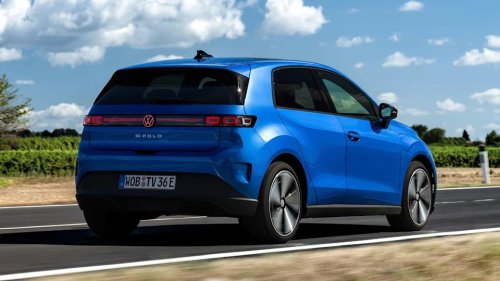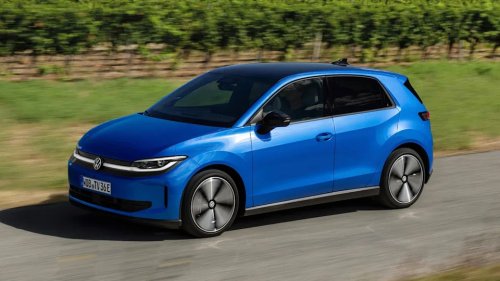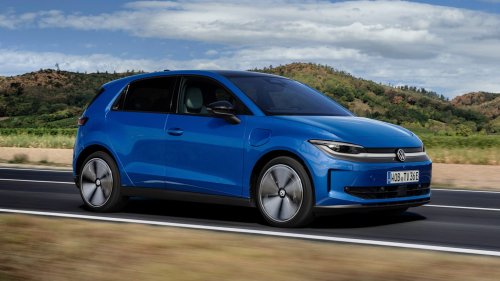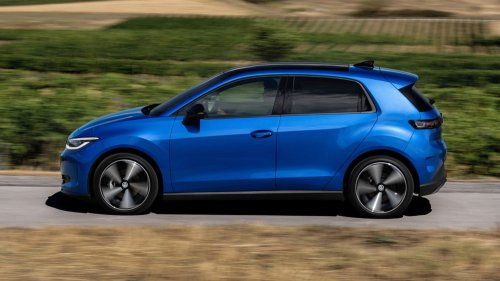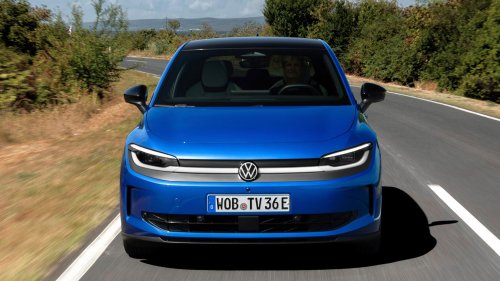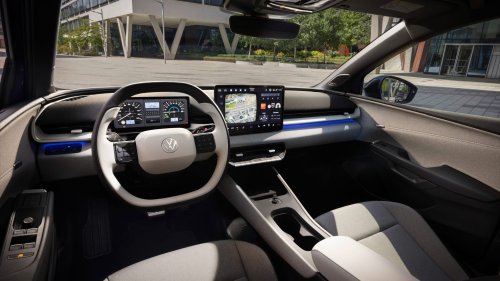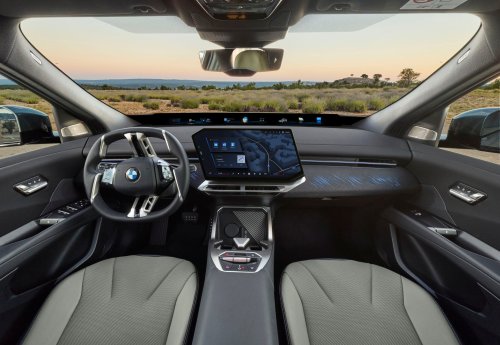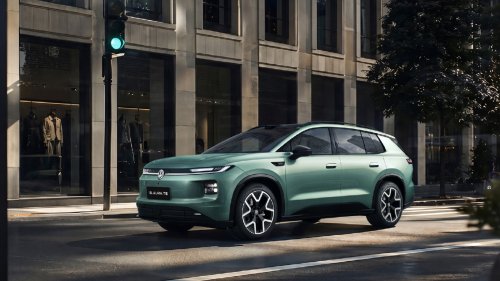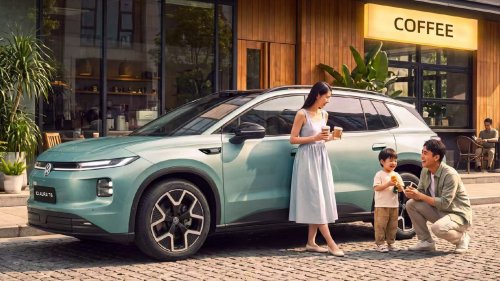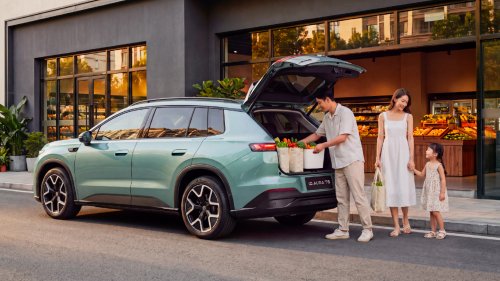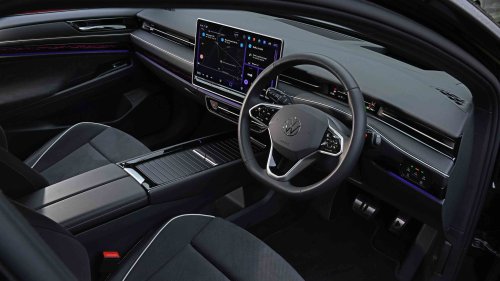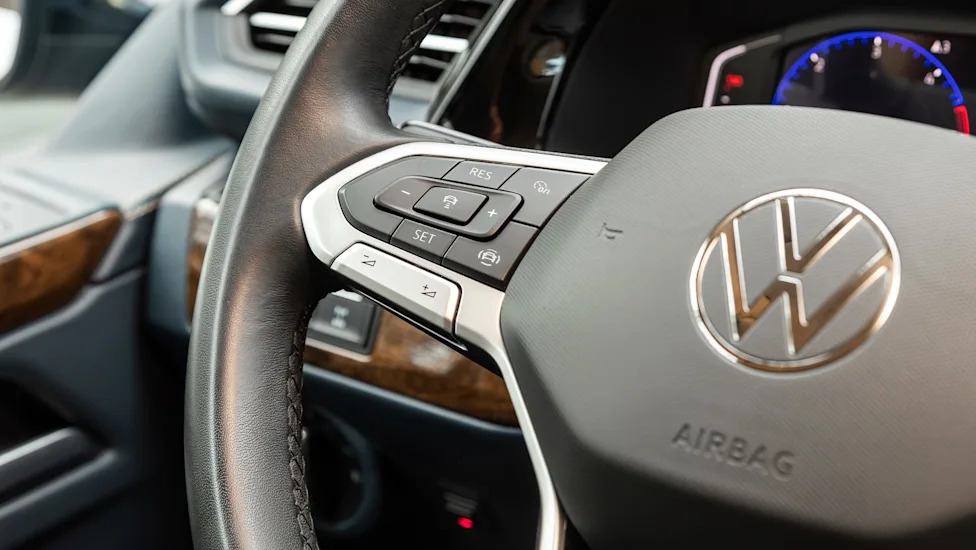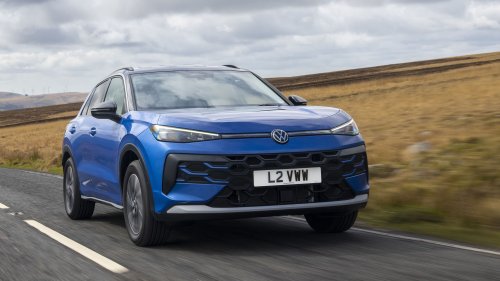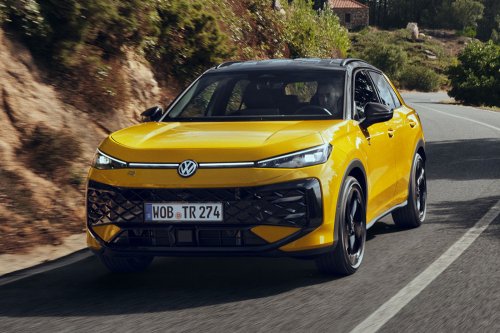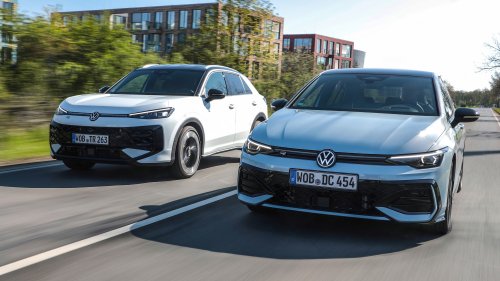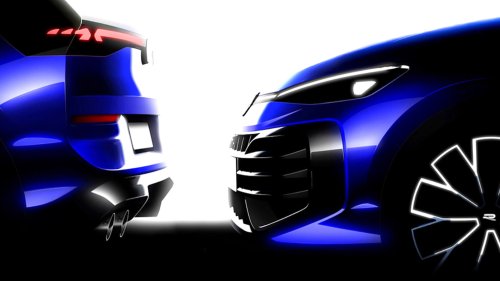
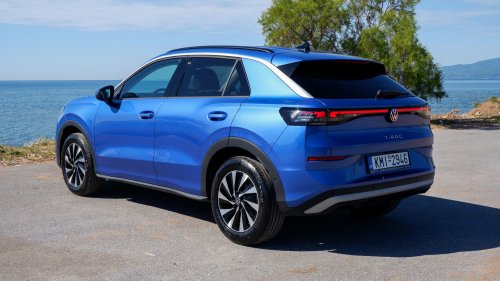
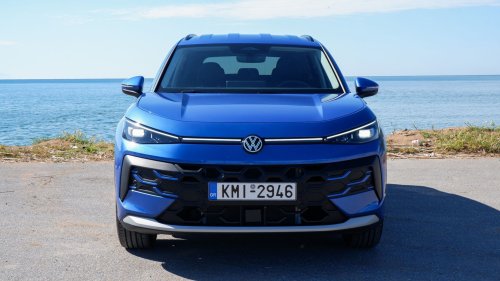
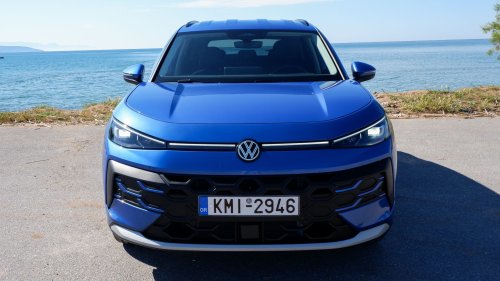
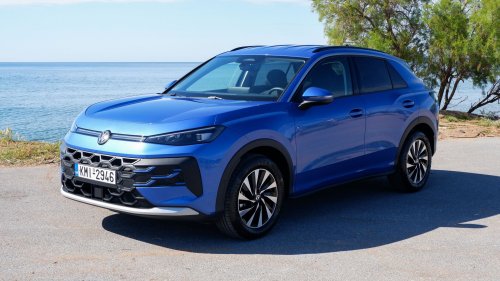
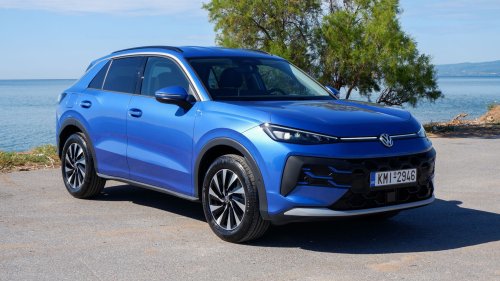
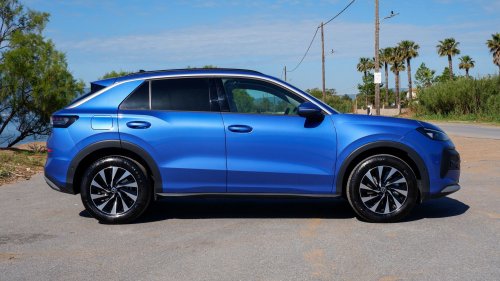
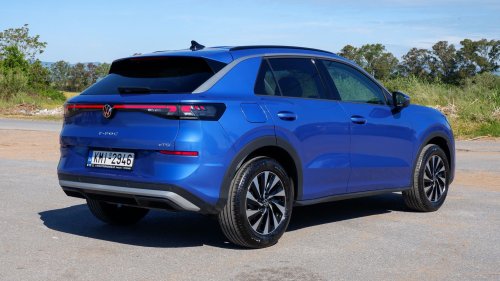
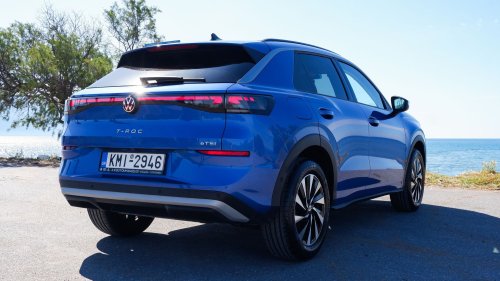
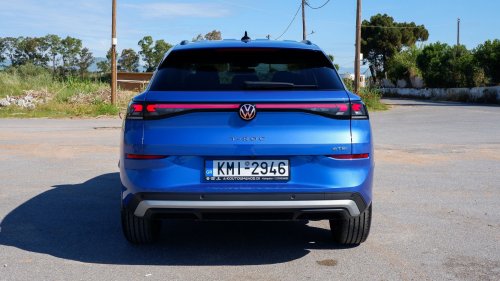
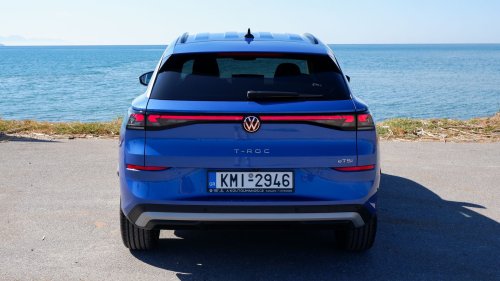
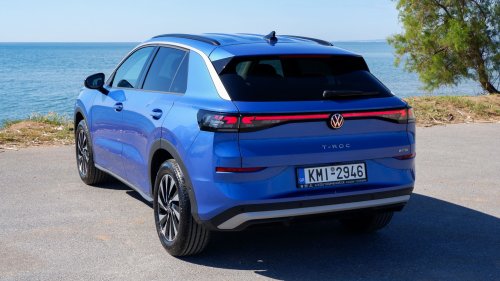
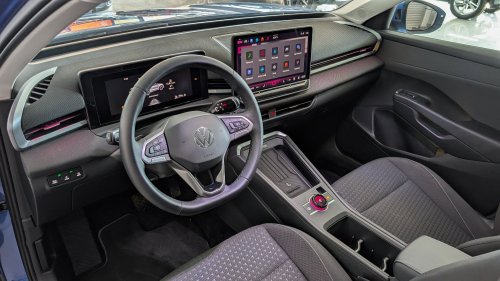
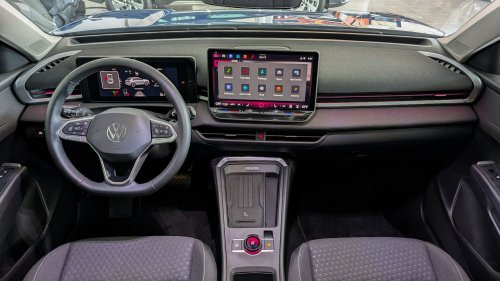
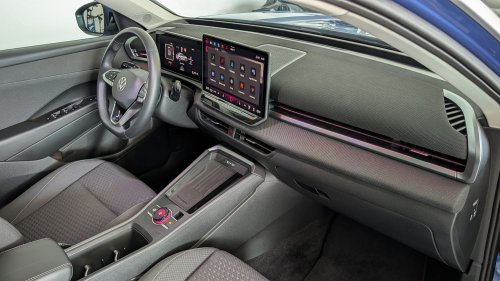
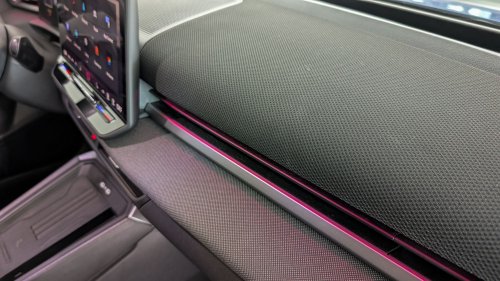
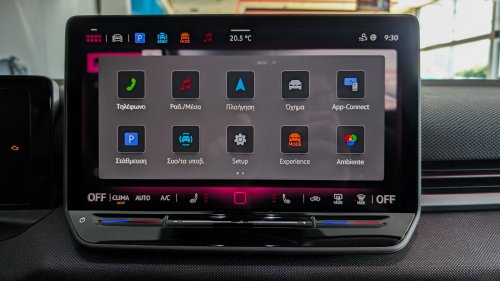
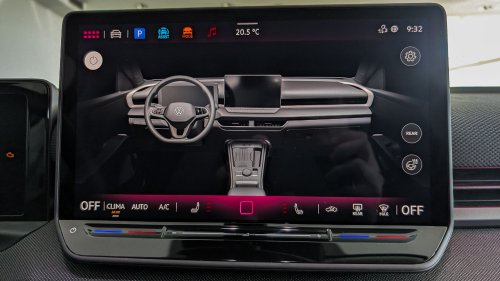
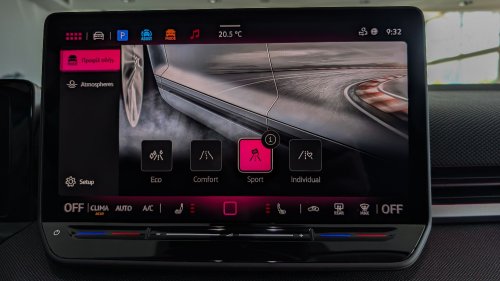
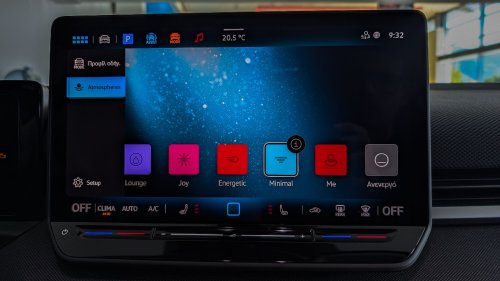
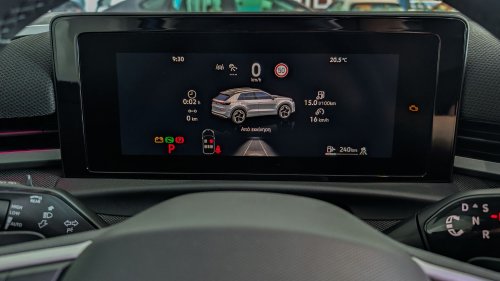
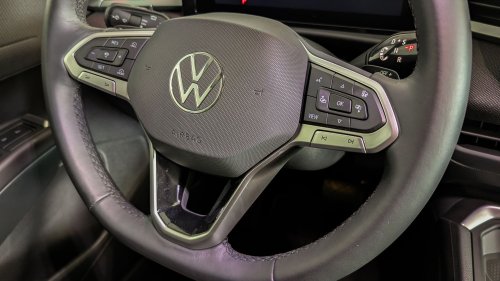
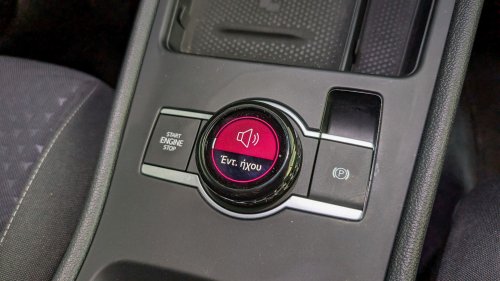
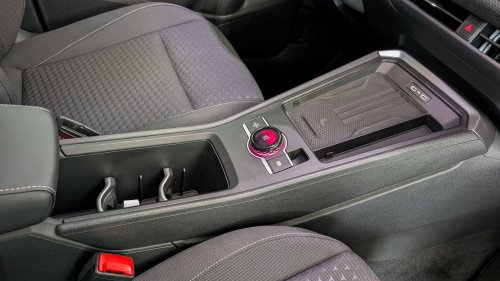
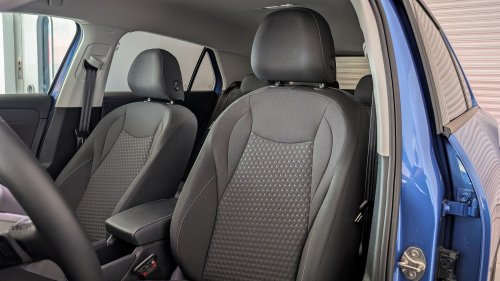
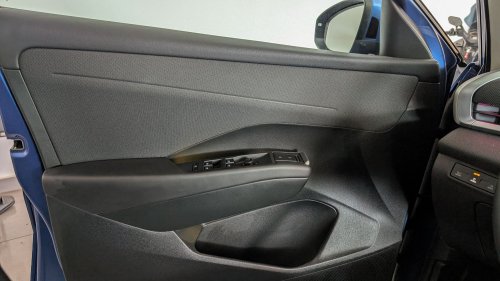
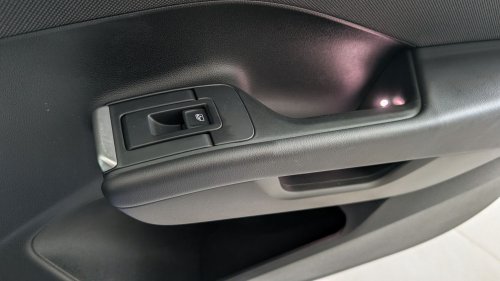
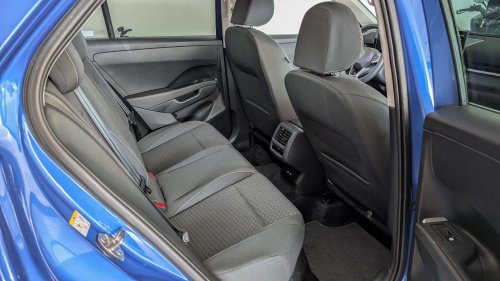
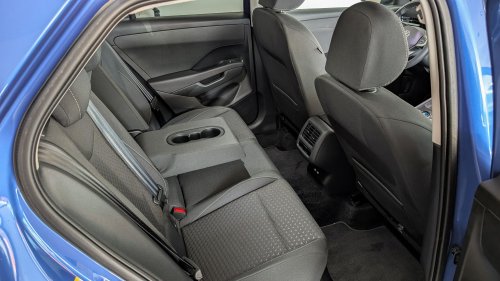
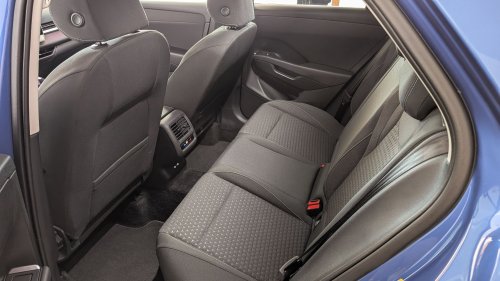
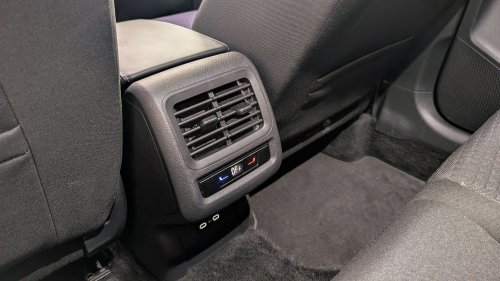
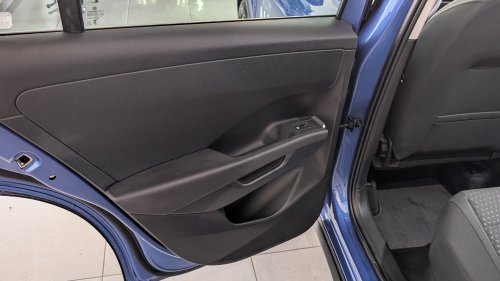
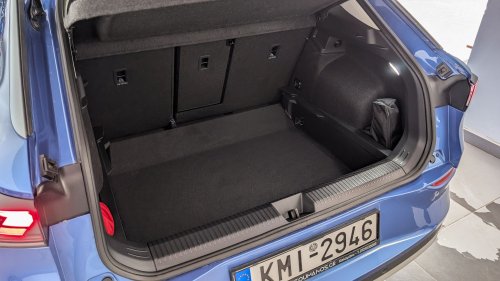
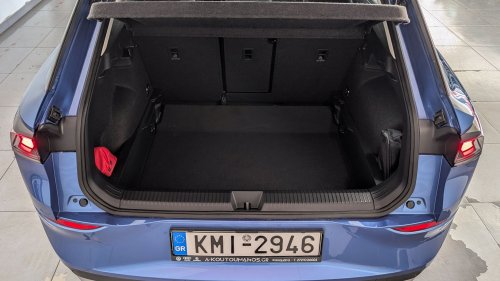
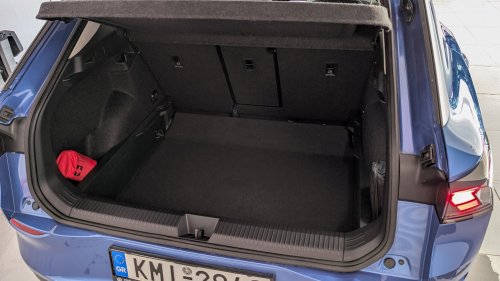
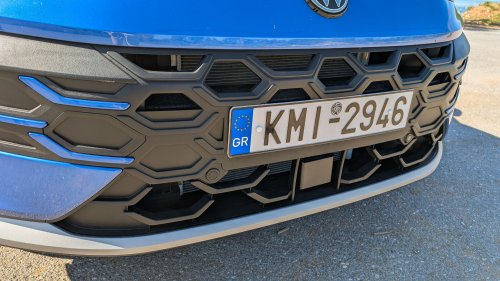
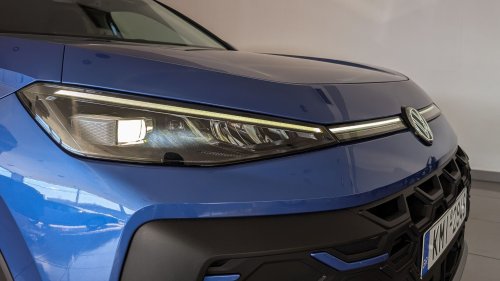
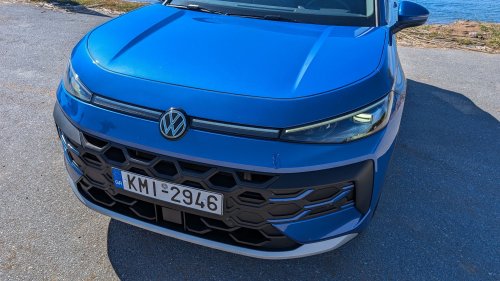
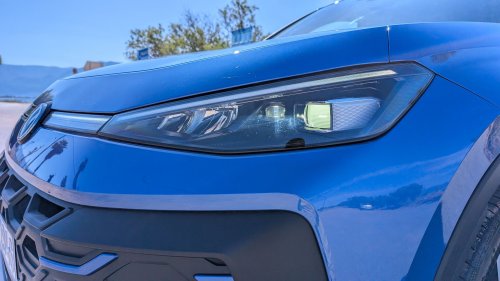
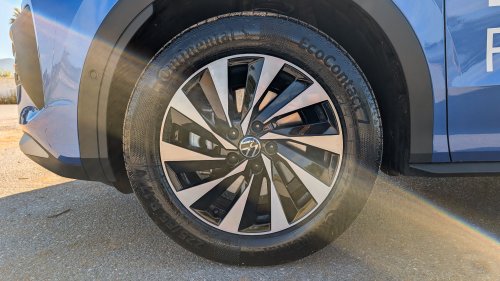
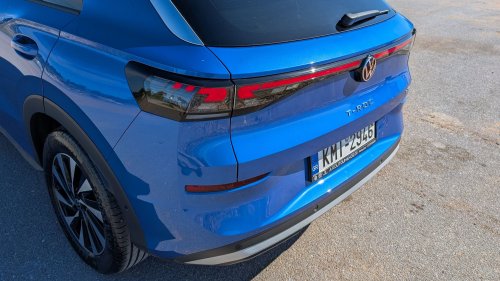
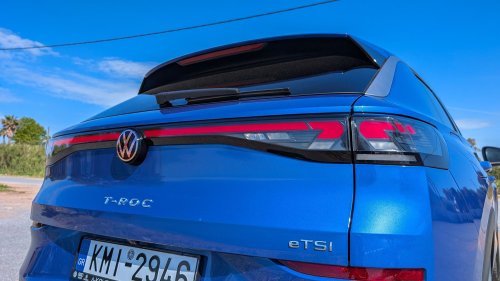
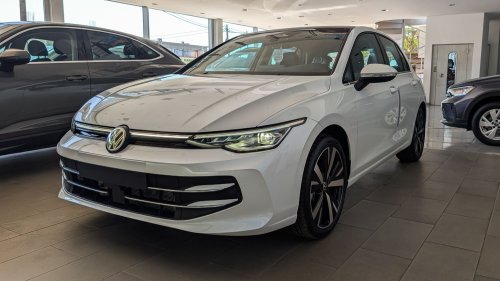
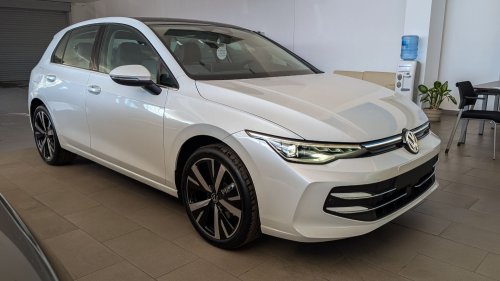
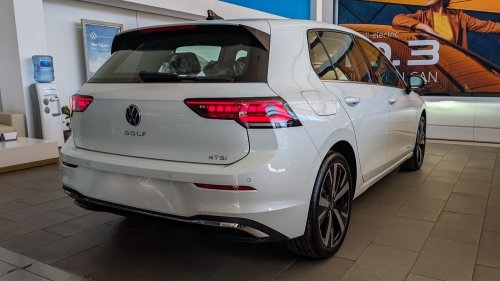
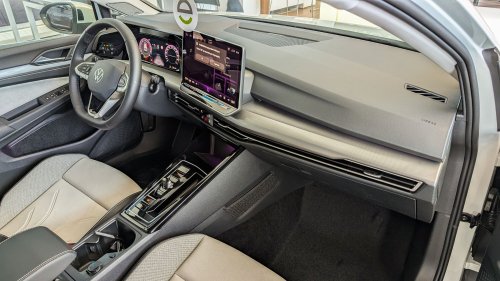
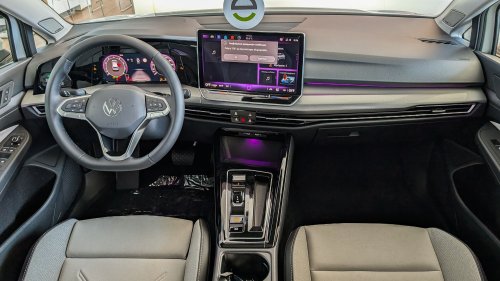
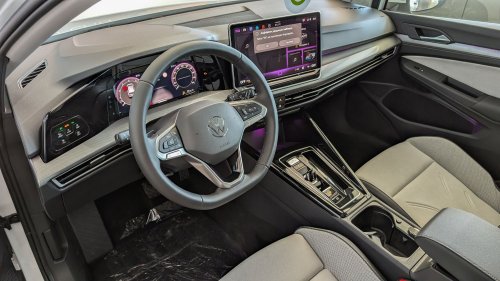
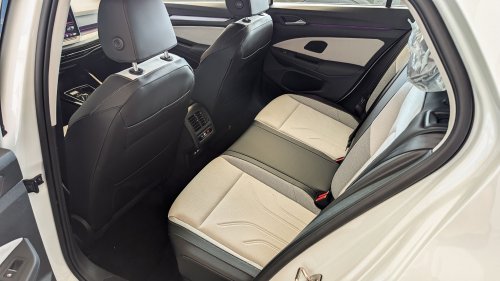
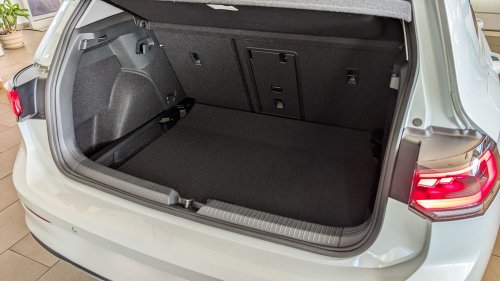



















PROS ›› Refined ride, practicality CONS ›› Interior plastics, overly aggressive styling Volkswagen spent eight years leaning on the original T-Roc for its subcompact crossover sales in Europe, so the follow-up arrives with plenty to prove. The second-generation T-Roc has landed, and on paper it looks like a step forward. To see whether that translates to the road, we took the Euro-market SUV, which isn’t offered in the States, out and ran it back to back against its hatchback cousin, the Golf. The growth is obvious before you even open a door. The new T-Roc is noticeably bigger than the 2017 original, stretching 138 mm (5.4 inches) longer overall with a wheelbase extended by 39 mm (1.54 in). Our test car is the Life trim with a few extras and the more potent mild-hybrid 1.5-liter engine under the hood. More: VW’s New Golf EV Was Supposed To Arrive In 2028. It Won’t On the styling front, the aggressive headlights and the bulky honeycomb plastic trim on the front bumper don’t look as classy as the cleaner, more minimalist face of the previous T-Roc. Elsewhere, the recipe carries over, with the same side glass, the decorative stripe sweeping into the shark-fin C-pillar, and the toned rear shoulders. The tail is evolutionary too, with a steeply raked rear window, full-width taillights, and an illuminated badge. Quick Facts › Model:2026 VW T-Roc› Dimensions:172.1 in. L x 72 in. W x 61.9 in H (4,372 mm x 1,828 mm x 1,573 mm)› Wheelbase:2,629 mm (103.5 in)› Curb Weight:1,390 – 1,474 kg (3,064 – 3,250 lbs)› Powertrain:mild-hybrid turbo 1.5-liter four-cylinder› Output:148 hp (110 kW / 150 PS) / 250 Nm (184 lb-ft)› 0-100 km/h (0-62 mph):8.9 seconds› Transmission:7-speed DSG dual-clutch› Starting Price (in Greece): €31,390 ($36,500) SWIPE Photos Thanos Pappas / Carscoops Optional extras on our T-Roc Life tester include the multi-spoke 17-inch wheels, the fancy IQ.Matrix LED headlights, and the illuminated grille. Even so, it goes without the bi-tone paint of the higher Style trim, as well as the unique bumpers, slightly lowered stance, and larger diamond-cut alloys of the flagship R-Line. Interior Step inside and the cabin immediately feels roomier than before, a direct payoff of that longer wheelbase. The dashboard is no longer color-matched to the bodywork and has finally swapped its hard plastics for a softer fabric trim, which, combined with the ambient lighting and modern layout, lifts the sense of quality. Venture beyond it, though, and the materials take a step back, with hard plastics that fall short of what we’d expect at this price, or in the segment generally. Photos Thanos Pappas / Carscoops The digital cockpit comprises an 8-inch digital instrument cluster and a free-standing 12.9-inch infotainment display. The touchscreen has crisp graphics and a very quick response, but retains the controversial touch sliders for temperature and volume control. More: Finally, The 2027 VW Atlas Gets A Cabin You Won’t Have To Apologize For Luckily, the T-Roc benefits from clicky buttons on the steering wheel and a new cylindrical switch on the center console which lets you change the volume and choose your desired drive mode the traditional way. Other interior highlights include the EV-style stalk for the automatic gearbox, and the unconventional inner door handles. Since there is no manual T-Roc, VW used the extra space on the center console for a wireless charging pad. Another cool addition is the rear climate vents which is a rarity in the segment. Photos Thanos Pappas / Carscoops Rear passengers enjoy more legroom than before although headroom could be better. The boot has a capacity of 475 lt (16.8 cubic feet), which is 30 lt (1.1 cubic feet) more than its predecessor and 94 lt (3.3 cubic feet) more than the Golf. More Tiguan, Less T-Cross On the road, the T-Roc serves up familiar Volkswagen traits, starting with steering that’s neutral and predictable. The real revelation is just how much the ride comfort and noise insulation have improved, pushing the T-Roc’s road manners closer to the larger Tiguan than the smaller, less polished T-Cross. More: VW’s New ID. Polo Starts Under $30K And Comes With Massage Seats The upgraded MQB Evo architecture feels more refined than ever and the standard suspension does a great job in absorbing imperfections without leaning into corners or floating over longer bumps. Overall, our test car was surprisingly comfortable aided by the thick tire walls of the smaller 17-inch alloys. Photos Thanos Pappas / Carscoops The electrified powertrain in its most potent form with 148 hp offers more than adequate performance on the highway but the setup feels more focused on comfort than outright sportiness. The execution is remarkably smooth, behaving closer to full hybrid setup than a typical mild hybrid, with the combustion engine shutting down more often than you’d expect. Pricing And Rivals In Greece, where we tested it, the cheapest T-Roc Trend with the entry-level 114 hp mild-hybrid auto starts at €28,590 ($33,200). Stepping up to the more potent 148 hp powertrain means moving to the Life trim, which opens at €31,390 ($36,500). At the top, the flagship R-Line climbs to €35,990 ($41,900), adding sportier looks and a slightly stiffer suspension setup. Official teaser sketches of the upcoming VW T-Roc R. While the mild-hybrid 1.5 eTSI is the only option for now, VW has confirmed that the T-Roc lineup will soon grow with the addition of a self-charging hybrid setup offered in two power outputs. Furthermore, the company is getting ready to unveil the performance-focused T-Roc R with a turbo 2.0-liter engine and AWD. More: The Golf’s New Hybrid Runs Like A Prius Until 37 MPH, Then It Remembers It’s A VW The most direct rivals for the VW T-Roc are the Hyundai Kona and the Toyota C-HR, both underpinned by architectures from the compact rather than the subcompact segment. Both have a price advantage compared to the VW, with the C-HR starting at €28,300 ($32,900) and the Kona at €27,190 ($31,600) when fitted with full-hybrid powertrains. Comparison With The Golf Photos Thanos Pappas / Carscoops The biggest rival from VW’s own lineup is the trusty Golf. We drove the mechanically related pair back to back and came away finding the differences more pronounced than we’d expected. From the very first corner, it’s clear the low-slung hatchback is the better driver’s car, feeling more planted and precise without giving up any of the T-Roc’s comfort and refinement. In terms of exterior design, most people agree that the hatchback looks better than the SUV. While the Golf MK8 has been around since 2019, the mid-lifecycle update that arrived in 2024 brought a sharper front end and an improved interior. And despite what the dimensions suggest, the Golf’s cabin doesn’t actually feel any tighter than its SUV sibling’s. Still, we all know buyers tend to favor the high-riding position and bigger boot of an SUV over the sharper handling and sleeker stance of a traditional hatchback. Photos Thanos Pappas / Carscoops Interestingly, local market dynamics don’t do the Golf any favors. In Greece, the hatchback may have a lower point of entry, with the Golf Essential starting at €24,980 ($29,000), but the money math shifts as you climb the ladder. More: VW’s First Electric GTI Costs $8K Less Than A Gas Golf GTI, But America Can’t Have It In Life trim, the Golf is just €810 ($940) cheaper than the T-Roc, and in Style spec it’s actually more expensive, by a hefty €1,690 ($2,000), with the same engine under the hood. That makes the T-Roc a seriously tough package to walk past in the VW showroom. Verdict Volkswagen’s sequel to the successful T-Roc is bigger, more spacious and more refined than the original. It might have traded some of its playfulness but it delivers exactly what the buyers want in terms of everyday usability. The new model strikes the middle ground between Europe’s biggest segments, subcompact and compact SUVs. It might not stand out in any single dynamic category, but presents itself as a safe and sensible choice that is hard to ignore even at a slightly higher price compared to its closest rivals. Special thanks to Volkswagen Koutoumanos in Kalamata, Greece for providing the test vehicle. Photos Thanos Pappas / CarScoops