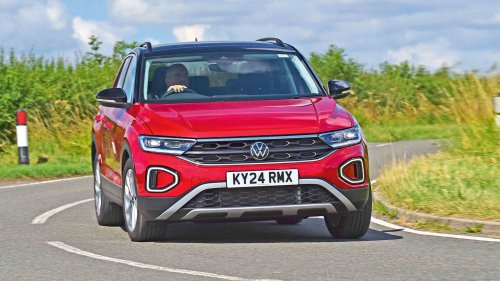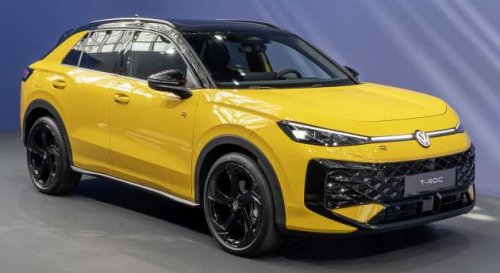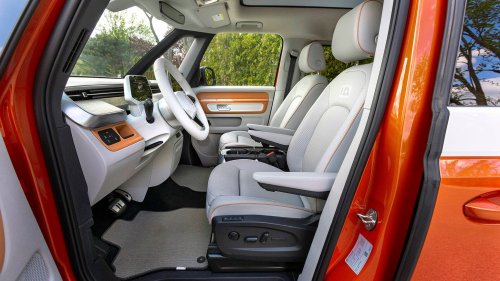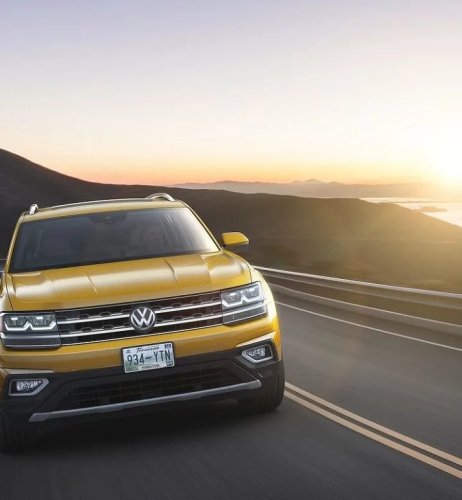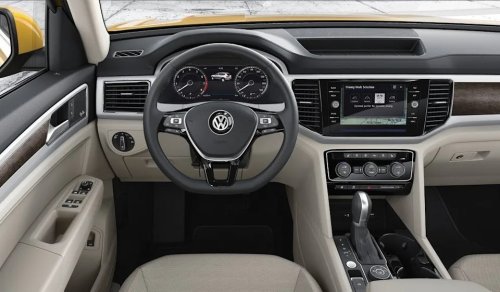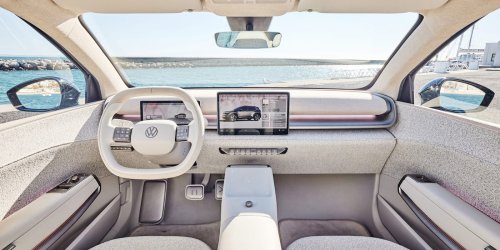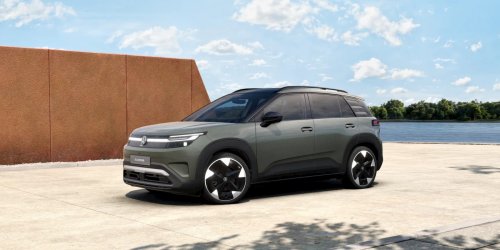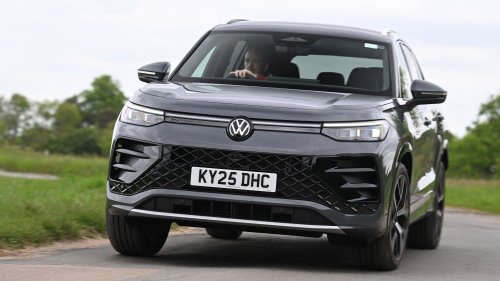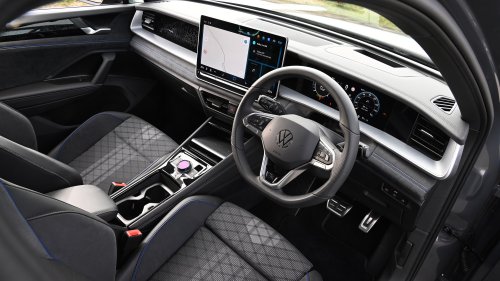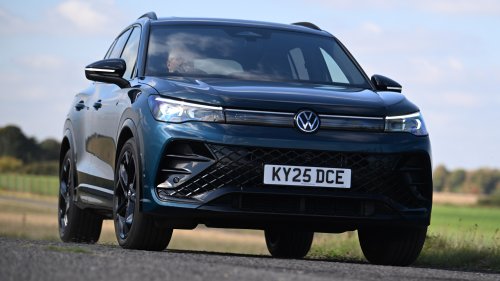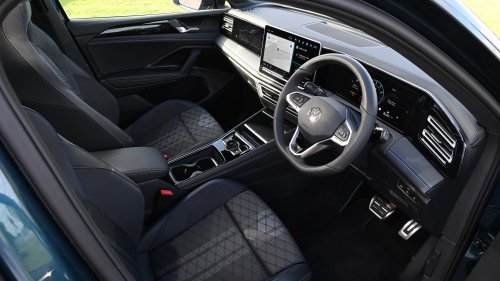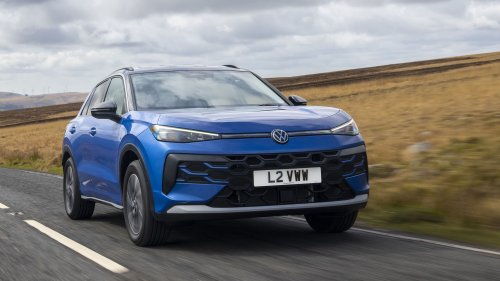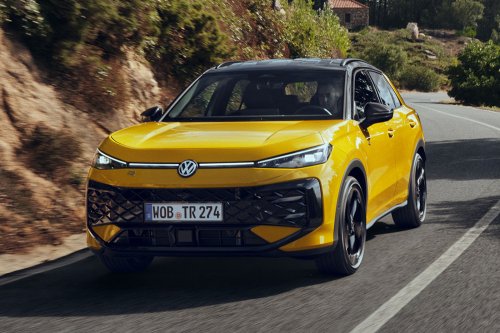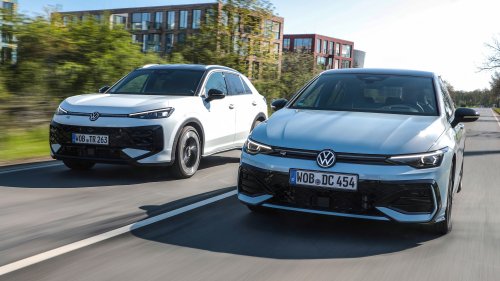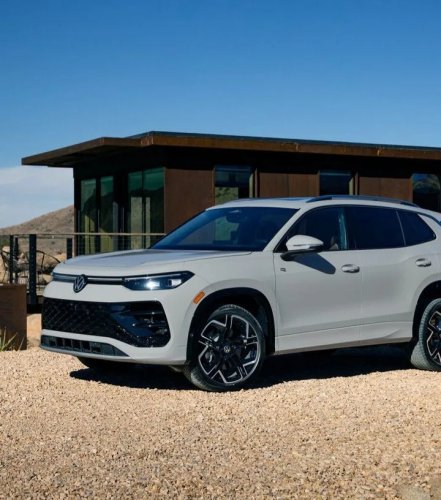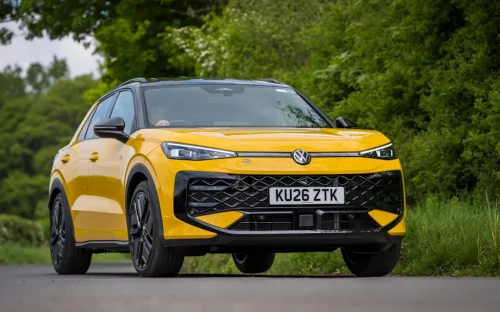
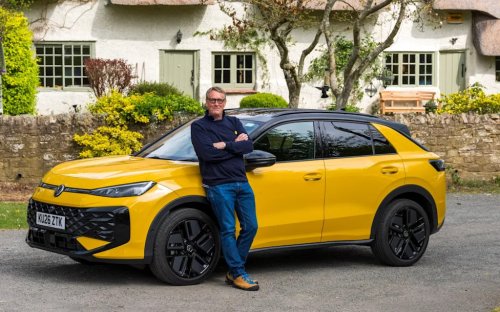
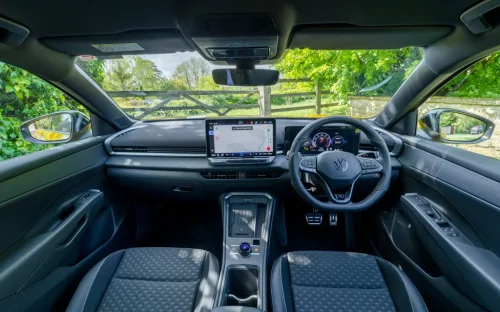
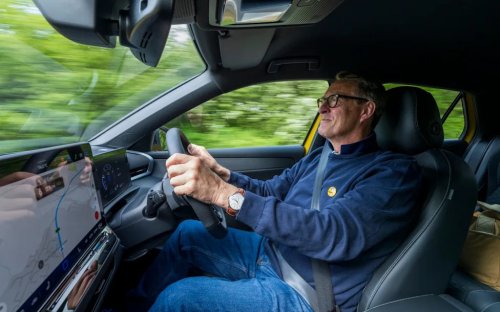
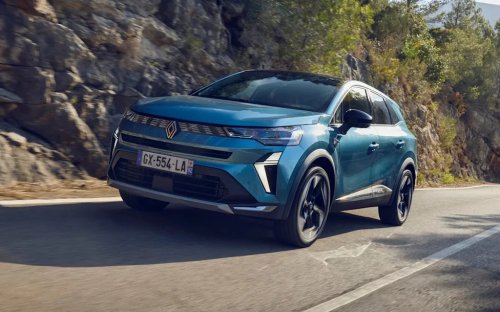
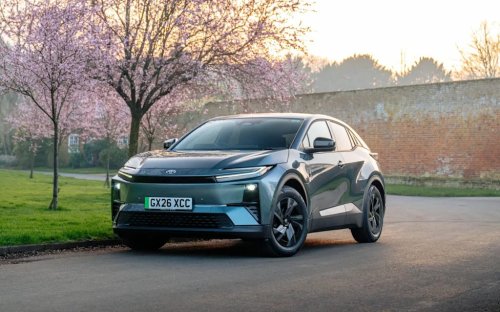


















The new Volkswagen T-Roc 'feels nippy and brisk' - Andrew CrowleyFitting between the smaller T-Cross and the larger Tiguan, VW's T-Roc has been a popular crossover in the UK and elsewhere. Why wouldn't it be? Essentially it's a raised Golf, the thinking man and woman's hatchback of choice and at one time, Europe's best-selling car.Yet the world moved on and buyers have cleaved to the higher driving position, easier access and je ne sais quoi of this mild SUV class, almost as if their leisure was that bit more adventurous than those of a mere "Golf owner".Since its launch in 2017 the T-Cross has sold more than two million and is now VW's second best-seller behind the Tiguan. It is the acme of combustion-engined family transport and you can see why it's so popular; it's smart, compact, spacious, seems well built and uses most of the VW Group engines and drivetrains. Drawbacks of the first generation were the terrible Cariad software systems, the confusing and ill-thought-out touchscreens and perhaps a little cheapening of the interior trim such that the trade considered the T-Roc as a Golf on stilts, but with an interior from the cheaper Polo.What's new?It's larger than the outgoing T-Roc, partly because it's now based on the larger MQB Evo chassis, which also underpins the Tiguan and Skoda Kodiaq. At 4,372mm long, the new T-Roc is 122mm longer than previously and at 1,828mm wide without mirrors (2,044mm with them out) the body is 9mm wider. The width between the front wheels has been increased by 30mm to provide a better stance and turn-in to corners. It's 1,573mm high, weighs 1,474kg and will tow up to 1.5 tonnes.Our writer Andrew English describes the new Volkswagen T-Roc as 'jolly', although the iron grille on the front 'looks clumsy' - Andrew CrowleyPart of the reason for the larger base is to ensure a five-star NCAP safety rating, which it achieved last December. Suspension is all independent with front MacPherson struts and a multi-link rear, with adaptive damping as an option.AdvertisementAdvertisementI think it looks jolly if not that distinctive, save for its sunshine bodywork. And the enormous waffle-iron black grille hiding all the sensors looks clumsy, especially when it's contrasted with the yellow paint.After a gentle step up the interior feels airy and spacious, even without the aid of a large sunroof. It is a thoughtful upgrade of the first generation, better materials of dense-feeling plastics and knitted upholstery fabrics, with a larger but easier-to-use touchscreen (with, finally, a manual radio volume control). The generous 475-litre boot extends 1,350 litres with the rear seat backs folded, although the load bed isn't flat. And there's plenty of leg and head room across the rear bench for three adults.The heated front sports seats in this R-line model are comfortable and supportive. In general the specification seems pretty good, with three-zone air-conditioning, electrically folding and heated door mirrors, adaptive cruise control and an entire suite of Advanced Driver Assistance Systems (ADAS), the most intrusive of which can be switched off without requiring access to a tech-savvy teenager.The vehicle has heated front sports seats that are comfortable and supportive - Andrew CrowleyUnder the bonnetInitially there's a brace of mild hybrids using VW's ubiquitous four-cylinder 1.5-litre petrol engine. The most powerful version (tested here) has 148bhp and 184lb ft, giving a lively top speed of 132mph and 0-62mph acceleration in 8.9sec. The mild hybrid system amounts to not much more than a beefed-up alternator pack to aid the engine, while drive goes through the latest version of VW's dry-clutch DSG twin-clutch gearbox to the front wheels.AdvertisementAdvertisementThe Combined WLTP fuel consumption is 50.2mpg; I achieved just over 45mpg on a mixed route of country roads and endless Milton Keynes roundabouts.A 2.0-litre version arrives later this year. In mild hybrid form it delivers 201bhp, with the T-Roc R developing 329bhp. There will also be a couple of full hybrids, but no plug-in hybrid models.On the roadThere's an air of practicality and space and, as you pull away, a feeling of refinement that suggests there's more depth than the competition (Renault Symbioz, Kia Sportage, Nissan Qashqai, Toyota C-HR et al). Oxfordshire's appallingly maintained roads provide a stiff test of any bump absorption, which the T-Roc largely passes. The suspension is quiet and competent and provides a comfortable ride as long as you don't push too hard, whereupon it transforms from "quietly competent" into "alarmingly bouncy".The steering responds smoothly to inputs, its pleasant fluidity what we've come to expect of VW's small cars, while body roll in corners is well checked. This is the sort of benchmark car that roadtesters have in mind when criticising how poorly some Chinese newcomers address British roads.'The suspension is quiet and competent and provides a comfortable ride as long as you don't push too hard,' writes English - Andrew CrowleyThe mild hybrid system helps to fill in the gaps in power delivery caused by turbocharger lag of the heavily boosted petrol engine. On the whole the T-Roc feels nippy and brisk, especially with the DSG transmission, which changes gears quickly without fuss.AdvertisementAdvertisementWhat it isn't, of course, is sporting. That comes with the later models, but for most owners there's enough oomph to make journeys seem efficiently and briskly covered as the miles roll pleasingly under the yellow bonnet. I liked the brakes, too, which combine efficient stopping with a good pedal feel, which isn't always the case with VWs. I also liked the ability to turn off the intelligent cruise control, which will overtake on a motorway if you activate the indicator. But I really, really disliked the driver monitoring camera, which is now a mandated nagging presence in all new cars.The Telegraph verdictNotwithstanding the current high price of fuel, VW's commitment to combustion-engined family cars is a sign of how heavily incentivised fleet EV sales have taken a different direction from more cautious private customers. If you only have one car and do frequent long journeys, battery electric can be expensive and problematic.As economic and good-to-drive combustion-engined carry-alls go, the new T-Roc is still a good choice but it's expensive and, as so often in a transition from any first to second generation, it's gained in size and competence but lost that bit of fun.The factsOn test: Volkswagen T-Roc R-Line 1.5 eTSI 150 PS 7spd DSG five-doorAdvertisementAdvertisementBody style: five-door family crossoverOn sale: nowHow much? from £31,308 (£37,570 as tested)How fast? 132mph/0-62mph in 8.9secHow economical? 50.2mpg (WLTP Combined)Engine & gearbox: 1,498cc four-cylinder petrol engine, seven-speed twin clutch DSG gearbox, front-wheel driveMaximum power/torque: 148bhp/184lb ftCO2 emissions: 128g/km (WLTP Combined)VED: £455 first year, then £200Warranty: three years/60,000 milesThe rivalsRenault Symbioz, from £27,595The Reanult Symbioz is noisy and the ride isn't greatOne of the French firm's seemingly endless catalogue of family crossovers, this Clio on stilts/bigger Captur features Renault's iconoclastic hybrid system from £30,000 or cheaper mild hybrid. Better to drive than it has a right to be, but it's noisy and the ride isn't great.Toyota C-HR, from £31,695The Toyota C-HR appeals to buyers with its combination of reliability and style - ToyotaToyota didn't have much confidence in the heavily styled first-generation C-HR to spark desire in buyers' hearts, but it appealed to buyers and this hybrid, plug-in hybrid or all-electric five-door hatchback is still pulling in customers with a combination of Toyota reliability and style.AdvertisementAdvertisementTry full access to The Telegraph free today. Unlock their award-winning website and essential news app, plus useful tools and expert guides for your money, health and holidays.