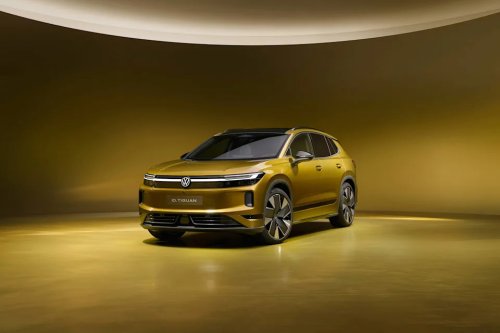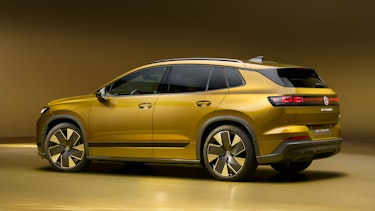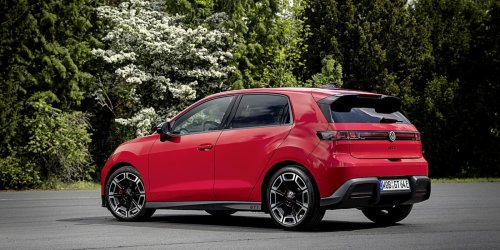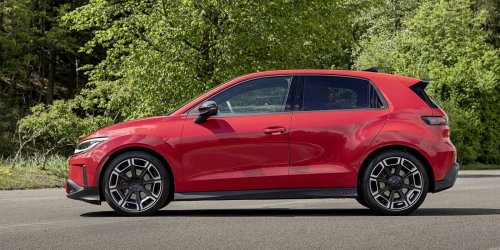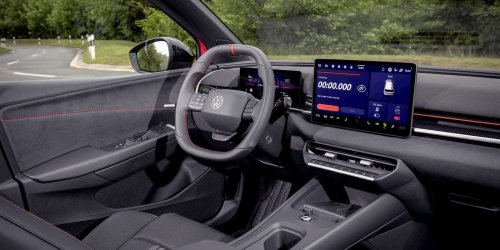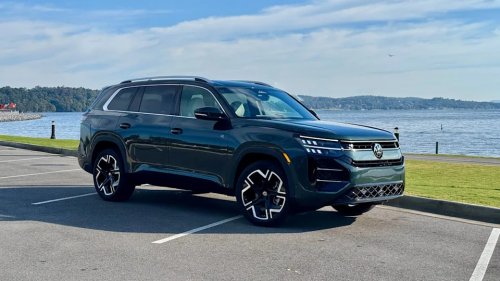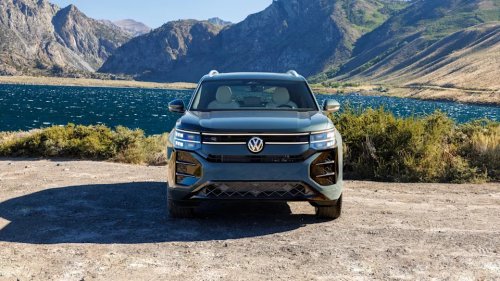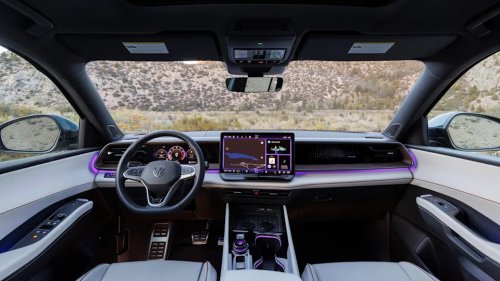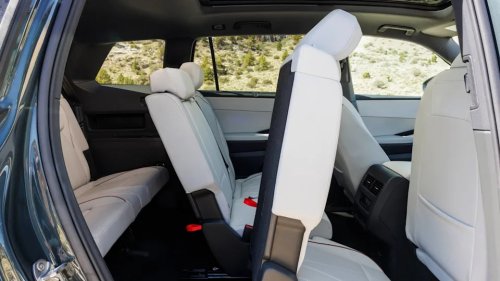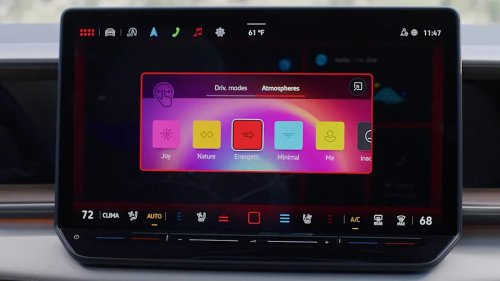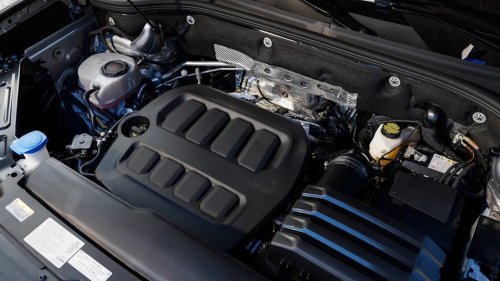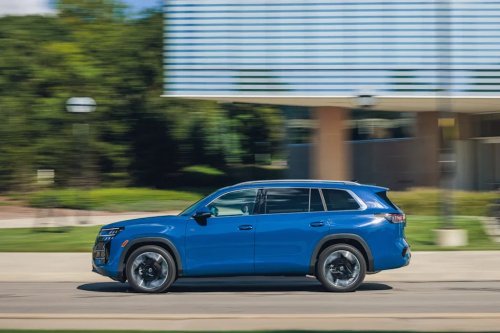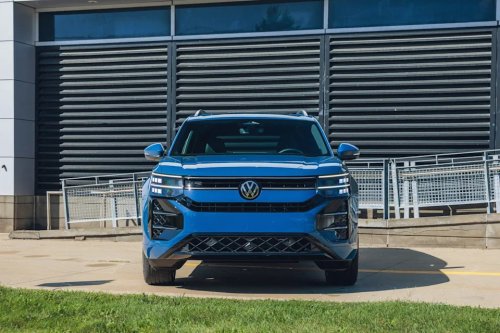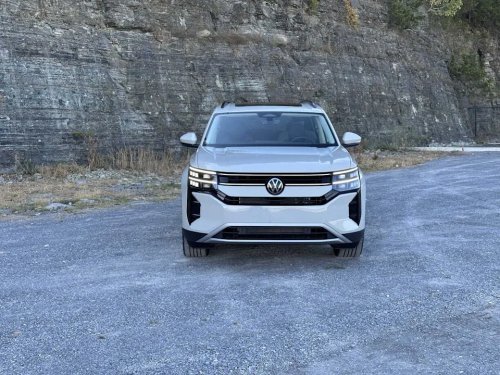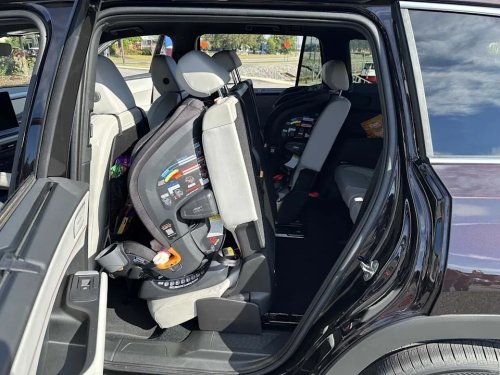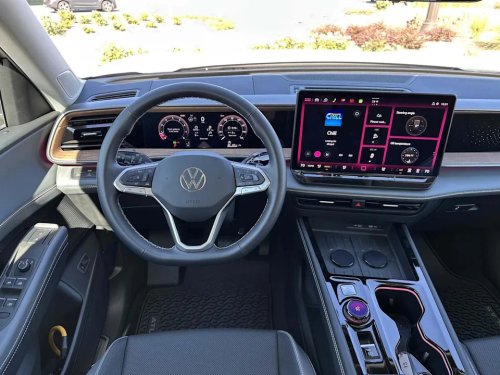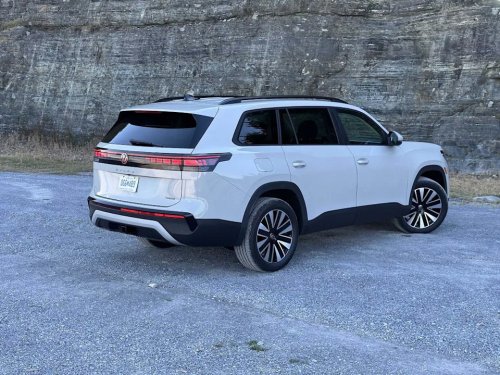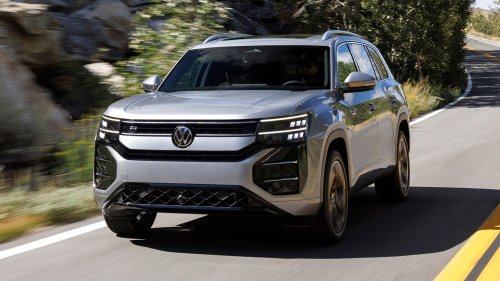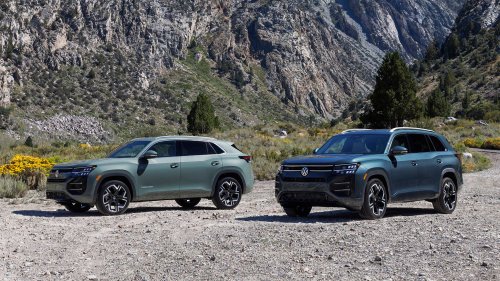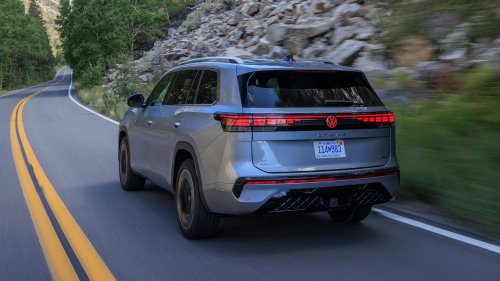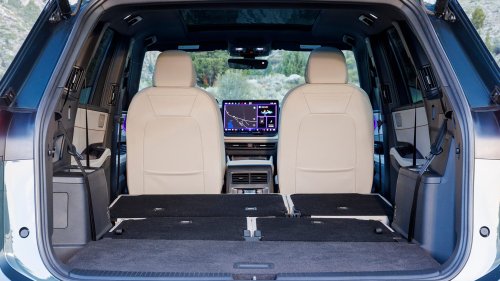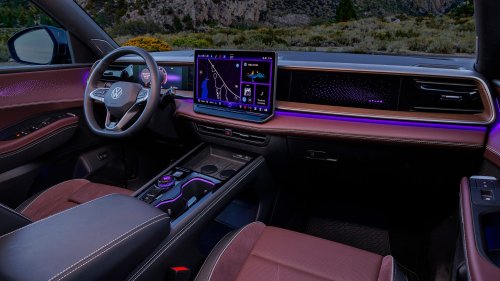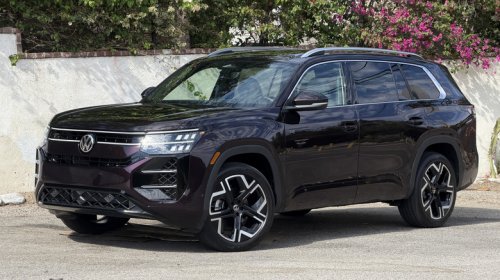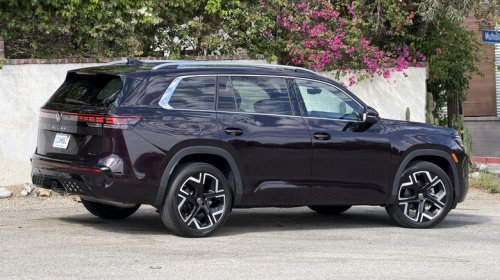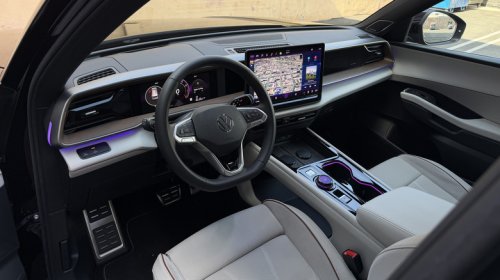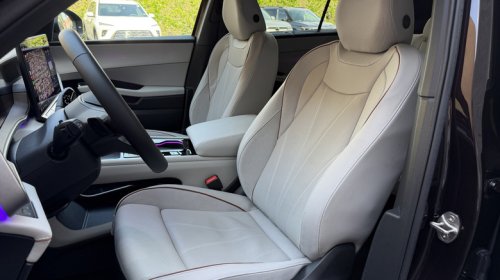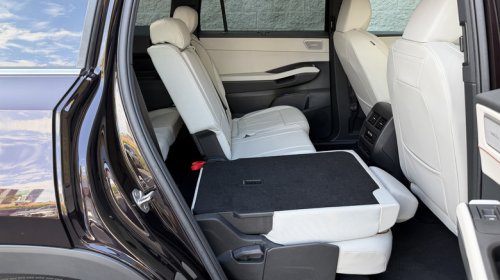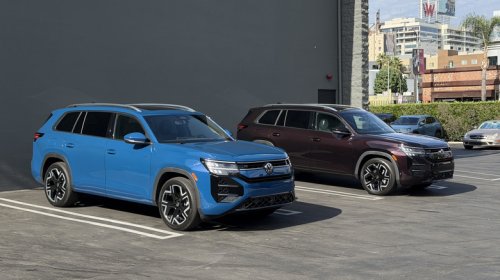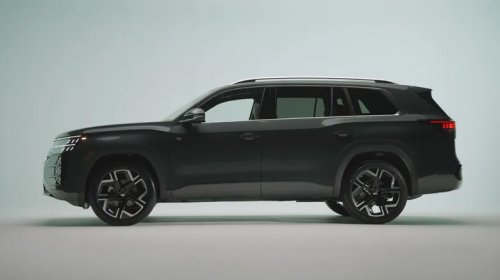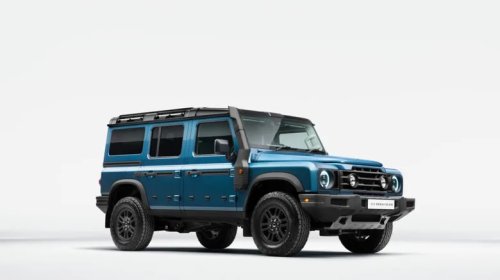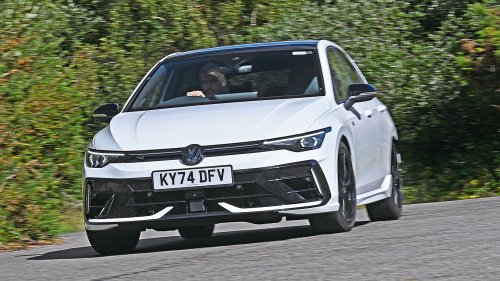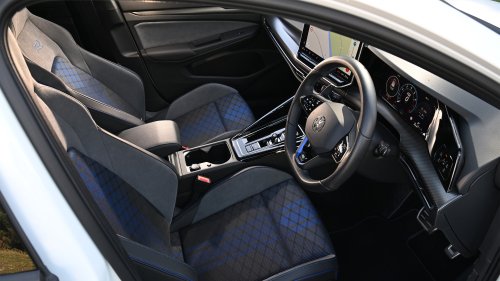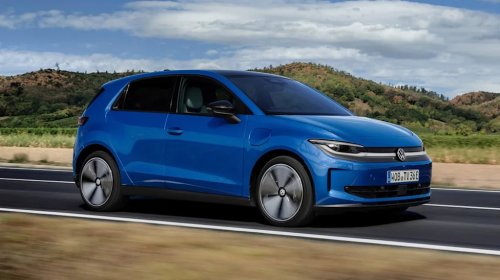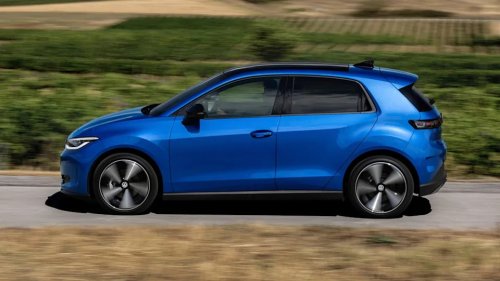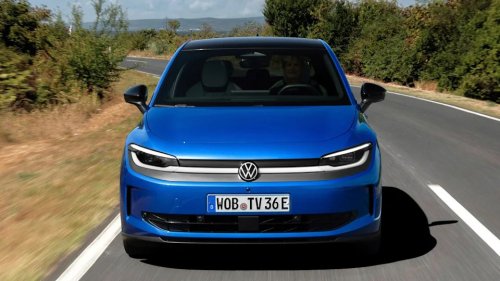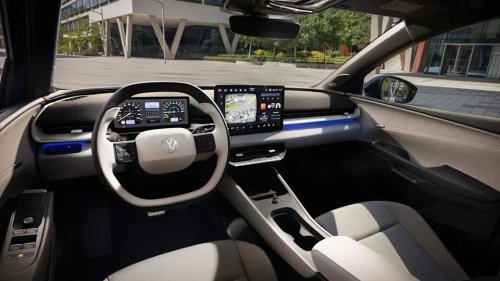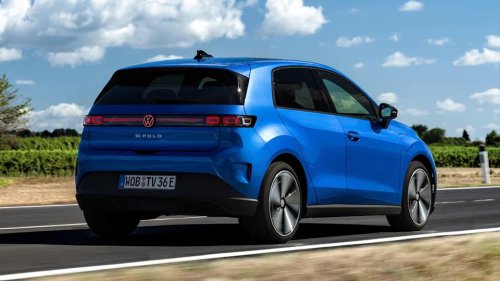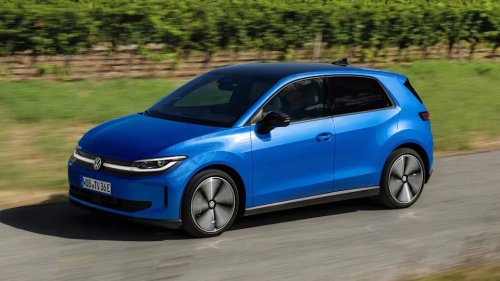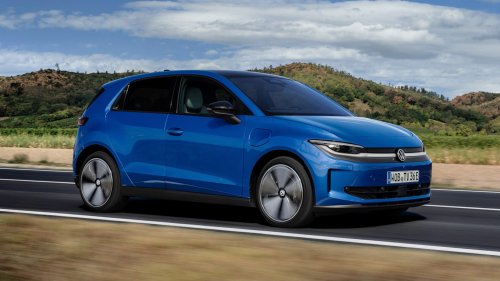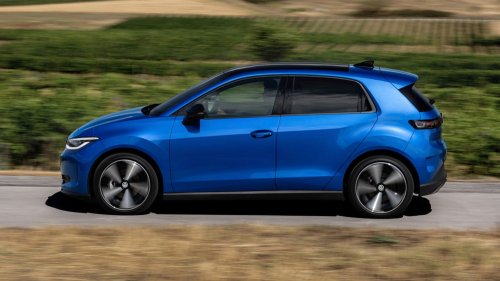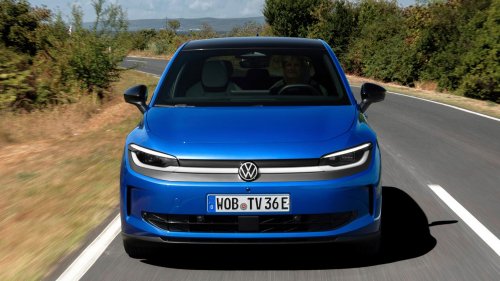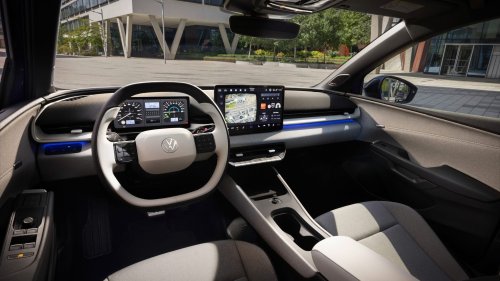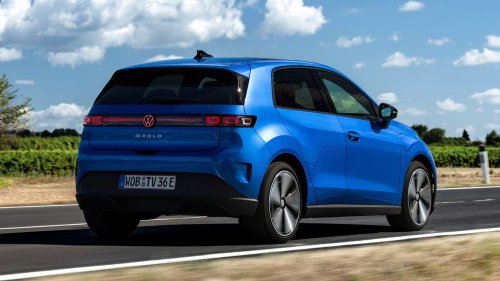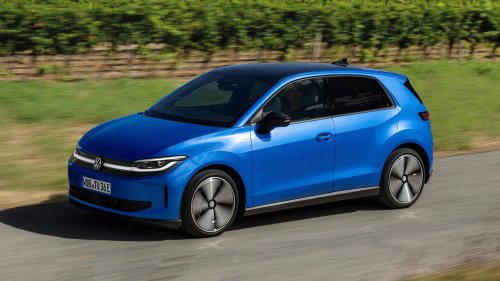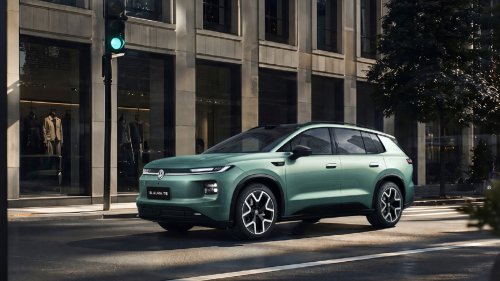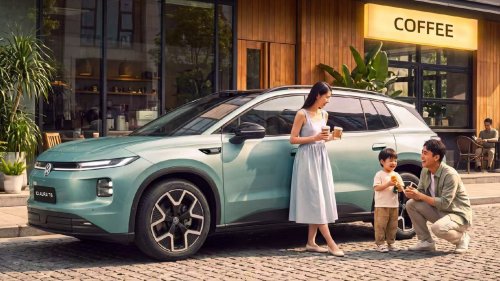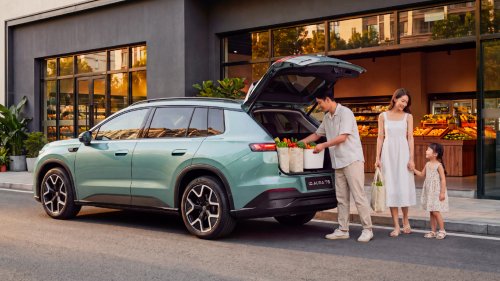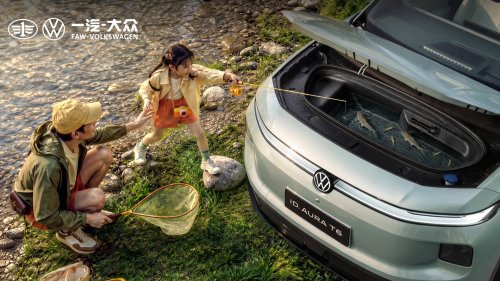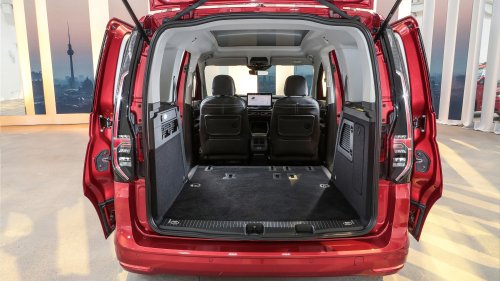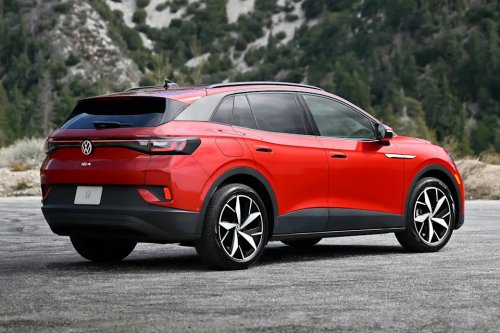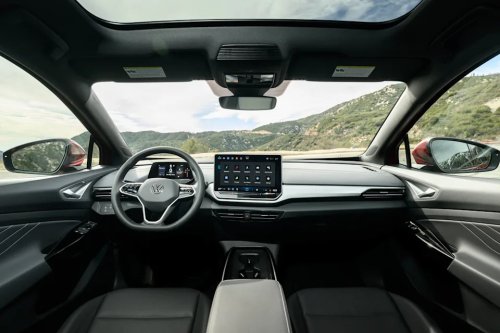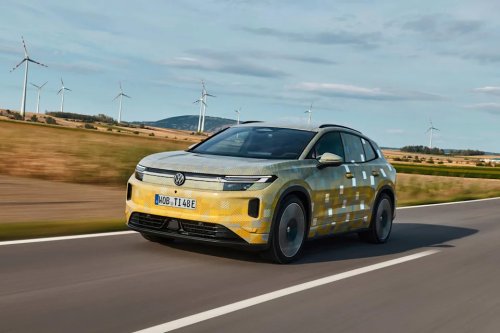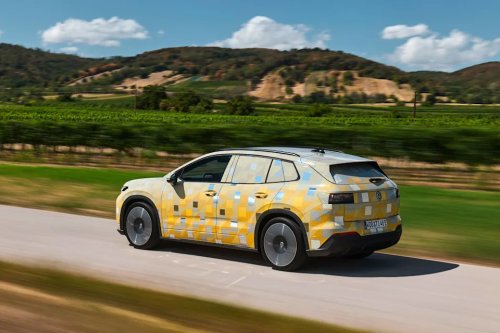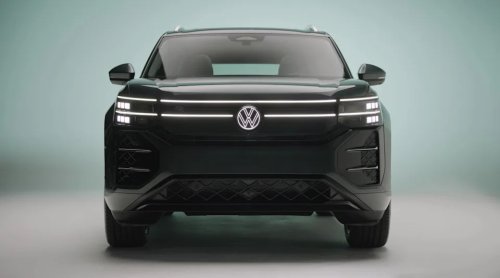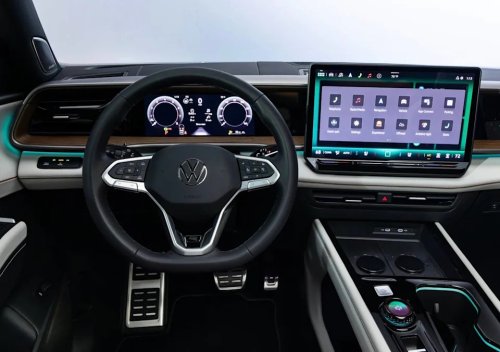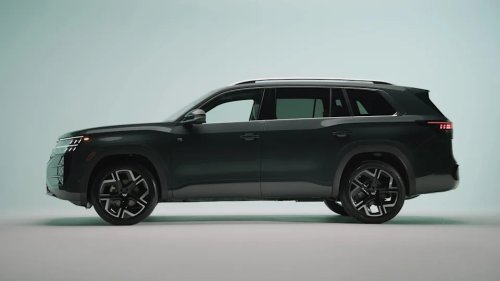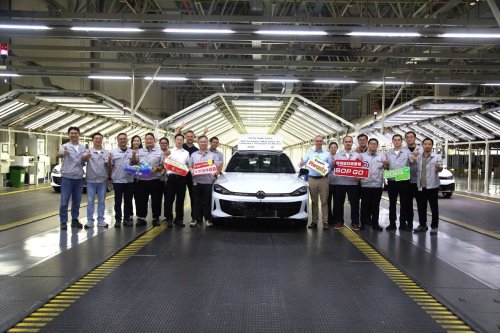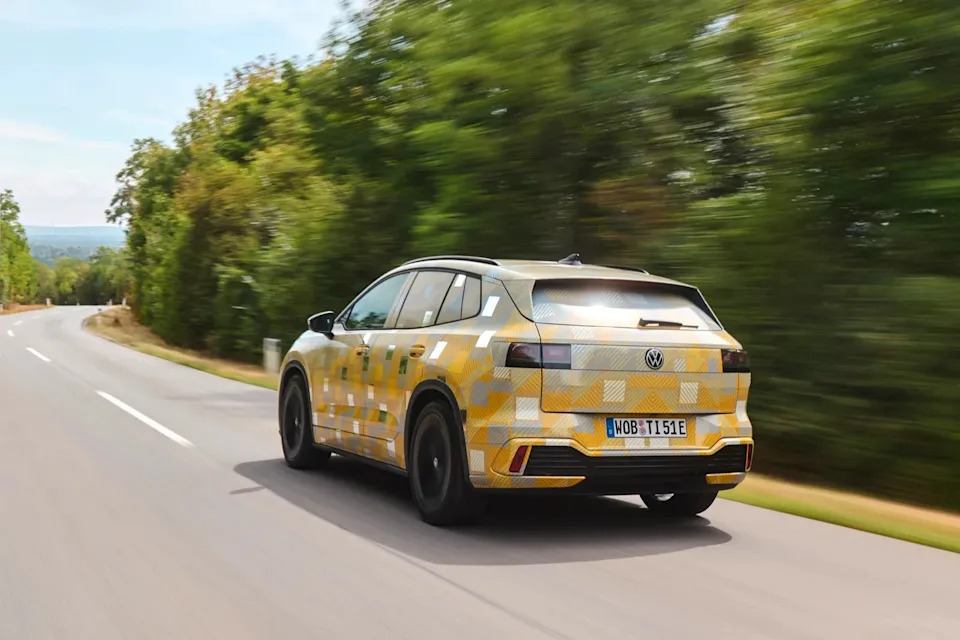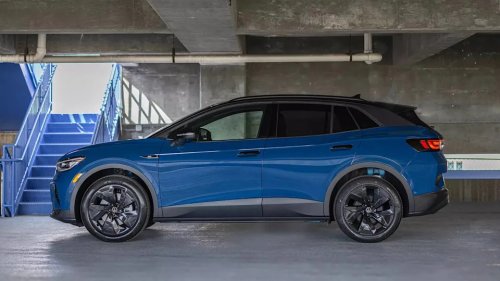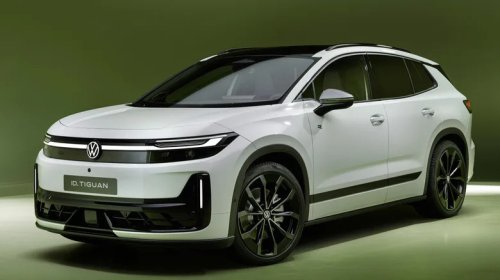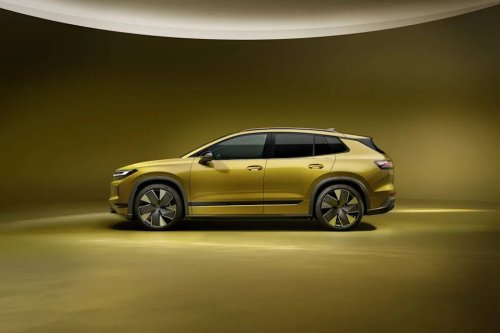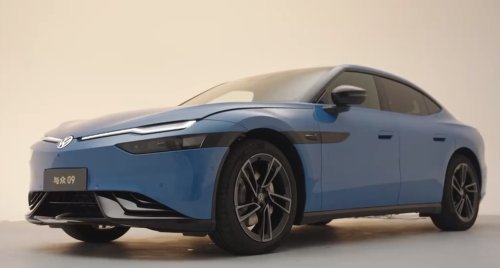
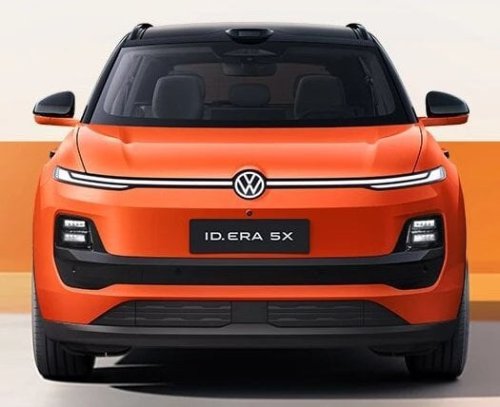
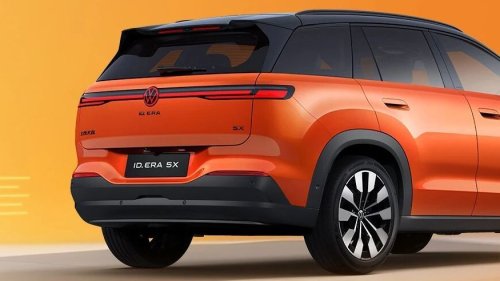
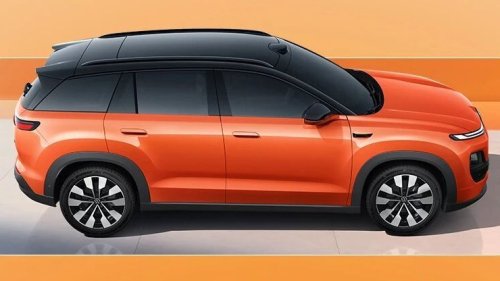
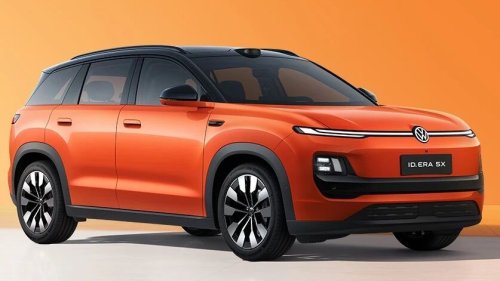
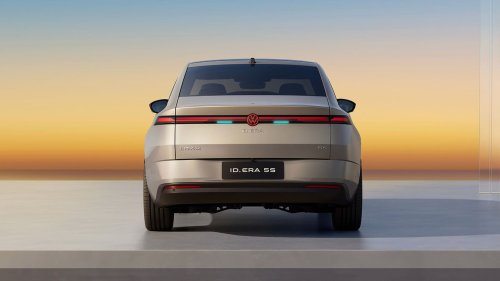
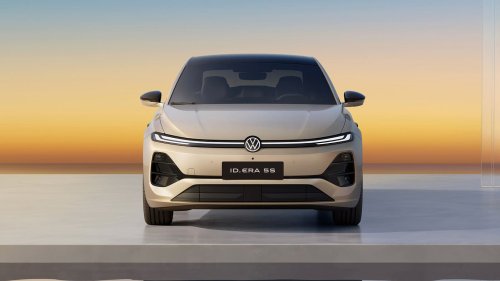
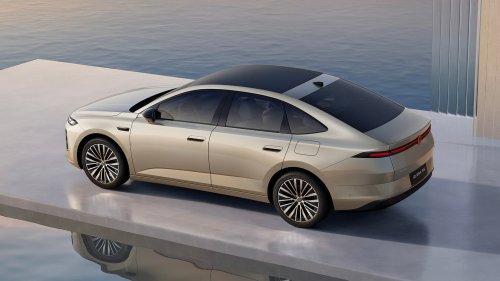
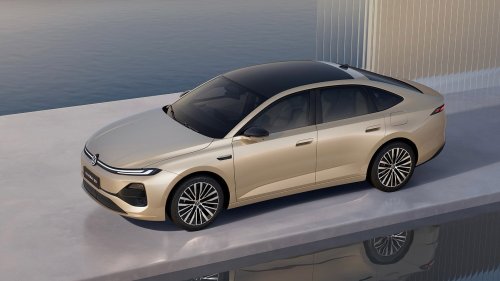
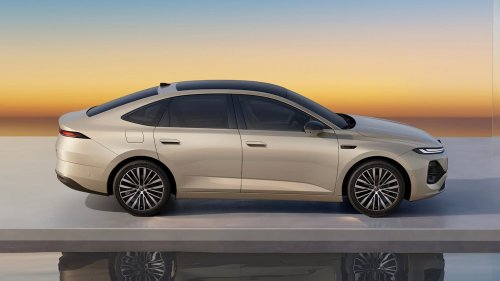
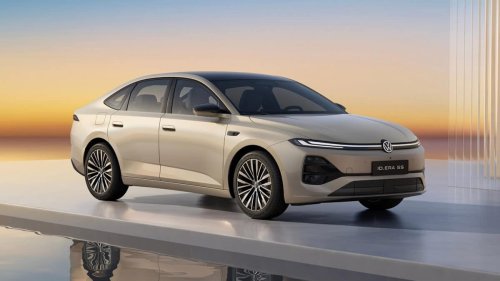
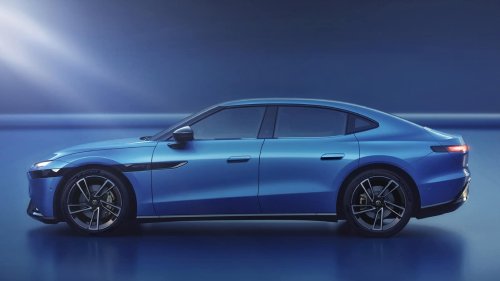
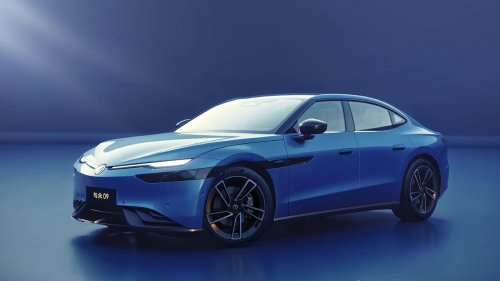
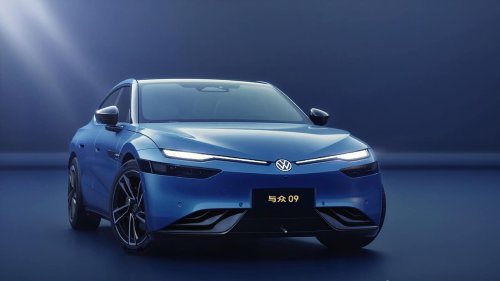
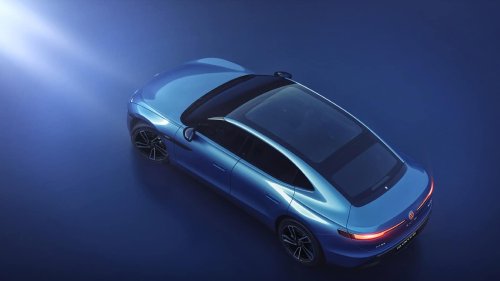
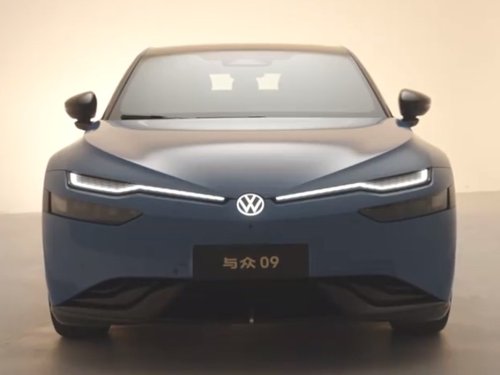
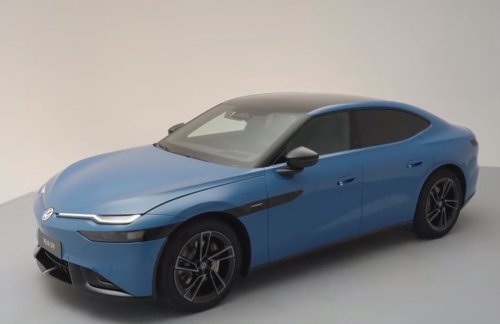
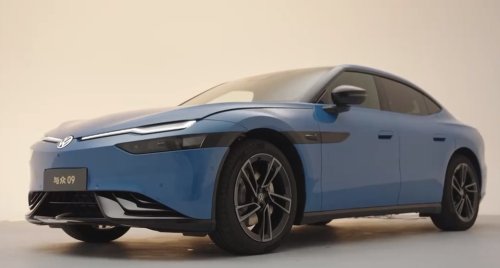
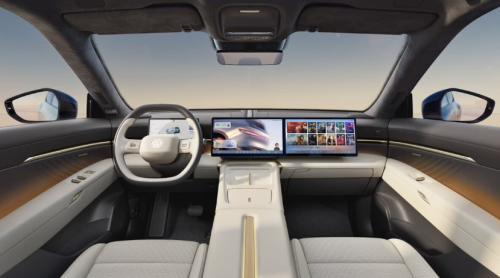
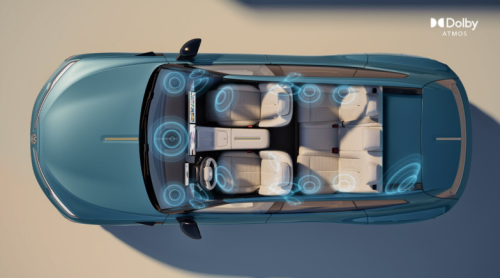
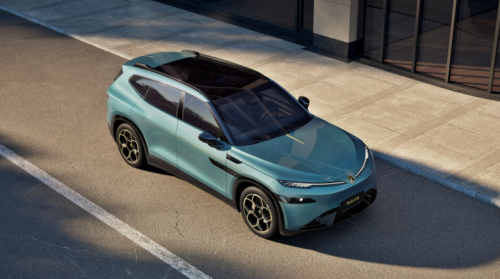
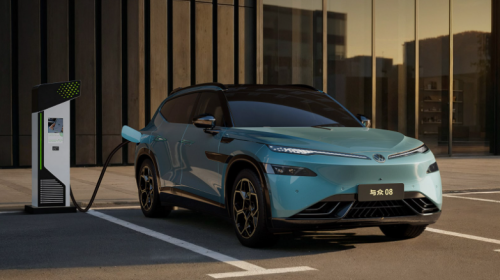
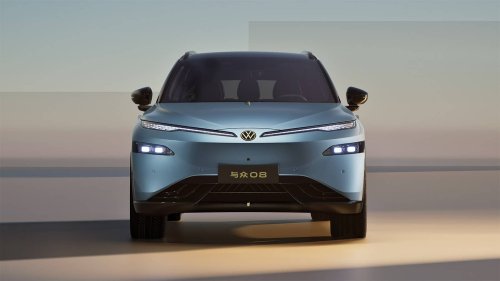
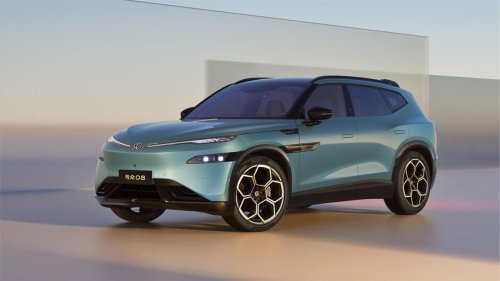
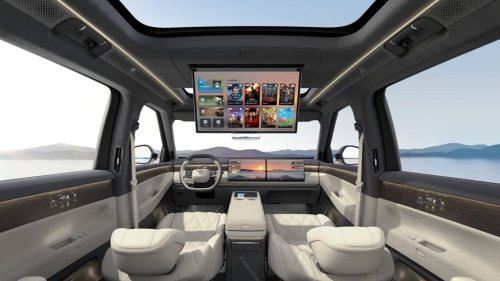
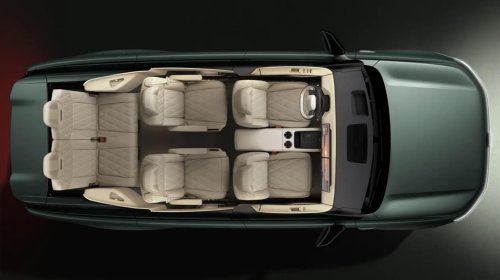
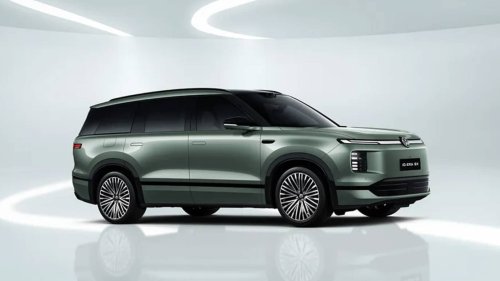
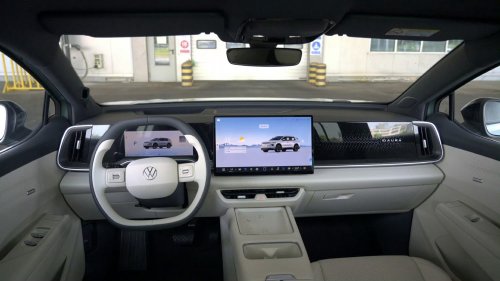
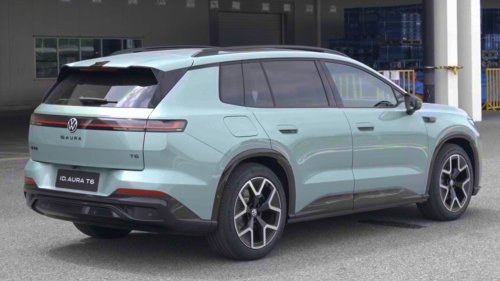
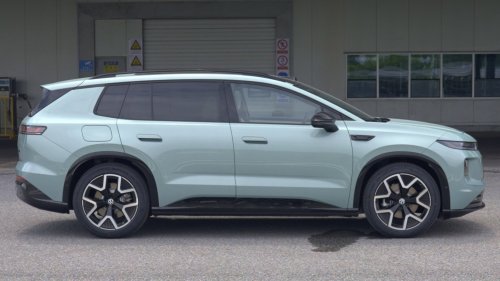
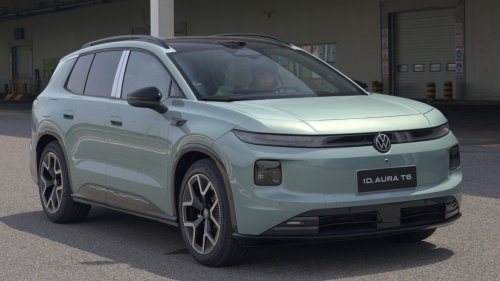
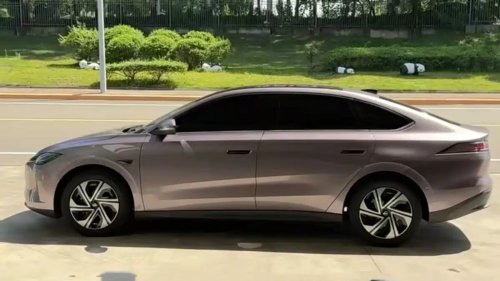
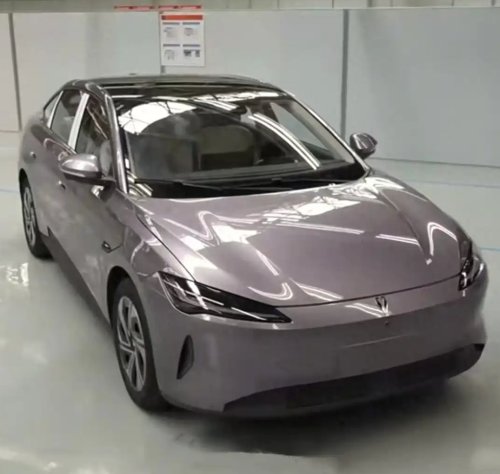
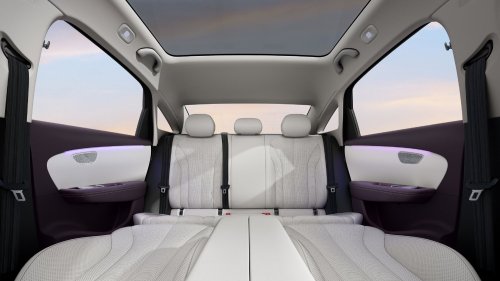
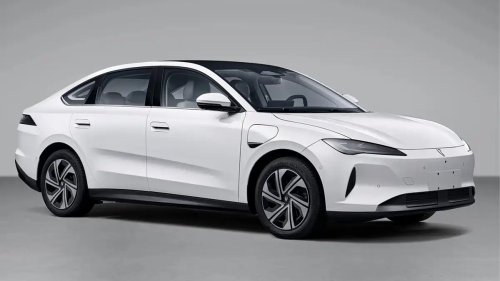
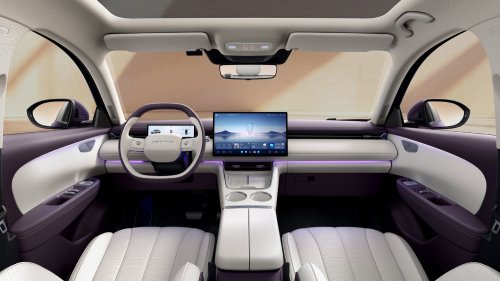


















ID.Unyx 09 is the best looking sedan from VW in a decade. Credit: VW Understand China EV’s Market Real-time notifications when critical EV data is released All important data in one place 2,000,000+ data points Become a member Three years ago, I was watching German auto executives at Shanghai Auto Show. It was easy to spot them – they walked in groups of three and somehow it was always obvious who of them is in charge. They were passing halls looking visibly uneasy as they saw how far Chinese EV makers had moved during the few Covid years when China was largely cut off from the rest of the world. They had finally realised what was happening and that they needed to react. Fast forward: For Volkswagen, 2026 is the delivery year for much of that effort. A new generation of China-developed Volkswagens is now arriving, as VW announced 30 new BEV models until 2030 in China. We will soon see whether it was too little, too late, or whether these cars can help the German automaker win back ground in China. But Volkswagen is already considering taking the strategy one step further: bringing some of those China-developed cars to Europe. Volkswagen CEO Oliver Blume said in May that technologies, development methods and potentially vehicles created in China could also benefit the group’s Western operations. He described China’s automotive ecosystem as a “blueprint” in terms of architecture and development speed. The idea became more concrete in July, when German newspaper Handelsblatt reported that Volkswagen had started an internal feasibility study into bringing China-developed models to Europe, either by importing complete vehicles or producing them locally. The Zwickau plant in Germany was mentioned as one possible production site. The ID. Era series, and specifically the 9X SUV, was the first model specifically reported to be under consideration. Another candidate is an as-yet-unrevealed SUV based on Volkswagen’s China Scalable Platform, or CSP, which could arrive in Europe around the end of 2027. Meanwhile, Volkswagen’s Chinese operations have produced a growing list of EVs that could potentially fit such a strategy. Here are the most relevant ones. Volkswagen ID. Era 5X The ID. Era 5X is one of the most relevant new models because it is Volkswagen’s first globally produced vehicle based on the China-specific Compact Main Platform (CMP) and the China Electronic Architecture (CEA). It is manufactured by SAIC-Volkswagen. CMP was developed by Volkswagen specifically for lower-cost electric cars in China, while CEA was created with Xpeng as part of Volkswagen’s push to reduce development time and electronics complexity. Volkswagen previously said four BEVs would use CMP. The ID. Era 5X was exposed by Chinese regulatory filings this week. The five-seat SUV measures 4,560 mm in length, 1,896 mm in width and 1,630 mm in height, with a 2,815 mm wheelbase. It uses a 155 kW (208 hp) electric motor and an LFP battery with cells supplied by CATL. Battery capacity and driving range have not yet been disclosed. The car also features LiDAR and the Xingyun assisted-driving system with urban NOA capability. Unlike the much larger ID. Era 9X, the 5X sits in one of Europe’s core SUV segments. CarNewsChian expect the car will launch in China in Q4 2026. Volkswagen ID. Era 5S The ID. Era 5S takes a different approach. Instead of being a BEV, it is a plug-in hybrid sedan developed by SAIC-Volkswagen. It measures 4,836 mm long, 1,880 mm wide and 1,505 mm tall, with a wheelbase of 2,766 mm, making it slightly shorter than the European Volkswagen Passat. The powertrain combines a 1.5-liter petrol engine producing 80 kW (107 hp) with a 130 kW (174 hp) electric motor. Its electric range reaches 160 km under CLTC conditions, while SAIC-Volkswagen claims a combined range of more than 2,000 km. Fuel consumption with a depleted battery is 2.82 liters per 100 km. The ID. Era 5S also supports highway and urban Navigate on Autopilot functions. Pre-sales in China are scheduled to start on August 11, with its market launch planned for the third quarter. The PHEV powertrain could actually make the ID. Era 5S particularly relevant for Europe. Chinese automakers have increasingly turned to plug-in hybrids in the region, led by BYD. The BYD Seal U DM-i became Europe’s best-selling PHEV in 2025, and Chinese models occupied all three top positions in the first half of 2026, with the Seal U followed by the BYD Atto 2 and Jaecoo 7. Volkswagen’s Tiguan PHEV ranked fourth. That success has also caught Brussels’ attention. Unlike China-made BEVs, PHEVs imported from China currently face only the standard 10% EU import duty and are not covered by the additional anti-subsidy tariffs imposed on Chinese BEVs. However, the European Commission is preparing possible countervailing duties on Chinese PHEVs, and Volkswagen CEO Oliver Blume has himself called for the EU to introduce them quickly. That creates an interesting possibility for the ID. Era 5S. If Volkswagen decided to build a European version locally rather than import it from China, it could combine a China-developed PHEV with European production and avoid China import tariffs altogether. CarNewsChina expect the car will launch in Q3 2026 in China. Volkswagen ID. Unyx 09 The ID. Unyx 09 is the flagship sedan of Volkswagen Anhui’s China-only ID. Unyx series and second car developed with cooperation with Xpeng. It will be launched in second half of 2026 in China and it is without a doubt a best looking Volkswagen sedan in a decade. The fastback was co-developed with Xpeng in just 24 months and measures 5,081 mm long, 1,980 mm wide and up to 1,526 mm tall, with a 3,030 mm wheelbase. Volkswagen presented the model at the Beijing Auto Show in April, while Chinese regulatory filings later disclosed its powertrain specifications. The rear-wheel-drive version has a 230 kW (308 hp) motor. The AWD variant adds a 140 kW (188 hp) front motor for a combined output of 370 kW (496 hp). Both versions use CATL LFP battery cells. Volkswagen has yet to disclose battery capacity or driving range. The model is expected to enter the Chinese market in the second half of 2026. The ID. Unyx 09 is another example of how far Volkswagen’s China operations have moved away from simply localising cars developed in Germany. The vehicle was developed around Chinese technology, suppliers and development processes from the beginning. Volkswagen ID. Unyx 08 The ID. Unyx 08 is already on sale in China and is the first mass-produced vehicle from Volkswagen and Xpeng’s vehicle development cooperation. Volkswagen Anhui launched the five-seat electric SUV in April for 229,900 to 289,900 yuan (33,300 to 42,000 USD). It measures exactly 5,000 mm long and has a 3,030 mm wheelbase. The SUV uses an 800V electrical system and is offered with 82 kWh and 95 kWh CATL LFP batteries. CLTC range reaches up to 730 km. The rear-wheel-drive version produces 230 kW (308 hp), while the AWD model combines a 230 kW rear motor with a 140 kW front motor for 370 kW (496 hp). The AWD version accelerates from 0-100 km/h in 4.9 seconds. The 95 kWh battery supports up to 315 kW DC charging, according to Volkswagen, with a 10%-80% charge taking around 20 minutes. The ID. Unyx 08 also illustrates one of the challenges Volkswagen would face when bringing its China-developed vehicles to Europe. Its electronics and assisted-driving systems rely heavily on technology created for China, meaning software and ADAS functions would need to be adapted and homologated for Europe. Volkswagen is already evaluating whether China-developed software can comply with European requirements. Volkswagen ID. Era 9X Of all the revealed models, the ID. Era 9X is the most serious European candidate. Handelsblatt reported that the SUV is the first China-developed Volkswagen currently being evaluated for Europe. The feasibility study covers both importing complete vehicles and potentially producing them or their components locally. The ID. Era 9X was developed by SAIC-Volkswagen and launched in China in April. Prices range from 309,800 to 359,800 yuan (45,315 to 52,630 USD). It is Volkswagen’s largest SUV, measuring 5,207 mm long, 1,997 mm wide and 1,810 mm tall, with a wheelbase of 3,070 mm. Inside is a six-seat 2+2+2 layout. Unlike Volkswagen’s European ID. models, the ID. Era 9X is an EREV. Its 1.5-liter turbocharged petrol engine acts as a generator and does not mechanically drive the wheels. The SUV comes with dual-motor AWD producing either 370 kW (496 hp) or 380 kW (510 hp). Battery options are 51.1 kWh and 65.2 kWh, providing 347 to 406 km of electric CLTC range. Combined range reaches up to 1,651 km. Other hardware includes an 800V high-voltage system, dual-chamber air suspension, rear-wheel steering and a LiDAR-based assisted-driving system supplied by Momenta. The question for Volkswagen is whether a China-developed EREV of this size has a place in Europe. For now, however, it is the clearest test case for reversing the traditional flow of Volkswagen vehicle development from Germany to China. Volkswagen ID. Aura T6 – less likely The ID. Aura T6 is FAW-Volkswagen’s new all-electric mid-size SUV and another vehicle built around Volkswagen’s CEA. The five-seat model measures 4,811 mm long, 1,879 mm wide and 1,648 mm tall, with a 2,836 mm wheelbase. It has a 90-liter front trunk and a drag coefficient of 0.245. A single electric motor produces 170 kW (228 hp), while energy comes from an LFP battery. Battery capacity and range have not yet been announced. The ID. Aura T6 uses a LiDAR-based assisted-driving system from Carizon, Volkswagen’s joint venture with Horizon Robotics. Its Journey 6H chip provides 420 TOPS of computing power and supports highway NOA and urban assisted-driving functions. FAW-Volkswagen opened blind pre-orders for the T6 in China on July 30. It appears less likely as an early European candidate. Volkswagen already has a substantial lineup of electric SUVs in this size class in Europe, while the T6’s electronics and assisted-driving stack were developed specifically around the Chinese ecosystem. The car will most likely launch in Q3 in China. Jetta M6 – unlikely The Jetta M6 sits even further from Volkswagen’s existing European strategy. Jetta is a China-only entry-level brand operated by FAW-Volkswagen. It became an independent brand in 2019 after previously being one of Volkswagen’s best-known model names in China. The M6 is Jetta’s first production BEV. The sedan measures 4,806 mm long, 1,868 mm wide and 1,500 mm tall, with a wheelbase of 2,820 mm. Two single-motor versions have been disclosed. The entry model produces 113 kW (152 hp), while the more powerful version has 145 kW (194 hp). Battery capacity and driving range have not yet been revealed. Jetta is positioned in China as Volkswagen’s lower-cost brand, making an unchanged European introduction unlikely. Volkswagen already has Skoda, Seat and Cupra positioned below or alongside its core brand in Europe, while the Jetta brand itself has no European sales network. The car will likely launch in Q3 in China. China to Europe Volkswagen’s China operation was originally built around transferring German vehicles and technology into China. The latest discussions show that flow could increasingly move in the opposite direction. The company says its Chinese development organization can bring vehicles to market substantially faster and at lower cost than its traditional European development structure. Volkswagen has also said it is exploring additional export opportunities for models developed with its Chinese joint ventures. Any European version would still require significant changes. Software, assisted-driving systems, materials and other components would need to meet European regulations, while China-built BEVs would also face the EU’s existing import and anti-subsidy tariffs. The ID. Era 5X, ID. Era 5S, ID. Unyx 08 and ID. Unyx 09 show what Volkswagen’s Chinese development operations can already produce with “China speed”. Which of them them join the ID. Era 9X in Europe? We will keep an ey on it. Most important news in your inbox. Recaps · scheduled All you need, in one email. Instant alerts · real-time Ping me when an article goes live. 0 of 27 topics selected Bundle into one email per day — instead of one email per article No spam · Unsubscribe with one click · Change settings anytime