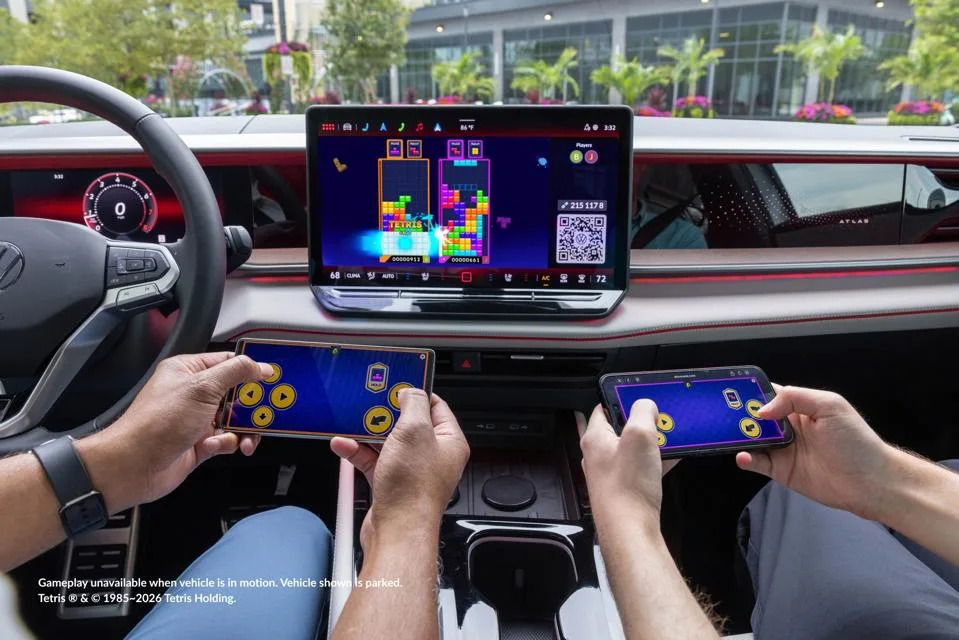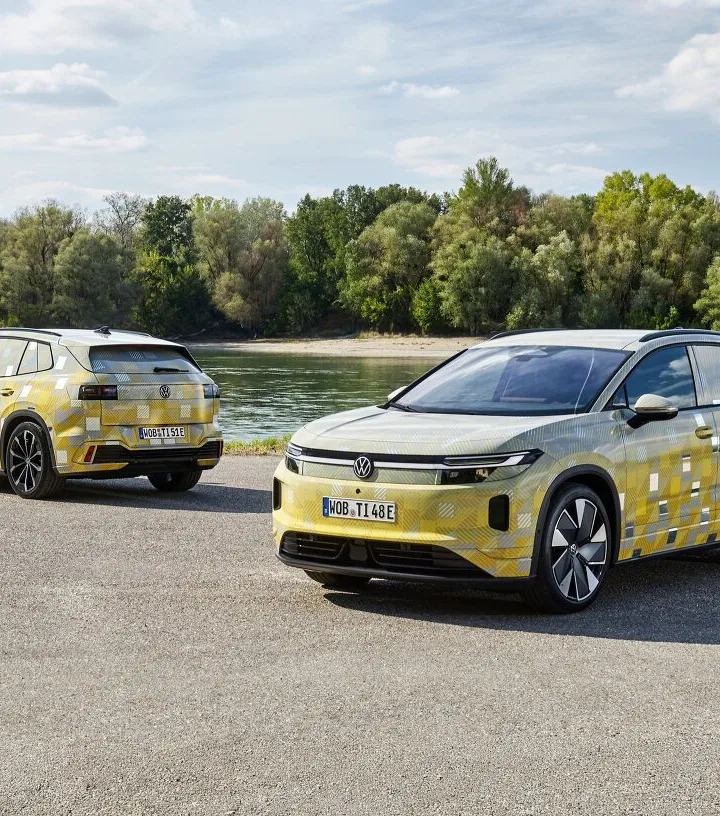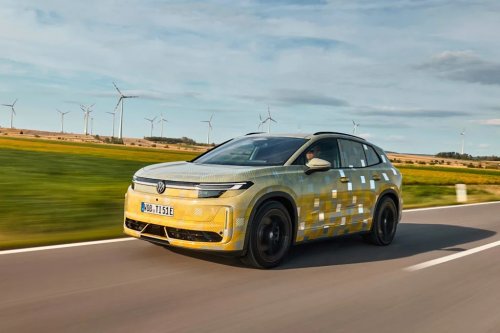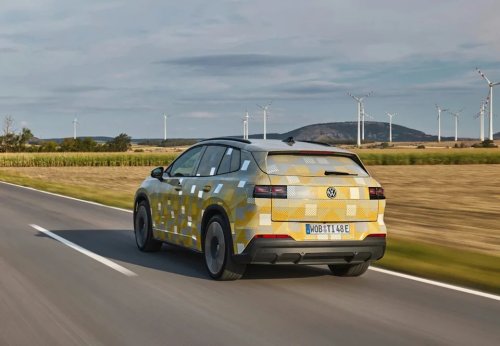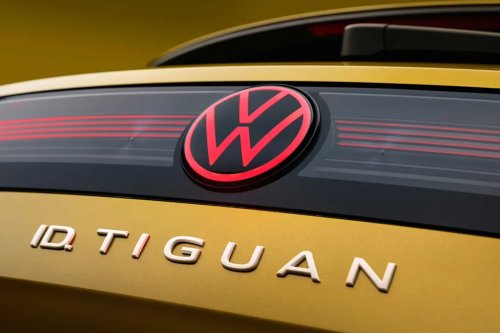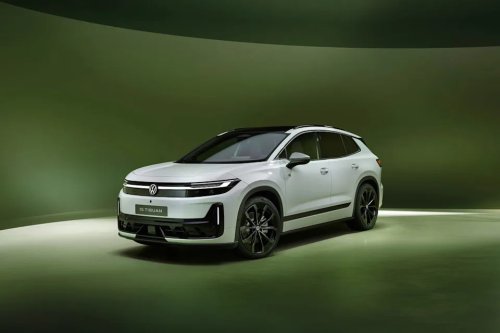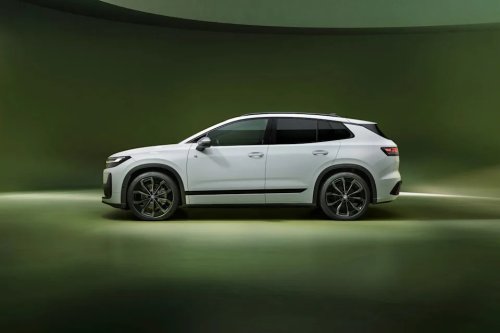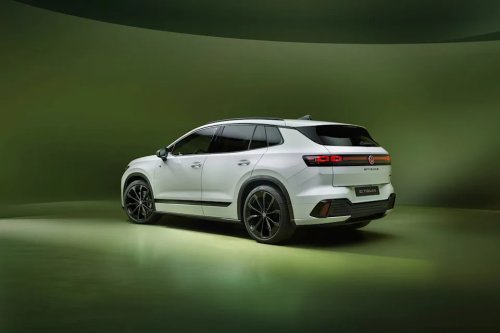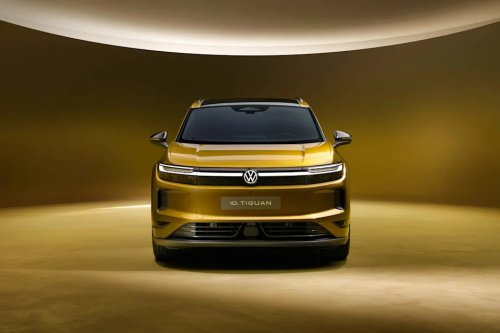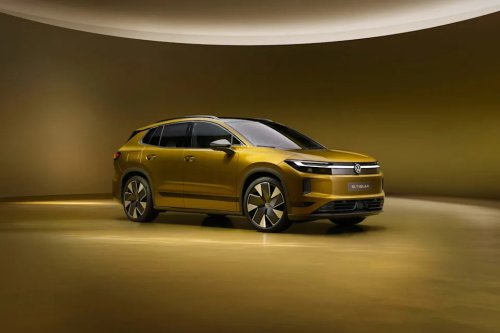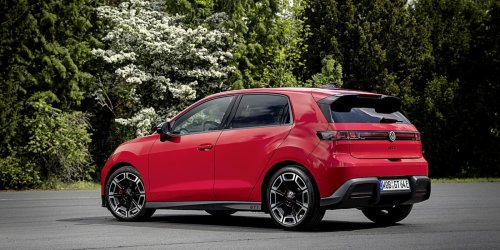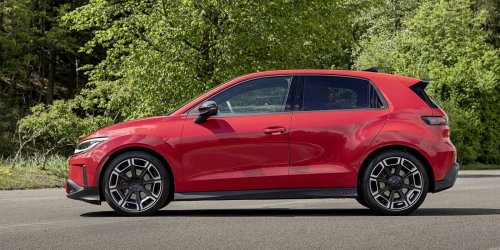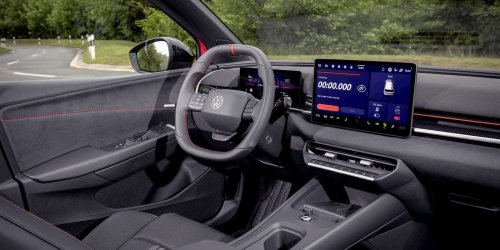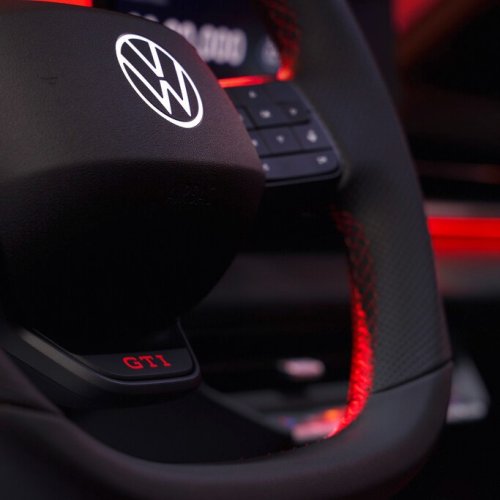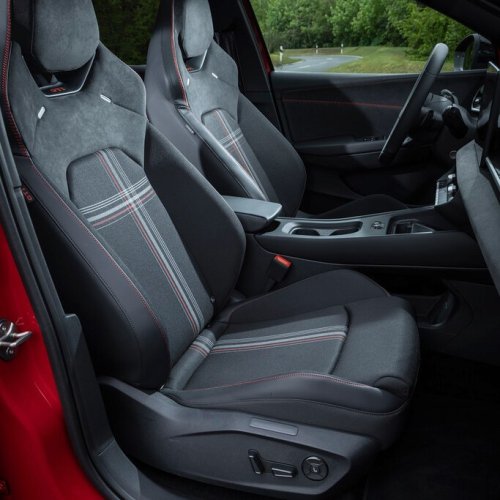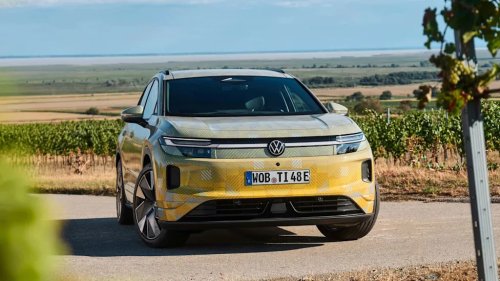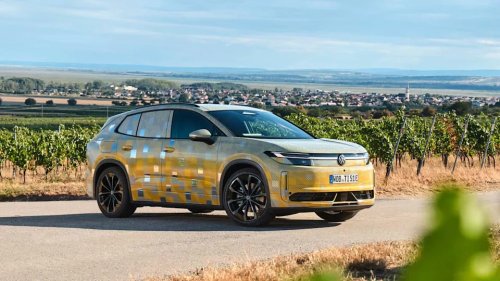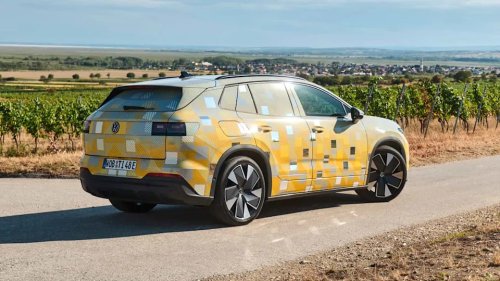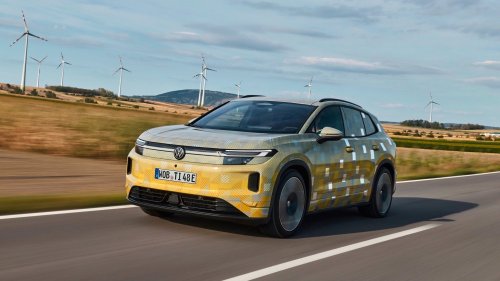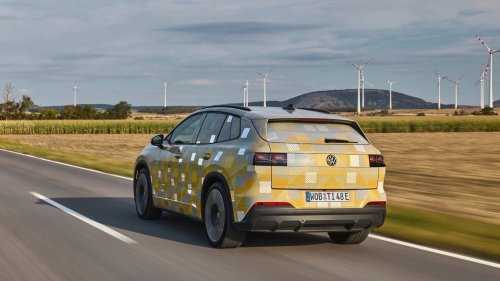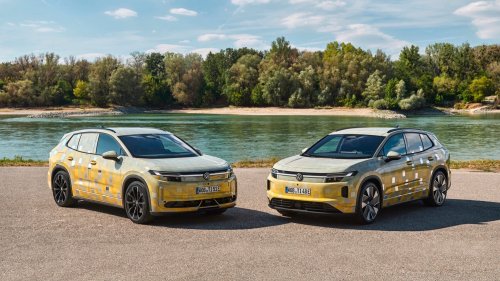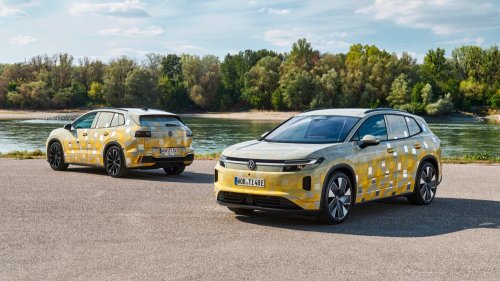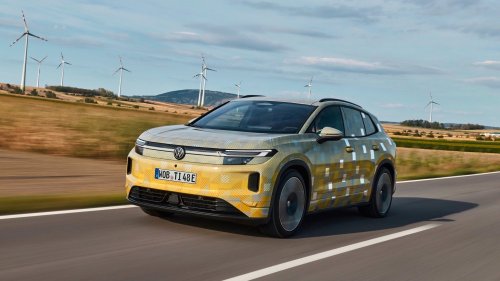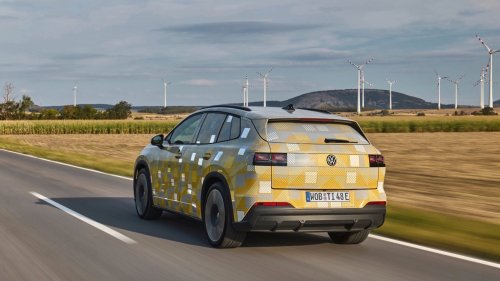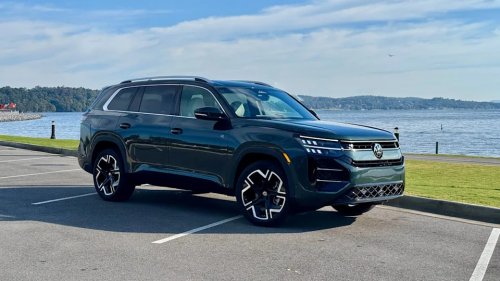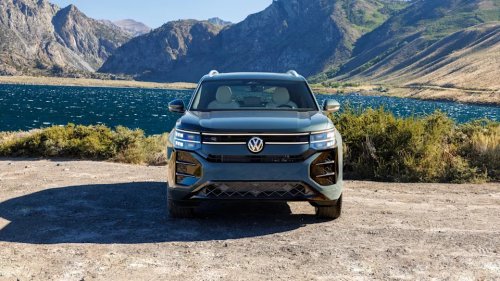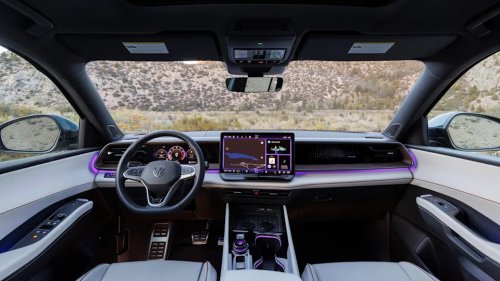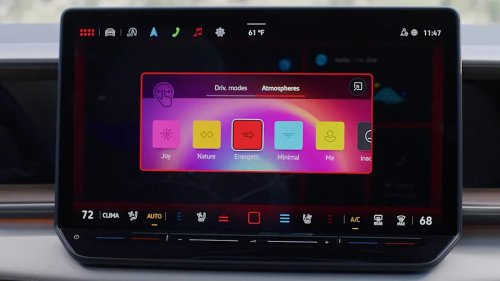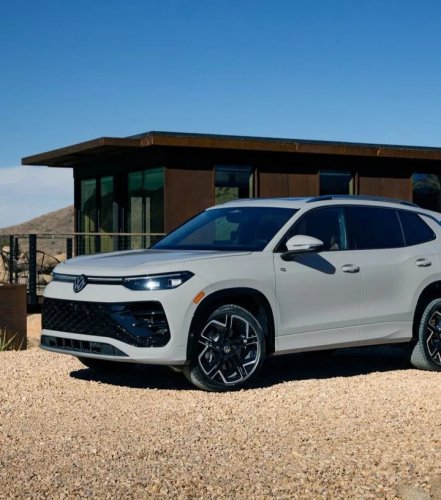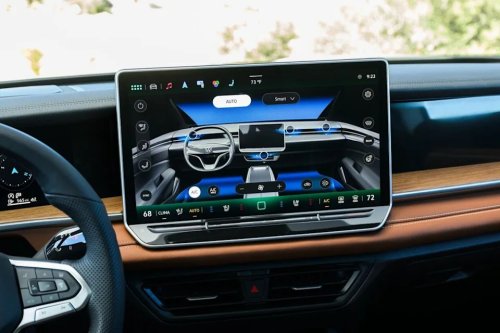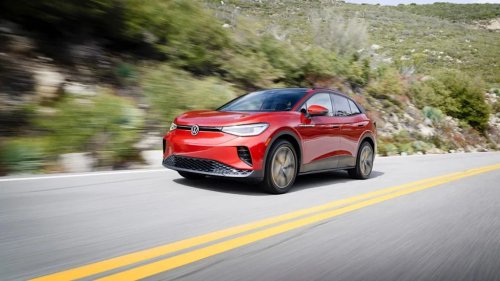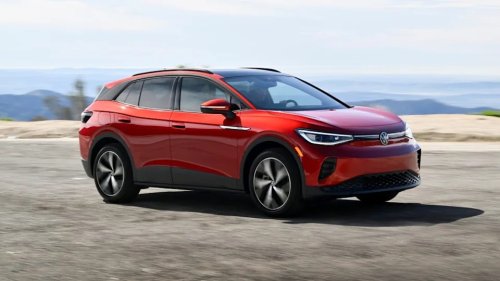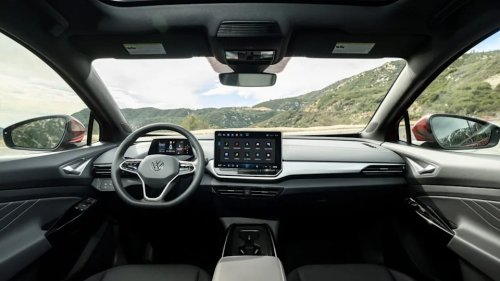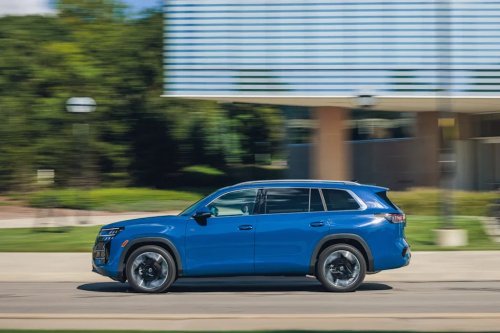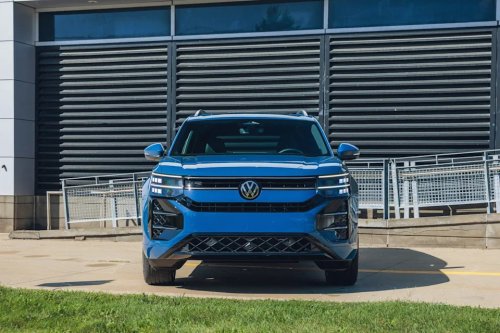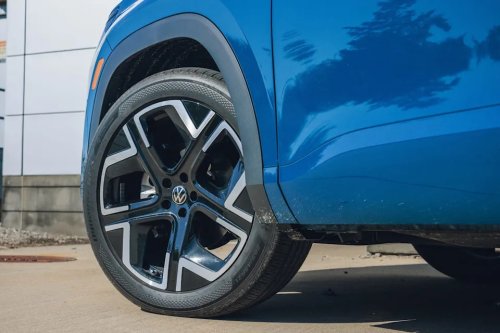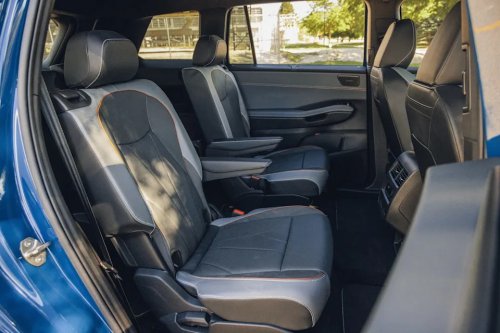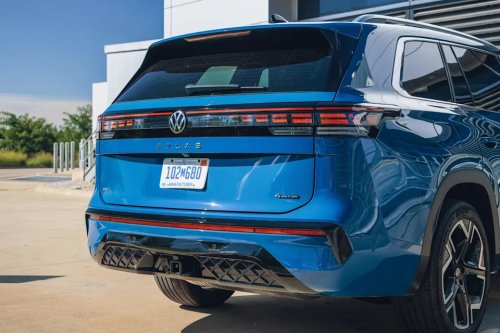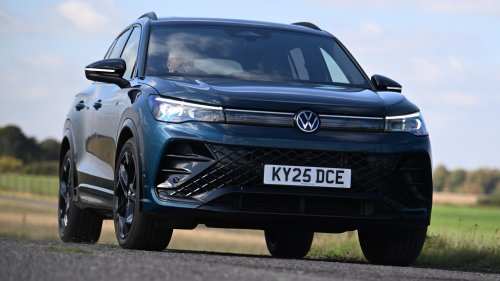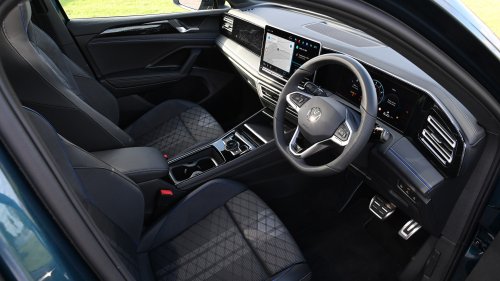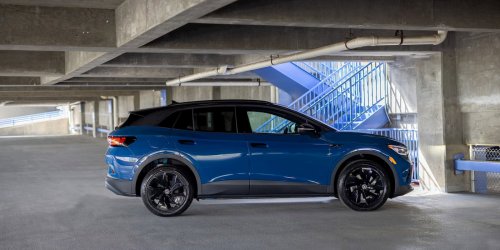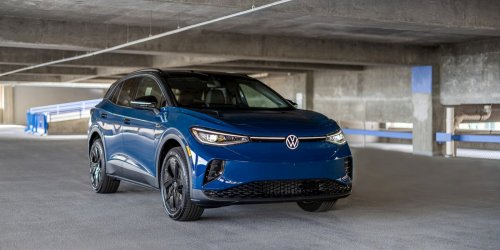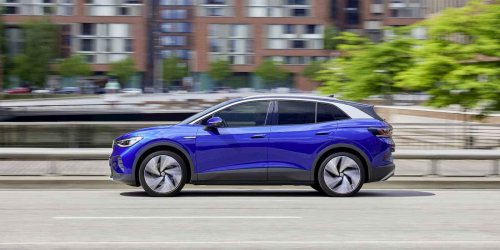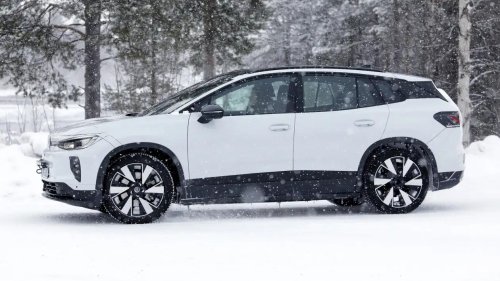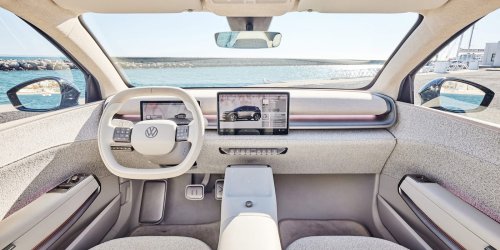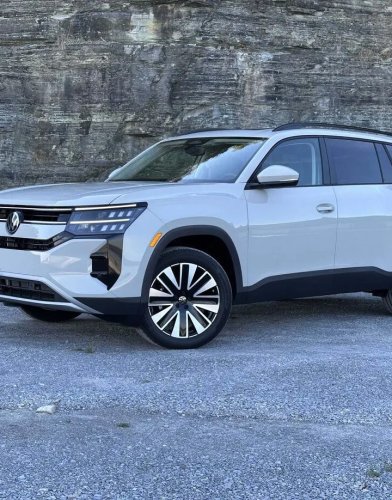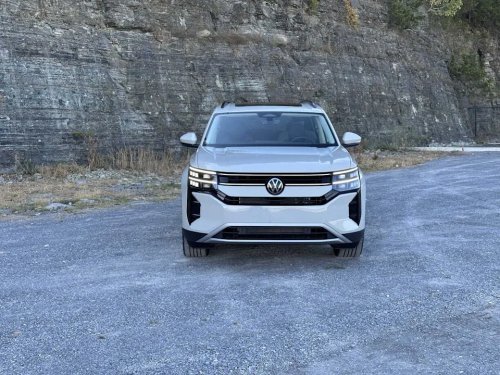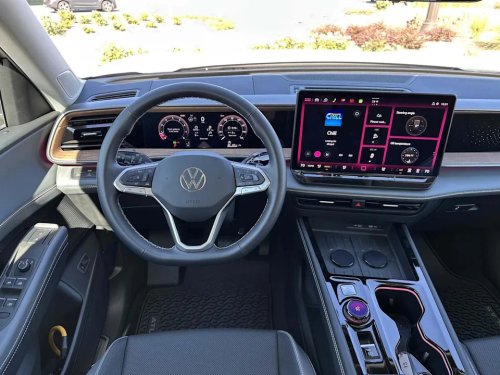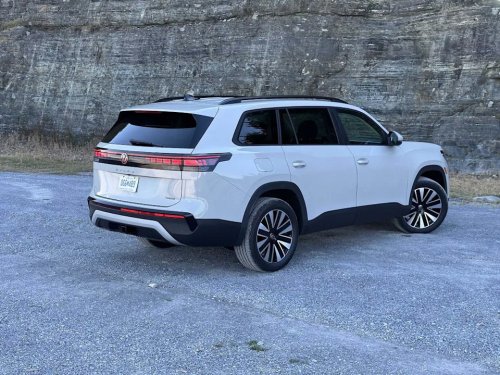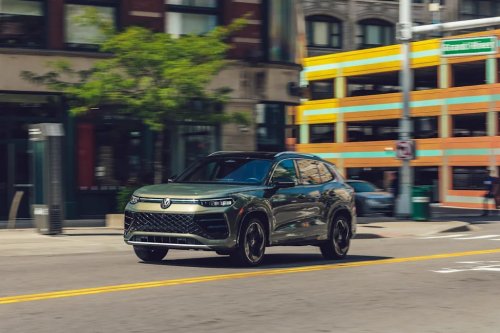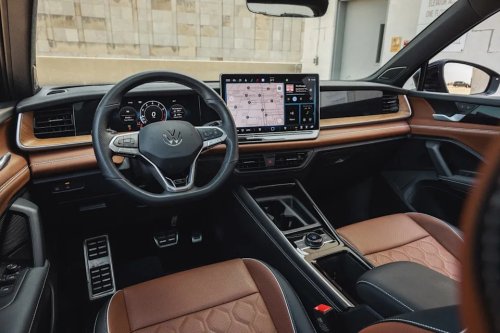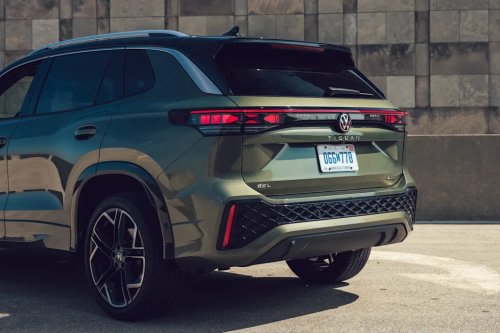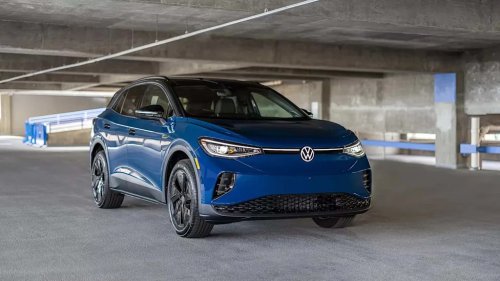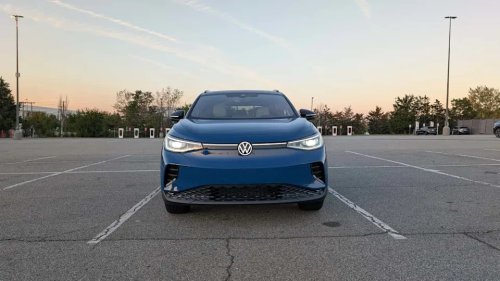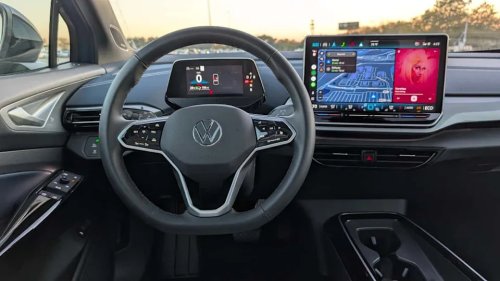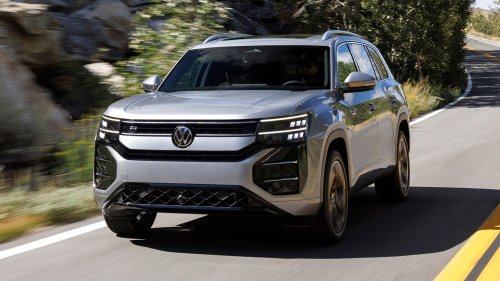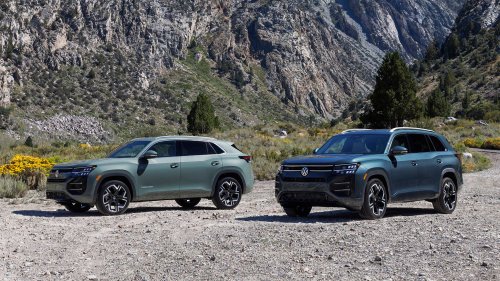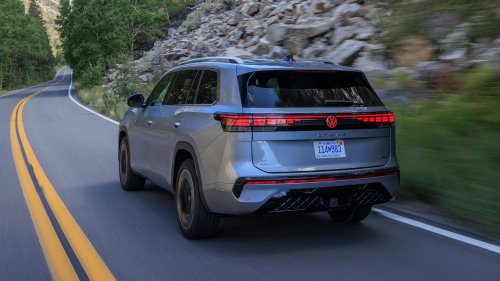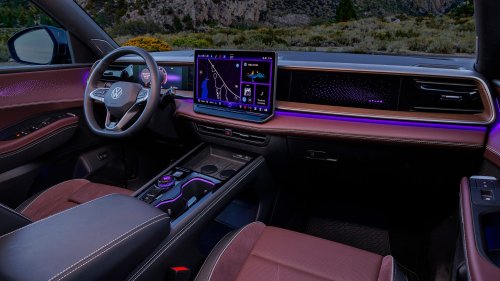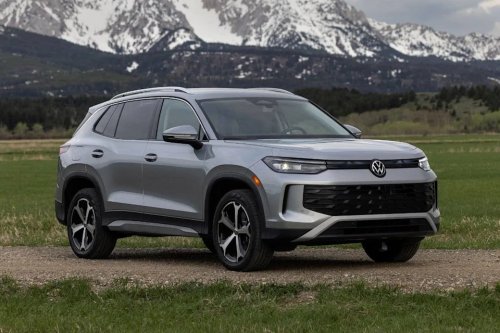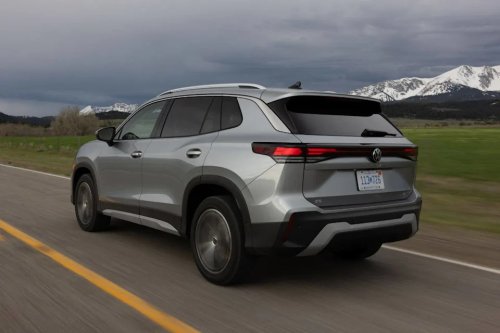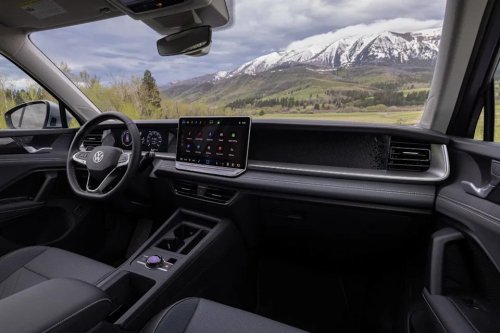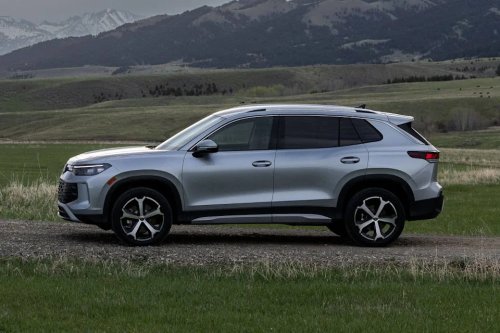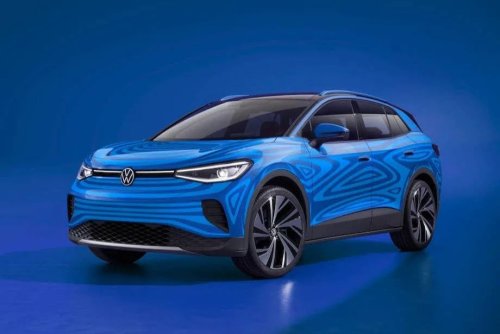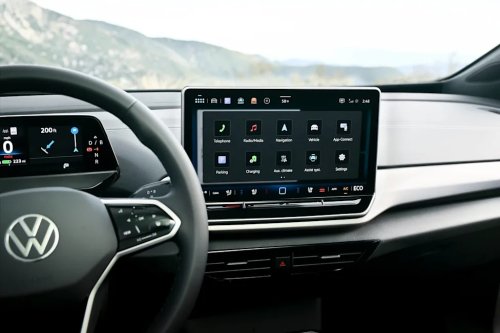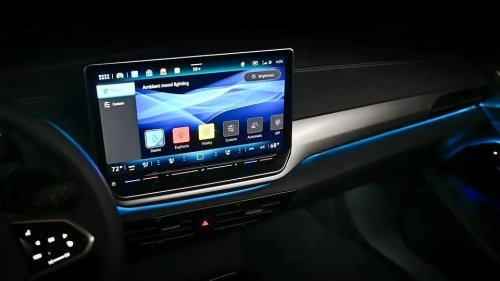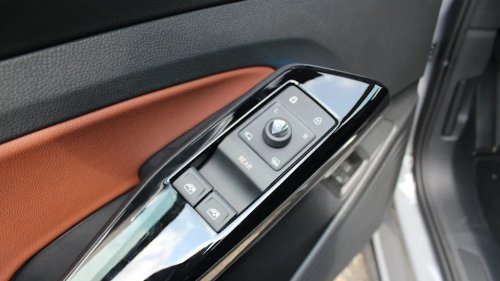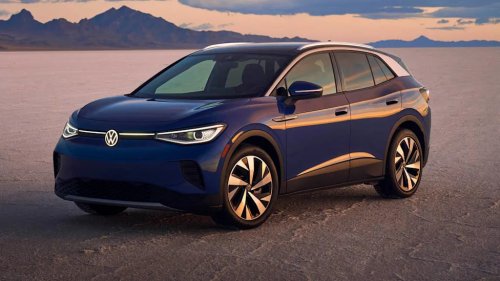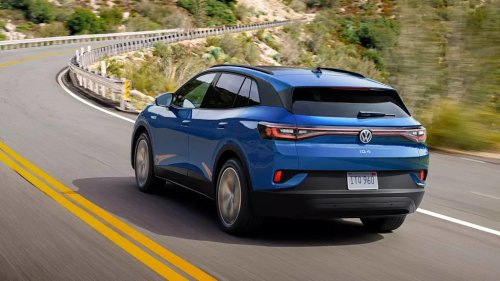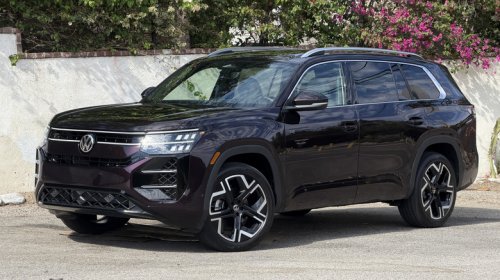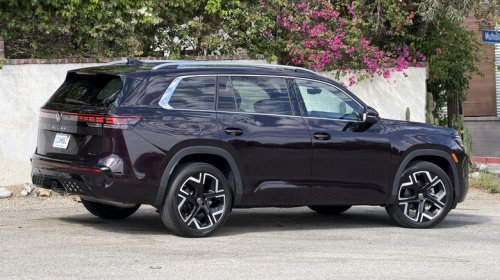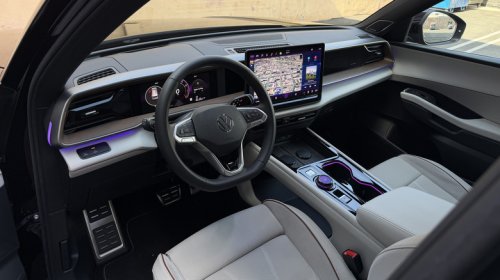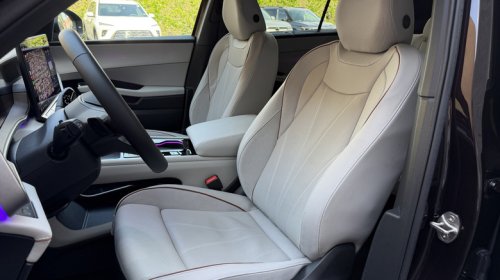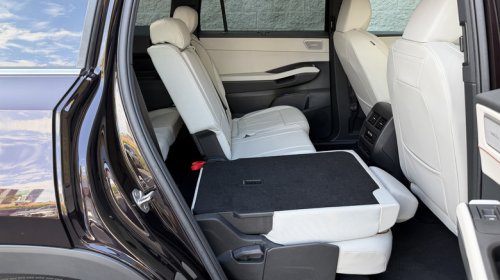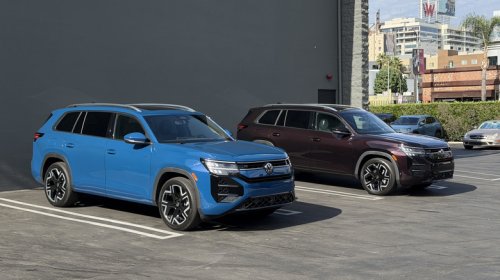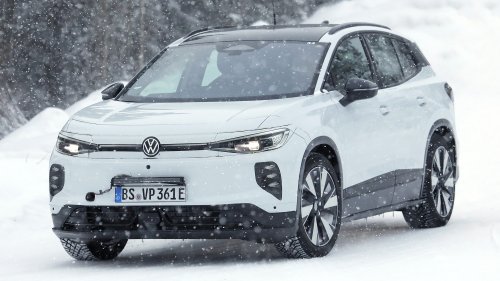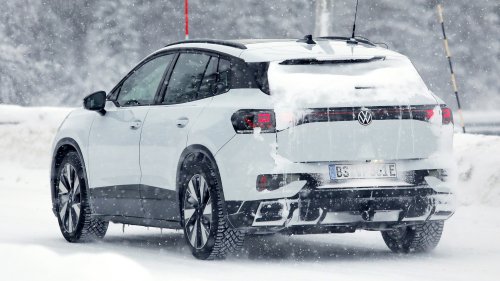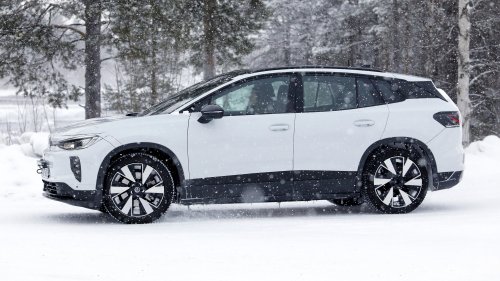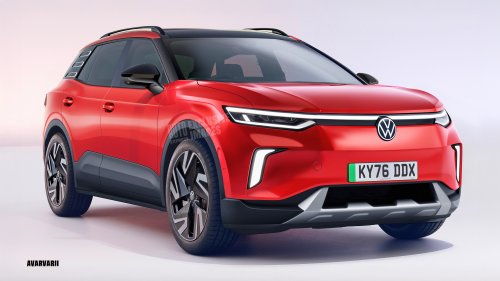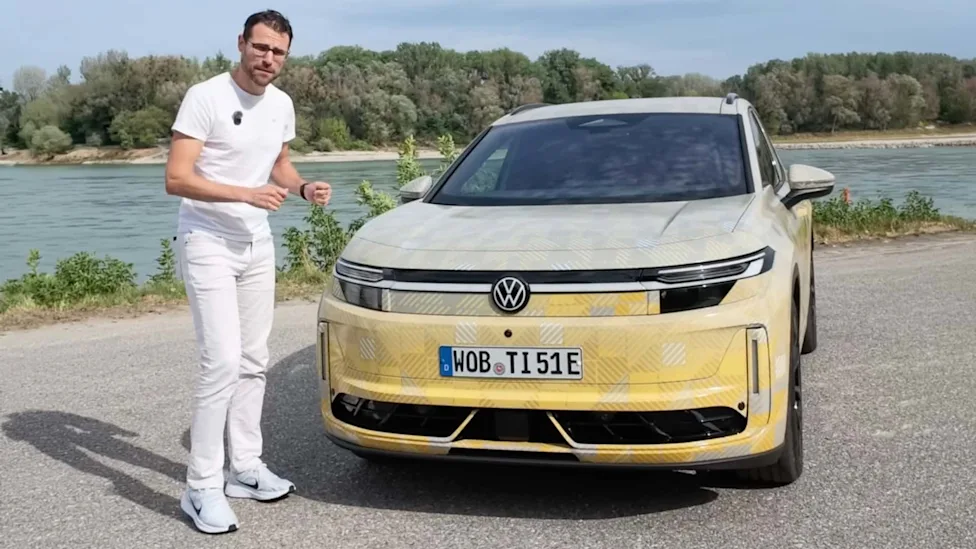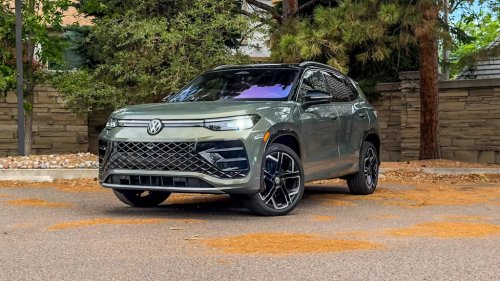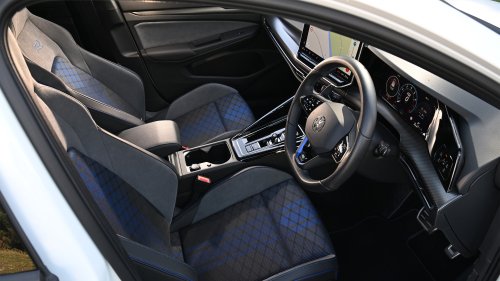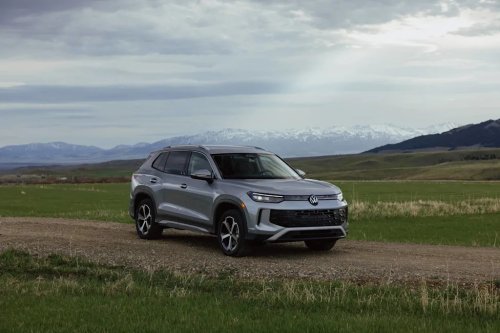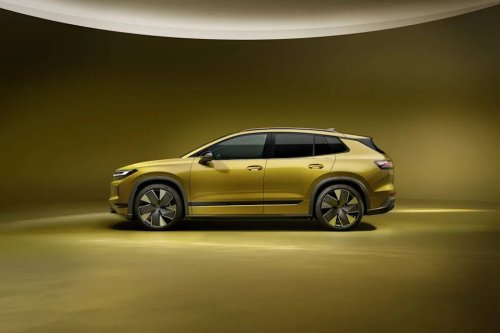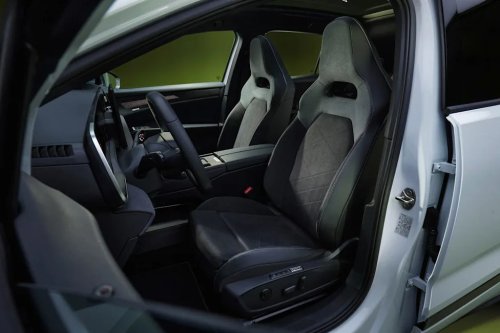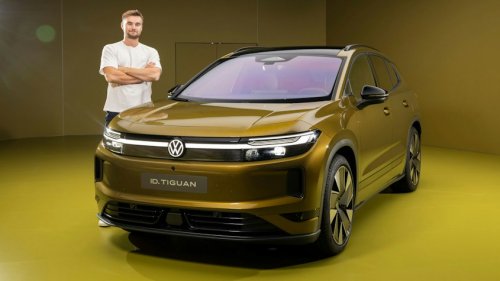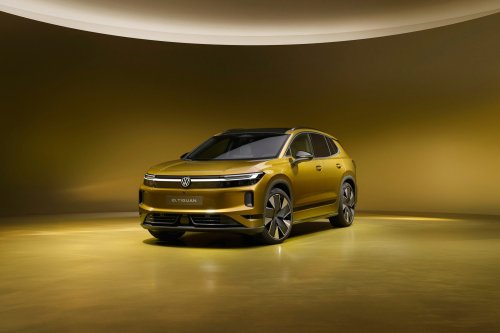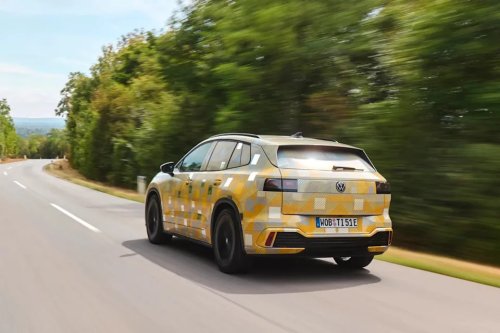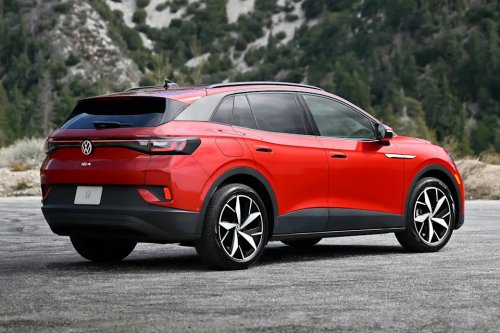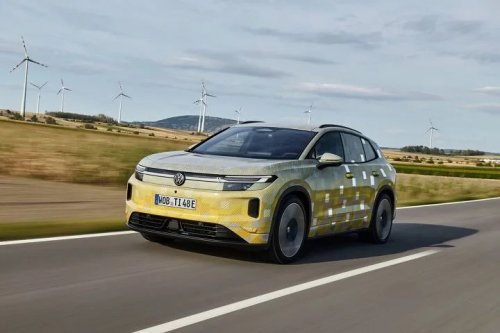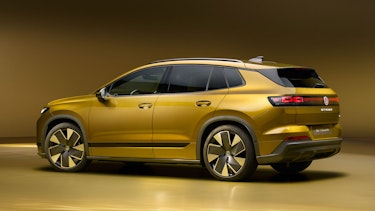
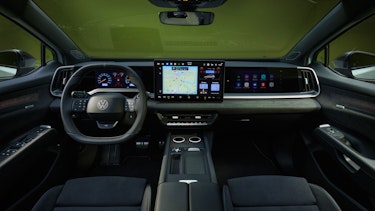
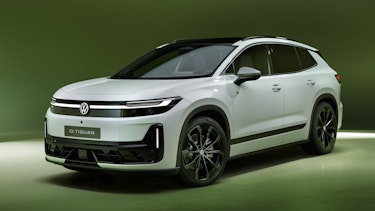



















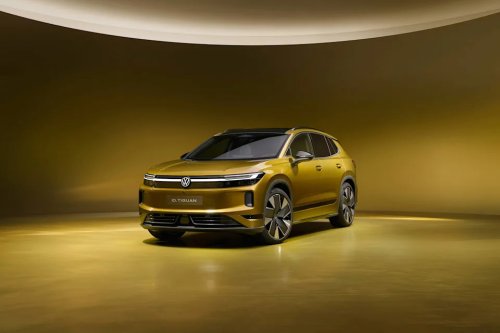
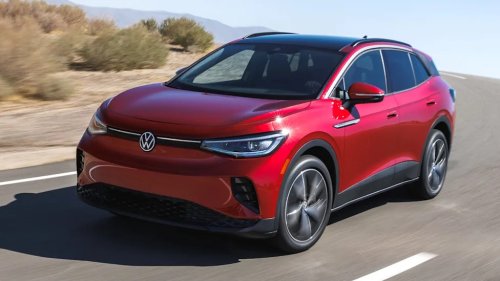
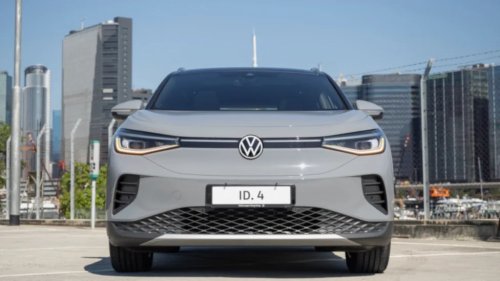


The Volkswagen Tiguan has been the brand’s best-selling car since 2017, so it only makes sense that the German giant would want to capitalise on its family SUV’s popularity as much as it can. Step forward then, the new Volkswagen ID. Tiguan. We’ve known for a while that this heavily facelifted version of the ID.4 would be called ID. Tiguan. However, this is the first time it’s been seen uncovered, and we have crucial new information regarding its performance, range and specifications. While the ID.4 provided Volkswagen with a competitive rival to the Renault Scenic, Toyota bZ4X and Nissan Ariya, one of its main criticisms was a blobby design, which looks out of kilter with VW’s fundamental themes of solidity and stability. This certainly seems to have been addressed with the new ID. Tiguan. Although the basic proportions of the ID.4 have been kept in place, the ID. Tiguan adopts Volkswagen’s new ‘Pure Positive’ design language - something we’ve seen on the new ID. Polo and ID.3 Neo. The front has undergone a significant change with a new full-width LED light strip broken up by an illuminated VW badge. The reshaped lower bumper with new air curtains to the side has a technical purpose too, helping to reduce the drag coefficient from 0.27 to 0.26. 18Volkswagen says the ID. Tiguan’s “core values also include a design that follows the brand’s great DNA”. As a result, there’s a return to more ergonomical traditional door handles. At the rear, there's new lighting, again with an illuminated VW badge in the middle. The rear bumper also features more horizontal lines than before, as does the rest of the ID. Tiguan, which VW says gives it a “muscular stance” on the road. An R-Line version sits at the top of the ID. Tiguan range, in effect replacing the old GTX - which VW says won’t be renewed. Like the GTX, R-Line adds a series of exterior tweaks, including sportier bumpers front and rear, plenty of ‘R’ badging and 21-inch wheels (up from the 19 and 20-inch designs available on other trims). Volkswagen says the interior reverts to ‘True Volkswagen philosophy’ and the ‘core values’ of the brand. What this essentially means is that certain ergonomic foibles that have plagued VWs in recent years, are being fixed. Jump inside and the first thing to notice is the new steering wheel. It’s taken from the ID. Polo and comes with a set of satisfying-to-use physical controls - a vast improvement over the ID.4’s piano black buttons. On the dash, there’s a new 15-inch touchscreen that we’ve seen on other larger VW models such as the Passat and combustion-engined Tiguan, although the ID. Tiguan gets the latest infotainment and some interesting new features. One of these is the retro menu, again, shared with the ID. Polo. With this mode activated, the main screen can transition to mimic six different Volkswagen models, from various generations of Golf to the Tiguan and even the Race Touareg and Beetle. This is complemented by twin dials appearing on the driver’s display mimicking a Mk4 Golf’s (although the rev counter here reflects power output). 18There’s also a third screen available to the passenger. In ‘privacy mode’ and with some clever pixel technology, the passenger can view and operate the touchscreen without it being visible to the driver. It’s the same 12-inch display found in the latest Audi Q4 e-tron and set up with apps including Spotify, the Vivaldi browser and gaming features available. Aside from the gear lever and the stalk for the wiper and turn signal functions, Volkswagen has replaced all the frequently used controls in the ID. Tiguan. Gone are the awful touch-sensitive sliders at the bottom of the touchscreen and now there’s a bank of physical climate controls in the middle of the dash. There’s also Volkswagen’s rotary dial in the centre console, which can easily switch between volume and driving modes. And instead of a touch button to switch between front and rear window controls, there are now four individual switches on the driver’s door. Again, as with the exterior, the R-Line variant of the ID. Tiguan comes with a suite of unique touches. There are premium sport seats with massage functions, R badging on the seats, door sills and doors, a 12 o’clock marker on the steering wheel and heated rear seats. The ID.4 was always in the middle of the pack when it came to range. It couldn’t quite match the likes of the 378-mile Tesla Model Y Long Range and the Renault Scenic, which recently gained a new battery to up its range to 392 miles, but it had the 329-mile Nissan Ariya beaten. 18The new ID. Tiguan isn’t the best in class for range, but thanks to the aforementioned aerodynamic tweaks, Volkswagen has unlocked some more miles. The base 58kWh battery remains, but there’s a bump in range from 265 miles to 279 miles. Above this there’s the 77kWh unit, which comes with a single-motor rear or all-wheel drive, with up to 372 miles of range, a decent increase over the old ID.4’s 351-mile maximum. The Achilles heel of the ID.4’s technical side was always its charging and unfortunately it’s unchanged for the new car. The small battery can accept a 105kW charging rate, while the 77kwh unit goes up to 165kW, with each taking just under half an hour for a 10 to 80 per cent top-up. Paired with the 58kWh battery is the old 187bhp electric motor mounted on the rear axle for a 0-62mph time of 8.5 seconds. The 77kWh pack with the 282bhp motor reaches 62mph in 6.6 seconds, while the four-wheel-drive dual-motor model takes 6.3 seconds. The maximum towing capacity for the ID. Tiguan has been upped from 1,800kg in the ID.4 to two tonnes. The Style and R-Line models – the latter only available with the largest battery and the more powerful single-motor or dual-motor set-ups – also come with a DCC Sport option, which is Volkswagen’s adaptive suspension technology. Along with a 15mm lower ride height, it introduces new ‘progressive steering’ and Volkswagen’s next-generation ‘vehicle dynamics manager’, which adds retuned bushings to reduce noise and tweaks the damper valves in the suspension. The ID. Tiguan also now comes with a one-pedal driving mode, too. The new ID. Tiguan won’t arrive in the UK until early 2027, which is when we’ll find out more about pricing. Unlike other markets which get a base-level ‘Trend’ trim, our line-up will consist of Life, followed by mid-range Style, and topped off by R-Line. If you’re wondering where the ID.5 fits in with all this, the simple answer is that it doesn’t – there are currently no plans to continue the coupe-SUV variant.