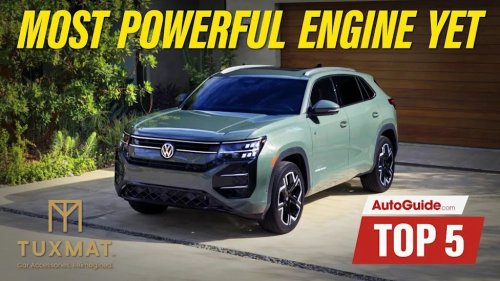
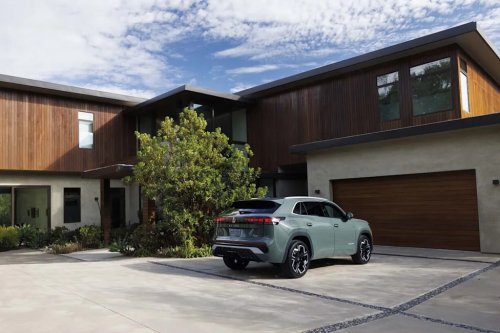
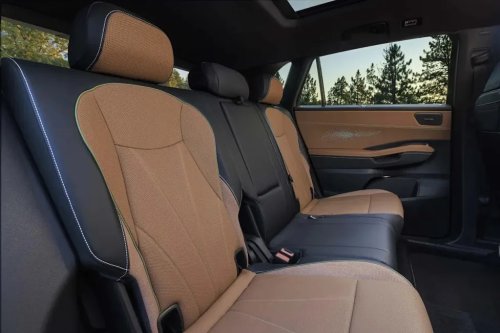
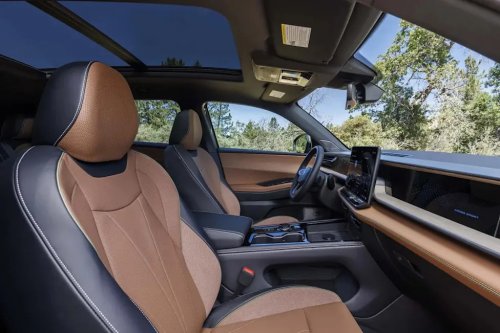
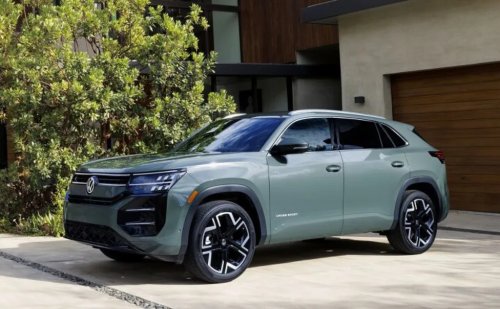
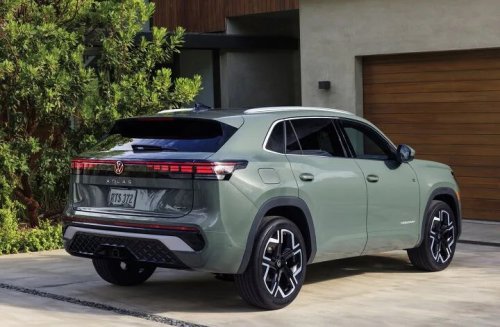
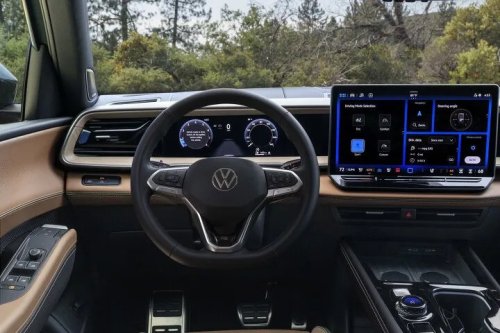
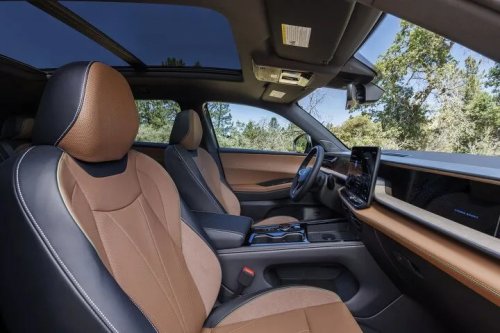
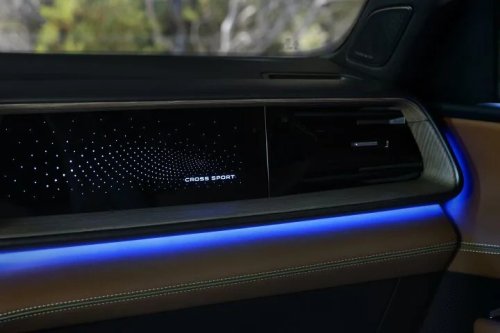
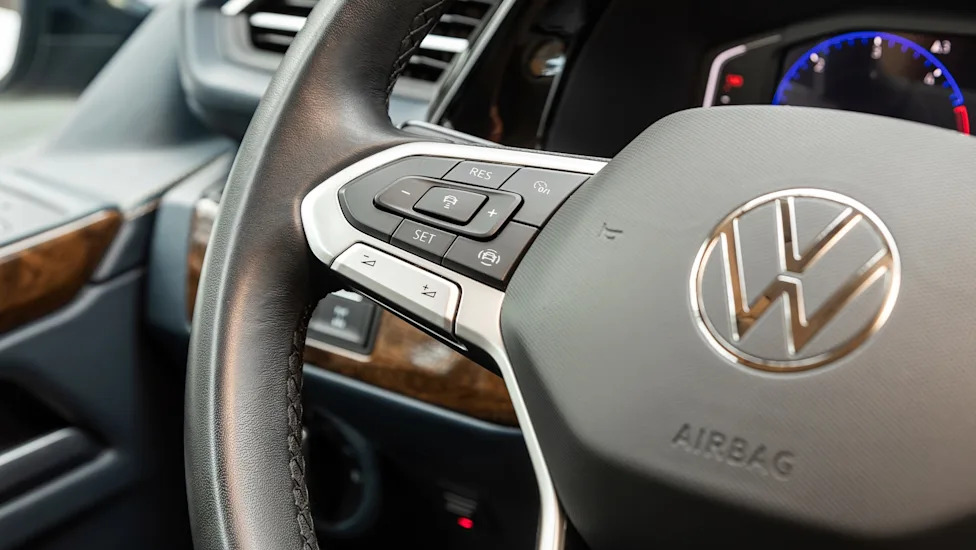
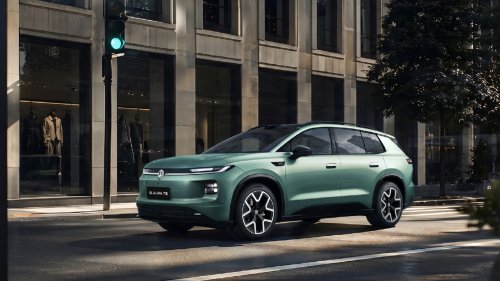
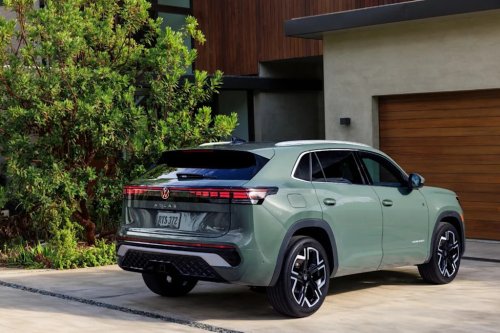
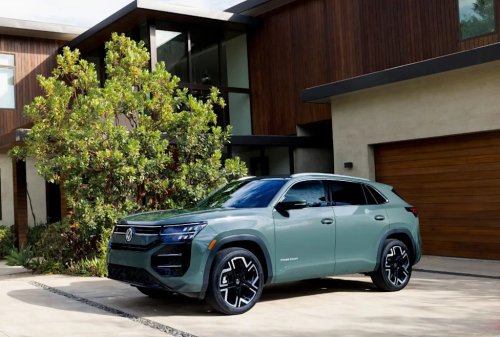
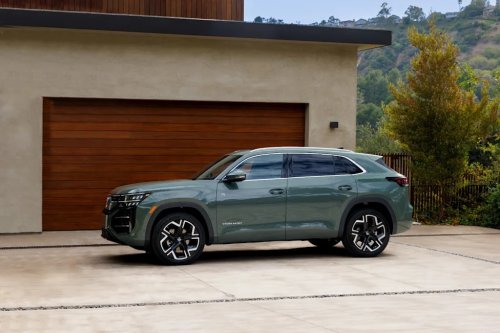
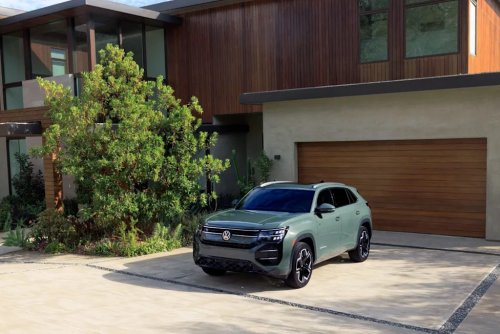
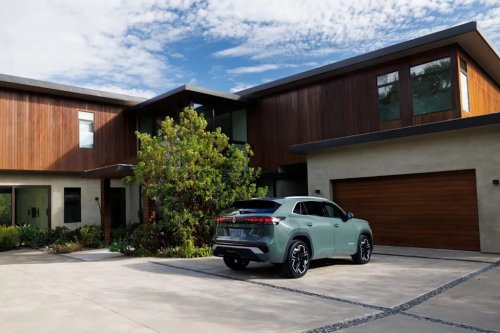
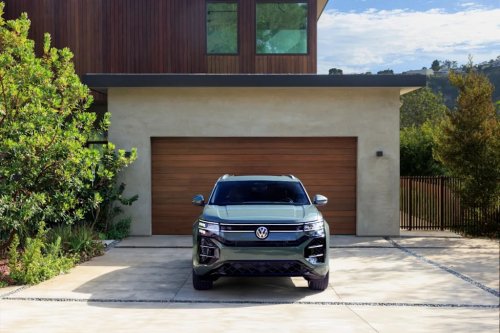
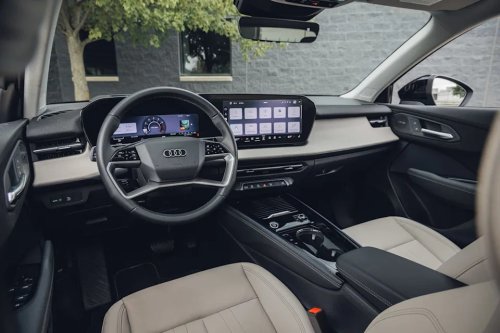
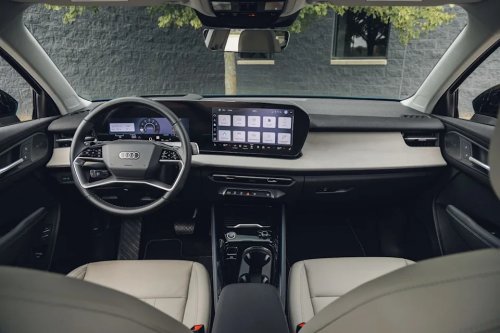
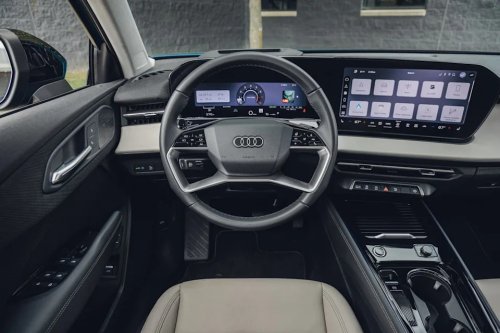
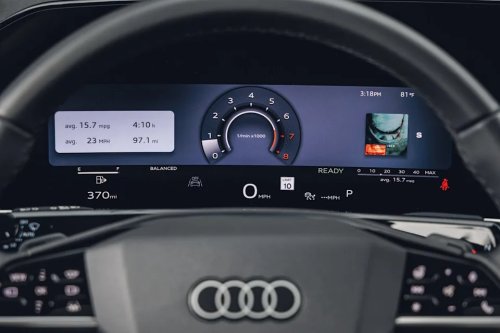
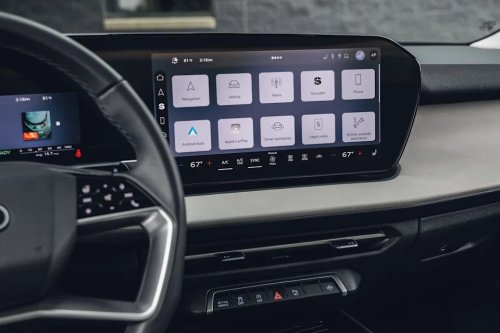
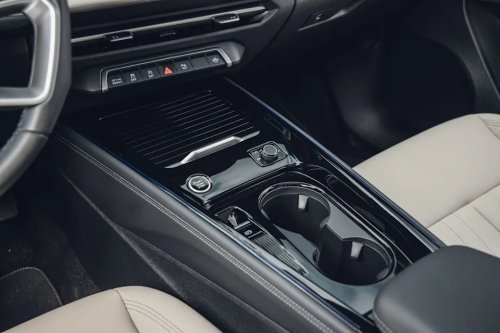
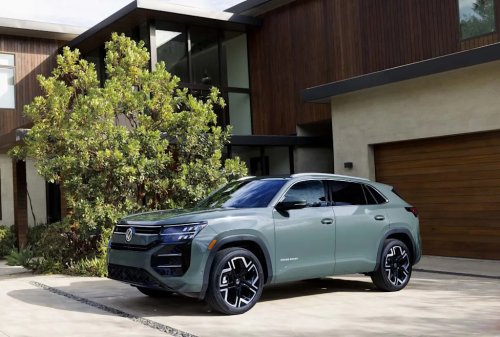
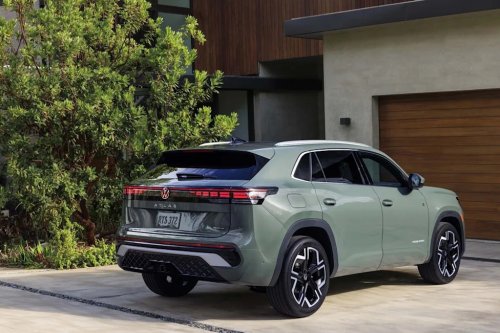
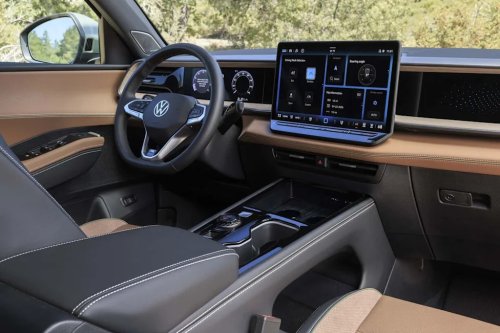
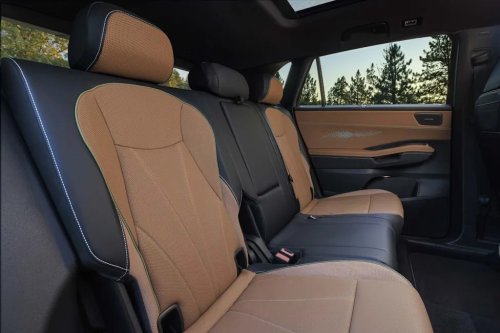
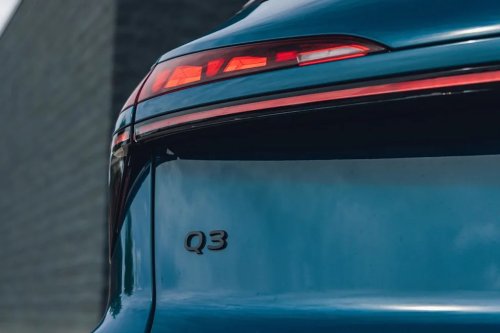
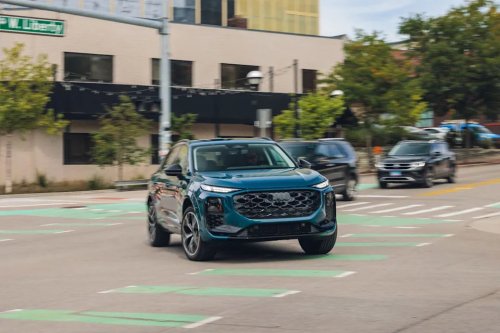
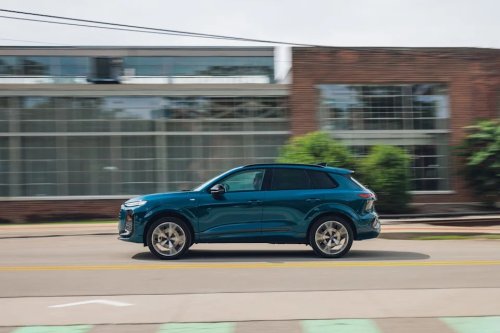
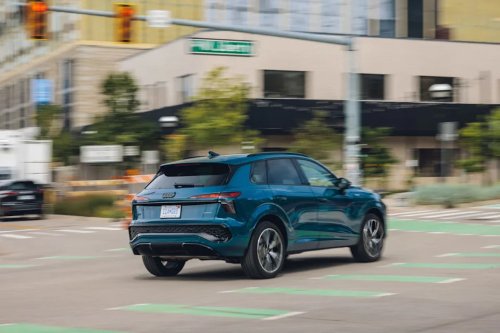
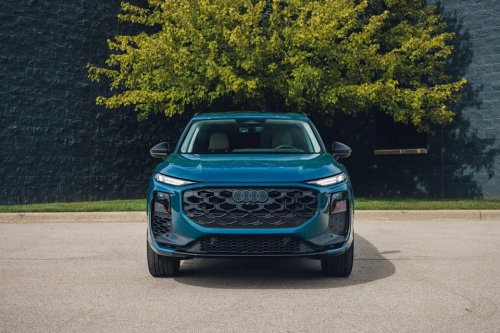
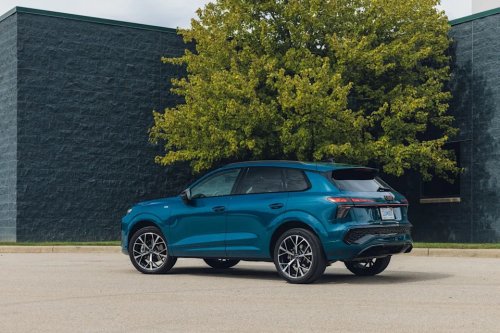
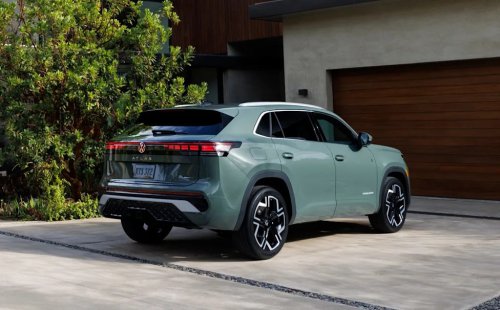
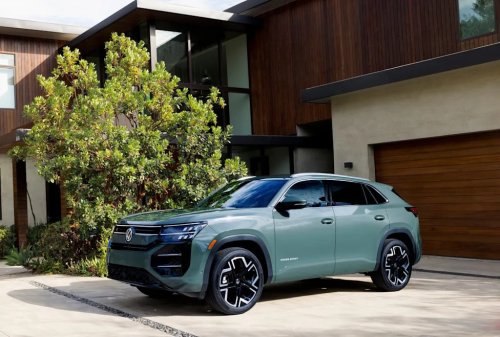
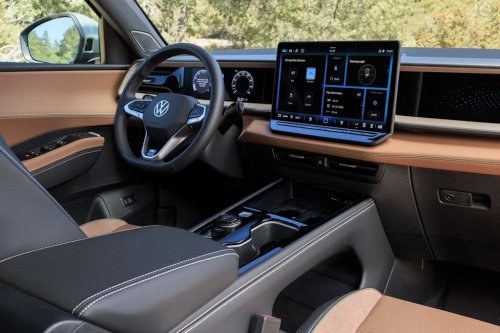
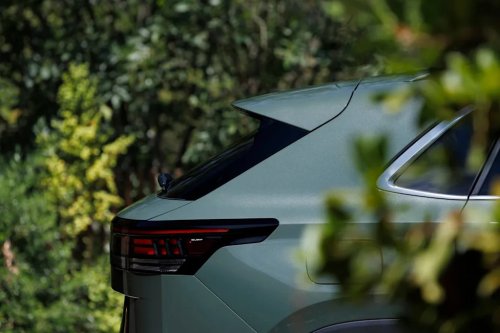
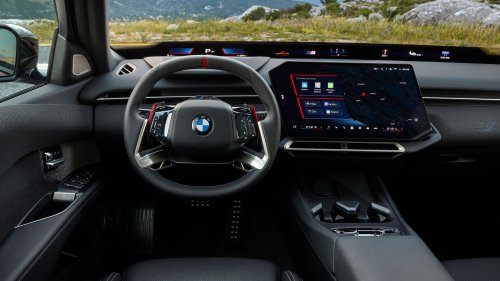
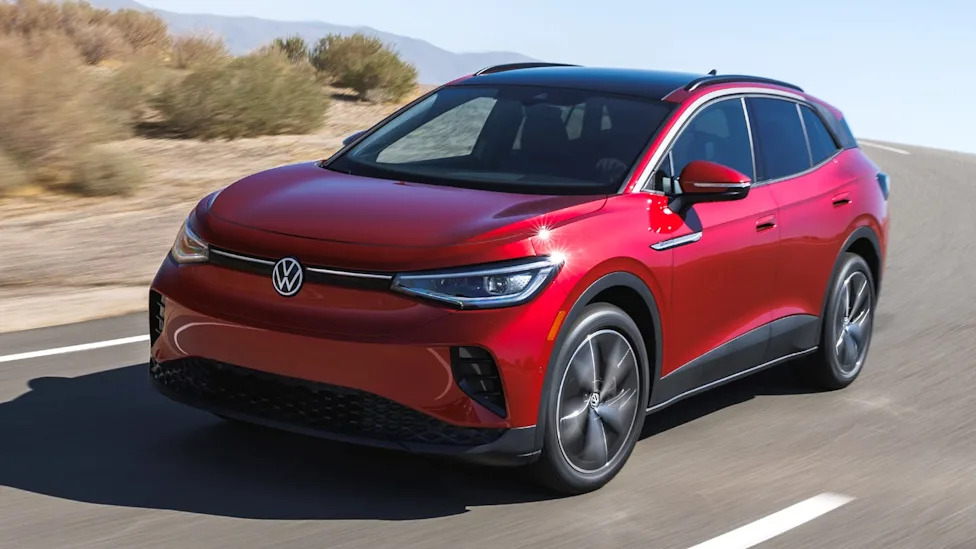
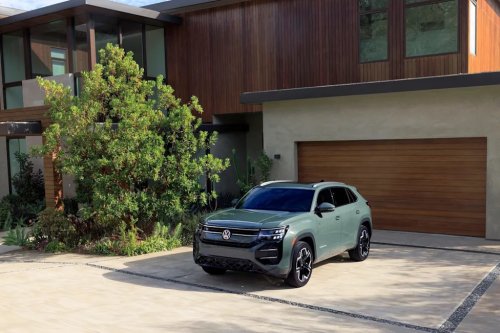
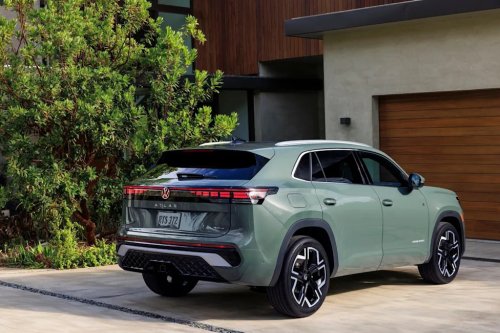
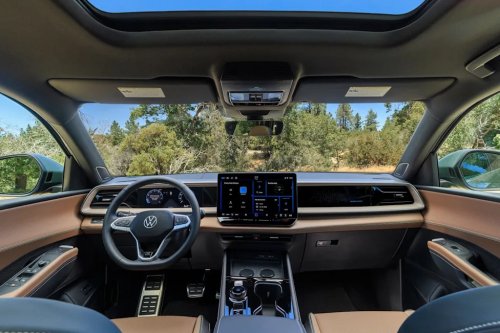
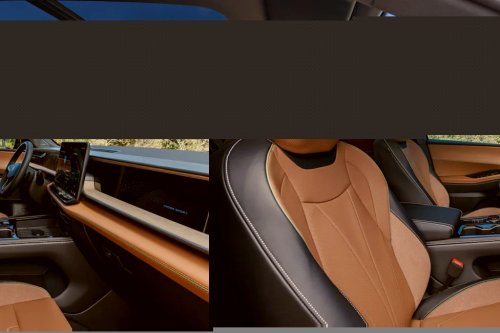
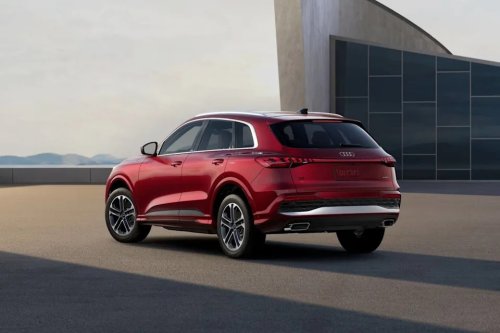
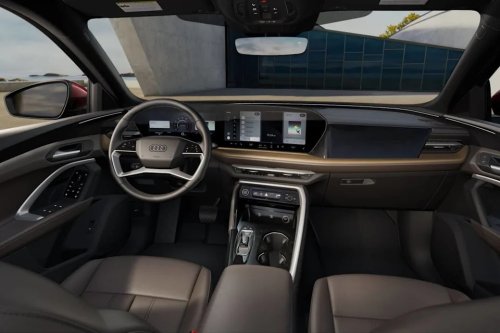
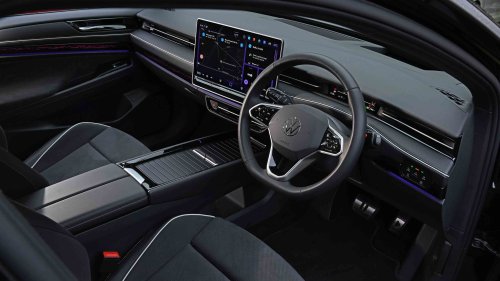
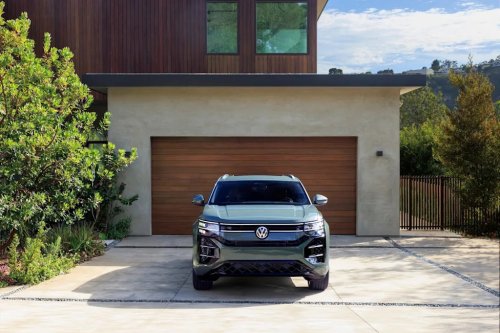
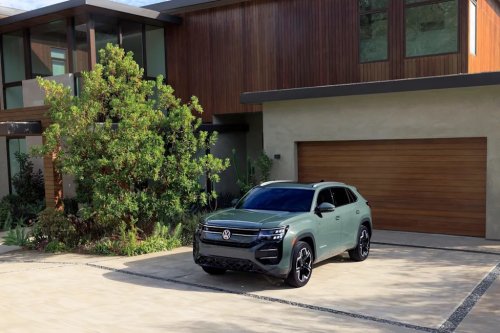
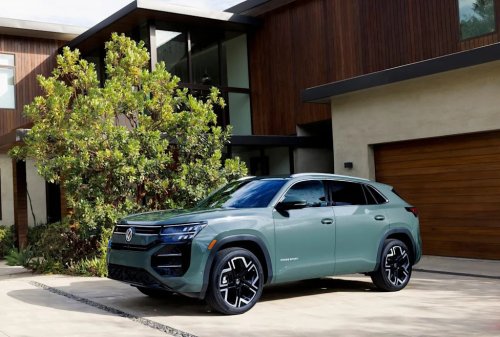
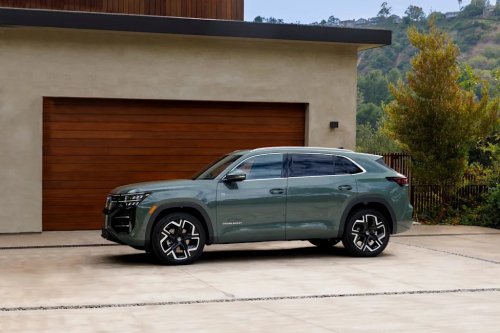
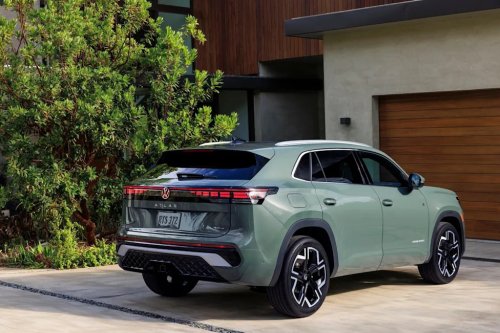
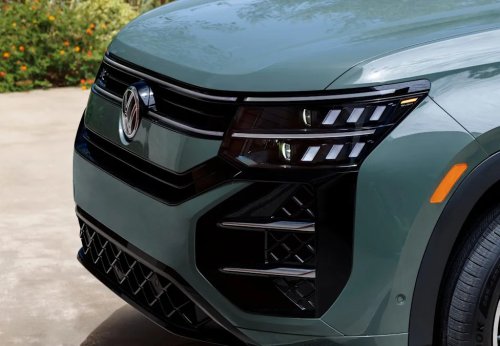
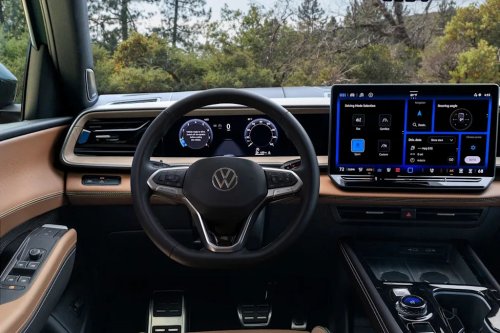
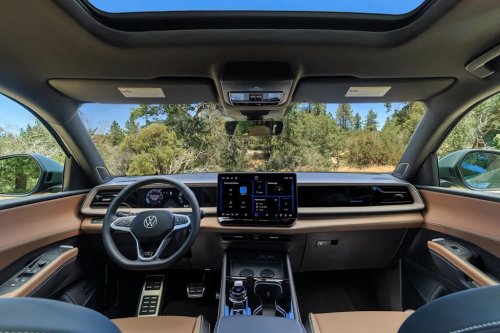
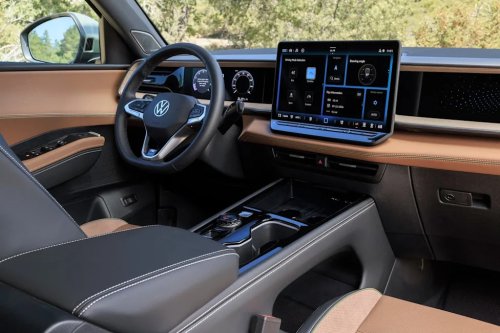
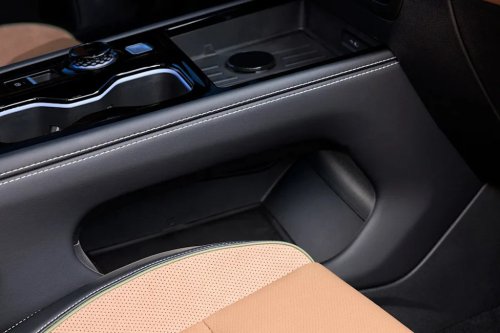
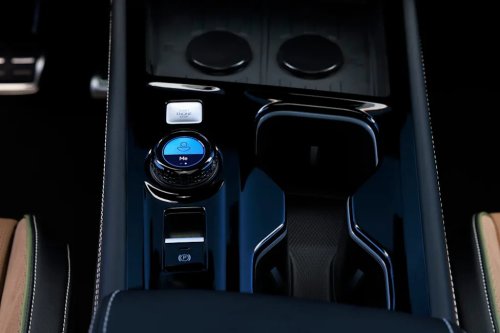
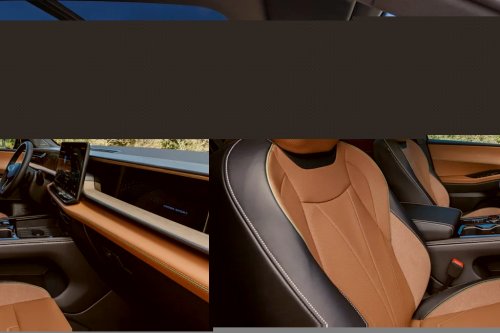
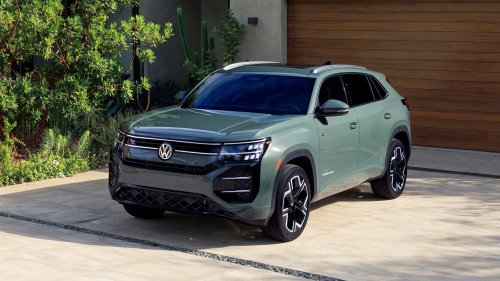
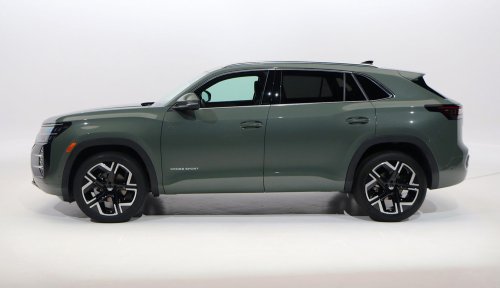
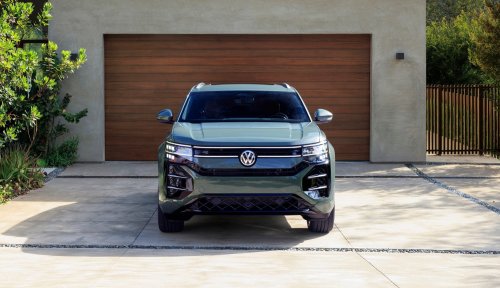
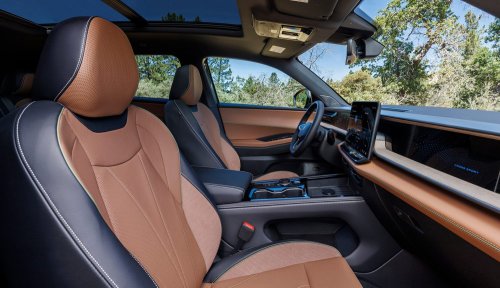
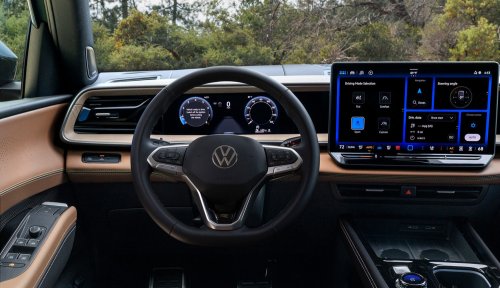
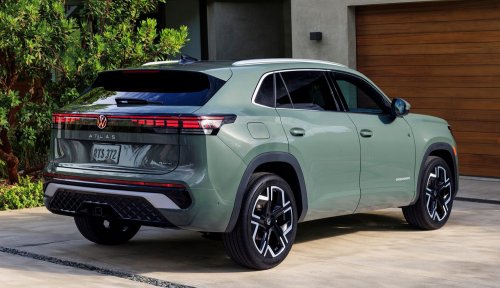
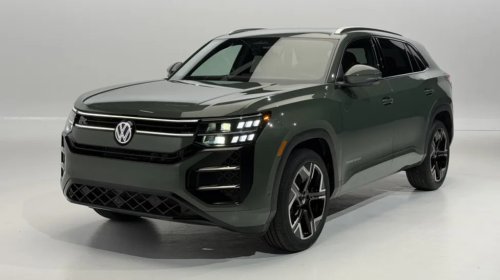
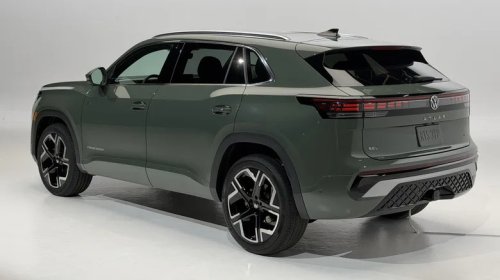
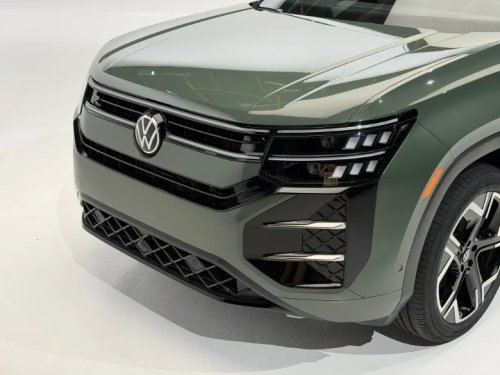
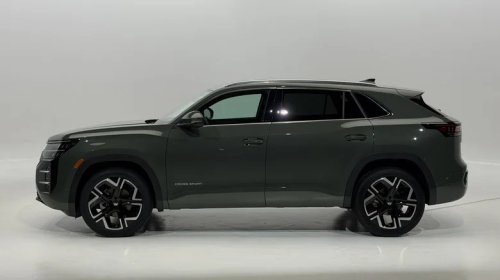
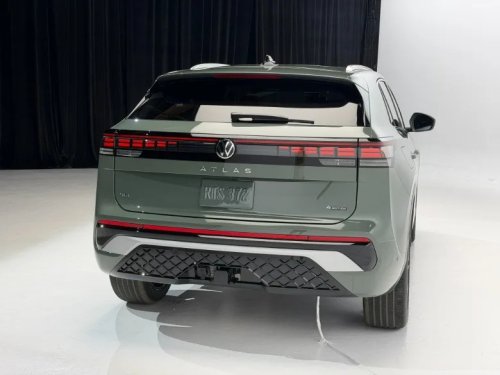
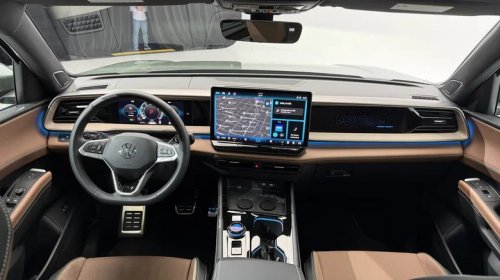
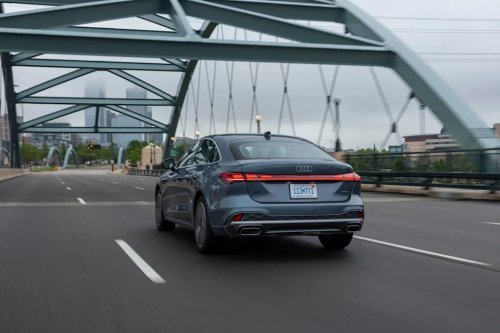
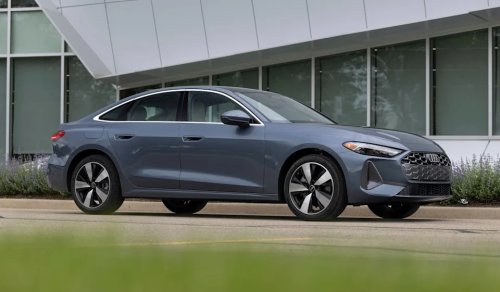
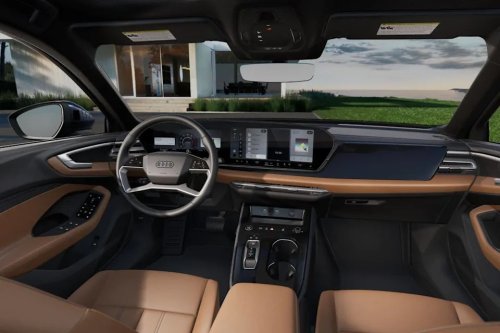
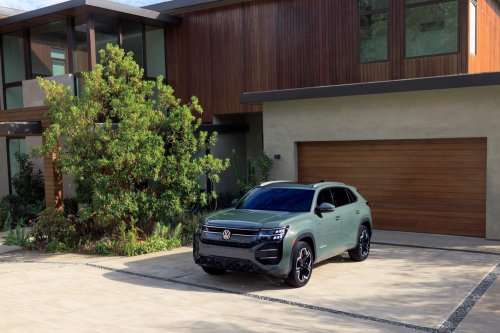
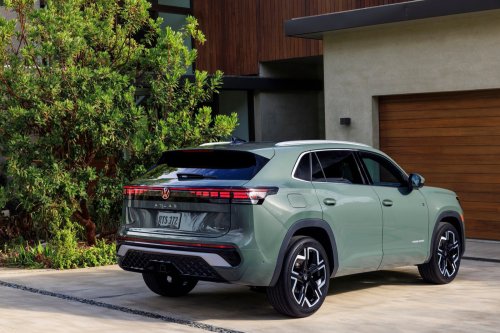
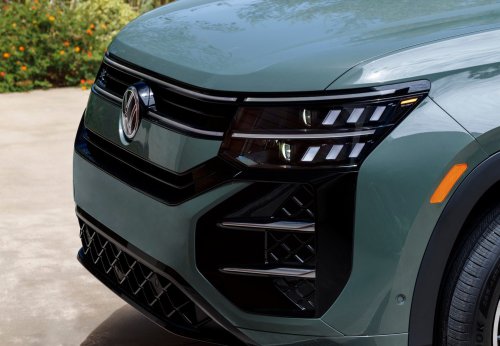
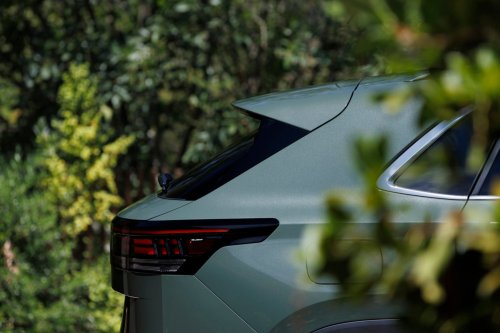
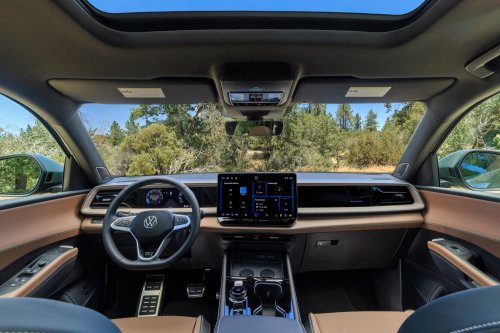
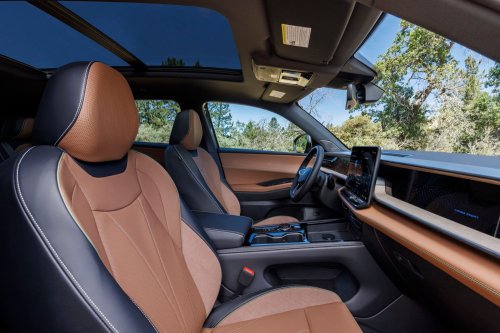
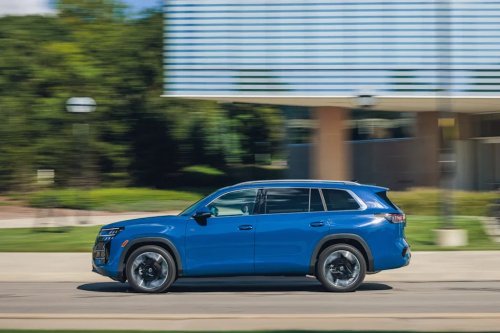
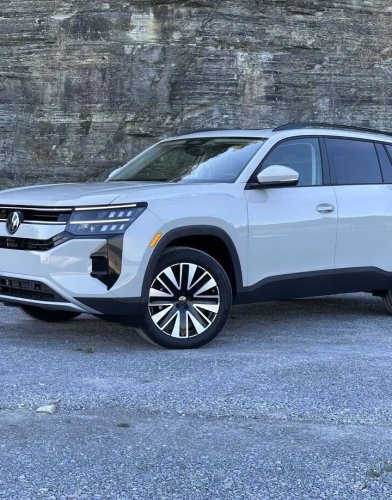
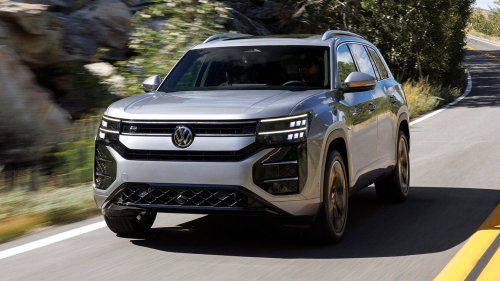
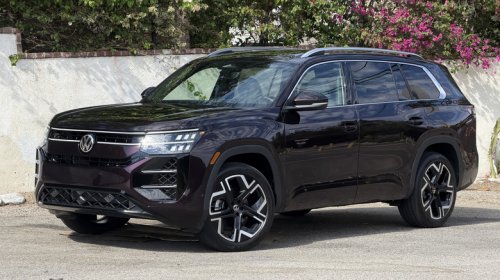
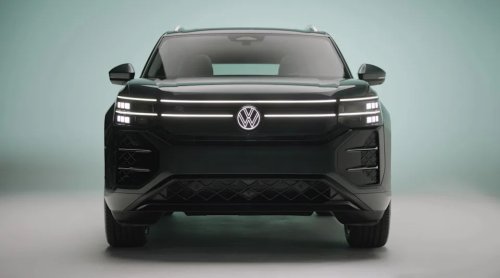
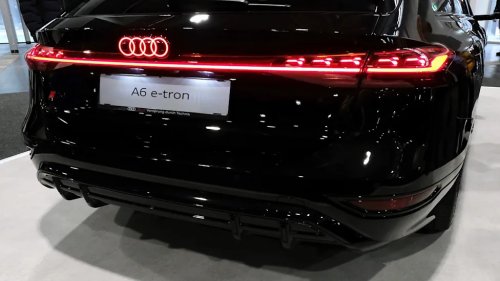
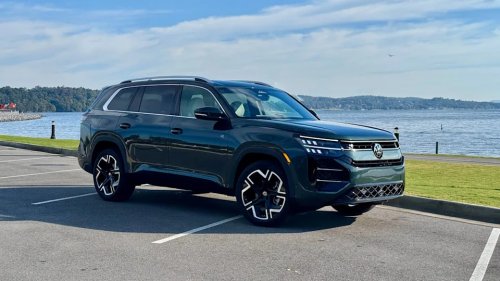
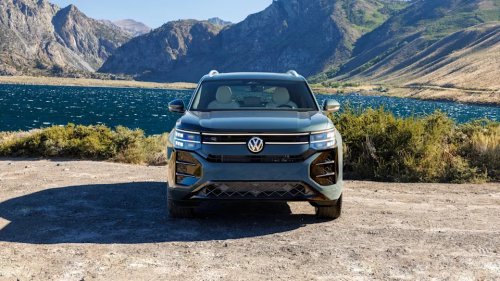
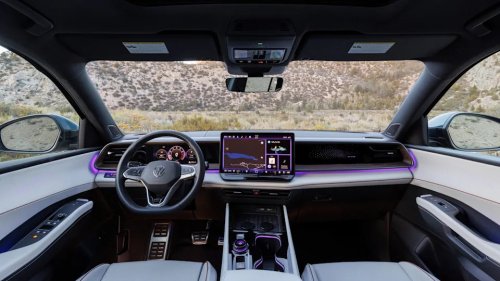
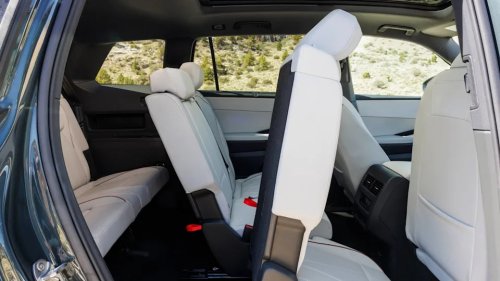
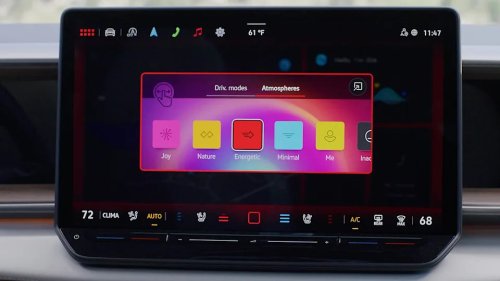
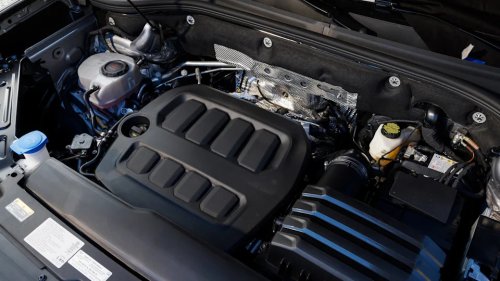
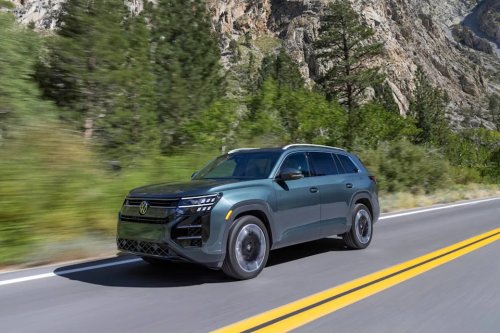
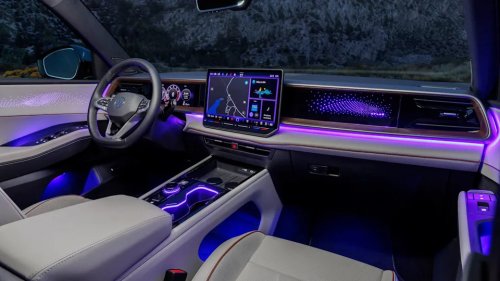
The Second-Generation Atlas Is HereVolkswagen knew it had an immediate hit when the Atlas went on sale in 2017. It was an SUV specifically designed for the US market with more space than any previous VW product. VW has built over one million of them since then, and one-in-three cars sold by the German automaker today is an Atlas. The 2027 Volkswagen Atlas begins this model's second-generation, looking to continue that success story.Jared Levenson/AutoblogThough the dimensions stay mostly the same, the 2027 Atlas is new underneath, now underpinned by VW's MQB Evo platform. The Atlas keeps its wide-looking, premium appearance but with some new modern details. Double-stacked LED lights come standard with projectors on upper trims, and all but the base trim add an illuminated VW logo. At the back, the taillights look reminiscent of a Hyundai Ioniq product with rectangular details that include dynamic turn signals.VolkswagenVW added some new colors, including our tester's Sacramento Green Metallic, Sandstone from the Tiguan, and Blackberry Metallic. 18-inch wheels are standard, but most trims ride on 20-inch wheels and the SEL Premium R-Line gets 21-inch ones.Audi-Level LuxuryStepping inside the Atlas, you are greeted by one of the most premium interior in the segment. Even the base SE trim gets heated/ventilated leatherette seats, a heated steering wheel, real wood trim, dual wireless phone chargers, park distance control, rear sunshades, 10-color ambient lighting, and a nine-speaker audio system. The SEL R-Line upgrades to Varenna leather with driver's memory, heated/ventilated rear seats, a head-up display, panoramic roof, and 30-color ambient lighting. Stepping up to the top SEL R-Line brings Nappa leather with massaging seats and a 14-speaker Harmon Kardon audio system that sounds fantastic. These aren't simple massage seats either, they have multiple pressure points and deliver a better massage than some Audi models.VolkswagenThe second row can include a bench or captain's chairs for $695. There is enough space for three car seats across on the bench, and the seats can still tip forward with one installed. With 34.1 inches of legroom in the Atlas, no crossover has more space in the third row.VolkswagenSame Infuriating TechThe interior experience in the Atlas is overwhelmingly positive thanks to the abundance of premium features, but it's let down by an annoying infotainment system. A 12.9-inch touchscreen comes standard on the SE, while all other trims enjoy a 15-inch display. Those extra inches aren't particularly useful because simple tasks like adjusting the fan speed take you out of your current screen into a climate menu.VolkswagenVW's much-maligned touch sliders return for the temperature and volume, though the latter can also be controlled by a new volume knob that's borrowed from the Tiguan. That knob has a screen embedded, and it can also function as a drive mode selector or to adjust the ambient lighting. Since there's a volume knob, I'd love VW to program an option to turn the volume slide into a fan speed controller. VW's product planning team said it loves to peruse Reddit pages to find ways to improve via software updates, so perhaps this change could be made in the future.On the plus side, the Atlas launches with AirConsole, letting occupants play 20 video games on the screen. Some highlights include Tetris, Pac-Man, and Uno as part of a three-month included premium plan (further access is through a subscription).More Power… But Where's The Hybrid?The 2027 Atlas is powered by a newer version of the outgoing model's EA888 2.0-liter turbocharged four-cylinder engine, dubbed the evo5. It produces 13 more horsepower (282 hp total) and the same 258 lb-ft of torque going out to an eight-speed automatic to front-wheel-drive or optional 4Motion all-wheel-drive. The Atlas feels a little quicker than before with a strong torque band that should outperform its V6 competitors.VolkswagenAlong with the additional power, VW managed to improve the fuel economy; the FWD Atlas gets 22/29/25 mpg city/highway/combined, and the AWD model drops to 20/27/23 mpg. That improvement comes from a new variable geometry turbocharger plus an integrated intake and charge cooler. 29 mpg city is nearly the best among non-hybrid three-row crossovers, but the absence of an electrified option means the Atlas is still nowhere near best-in-class for efficiency. VW is working on a hybrid, but it won't arrive until a mid-cycle facelift. I was told it will be "worth the wait."VolkswagenEven without a hybrid, the Atlas matches its premium feel with a smooth driving experience. The ride is comfortable even on the 21-inch wheels, though it tends to transmit vibrations from rough pavement like most German cars. Steering is light, even in Sport mode, evoking the feel of a more premium Audi.The Budget AudiIt may have all the amenities you'd expect of a luxury model, but the Atlas is still priced like a mainstream SUV. Pricing increases by $2,300 from the outgoing generation, but VW says it's packing over $2,600 of additional features. I think the base SE trim is the best value, starting at $41,610 for FWD ($2,000 more for 4Motion), given how much comes standard. The SEL Premium R-Line top out at $56,610 before options with standard 4Motion, placing it in the realm of high-optioned SUVs in this segment.TrimFWD4MotionSE$41,610$43,610SE w/Tech$45,610$47,610SEL R-LineN/A$52,110SEL Premium R-LineN/A$56,610Few competitors match the luxury found in the Atlas, and even fewer can compete with the long list of standard features. A base Toyota Grand Highlander has cloth seats, for example, not heated/ventilated leatherette. The finicky infotainment and lack of a hybrid are the only things holding the Atlas back from being a true class leader, and both of those issues could be solved during a mid-cycle refresh. For now, the Atlas is the best way to get an Audi-level SUV for a Toyota price.Volkswagen



















 +75 others