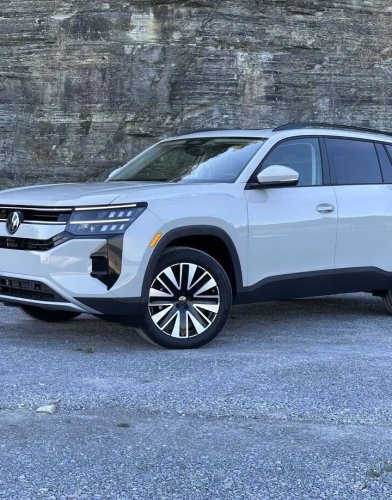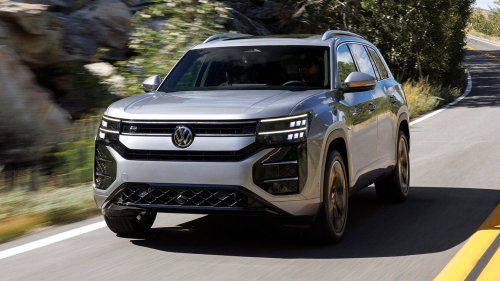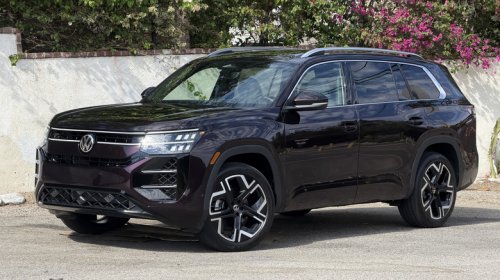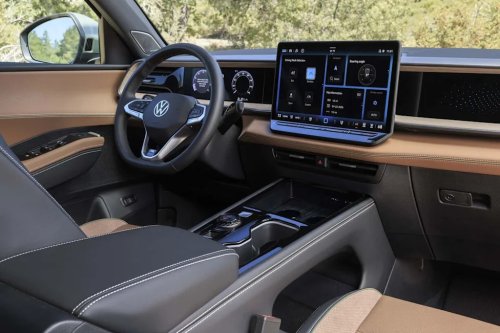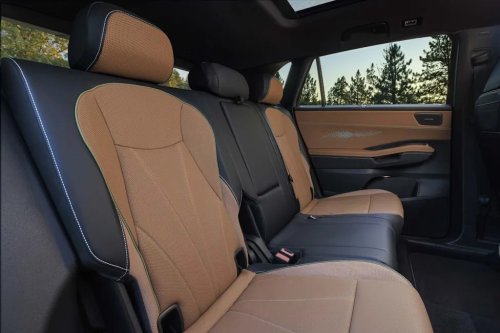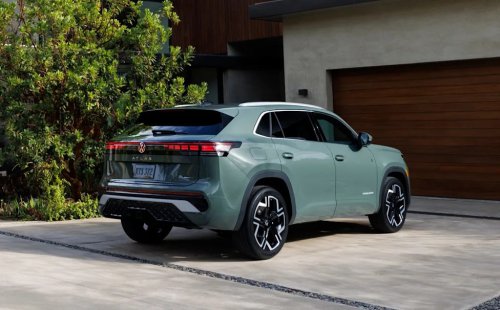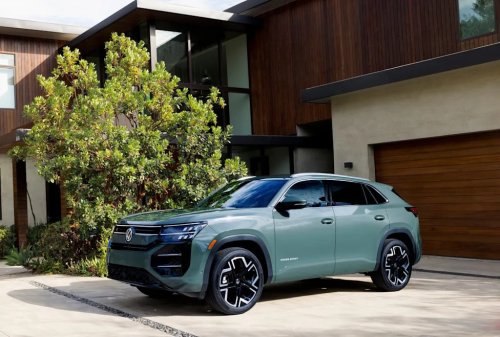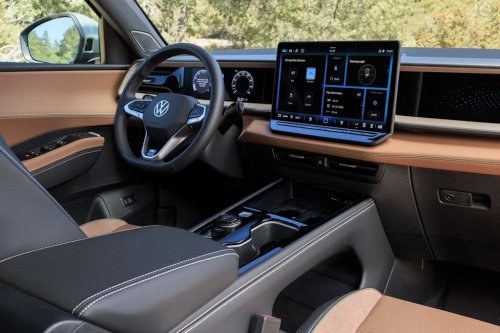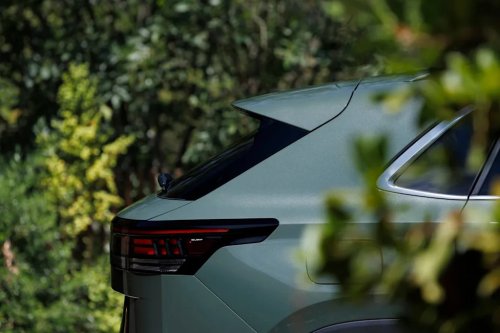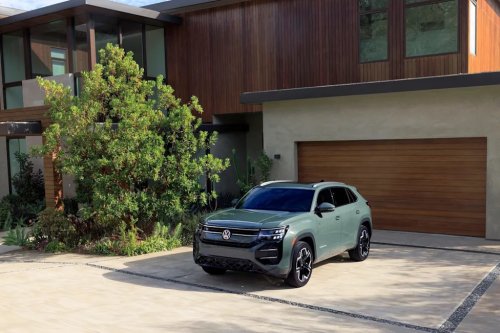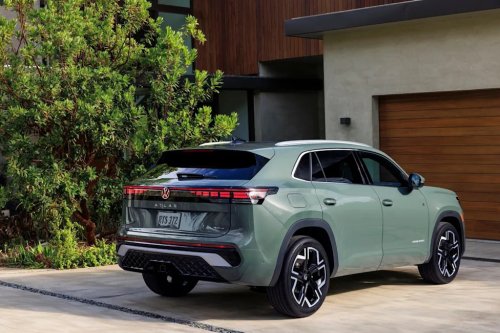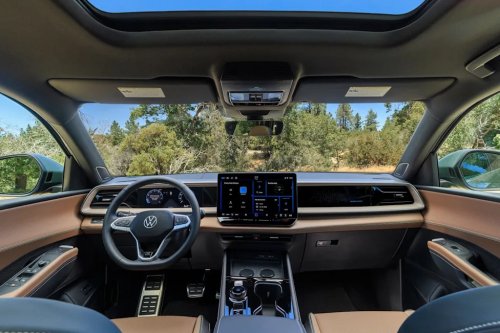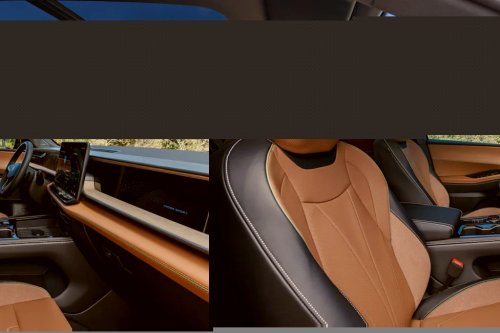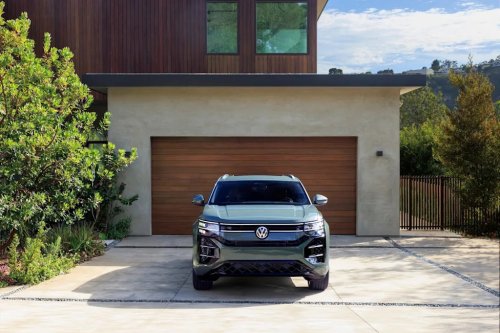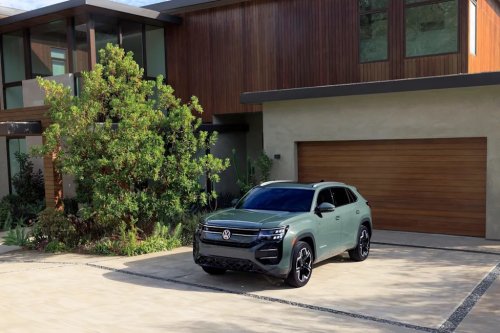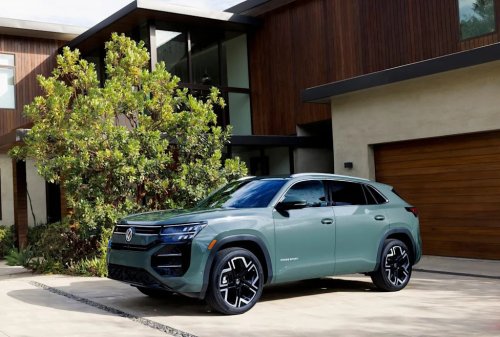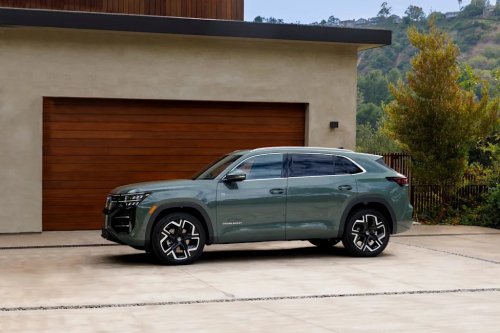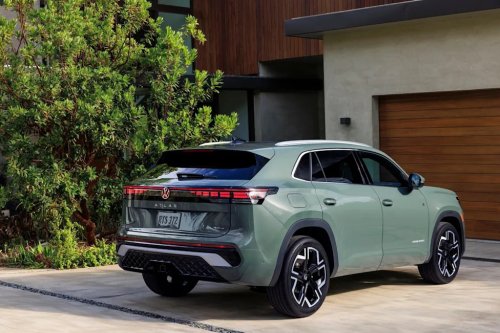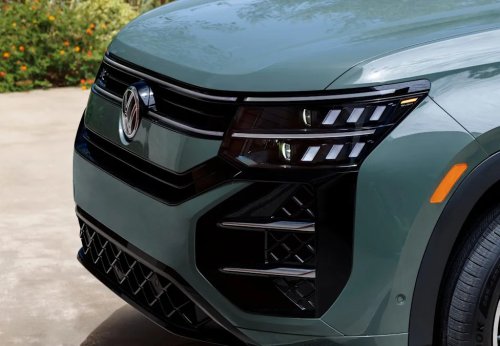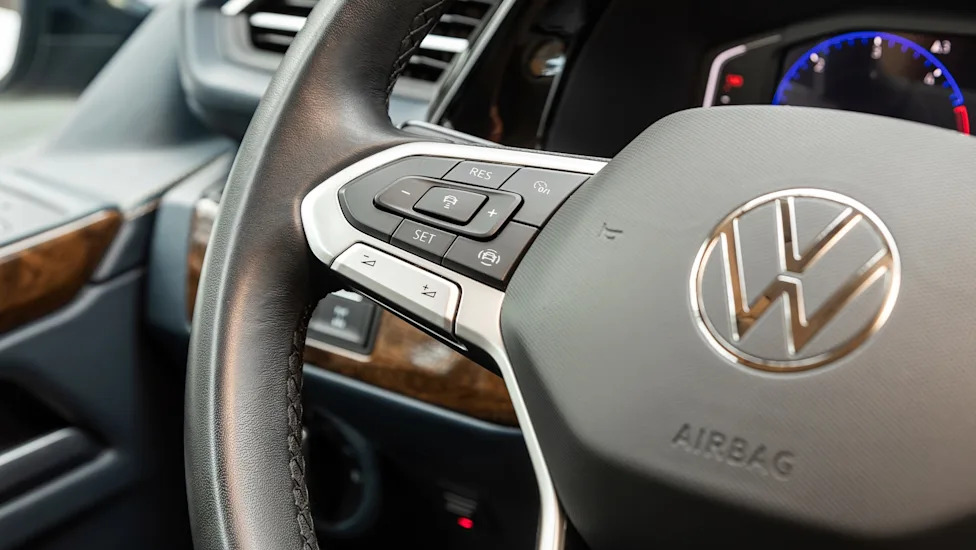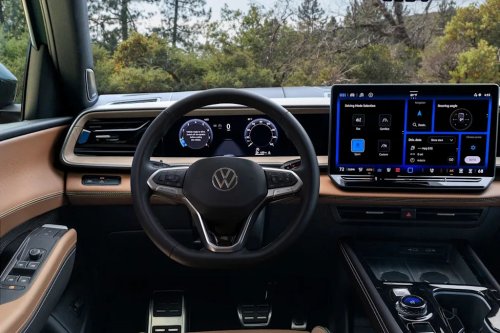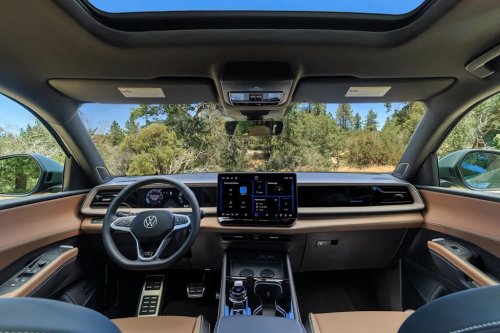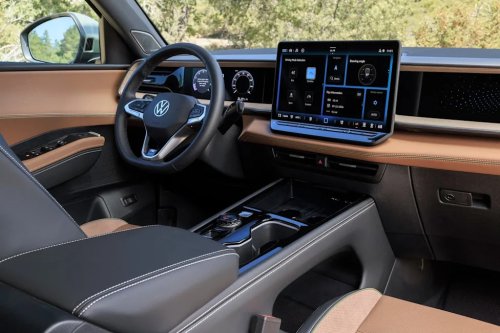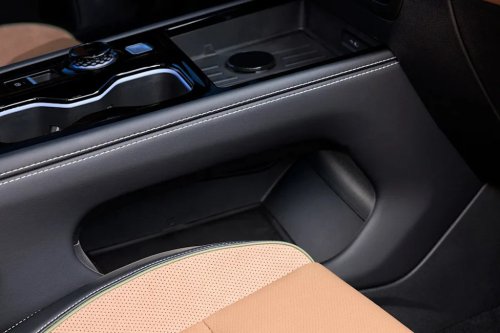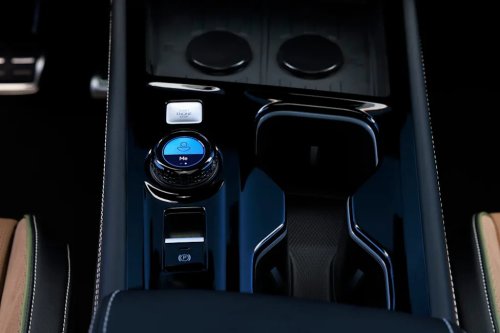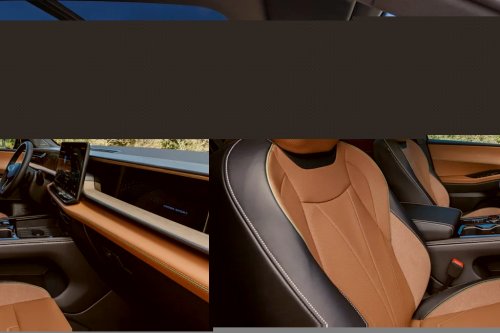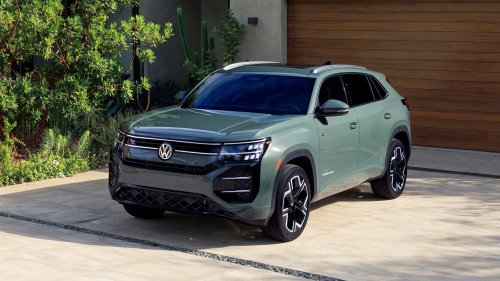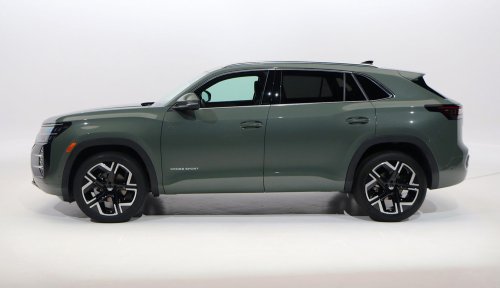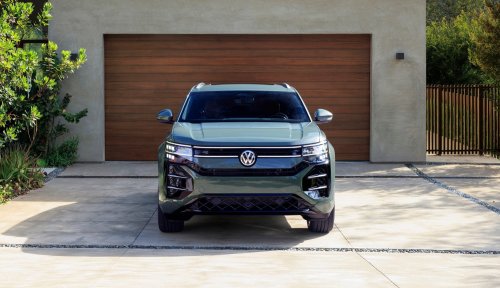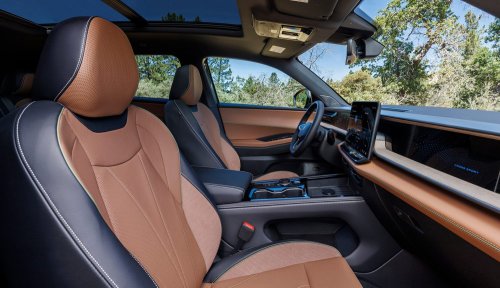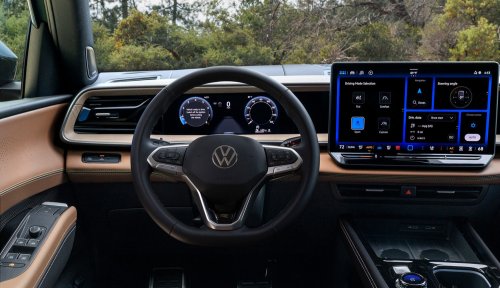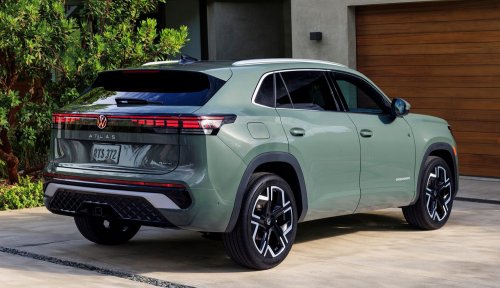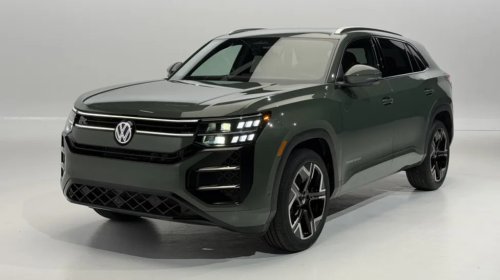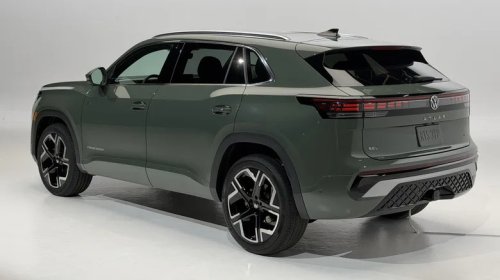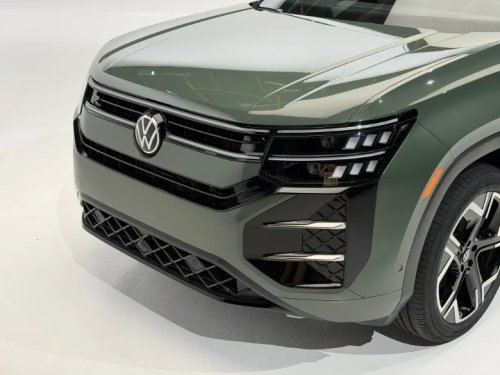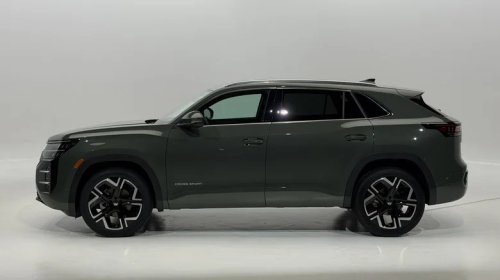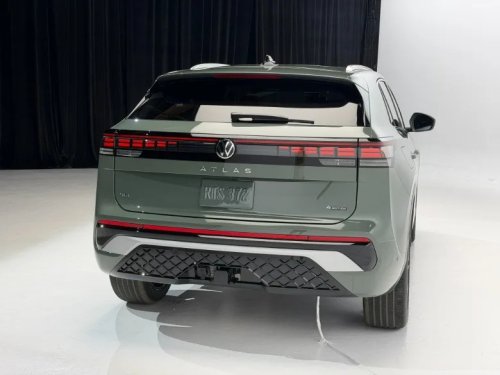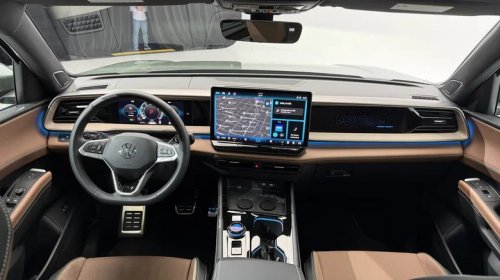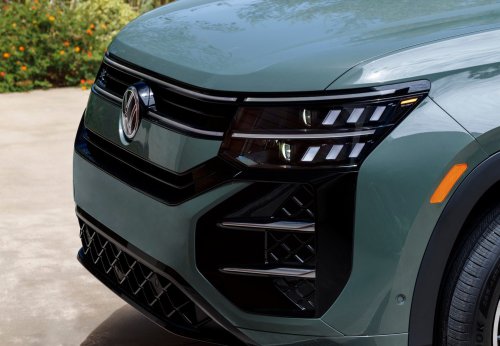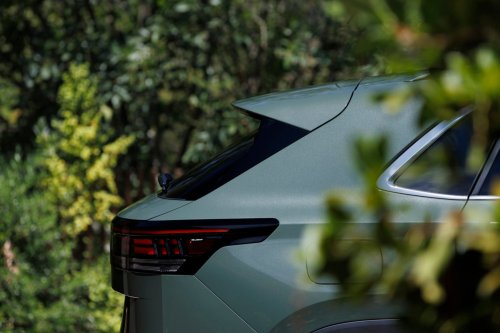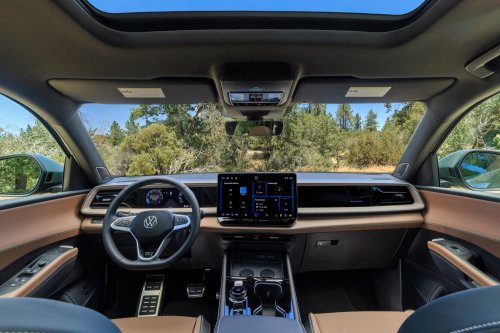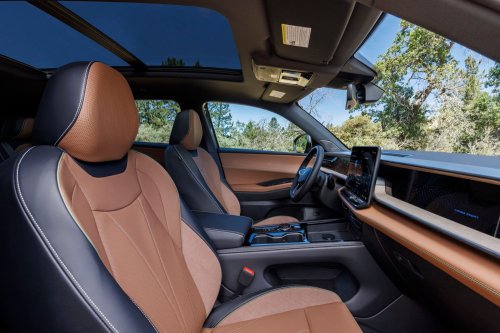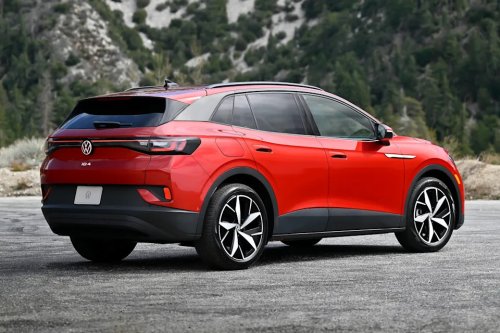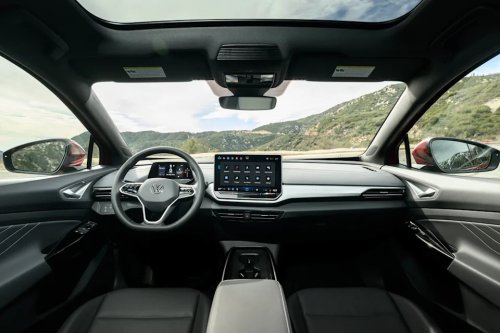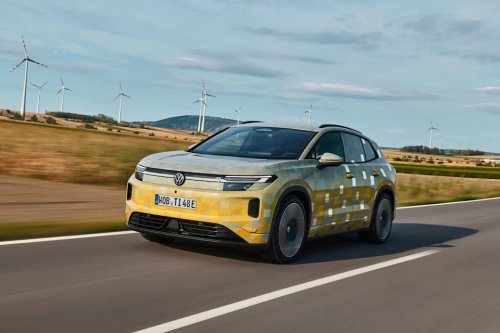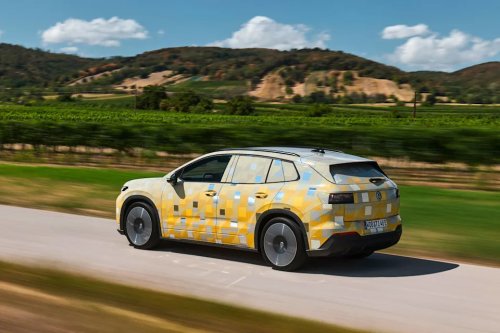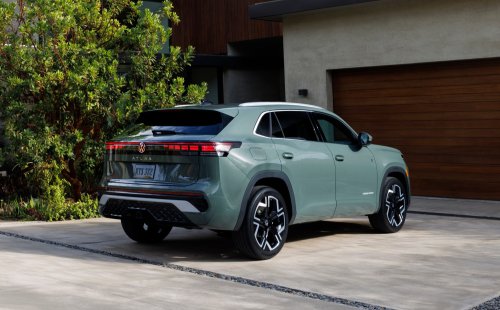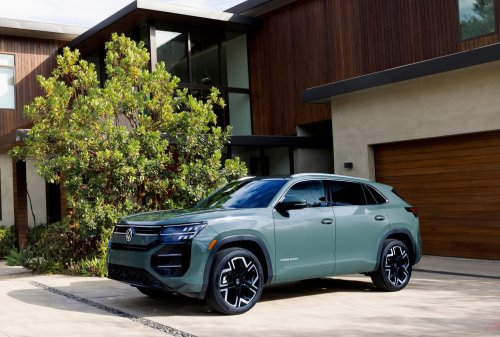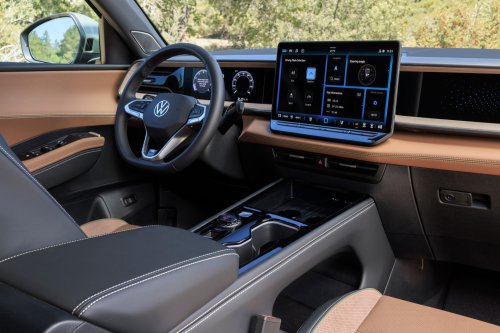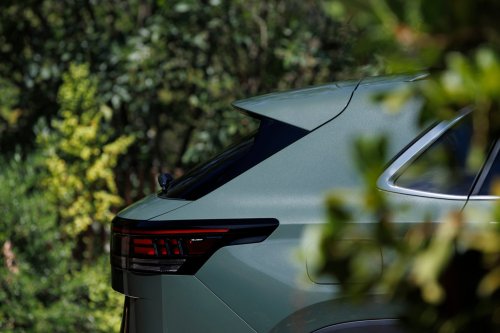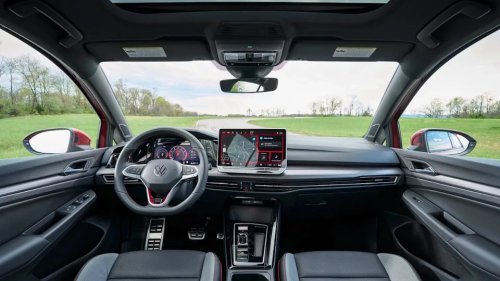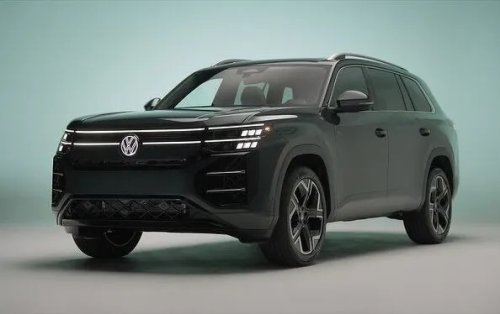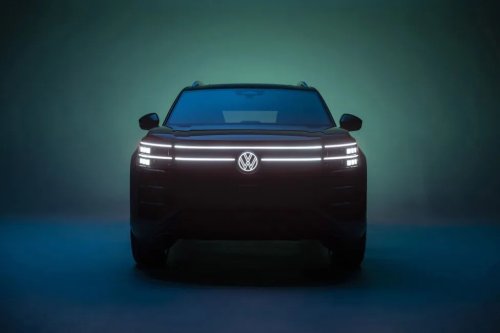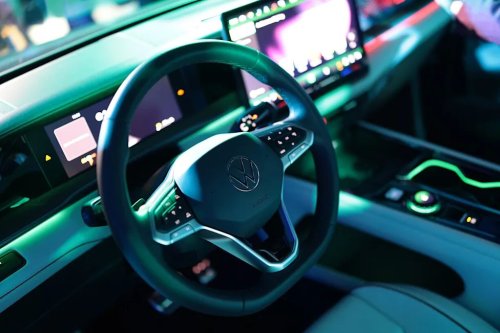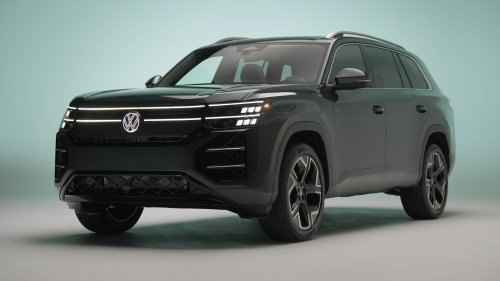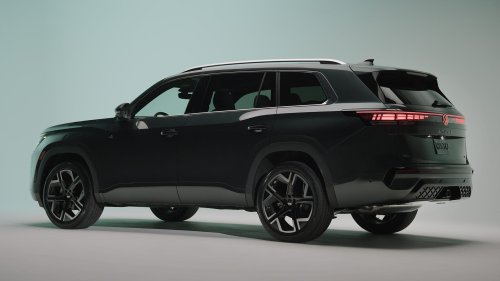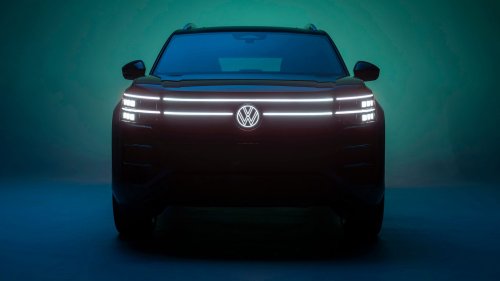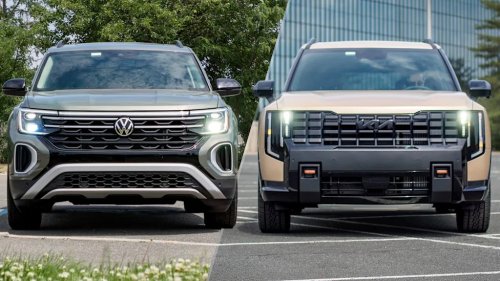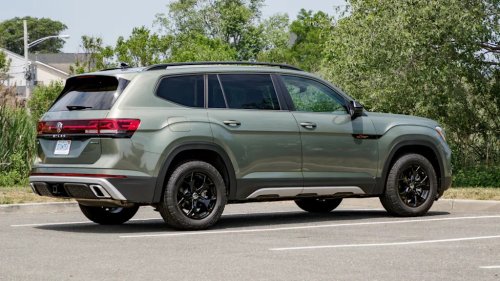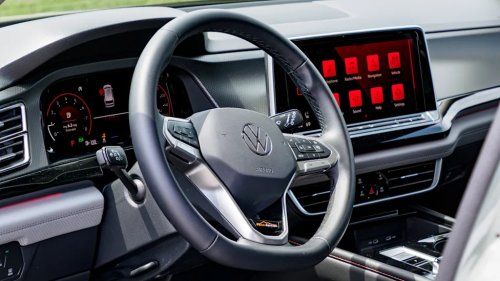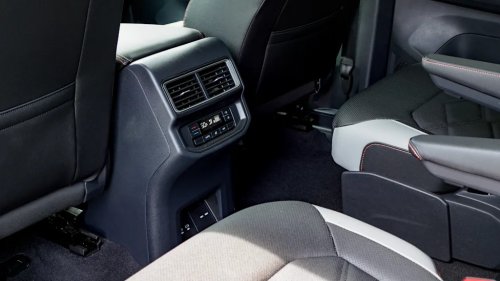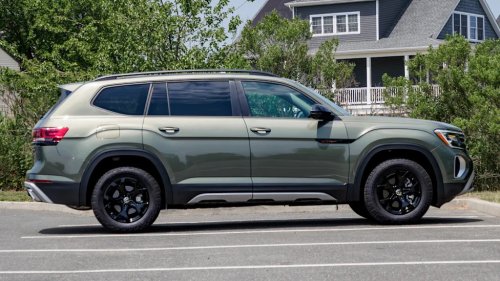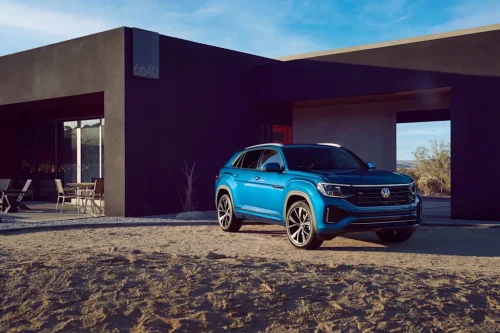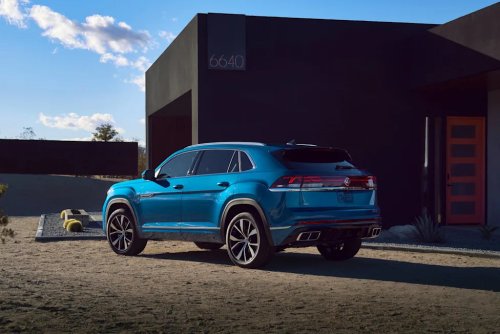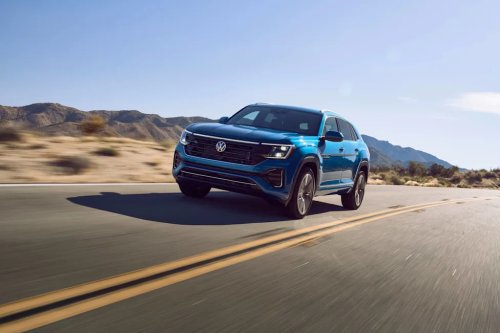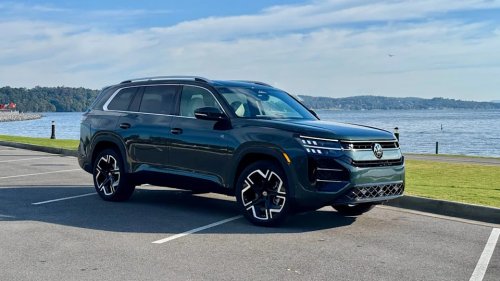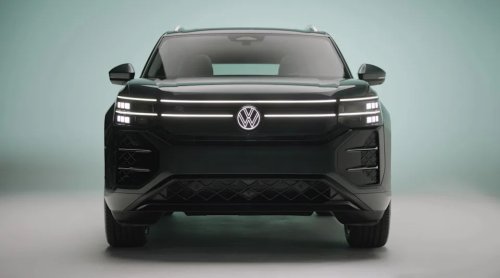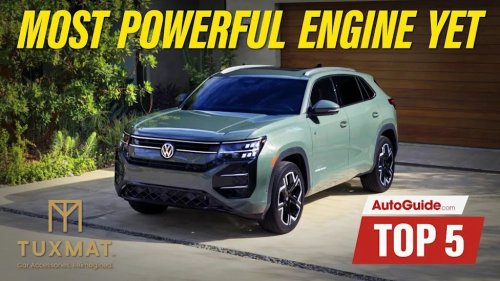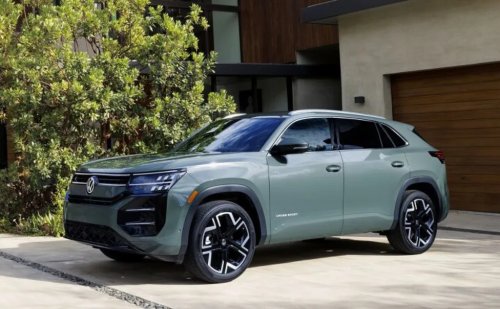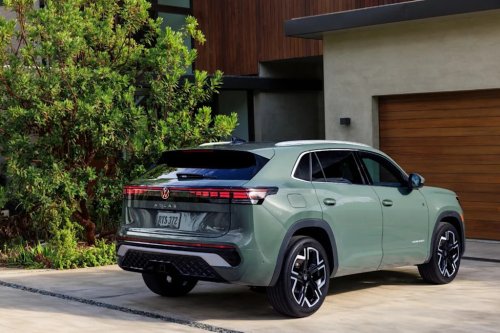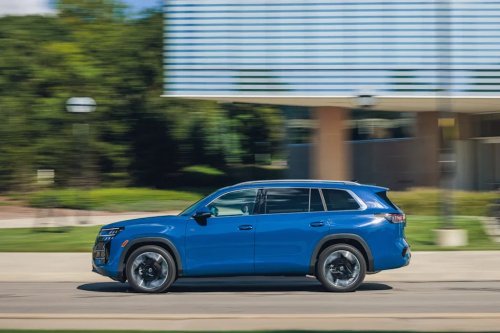
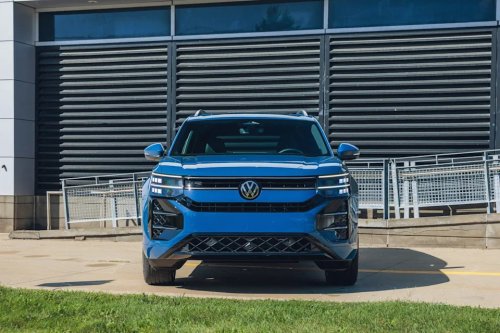
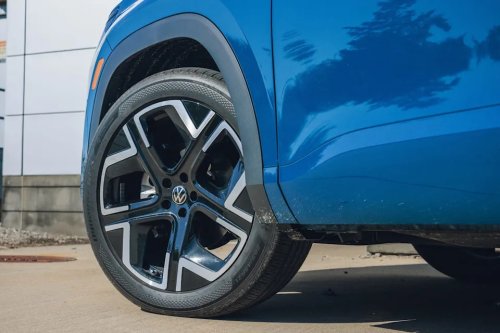
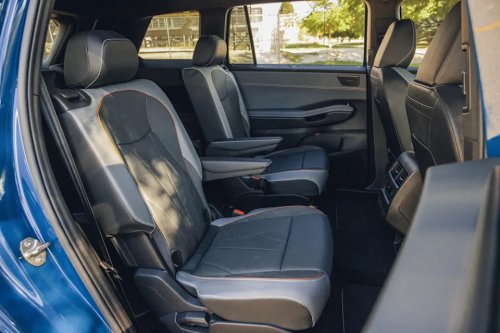
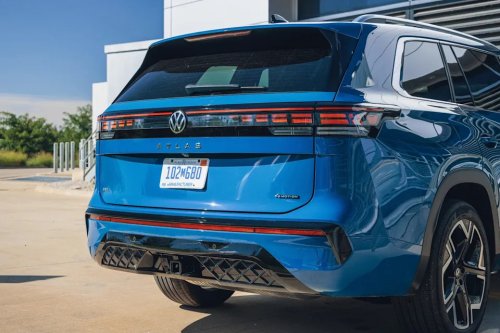

















Tested: 2027 Volkswagen Atlas Gets a Glow-UpMichael Simari - Car and DriverIt seems like the Volkswagen Atlas has been a part of the three-row-SUV landscape for quite some time, but then you realize that the all-new 2027 model represents just the second generation. The first broke cover some nine years ago. Built in Chattanooga, Tennessee, the Atlas has consistently been an American-size SUV that seemed imminently suited to carrying three rows of passengers in comfort, with uncommonly good third-row access and space. But this year it literally glows inside and out, thanks to an "illumination is the new chrome" design ethos.The 2027 Atlas is built on the MQB Evo platform, which is another way of saying that it has the same 117.3-inch wheelbase as before. It's also just as wide and has almost the same height (0.1 inch less) as the prior generation. Its seats sit in the same position, so it has the same great access to all three rows. But the body has been elongated by some 2.4 inches, with slightly more front and rear overhang. The front has attractive double-stacked headlights with two illuminated lines running between them. In the back, there is a cross-body taillight signature with a strong through line. Along the sides, the look is much more svelte and graceful, with the previous strong character line having been softened considerably. The window glass appears longer as well, thanks to a straighter line extending back to the D-pillar.Michael Simari - Car and DriverFrom inside, the view out over the hood is broad and flat, making the car seem wider and more open at the same time. The dashboard adds to the impression, spanning the full width of the cockpit in an unbroken loop. Propped in the middle is an enlarged 12.9-inch touchscreen on the base SE model and a 15.0-inch unit on all the other trims. Volkswagen's Digital Cockpit Pro is standard, and it brings configurable instruments to a 10.3-inch screen. The shifter has been moved onto the steering column to open up the console, which now houses dual phone chargers with strong magnets to keep things in place. There are the requisite cupholders, of course, but now there's a great big volume knob alongside.Called the Driver Experience Dial, this knob is usually for volume, but when you press it, it changes its function to allow selection of drive modes or, with a second press, something new that VW calls Atmospheres. This is code for ambient lighting, which is emitted from tiny holes in the door panels and from behind the loop of the dashboard. It coordinates with the colorway of the infotainment screen. You can dig around in the menus and customize settings, but we found the bundled factory choices to be attractive and easy to select. Then, after some seconds of inactivity, the Driver Experience Dial returns to its function as a handy volume knob. This makes the touchscreen's tactile slider for volume, which is still present, a relic that nevertheless gives you a second option (make that third when you take into account the steering-wheel volume control). The temperature adjustments are still sliders under the screen as well, but they now open up numerical feedback and trigger ambient lighting interruptions nearby: red for warmer, blue for cooler.The engine is new here, even though it is an evolution of the previous mill, called EA888 Evo5. It has numerous changes, including a variable-geometry turbo, a higher-pressure direct-injection fuel system, and an intercooler that is embedded into the intake manifold. There are details like oil-cooled pistons, a 10.5:1 compression ratio, and stronger pistons and connecting rods. The result is superior fuel economy (up by 1 or 2 mpg in the EPA combined estimate) and 282 horsepower, a 13-hp improvement. However, the engine's 258 pound-feet of torque is 15 pound-feet less. It feels appropriately strong and willing, but what it doesn't do is add any additional speed. Our SEL Premium R-Line test car got to 60 mph in 7.6 seconds, which is 0.4 second slower than the 2026 model we last tested. We previously measured a 2026 Hyundai Palisade Calligraphy at 8.0 seconds to 60 and a 2027 Kia Telluride in 7.4 seconds. The catch is that the Palisade and Telluride also offer hybrid versions that lower those times to 6.6 and 6.4 seconds, respectively (in addition to providing fuel-economy benefits). The Atlas can't be had as a hybrid, at least for now. However, it did manage a solid 30 mpg on our 75-mph highway fuel-economy test, topping its federal rating by 3 mpg.Michael Simari - Car and DriverUnderway, the Altas feels smoother and more composed, with a ride that's much less boatlike than before. It swallows lumpy pavement without crashing into the bump stops, but there is a slightly hollow feel, as if the vehicle is better suited to the extra sidewall of 20-inch wheels (our Premium R-Line had 21-inchers). The steering absolutely follows your intended line but doesn't quite give you like-for-like feedback. Still, the Atlas grabs onto the tarmac to the tune of 0.84 g, which is somewhat better than the 0.82 g of last year's model. Same goes for braking, which has great response and improves the 70-mph stopping distance from 172 to 165 feet. Perhaps that's a reflection of better grip from the new Hankook Dynapro HPX tires.Volkswagen says the new generation is intended to move the Atlas upmarket, and the interior design with its finer materials supports that. The base price of an SE has increased by $2350 to $43,135. However, there is additional standard equipment on hand, including the 12.9-inch digital gauge cluster, the Driver Experience Dial, second-row sunshades, a power liftgate, park distance control, a nine-speaker sound system, dual wireless Qi2 chargers, wood trim, and B-pillar air vents.Michael Simari - Car and DriverA trim called SE w/Tech comes in at $47,135 and gets the 15.0-inch touchscreen, illuminated emblems and exterior door handles, a receiver hitch, 20-inch wheels, remote start, and other goodies. Adding 4Motion AWD to either SE is $2000, but 4Motion is standard on the $53,635 SEL R-Line and the $58,135 Premium R-Line. Our test car was an SEL Premium R-Line with second-row captain's chairs, a $695 option. It came with a 14-speaker Harmon/Kardon audio system, nappa leather, massaging front seats, heated and ventilated rear seats, and a panoramic sunroof, among other things.The long-awaited second generation of the Volkswagen Atlas certainly fills the bill. It manages to keep all the space and access that has made this a great three-row SUV, but VW has made significant upgrades to the interior, in both content and execution. The revised engine doesn't add any speed, but it does offer a bump in fuel economy, perhaps a more useful metric in today's world. Volkswagen says it will add a hybrid model, but not until the mid-cycle refresh. In VW terms, that could be a long wait.Michael Simari - Car and Driver➡️ Skip the lot. Let Car and Driver help you find your next car.Shop New Cars Shop Used CarsGift Guide: Best Ride-On Electric Cars for KidsFuture Cars Worth Waiting For: 2025–2029