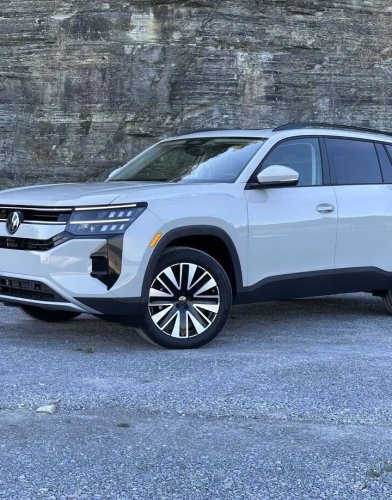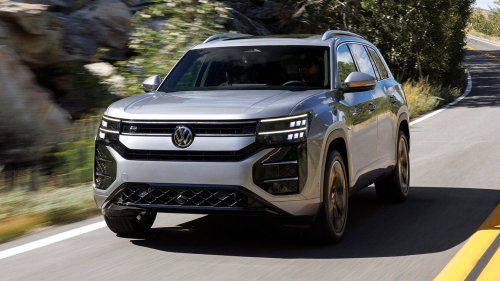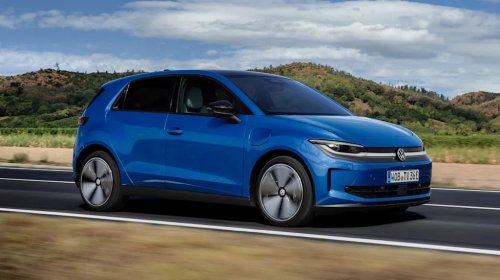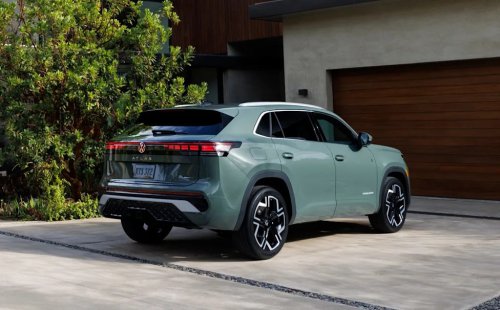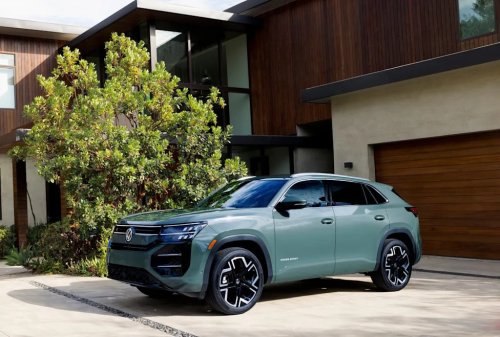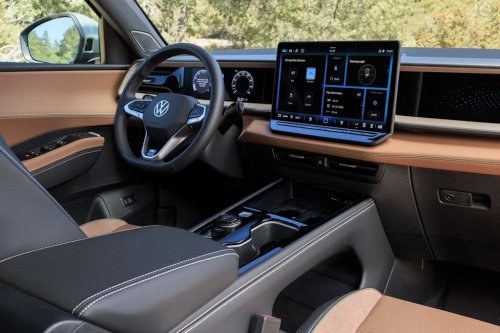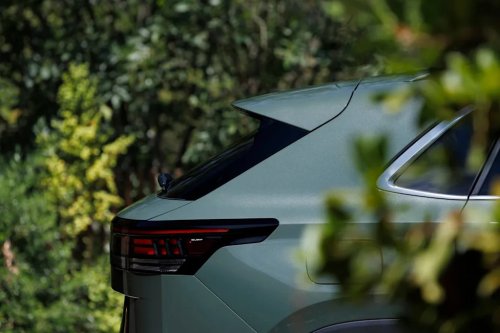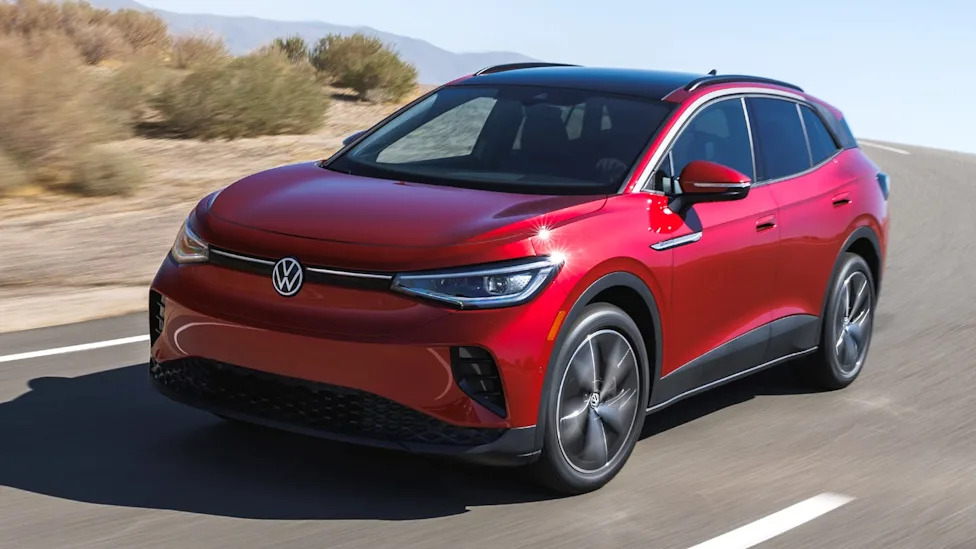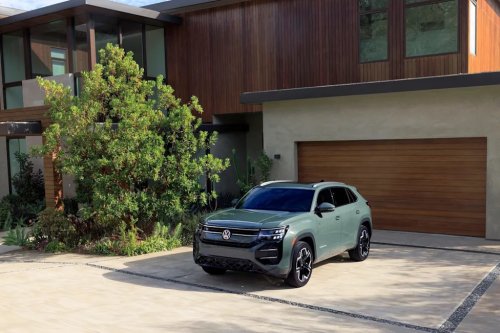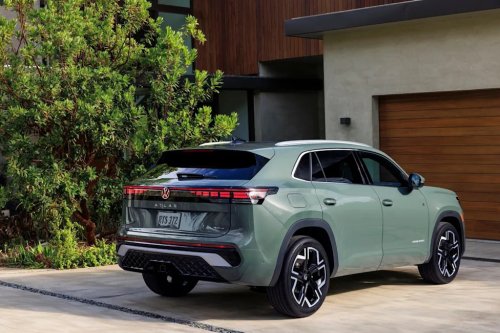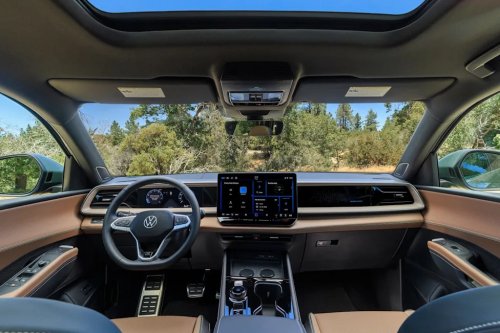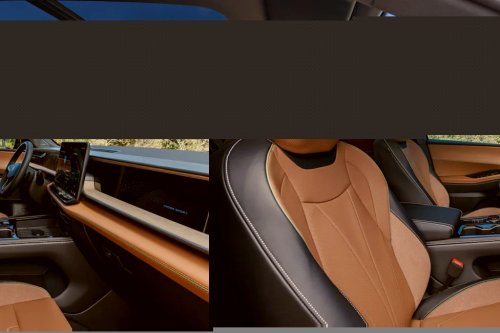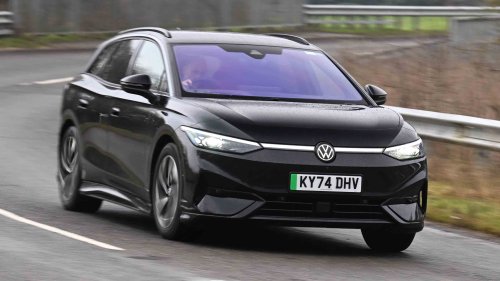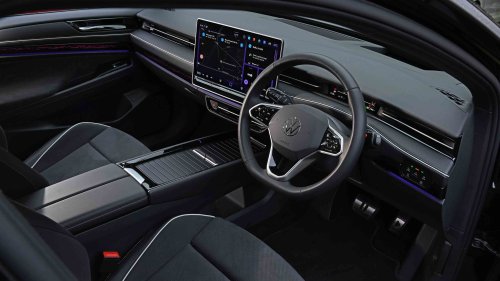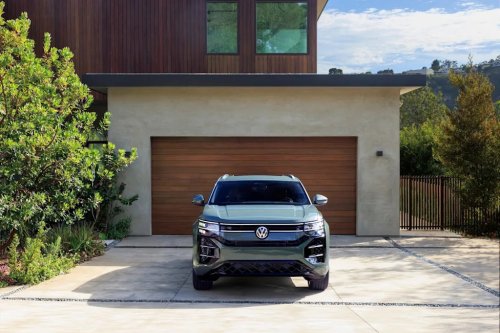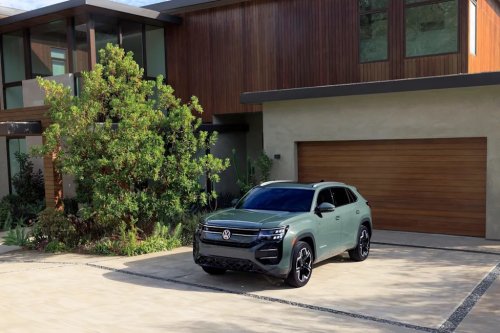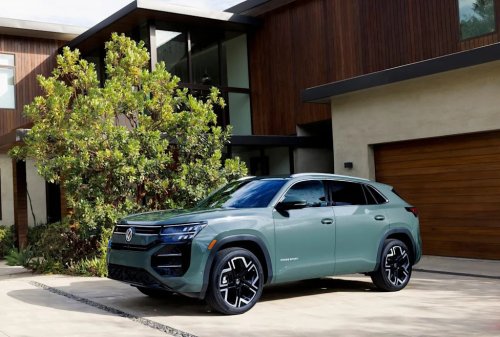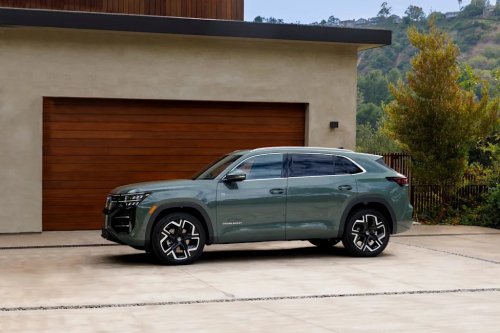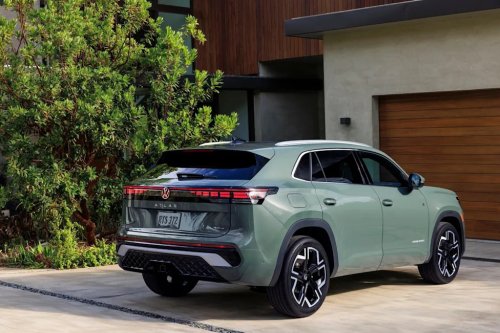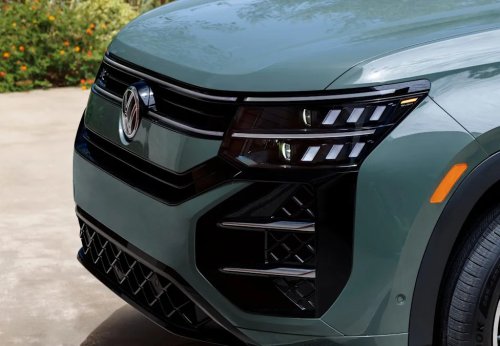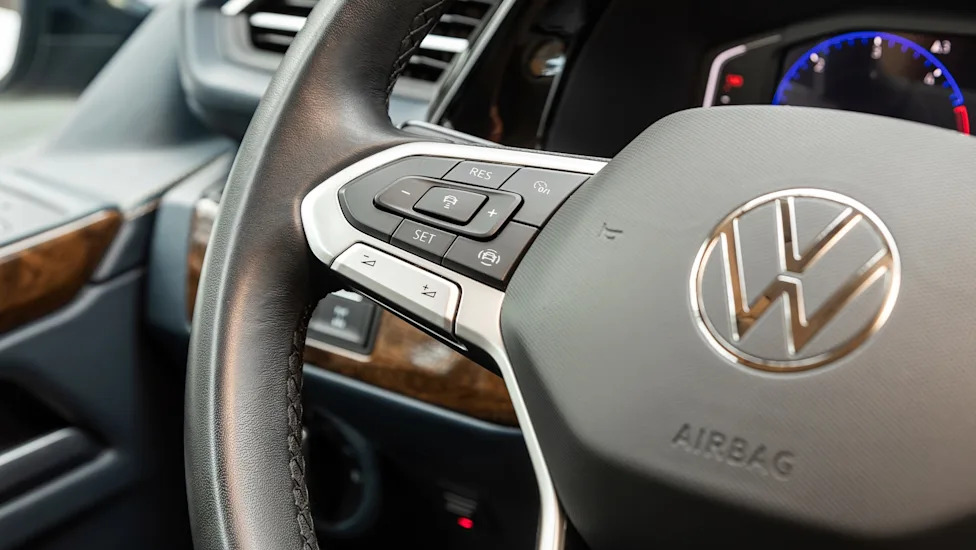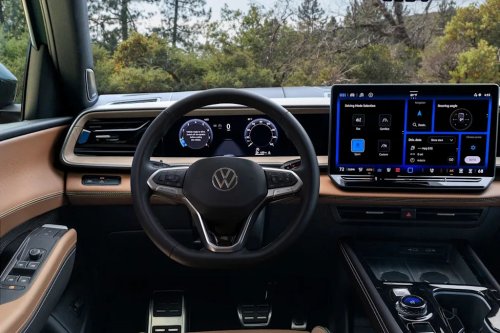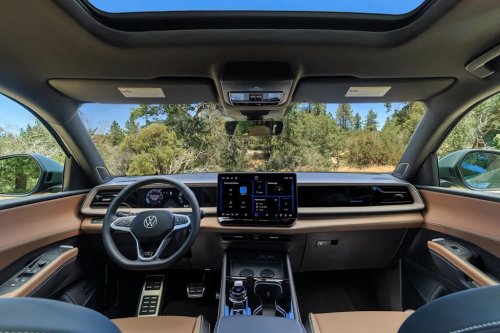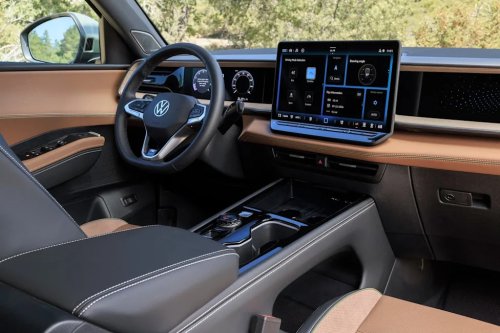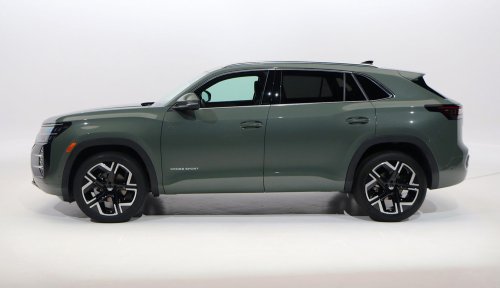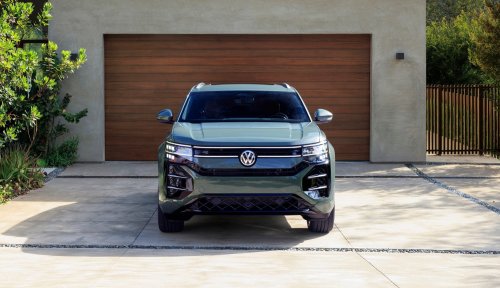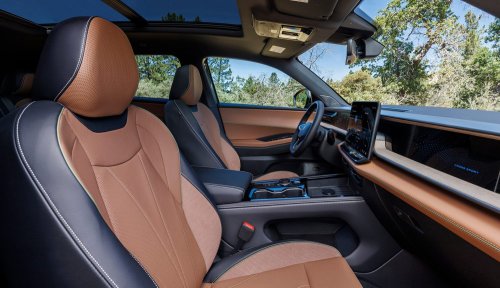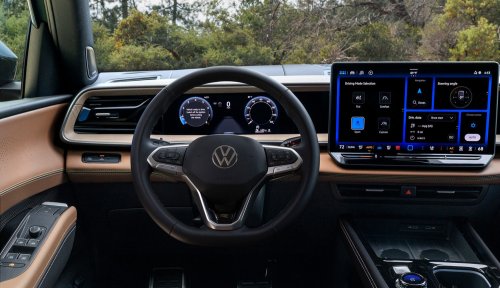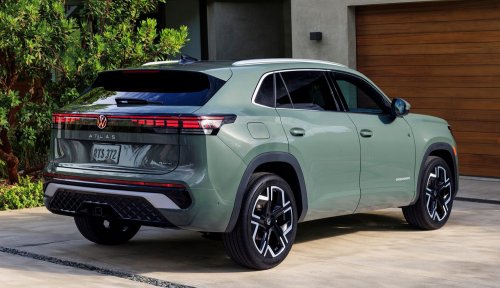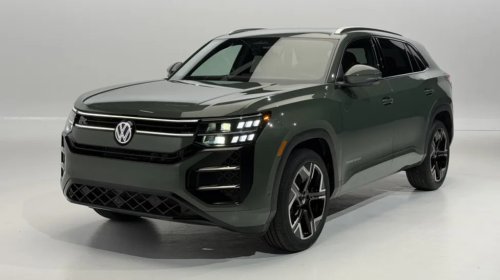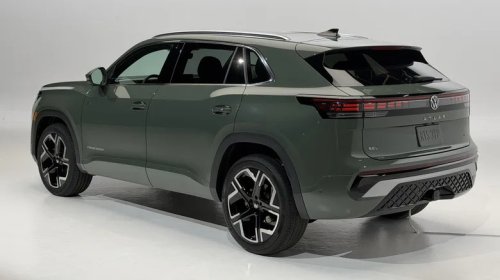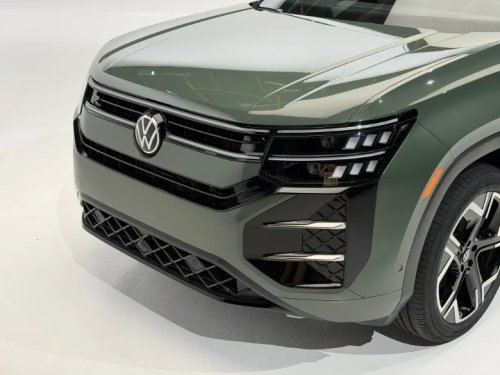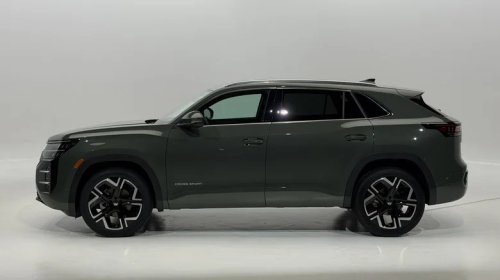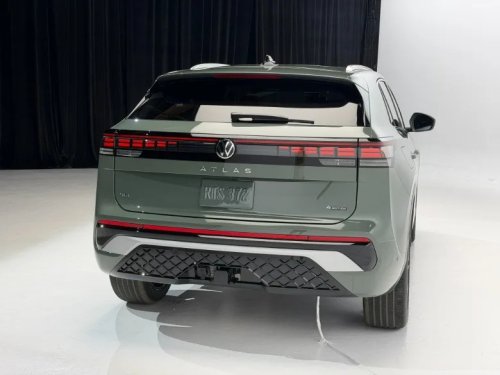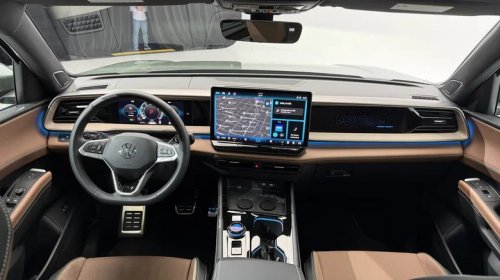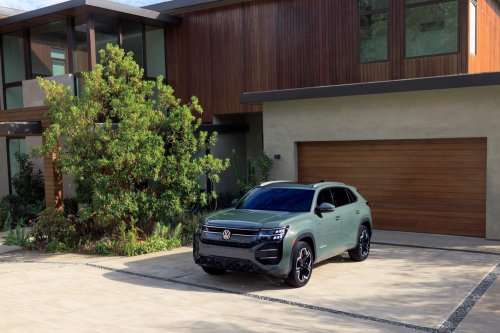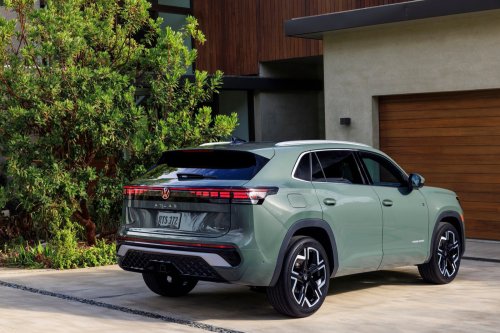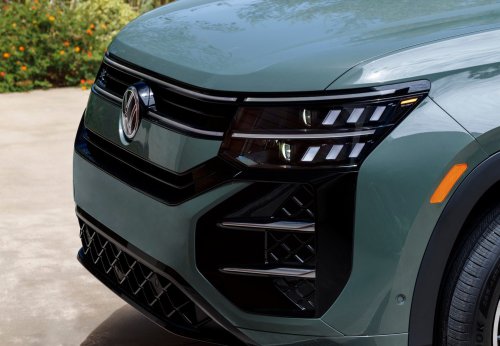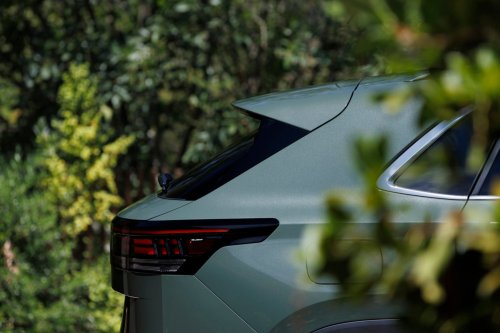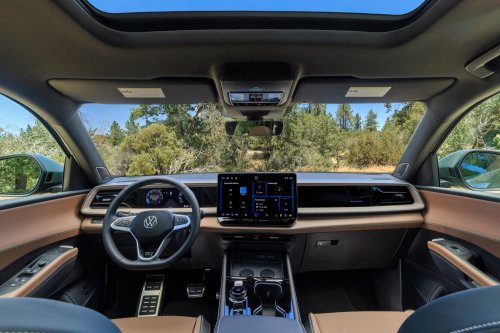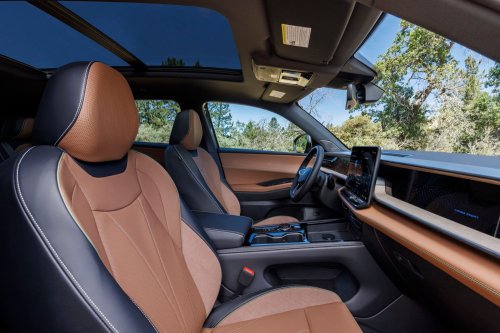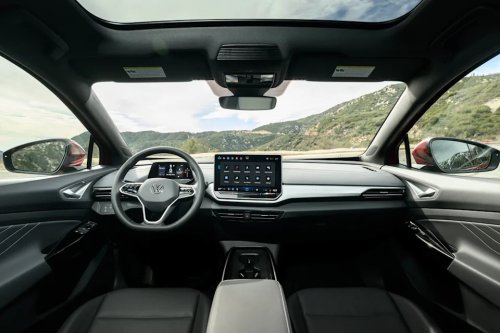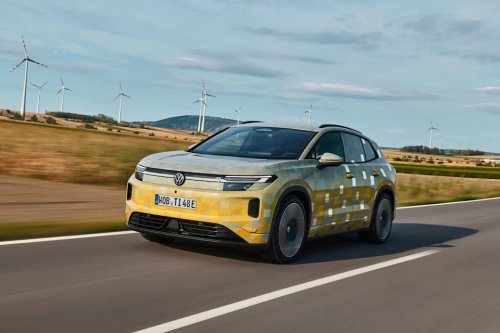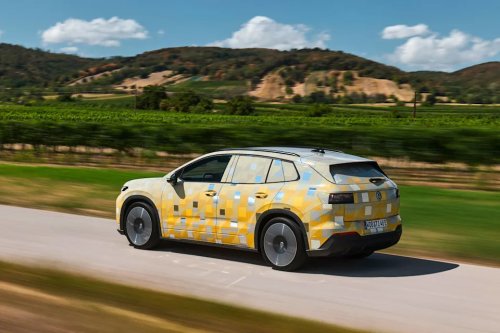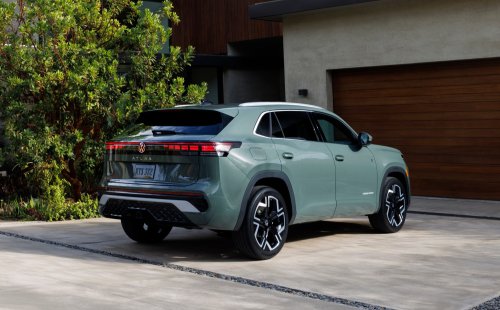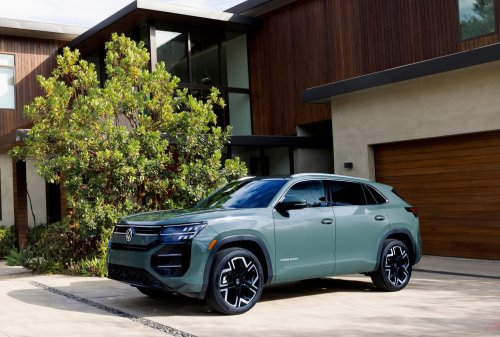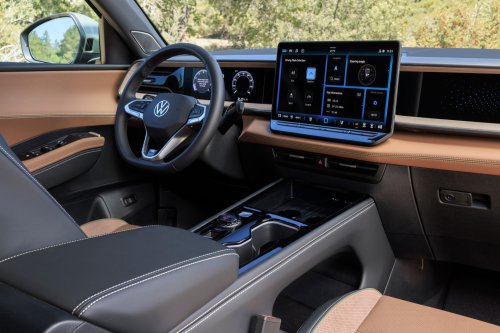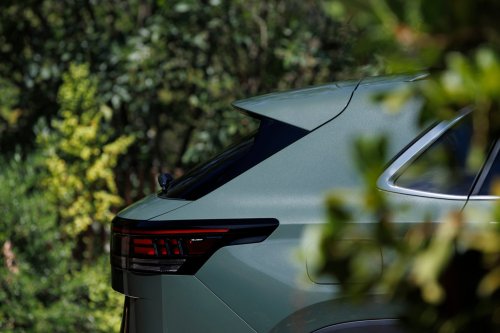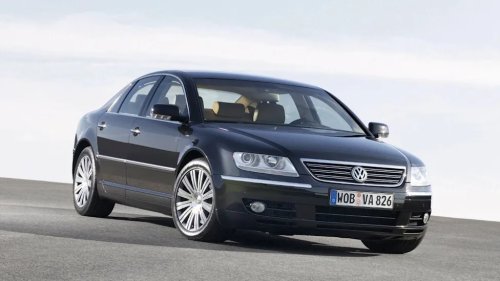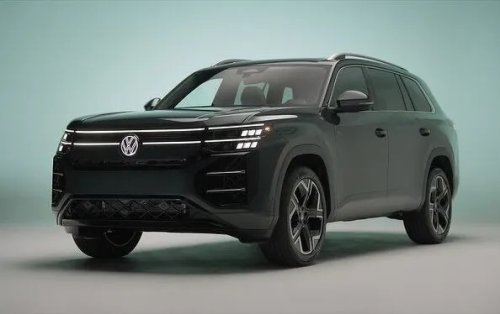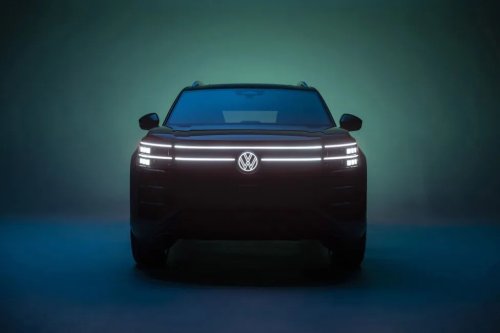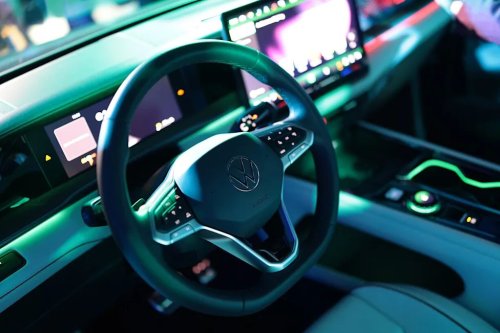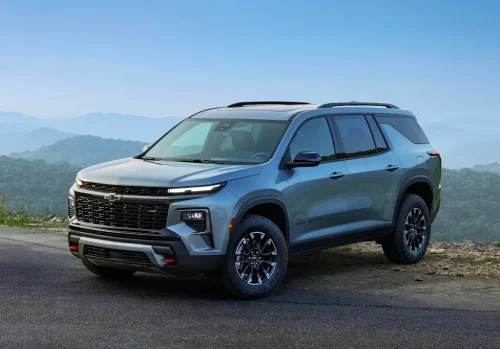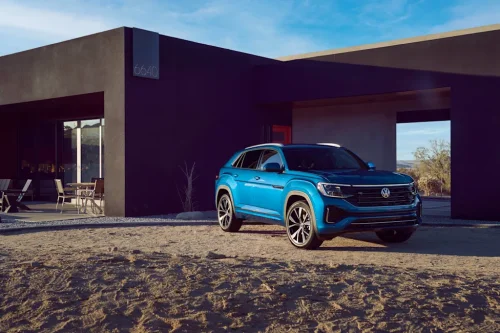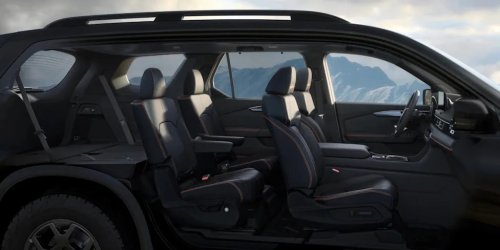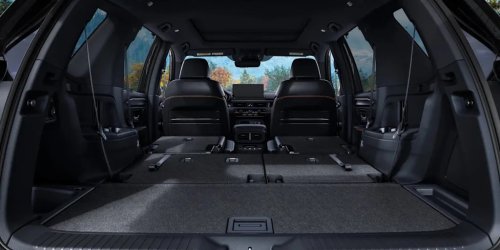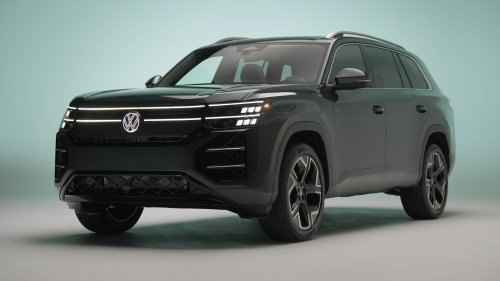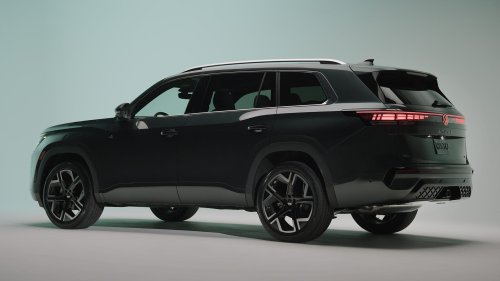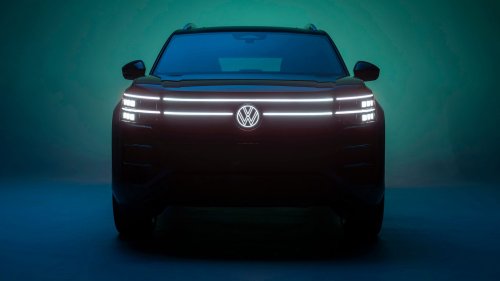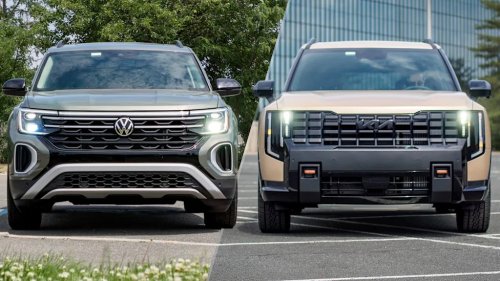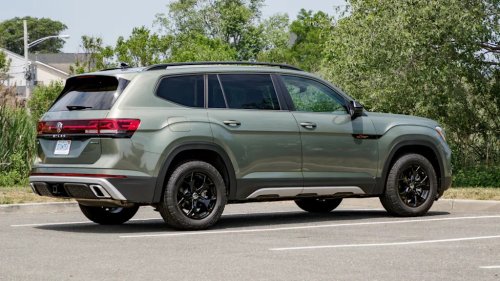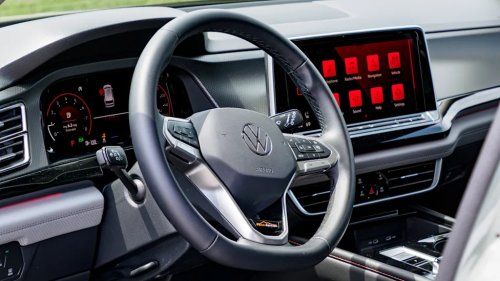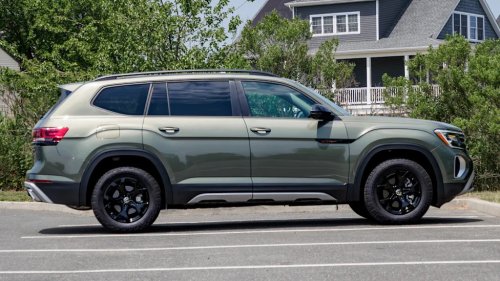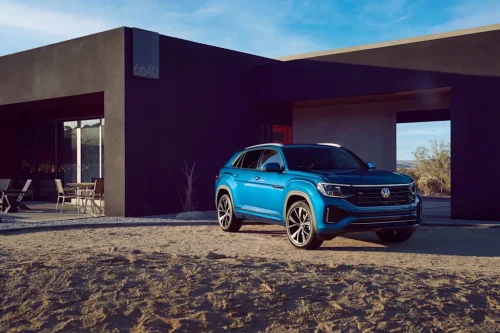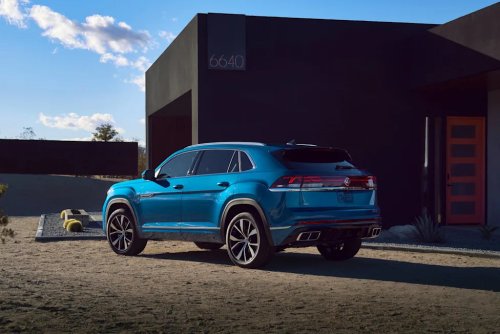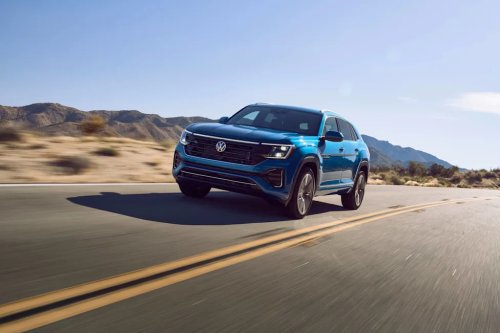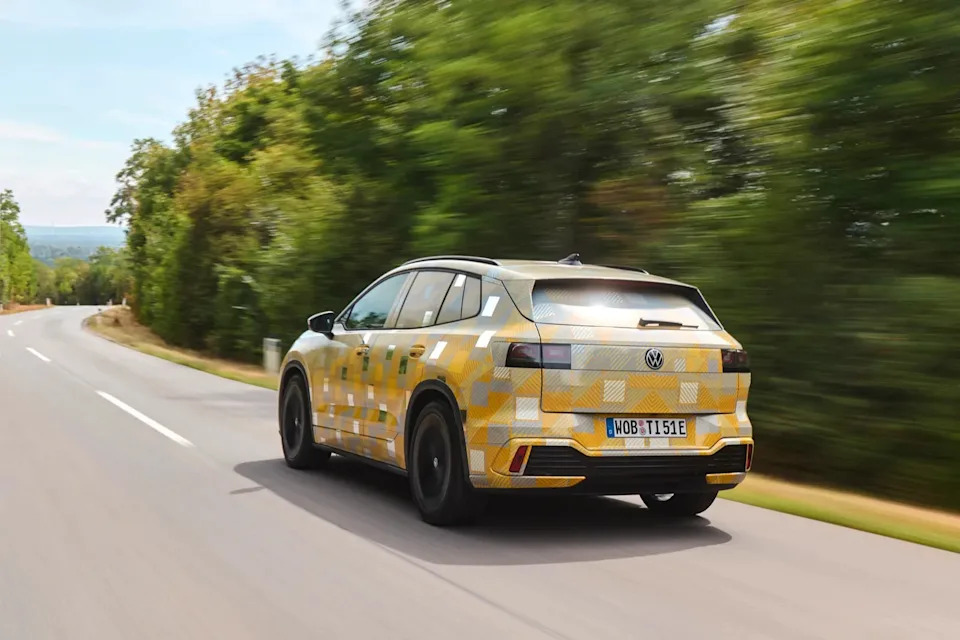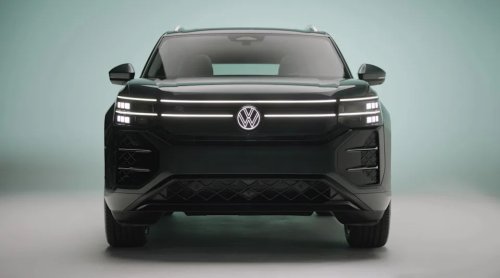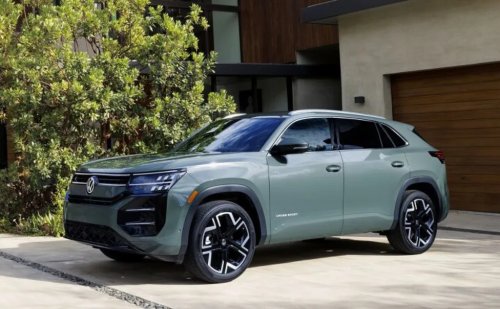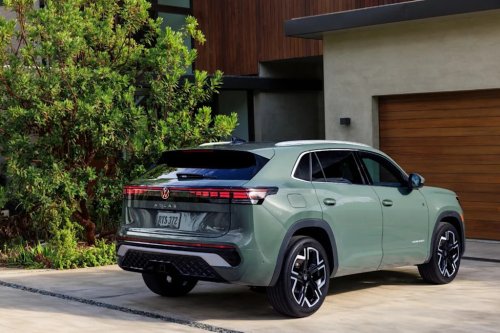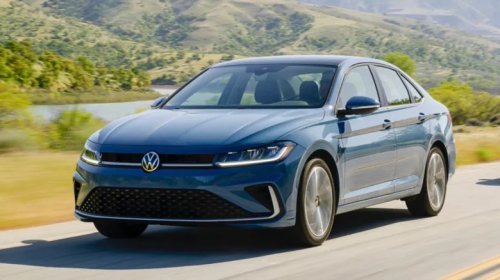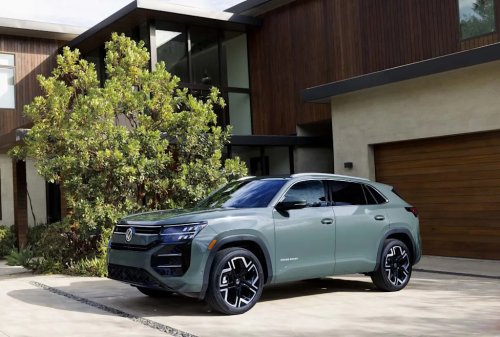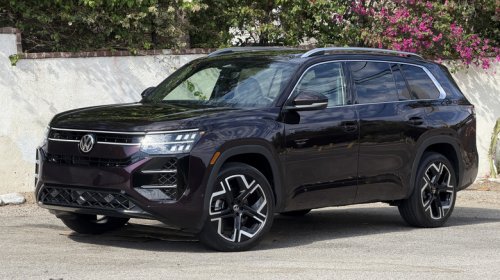
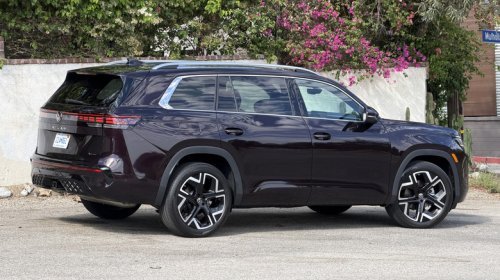
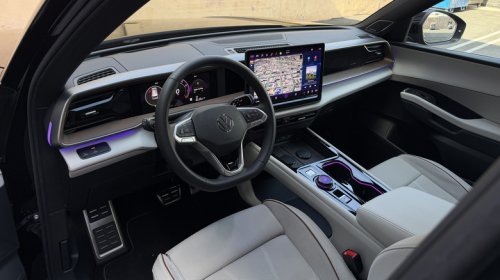
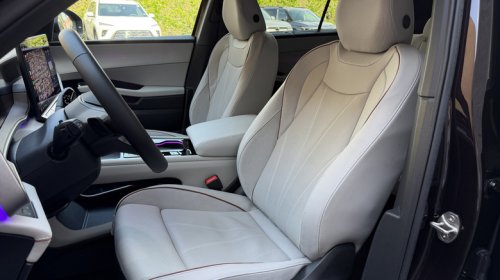
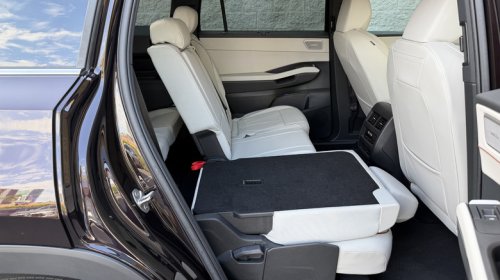
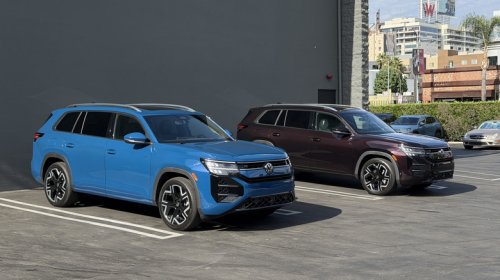



















Daniel Golson/Jalopnik When most car enthusiasts think of Volkswagen, they probably think of the original Beetle and Type 2 bus, performance cars like the GTI and Passat W8, or well-designed mainstream models like the Golf and Jetta. VW still does make some cars with enthusiast appeal, but at least here in the U.S., its most important offerings are mainstream crossovers. 80% of VW's sales are now SUVs versus 14% just ten years ago, and its most important model is the three-row Atlas SUV and its two-row Atlas Cross Sport sibling. The first-generation Atlas was VW's first real U.S.-focused model (and by far its biggest vehicle, Routan aside), and since its introduction in 2017 more than 1 million of the Atlas family have been sold. That's one in three Volkswagens, and the compact Tiguan only barely outsells the three-row Atlas alone. The Atlas has gotten two facelifts — one in 2021 and the other in 2024 — but at a decade old it's pretty long in the tooth. Luckily now the second-generation Atlas is ready to launch, and I got to take a fully loaded one for a brief drive around LA earlier this summer. Sure, it's not the most exciting vehicle in the world, but the 2027 Atlas feels like a major upgrade over its predecessor for only a minor increase in price. In a really competitive segment, the new Atlas is a more compelling choice. Full disclosure: Volkswagen invited me to a studio in Hollywood so I could see the new Atlas Cross Sport before it was revealed and take a big Atlas for a couple-hour drive into the Hollywood Hills and back. The people want imposing vehicles Daniel Golson/Jalopnik The new Atlas is a tad longer than the outgoing one, but otherwise it's basically the same size inside and out, and the design is more evolutionary than revolutionary. I definitely prefer VW's current design language, as the Atlas' exterior is cleaner and less fussy. It's more interesting in general, particularly when it comes to the lighting and front grille setup. The dual light lines and illuminated VW logo are standard on every trim except the base model, and you can get fancy project lights on the top model. Daniel Golson/Jalopnik Volkswagen gets major points from me for offering some real paint colors. Mountain Lake Blue continues to be a choice, and there are two new colors: Sacramento Green, and the Blackberry color of my test car. It's just a shame the wheel designs are so boring, a big problem with modern VWs. 18-inch wheels are standard, with 20s and 21s optional. In a presentation ahead of our drive, a Volkswagen spokesperson said that customers in this segment want an "imposing" look, thus the blockier proportions, flatter hood and better-resolved fender flares. Apparently 51% of Atlas customers are women, with an average owner age of 54, an average of three people per household, and an average household income of $170,000, and 34% millennial buyers against 31.9% boomers, in case you're curious who is concerned about driving an imposing vehicle. My, what a big screen you have Daniel Golson/Jalopnik Inside, the second-gen Atlas gets a much more upscale design that both looks and feels notably nicer. OK, so it's got Volkswagen's much-derided infotainment system, but there have been enough updates that it's not that bad. The base SE has a 12.9-inch center touchscreen, but all other Atlases have a 15-inch unit that has clear graphics, a customizable home screen and menus that are kinda easy to use. The touch-capacitive climate controls still suck, but at least the steering wheel has actual buttons. In a few years I'm sure the Atlas will get a facelift that brings about the new design language launched on the ID Polo, which will be an even bigger improvement. A much more egregious tech blunder than the infotainment system itself is the 360-degree camera system that comes on the most expensive model — the resolution and picture is horrible, especially when blown up on the big screen. Come on, Volkswagen, you must be able to find a better supplier for this! Daniel Golson/Jalopnik On my top SEL Premium R-Line trim there's off-white leather seats with brown piping, contrast stitching on the dashboard, pretty nice faux wood trim and perforated door panels with ambient lighting that shines through. I think the tiered dashboard design is great, and the center console has an EV-like amount of space. Underneath the floating bridge is enough space for a small bag, the cupholders and under-armrest storage are bigger, and there's a pair of wireless phone chargers with Magsafe capability that is the best execution of wireless charging on the market (Nissan has a similarly great setup). The door cards, armrests and dashboard are well-padded in all the places you'll actually touch. Daniel Golson/Jalopnik One bit of the design did really bother me: The way the pieces of faux wood trim line up. There's a large seam there, and not only do the wood grains obviously not match up, the colors are different in shade and tone. It's a shame the dual-level air vents are gone. And there's still far too much shiny black plastic trim and scratchy black materials inside, plus none of the buttons and physical controls feel particularly nice. Punchy GTI power Daniel Golson/Jalopnik The 2027 Atlas' EA888 evo5 turbocharged 2.0-liter inline-4 is shared with the turbo Tiguan, the newer version of the same engine you'll find under the hood of a GTI but with a little more power. In the new Atlas it makes 282 horsepower and 258 pound-feet of torque, 13 hp up from the old Atlas but 15 lb-ft fewer. All that shove is sent through an 8-speed automatic to the front wheels on the base SE and SE with Tech models, or all four wheels with 4Motion all-wheel drive that's a $2,000 option on those two trims and standard on the SEL R-Line and SEL Premium R-Line. Volkswagen doesn't quote a 0-to-60 time, but it says front-wheel-drive models will get 22 mpg city, 29 mpg highway and 25 mpg combined (2 mpg better than the old model across the board), while all-wheel-drive ones will get 20 mpg city, 27 mpg highway and 23 mpg combined (1 mpg better on the highway and combined). Daniel Golson/Jalopnik Driving up, across and down the Hollywood Hills, the Atlas' powertrain felt punchy and responsive. It sounds kinda good, but without being drony and annoying when I had to really accelerate or maintain sustained throttle. The cabin is really damn quiet in general, actually, even with the bigger 21-inch wheels on my test car. I did find the brake pedal to be annoyingly squishy, but at least the gas pedal didn't have the same problem. You're not going to find responsive steering here, but the handling is relatively composed for what it is, and it's quite comfortable over some of LA's roughest pavement. I tried out Sport mode for a little bit, which is really only worth it for the sharper steering, and you can control that in the Individual mode as well. Changing through the drive modes is done with a dial on the center console that's also used to adjust the volume and other settings, with a display on the face of it that changes depending on what you're doing. Who doesn't love upward strokes? Daniel Golson/Jalopnik The high-up driving position is nice, and the prominent hood gives it a traditionally SUV-like view out. I was pleasantly shocked by how utterly gigantic the sun visors are, and the big mirrors and tall side windows give it good visibility all the way around. The R-Line's 14-way adjustable, Nappa leather–upholstered front seat is comfy, especially with the top trim's massage function turned on. I have to admit I was cackling at one of the massage programs being called "upward strokes." The second-row bench seat is a nice place to be as well. It slides fore and aft and reclines with a 60:40 split, with the two R-Line models coming with heating and ventilation for the outboard seats. Captain's chairs are available for $695. Daniel Golson/Jalopnik It's easy to quickly slide and fold the second-row seats, and at 5-foot-9 I had no problem getting in and out of the pretty spacious third row. There's no heat or ventilation available back there, and they won't be super comfy for adults, but anyone who sits back there gets cupholders, little storage cubbies, air vents in the C-pillars, and USB-C ports. Behind the third row there's 21.2 cubic feet of storage space, expanding to 55.9 cubes with the third row folded and 95.4 cubic feet with the second row down too. Every trim has underfloor storage in the cargo area, and a pair of lights in the hatch. Fancy features that come standard on every Atlas include heated and ventilated front seats, a heated steering wheel, a 12-way power-adjustable driver's seat, second-row sunshades, a hands-free power tailgate,10-color ambient lighting, three-zone climate control, and a 9-speaker sound system. You can get it with 30-color ambient lighting, a 12-way power front passenger seat with lumbar, a 14-speaker Harman Kardon sound system, navigation, a head-up display, massaging front seats and a panoramic sunroof. Daniel Golson/Jalopnik There's still some oddities, like a manual steering column even on the top trim. The door handles are also kinda strange — it's a manual release, an upside-down U-shaped pull that feels like a lever in a sci-fi ship. They might take a bit to get used to, but it'll be easy to get used to the four physical window switches and the physical mirror controls. A hybrid is coming, thankfully Daniel Golson/Jalopnik The base front-wheel-drive 2027 Atlas SE starts at $43,135 including destination, only $2,300 more than the outgoing SE FWD model, which really ain't bad when you look at how many more standard and improved features there are, plus the general niceness of the cabin. The SE w/ Tech costs $4,000 more than the base SE, at $47,135 for FWD and $49,135 with AWD. Then the AWD-only SEL R-Line is $53,635 and the loaded SEL R-Line Premium is $58,125, the latter being $2,030 than the same trim of the 2026 Atlas. Daniel Golson/Jalopnik It may not be as cool-looking or tech-forward as competitors like the Kia Telluride or Hyundai Palisade, but the redesigned Volkswagen Atlas is a substantial improvement over the old model. It has a refined driving experience, upscale features for a reasonable price, and a classy design with some nice details. If the similar recent redesign of the smaller Tiguan is anything to go by, the 2027 Atlas should continue its reign of VW's most important model. There is one major thing the Atlas is missing: A hybrid powertrain option. Volkswagen has already said that a hybrid model will be coming with the Atlas' mid-cycle refresh in a few years, and it can't come soon enough, especially as a fully-loaded Telluride hybrid is only a grand more expensive than the Atlas SEL R-Line Premium I drove.