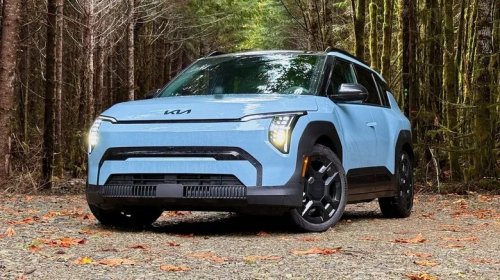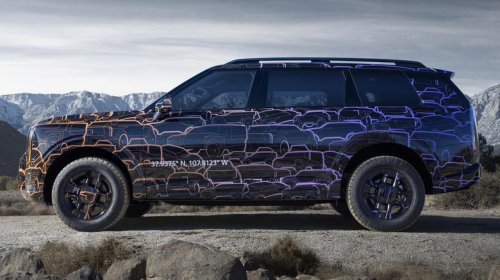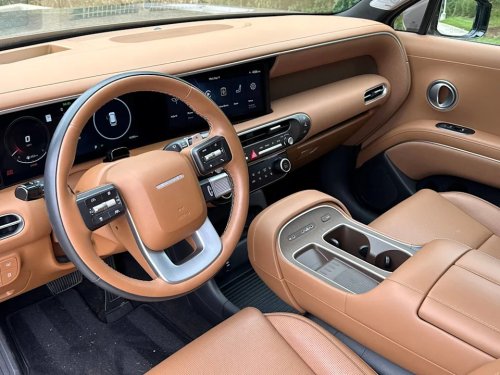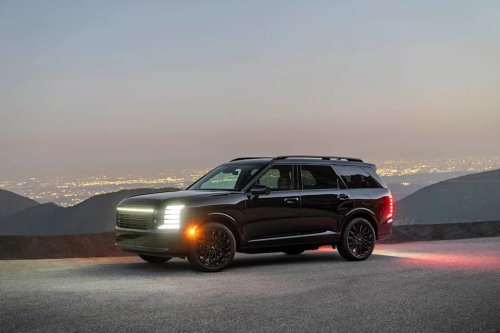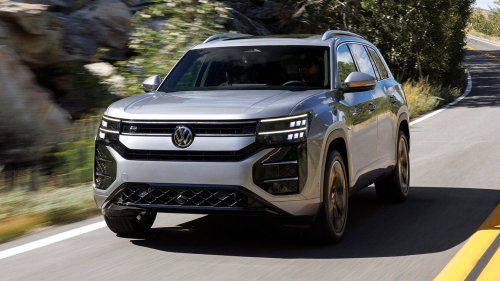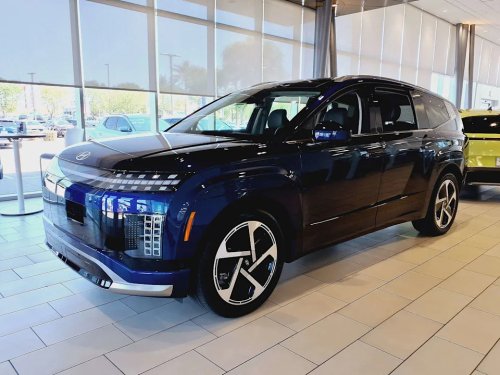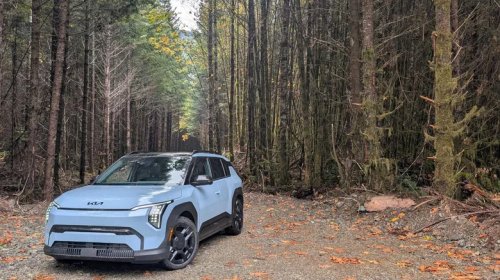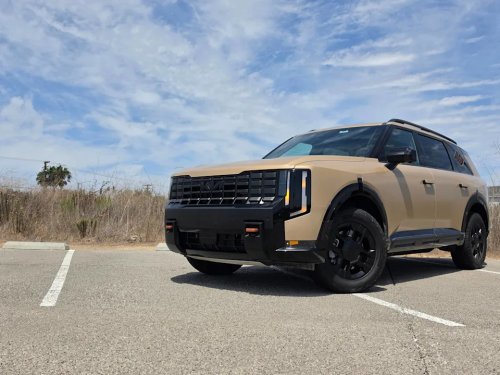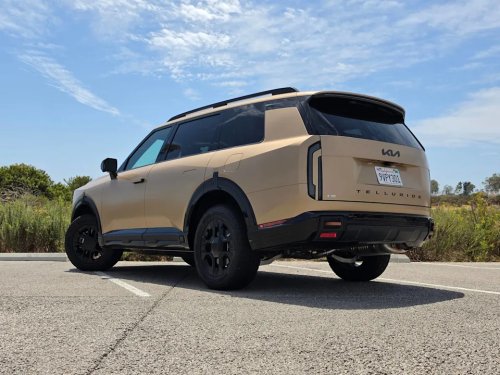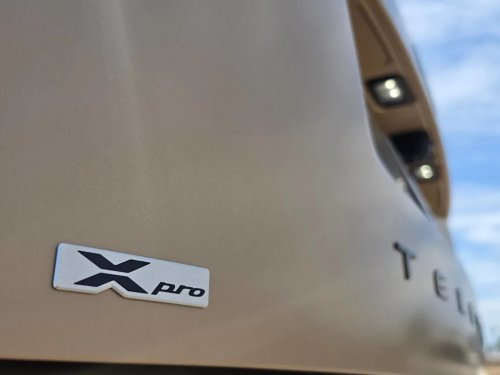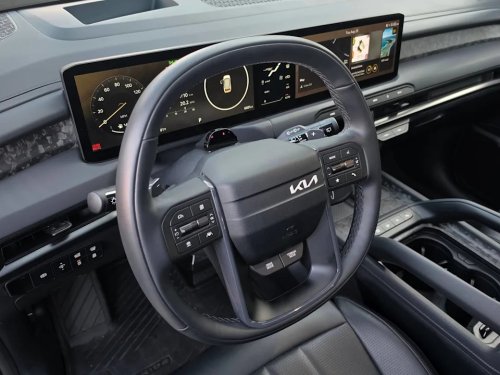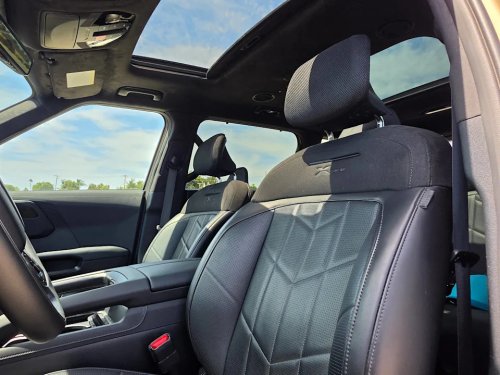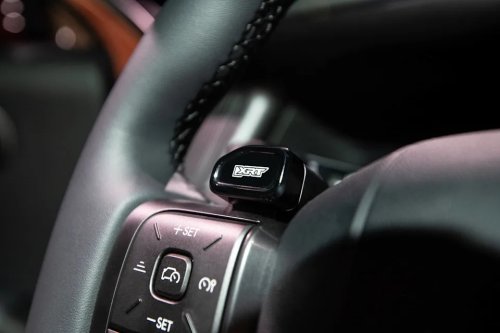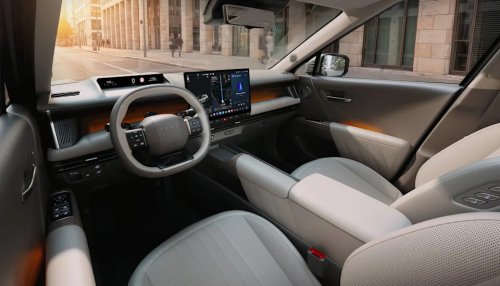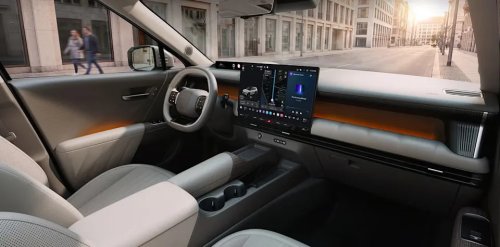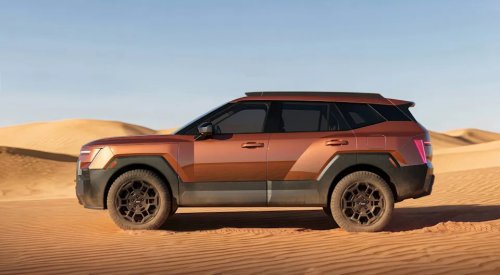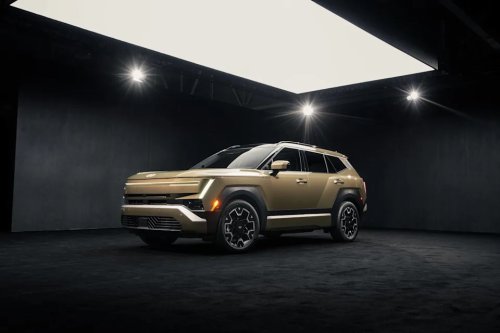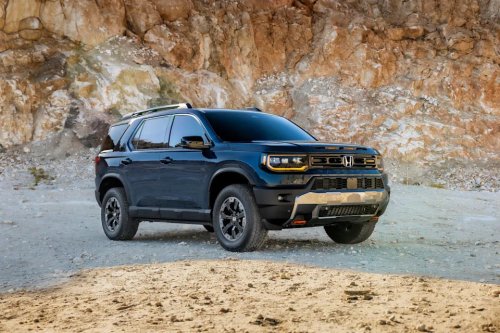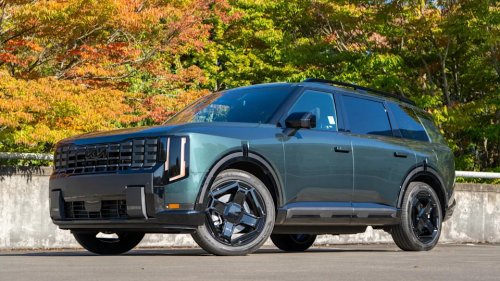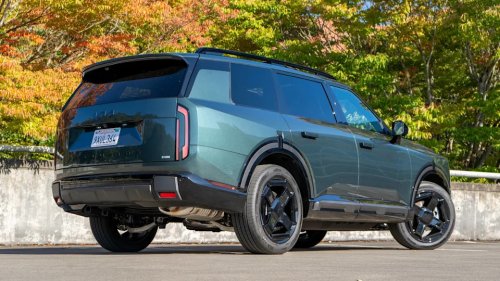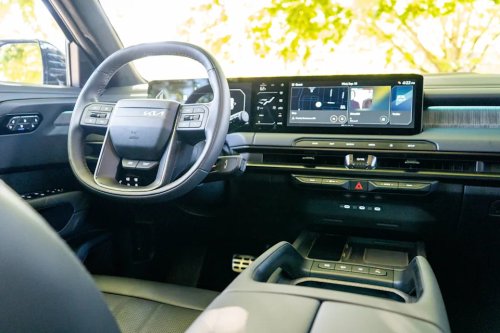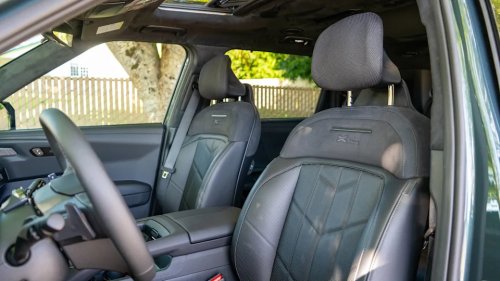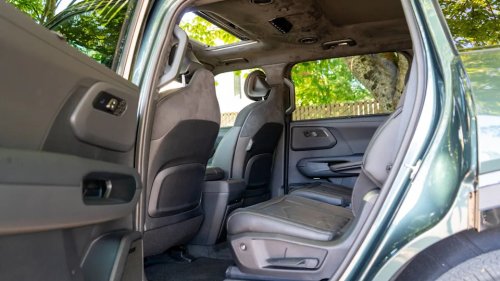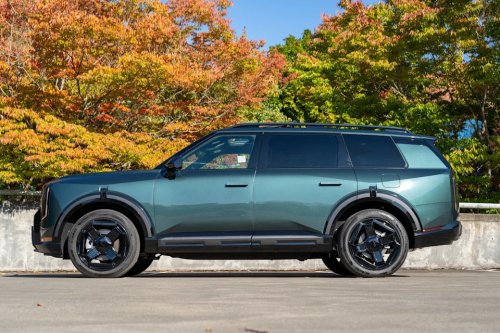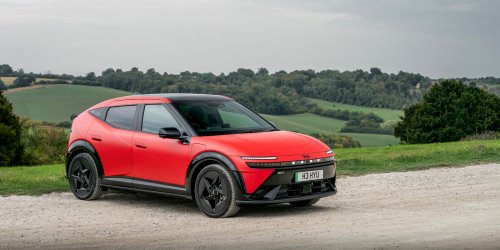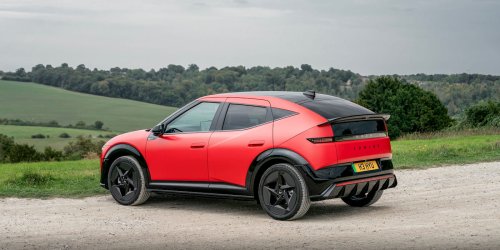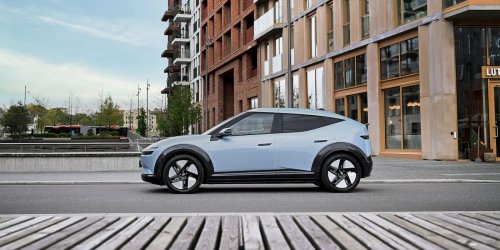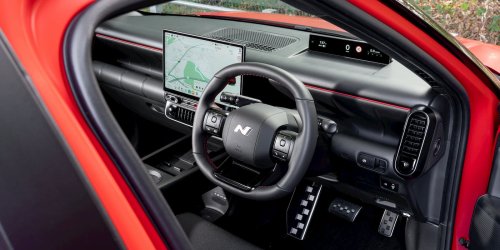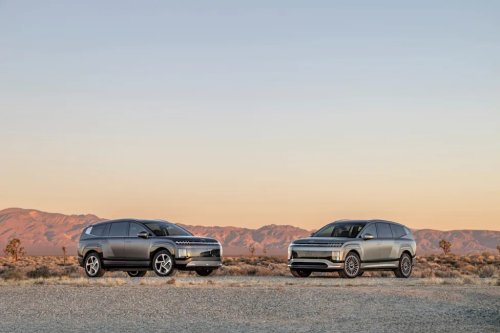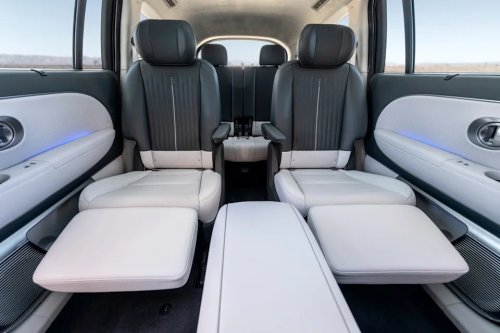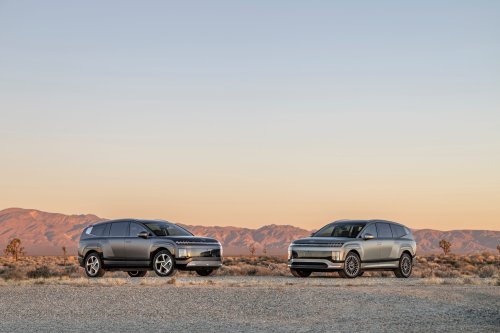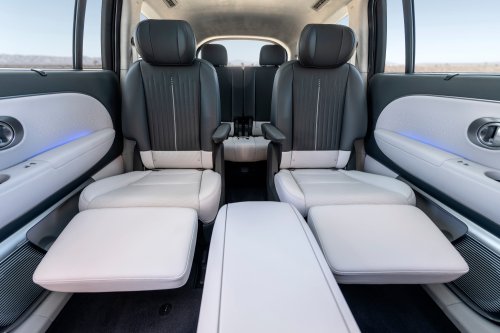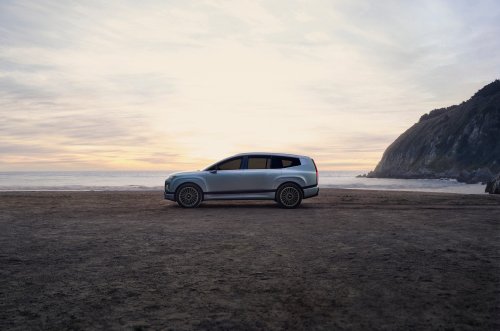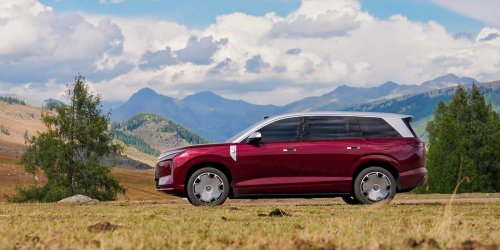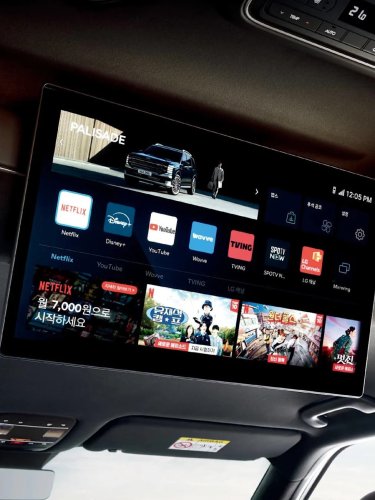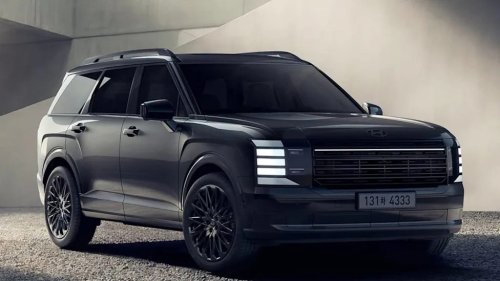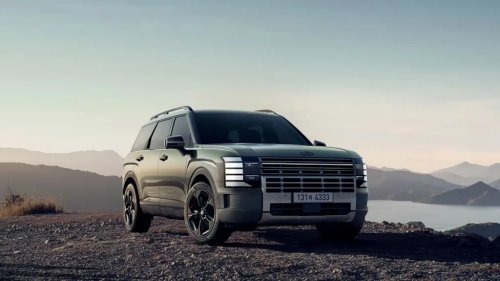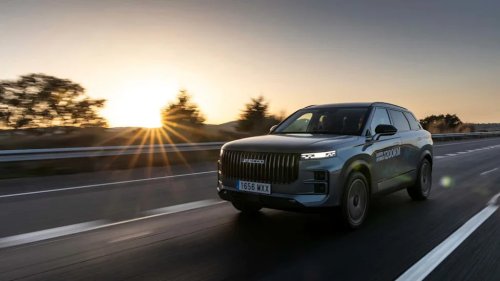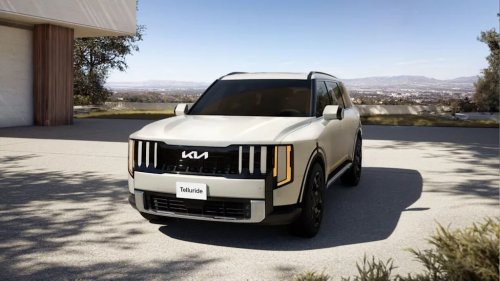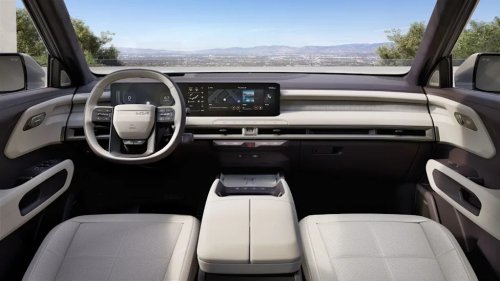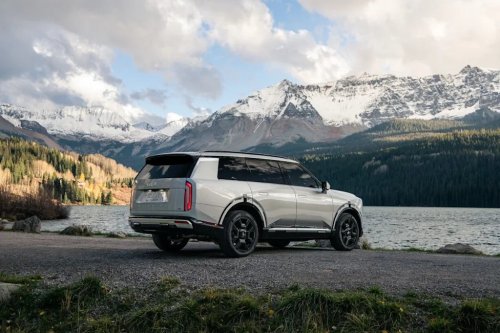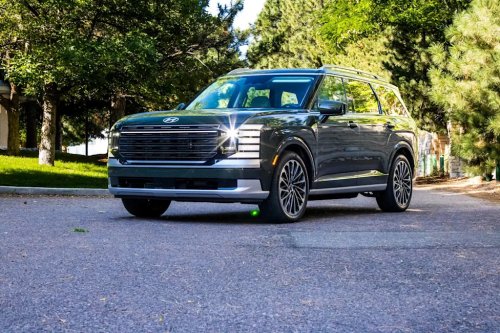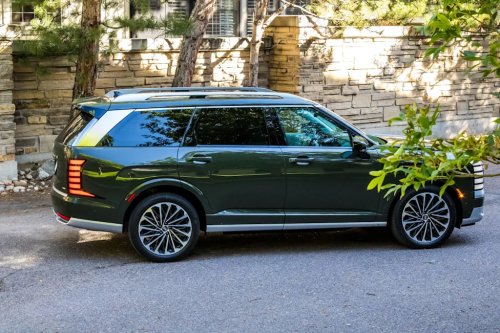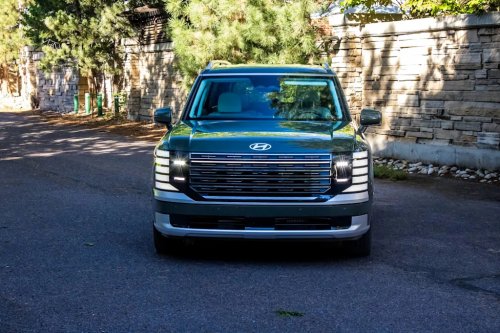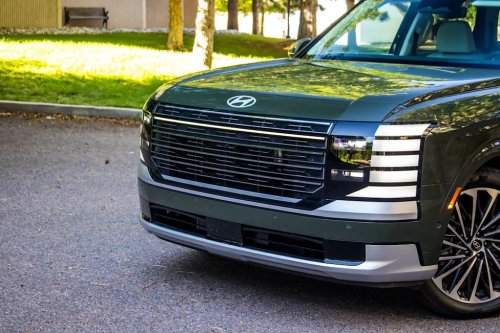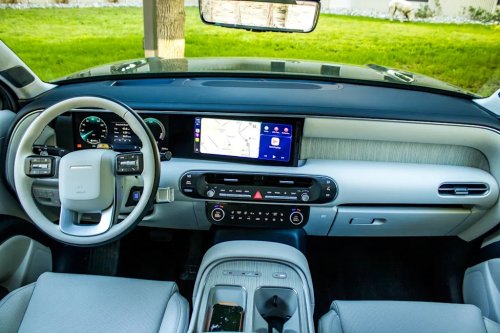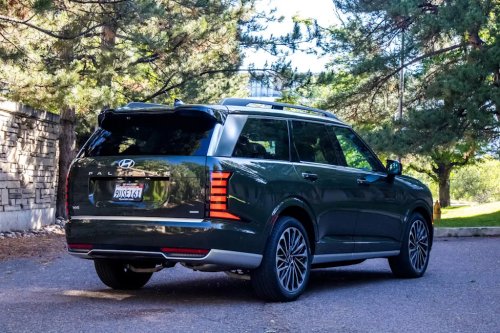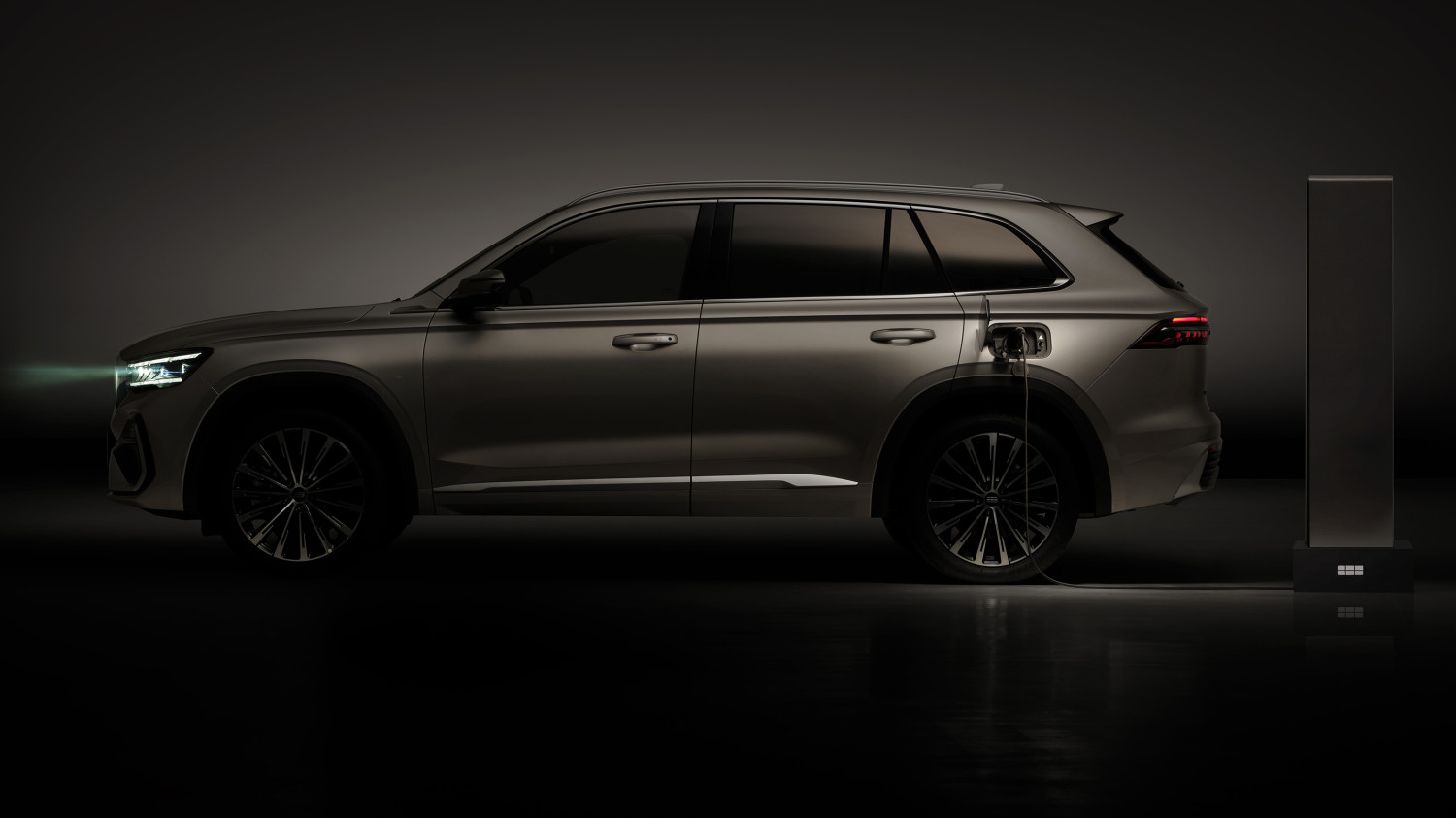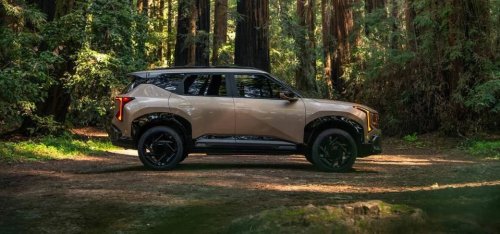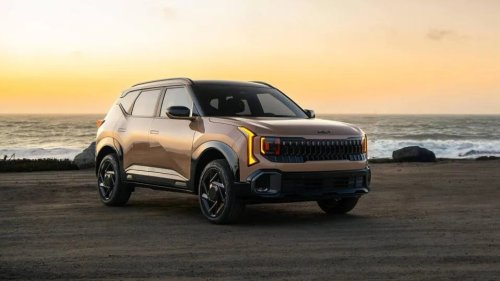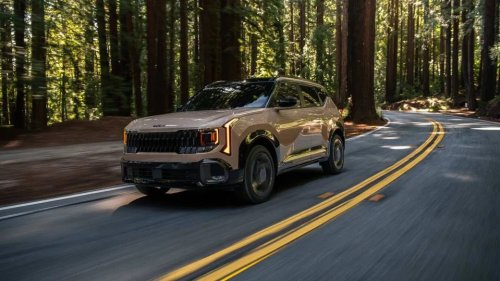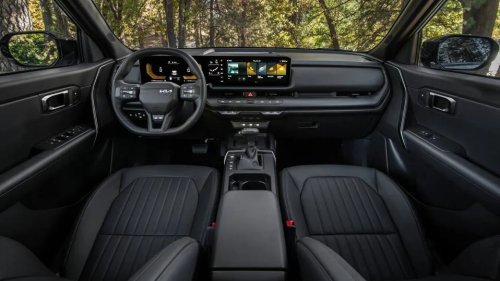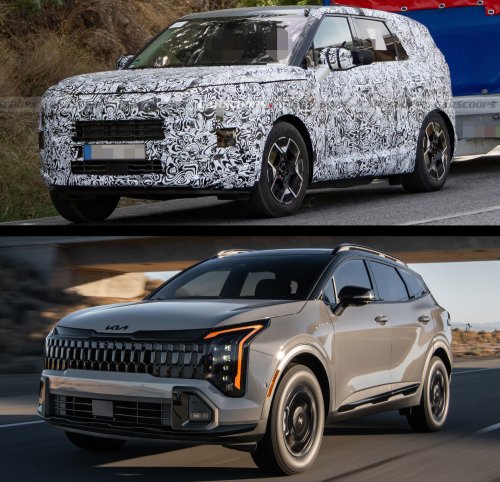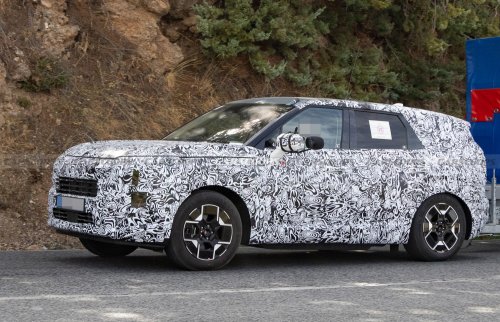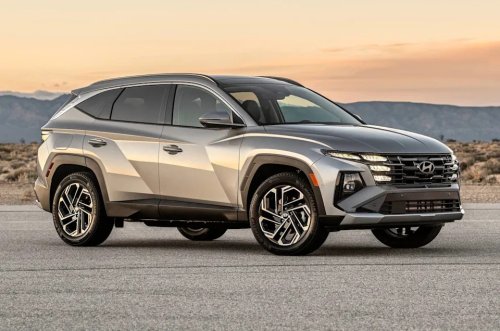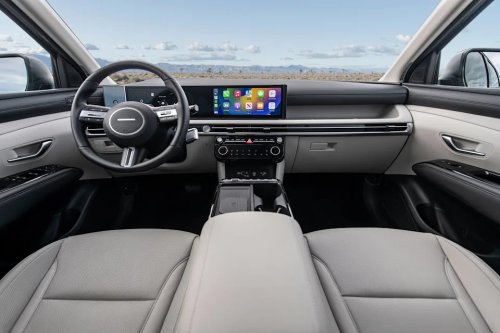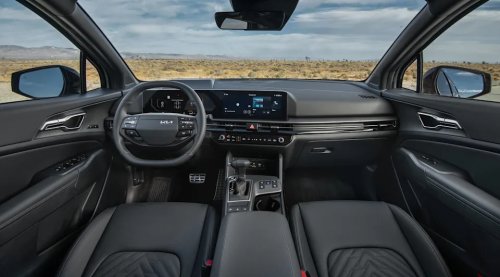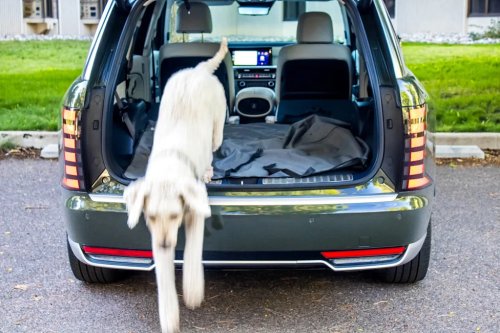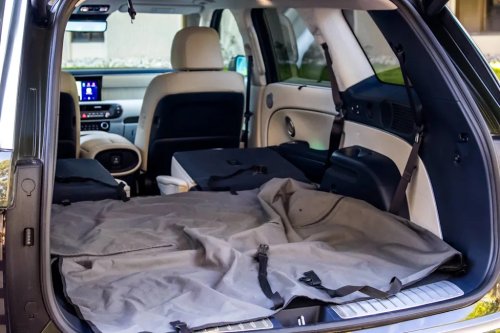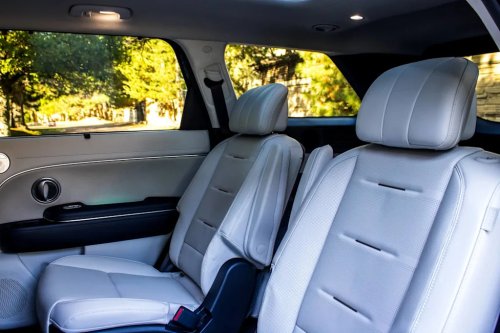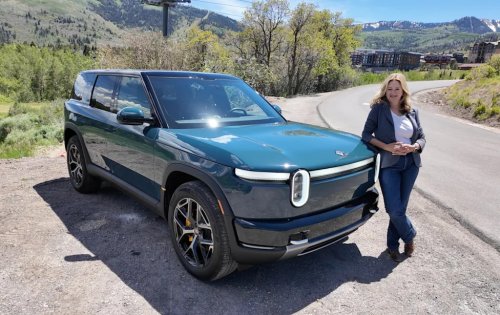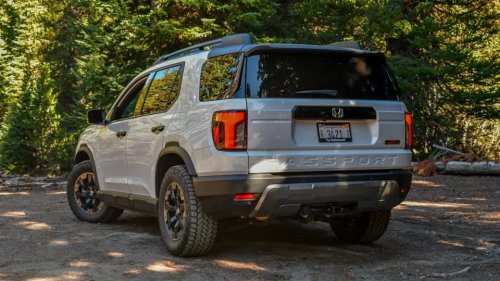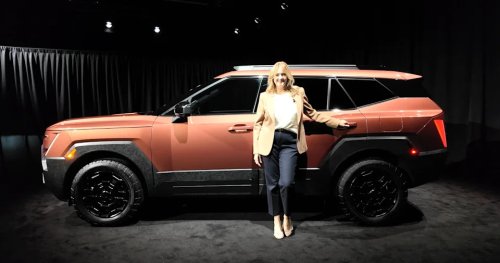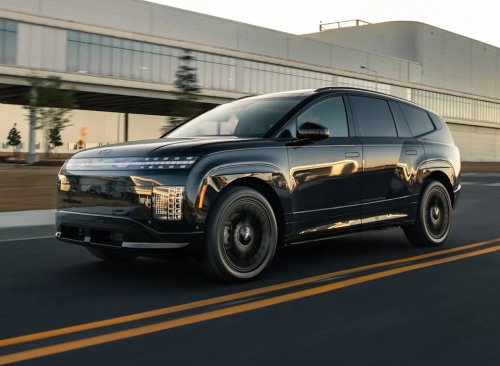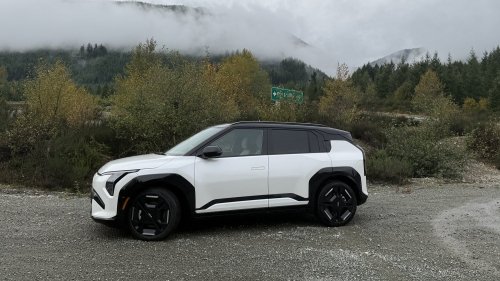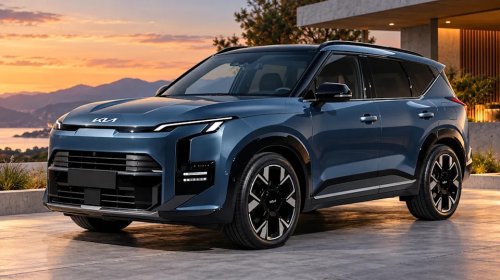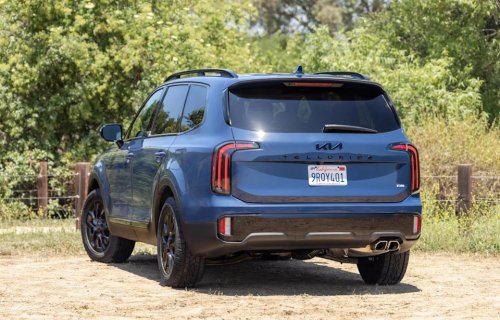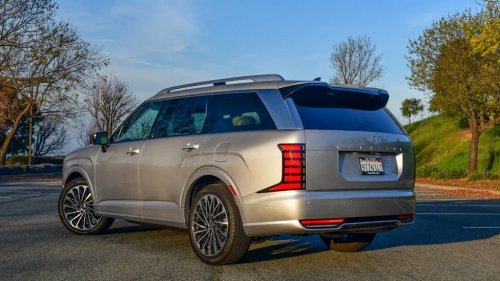
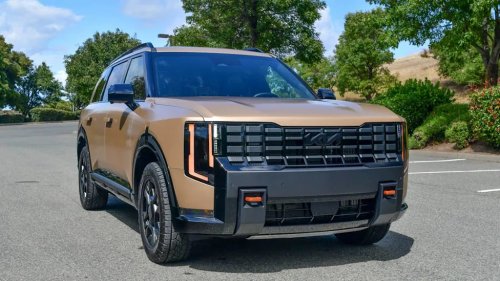
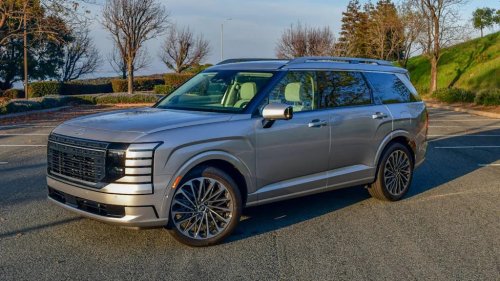
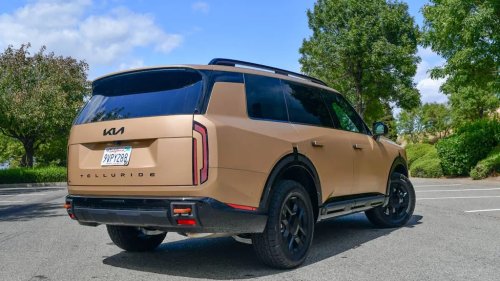
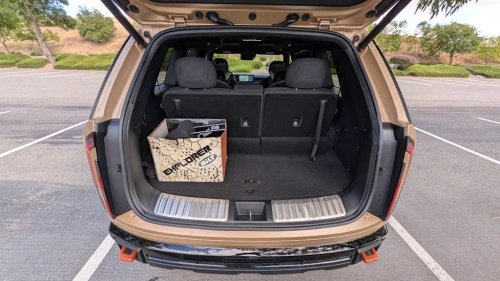
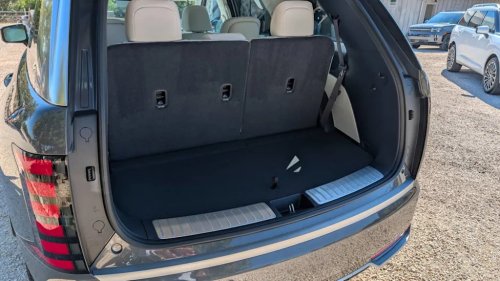
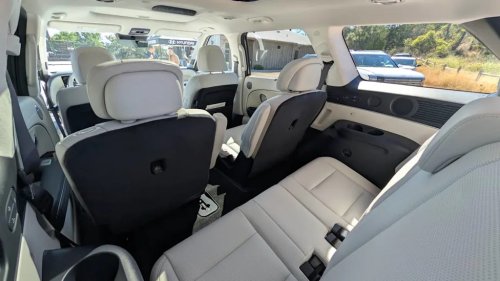
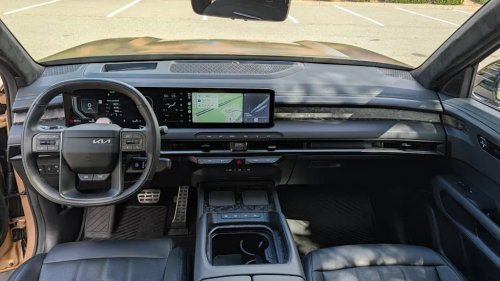
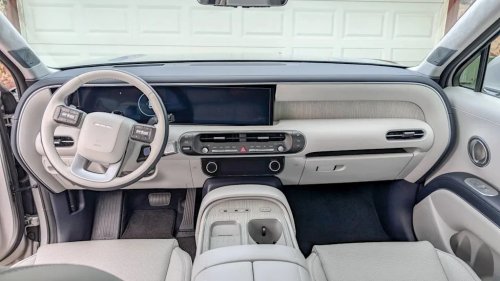



















Autoblog and Yahoo may earn commission from links in this article.Just a few years ago, Hyundai Motor Group pulled off one of the most successful double-threat maneuvers in automotive history. They tasked their North American design studios with building a pair of massive, three-row flagships engineered specifically to satisfy the unique, oversized demands of the American market. The resulting twins—the Kia Telluride and the Hyundai Palisade—became instant, runway successes. They didn't just sell; they completely reset the segment, offering upscale styling, genuinely usable third rows, and robust utility at a price point that made mainstream American families do a double-take.Kristen BrownFor years, both brands barely touched their styling, terrified of alienating the massive, fiercely loyal fanbases they had built overnight. But for the 2027 model year, caution was effectively thrown to the wind. Recognizing that the three-row landscape is getting crowded, both automakers took drastic, aggressive steps and completely tore up the old design blueprints. They shifted away from conservative family-hauler shapes to introduce highly distinct, polarizing design philosophies meant to capture a new generation of buyers. Along with that styling revolution came a massive mechanical shift, bidding farewell to their signature naturally aspirated V6 engines (in the Telluride, at least).Kristen BrownAs a parent steering through the daily chaos of strollers, car seats, and road trips, I've been determined to see if these redesigned heavyweights still pack the same family-friendly punch. Having recently spent time testing the all-new shared hybrid powertrain, living with the gas-only Palisade, and now wrapping up a week in the gas-only Telluride with its new turbocharged four-cylinder, I've experienced every flavor of this corporate sibling rivalry. Here is exactly how the 2027 Hyundai Palisade and Kia Telluride stack up when viewed through the uncompromising lens of a parent.AdvertisementAdvertisementRelated: Road Ethos Launches: The New Automotive Lifestyle Site You Should ReadThey may be corporate siblings, but they have distinct budgets and price rangesWhile the Hyundai Palisade and Kia Telluride are corporate siblings built on the exact same underlying architecture, they take noticeably different paths when it comes to pricing structure, trim levels, and how they package value. For the redesigned generation, both vehicles offer a massive selection of choices—10 distinct trims for the gas-powered Kia Telluride, and a similarly expansive, 7-trim lineup for the gas-only Hyundai Palisade. At the entry level, they remain highly competitive family options. The base gas-powered Telluride LX starts at an approachable $39,190, while the base Palisade lands in a very similar ballpark starting at $39,435. The Kia's top-tier gas-only trim, the X-Pro SX Prestige, like the one I reviewed, has an MSRP of $56,790, while the most expensive gas-only Palisade starts at $56,780 for the Calligraphy.Kristen BrownThe big news for this generation is the introduction of their first-ever electrified variants. Hyundai and Kia share the exact same high-performance 2.5-liter turbocharged 4-cylinder Hybrid powerplant under the hood, cranking out 329 horsepower and 339 lb-ft of torque. This shared hybrid system effortlessly solves the fuel economy woes of the past, averaging an impressive 25 mpg combined in real-world testing compared to just 19.5 mpg in the gas-only models. Though they're a bit more expensive, with a base price of $46,490 for the Telluride, and $44,160 for Hyundai's rendition. The Hyundai catches up at the top of the line, though, topping out at $58,380 for the Calligraphy AWD hybrid, while the Kia rests at $57,590 for the X-Line SX Prestige Hybrid.Kristen Brown/AutoblogThere's an interesting strategy behind the branding for both companies this time around. Kia pushes the Telluride further up-market, reserving its highest-end luxury features and rugged hardware for top-tier trims like the X-Pro SX-Prestige AWD, which commands a higher premium. Hyundai's premium trim is the Calligraphy, which focuses on refined luxury and a more technology-forward experience as opposed to trail-ready capability. Measurements and capacities: Kia has more cargo space, but the Hyundai has more passenger spaceBecause both SUVs went through a significant growth spurt for this new generation, they are more spacious than ever. Thanks to a shared, stretched-out 116.9-inch wheelbase, installing bulky, rear-facing toddler car seats or hauling an arsenal of family gear is incredibly easy in either vehicle. However, subtle differences in their exterior sheet metal and interior packaging mean one might serve your specific cargo or passenger needs slightly better than the other. When it comes to swallowing strollers, groceries, and luggage, the boxier, Cyberpunk-y lines of the Kia Telluride give it a slight edge in raw utility. When you have a full house and the third row is fully occupied by passengers, the Telluride offers a highly functional 22.3 cubic feet of cargo space, while the Palisade rests just a hair behind it at 21.5 cubic feet. Both are excellent, but that extra bit of depth in the Kia can easily be the difference between fitting a double stroller horizontally or having to angle it awkwardly. Cargo space behind the Telluride's third rowKristen BrownView the 2 images of this gallery on the original articleAdvertisementAdvertisementIf your family frequently travels as a four-piece with the rear seats folded down, the advantage remains with the Kia, which opens up to 48.5 cubic feet of space behind the second row compared to the Palisade's 46.8 cubic feet. While Kia wins the cargo war by a nose, Hyundai shifts its focus toward maximizing passenger stretching room in the back. Both of these vehicles are absolute limousines for kids and adults alike, treating middle-row passengers to exceptional legroom. The Telluride serves up a massive 43.0 inches of second-row legroom, but the Palisade manages to carve out a class-leading 43.5 inches of space. The Palisade's cargo space behind the third rowKristen BrownView the 2 images of this gallery on the original articleFor parents, that extra room in either vehicle creates a vital buffer zone that prevents excited forward-facing toddlers from kicking the back of the front seats. Squeezing bigger kids or adults into the very back is no longer a punishment either, as the Telluride provides a thoroughly usable 32.1 inches of third-row legroom and the Palisade matches it closely at 32.0 inches, making both of these vehicles legitimate three-row options rather than crossovers with emergency-only rear jump seats.Related: 2026 Hyundai Palisade vs Honda Pilot: Which is the Best Family-Friendly 3-Row SUV?Both SUVs have excellent legroom in the third row, but I preferred the Hyundai's as an adultOn paper, the tape measure says these two are practically tied in the very back, but in the real world, though, data sheets don't tell the whole story. When it comes to actually sitting in the way back, the Hyundai Palisade stands out as my clear favorite. The Palisade's interior packaging simply feels noticeably roomier, less claustrophobic, and more thoughtfully designed for tail-end passengers. A huge part of this comes down to the glass; the rear side windows and the larger second sunroof in the Hyundai are shaped and sized in a way that provides vastly superior outward visibility for third-row occupants, which serves as an absolute lifesaver for curbing carsickness in kids. The Hyundai Palisade's third rowKristen BrownView the 2 images of this gallery on the original articleAdvertisementAdvertisementThe amenities back there are stellar in both vehicles, but the Hyundai's execution just edges ahead for daily parenting duties. Both vehicles offer third-row USB-C charging ports tucked neatly into the plastic molded side panels, ensuring older kids can keep their tablets or phones alive on long road trips. You will also find plenty of deep cupholders on both sides to manage juice boxes, water bottles, and snack cups without them rattling around the cabin. They both feature excellent overhead A/C vents that direct airflow straight down onto third-row passengers, preventing that dreaded stuffy back seat syndrome. While the Telluride's third row is completely usable, the Palisade actually feels like a space where passengers are meant to enjoy the ride, rather than just endure it. As someone who stands at 5'8", I had plenty of room for knees and elbows, and never once felt cramped. The Kia was roomy, but the visibility wasn't as good.Technology and driving experience: crisp vs. composedBehind the wheel, both of these SUVs drive phenomenally well. They feel planted, smooth, and easily soak up broken pavement despite their rugged tires and lifted suspensions. But even though they share a chassis, they don't feel identical on the road. A major reason for this comes down to what is under the hood. The Palisade still comes equipped with a traditional, naturally aspirated 3.5-liter V6 engine, while the Kia has transitioned to the new 2.5-liter turbocharged four-cylinder. Personally, I am a sucker for the days of old and still prefer the linear power delivery of the V6. That said, both setups offer an excellent balance of power, ensuring neither vehicle feels too eager or too slouchy when you need to pull out into traffic with confidence. Kristen Brown/AutoblogMy favorite, unsung hero feature packed into both vehicles is the standard self-leveling rear suspension. This is a massive lifesaver when you completely load up the trunk with heavy gear, fill every seat with passengers, or hook up a trailer. Instead of the rear end sagging under the weight—which ruins your steering precision and aims your headlights directly into oncoming traffic—the suspension automatically pumps itself back up to its proper ride height. In the Kia's case, this clever mechanical trick ensures you never lose an inch of that commanding 9.1-inch ground clearance, no matter how much family chaos you pack inside. While the Hyundai is incredibly composed, it drives with a distinct, heavy feeling, behaving like a solid, traditional, large SUV. The Kia Telluride, by contrast, somehow manages to feel a bit lighter on its feet. It hides its massive footprint exceptionally well, handling tight corners and quick maneuvers with the effortless ease of a much smaller crossover. Kristen BrownThe most memorable feature of the previous Telluride was its commanding view of the road, and Kia thankfully preserved that magic here. The window lines and pillars in the Telluride offer superior outward visibility from the driver's seat compared to the Palisade, making it much easier to park, change lanes, or spot stray toys in the driveway. In terms of cockpit tech, both vehicles utilize massive, gorgeous dual 12.3-inch panoramic screens that stretch across the dashboard. Kia still forces that dinky, hard-to-see secondary screen for HVAC controls while the Palisade has haptic buttons for it under the center screen, and since both utilize HMG's native software and UI, both are very easy to use and interpret. So, when it comes to interior technology, both are winners. AdvertisementAdvertisementRelated: Kia Telluride Reliability: Better Than Ford, Nowhere Near ToyotaFinal thoughts: both are great, but for different buyersAt the end of the day, both of these three-row heavyweights pass the family test with flying colors. They are incredibly spacious, packed with thoughtful kid-friendly storage, feature vital safety tools like self-leveling rear suspensions, and offer brilliant new hybrid powertrains that finally solve the fuel economy problem for large family haulers. Because they share so much excellent DNA, you really cannot make a wrong choice here—but you can make a smarter choice for your specific household dynamics. Your decision ultimately comes down to how your family uses the space and what you value most when wrangling your crew. If you want a superior, less claustrophobic third-row experience with better visibility for the kids, a more traditional V6 power delivery under the hood, and a solid, stately presence on the road, the Hyundai Palisade is a masterclass in passenger packaging. However, if you want a vehicle that prioritizes maximum cargo room behind the seats, the Kia Telluride is the sharper utility tool. It handles daily parenting duties with a lighter, more nimble driving feel, offers superior outward visibility from the captain's chair, and wraps it all in an energetic, futuristic aesthetic that makes the weekly grocery run feel a little less mundane. This story was originally published by Autoblog on Jun 7, 2026, where it first appeared in the Reviews section. Add Autoblog as a Preferred Source by clicking here.