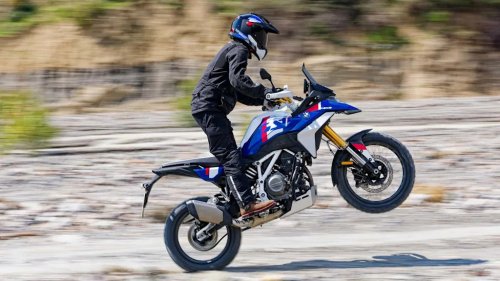
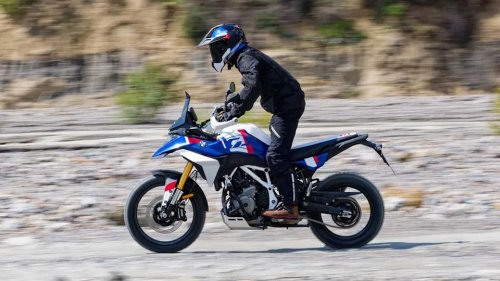
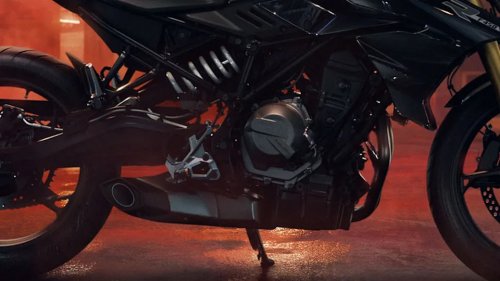
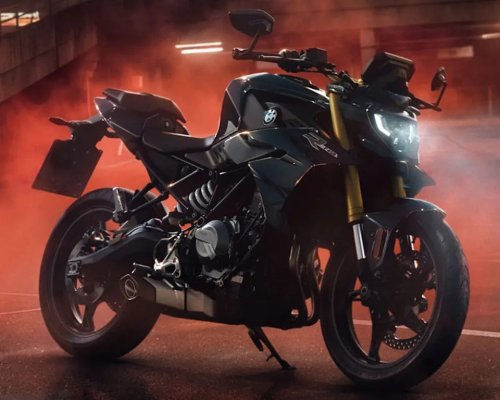
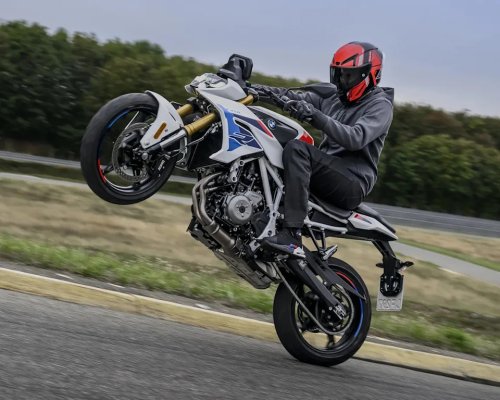
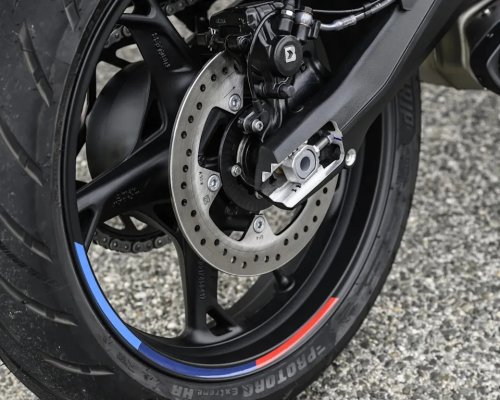
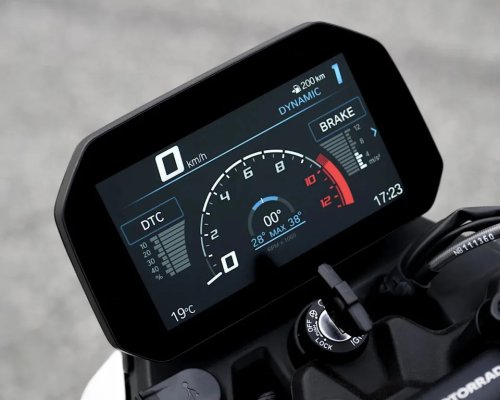
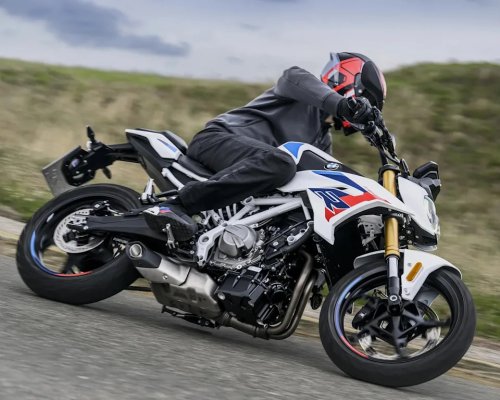
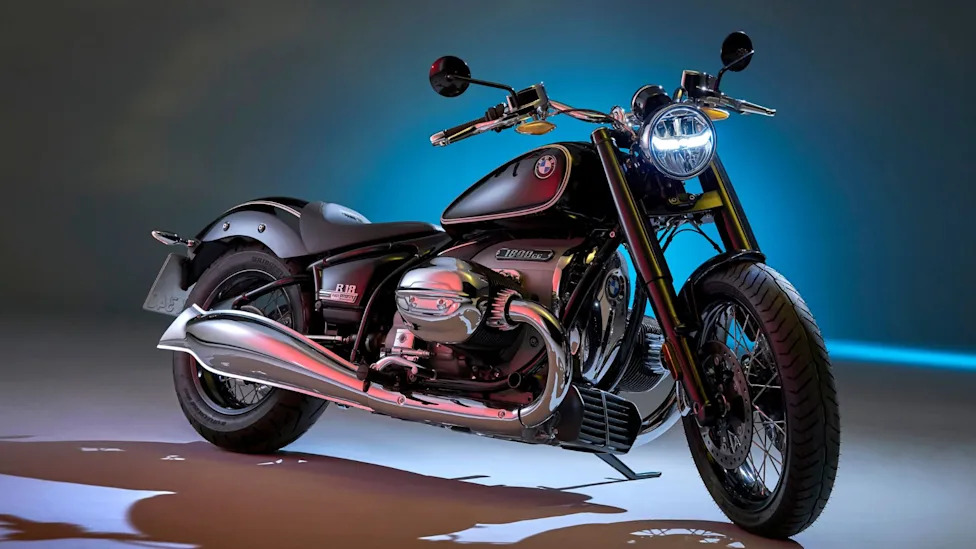
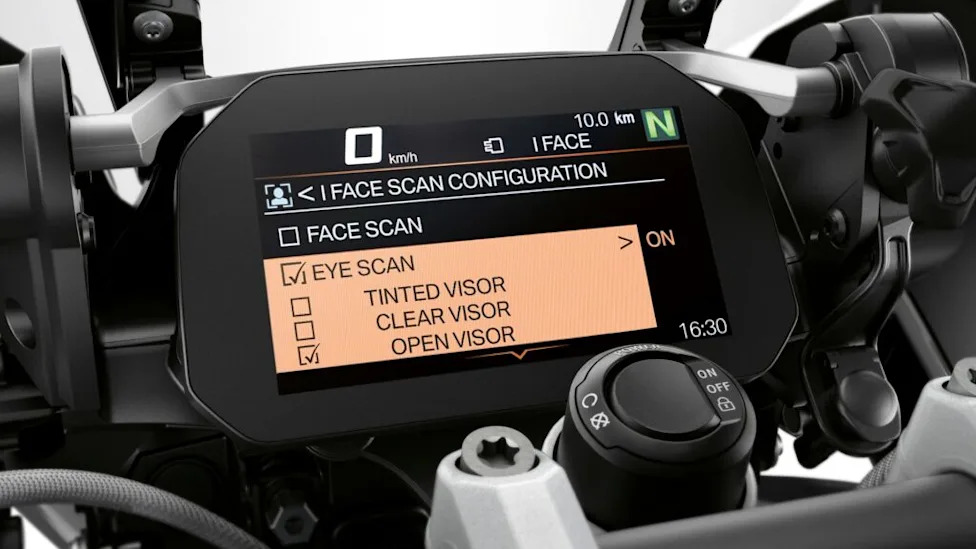
BMW Motorrad's iFace Facial Recognition Anti-Theft System Is Either Brilliant or Deeply ConcerningBMW Motorrad announced a facial recognition-based anti-theft system called iFace, timed with characteristic German humor to release on April Fools Day — although the technology being described appears to be genuinely in development rather than a joke. The premise: as motorcycle theft has become increasingly sophisticated, with criminals using relay attacks to fool keyless entry systems on bikes the same way they do on cars, BMW is exploring biometric authentication as a more secure alternative to traditional keys and fobs.The motorcycle theft problem that's motivating this is real. High-value bikes — particularly BMWs, Ducatis, and other premium motorcycles — are frequently targeted by organized theft rings that use relay attack devices to capture and amplify the signal from the key fob inside the owner's home, trick the bike into thinking the key is present, and ride away. Traditional security measures like disc locks and chains slow things down but rarely stop a determined and equipped thief.Facial recognition as a solution has obvious appeal in theory: a thief can steal your key fob signal, but they can't steal your face. A system that requires the owner's face to be present to enable the ignition defeats the relay attack approach entirely. The security case makes sense.AdvertisementAdvertisementThe privacy case is where it gets complicated. A facial recognition system on a vehicle means the motorcycle manufacturer (and potentially its service partners) has the ability to build a record of when, where, and by whom the motorcycle is operated. That's a significant amount of behavioral data attached to a uniquely identifiable biometric. BMW has earned some trust on engineering quality, but 'do you want your motorcycle to have a facial recognition database of your riding activity' is a question worth asking before buying in.The technology questions are also real. Facial recognition performance in the variable lighting, weather, and viewing angles typical of motorcycle use (helmet visor up? Down? Tinted?) is a non-trivial engineering challenge. BMW's timeline for production implementation will depend on how well the system actually performs in real-world conditions. If it works reliably, it's a genuine advance in vehicle security. If it's finicky, frustrated owners will have a very expensive bike they can't start.Join our Newsletter, follow our Instagram page, and connect with us on Facebook.



















 +75 others