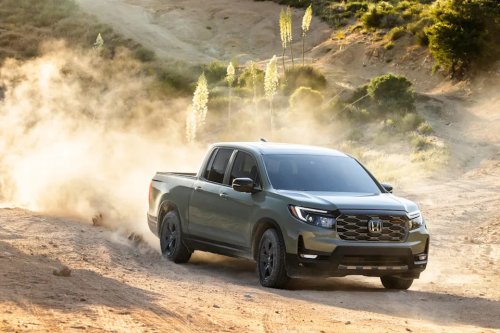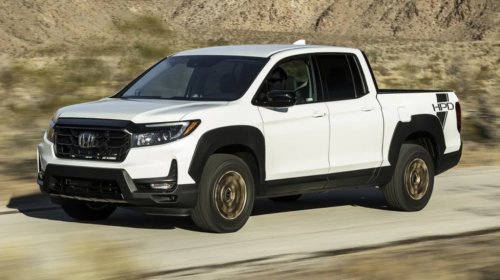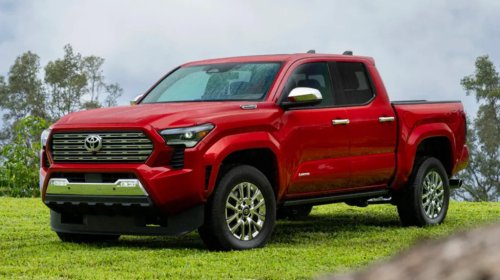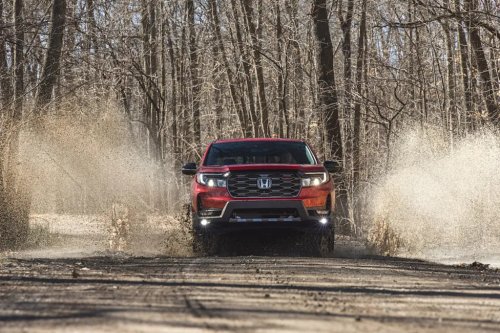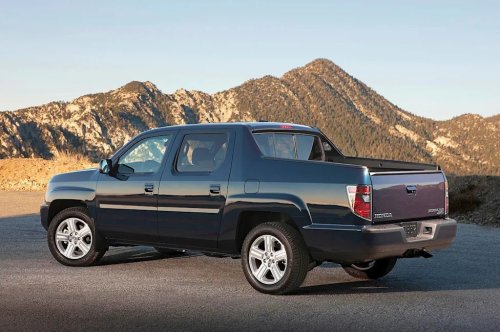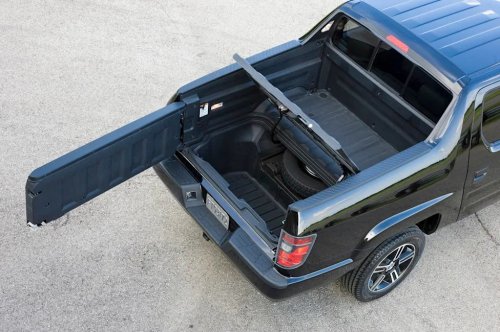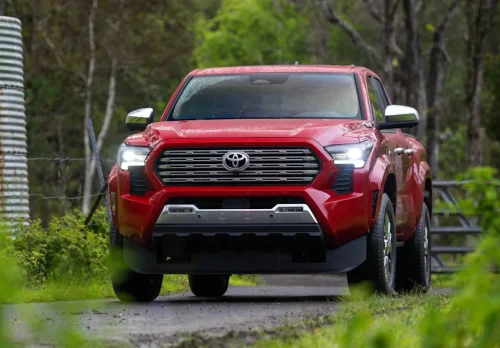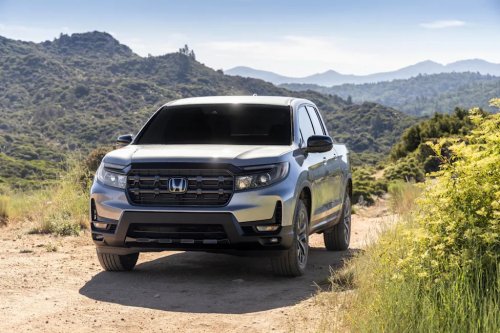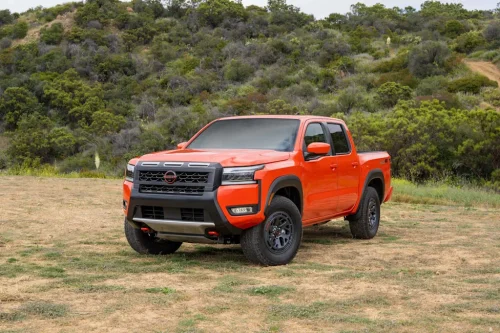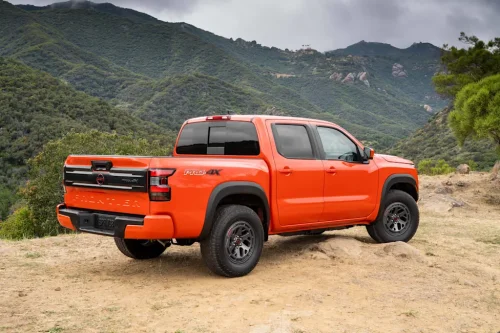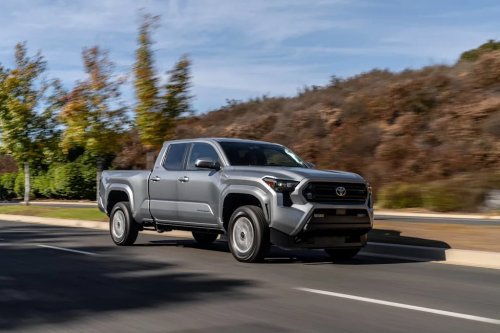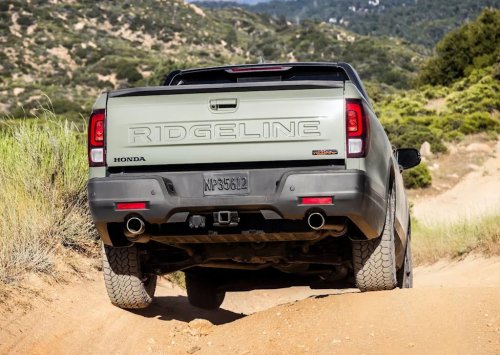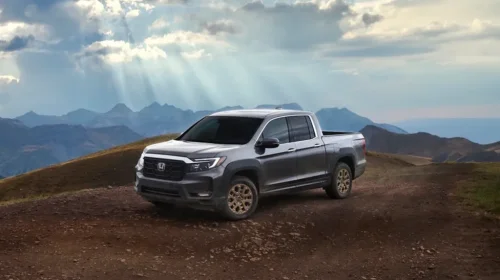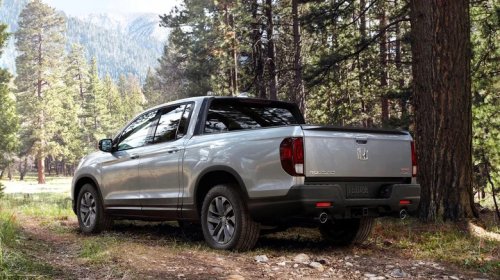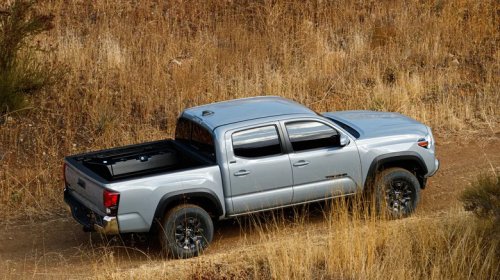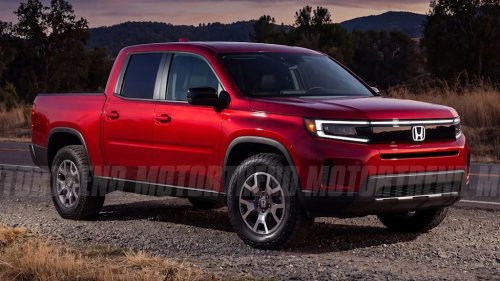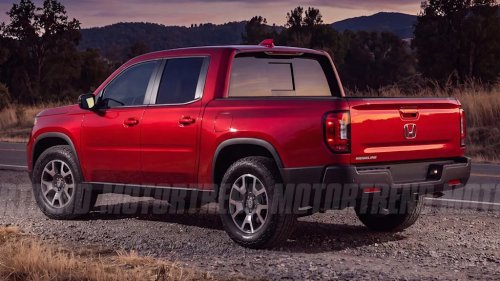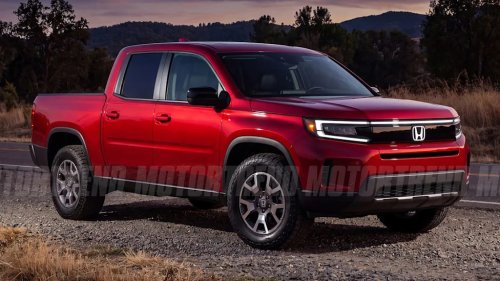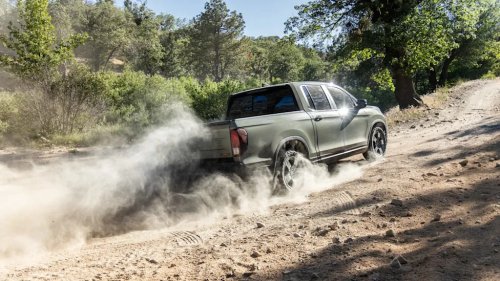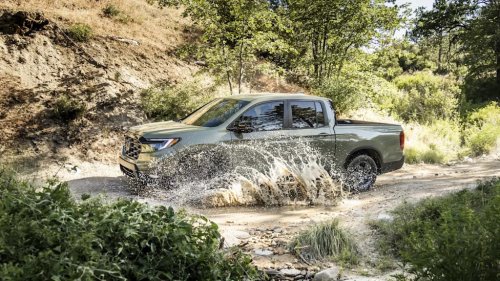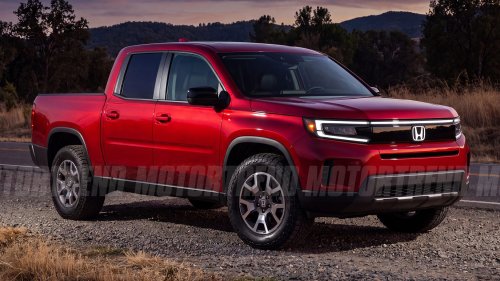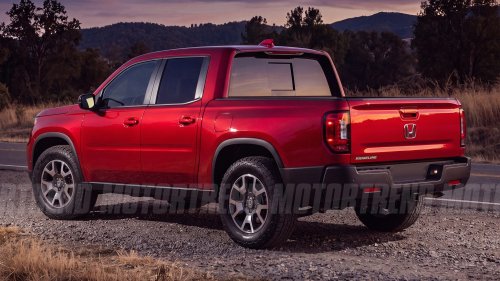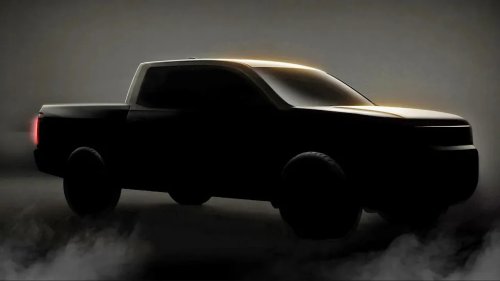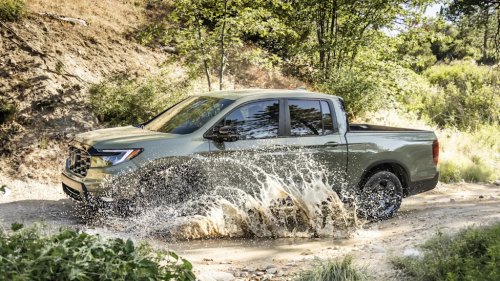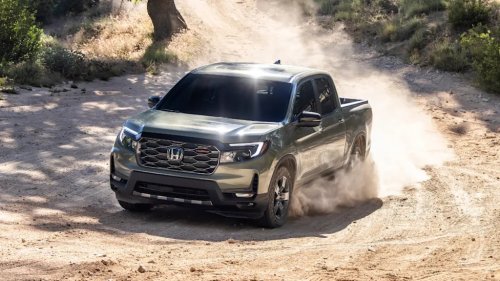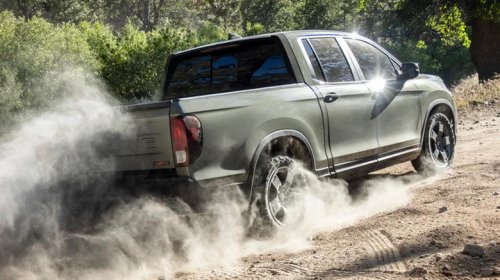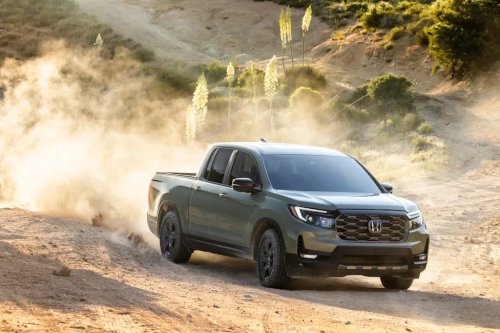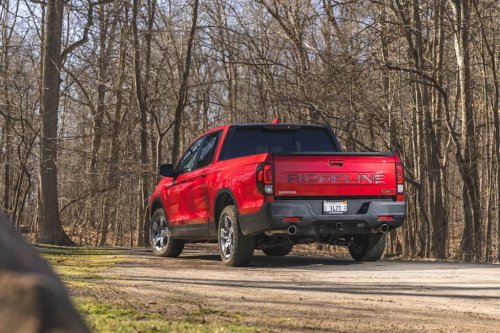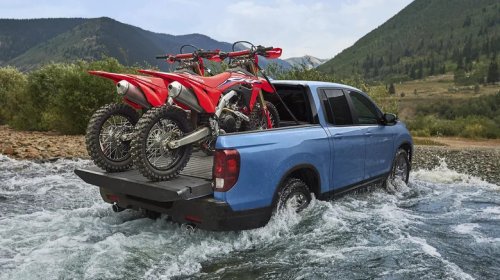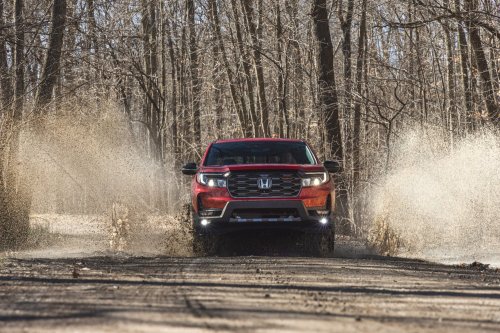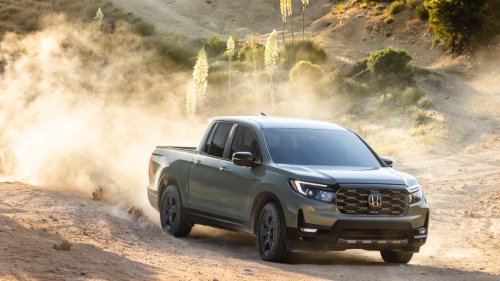
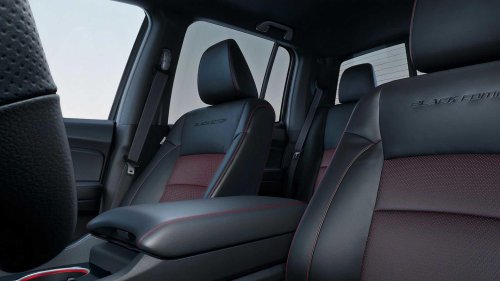
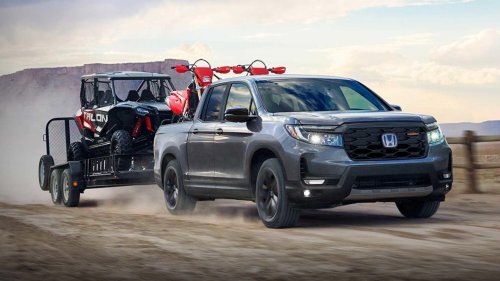
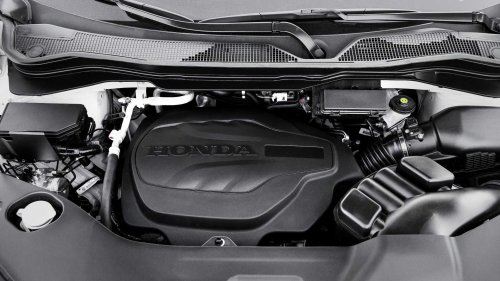
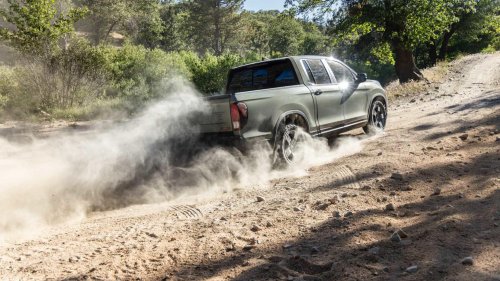
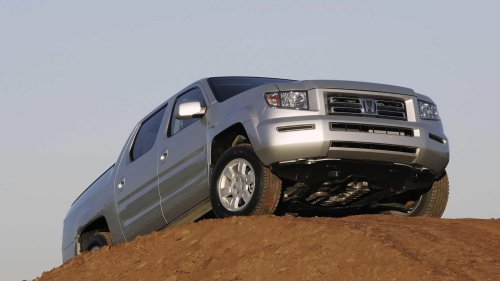



















In many ways, pickup trucks are very much like SUVs. They're produced as multipurpose vehicles that can perform a range of daily jobs in one neat package, with their large frames offering extra space and versatility than smaller hatchbacks or sedans. Most can also get the job done off the road, ensuring they can excel at whatever kinds of adventure you throw at them. Trucks, especially those with quad-cabs, do the same sort of thing.They're practical and convenient enough to carry families in comfort, but also durable enough to carry a wide range of cargo for work or pleasure. Bearing this in mind, there is one midsize truck that excels better as a daily driver than the rest, the humble Honda Ridgeline, even if it gives up a traditional pickup truck advantage to do so. That said, for most truck buyers, giving away this benefit may well be worth the compromise. The Ridgeline Uses A Different Construction Method Than Most Trucks Honda Smaller trucks have gotten more popular in recent years, primarily because their smaller and more efficient engines are cheaper for most Americans to run day to day. With living costs having risen drastically in recent years, owning multiple cars is more difficult than ever, making it more convenient to instead rely on a decent-sized truck as a family wagon alongside a working hero. Bearing this approach in mind, we think the best option for most buyers is the 2026 Honda Ridgeline.The reason for this is that, unlike its main midsize rivals, it utilizes a unibody construction rather than a body-on-frame method. The difference between the two is that while the latter consists of a tough and heavy ladder frame chassis topped with the body of the truck, the bodies of the former are beefed up and provide most of the strength, and essentially work with the chassis to provide rigidity. The result of this is a lighter design, as a much heavier ladder frame isn't needed alongside the body. Honda's Midsize Truck Is Therefore More Refined Honda The upshot of this is that, because the body is much stronger than a traditional body-on-frame truck, the cabin feels much better put together and more refined. The truck will also drive better on the road, as there is less structural flex from the body, so the handling will be sharper. This element is also enhanced by the superior center of gravity the truck will have, as the body doesn't need to be sat on top of the chassis, and rather makes up most of the strength itself.This method also makes them lighter, ensuring that they're usually more efficient than their body-on-frame competitors. If that wasn't enough, the reinforced bodies also provide superior occupant safety, making them more effective as family wagons. The Ridgeline boasts all of these advantages over midsize rivals such as the Chevrolet Colorado, Ford Ranger, and Toyota Tacoma, making it better suited to those who want to use it day to day. With the current financial situation gripping America, and the added need for trucks to work as daily drivers, the Ridgeline's more SUV-like driving experience will better suit most buyers than more utilitarian ladder-framed vehicles. The Ridgeline Still Works Well As A Workhorse Honda One of the main drawbacks of a unibody truck like the Ridgeline is that, while the body is stronger and provides extra safety, the chassis isn't as durable as a proper ladder frame. This means they're unable to carry as much payload, and tend to need maintenance more often, making them more expensive to keep working at their optimum. Still, the Ridgeline still works well as a work companion, given its 1,583- pound payload capacity. This may be 100 pounds or so down on the likes of the Colorado or Ranger, but that's still plenty to work with. You will also have to give away a bit of storage space compared to its rivals, with the Honda's 33.9 cubic feet of total room around eight less than the Chevy, and 10 cubes down on the Ford.It stacks up pretty well when it comes to towing capacity too, despite not featuring the body-on-frame construction that aids this element. It can pull up to 5,000 pounds, which is decent even if not on par with rivals like the Tacoma and Ranger, which can deal with up to 6,400 and 7,500 pounds, respectively. For those who are approaching the Ridgeline as more of a family-friendly option, these specs should provide enough heavy-duty options to make it work. Its Engine Is Pretty Dependable, Too Honda Unlike its closest competition, the Ridgeline still relies on a good-old naturally aspirated V6 engine, rather than a more contemporary turbocharged inline-four unit. Still, the J-Series engine has been around for a while now and is a known commodity, while its nine-speed automatic transmission works nicely to offer a smooth and powerful experience. The Ridgeline's V6 brings 280 horsepower and 262 lb-ft of torque to the table, while offering a combined 21 MPG.Despite being larger and heavier than the four-cylinder engines in its rivals, only the Tacoma can get the better of it in this regard, and even then only by a single MPG. You May Have To Dig A Little Deeper Financially To Have One Honda On the face of it, the Ridgeline looks quite a lot more expensive than its midsize competition. While the Honda demands $40,795, the likes of the Colorado and Ranger can be had for as little as $32k. These numbers are somewhat misleading though, as the Ridgeline comes with the V6 and four-wheel drive as standard, while the others get rear-wheel drive and sometimes less powerful engines. That said, the Colorado and Ranger only cost $35,700 and $36,525, respectively, to match the Ridgeline, while the Tacoma is marginally cheaper at $40,505.The Ridgeline doesn't offer any major improvement when it comes to features at this price either, so the main reason to spend a little more is for the more refined drive. If you're looking at it as a more work-ready SUV alternative though, the extra outlay is likely worth it in the long run. Of course, it's best to drive the machines yourself to work out which approach best suits your walk of life. The Ridgeline Has Been The More Refined Truck Option For Two Decades Honda Honda's approach to offering a unibody truck alongside its more traditional body-on-frame rivals isn't new either, as Honda went down this path with the very first model, which arrived in 2005. It has struggled to make it big time in terms of outright sales, largely due to its lacking the kind of longevity and outright strength as the alternatives do, though its superior on-road performance is beginning to mark it out as a more sensible choice these days.Despite being over two decades old now, only two generations of the Ridgeline have been created thus far. It was treated to a light refresh for the 2026 model year, but Honda has yet to announce plans for a third-gen model, even though the current one has been around for the last 10 years. Despite this, we reckon the Ridgeline makes the most sense for the vast majority of people looking to get into pickup truck ownership. It's still effective enough to get plenty of heavy-duty work done, but it combines this with a more refined cabin and balanced driving setup than a rival body-on-frame truck. In a world where vehicles need to carry out as many functions as possible, the Ridgeline stands out as an excellent compromise.Sources: Honda.