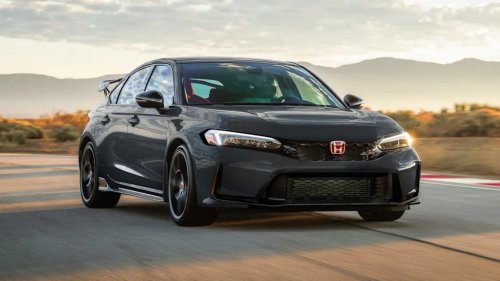
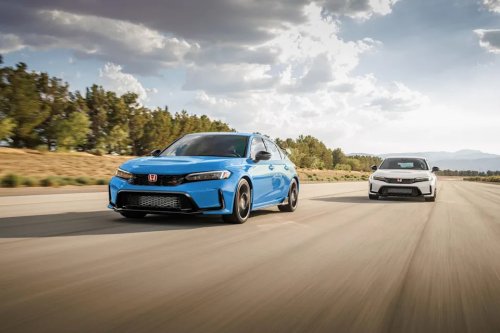
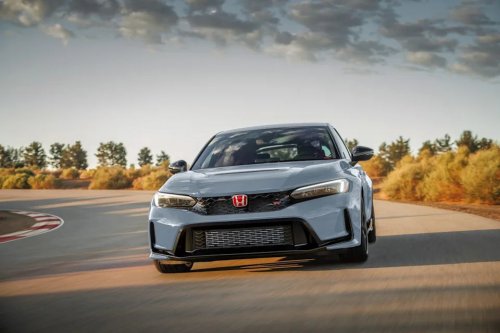
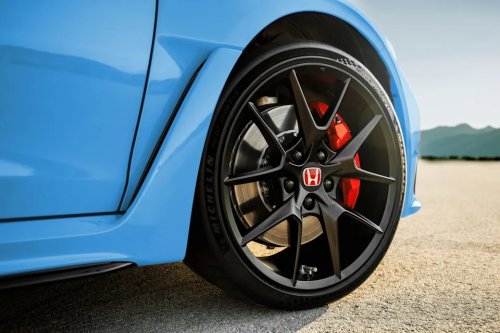
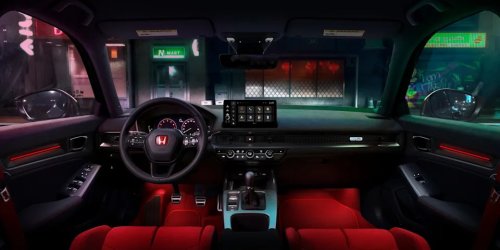
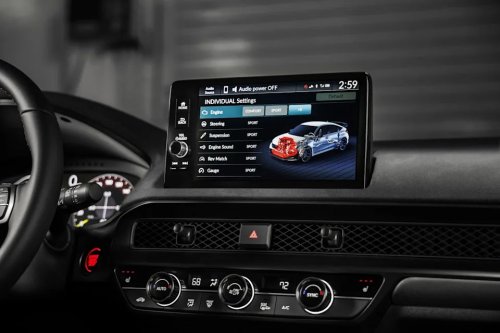
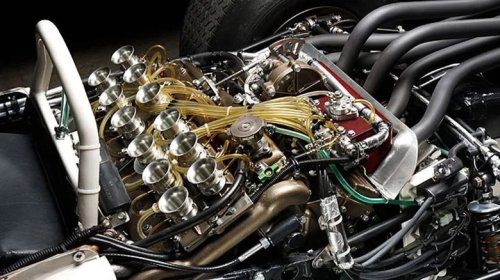
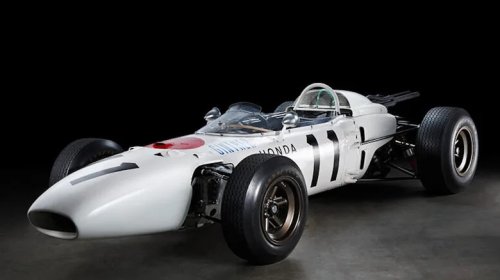
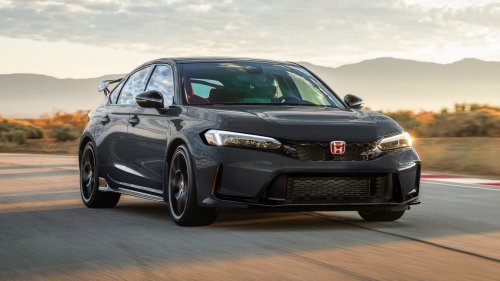
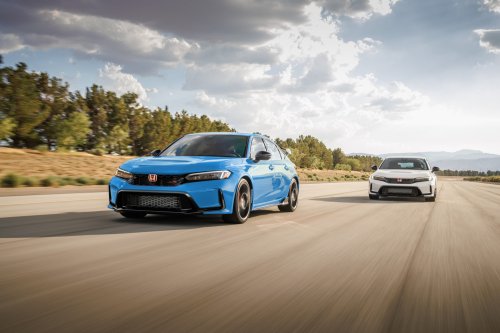
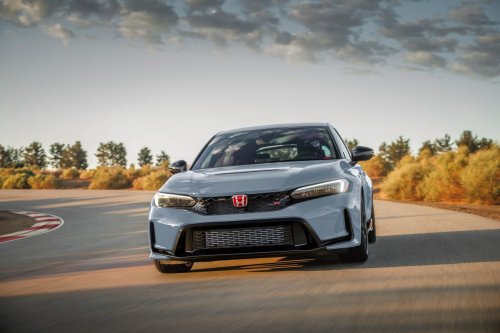
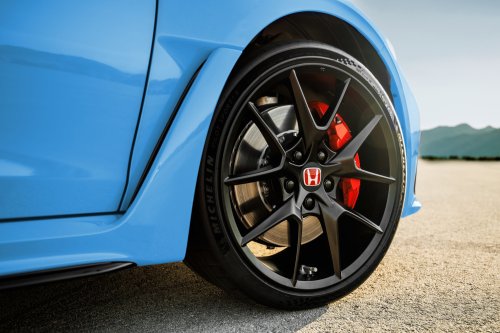
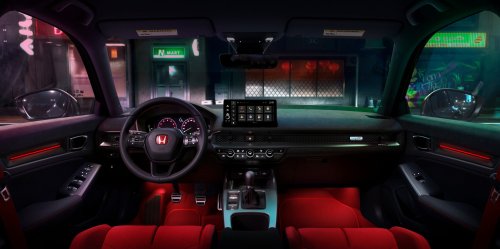
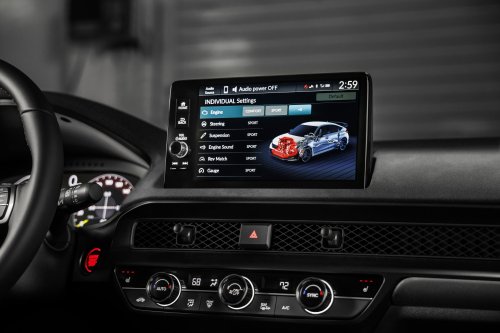
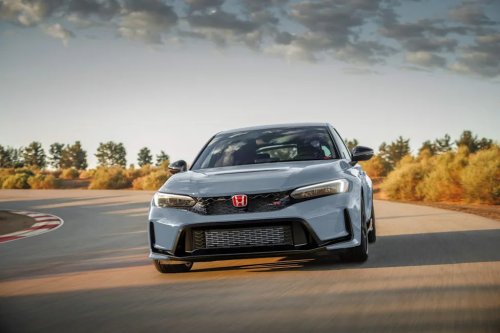
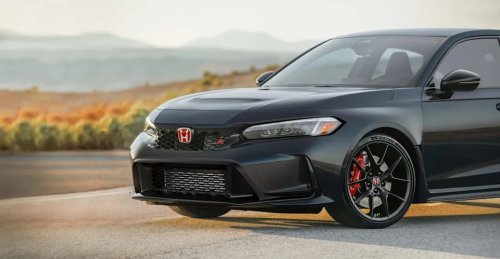
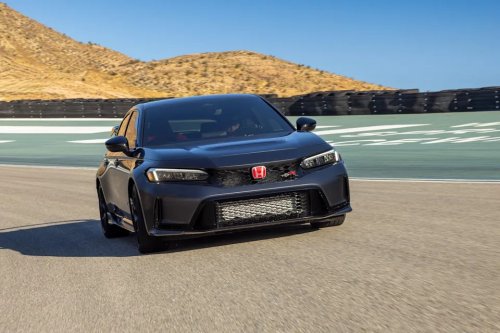
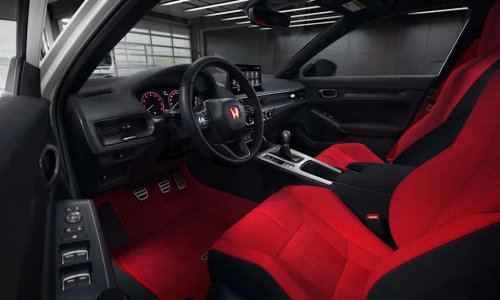
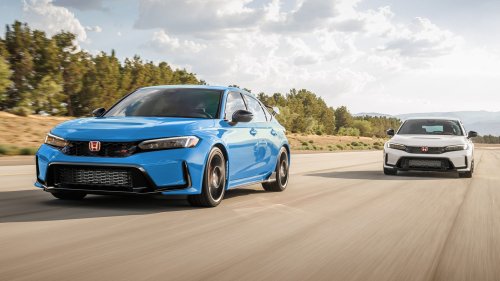
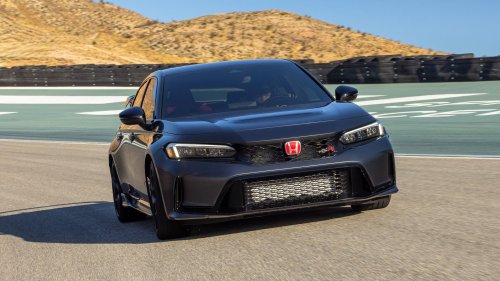
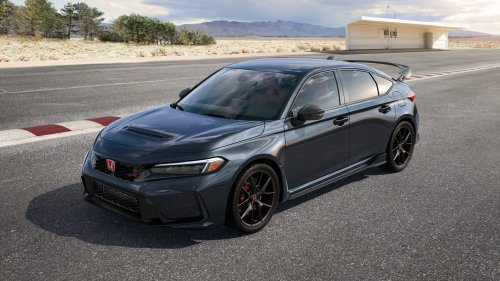
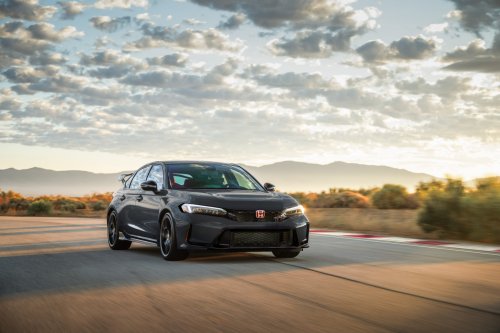
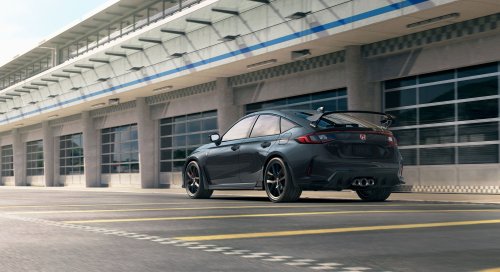
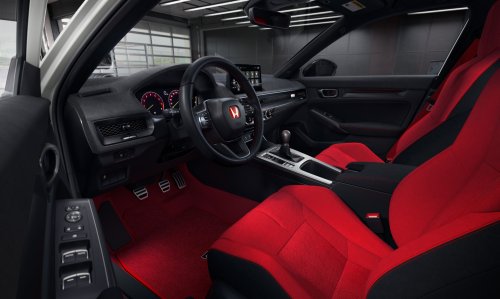
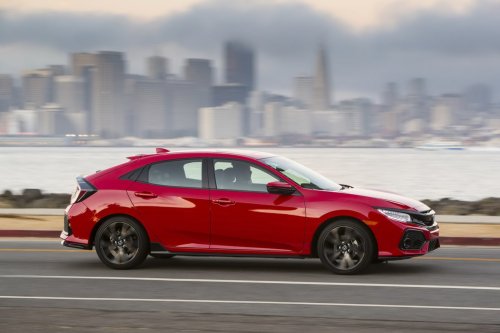
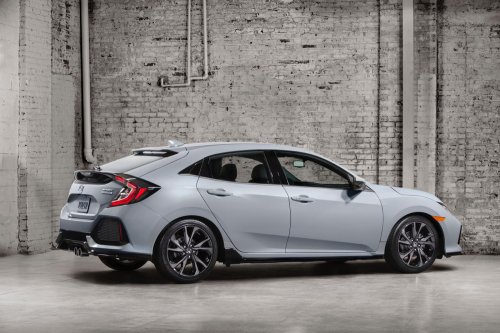
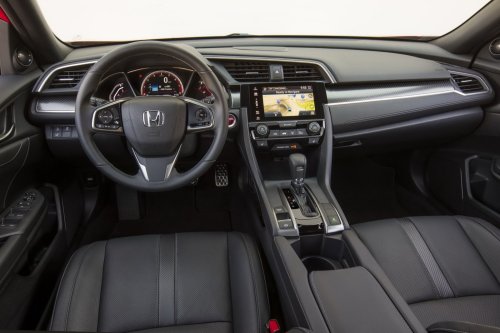
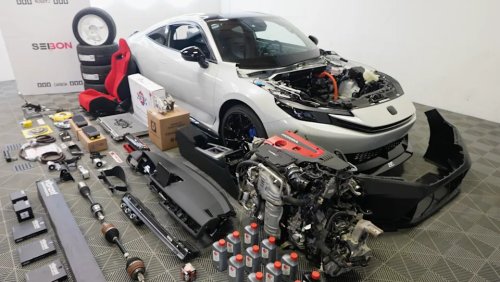
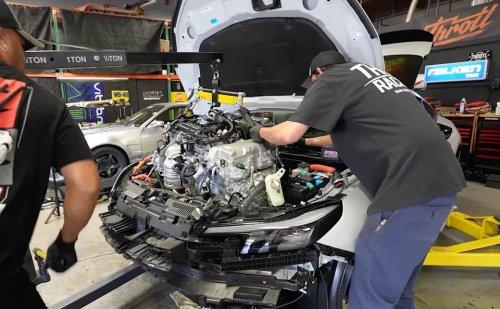
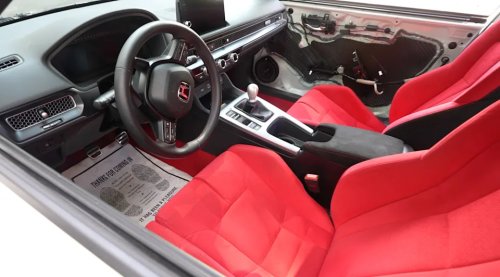
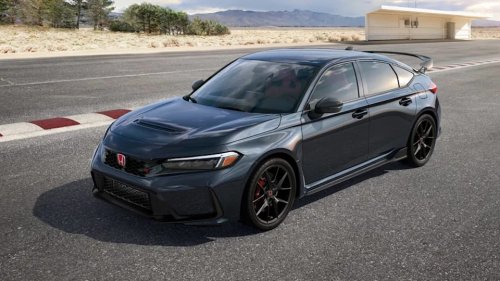
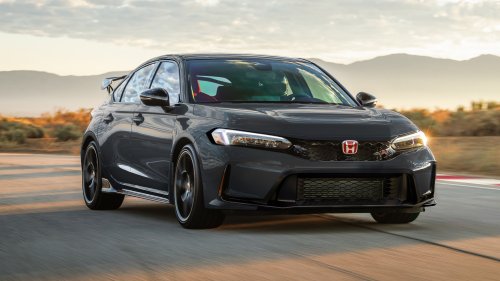
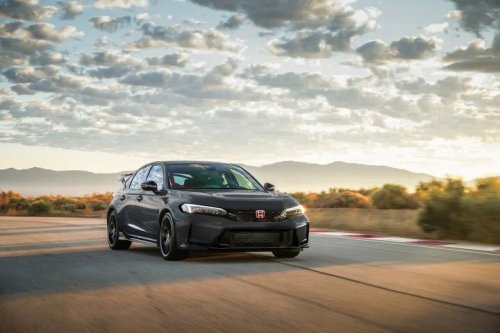
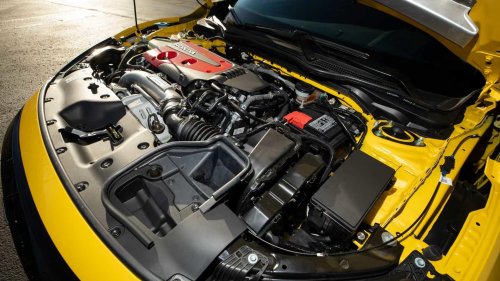
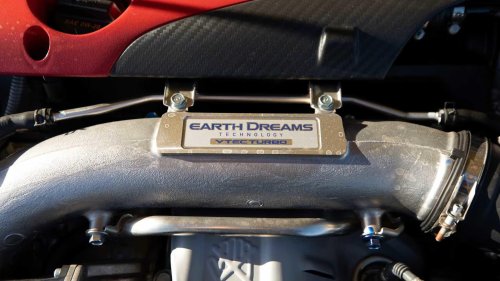
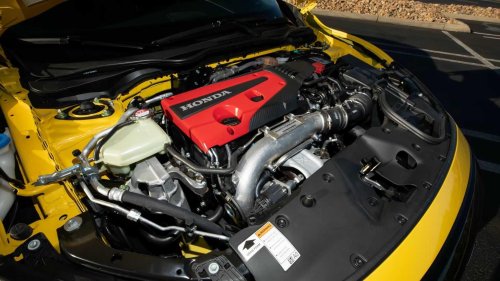
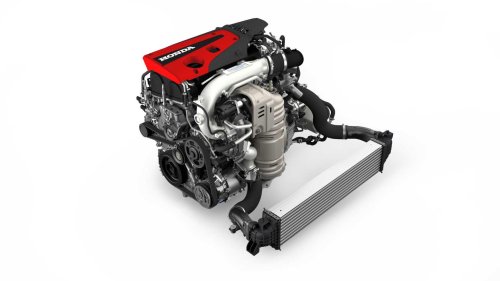
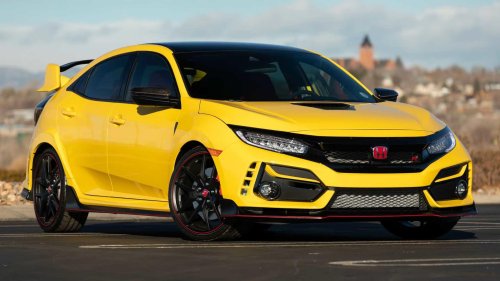
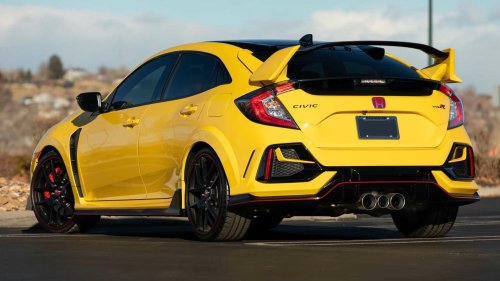
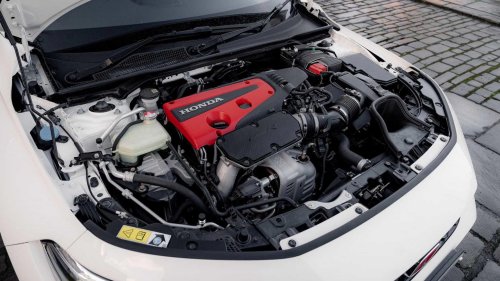
Honda spent decades being called out for building engines with no torque. Lawnmower engines, the critics said. Screamers that needed to be wrung out to 8,000 rpm before they woke up, with the kind of low-end torque delivery that made merging onto a highway feel like a philosophical exercise. That reputation was not entirely unfair. The naturally aspirated engines that defined the brand's performance identity were genuinely extraordinary things, but they asked a great deal of the driver in return. Then Honda built a turbocharged engine for the Civic Type R that produces 295 pound-feet of torque at 2,500 rpm, and quietly made every lawnmower joke obsolete. What the performance community is still catching up to is that this engine was not just built to make torque. It was built to last, and the internal specification suggests Honda had something far more demanding than road use in mind when it drew up the engineering brief. Most Performance Turbocharged Engines Have A Ceiling Mecum Auctions Most turbocharged performance engines have meaningful headroom above their factory output. Remapping a performance hatchback for an extra 50 to 100 hp above stock is routine and well-documented, and the results are generally reliable when done correctly. The internal components of most factory performance turbo engines are built to handle the factory output comfortably, with enough margin to absorb a modest increase in boost pressure without drama. The K20C1 is unusual because the gap between what its internals can handle and what the factory asks of them is not modest. It is substantial, it is documented by the tuning community in independent testing, and it appears to have been deliberate. The components inside this engine are not what a manufacturer specifies if all they want is 306 hp. They are what a manufacturer specifies if they want the engine to be effectively indestructible at 306 horsepower, and somewhat less than indestructible at considerably more. Honda Did Not Build This Engine To Live At Factory Output Mecum Auctions Before examining the K20C1 specifically, it is worth establishing that building overengineered performance engines is not a new habit at Honda. The B18C engine that powered the DC2 Integra Type R produced 197 horsepower from 1.8 naturally aspirated liters, a specific output that matched or exceeded every mass-market production engine outside of Ferrari at the time. Each cylinder head was hand-ported and polished. The rotating assembly used lightweight connecting rods, a stiffer crankshaft, and forged high-compression pistons. The B18C was not built for 197 horsepower. It was built as if 197 horsepower was a starting point. The naturally aspirated K20A that powered the DC5 Integra Type R extracted 220 horsepower from 2.0 liters at 8,300 rpm, or 110 horsepower per liter, from an engine available at a mainstream dealership. Honda's engineering culture, particularly within the Type R program, has consistently produced engines that operate well below their structural limits at factory output. The K20C1 continues that tradition with a turbocharger attached.The internal specification of the K20C1 reads like the parts list for a racing engine that has been tuned down for road use rather than a road engine that has been tuned up for performance. The block contains a forged steel crankshaft with micro-polished journals for friction reduction, heat-forged high-strength steel connecting rods, and lightweight pistons with F1-style internal cooling galleries that carry oil through channels inside the piston crown to reduce temperature in the ring area under load. A low-friction molybdenum coating applied in a dot pattern covers the piston skirts. The cylinder walls are lined with cast iron sleeves rather than running directly on the aluminum block, and the main bearing caps are reinforced. The Mitsubishi TD04 turbocharger runs 22.8 PSI of boost through a high-capacity air-to-air intercooler. The exhaust manifold is integrated directly into the cylinder head, shortening the path from combustion chamber to turbocharger and reducing thermal losses. The chain-driven dual overhead camshafts are made thin-walled and hollow to reduce rotational inertia, and the timing chain requires no scheduled maintenance. This is not how a manufacturer specifies an engine if the target is 306 horsepower and nothing more demanding than track days.Meet The Honda K20C1Link ImageThe K20C1 first appeared in the FK8 Civic Type R in 2017 producing 306 horsepower and 295 pound-feet of torque. The engine is made in Ohio. In April 2017, the FK8 set the Nurburgring front-wheel-drive lap record at 7 minutes 43.80 seconds, a time that remained the benchmark until a Renault displaced it in 2019. The FL5 that replaced it in 2023 uses the same K20C1 architecture with revised tuning, producing 315 horsepower and 310 pound-feet. The FL5 reclaimed the FWD Nurburgring record in 2023 with a time of 7 minutes 44.881 seconds on a circuit that had been extended since the FK8's record, making the two times directly comparable despite the FL5's nominally slower number.The torque figure deserves context. The B18C that enthusiasts spent decades celebrating produced 137 pound-feet. The K20A that succeeded it produced 142 pound-feet. The K20C1 produces 295 pound-feet at 2,500 rpm, which is a number that arrives before most naturally aspirated engines are properly warm. The lawnmower jokes stopped being funny somewhere around the first traffic light. Independent road testing confirmed the FK8's 0-60 mph time in the mid-5-second range, making it one of the fastest front-wheel-drive production cars available at its price when it launched. Owner reliability data across the FK8 generation consistently rates the platform highly, with the one documented recall involving a low-pressure fuel pump issue that was resolved under warranty at no cost to owners. What The Tuning Community Found Underneath Honda The most credible evidence that the K20C1 was overbuilt from the factory does not come from Honda. It comes from the shops that have taken the engine apart and pushed it beyond its rated output. Specialist testing confirmed that the connecting rods hold reliably at 400 horsepower, which was specifically noted as unusual for a Honda engine. The K20C1 is available as a Honda Performance Development crate engine at $6,519, sold to licensed competitors for racing applications at factory-fresh specification.Documented builds on stock internals have produced outputs of600 horsepower and above, with the engine's forged rotating assembly, cast iron sleeves, and reinforced main caps providing the structural foundation that makes these outputs achievable. The 22.8 PSI of factory boost is not the limit of the turbocharger. It is the factory setting. Tuners have run significantly higher boost on the stock TD04 with results the factory never claimed and the internal specification makes plausible. The K20C1 does not behave like an engine running near its structural limits at 306 horsepower. It behaves like an engine that has barely introduced itself. What Independent Data Says About Reliability Mecum Auctions The Civic Type R is a car that its owners drive hard, and reliability data for performance cars in this category carries different weight than data for economy vehicles. A car being tracked regularly and driven at ten-tenths on a weekend is not the same use case as a Corolla commuting to work, and owner reliability scores reflect that context. Owner rating data shows the platform performing well above average for the segment, a result that is consistent with the engine's internal specification and the tuning community's experience of running the engine at outputs significantly above stock without catastrophic failure. Current owner reviews across the FK8 generation consistently highlight the engine's durability as a strength. The one recall on the platform was a low-pressure fuel pump issue affecting multiple Honda models across the same period, resolved under warranty. The engine itself has not generated a pattern of documented failure at factory output across eight years of production and two generations of the Civic Type R. What A Used FK8 Costs Today Mecum AuctionsCurrent FK8 market data shows the value spread across the generation is relatively modest given the five-year production run, which reflects the sustained demand for a car produced in limited numbers that has not been matched on the used market for front-wheel-drive performance at this price. Low-mileage, unmodified examples with service records command a premium above these estimates. Modified examples, particularly those with aftermarket tunes or boosted output, trade at a discount relative to stock cars. The FK8 that has been remapped to 400 horsepower is not the same purchase as the one that left the factory at 306 horsepower, regardless of how the seller characterizes the work. Why The K20C1 Matters Beyond The Type R Collecting Cars The K20C1 is not a Type R exclusive. Its architecture underpins the FL5 with 315 horsepower from the same block, the same forged rotating assembly, and the same cast iron sleeves. It was sold as a Honda Performance Development crate engine for competitive racing applications. It set the FWD Nurburgring record in two consecutive generations of the same car. It is now approaching a decade in production across two Type R generations without generating a pattern of documented engine failure at factory output. That is not a record that arrives by accident. It arrives because an engineering team looked at the target output, understood what the engine would be asked to do in the hands of the buyers it was designed for, and built it to handle considerably more than either. Honda spent thirty years being told its performance engines had no torque. The K20C1 has 295 pound-feet of it, arriving at 2,500 rpm, in an engine that the tuning community has demonstrated can handle more than twice the factory output on stock internals. The lawnmower jokes are finished.Sources: Motor Reviewer, Engine Builder Magazine, Edmunds, JD Power, Kelley Blue Book, CivicX Forum, Honda, Mecum.



















 +63 others