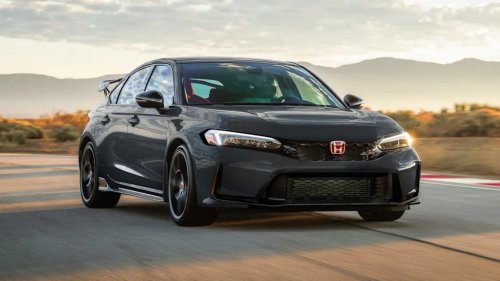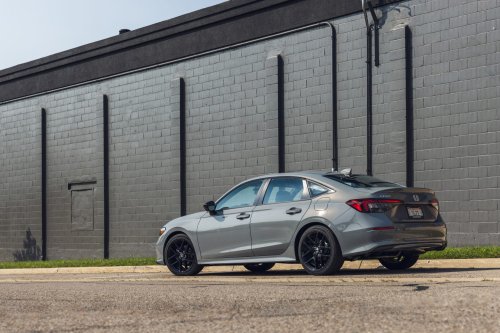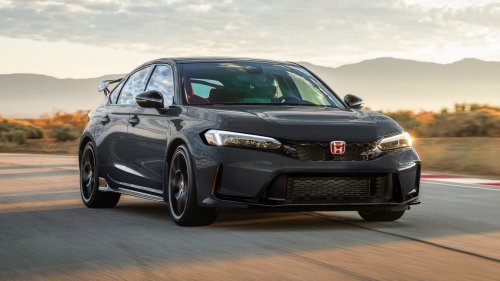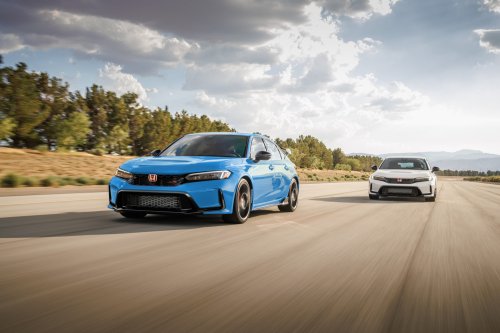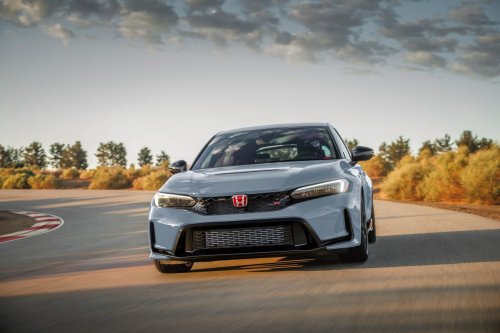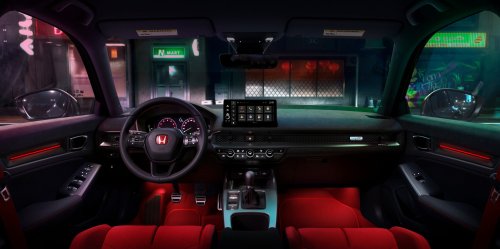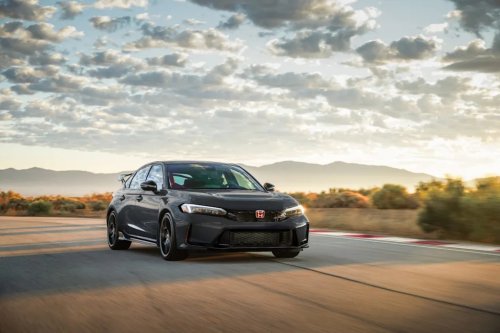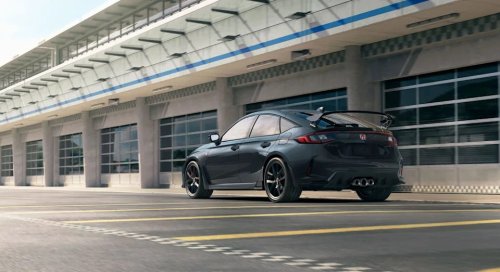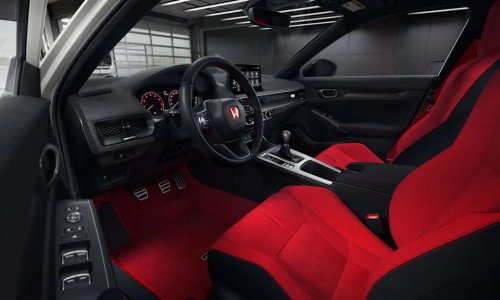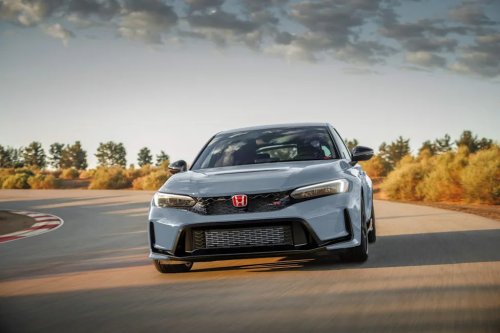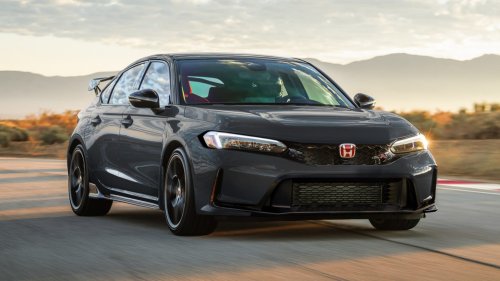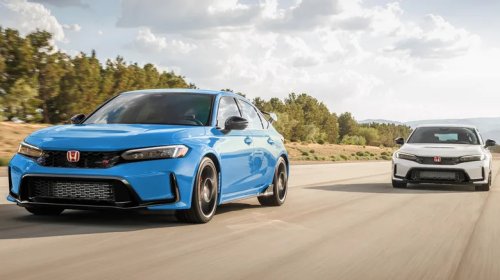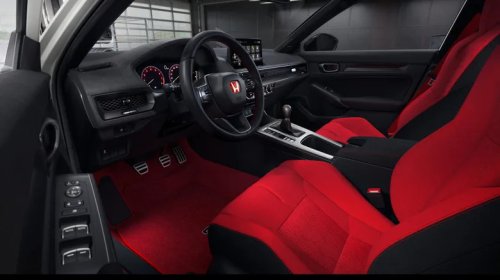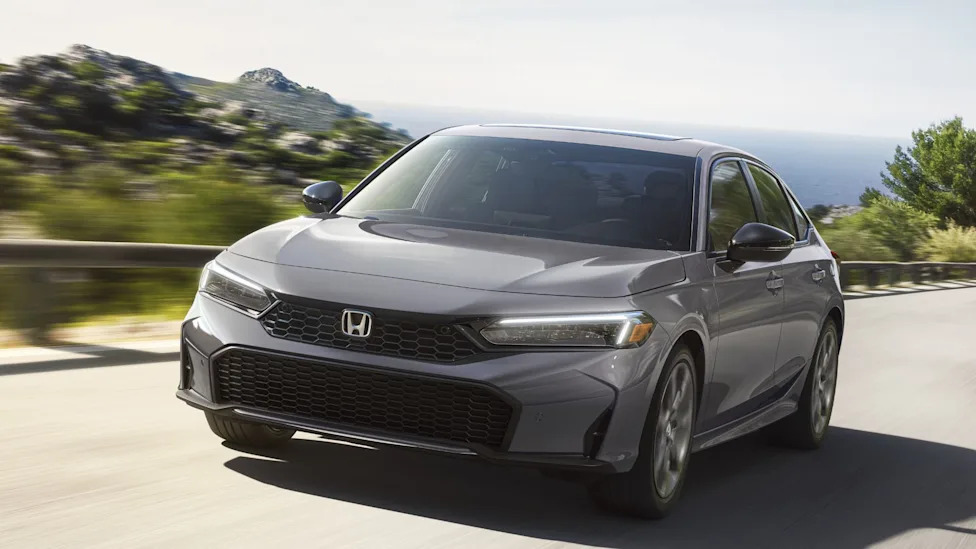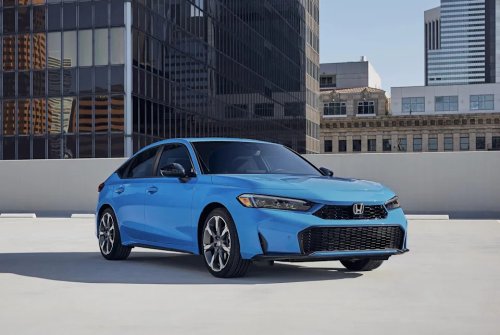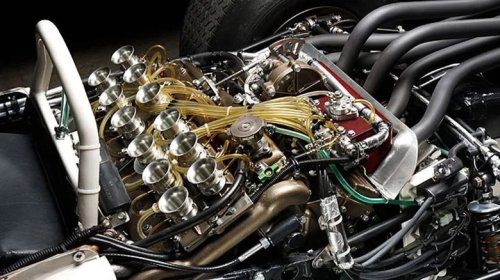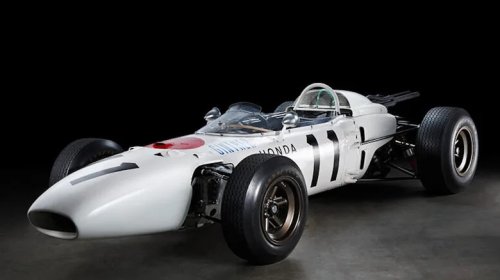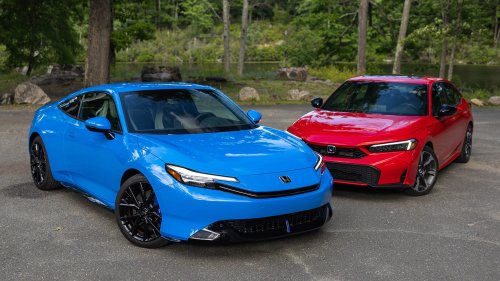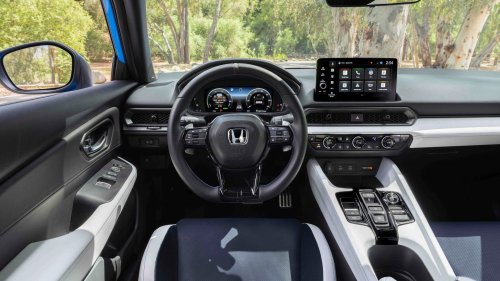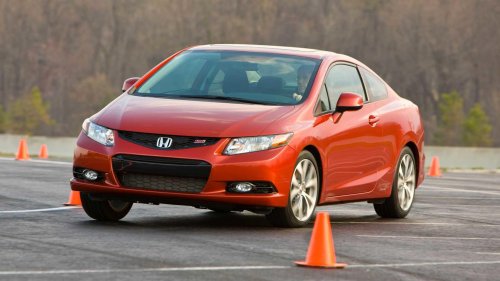
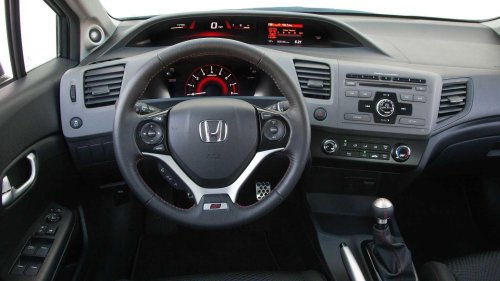
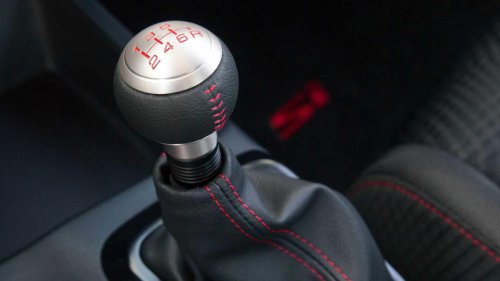
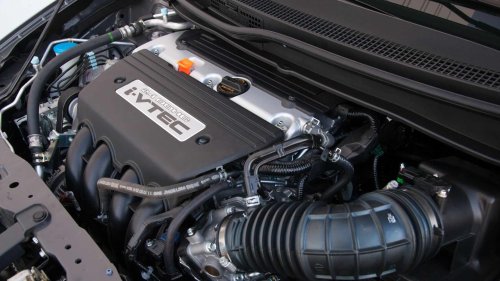
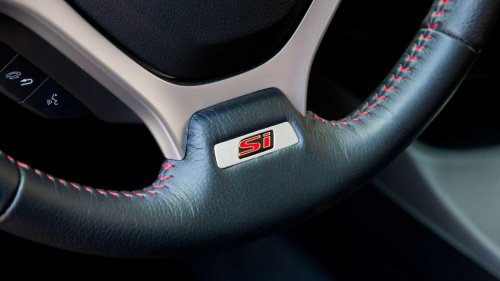
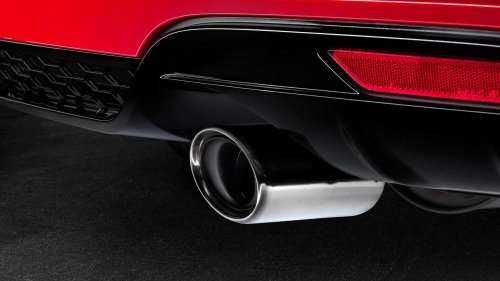
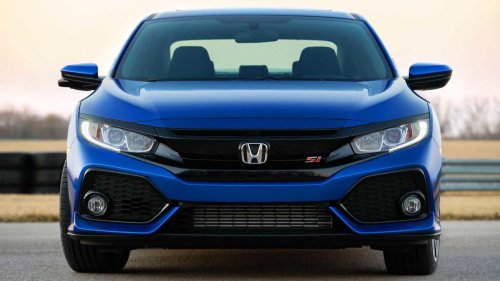



















For decades, Honda models built to bring a sporty driving experience to mainstream cars on the cheap wore the 'Si' badge. Whether you're talking about Honda's '80s fuel-economy champion, the CRX, or a more modern Civic, the Si badge was reserved for affordable Hondas that delivered an extra helping of power and fun. Among these, the Civic Si was the most popular, connecting with generations of value-minded driving enthusiasts by building a solid reputation as a reliable and everyday-friendly performer that was easy to live with.By the time the 10th generation Civic and its Si variant rolled around for the 2016 model year, there was a fundamental shift in engineering that changed the character of the Civic Si forever and made the final copies of the outgoing 9th-generation car a sort of 'last-of-its-kind' offering: the final Civic Si with a naturally aspirated engine. Today, the data says you can pick one up for $20,000 or less. Below, we'll take a look at the final generations of naturally aspirated Civic Si, and the turbocharged Civic Si that followed. The K20 Era An 8,000 RPM RoarHondaThere are various ways to make an engine more powerful: These include making it bigger, adding forced induction, or adding electric motors as in a hybrid. Another way to make an engine more powerful is to make it spin faster. In the '80s and '90s, Honda excelled at this, and the high-output engines found in its sportiest models resonated with driving enthusiasts who loved engines that revved. Many of these ran some version of the Valve Timing Electronic Control (VTEC) system, which could switch to a more aggressive valve timing profile as the revs climbed, unlocking maximum power. Listen closely with your foot down, and you could hear the engine sound switch from a growl to a snarl as the tachometer closed in on redline and the power curve kept swelling.Honda There are pros and cons to this approach, but the novelty and thrills of a three-pedal economy car that could rev to the moon helped Honda sell a lot of machinery. This was a special sort of fun. For generations, the high-revving VTEC engine was the centerpiece of Honda's performance offerings, which also included a manual transmission, limited-slip differential, upgraded cosmetics and instrumentation, and special suspension tuning.This all started to come together very nicely toward the end of the Civic Si's time with naturally aspirated power. In 2006, the eighth-generation Si hit the road with a 2.0-liter four-cylinder called the K20 that could reach 8,000 RPM before absolutely hammering its rev limiter, frantically flashing a red LED in the cluster to request you grab the next gear.Honda It was low on torque, but might have been the most entertaining four-cylinder engine of its era. In this application, the K20 needed a lot of revs to be responsive, leaving some drivers wishing for more low-rev torque, a specialty of the Si's growing number of competitors who were widely adopting turbo engines. These included the Ford Focus ST, Fiat 500 Abarth, Hyundai Veloster Turbo, Mini Cooper S, Subaru WRX, Volkswagen GTI, and Mitsubishi Lancer Ralliart - all running turbo power while Honda stood its ground with an all-motor configuration for the fans. The K24 Era Smoother And QuickerHondaIn 2012, the ninth-generation Civic and Civic Si arrived, and the torque problem was addressed with an updated engine. The new 2.4-liter unit was called the K24. Compared to its predecessor (the K20) in the previous eighth-generation Civic Si, the K24's redline dropped by over 1,000 to a more pedestrian 6,800 rpm. It added four horsepower and, more importantly, 31 lb-ft of torque. When it comes to 0-60 mph times, it's the quickest Si on the chart, complete with a tweaked VTEC system, which now included a digital gauge to watch the system's operation in real time.Honda Still, not everyone was happy with the change. The 8,000-rpm redline was a major party trick from the previous car, and with just 6,800 rpm available for the new engine, some (your writer included) longed for the higher revs and more impressive power-per-liter figures of the previous engine, despite the advantage in torque response and acceleration from the new one. When it comes to power-per-liter, the earlier K20 engine was a champ, but the K24 offers a similarly entertaining feel.!!!MODEL TAG!!! Listing Carousel 2020 Honda Civic Si Coupehttps://carbuzz.com/cars/honda/civic-si-coupe/2020/The K-series engine powering the final two naturally aspirated Civic Si generations was also commonly called the most reliable Honda engine of all time, tracing its roots back to 2001 and counting more than a dozen models among its users. It was also designed to be modern but simple: easily serviced by owners who might choose to modify theirs, or do some of their own maintenance and repairs. The K-series engine also used a relatively low compression ratio to avoid overly stressing important parts inside.Honda You may or may not want to modify your new-to-you Civic Si, but if you do, you've got plenty of resources and selection. The K-series engine ran long enough to become familiar to the automotive community, which has done a great job of curating guides, videos, discussions, and outlines in popular forums. Whether you're after a look at common issues and how to fix them, favorite brands or products for parts, or some help with DIY maintenance, you'll find plenty of information by checking out an online forum or owners' community. The Turbo Era Goodbye Natural AspirationHondaHonda's expertise with naturally aspirated engines might be why it was late to the turbocharging party. It was only 2016 by the time the first Civic (and Civic Si) left the factory with turbocharged power, in the form of a new 1.5-liter four-cylinder engine. The K-series engine was gone, and the new turbo-four was from Honda's L-series instead. The 10th generation Civic Si now had 205 horsepower, but torque had climbed to 192 lb-ft and was now available at half the revs of the previous engine. Though the previous K24-powered Si was slightly quicker, the new turbocharged engine felt punchier more of the time, and used 28% less fuel in the combined cycle, giving shoppers a major win-win.Plus, the new turbo engine could be easily tuned for more power on the cheap, though factory-installed clutches were known to have a relatively short lifespan, and more power could take years off of their life without an upgrade.So, while a used Civic from the turbo era makes better use of your fuel dollars and can be easily tuned for extra power on the cheap, the K24- and K20-powered generations before it amount to long-proven and familiar choices for drivers hoping to take in a bit of that 'old school' all-motor VTEC charm. Happy shopping.