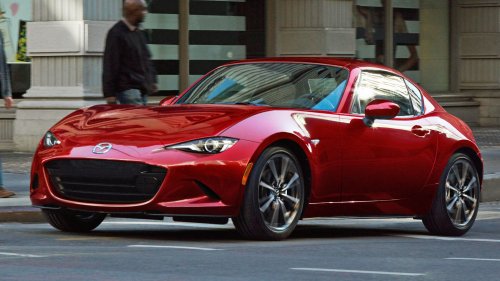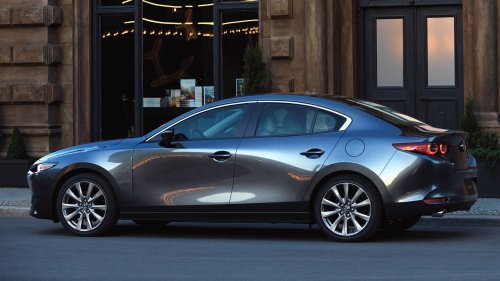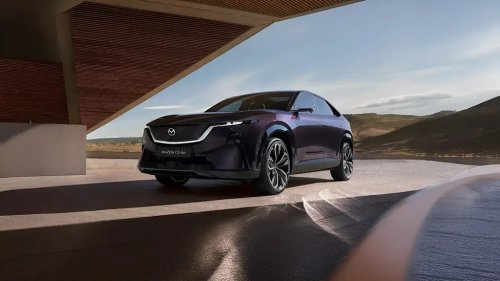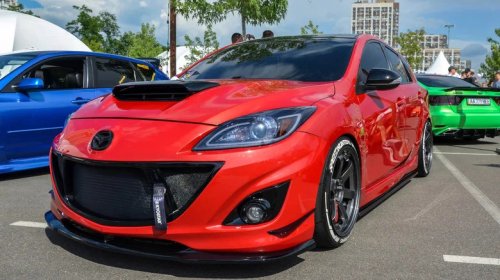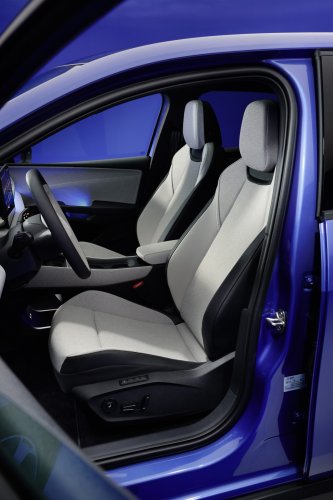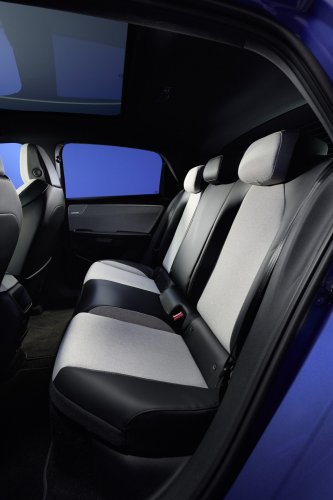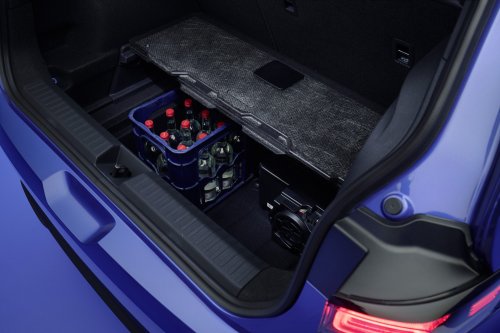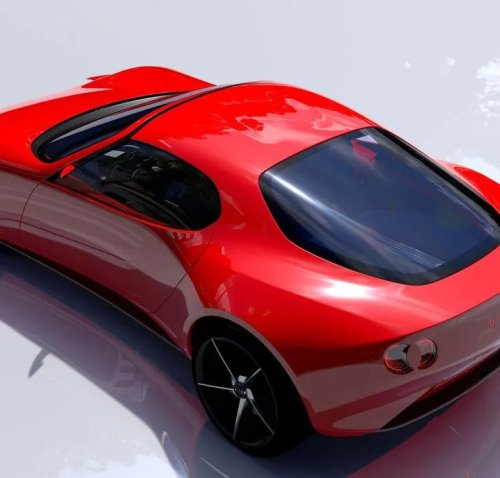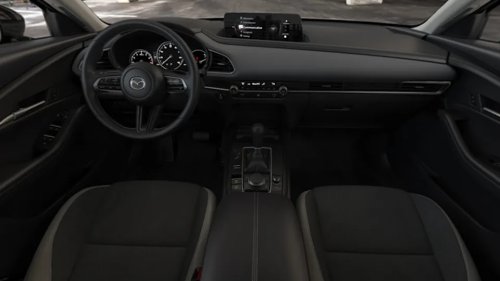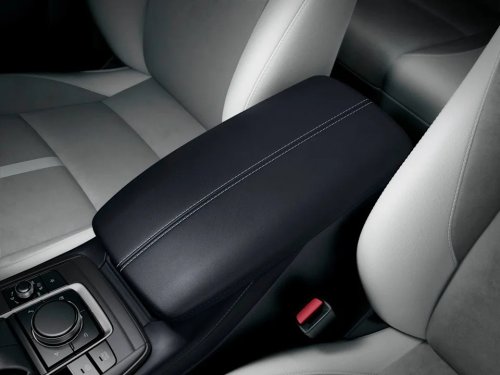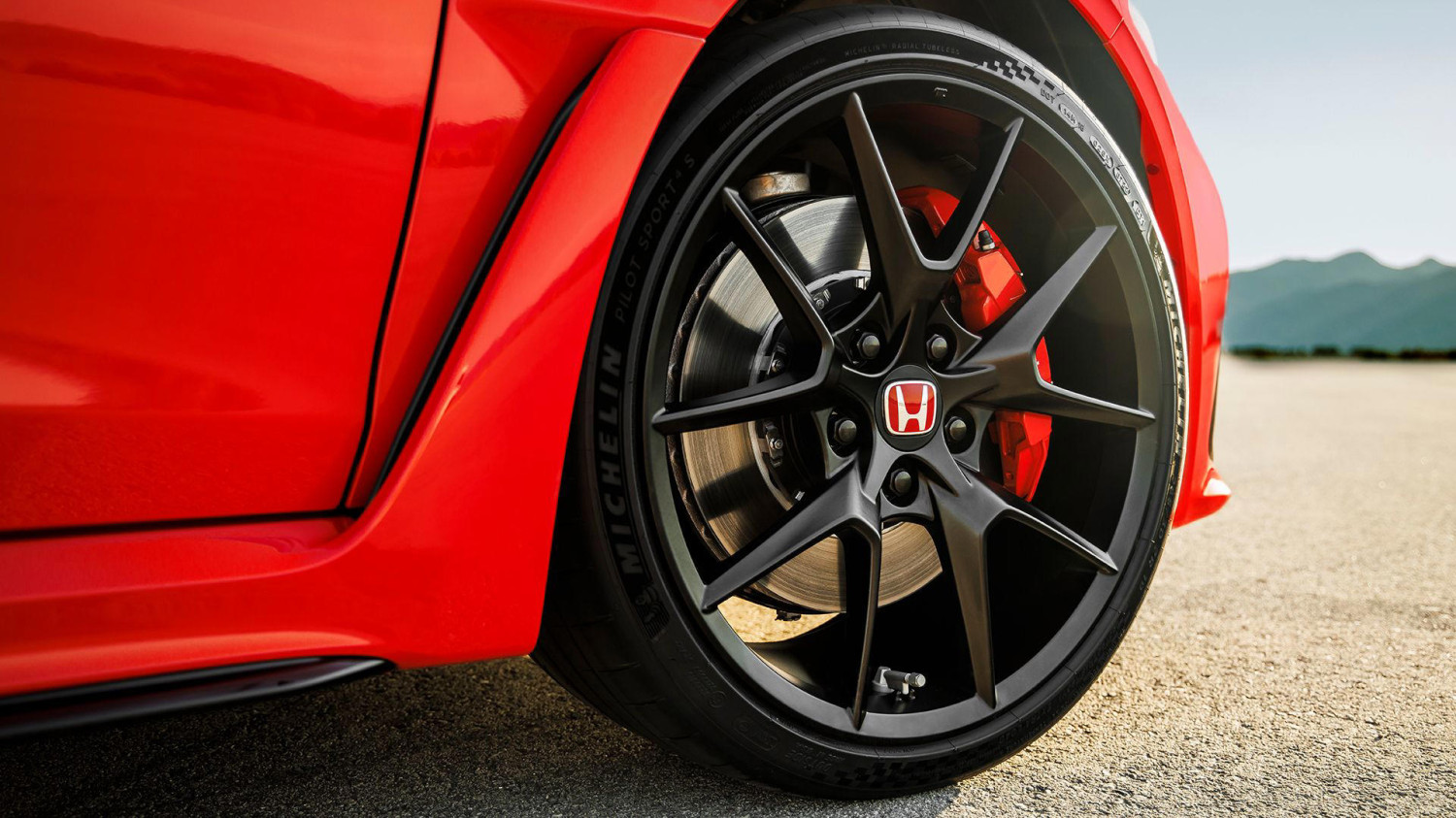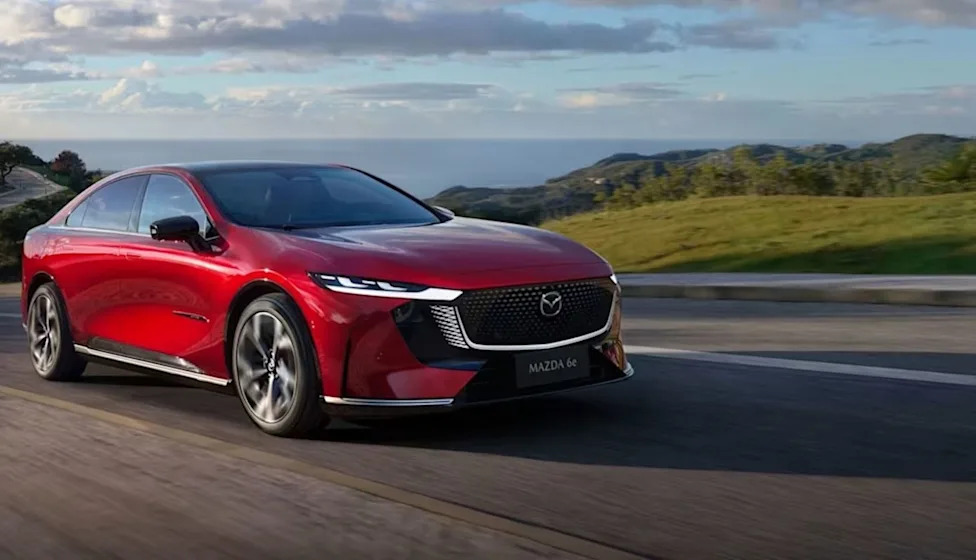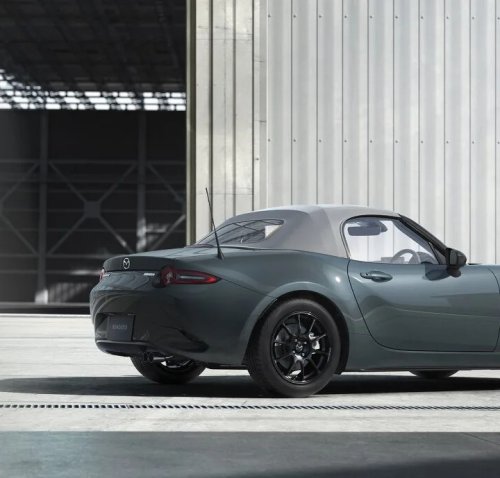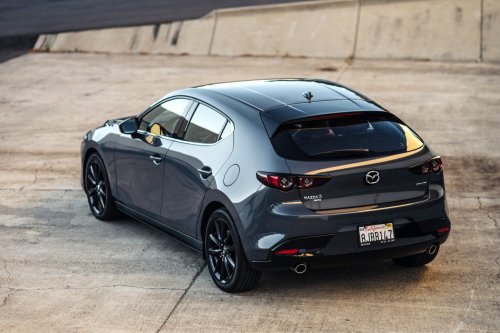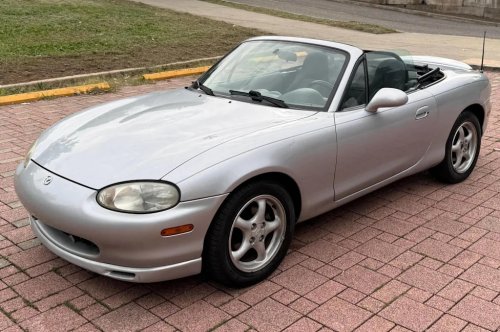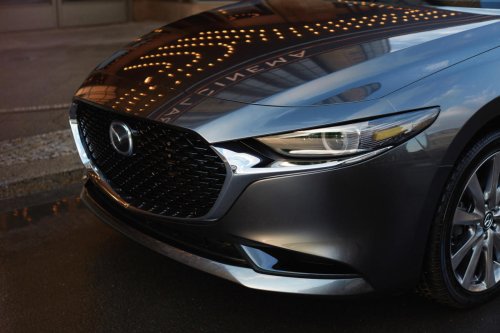
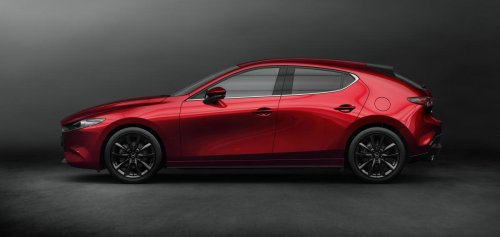

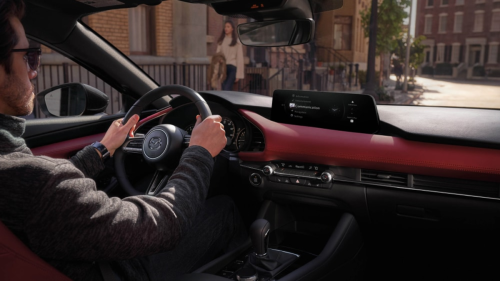
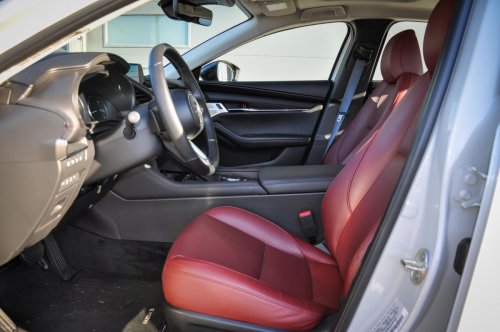
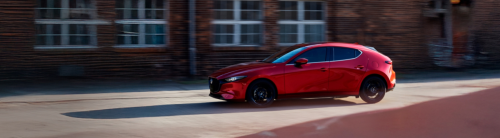
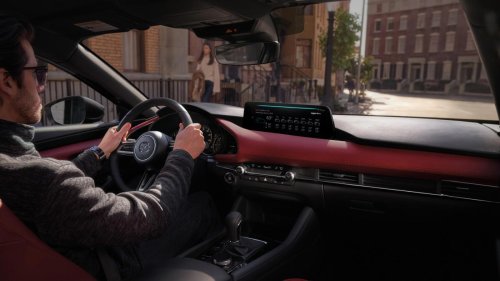
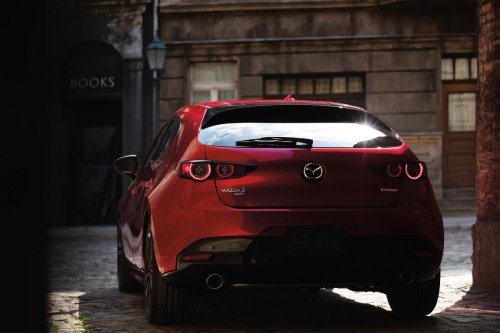



















Over the past decade, sales of manual (stick-shift) transmissions have declined rapidly. Right now, fewer than 30 models for sale in the United States offer a manual option. It accounts for roughly 1.7 to 2.4 percent of new car sales as of 2023-2024. Many automakers have completely abandoned manual transmissions, even enthusiast-friendly brands like MINI. Mazda has whittled its manual transmission offerings down to just two vehicles, the MX-5 Miata and the Mazda3 Hatchback. In the Mazda3, the manual is only available in the 2.5 S Premium trim. No other configuration, engine, or trim offers it, which feels limiting, especially for buyers who may want a simpler or less expensive version.Still, the Mazda3 Hatchback equipped with a manual transmission remains a genuinely enjoyable and thoughtfully executed vehicle. It is rewarding to drive, efficient, well equipped, and offers one of the nicest interiors in its class. In many ways, this little Mazda exists in a space that few competitors even attempt to occupy.p1j16803l 2026 Mazda Mazda3 Hatchback (FWD) — What’s New?Short answer: not much has changed, but what has changed focuses on value, packaging, and lineup simplification rather than a major overhaul.Mazda did not reinvent the Mazda3 for 2026. The formula carries over largely unchanged, which says a lot. This is a car Mazda still believes in, and it shows in the way they have refined it rather than reworked it.Most updates are subtle:Improved standard equipment across trimsSlight packaging tweaksMinor refinement updates to ride quality and cabin quietnessThis is evolution, not revolution, and that is not necessarily a bad thing. More Standard FeaturesMazda continues to add value in smart ways:An 8-speaker audio system is now standard across the lineupThe Bose premium system remains optional on higher trimsMore features are included at lower trim levelsThese are the kinds of incremental improvements that make the Mazda3 feel more premium without significantly increasing cost. It is very on-brand for Mazda.image Powertrain Tweaks (Small, But Worth Noting)For front-wheel-drive models with the 2.5-liter engine:Slight power adjustments in certain trimsRemoval of cylinder deactivationA small drop in fuel economy, about 1 MPG combinedIn real-world driving, the difference is negligible. If anything, the power delivery feels just as smooth and predictable as before. I did not notice any meaningful loss in performance during daily use. Still the Same Core PackageMechanically, the Mazda3 Hatchback remains familiar:2.5-liter four-cylinder producing 191 horsepower and 186 lb-ft of torqueFront-wheel drive standard, with all-wheel drive unavailable with the manualA 6-speed automatic for all non-manual modelsFuel economy for the hatchback remains solid:EPA estimated at 26 MPG city and 34 MPG highway, with some reporting up to 36 MPG highwayIt is not class-leading efficiency, but it is competitive and realistic.image Design and Interior TweaksThere are no dramatic changes here, but small improvements matter:New color and wheel optionsSlightly improved cabin insulationA quicker, more responsive infotainment systemThe interior continues to be one of the Mazda3’s strongest selling points. Materials, layout, and overall execution feel closer to entry-level luxury than mainstream compact. Everything is intuitive, clean, and driver-focused. Daily Driving the Mazda3 Hatchback with a Manual TransmissionTechnically, the Mazda3 manual does not have a direct competitor. Vehicles like the Honda Civic Si offer a fantastic manual paired with a turbocharged engine, but that is a sport-focused sedan with a very different mission.The Mazda3 Premium Hatchback leans more toward refinement and balance.It is not as powerful or as sharp as the Civic Si, but it does not try to be. Instead, it delivers a composed, engaging driving experience that feels more mature. It handles confidently up to its limits, with predictable behavior and good composure through corners. Push it hard enough, and the rear suspension can feel a bit soft, but it never becomes unruly.Ride quality is another interesting balance. It can feel firm over rough city streets, but it is still more compliant than something like the Civic Si. On smoother roads, it settles in nicely and feels planted.Steering is well-weighted with a genuine sense of feedback. You always have a clear idea of what the front wheels are doing. The real highlight, however, is the manual transmission itself. It is smooth, precise, and satisfying to use. Compared to many competitors, including some Subaru offerings, the Mazda’s shifter feels more refined and deliberate.This is not a raw hot hatch. It is something a bit more polished, and for many drivers, that is exactly the appeal. Final ThoughtsIf you are expecting a major update, this is not it. Mazda is maintaining the status quo because the underlying product is already strong.If you were worried Mazda might overcomplicate or dilute what makes the Mazda3 great, you can relax. It remains a compelling mix of style, comfort, technology, and genuine driving enjoyment.In a market that is rapidly abandoning manual transmissions, the Mazda3 Hatchback stands out even more. It offers something increasingly rare: a well-rounded, near-premium compact car that still lets you row your own gears.If anything, the biggest story here is what did not change. And in this case, that is exactly the point.