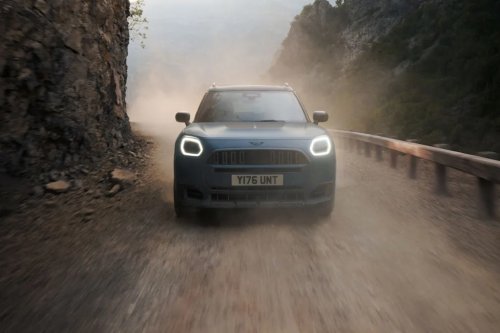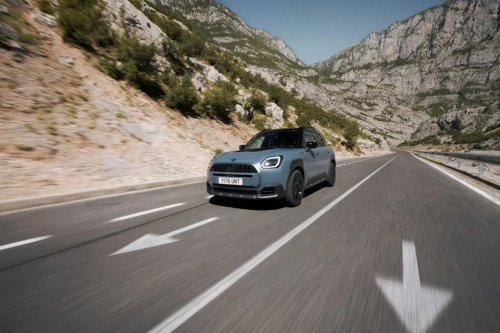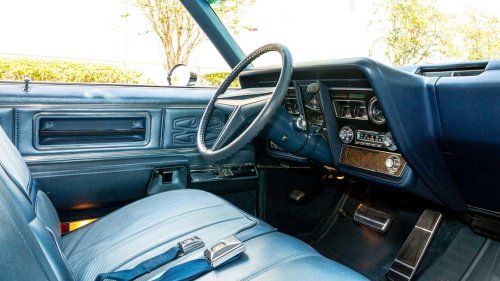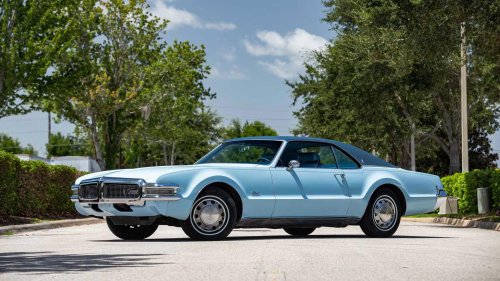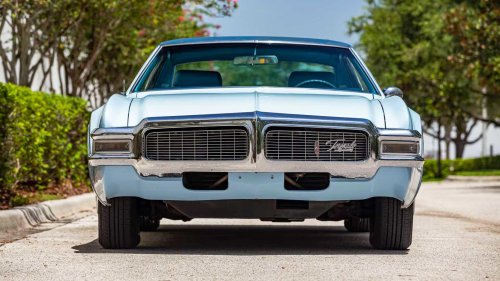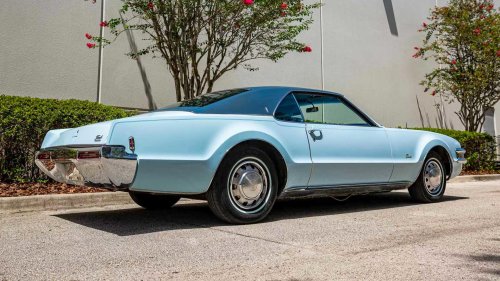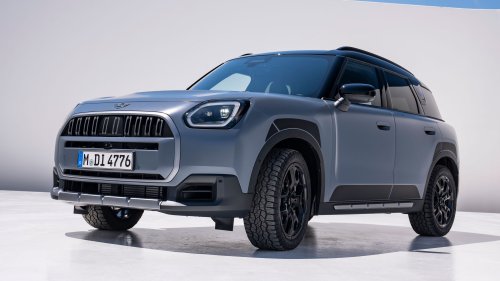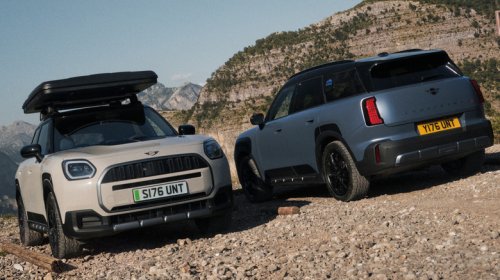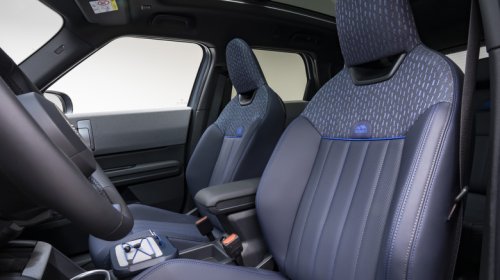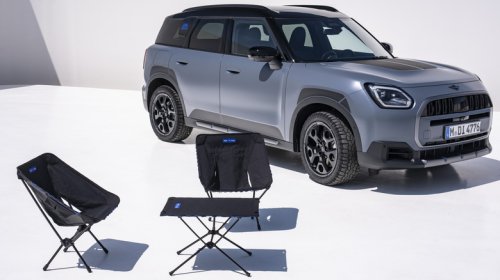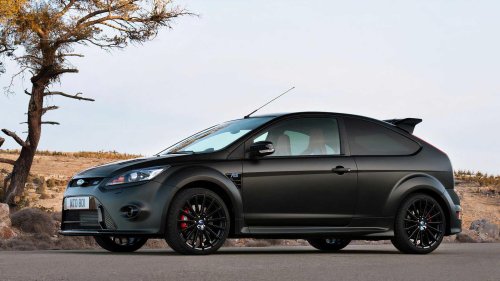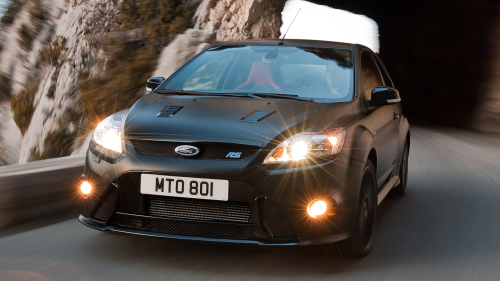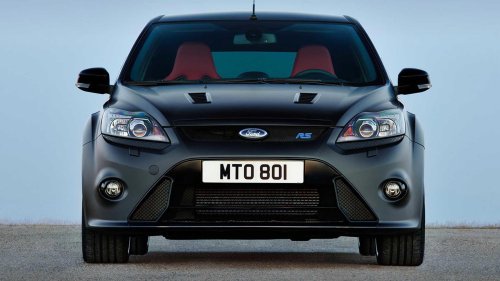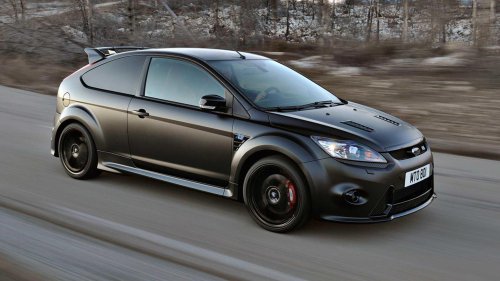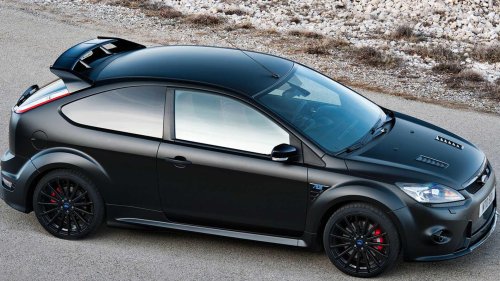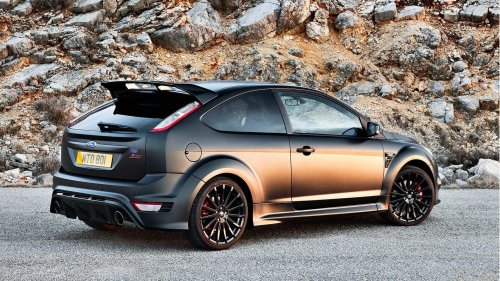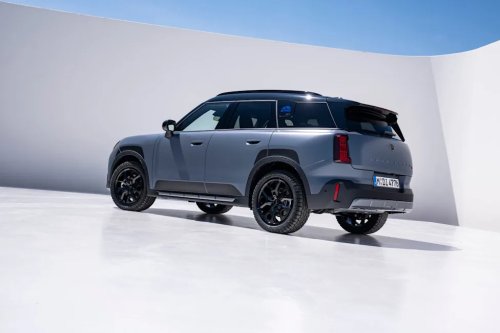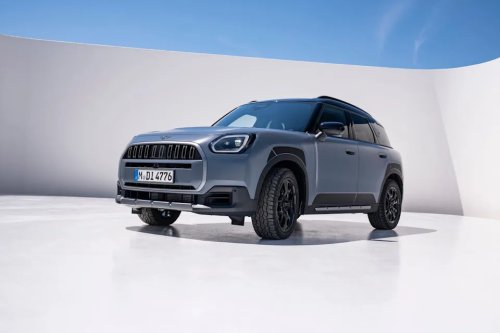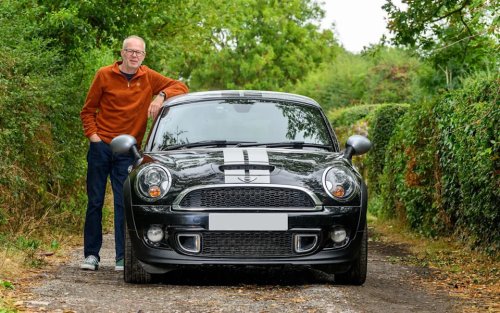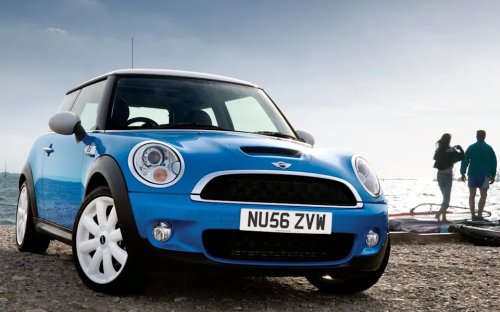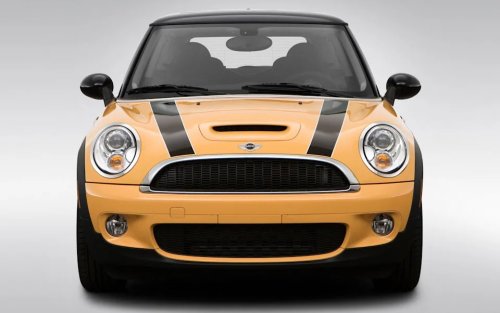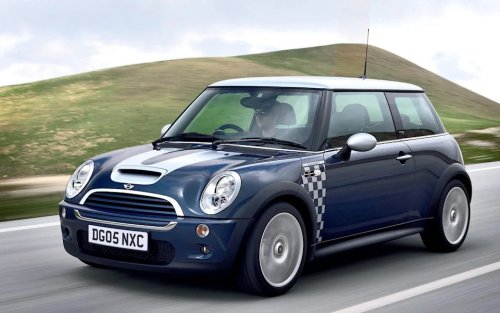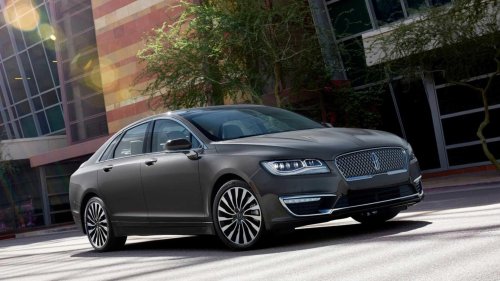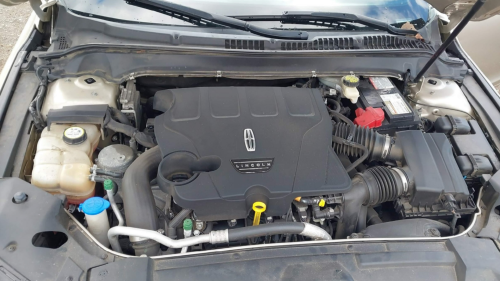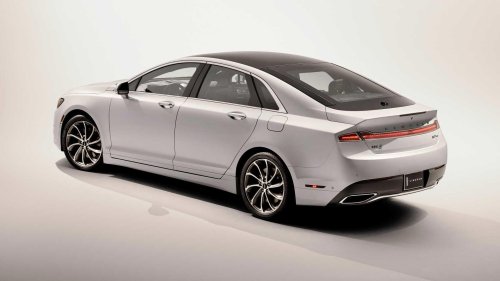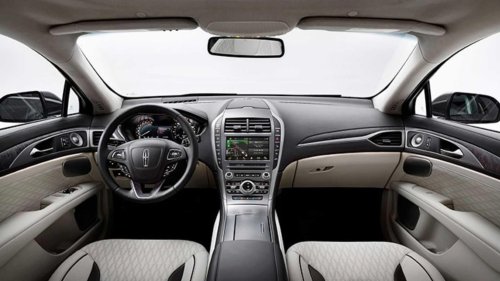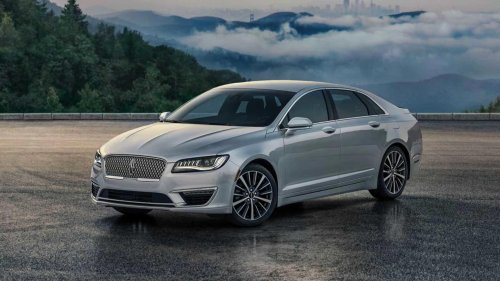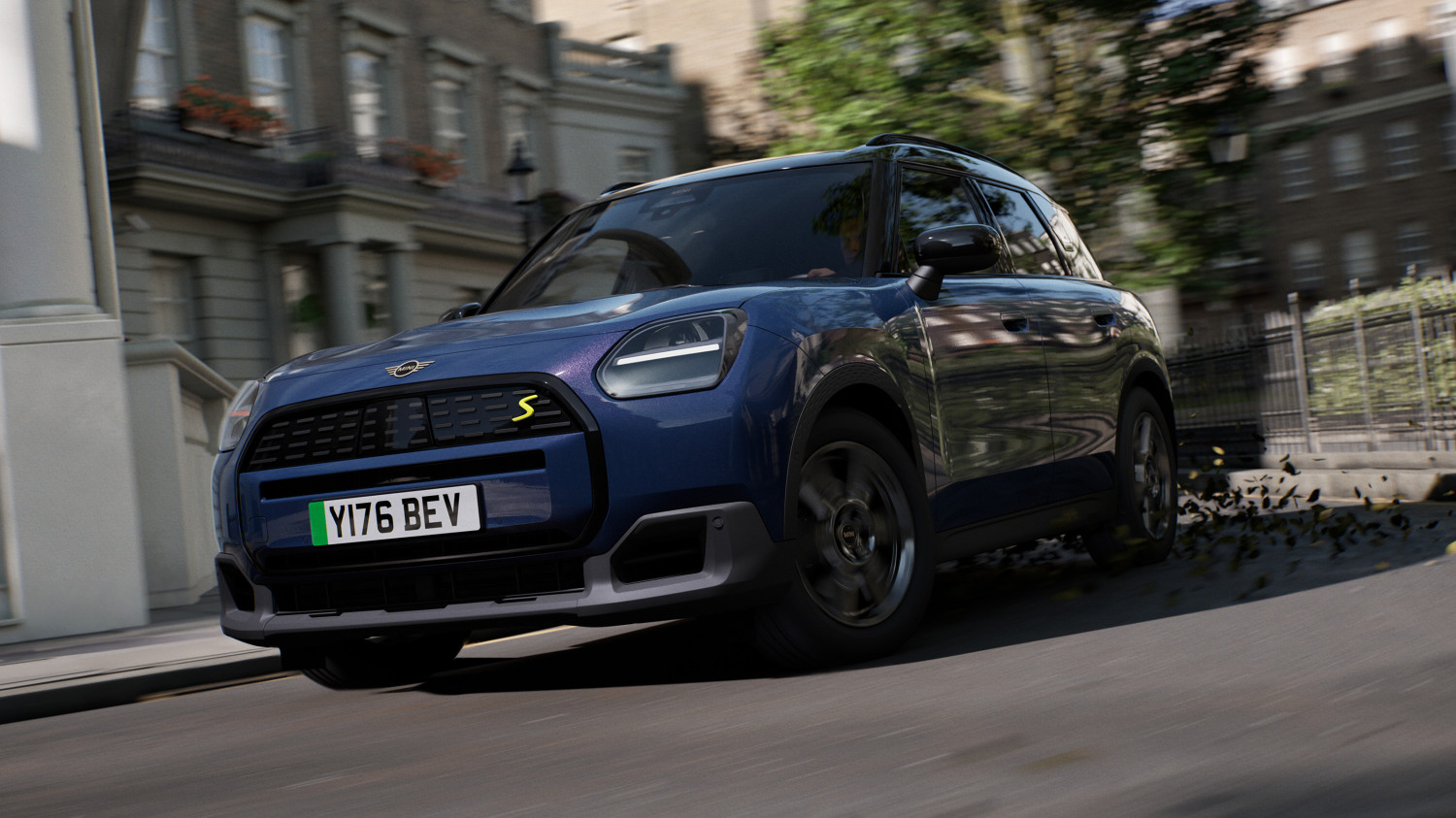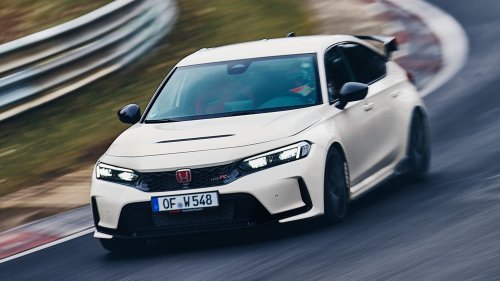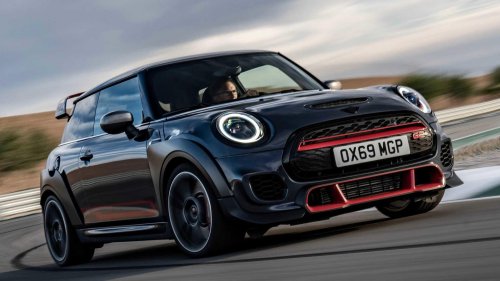
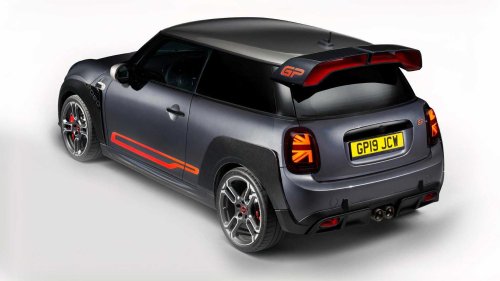
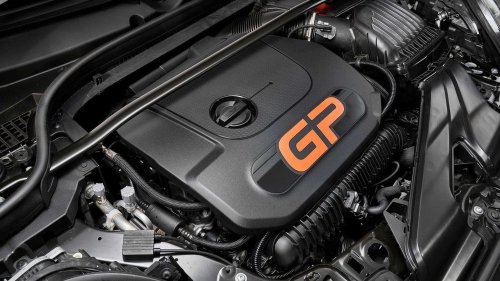
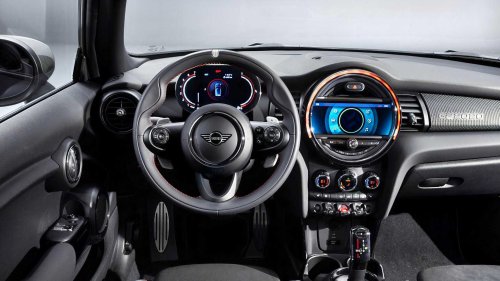
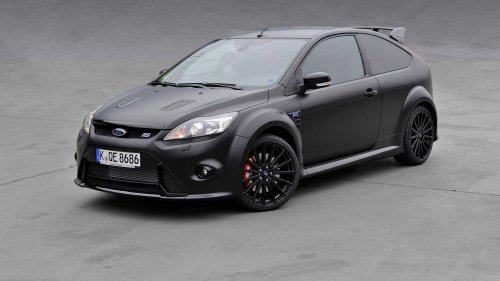



















Front-wheel drive is a bit of an oddity in the West. Traditionally, performance cars are muscle cars, and you wouldn't catch any self-respecting player from this segment channelling its V8 through the bow end. True, a couple of powerful American cars have done this, such as the 400-horsepower Cadillac Eldorado, but generally it's all about the front-engine, rear-drive set-up that sells fast cars. There is a reason for this, of course: rear-wheel-drive cars have better traction under acceleration, as well as a propensity for oversteering rather than understeering, which can make them more adjustable in the right hands – and more fun, of course, especially if you are into drifting.That said, front-wheel-drive, which was pioneered by Citroën in its Traction Avant, offers more security and better packaging, especially in small hatchbacks, due to the lack of a central driveshaft taking up space. And, as proven several times by the best French hatchbacks (such as the Peugeot 205 GTI), front-wheel-drive doesn't necessarily mean that a car isn't fun.But while front-wheel drive has come a long way, there is a limit to its application. You don't see any supercars running around with this configuration, that's for sure. So how fast is the fastest front-drive car ever sold? HotCars went on the hunt to find the fastest front driver, and you may be surprised to find out exactly how fast it is. Let's put it this way, a few years back, this would have been supercar quick... The Mini John Cooper Works GP Is The World's Quickest FWD Car Via: Mini In 1994, BMW bought the Rover Group, which included Land Rover, Rover, MG and, importantly, Mini. Two years later, it was confirmed that there would be an all-new Mini for the new millennium. Despite the new BMW-developed Mini not going on sale until 2001, potential customers got a pretty good idea of what it would look like at the 1997 Frankfurt Motor Show. A very production-ready-looking R50 Mini was shown off to visitors, with very little change when the car hit the roads.Obviously, as we all know, the Mini was going upmarket. The original Mini, penned by Sir Alec Issigonis, was launched in 1959 and is considered to be the first modern motor car, a city-friendly small car called the Austin Seven, with genius packaging and fuel economy in mind. Of course, the original Mini Cooper S turned out to be a giant-slayer, winning the Monte Carlo rally and proving a success on the track. The BMW Mini had a tough act to follow. The GPs Always Sit At The Top Of The Mini Tree Mini Luckily, BMW knows a thing or two about making cars, even if front-drive wasn't something that the company worked with at the time (the first front-wheel drive BMW was the 2014 BMW 2 Series Active Tourer). Soon, the R53 Cooper S was unveiled, complete with a supercharger, and there were various JCW bits that could be added to make the small hatchback even faster. But then came the new Mini's serious entry into hot hatch legendary status. In 2006, BMW launched the bonkers Cooper S Works GP. This manic Mini was limited to 2,000 cars, built by Italian coachbuilder Bertone for added kudos.The original had four-spoke alloys that looked like airplane propellers, and benefited from some serious weight saving, particularly thanks to the rear seats going in the dumpster. The suspension was lower and stiffer, there was aero everywhere, and the Mini came fitted with a limited-slip differential at the front. The GP (aka the GP1 JCW) can hit 60 mph in less than 6.5 seconds too – serious figures for a Mini, let alone any hatchback 20 years ago. With the GP, BMW had proven the Mini was more than a stylish way to go shopping downtown; it was a legit hot hatch for the ages. But there was more to come. The Mini GP Got Serious In 2019 Via: Mini Next came the Mini GP for the R56 generation, arriving in 2013. The mk2 John Cooper Works GP was Mini's fastest ever car at the time, with a sprint to 60 mph in 6.3 seconds and a top speed of 150 mph. This turbocharged tearaway also had missing rear seats and a body kit, but somehow it seems a little more forgotten than the original, perhaps because it felt like a revisit to the theme rather than anything new. The third GP Mini sought to change that by taking the Mini to the limit of what is possible for a front-drive hatchback, at least when it comes to straight-line acceleration. Introduced in 2019, the new MINI John Cooper Works GP seemed to be a wake-up call for anyone who thought that Minis were just turning into sprightly electric runabouts.Find [[default_name]] and more cars for sale on our MarketplaceShop Now The Third GP Set New Standards For Front-Drive Cars Mini Again, the new GP would be the fastest Mini ever to grace public roads, but it was a lot faster than the R56. Whereas that car had 218 horsepower, the third-generation GP has 306 horsepower – a power hike of 75 horsepower over the standard JCW Works – from its 2.0-liter 4-cylinder engine with MINI TwinPower Turbo Technology. The new GP also has a unique sports exhaust system, 8-speed Steptronic sports transmission with integrated mechanical differential lock for the front wheels, a bespoke chassis design and set-up, lowered suspension by 10 mm, and rear-seat delete.Probably the most outrageous thing about the GP, aside from its power, was the flared carbon wheel arch covers, which sit outside the bodywork. Then there is the performance. The GP, when independently tested, turned out to be the fastest front-drive car ever built when measured to 60 mph. The sprint to 60 mph takes 4.7 seconds, and the quarter mile is taken care of in 13.1 seconds. The top speed is an incredible 165 mph. How The 2019 Mini GP Stacks Up Against Other Front Drivers (Ford) There are a few models that come pretty close to the Mini GP in a sprint to 60 mph. The FL5 Honda Civic Type-R will hit the same speed in around 4.9 seconds, whereas the 2021 Hyundai Veloster N DCT is not far behind the Mini at 4.8 seconds.There are some non-hatchback contenders too, such as the 2021 Hyundai Sonata N Line, which will scorch to 60 mph in five seconds. Then there is the twin-turbocharged Lincoln MKZ, which has 350 horsepower, making it the most powerful front-driver of recent times (the Eldorado has more power). The Lincoln will hit 60 mph in 5.2 seconds. The 2010 Ford Focus RS500 is a true icon, with a 345-horsepower turbocharged 2.5-liter inline-five driving the front wheels.This feisty Ford will hit 60 mph in 5.6 seconds. Remember, we said that the GP would have been supercar quick a few years before? The 2000 Ferrari 360 Modena, with a 395-hp V8, hits 60 mph in 4.6 seconds. With hot hatches now struggling for the public's attention against the ubiquitous fast SUVs, and many fast small cars using all-wheel drive, it's hard to say how long this segment will continue for. For now, the Mini GP is the fastest of them all.Source: Mini