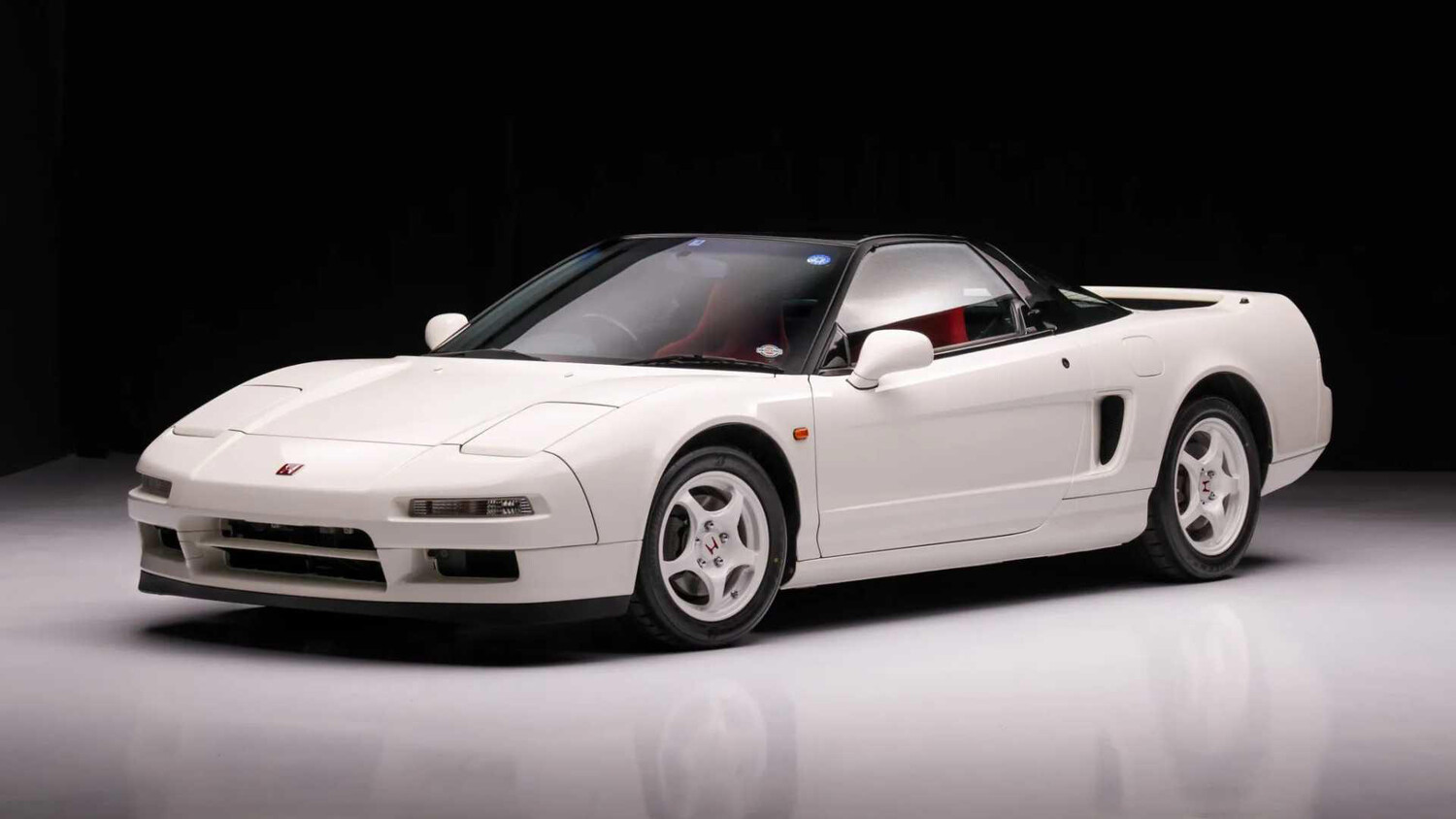
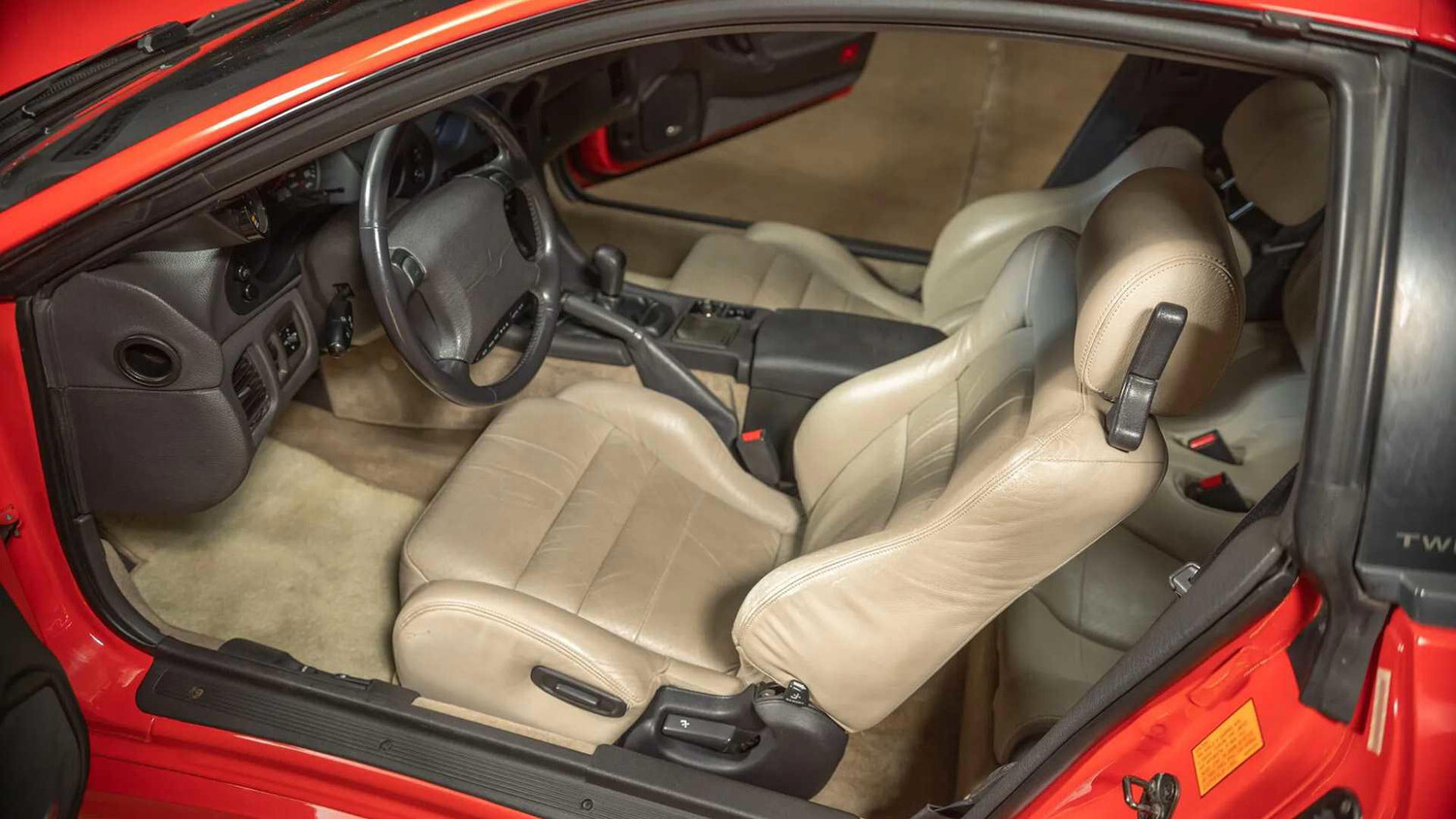
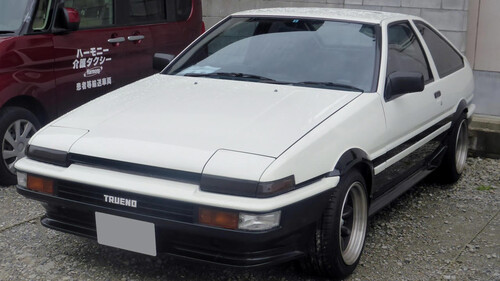
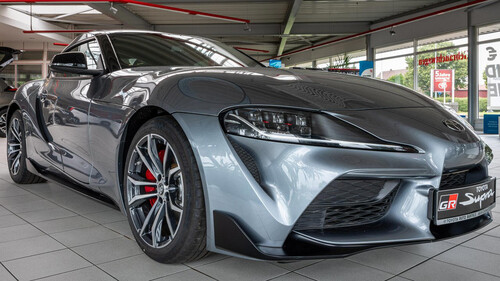
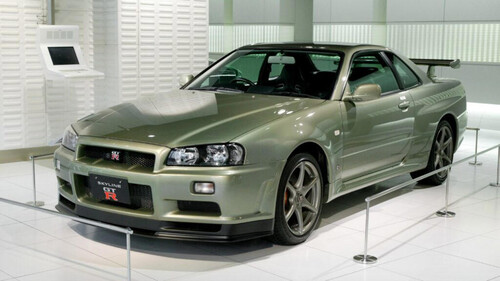
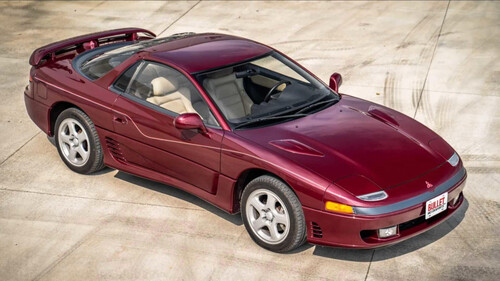
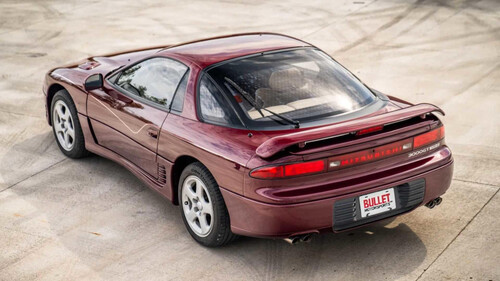
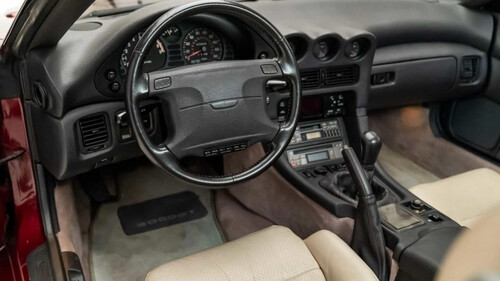
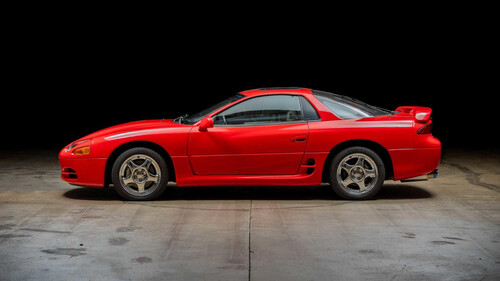
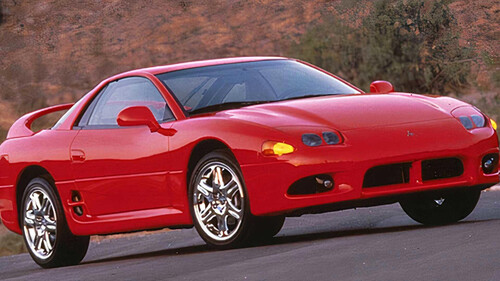
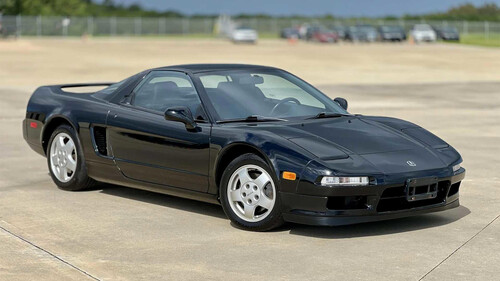
Imagine paying pickup truck money for a car packed with technology that European manufacturers were still figuring out how to price. In the early 90s, Japan was building high-performance sports cars that left very little room for those premiums to stick.The engineering was sharper, the features list was longer, and the sticker price was almost offensive in how reasonable it was. One Mitsubishi captured that moment better than any other, and most people still haven't heard of it. In The Early 90s, Japan Was Playing A Completely Different Game Bring A Trailer Something unusual was happening in Japan in the early 1990s. The economy was strong, the yen had real buying power, and the country's biggest automakers had quietly decided to go to war with Europe. Not on badge prestige or heritage or racing history, but on pure measurable capability. If you could build it better and sell it for less, the argument was already won.Toyota, Nissan, Honda, and Mitsubishi were all chasing the same thing: proof that Japanese engineers could out-think and out-build anyone in the world. The NSX made Ferrari engineers genuinely uncomfortable. The Skyline GT-R was a far more expensive machinery on track. The Supra was rewriting what a grand tourer could be, and it wasn't even the most technically ambitious car Japan was about to release.Bring a Trailer What made this era genuinely strange was the pricing. These weren't halo cars that chased profits, built to generate headlines and sell sedans. They were engineered to a real-world budget with real buyers in mind, and the people buying them knew exactly what they were getting. That combination of serious ambition and serious value created a window that has never quite opened the same way since, and one manufacturer walked through it further than most people realize. Meet The Car That Shouldn't Have Existed At Its Price Bring a Trailer The Mitsubishi 3000GT VR-4 arrived in 1991 and immediately made the competition look like it was charging too much. For somewhere between $35,000 and $38,000, you got a twin-turbocharged 3.0-liter V6 producing 320 horsepower, all-wheel drive, all-wheel steering, active aerodynamics, and an electronically adjustable suspension system. That was the standard package, straight from the factory floor.Bring a Trailer To put that in perspective, the Porsche 968 cost more and made less power. The Acura NSX was nudging $60,000. The Dodge Viper was a dramatically simpler machine at a similar price. The 3000GT VR-4 was doing more, technically, than almost anything near its price point and matching a few things well above it.Bring a Trailer The pickup truck comparison earns its place here. A well-specced Ford F-150 or Ram 1500 in 1991 would land comfortably in that same $30,000-plus range. Mitsubishi had looked at the market, loaded a sports car with active rear aerodynamics and four-wheel steering, and planted the sticker right where America's most popular work trucks were sitting. Thirty years later, that decision still feels slightly unreal. The Tech Under The Skin Was Borderline Absurd Bring a Trailer The active aerodynamics alone were enough to make rival engineers do a double take. The 3000GT VR-4 had a rear spoiler that read your speed and deployed automatically, adjusting its position to push the car into the road as things got serious. It wasn't a styling feature. It was a system doing a real job, and in 1991 that kind of thinking belonged on race cars and prototype supercars. Mitsubishi 3000GT VR-4 Specs The four-wheel steering system worked on a similar logic. At lower speeds, it turned the rear wheels in the opposite direction to the fronts, tightening the car's turning circle and making it feel nimbler than its size suggested. At higher speeds, the rear wheels turned in the same direction, which kept the car stable and planted during fast lane changes. It was like having two different cars depending on how hard you were pushing.Bring a TrailerThen there was the electronically controlled suspension, which could read the road and adjust its damping in real time. Push hard into a corner and it stiffened up. Cruise on the highway and it softened. Ferrari was charging six figures for technology in the same conversation, and Mitsubishi was bundling all of it into a car that cost less than a kitchen renovation. Why It Didn't Become A Legend Like The Supra Or The Skyline Bring a Trailer The 3000GT VR-4 was arguably more technically advanced than the Supra and the Skyline GT-R, and yet neither of those cars needs an introduction today. That gap between achievement and reputation is one of the more interesting puzzles in 90s performance car history, and the answer comes down to a few things that had nothing to do with the engineering.Weight was the first problem. The VR-4 tipped the scales at around 3,800 lbs, which was heavy for a sports car by any standard. All those systems, the active aero, the four-wheel steering, the twin turbos, added up, and the car never felt as explosive as its spec sheet suggested it should. It was fast, but it wasn't thrilling in the way that the lighter, rawer alternatives were.Bring a Trailer The reliability reputation didn't help either. Complex systems mean more things that can go wrong, and the VR-4 developed a name for being expensive to maintain as it aged. Mitsubishi also never gave it the marketing muscle that Toyota and Nissan threw behind their performance flagships. And domestically, the Eclipse was soaking up a lot of the brand's performance identity, leaving the 3000GT in a strange middle ground where it was never quite the star it deserved to be. What It's Worth Now And Why Collectors Are Finally Paying Attention Bring a Trailer The market is starting to catch up with what this car actually was. Clean, well-maintained VR-4 examples are now regularly fetching between $20,000 and $30,000, with the best low-mileage survivors pushing beyond that. A decade ago you could pick one up for a few thousand dollars if you were patient enough. That window is effectively closed.Bring a Trailer Part of what's driving the interest is the 25-year import rule, which has made the Japanese-market version, sold there as the GTO, newly accessible to American buyers. The GTO had some specification differences and carries its own appeal for JDM collectors who want something that feels genuinely rare on domestic roads. Enthusiasts who know the history are paying attention, and prices are moving accordingly.There's also a collector logic at work that would have seemed strange when these cars were new. The very complexity that gave the VR-4 its reliability reputation is now part of the appeal. Finding one with all its original systems intact and functioning correctly is genuinely difficult, which means a sorted example carries real weight in the market. Buyers who understand what they're looking at are willing to pay for it.Bring a Trailer The bigger picture reveals this was a car that offered six-figure technology at a price most working people could actually reach, and the market spent thirty years undervaluing it because of a few well-documented flaws. The collectors buying now aren't ignoring those flaws. They're just finally giving the engineering the credit it always deserved.Sources: Mitsubishi, Classic, Bring a Trailer