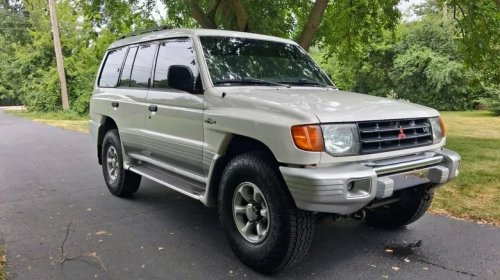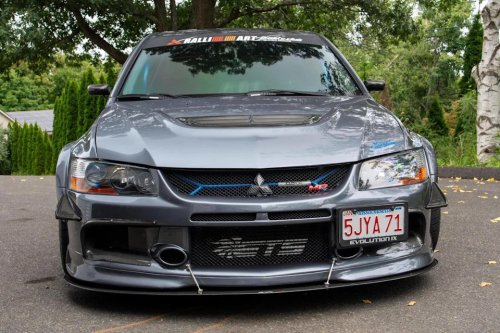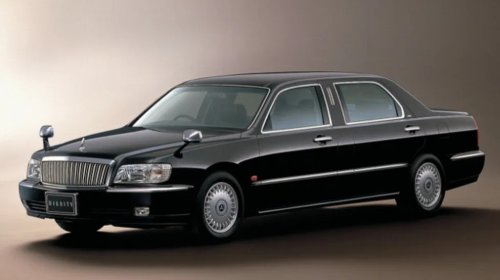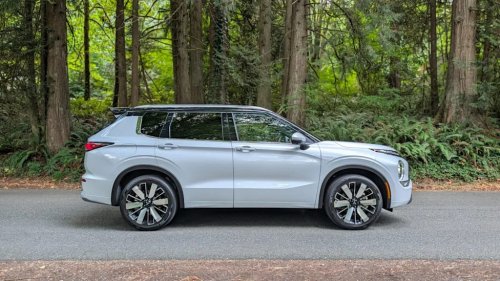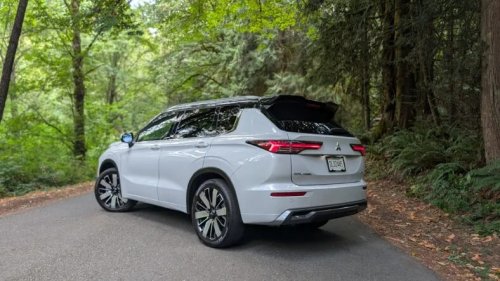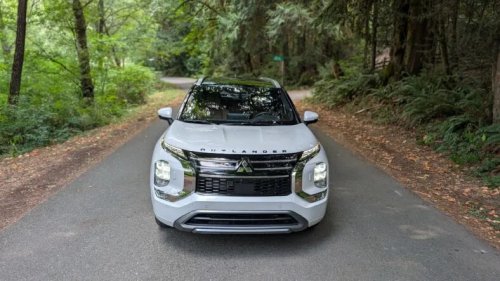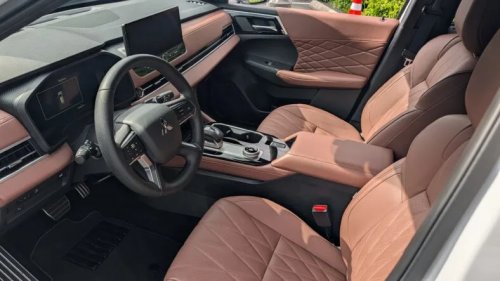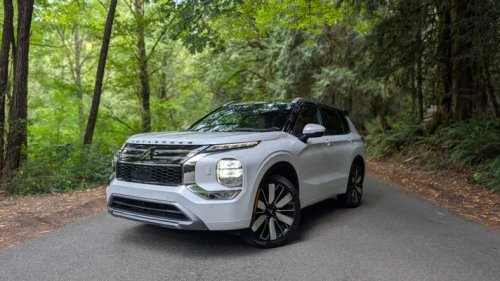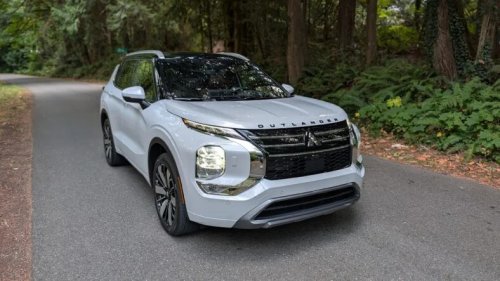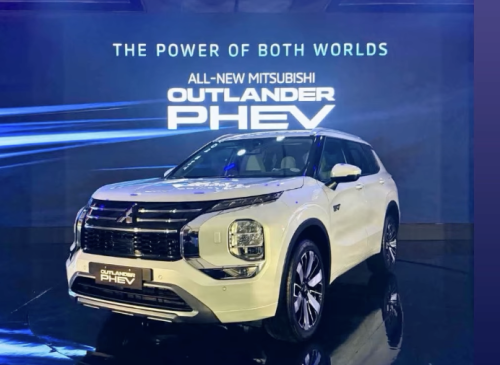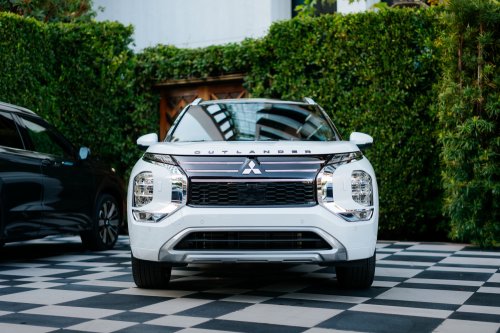





















the mirage of luxury why mitsubishi dealers are selling exotic cars The sight of a $430,000 Porsche GT3 RS framed by the red-and-white diamond logo of a Mitsubishi dealership is enough to make anyone with a passing interest in cars pause. It's a jarring mismatch-the automotive equivalent of finding a Patek Philippe in a vending machine. To understand why a car engineered for the Nordschleife ends up sitting beside a row of Outlanders, you have to look past the showroom and into how dealerships actually operate. Every franchised dealer-whether it sells Mitsubishis, Fords, or Hyundais-runs on a financing system called a floor plan. It's essentially a line of credit used to stock inventory. 2026 Hyundai Palisade XRT Pro: All the Details the mirage of luxury why mitsubishi dealers are selling exotic cars The Franchise as a Financial Front A franchise agreement provides a dealer principal with a line of credit, known as a floor plan, which is basically a revolving asset-based loan. Selling new Mitsubishis is a slow-moving and low-margin endeavor, so some owners use that credit to buy top-shelf used inventory at auction. The Mitsubishi badge on the building is, in many cases, a formality. As a branded franchise, dealers have access to better lending options, and a Mitsubishi franchise is one of the cheapest ways to get into the OEM game. Mitsubishi has minimal capital requirements to open a franchise store. So people that want to operate a high end used car lot will open a Mitsubishi dealer instead. It provides the legal and financial infrastructure to run a used-car business that has nothing to do with the OEM. For the dealer, a GT3 RS that turns a $40,000-$60,000 profit in three weeks is a better use of capital than six used Mirages that might sit for six months. The Service Gap and the Buyer's Risk There is a deep irony in buying a precision-engineered track weapon from a facility where the shop foreman's biggest headache is the CVT transmission in a subcompact. These "off-brand" exotics lack the Certified Pre-Owned (CPO) backing that comes with a legitimate Porsche boutique. If that GT3 RS needs a PDK recalibration or a specific software update, the Mitsubishi service bay is useless. The buyer is effectively paying a premium for a car that the seller cannot technically support. This suggests a specific type of buyer: someone who is either more concerned with immediate delivery than long-term provenance, or someone whose local Porsche dealer has already blacklisted them from the "official" allocation lists. the mirage of luxury why mitsubishi dealers are selling exotic cars The Business of Proximity So who buys a car like this from a place like that? In some cases, it's about access. High-demand Porsche models are often allocated through established dealer relationships, and not every buyer makes that list. For those on the outside looking in, the secondary market-whether it's a boutique exotic dealer or a Mitsubishi storefront-becomes the only option. As performance cars have become more valuable and more tightly controlled at the manufacturer level, the secondary market has adapted in kind. Ultimately, the presence of six-figure supercars at a budget-brand dealership is a symptom of a distorted market. It is a game of musical chairs where the chairs are made of carbon fiber. 2026 Toyota Corolla Cross SE: All the Details