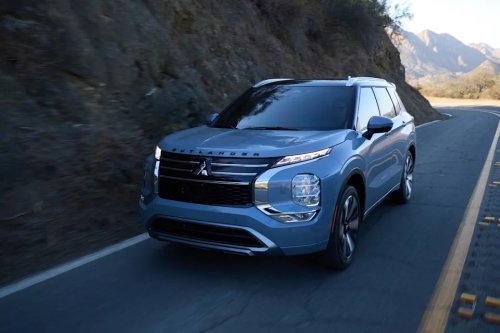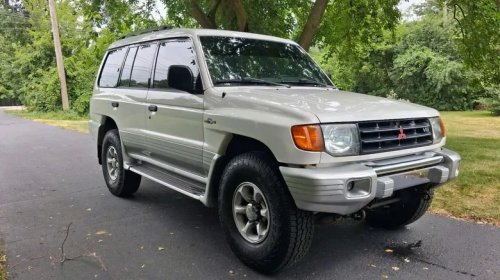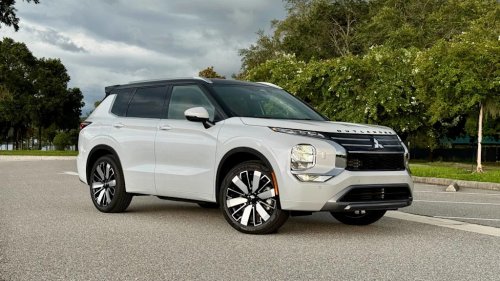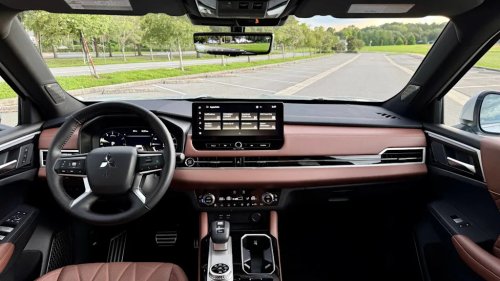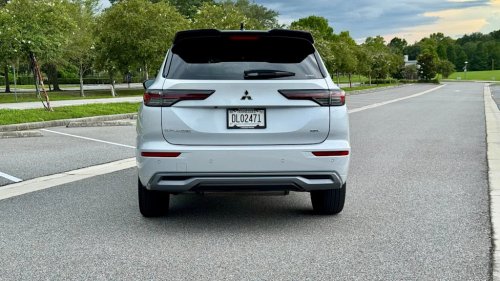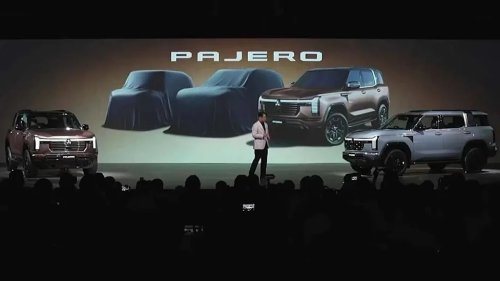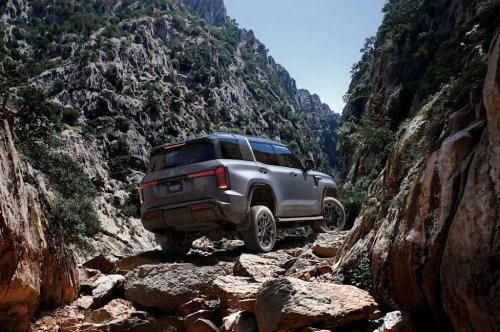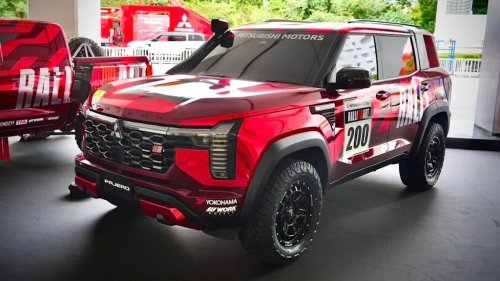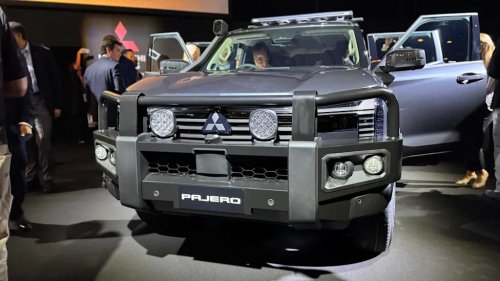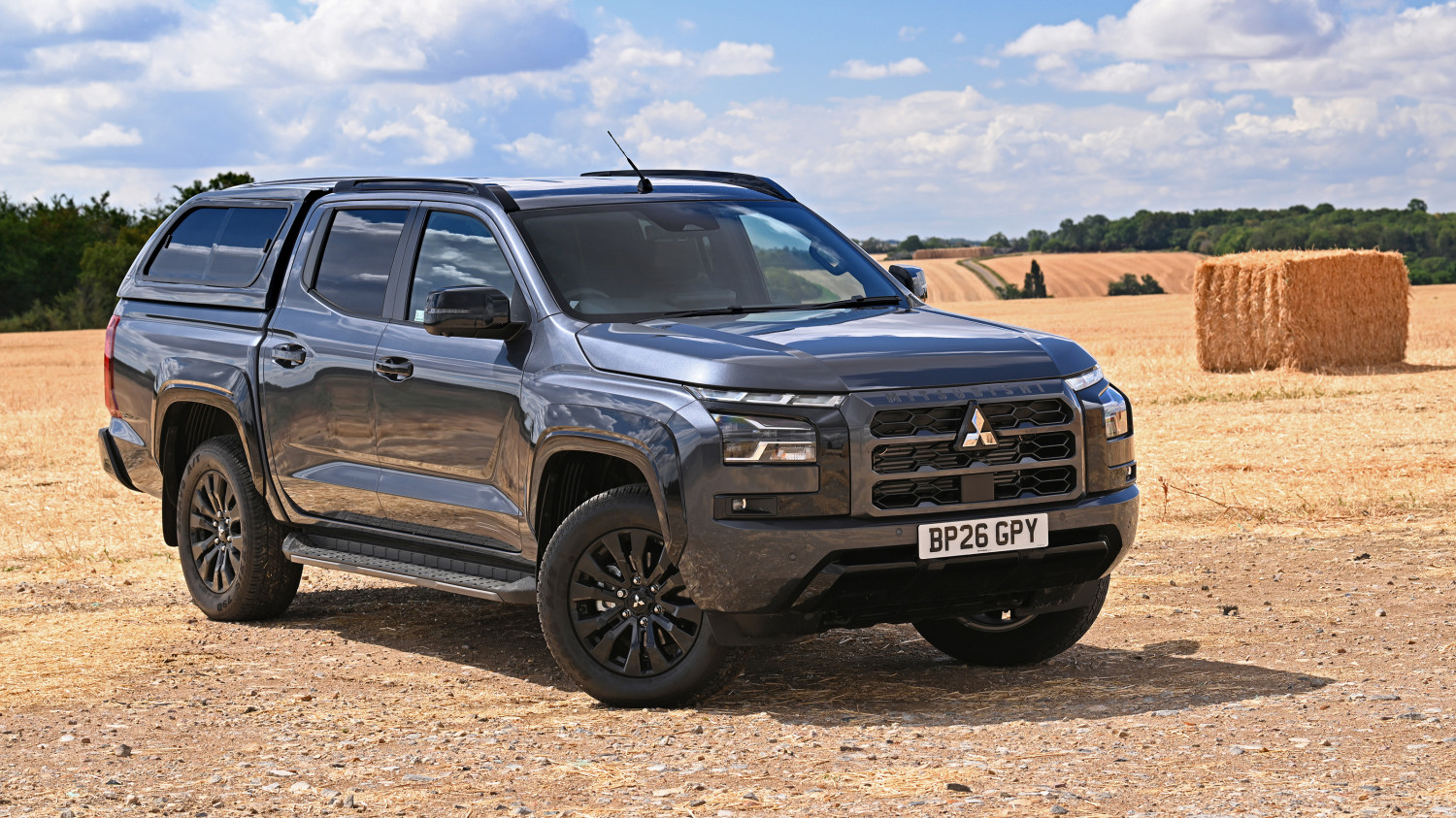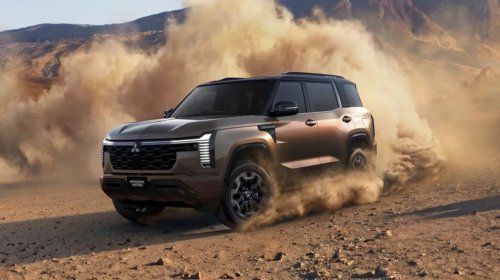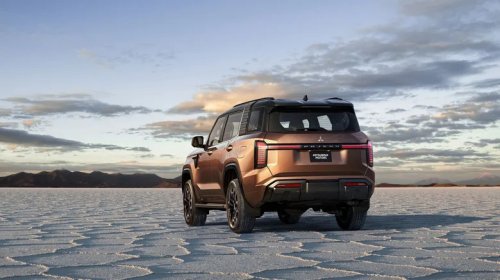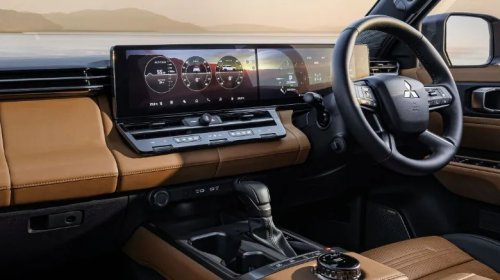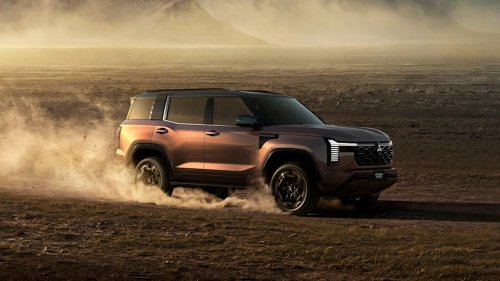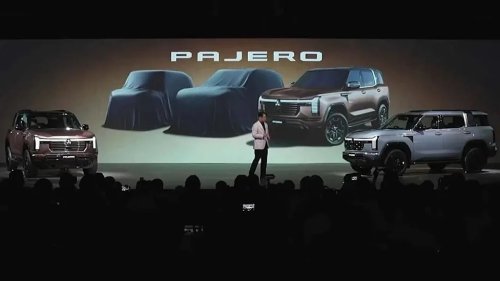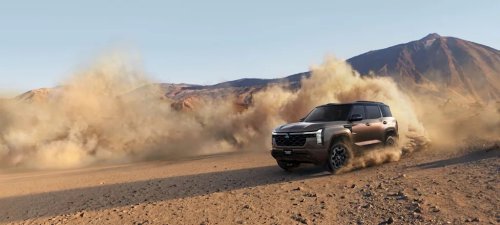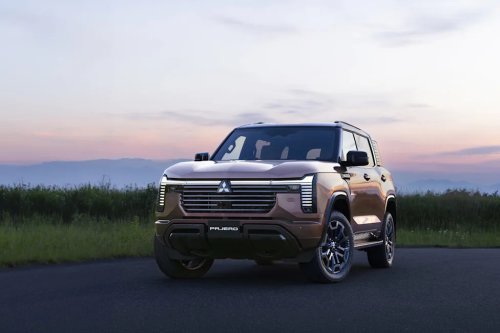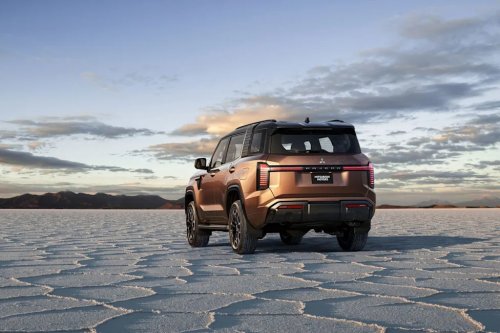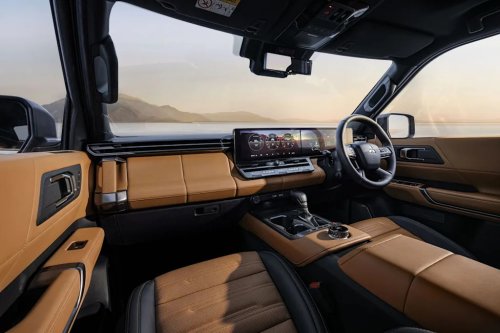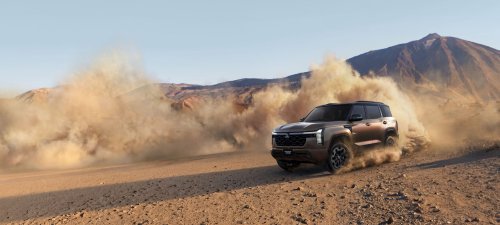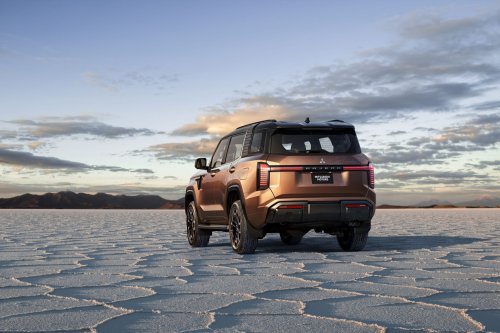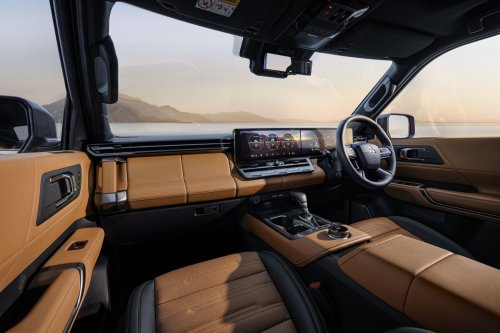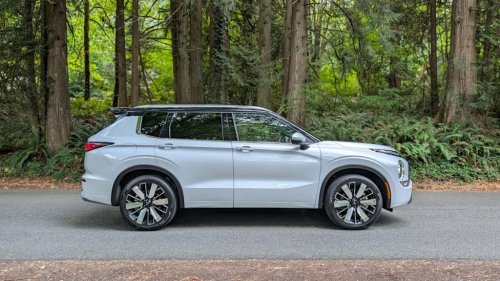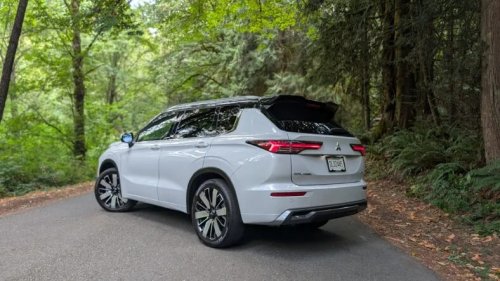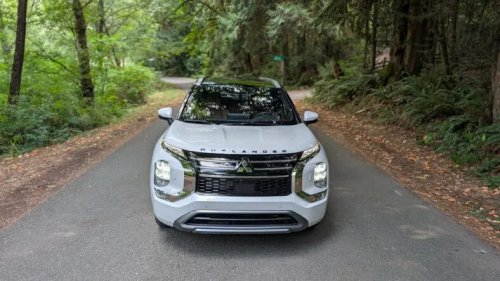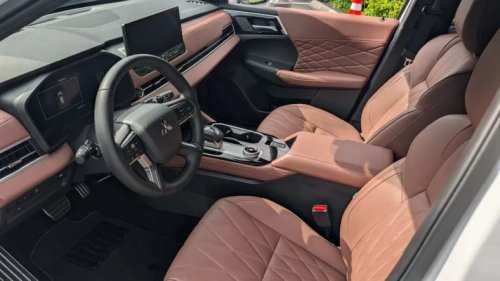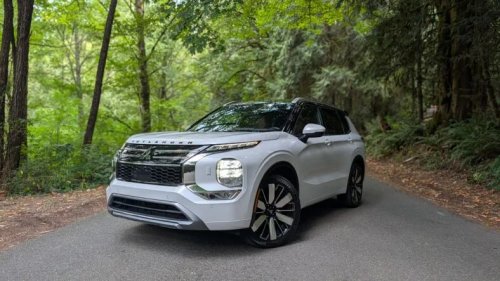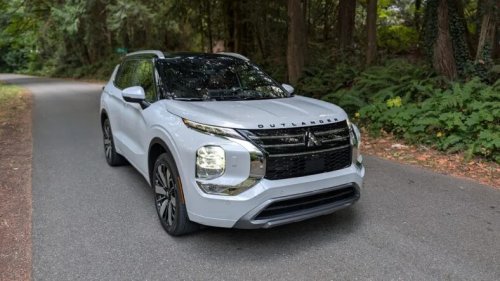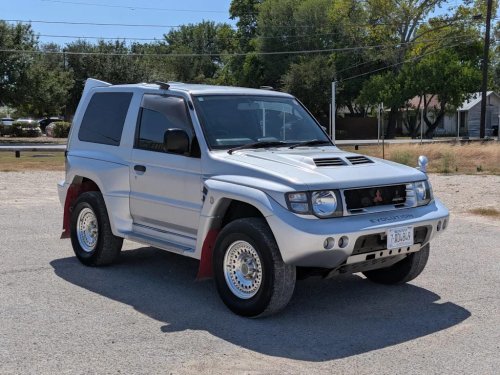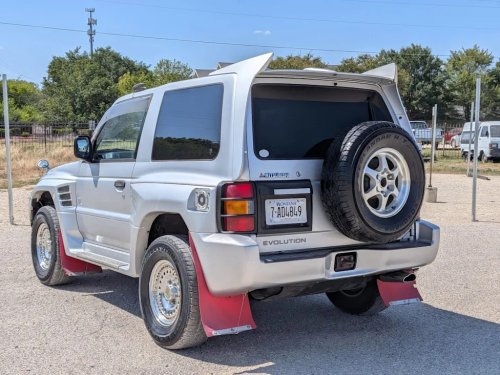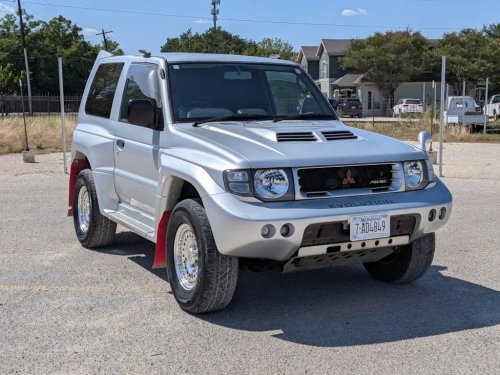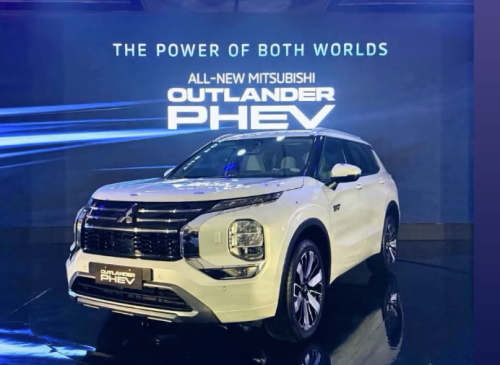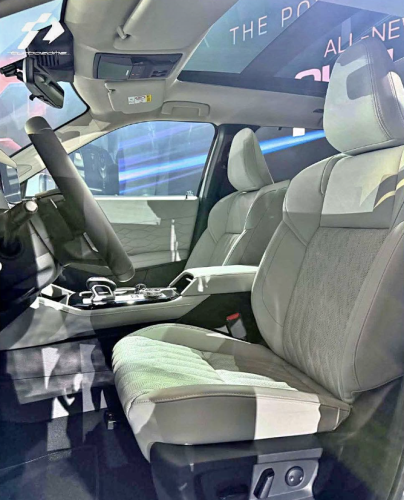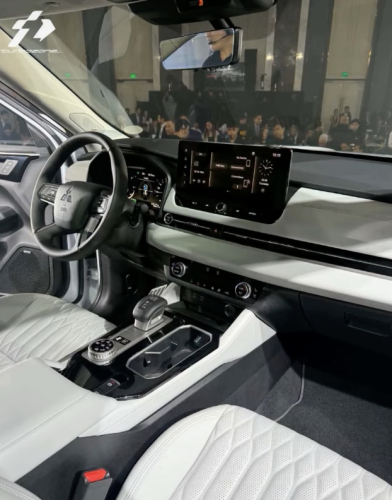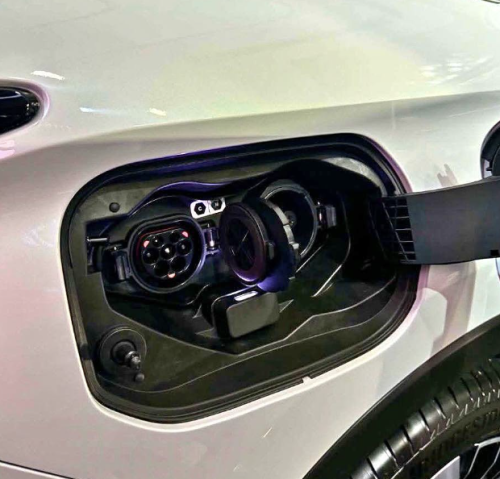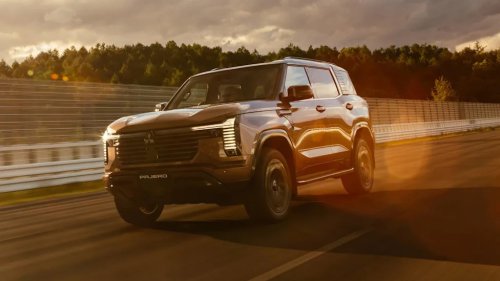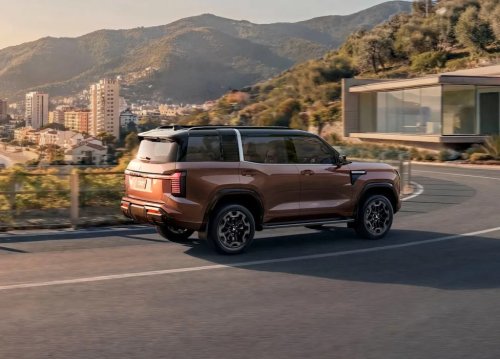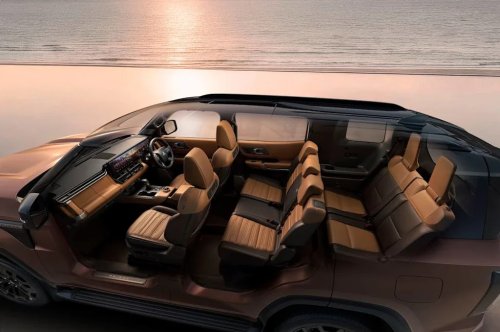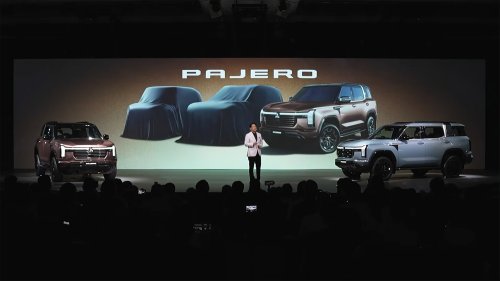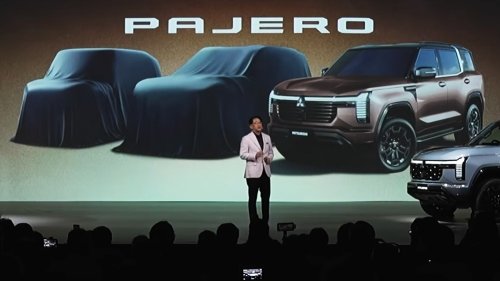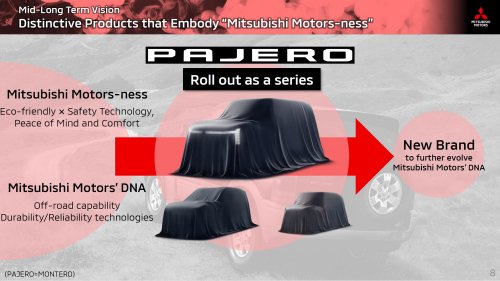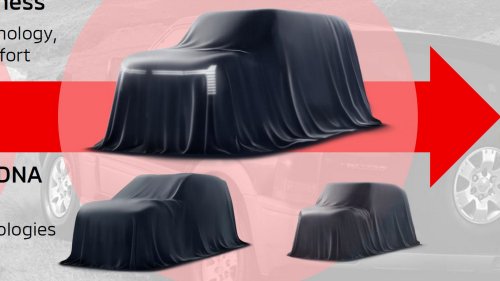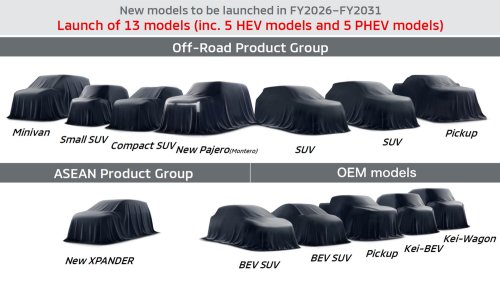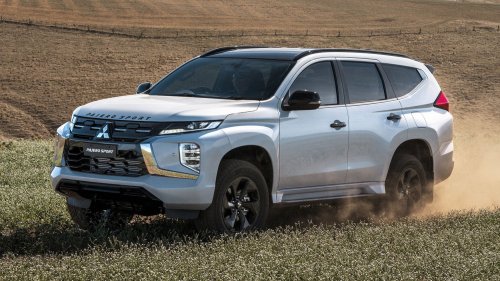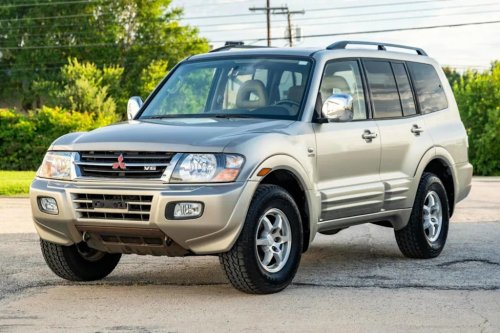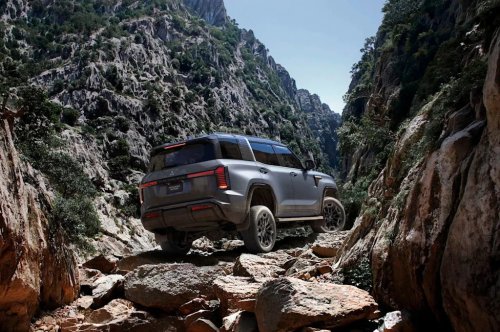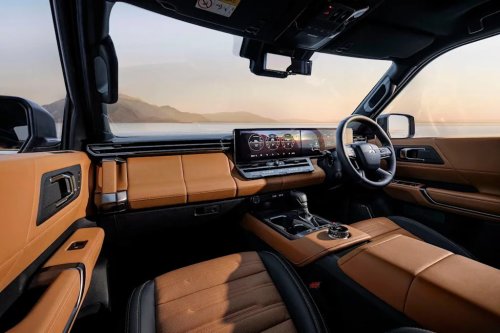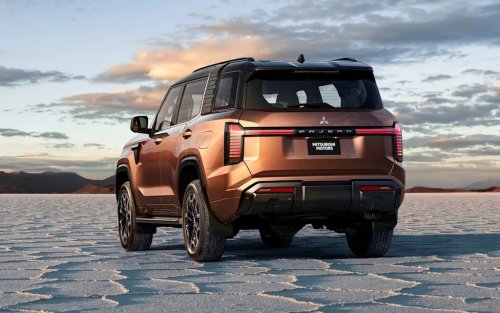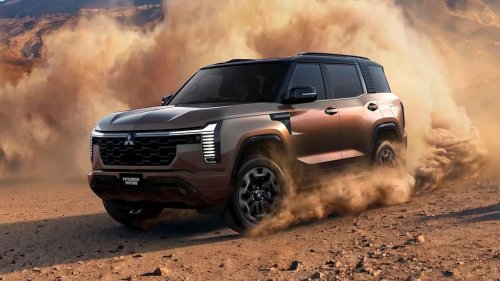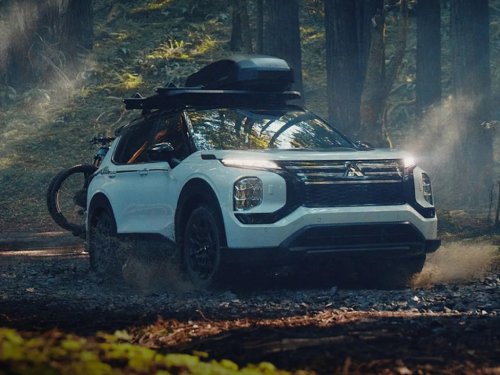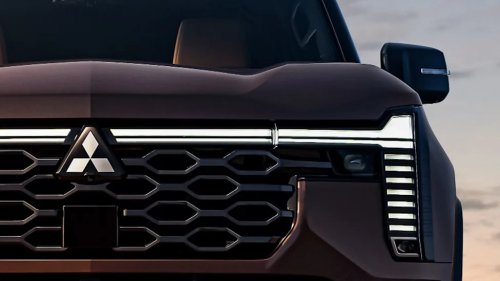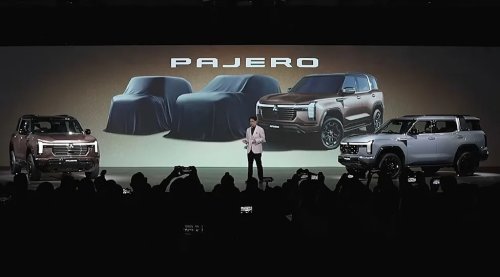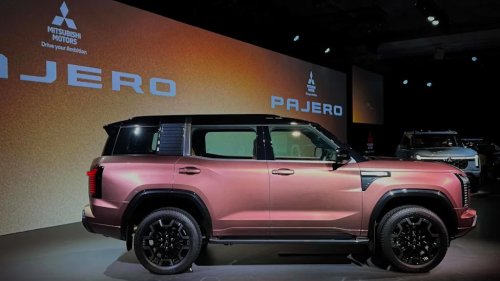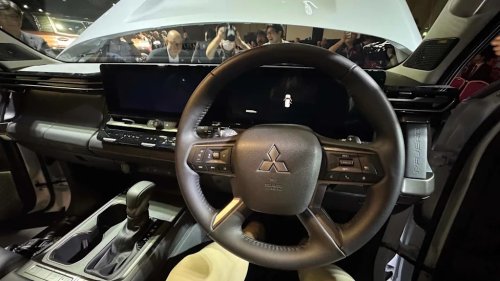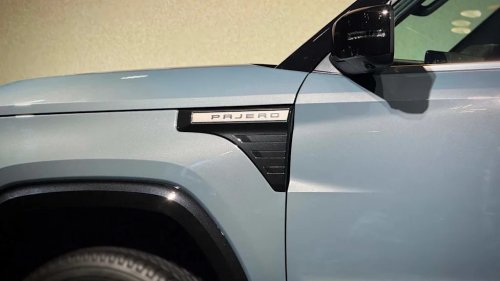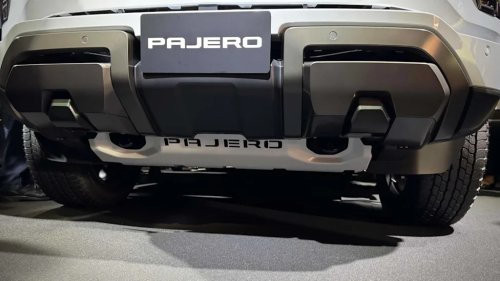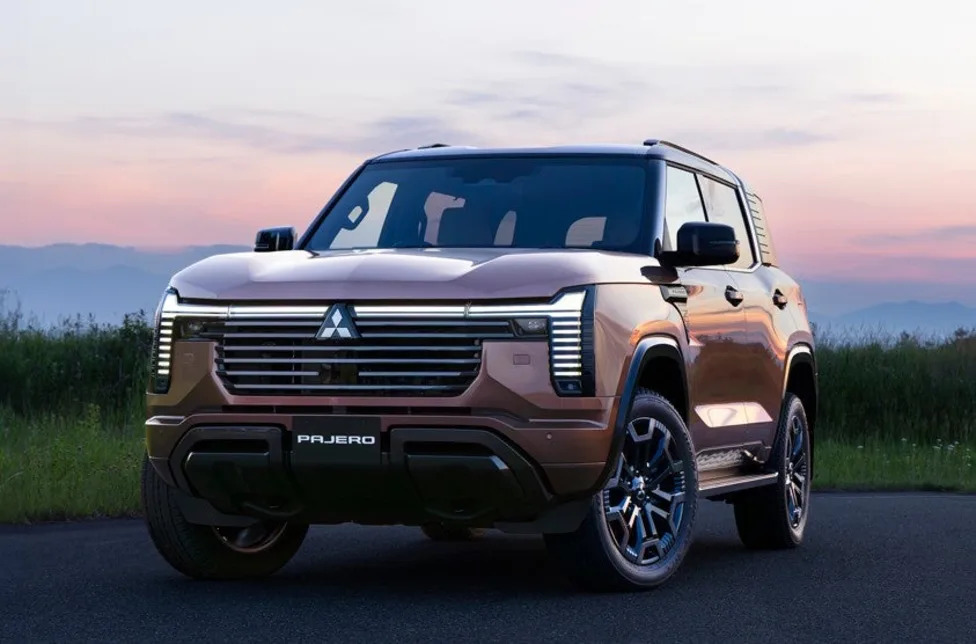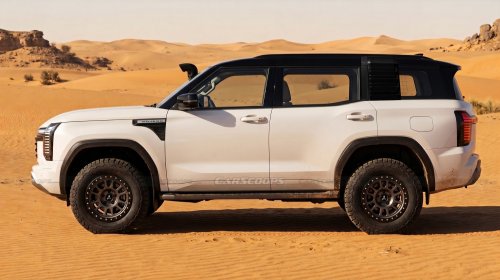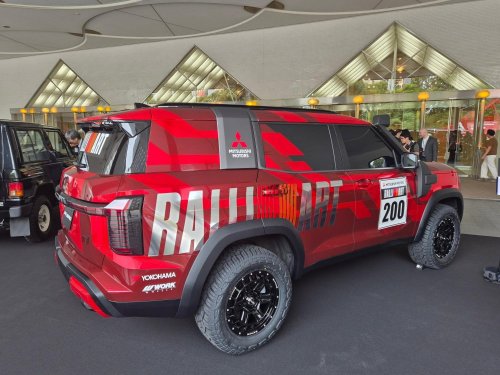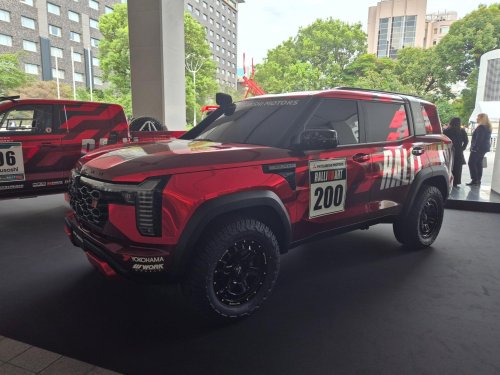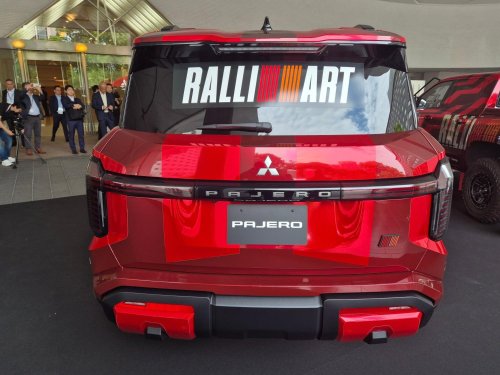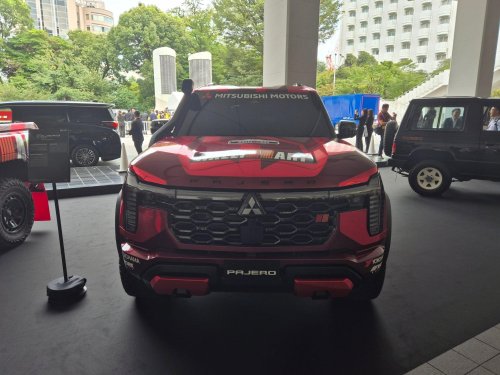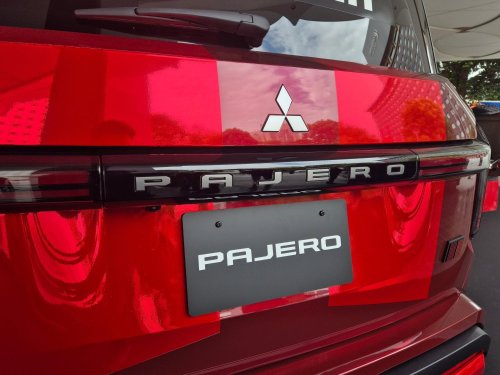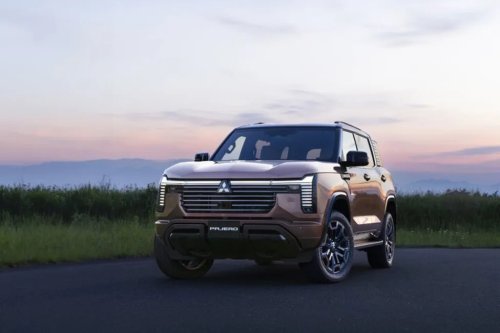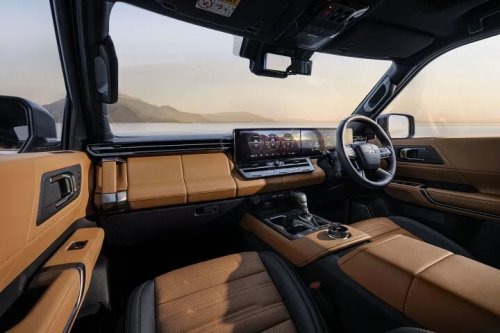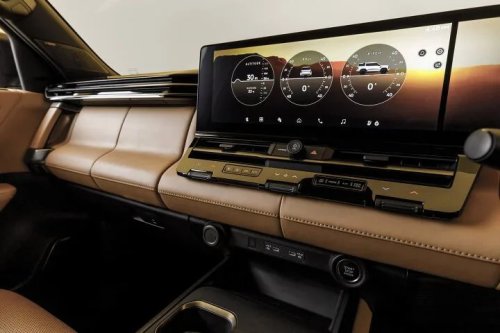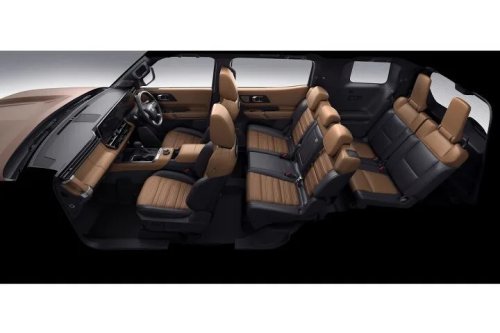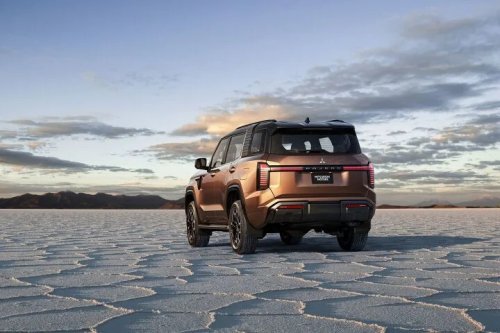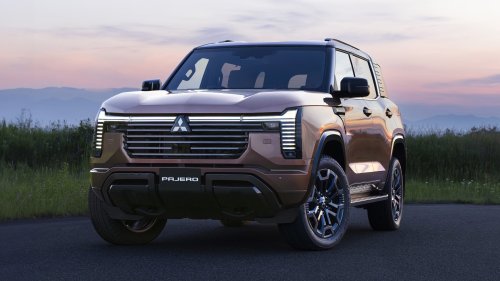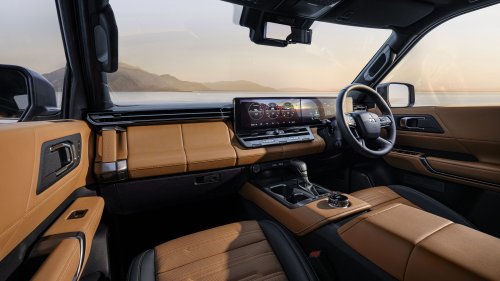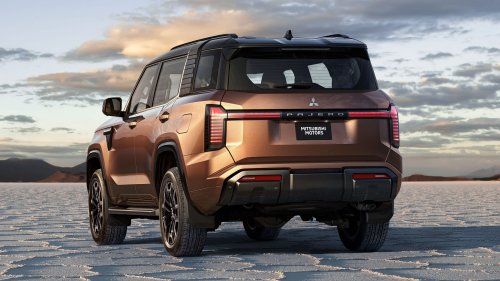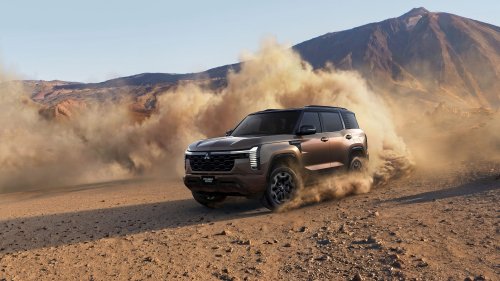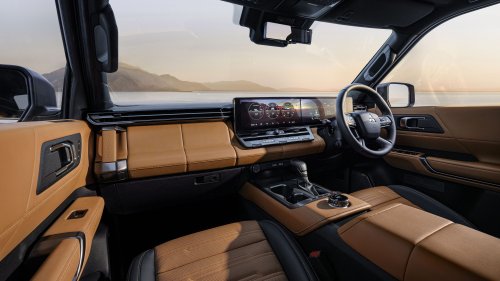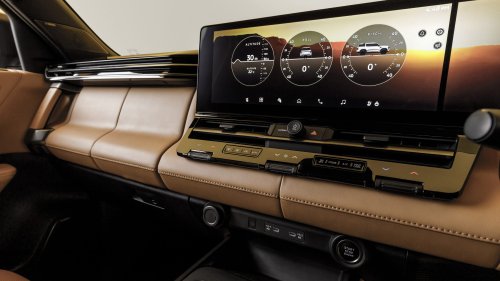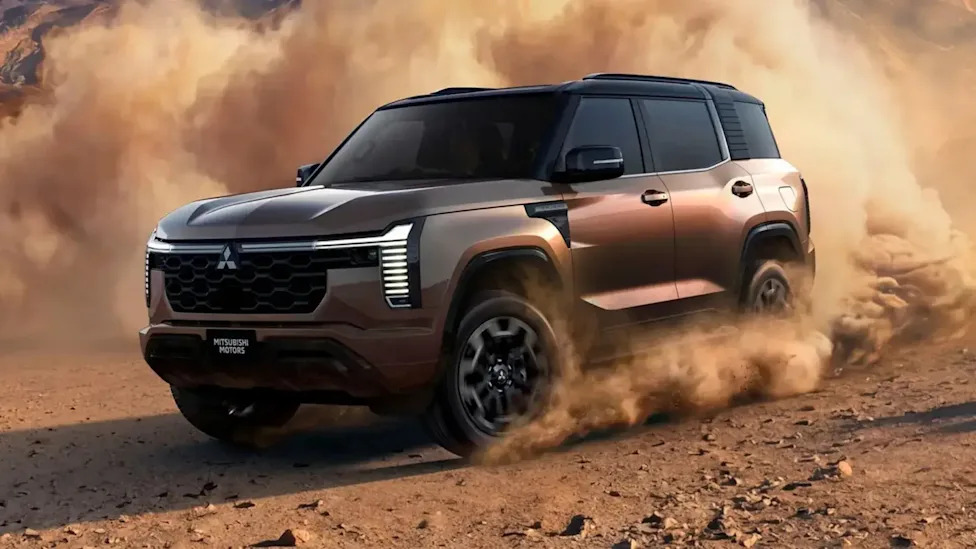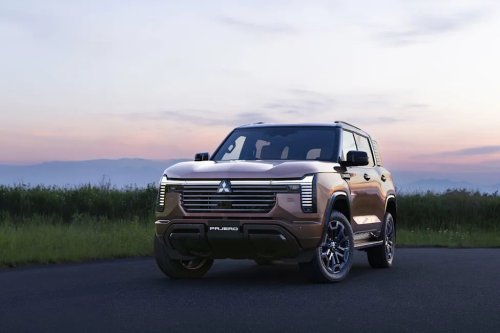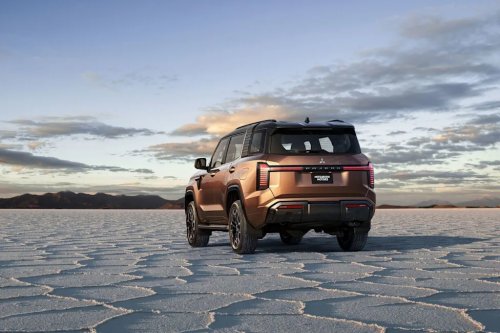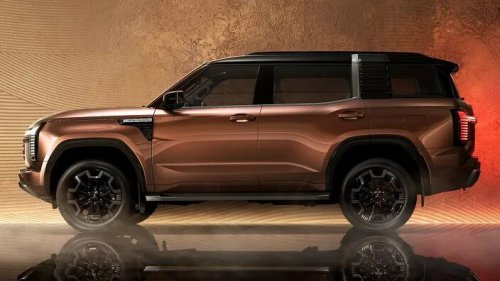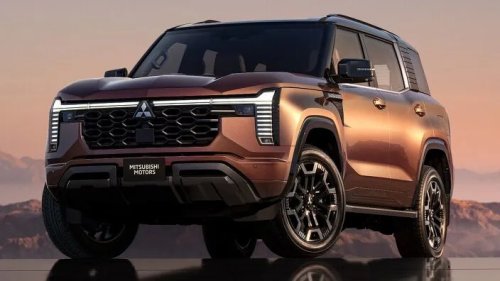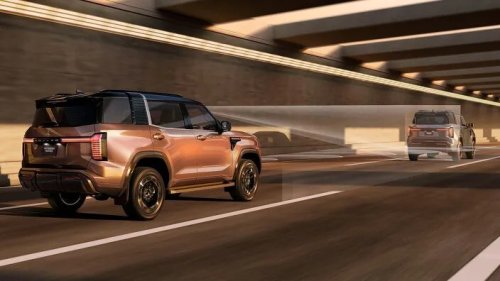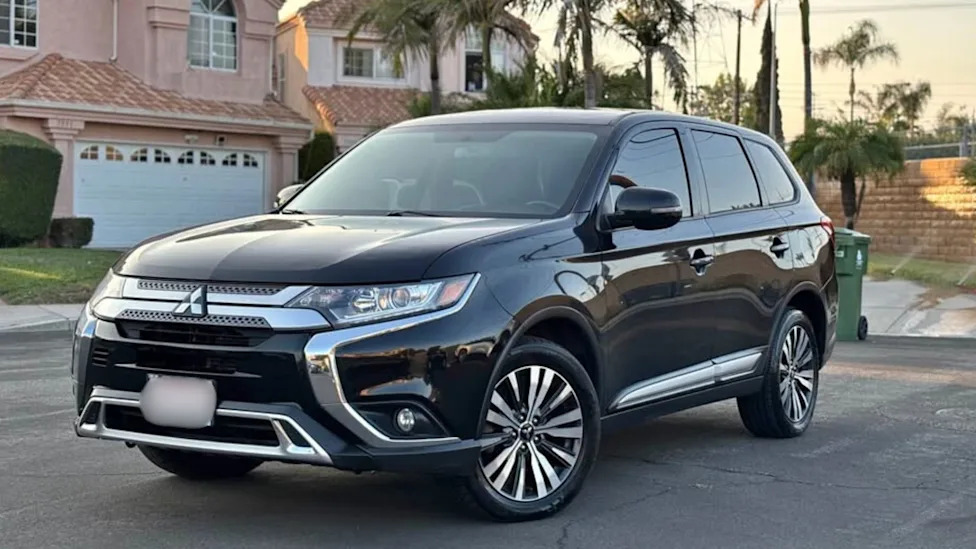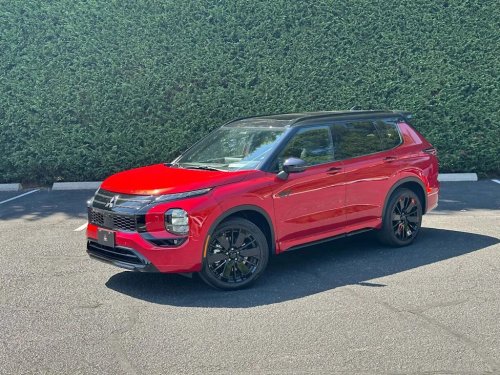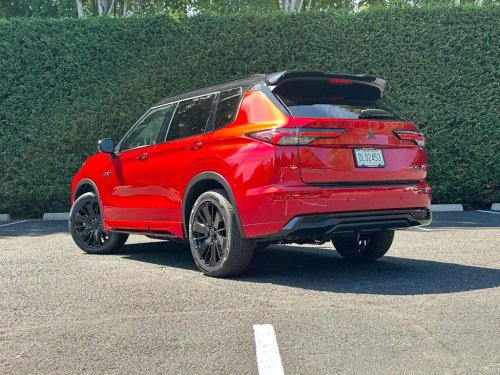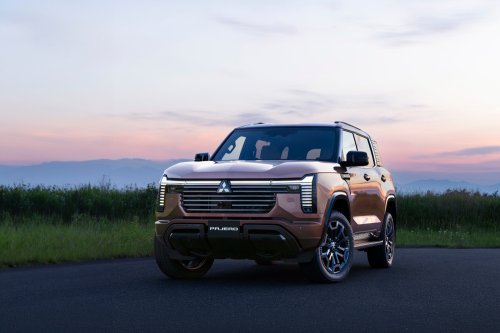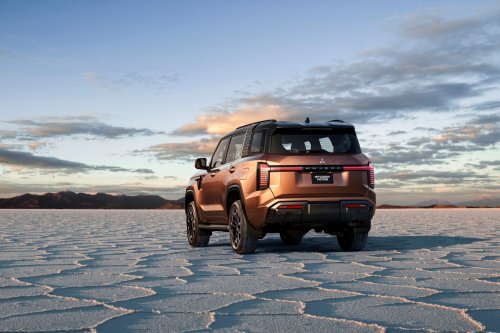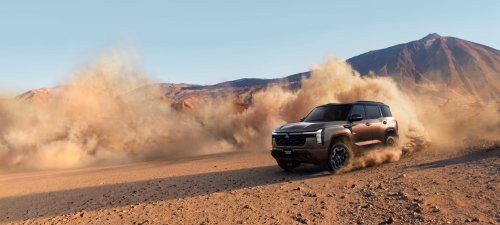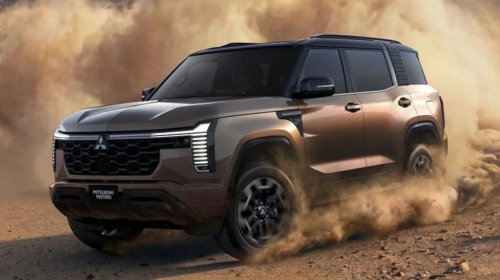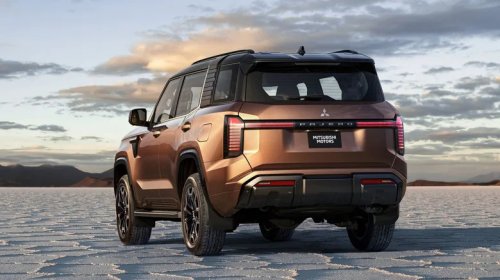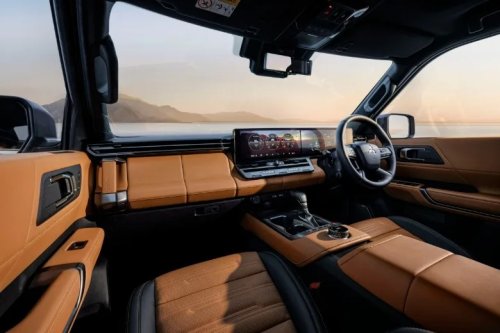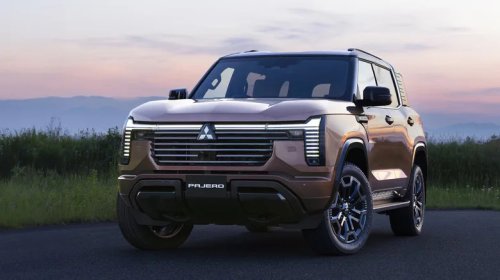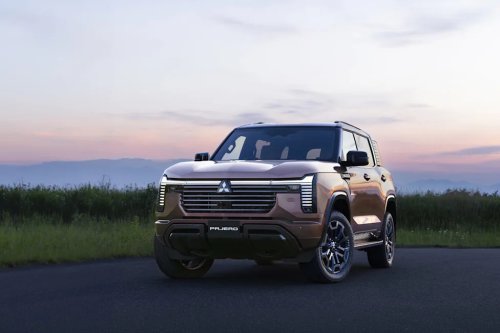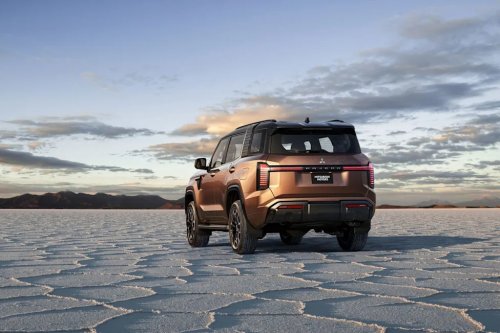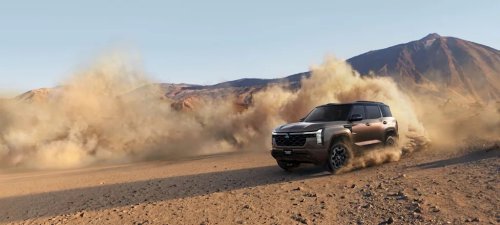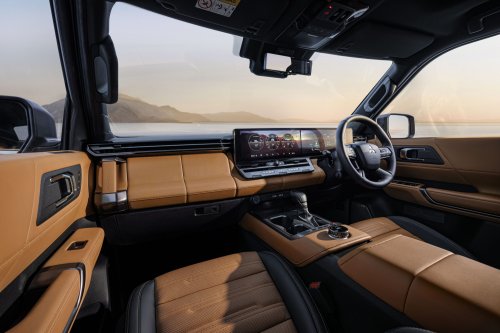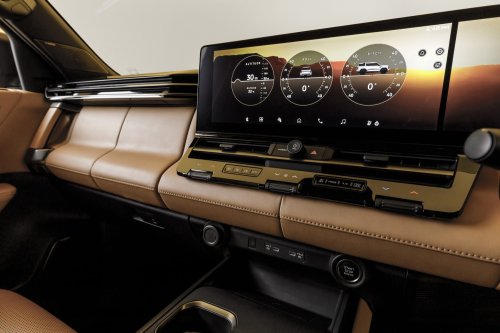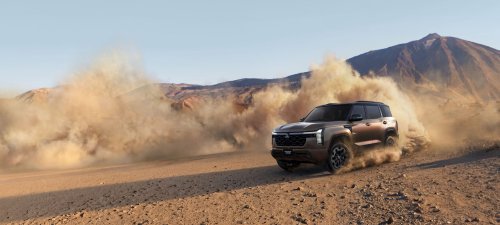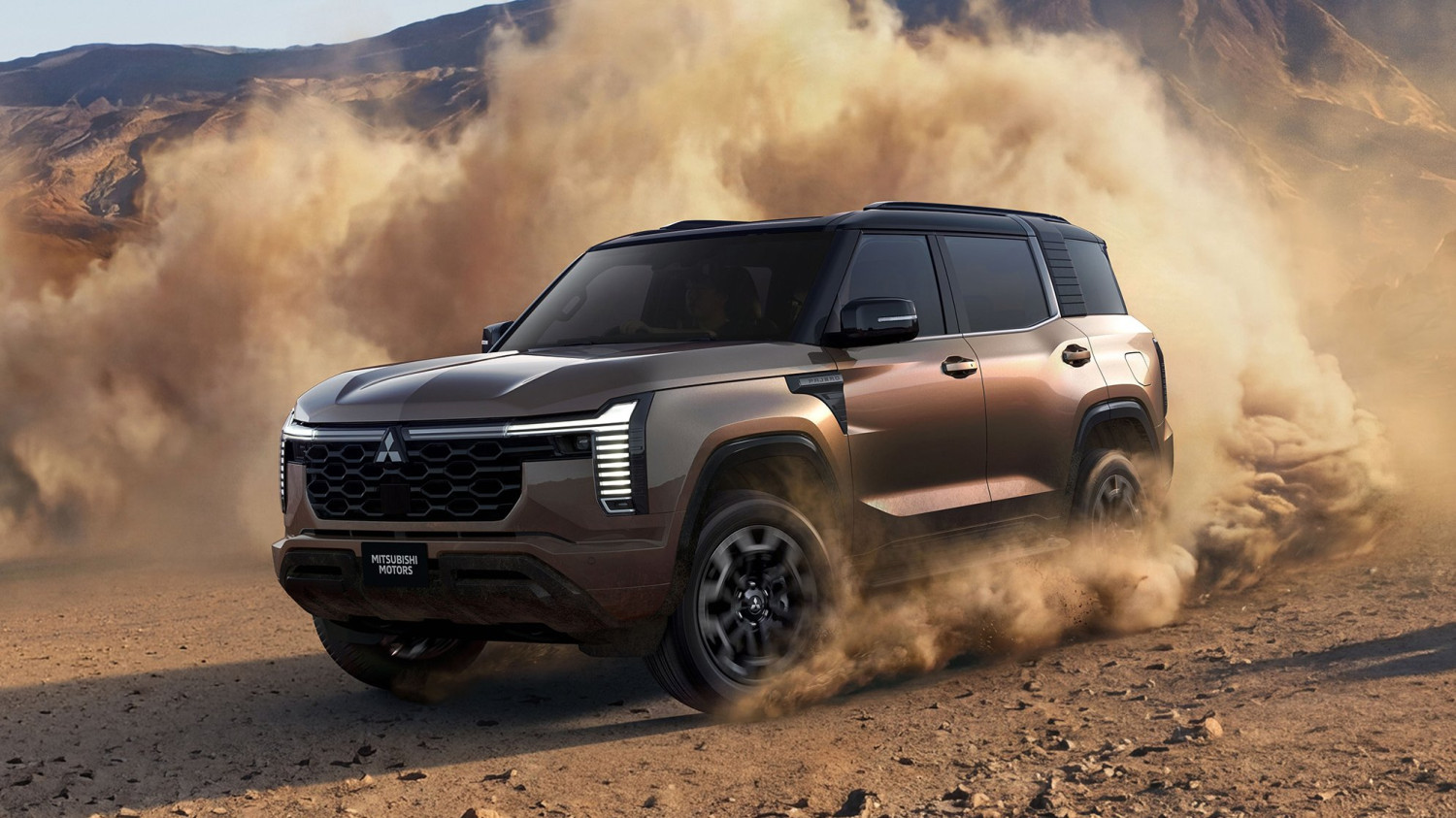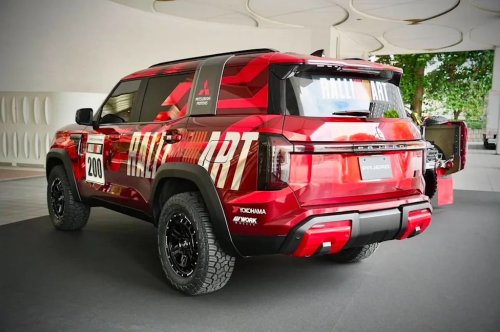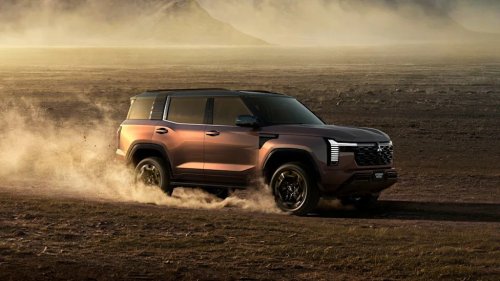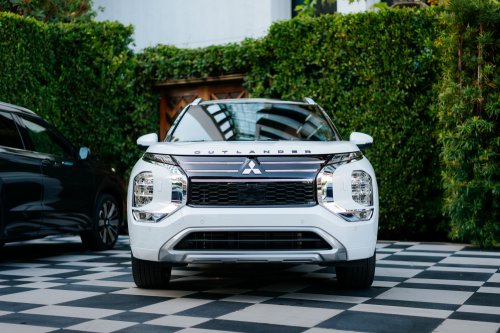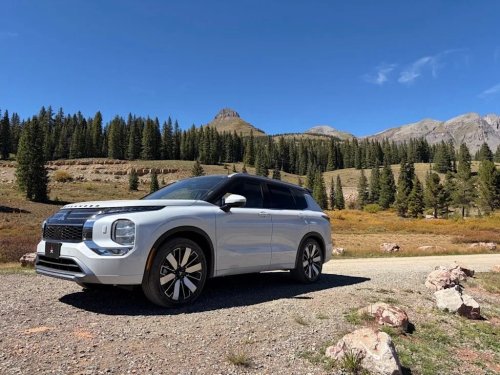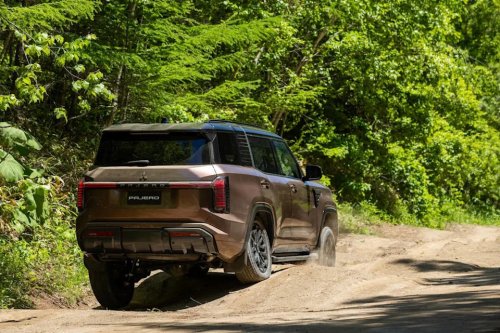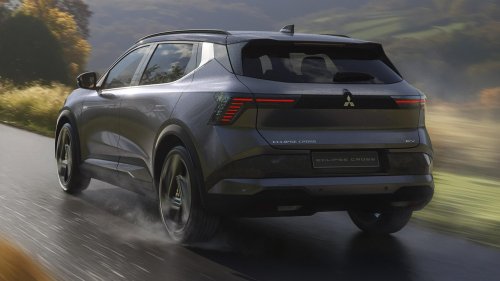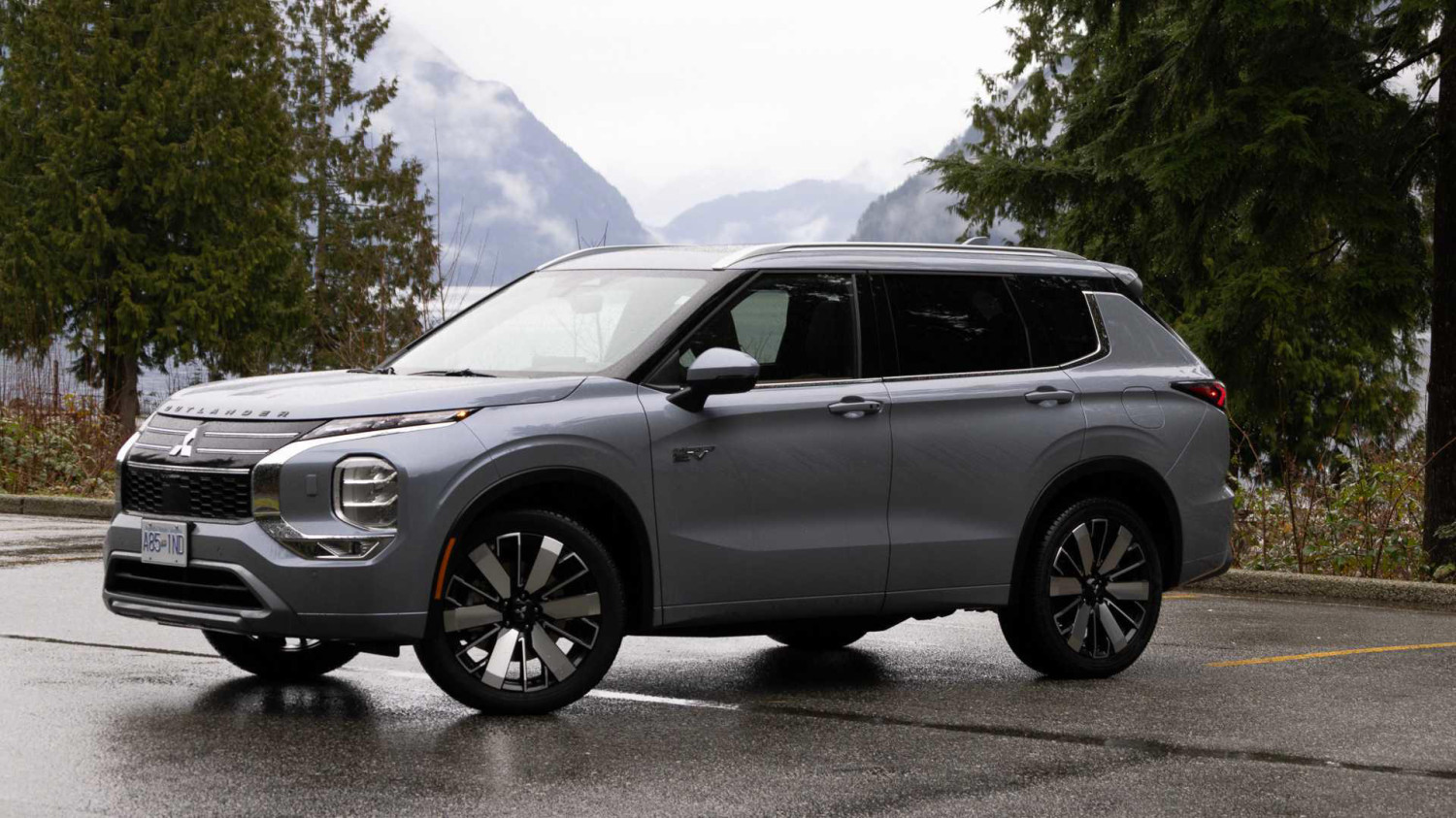


















Mitsubishi is desperate to increase its sales in the US, but in order to do that, it also needs to have dealers willing to market its cars. Unfortunately, that's the latest hurdle for the struggling Japanese automaker, as it has lost more than 30 franchises in the past year and a half, per reporting by Automotive News, representing a large proportion of its 297-strong dealer network in the States. And unfortunately, an aging and largely unappealing lineup – otherwise propped up by the pleasant Outlander and Outlander PHEV – are making it hard to attract more retailers into the fold. A Dwindling Supply Chain For Mitsu Per Automotive News, Mitsubishi has lost 56 dealerships since 2019, representing 16 percent fewer retailers and the highest relative reduction of any US-market automaker. The company expects to lose more in the coming months before hopefully reversing the slide. Worse still, sales of cars like the Outlander, Outlander Sport, and Eclipse Cross have fallen 20 percent in the same time period, with Mitsubishi vehicles moving so slowly across showroom floors that there are even some Mirage subcompact sedans and hatchbacks still available brand-new (two years after they went out of production). Evan Williams/CarBuzz/ValnetDespite the consumer-facing business retraction, the company behind the three diamonds logo remains optimistic about its prospects in the US. Even as it lost dealerships, Mitsubishi opened a handful of new ones, with 12 new dealers coming online in the last year and about 30 more in the approval process. According to company CEO Mark Chaffin, the new retailers are expected to be much larger, with volume that should completely backfill the closed dealerships. Speaking to Automotive News, Chaffin said that the automaker's new network strategy is to prioritize larger dealers staffed by individuals who know how to market Mitsubishis specifically, rather than a higher number of dealerships that don't actually understand the company's unique propositions. Dealers Want More Incentives, Less Pressure Attracting new dealer management could prove to be a problem, however. Many of the automaker's recent departures left the fold because they found fault with Mitsubishi's retail strategy, including the automaker's penchant to sell base-model vehicles directly to rental and fleet customers, rather than provide dealers with the sort of inexpensive products that might get customers in the door. Furthermore, some departed retailers speaking anonymously told Automotive News that the company's reluctance to provide incentives made it hard for them to remain profitable; as a result, nationwide average profits from the sale of new Mitsubishis is under 2 percent.And this won't be surprising to anyone, but dealers are also frustrated with the automaker's aged lineup. Apart from the aforementioned Outlander and Outlander PHEV, the company's lineup dates to the previous decade, with the Outlander Sport arriving in 2011 and the Eclipse Cross hitting the market in 2018. Moving the SUVs is difficult for a few reasons, not the least of which is dreadful residual values that make it easier for consumers to get barely used examples for far less money than brand-new ones.The lackluster showroom lineup should improve over time. We've already seen the Pajero/Montero redux that could horn in on the 4Runner's (and forthcoming Xterra's) racket, and Mitsubishi will soon offer a Nissan Leaf–shaped EV with a consumer-friendly price. Once the revitalized lineup comes along, we suspect it'll be much easier for those specialized dealers to market Mitsubishi to customers.