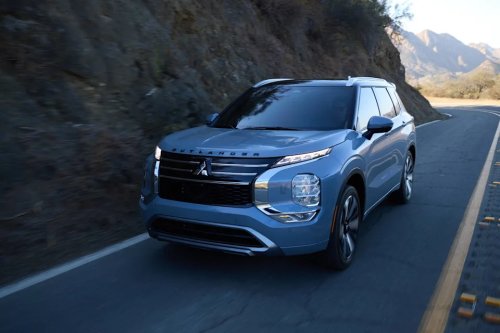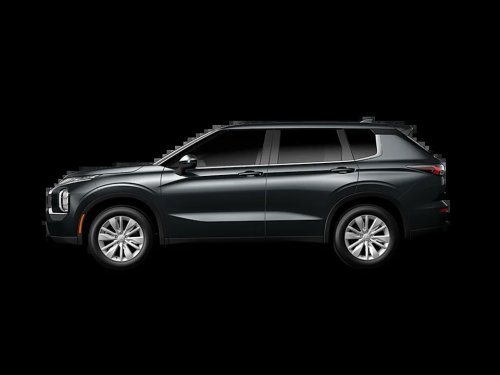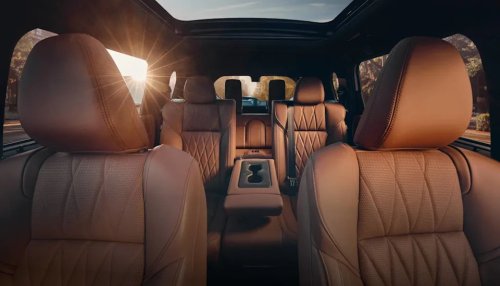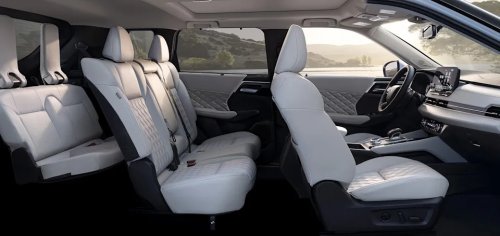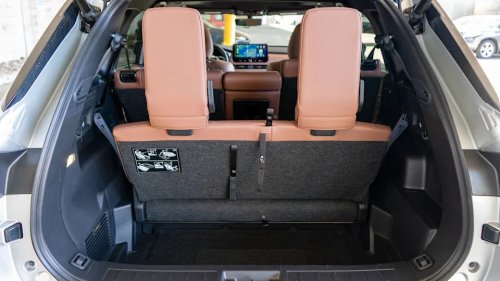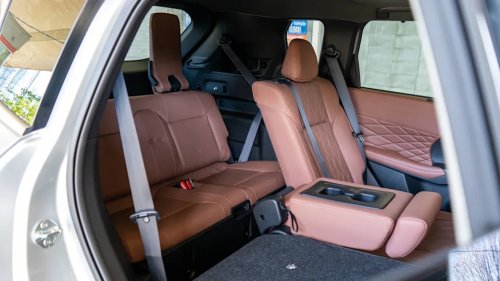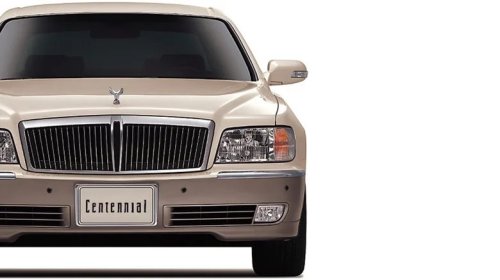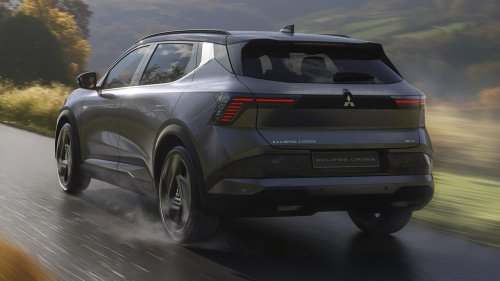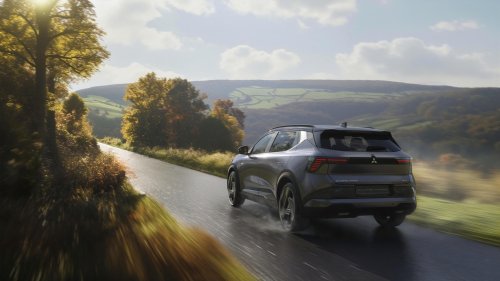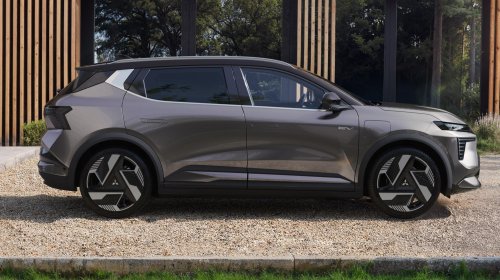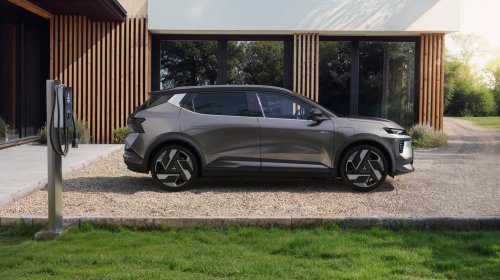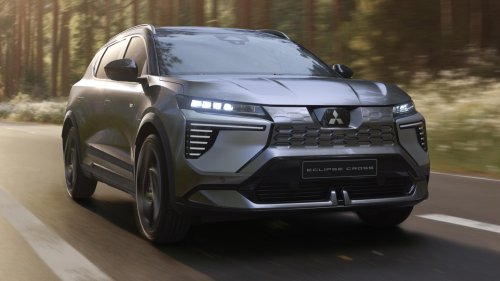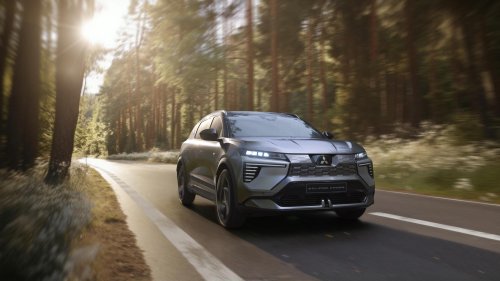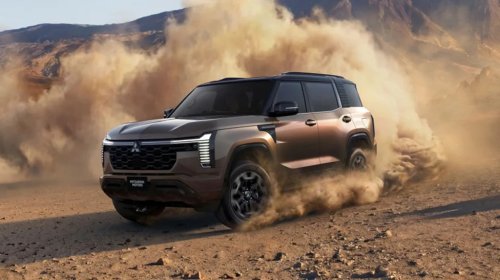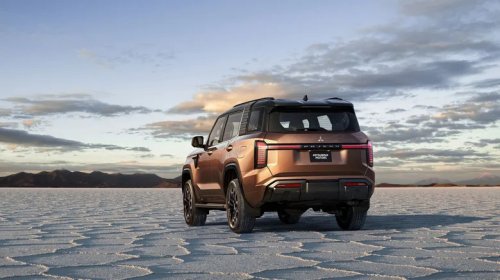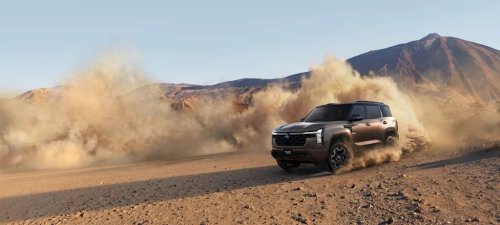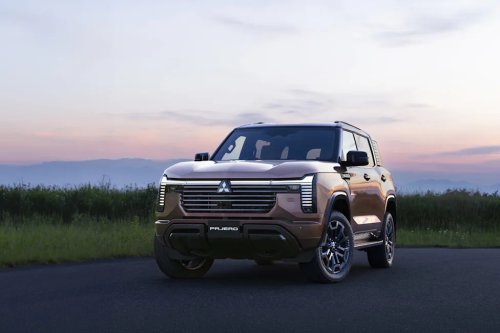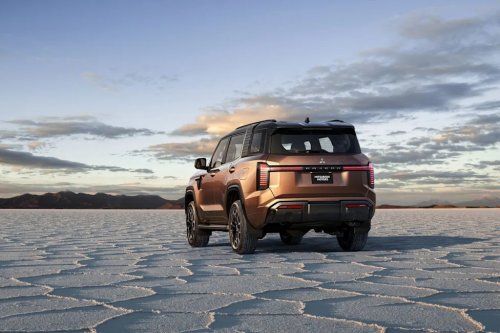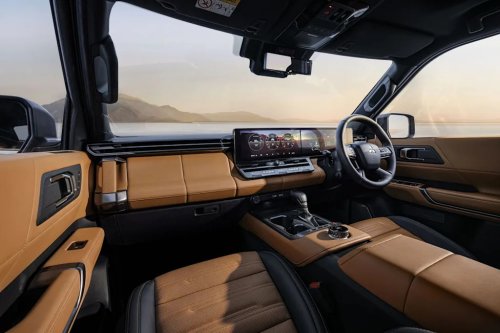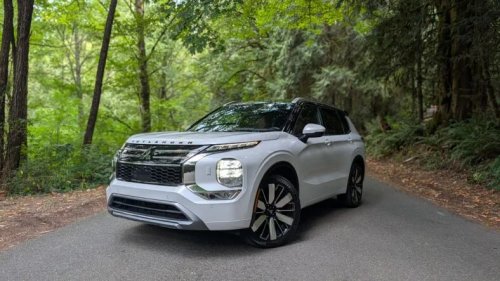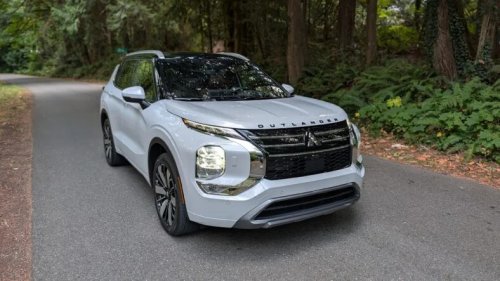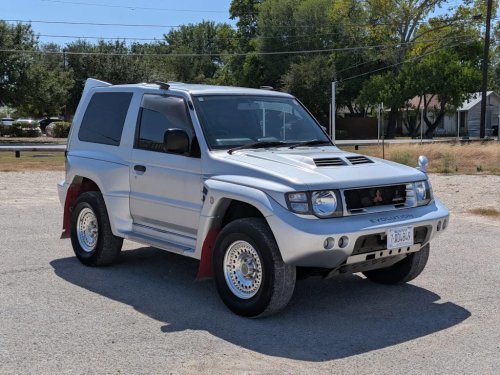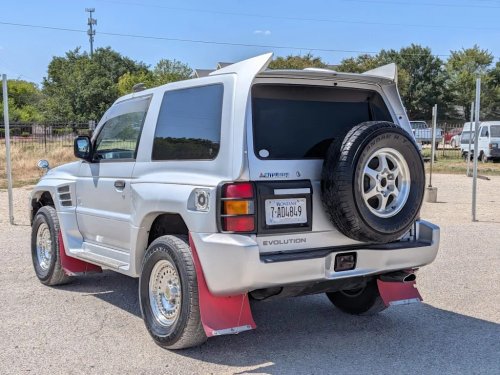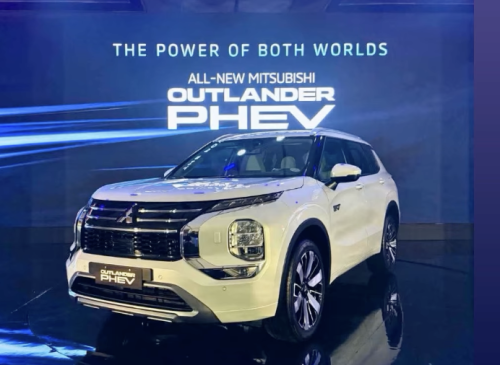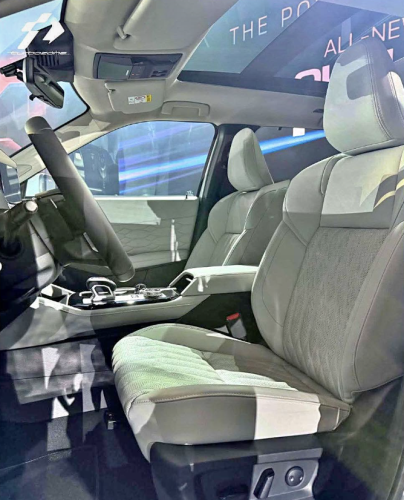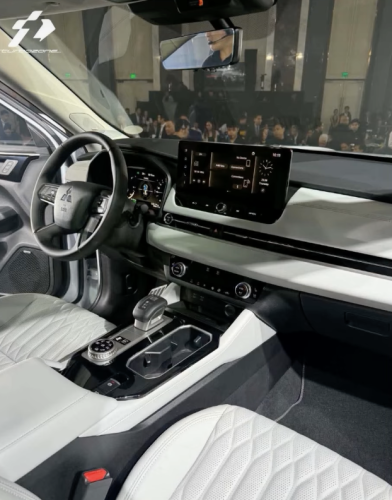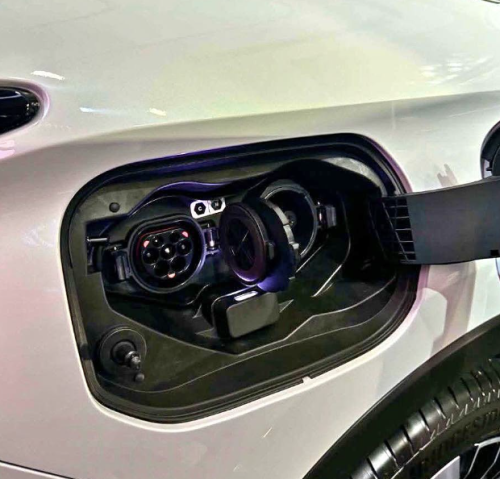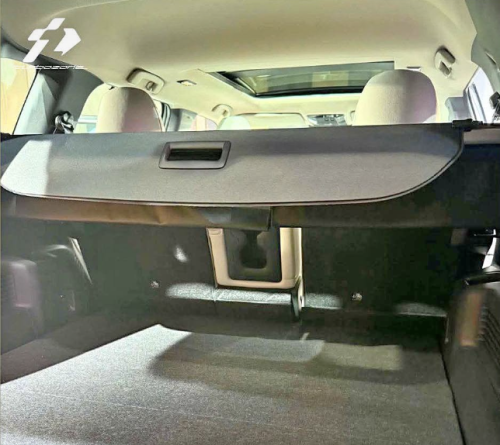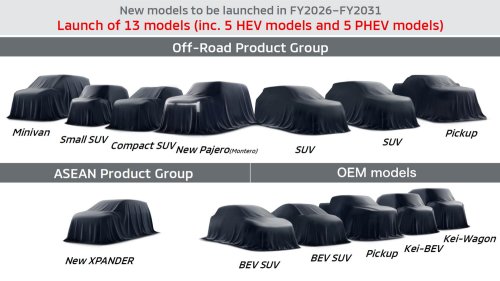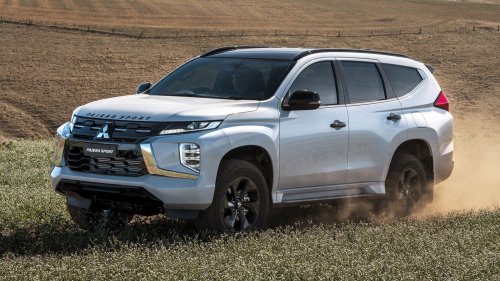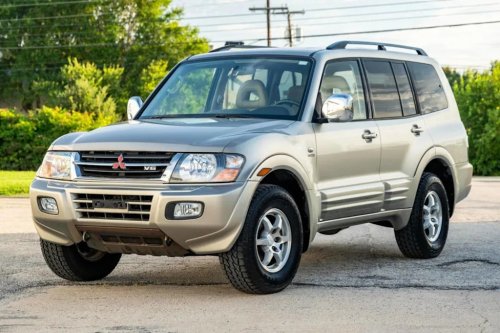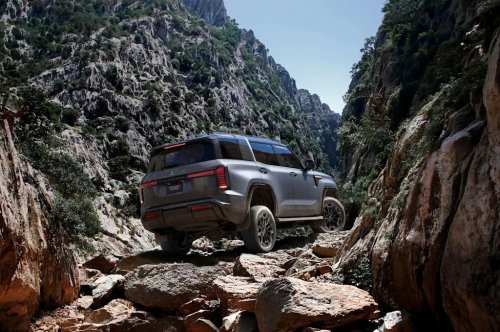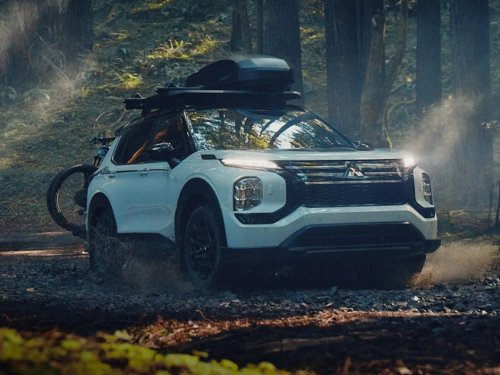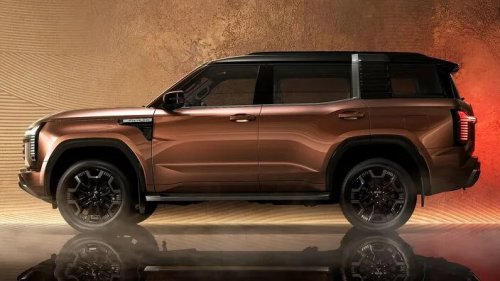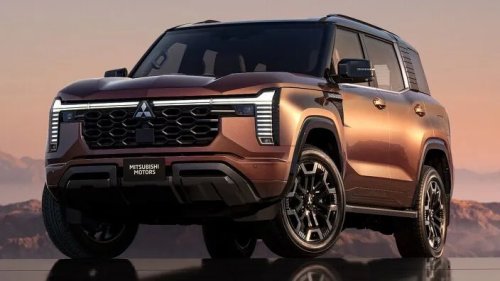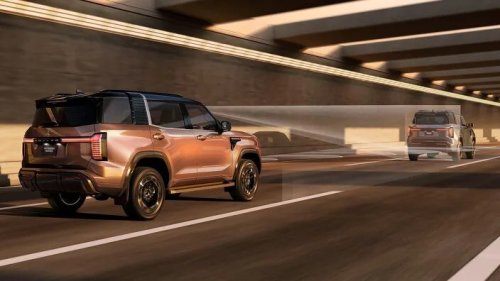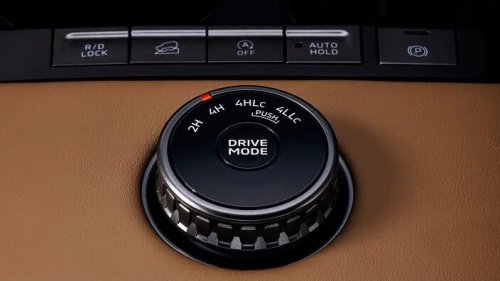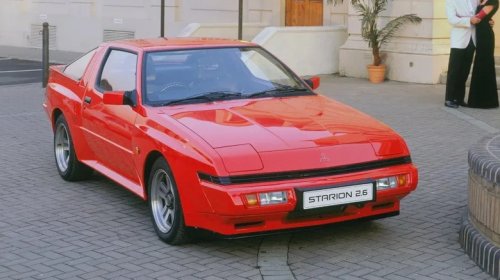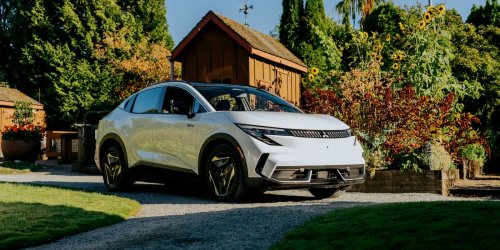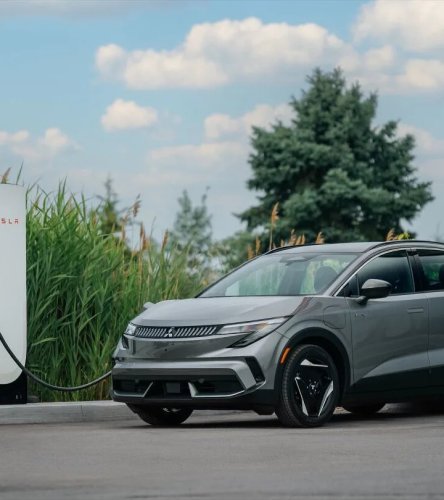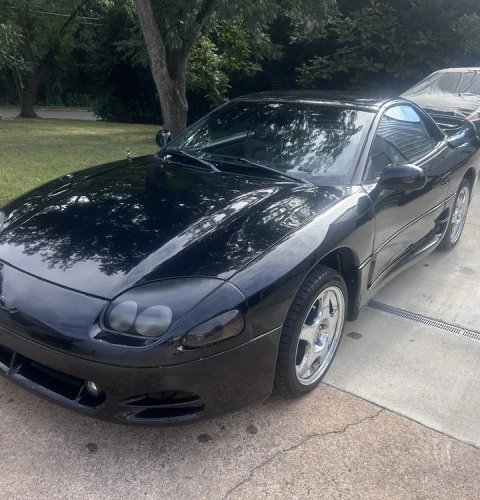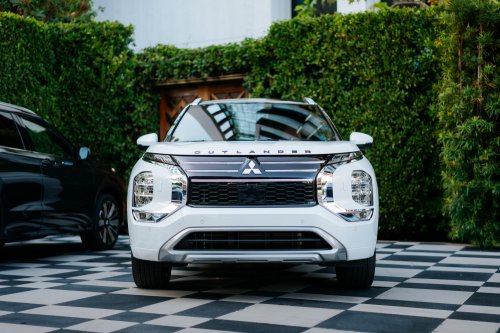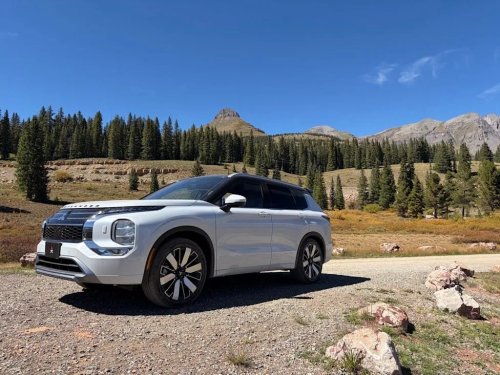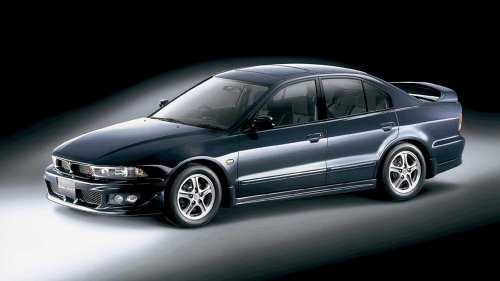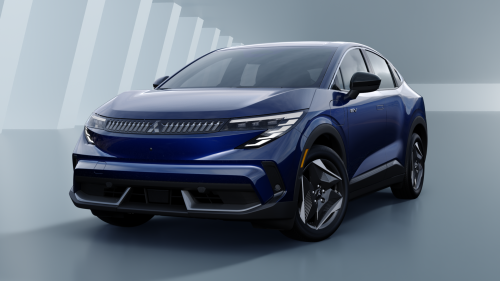
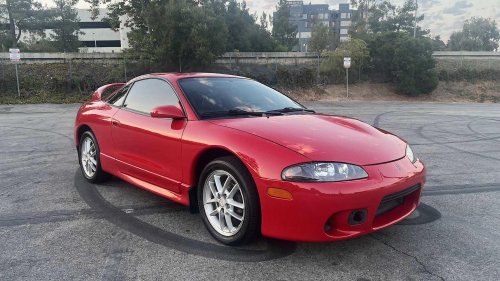
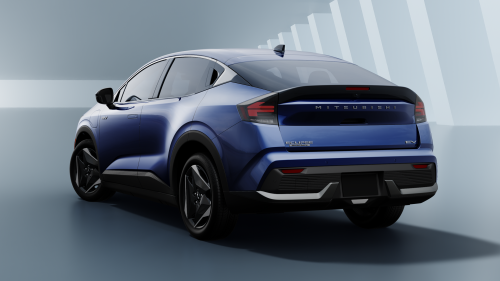
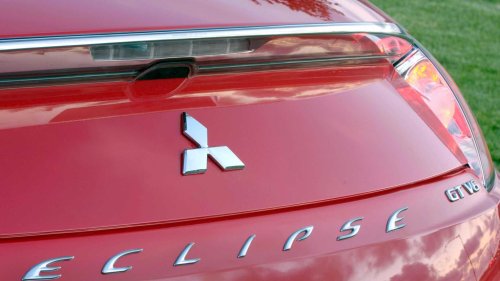



















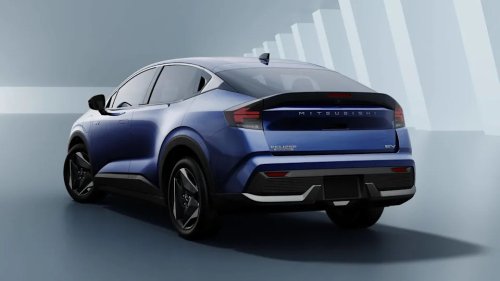
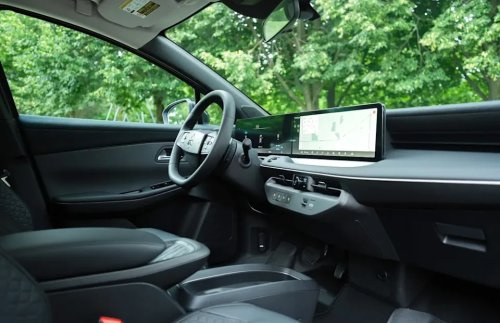
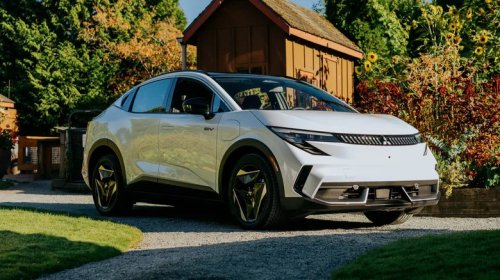
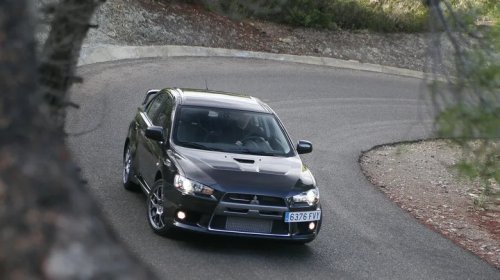
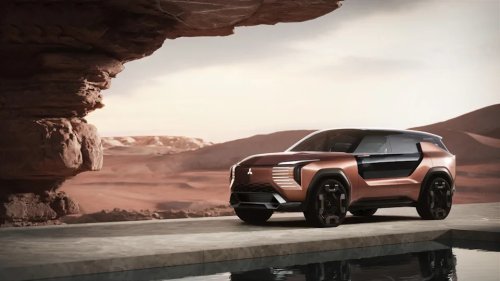
Mitsubishi announced today that its next electric vehicle for North America will carry one of the most recognizable names in sport-compact history: Eclipse. The 2027 Mitsubishi Eclipse Sportback is a fully electric subcompact SUV based on the next-generation Nissan Leaf, and it's set to go on sale in late summer or early fall of 2026. For anyone who grew up chasing turbocharged GSTs through mountain switchbacks or building GSX all-wheel-drive setups for track days, that nameplate attached to a crossover is going to sting a little.The original Eclipse ran from 1990 through 2012, and the turbocharged variants — the GST with its 2.0-liter turbo four and the all-wheel-drive GSX — became genuine touchstones of '90s and early-2000s tuner culture. They were affordable, tuneable, and fast enough to embarrass more expensive machinery. When Mitsubishi discontinued the Eclipse after the fourth generation, it left a gap that enthusiasts never quite stopped mourning. Now the name is back — just not in the shape anyone was hoping for. What The Eclipse Sportback Actually Is MitsubishiMitsubishi is being straightforward about the Eclipse Sportback's origins: it shares its platform with the new-generation Nissan Leaf, a product of the long-running Renault-Nissan-Mitsubishi Alliance. The company says the Eclipse Sportback will receive cosmetic differentiation to make it distinctly Mitsubishi — unique front and rear fascias that align with the broader global lineup, distinct lighting signatures front and rear, sporty alloy wheels, and the brand's Triple Diamond badging.That's a meaningful degree of visual separation, but the underlying architecture is shared. Think of it the way Mitsubishi and Nissan have co-developed products before — the Eclipse Cross and the Nissan Rogue Sport once shared DNA, and the Outlander PHEV has long benefited from Alliance engineering resources. The Eclipse Sportback continues that pattern, this time applied to a fully battery-electric vehicle in the subcompact SUV segment. The Nameplate Decision And Why It's Complicated Bring A TrailerMitsubishi says the Eclipse name reaches back to its North American debut in 1990, and the company is clearly leaning on that heritage to generate attention for what is, at its core, a mainstream electric crossover. It's a calculated move — and an understandable one from a brand-building standpoint. The Eclipse name carries recognition that a new nameplate simply wouldn't.But the cultural weight of that name cuts both ways. The GSX and GST weren't just quick cars; they were a gateway into a whole ecosystem of performance modifications, all-wheel-drive tuning, and motorsport ambition. The Eclipse appeared in the first Fast and Furious film for a reason — it represented accessible performance at a time when that combination was rare. Applying that name to a practical electric crossover doesn't erase the legacy, but it does ask enthusiasts to accept a very different definition of what an Eclipse is.Mitsubishi hasn't announced performance specifications for the Sportback yet, so it's possible the EV could surprise on that front. Electric motors can deliver strong acceleration figures even in mainstream packaging. But the company's framing so far has emphasized electrification strategy and product lineup expansion, not lap times. Momentum 2030 And Mitsubishi's Bigger Electrification Picture MitsubishiThe Eclipse Sportback is one piece of a broader push Mitsubishi calls Momentum 2030 — a business plan that commits the brand to launching at least one new or significantly revised vehicle every year through fiscal-year 2030. Electrification is one of four pillars in that plan, alongside an expanded product lineup, a modernized retail model, and deeper dealer network investment.Mitsubishi's EV history is longer than most people remember. The company began developing fully electric vehicles in Japan in the 1970s, and the i-MiEV — widely recognized as the world's first mass-produced electric vehicle — went on sale in select markets in 2009, reaching the U.S. and Canada by late 2011. The Outlander PHEV followed a year later as the world's first plug-in hybrid SUV, arriving in North America in 2018. The Eclipse Sportback is the next chapter in that lineage, not a sudden pivot.Joining the Eclipse Sportback in early 2027 will be an all-new rugged, off-road derivative of the Outlander SUV — a signal that Mitsubishi isn't abandoning the adventure-oriented positioning that has defined its recent U.S. lineup. Technical details and pricing for the Eclipse Sportback are still to come.Whether the Eclipse name helps or hurts the Sportback's reception may depend entirely on who's doing the evaluating. Mainstream EV shoppers won't carry the same baggage as someone who still has a poster of a second-gen GSX on their garage wall. Mitsubishi is clearly betting that the name's recognition outweighs the friction — and that, in time, a new generation of Eclipse owners will define what the nameplate means to them. TopSpeed's Take MitsubishiBeing based on the Leaf, which is a great EV, but not an enthusiast pick, it's understandable that the Eclipse name might ruffle some feathers. That said, consumers not tied to the history of the nameplate might quite enjoy the Eclipse Sportback as an affordable, practical commuter. We just wish that we could also get an Eclipse that's actually an Eclipse in spirit.Source: Mitsubishi