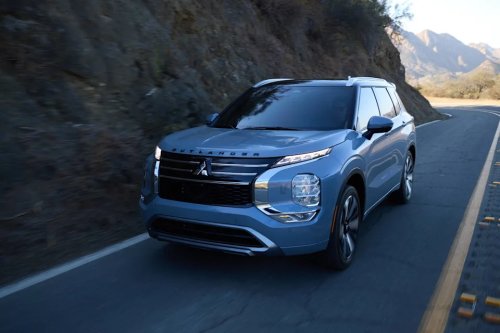
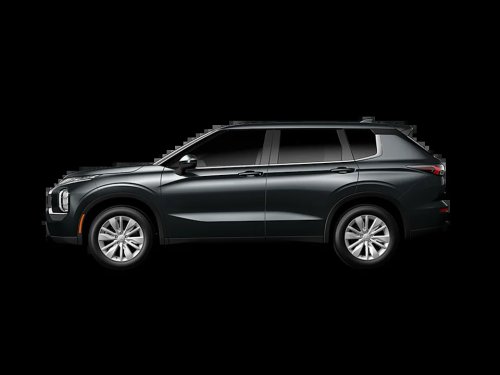
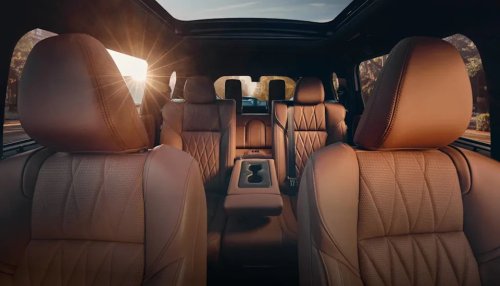
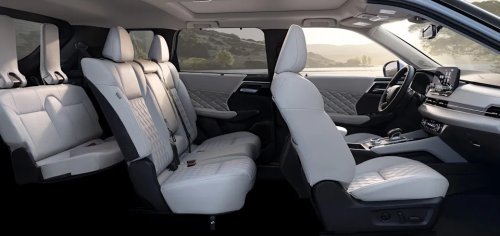
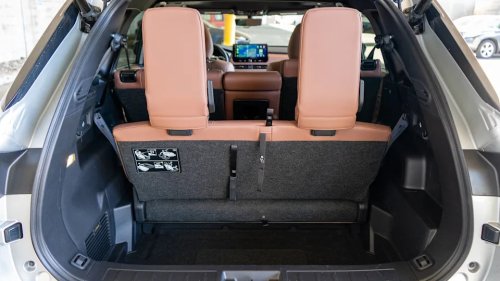
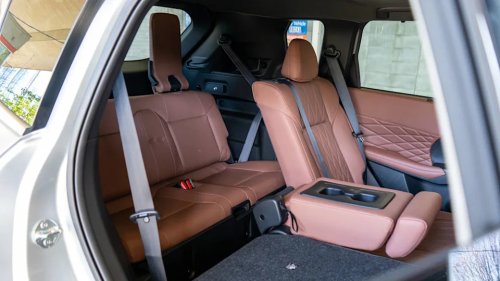
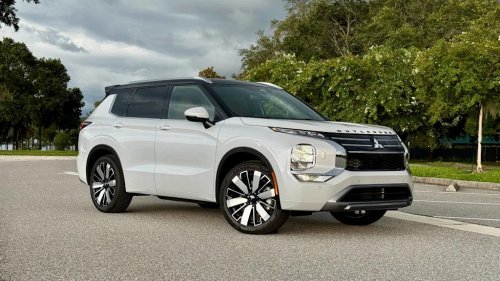
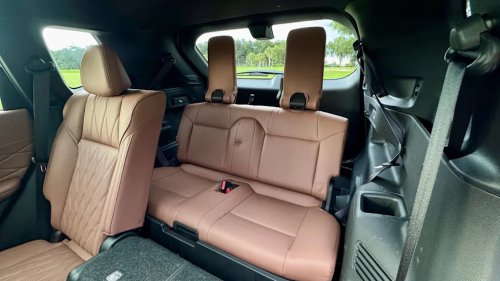
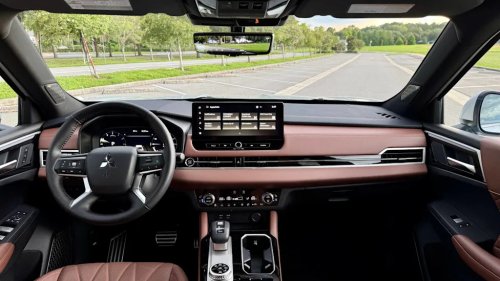
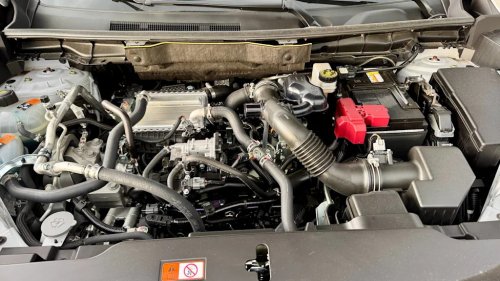
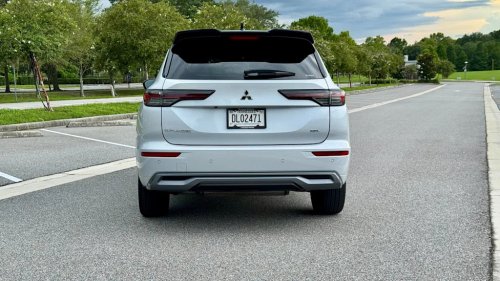
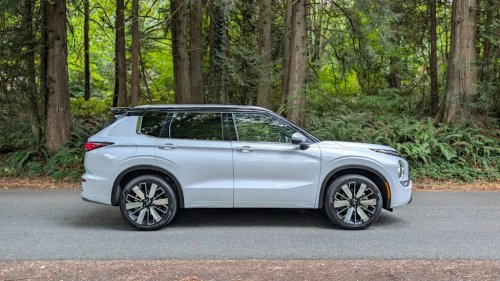
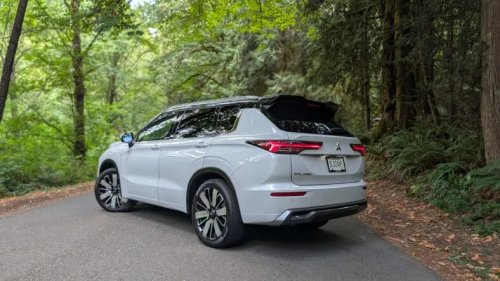
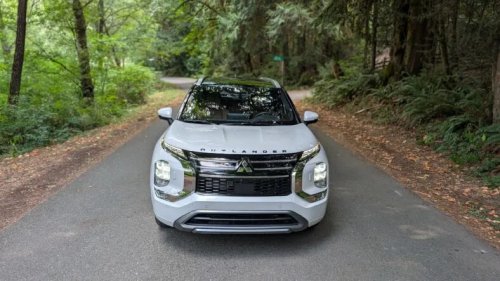
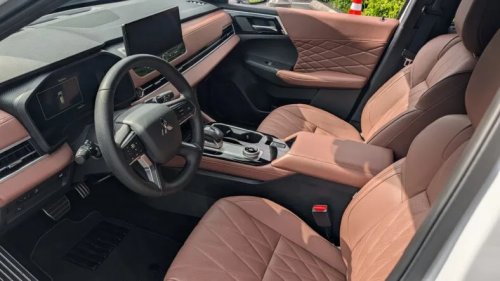
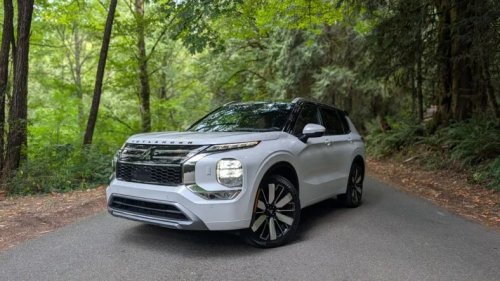
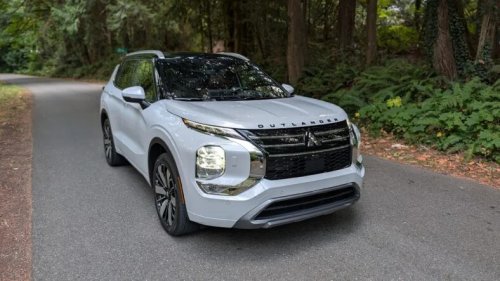
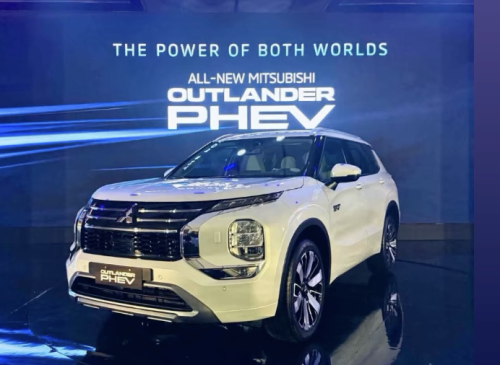
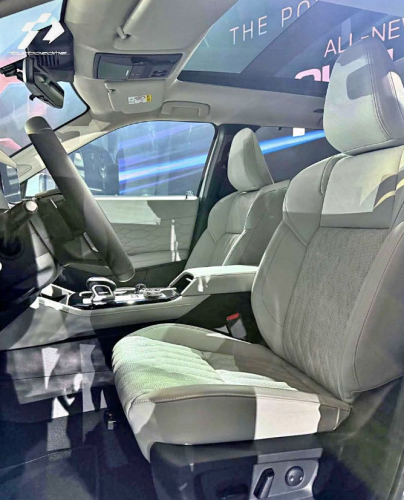
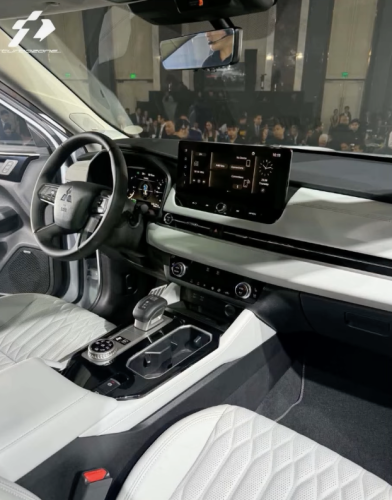
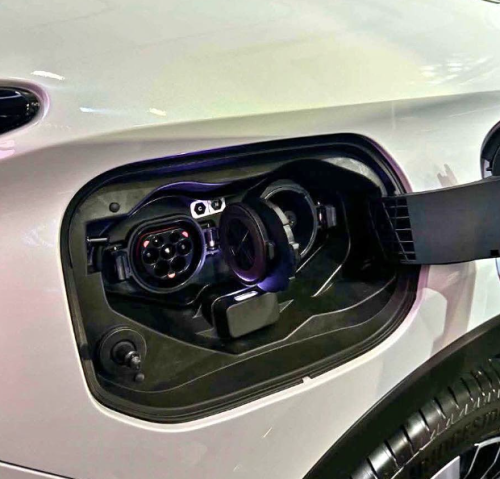
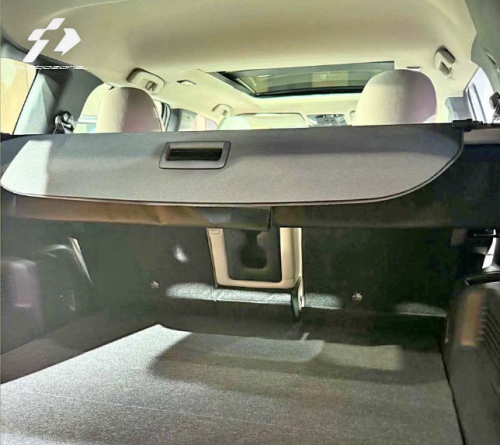
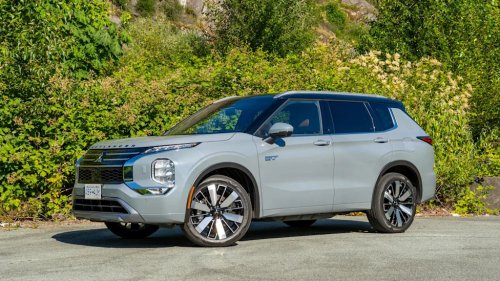
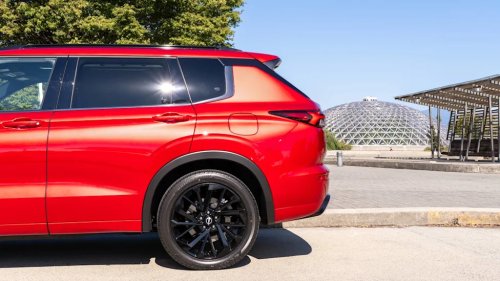
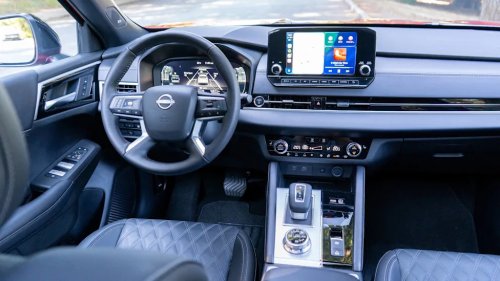
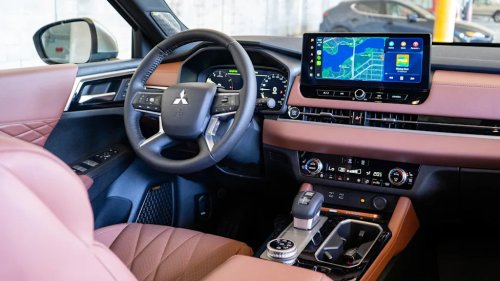
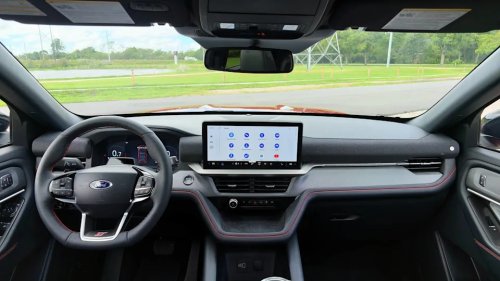
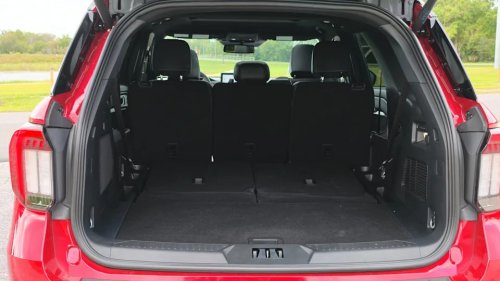
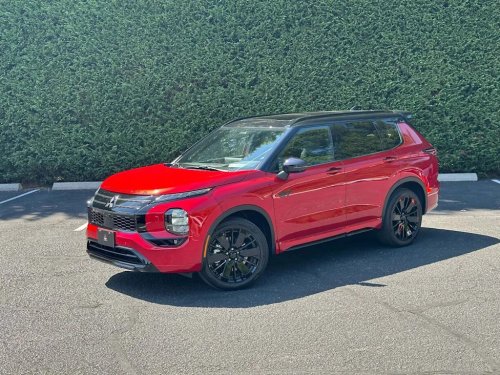
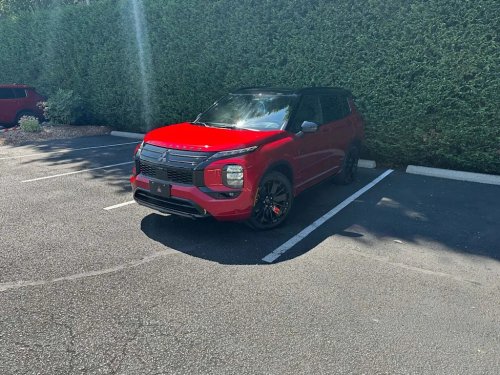
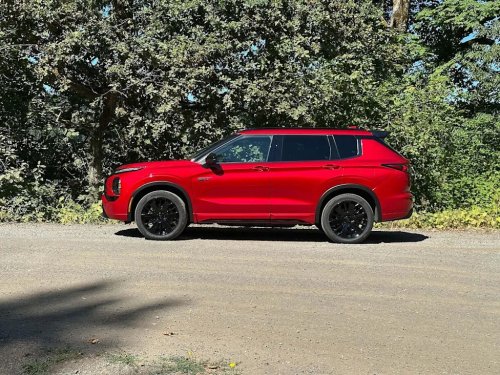
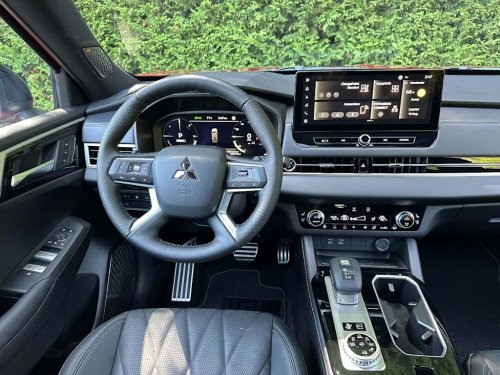
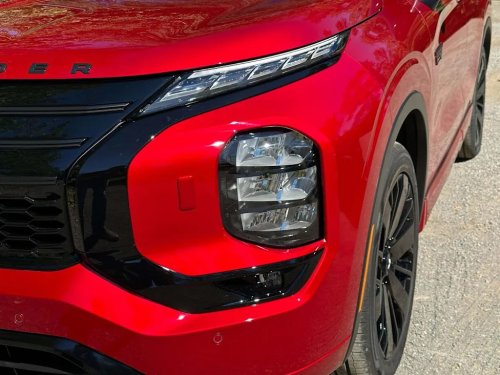
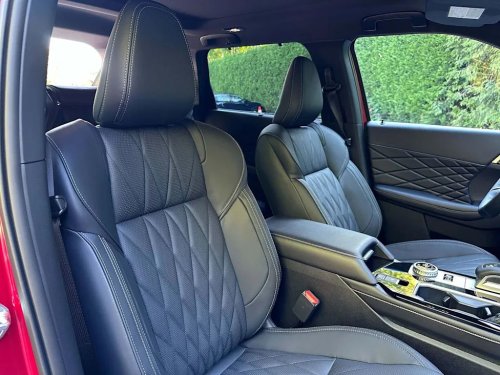
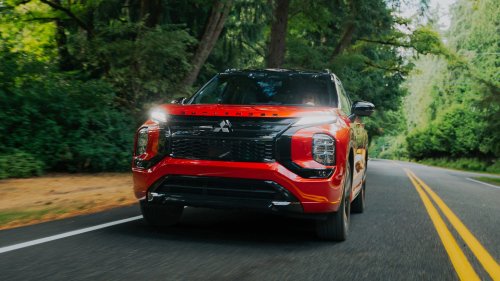
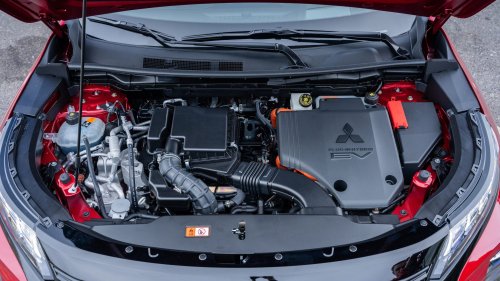
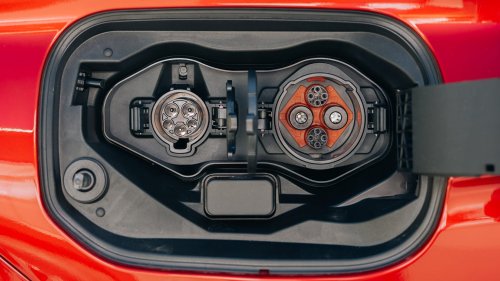
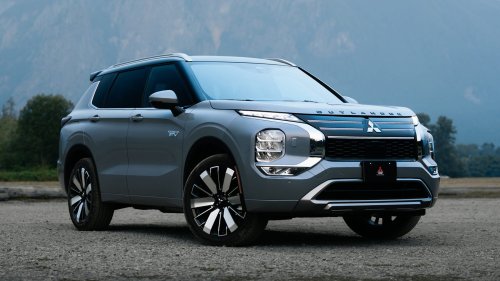
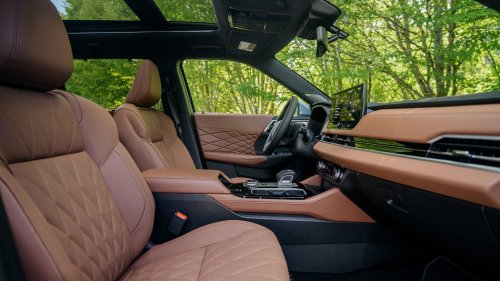
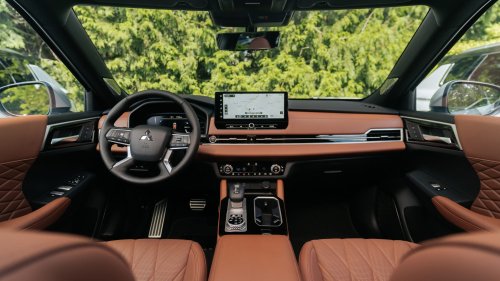
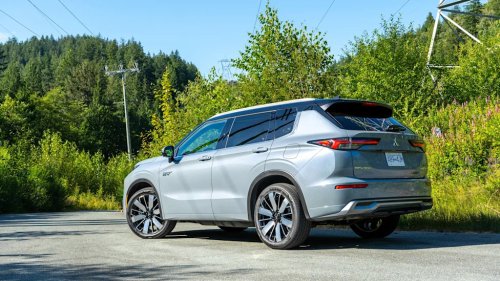
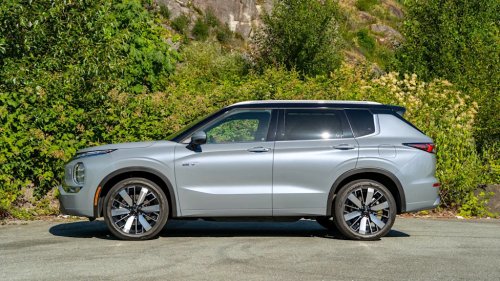
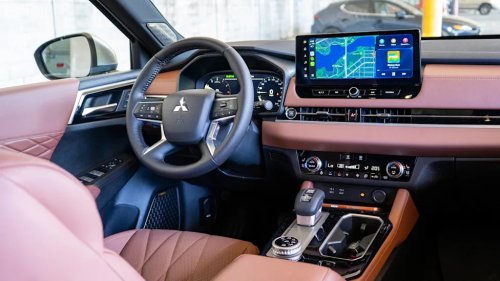
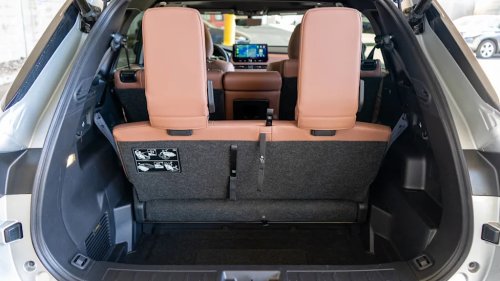
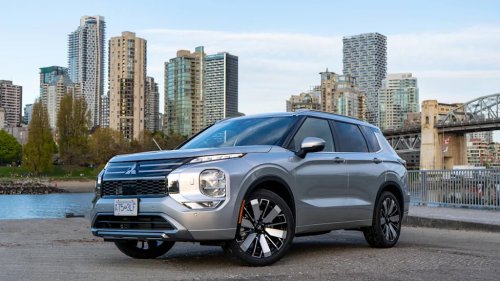
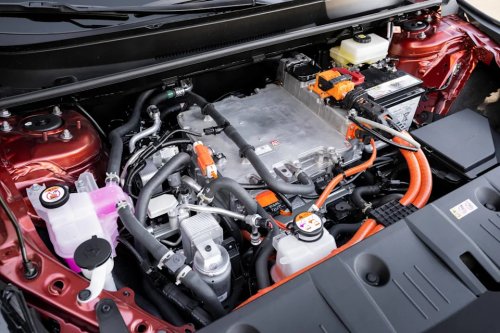
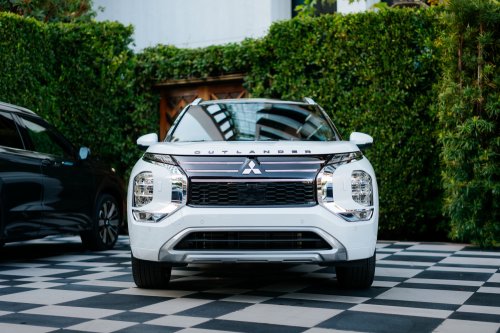
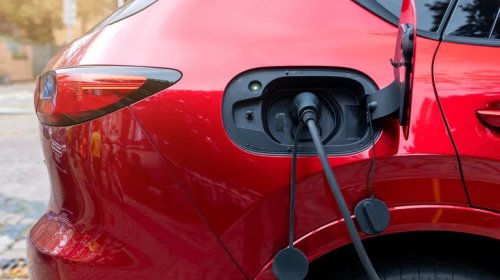
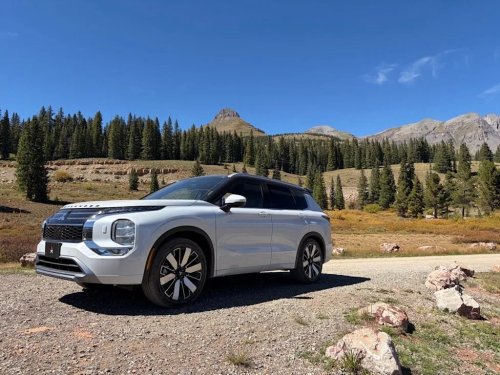
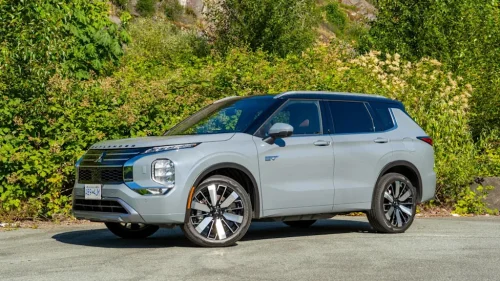
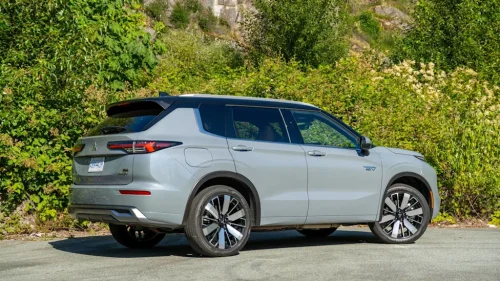
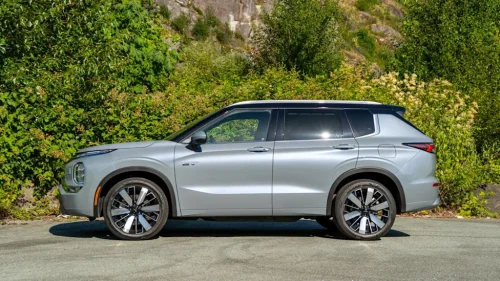
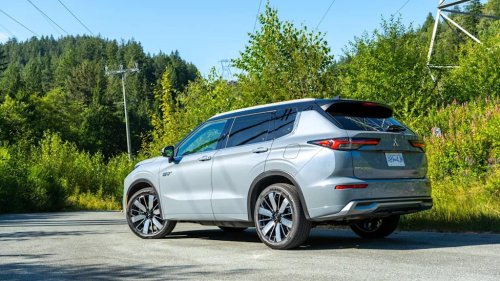
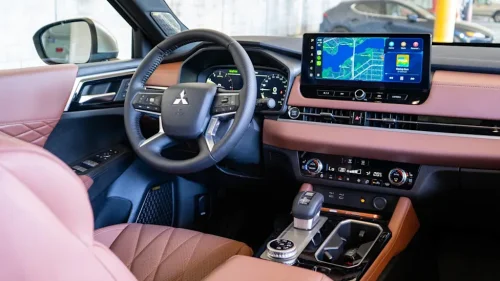
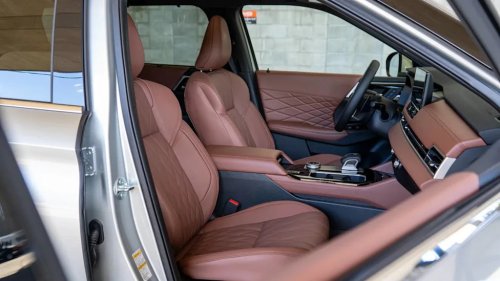
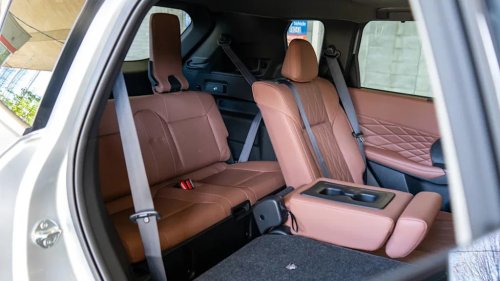
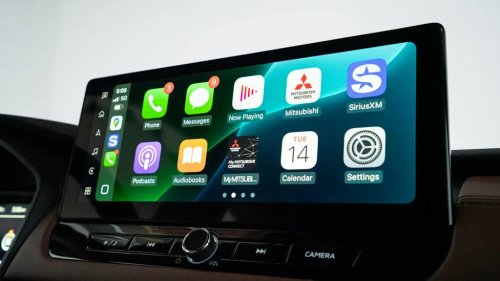
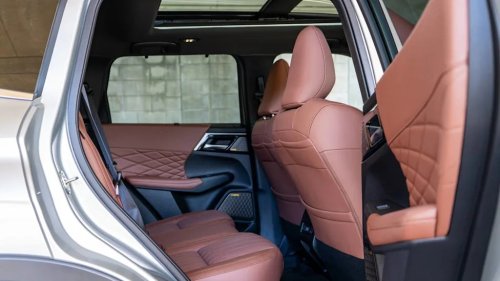
Autoblog and Yahoo may earn commission from links in this article.The Mitsubishi Outlander PHEV is one of those cars American buyers seem to forget exists, which is funny to me because, here in Canada, I see them everywhere. Maybe that says more about Canada than it does about Mitsubishi. We often pay more for fuel, we like all-wheel drive, we have winters that can turn simple grocery runs into challenging expeditions, and many of us live in places where a plug-in hybrid makes more sense than a full EV or even a combustion-powered car. On the West Coast, in Vancouver, especially, the Outlander PHEV fits right in: it's quiet and comfortable enough for city commuting, efficient enough for daily errands, and reassuring enough for weekend treks to local ski resorts in the winter.In the U.S., Mitsubishi remains a smaller, easier-to-overlook brand. But in Canada, the Outlander PHEV is less of a fringe product and more like the vehicle that almost singlehandedly maintains the brand's relevance. It is both the brand's bread-and-butter offering and, in many ways, its flagship: the one model that gives Mitsubishi an identity of its own in a market full of RAV4s, CR-Vs, Rogues, and Tucsons.AdvertisementAdvertisementAfter a week with the 2026 Mitsubishi Outlander PHEV GT Premium S-AWC in Vancouver, or the 2026 Mitsubishi Outlander PHEV SEL S-AWC Premium Package, as it's called in the United States, I came away thinking that American buyers might be sleeping on one of the more useful family SUVs on sale today. It isn't perfect, and in top-trim form, it isn't cheap, either. But it is unusually practical, surprisingly premium, more enjoyable to drive than expected, and far more polished than what you might expect from Mitsubishi.2026 Mitsubishi Outlander PHEVCole Attisha2026 Mitsubishi Outlander PHEV Key SpecsSpecification2026 Mitsubishi Outlander PHEVPowertrain2.4L I4 plug-in hybrid with twin electric motorsTotal output297 hpBattery22.7 kWhElectric range45 miles / 72 kmTotal range420 miles / 690 kmDrivetrainS-AWC all-wheel driveSeating7 passengersDC fast chargingYesU.S. equivalent trim testedSEL S-AWC with SEL Premium PackageU.S. MSRP, equivalent trim$52,795Canadian trim testedGT Premium S-AWCCanadian starting price, equivalent trim$61,698 CADThinking about selling your car? Get an instant cash offer online now. Click here to get started.Powertrain: 9.3/10The 2026 Outlander PHEV's biggest update is its larger 22.7-kWh battery, which increases electric range to 45 miles in the U.S. and 72 km in Canada. Total driving range rises to 420 miles, or 690 km, depending on which side of the border you're reading this from. More importantly, total system output now sits at 297 horsepower, which gives the Outlander PHEV the punch the regular gas and mild-hybrid Outlander so badly needed.I complained about sluggishness during my review of the 2026 Outlander MHEV, but the PHEV powertrain completely resolves that concern. This version feels much, much quicker. Not sports-car quick, not "snap your passenger's neck" EV quick, but properly responsive in a way that many economical family SUVs are not. The immediate electric torque gives it a useful yet gentle snap off the line, and the gas engine blends in so smoothly that I often barely notice it unless I deliberately select Charge mode, which uses the combustion motor to charge up the battery system as you drive.2026 Mitsubishi Outlander PHEVCole AttishaThanks to Charge mode, I never had to plug the Outlander in to charge it during the week. Over a roughly 1.5-hour drive, it charged the battery from about one-quarter full to nearly entirely full. That isn't necessarily how I would recommend every owner drive it every day, but it is a useful tool, especially before entering a city, climbing a mountain road, or saving EV range for later, and even more especially if you lack regular access to an EV charger.AdvertisementAdvertisementAround town, driving the plug-in hybrid Outlander feels quiet and obviously electric-biased, while the combustion engine remains available for long trips without making you plan your life around charging stops or for harder acceleration between stoplights. It's the kind of powertrain that makes particular sense in places like Vancouver, where you might run errands on electricity all week, then drive to Whistler or Kelowna for a long-weekend getaway without having to map out every public charging location along the way.Power, Save, Charge and Normal modes all have distinct use cases, and the one-pedal-style Innovative Pedal worked smoothly without feeling harsh. When Charge and Power modes are engaged simultaneously, regenerative braking becomes aggressive enough to mimic engine braking on twisty roads without being so aggressive as to activate your passengers' motion sickness with every lift off the throttle.2026 Mitsubishi Outlander PHEVCole AttishaDriving Dynamics: 8.8/10Driving the Outlander feels like riding a small elephant with surprisingly tiny feet, but those feet are wearing extremely grippy sneakers. The body is tall, broad and substantial, yet the stance never quite screams "corner-carver." But those tiny feet are wearing very grippy shoes, and the Super All-Wheel Control system gives the Outlander PHEV more confidence and engagement around corners and on twisty coastal highways than I expected.On British Columbia's picturesque Sea-to-Sky Highway, the Outlander PHEV felt unexpectedly capable. It wasn't as playful as a Mazda CX-5, nor as sharp as a Hyundai Tucson N-Line, but it was composed, confident, and pleasingly tied together. The steering has an elasticity to its resistance that makes the car feel smooth and easy to guide, while still offering enough feedback to keep the driver involved. The suspension revisions for 2026 help, too, because the ride remains comfortable without letting the body float around lazily.AdvertisementAdvertisementThis is where Mitsubishi's old performance ghosts still matter in ways beyond what they did for the brand's reputation. The rally-racing-derived S-AWC system doesn't feel like it exists only to get you out of a snowy driveway or a small patch of gravel. It adds real confidence in sweeping corners at highway speeds, helps the Outlander put its immediate power down cleanly, and gives the car a more engaging personality than its sensible family-SUV packaging suggests. It still leans more towards confident than fun, but it is enjoyable nonetheless, and that's worth commending in a family SUV that's so inherently pragmatic. That is more than I expected to say about a seven-seat plug-in hybrid family crossover wearing a Mitsubishi badge in 2026.2026 Mitsubishi Outlander PHEVCole AttishaExterior Design: 8.5/10The Outlander's styling remains distinctive, and its 2026 updates help freshen it up without changing the basic look too dramatically. My tester wore an elegant shade of Moonstone Gray with a contrasting Black Roof, a $750 option in the U.S. and $900 in Canada. The top-trim wheels make the most substantial visual difference, and they do plenty to make the Outlander look more premium and less rental-counter-ready. The PHEV badging on the front doors is the most obvious giveaway that this is the plug-in version, aside from its charge port; otherwise, it follows the same basic formula as the regular Outlander.I like the look. It isn't as outlandish a caricature as a Hyundai Santa Fe, not as rugged-looking as a Jeep Cherokee, and not as suave as a Mazda CX-5 or CX-50, but it has a distinct and surprisingly classy style of its own. Compared with the RAV4, it looks more unique and lively. That's critical, I think, for Mitsubishi: a brand that needs its products to stand out before buyers even begin thinking about powertrains, warranties or rebates.2026 Mitsubishi Outlander 1.5T GT Premium S-AWCCole AttishaInterior: 9.2/10In GT Premium form, the Brick Brown semi-aniline leather-appointed interior with diamond-stitched upholstery looks and feels genuinely upscale. The seats are cushy and comfortable, the materials are better than many people will expect from Mitsubishi, and the overall presentation feels authentically premium rather than desperately fancy. The Yamaha sound system is a brilliant and unique touch, too, and is crisp, full, and rich enough to stand out among the many features that make the Outlander PHEV feel more expensive than it is.2026 Mitsubishi Outlander 1.5T GT Premium S-AWCCole AttishaThe interior also feels distinctly Mitsubishi, not simply like a Nissan product wearing a different steering wheel. The Outlander shares much of its architecture with other models in the Renault-Nissan-Mitsubishi alliance, yet from inside, it still has its own unique character. There is still some tire noise at highway speeds, but around town, it's extremely quiet. The gas engine rarely intrudes unless you've deliberately asked it to help charge the battery, and the overall atmosphere is calm, comfortable and family-friendly.AdvertisementAdvertisementThe third row isn't generous with space. It's best reserved for kids, emergencies, or very small adults with unusually low comfort standards. But I would rather have it and not need it than need it and not have it, and that extra seating flexibility gives the Outlander PHEV a meaningful advantage over most compact and midsize plug-in hybrid rivals.2026 Mitsubishi Outlander 1.5T GT Premium S-AWCCole AttishaShopping for a new car? Click here to get a great deal on your next vehicle. Powered by Carvana, no haggle pricing, 100% online.Outlander PHEV Canadian Market ContextMetricFigureMitsubishi Canada total sales, CY202537,335Outlander sales, CY2025 Canada12,688Outlander PHEV sales, CY2025 Canada8,899Outlander PHEV share of Mitsubishi Canada sales23.8%Canadian PHEV rankingBest-selling plug-in hybrid vehicle for third straight yearThe Canadian numbers make sense to me because the Outlander PHEV's use case feels almost tailor-made for this market. It offers enough electric range to handle local errands, all-wheel-drive confidence for bad weather, a gas engine for long drives, and just enough three-row flexibility to make it feel more useful than most compact plug-in hybrid SUVs. In Canada, that combination has clearly resonated.The U.S. story is way different. Mitsubishi Motors North America reported nearly 95,000 total sales in 2025 and said the broader Outlander nameplate accounted for more than one-third of its volume, but, from a proportional standpoint, the Outlander PHEV isn't the kind of standalone success story that it is north of the border. For reference, Toyota sold 75,573 RAV4 units in 2025, versus the Outlander's comparatively strong 37,335 units. In the U.S., Toyota sold 479,288 RAV4 units in 2025, compared to the Outlander's 94,754 units, effectively quadrupling the Outlander's sales figures, and then some.That doesn't mean Americans are wrong to overlook it, nor am I claiming that more people should choose one over a RAV4, but it does suggest the Outlander PHEV occupies a very different place in the two markets. In Canada, it feels like one of Mitsubishi's defining products, but in the U.S., it might still be the answer to a question too few shoppers even think to ask.2026 Mitsubishi OutlanderMitsubishiTechnology: 8.8/10The Outlander PHEV's tech isn't flashy, but it works well and doesn't try to reinvent anything for its own sake. The 12.3-inch infotainment screen is crisp and functional, wireless Apple CarPlay worked properly, and the digital gauge cluster is easy to read. The PHEV-specific displays are useful, too, because they make efficient driving feel a bit like a game. That's all the tech I could ever need in a sensible modern family SUV, and then some, without taking things too far.AdvertisementAdvertisementI also appreciated the abundance of physical buttons and controls. In a market where automakers keep hiding basic functions inside touchscreens and calling it forward progress, the Outlander's tactile approach feels refreshing. It may not feel as futuristic as some rivals, but it is easier to live with, and that matters far more in a family SUV. The camera system worked well, the driver-assistance tech didn't annoy me, and yet nothing about the tech experience ever felt outdated.2026 Mitsubishi Outlander 1.5T GT Premium S-AWCCole AttishaValue: 8.7/10In top-trim form, the Outlander PHEV isn't cheap. My Canadian GT Premium S-AWC tester starts at $61,698 CAD, while the closest U.S. equivalent, the SEL S-AWC with the optional SEL Premium Package, has an MSRP of $52,795. That is real money. But from the perspective of a premium-feeling, plug-in-hybrid, three-row family SUV with all-wheel drive, a strong audio system, a rich interior, and meaningful electric range, the Outlander PHEV still feels worthwhile.Mitsubishi's warranty helps, too. In the U.S., Mitsubishi offers a 10-year/100,000-mile powertrain limited warranty for original owners, along with 5-year/unlimited-mile roadside assistance and 2-year/30,000-mile limited maintenance. That warranty coverage should help reduce some of the anxiety buyers might feel about choosing Mitsubishi over more obvious brands. And that is really the Outlander PHEV's biggest weakness: not the product, but the badge.If you're a brand snob—and I own too much Arc'teryx and Patagonia clothing to ever criticize you for being one—you might never get past the three diamonds on the grille. Mitsubishi currently lacks a modern Lancer Evolution, an Eclipse coupe, a rugged Pajero or Montero, a jacked-up modern Delica Space Gear, or really any sort of emotionally resonant halo car to make its S-AWC system feel connected to something aspirational, the way Subaru can point to WRX history or Toyota can lean on GR performance credibility. That lack of wider brand excitement hurts the Outlander PHEV more than anything the vehicle itself does wrong. Mitsubishi could benefit enormously from a more emotional model to help give its everyday vehicles the context they deserve. Because judged on its own merits, the Outlander PHEV is far better than Mitsubishi's current brand heat would suggest.2026 Mitsubishi Outlander PHEVCole AttishaVerdict: 8.9/10All things considered, the 2026 Mitsubishi Outlander PHEV is seriously underrated. It isn't just better than most people expect; it's good in ways that really matter for a lot of people: it's useful, comfortable, premium-feeling, efficient, flexible, and surprisingly nice to drive. The powertrain solves the sluggishness of the regular Outlander, the larger battery update makes it more useful as an EV, and the S-AWC system gives it a level of confidence and engagement that keeps it from feeling like a beige family appliance with a plug.AdvertisementAdvertisementIt still isn't perfect. The third row is small, highway tire noise remains noticeable, and Mitsubishi's limited brand appeal in the U.S. might keep some buyers from ever taking it seriously. But that last part feels increasingly unfair. In Canada, buyers already seem to understand the Outlander PHEV. It is everywhere for a reason. The ideal buyer is someone who wants one vehicle to do many jobs: commute on electricity, handle winter confidently, carry a family, occasionally use the third row, feel nicer inside than expected, and still take long road trips without relying entirely on public charging.That may not sound glamorous, but it's exactly the sort of usefulness that makes a vehicle great in the long term. For Mitsubishi, the Outlander PHEV is more than just another model. It's the product that proves the brand still knows how to build something distinctive, practical and genuinely relevant. Mitsubishi just needs to remember how to get people excited about the brand again.This story was originally published by Autoblog on Jun 25, 2026, where it first appeared in the Reviews section. Add Autoblog as a Preferred Source by clicking here.



















 +76 others