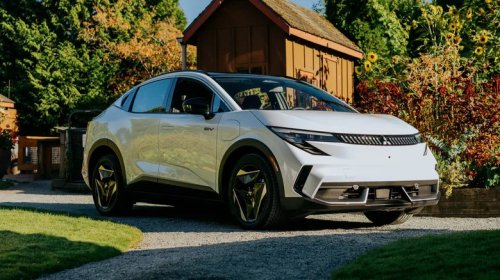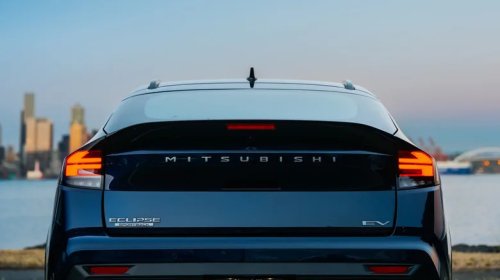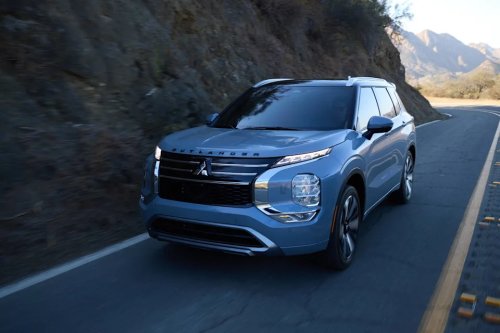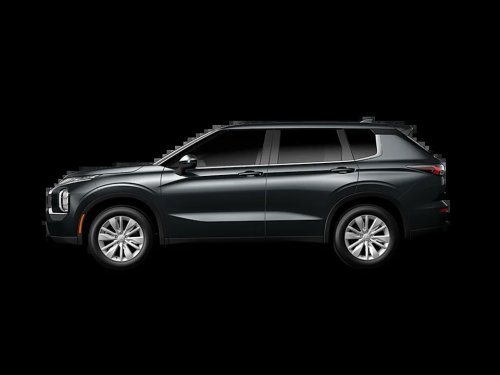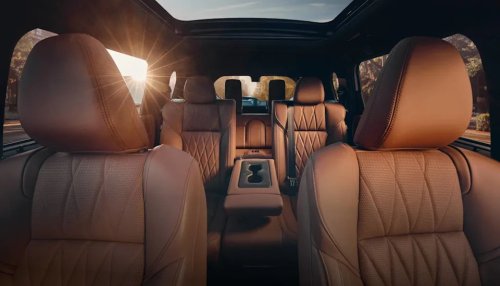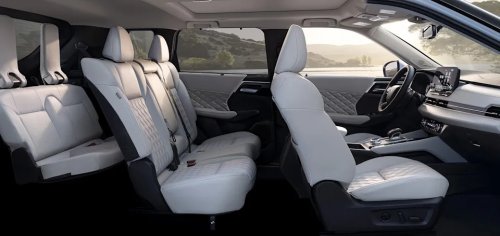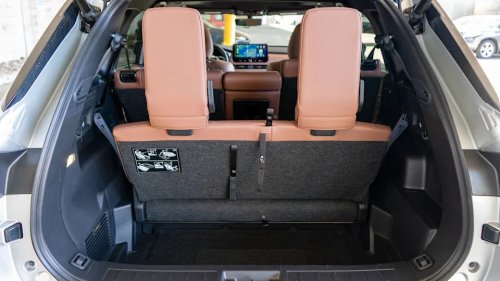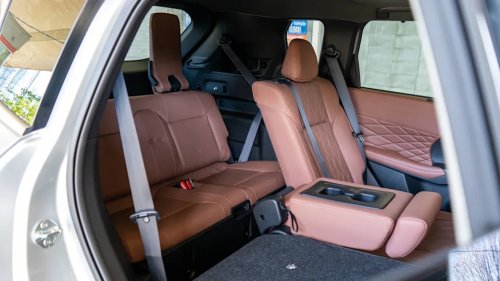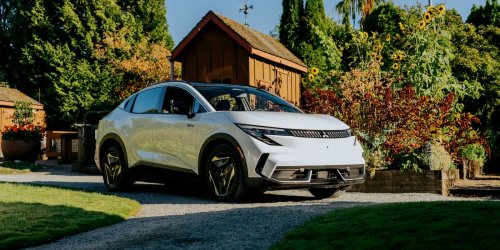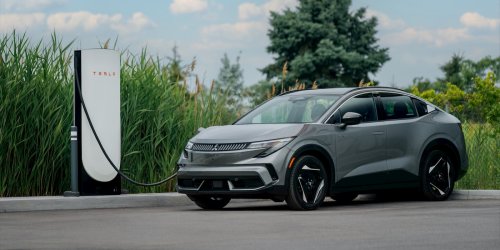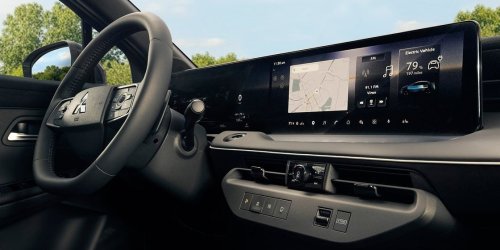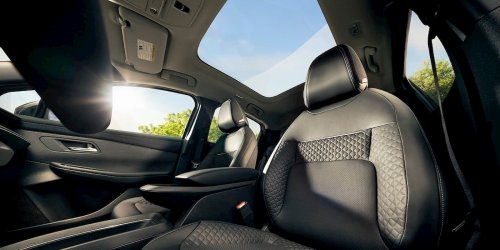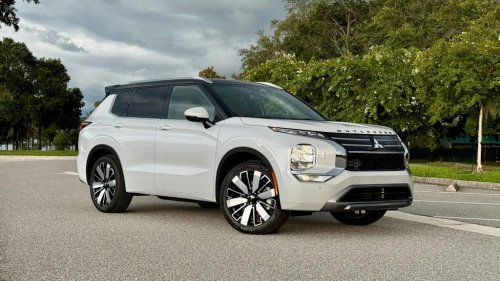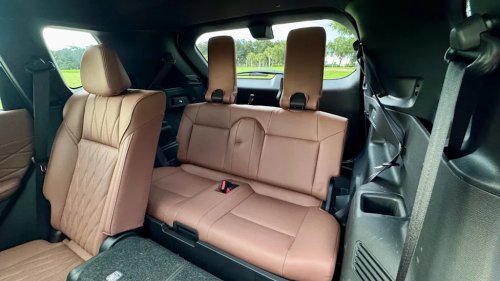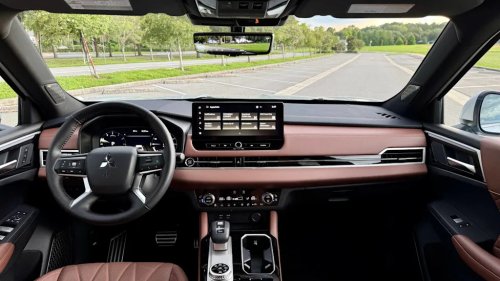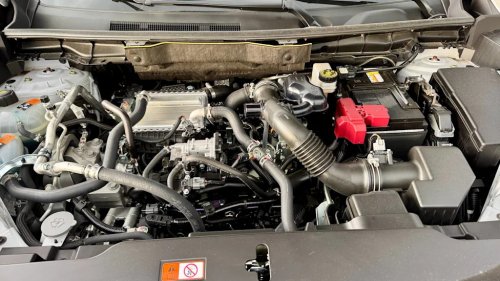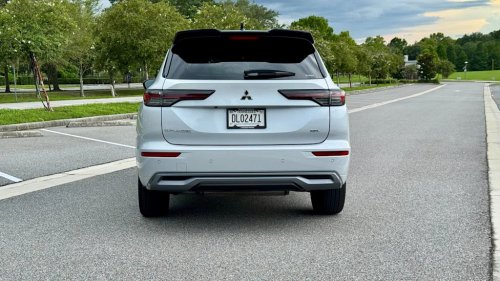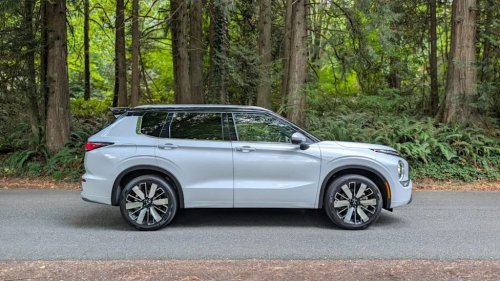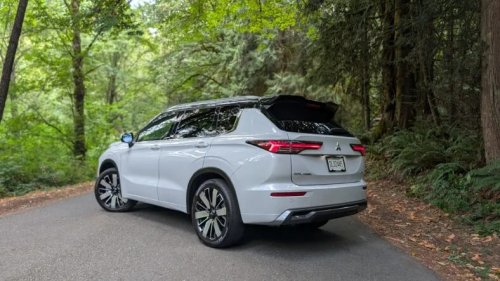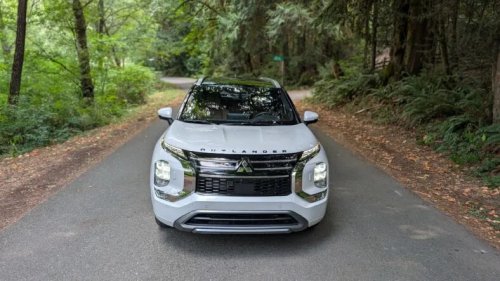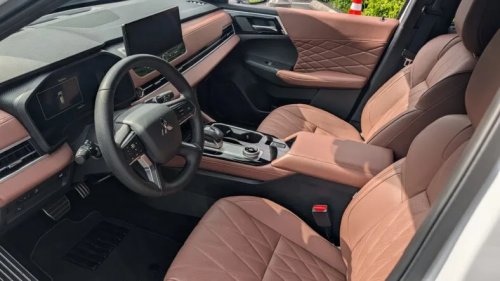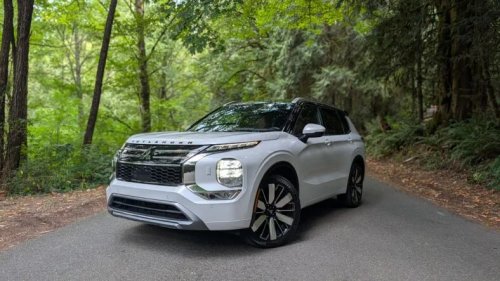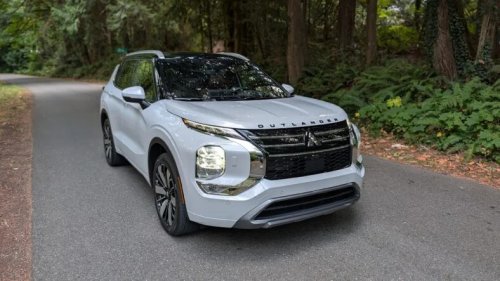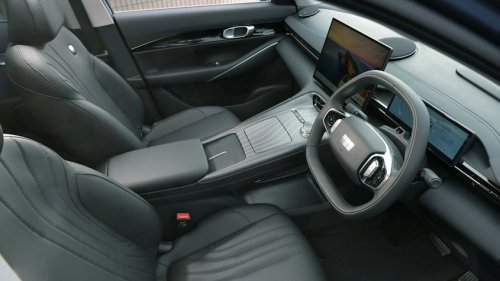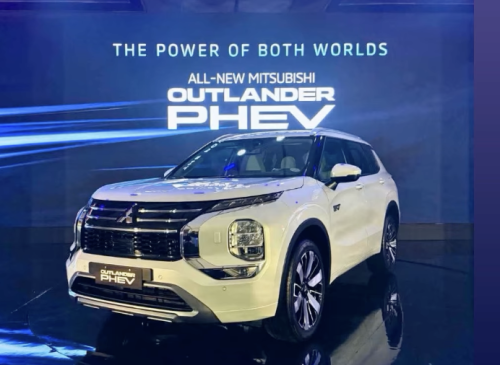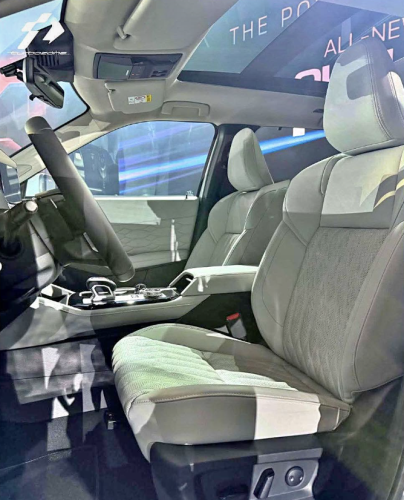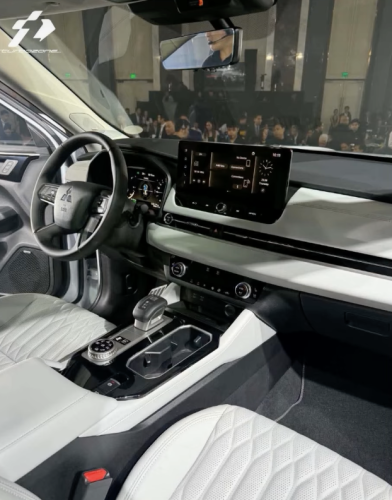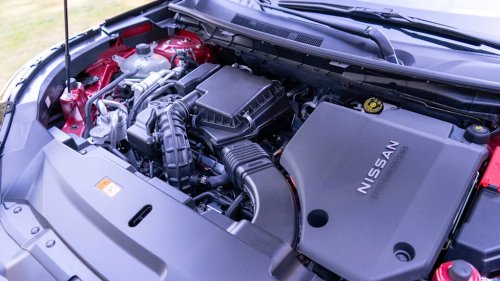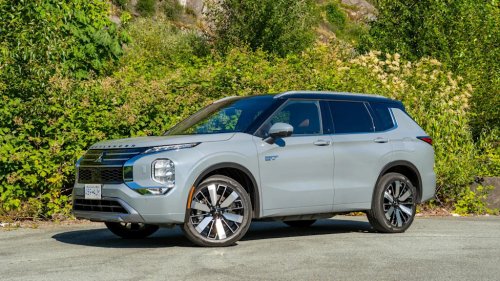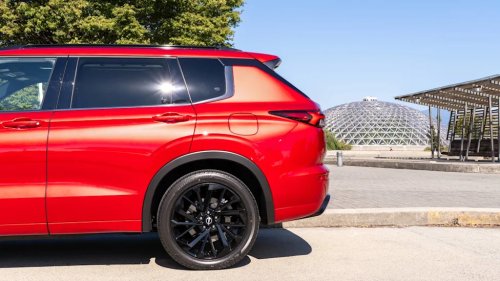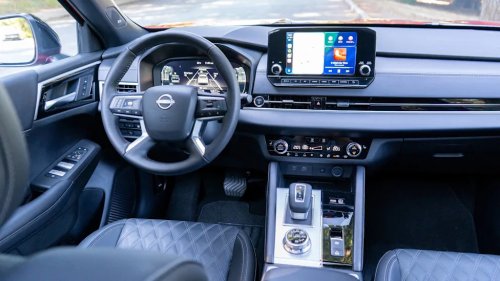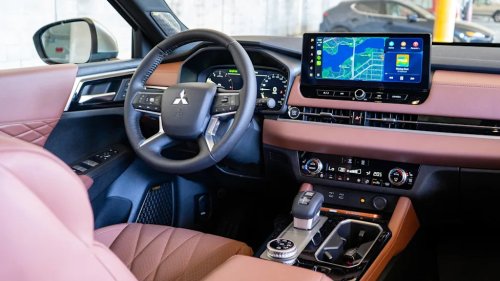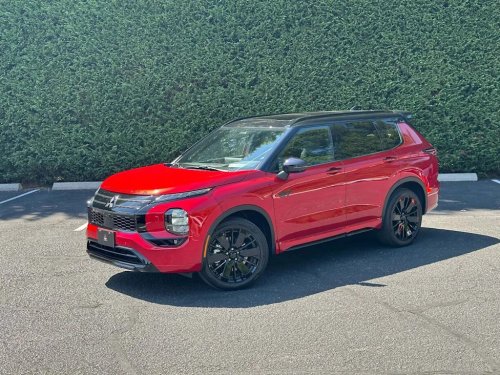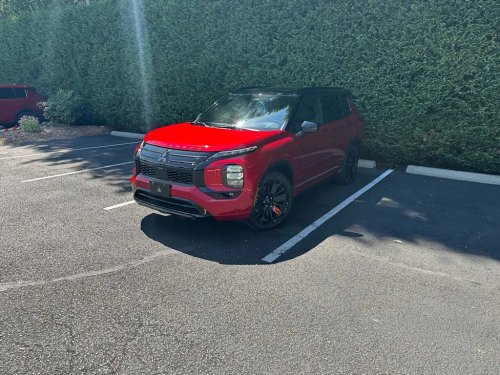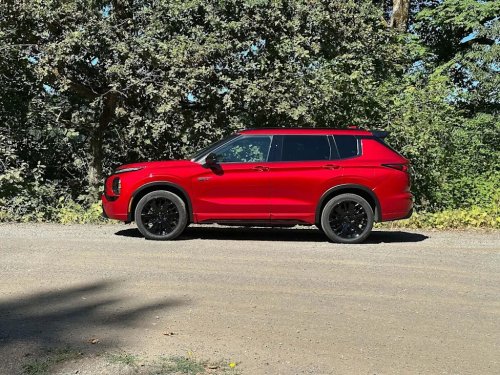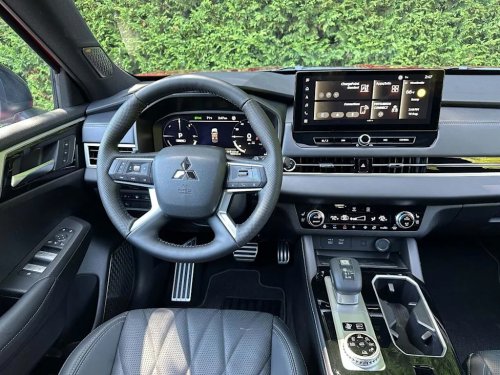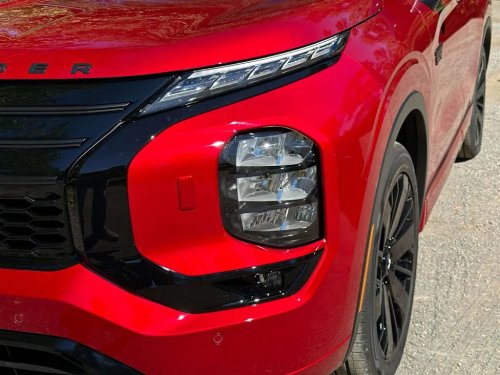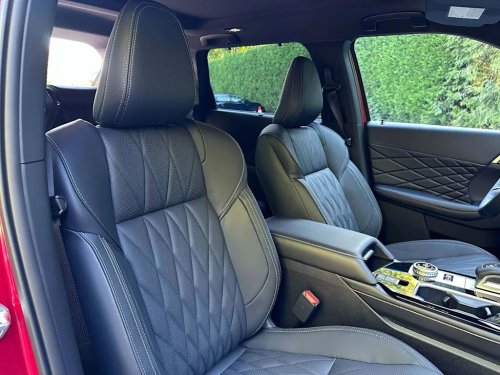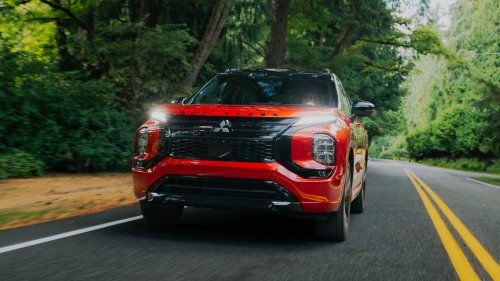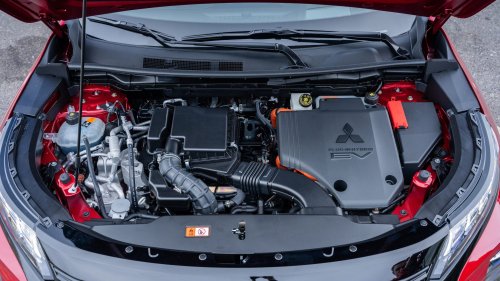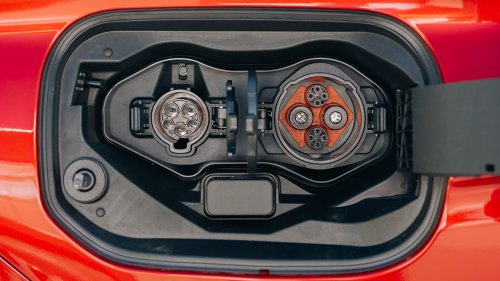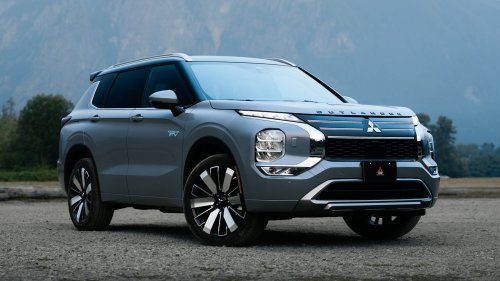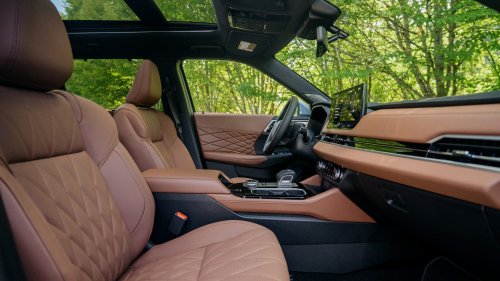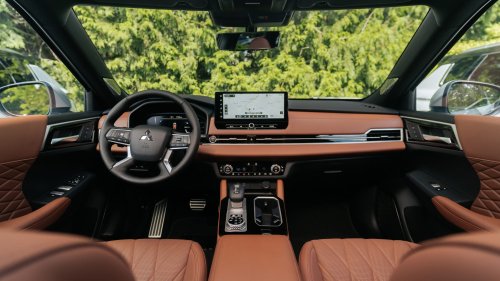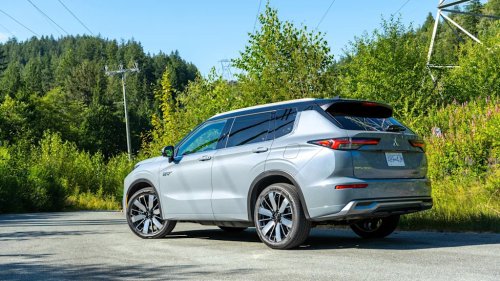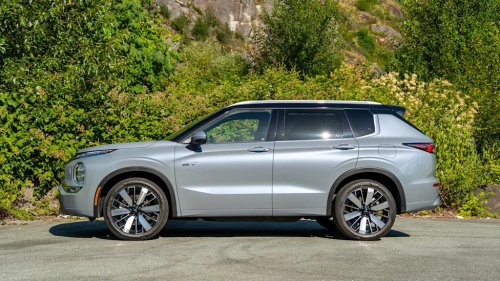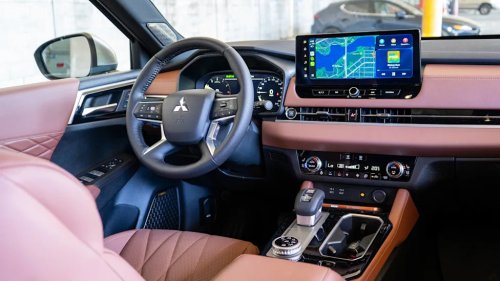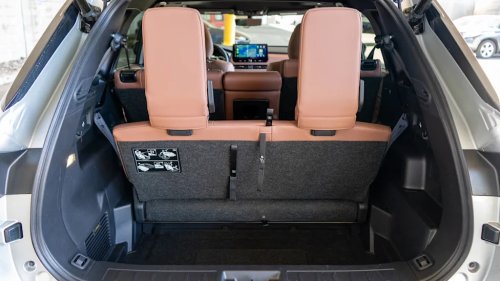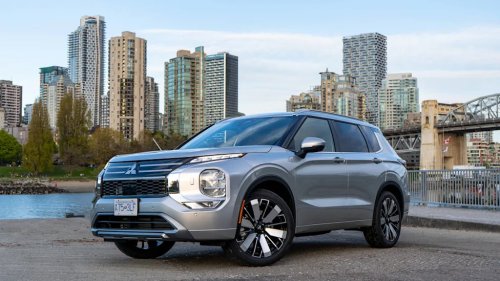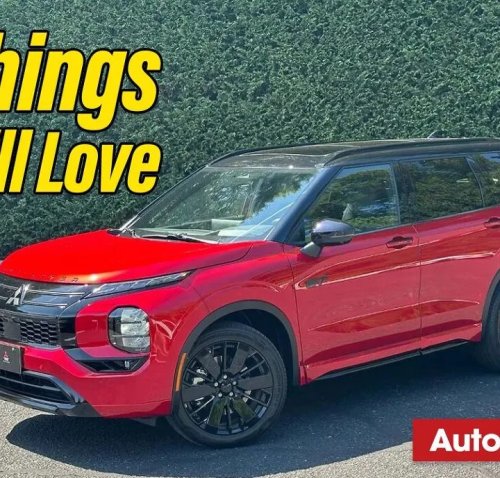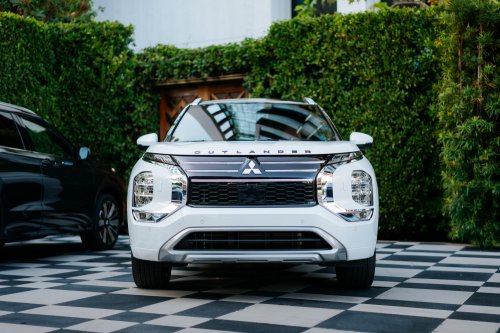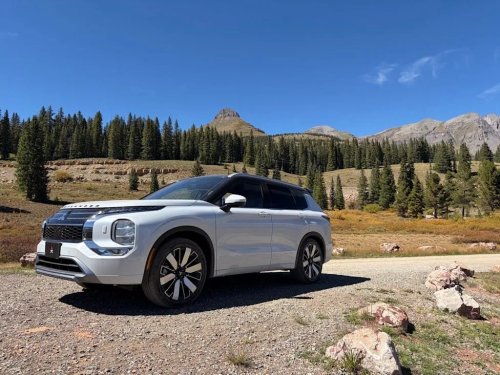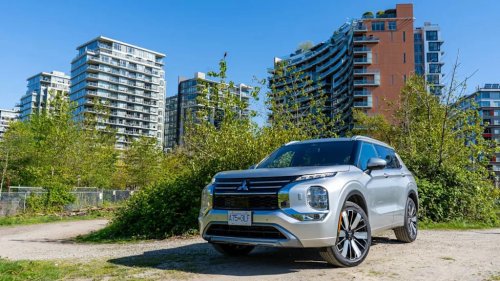
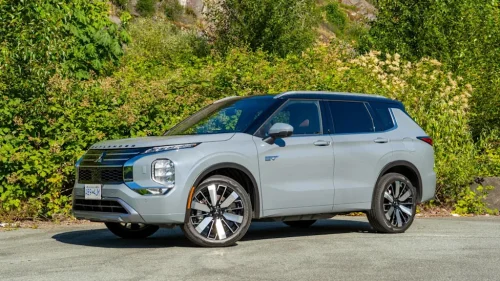
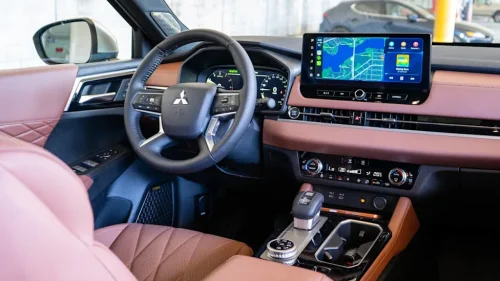
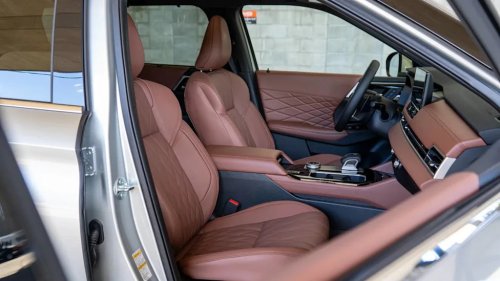
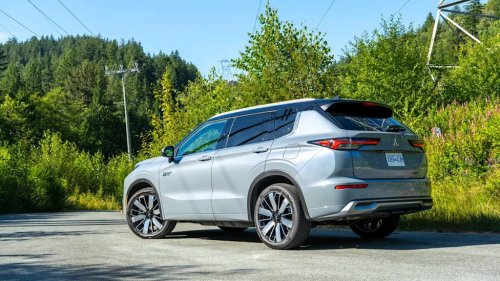
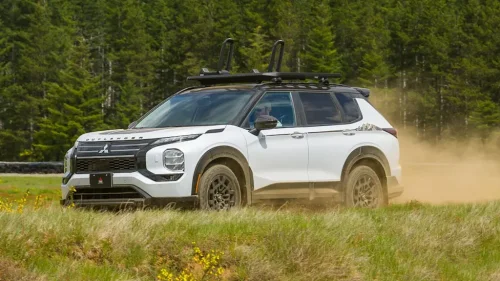
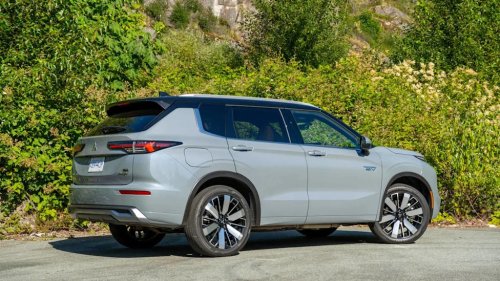



















Autoblog and Yahoo may earn commission from links in this article.The 2026 Mitsubishi Outlander and Outlander PHEV are separated by much more than a charge port. On paper, they look like two versions of the same three-row family SUV. Same basic shape, same surprisingly premium cabin, same available Brick Brown interior, same useful third row, same Mitsubishi badge that too many American buyers still seem determined to ignore. But after driving both, the difference is not so subtle.That doesn't mean everyone should spend the extra money for the plug-in hybrid. The gas-powered mild-hybrid Outlander still has a clear purpose, especially for buyers who want the cabin, styling, warranty, and occasional-use third row without paying luxury-SUV money. But the PHEV fixes the regular Outlander's biggest weakness so thoroughly that it almost feels like Mitsubishi built the entire vehicle around the plug-in version first, then worked backward.2026 Mitsubishi Outlander 1.5T MHEV S-AWCCole AttishaSpecs And Pricing ComparedSpecification2026 Mitsubishi Outlander MHEV2026 Mitsubishi Outlander PHEVPowertrain1.5L turbo I4 mild hybrid2.4L I4 plug-in hybrid with twin electric motorsOutput174 hp / 206 lb-ft297 hpDrivetrainFWD or S-AWC AWDS-AWC AWDTransmissionCVTSingle-speed-style PHEV systemElectric rangeNot applicable45 miles / 72 kmTotal rangeNot applicable420 miles / 690 kmSeating77Closest U.S. as-tested trimSEL S-AWC with SEL Premium PackageSEL S-AWC with SEL Premium PackageU.S. tested-equivalent price$43,895$52,795Canadian test-equivalent price$48,398 CAD$61,698 CADThinking about selling your car? Get an instant cash offer online now. Click here to get started.2026 Mitsubishi Outlander PHEVCole AttishaThe PHEV Fixes The Regular Outlander's Biggest ProblemThe regular Outlander's 1.5-litre turbocharged mild-hybrid powertrain is smoother than expected, but it is also the part of the vehicle I liked least. It isn't painfully slow, but it often feels leisurely, distant, and overly reliant on a CVT that tries too hard to mimic a traditional automatic. The simulated shifts can feel artificial, the response can feel delayed, and the whole experience never quite matches the premium impression created by the cabin.AdvertisementAdvertisementThat's a shame, because so much of the regular Outlander works. Thankfully, the PHEV changes the whole personality. Its 297-hp plug-in hybrid system gives the Outlander the immediate electric torque, smoothness, and confidence the MHEV lacks. It is much, much quicker, but more importantly, it feels better integrated. Around town, the PHEV behaves like an EV-forward hybrid, using electric power heavily and bringing in the gas engine when necessary with enough smoothness that I often barely noticed it unless I deliberately selected Charge mode. The end result isn't merely a faster Outlander—it's a more convincing one.The PHEV also brings flexibility that the MHEV cannot touch. Its 45 miles of U.S.-rated electric range, or 72 km in Canada, means many owners could handle daily errands on electricity alone, then rely on the gas engine for longer drives. That is the whole appeal. It gives buyers EV-like use around town without forcing them to plan for full-EV trips.2026 Mitsubishi OutlanderCole AttishaThey Share The Same Best Attribute: The CabinThe good news for both versions is that the Outlander's interior remains one of the most unexpectedly strong cabins in this class. In high-grade form, the Brick Brown semi-aniline leather-appointed interior transforms the Outlander from "reasonable family SUV" into something surprisingly plush. The seats are comfortable, the stitching and trim add warmth, and the overall atmosphere feels far more upscale than the badge might suggest. Both versions benefit from that same core strength.2026 Mitsubishi Outlander 1.5T GT Premium S-AWCCole AttishaThe Yamaha audio system is another major highlight. In the regular Outlander, it helped elevate the whole experience beyond what I expected. In the PHEV, it still feels like one of the details that makes the vehicle seem more expensive and more interesting than Mitsubishi's current brand image suggests. This is where the Outlander, regardless of powertrain, makes its best case. It gives buyers a compact-to-midsize three-row SUV with a genuinely nice cabin, manageable footprint, strong equipment, and a third row that is tight, yes, but still useful for kids or emergencies. I would rather have it and not need it than need it and not have it, and it's one of the very few SUVs of its size that offer the extra seats.2026 Mitsubishi Outlander PHEVCole AttishaThe PHEV Also Drives BetterThe regular Outlander is comfortable and secure, but not especially engaging. The steering is light, the body motions are soft, and "numb" was the word I kept coming back to during my week with it. For many families, that will not matter. Some buyers want their three-row SUV to make driving as uneventful as possible.AdvertisementAdvertisementThe PHEV still leans more toward confidence than playfulness, but it is genuinely more enjoyable. On the Sea-to-Sky Highway, its S-AWC system gave it a sense of grip and composure, making the Outlander feel more connected than expected. The extra power helps, but so does the way the electric motors support the driving experience. It feels less like the vehicle is being dragged along by its powertrain and more like the powertrain is helping the chassis come to life.2026 Mitsubishi Outlander Trail Edition(C) 2026 Doug Berger | DBPicsWhich Outlander Makes More Sense?Buyer TypeBetter ChoiceLowest purchase priceOutlander MHEVBest performanceOutlander PHEVBest efficiencyOutlander PHEVNo home charging accessOutlander MHEV, or PHEV if Charge mode appealsBest long-distance flexibilityOutlander PHEVBest value if the budget is tightOutlander MHEVBest overall OutlanderOutlander PHEVShopping for a new car? Click here to get a great deal on your next vehicle. Powered by Carvana, no haggle pricing, 100% online.The regular Outlander MHEV still has a place. It is cheaper and simpler, and it gives buyers much of what makes the Outlander appealing: a plush cabin, three-row flexibility, manageable size, useful technology, and available S-AWC. If you cannot charge at home, do not want to pay PHEV money, or simply need an affordable family SUV with a surprisingly premium cabin, it remains a sensible pick. For SUV buyers who need something a bit more rugged, the MHEV Trail Edition remains a compelling choice, although a plug-in version would be a welcome rival to Toyota's RAV4 Woodland PHEV.The PHEV is still the one that really makes the Outlander feel special. It solves the regular model's sluggishness issue, improves the overall driving experience, adds meaningful electric range, and better supports the premium feel Mitsubishi has baked into the cabin. This is exactly the kind of SUV that works well in places where fuel is expensive, winter traction matters, commutes can be handled on electricity, and road trips still demand combustion backup.2026 Mitsubishi Outlander PHEVCole AttishaVerdict: The MHEV Is Sensible, But The PHEV Is The One To WantThe 2026 Mitsubishi Outlander MHEV is a good family SUV with one obvious weakness. The MHEV is the better choice if price is the priority. It gives buyers most of the Outlander's practicality and cabin appeal for much less money. But the PHEV is smoother, quicker, more flexible, more efficient, more enjoyable, and more in line with the Outlander's subtly premium personality.AdvertisementAdvertisementIf you are shopping purely with a calculator or need a bit of added ruggedness, the mild-hybrid Outlander still deserves a look. If, instead, you're shopping for the best version of Mitsubishi's most important SUV, the answer is the plug-in hybrid. The MHEV makes sense, but the PHEV makes even more sense.Autoblog aims to feature only the best products and services. If you buy something via one of our links, we may earn a commission.This story was originally published by Autoblog on Jun 30, 2026, where it first appeared in the Reviews section. Add Autoblog as a Preferred Source by clicking here.