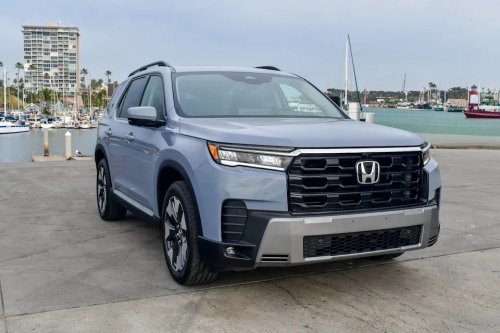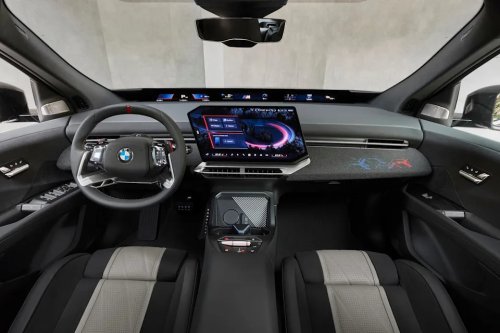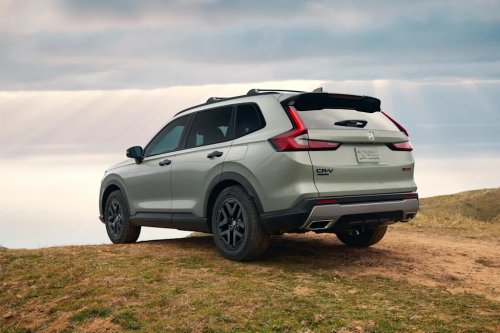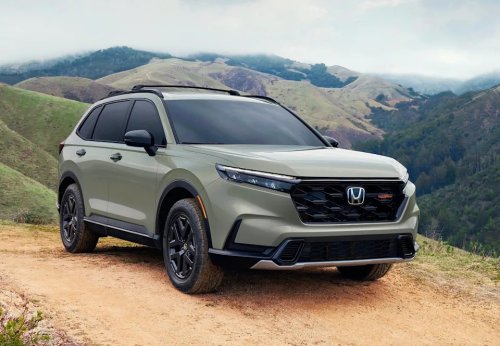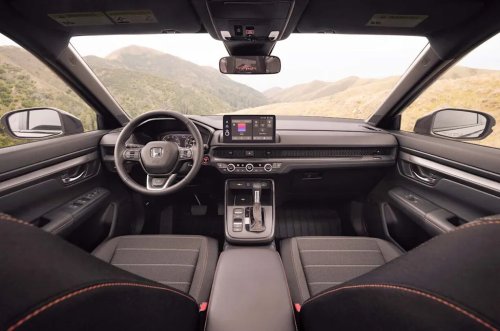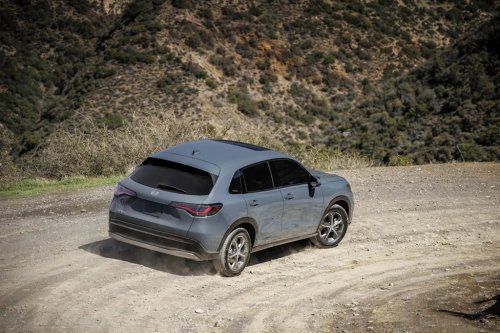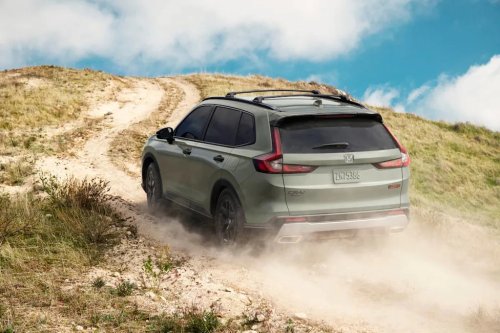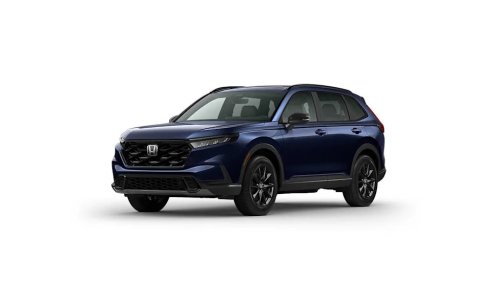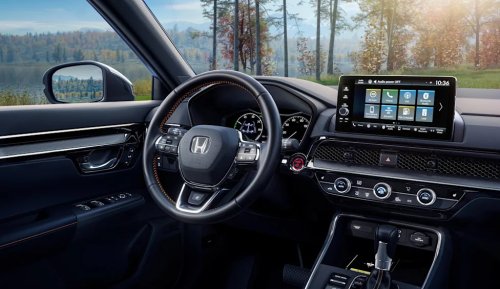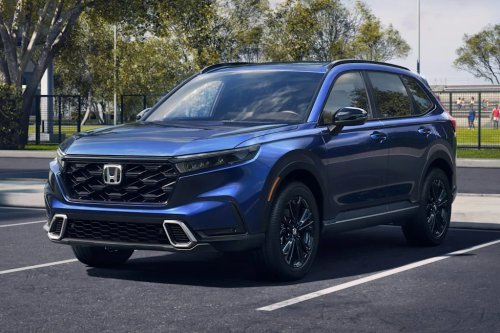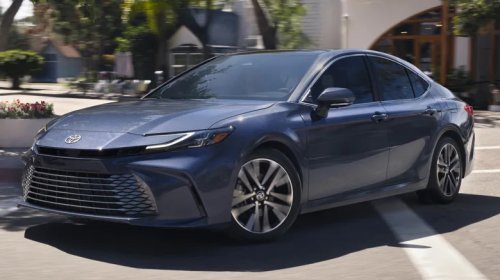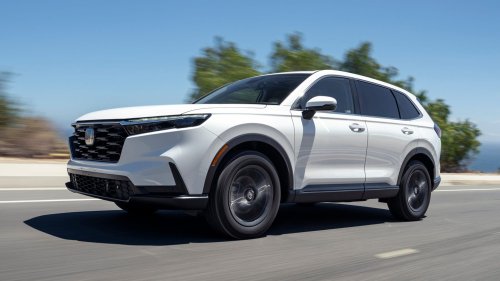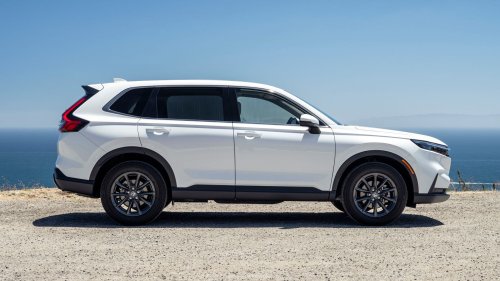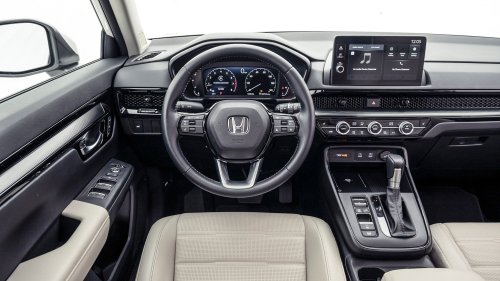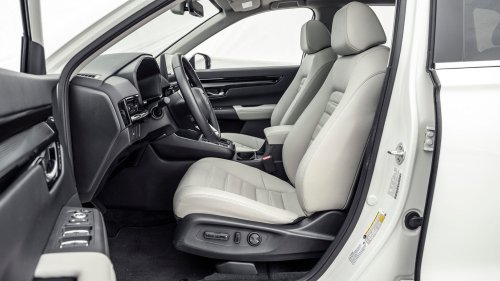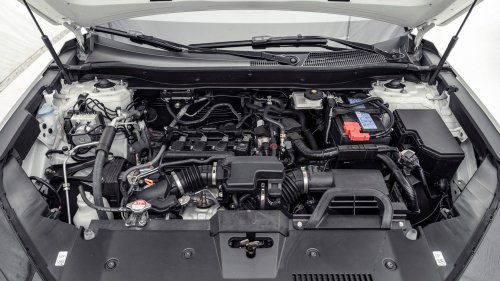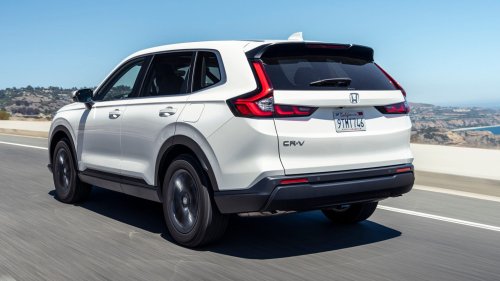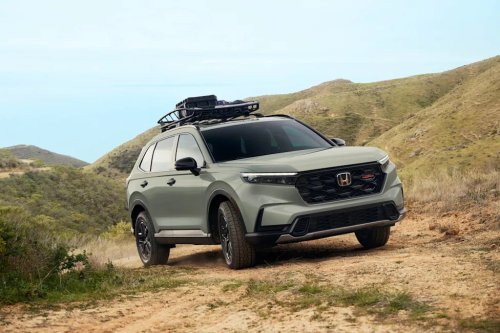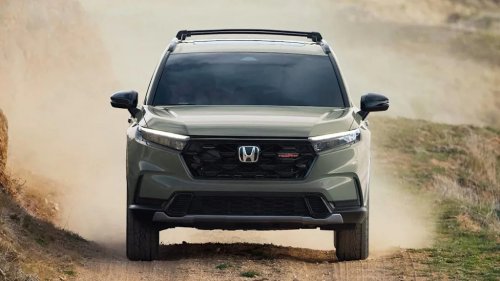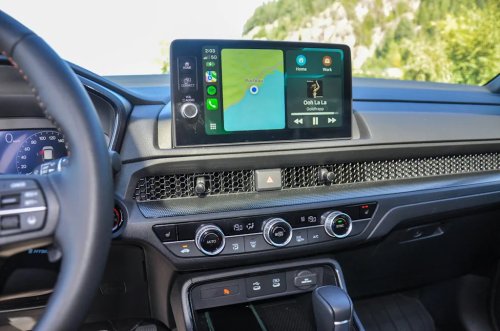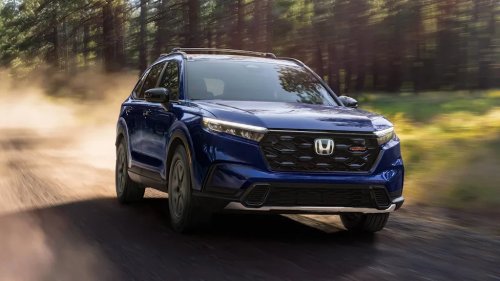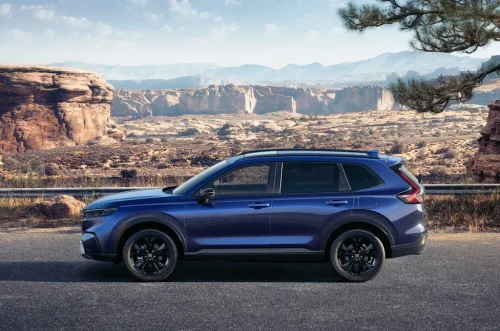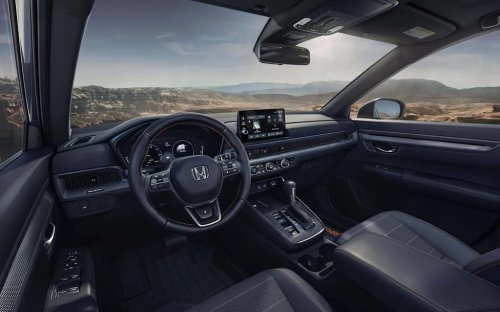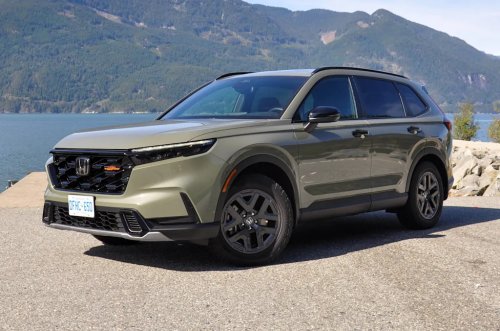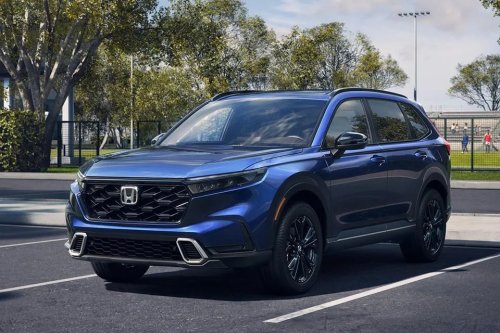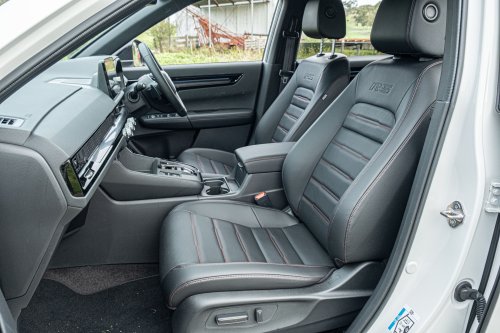
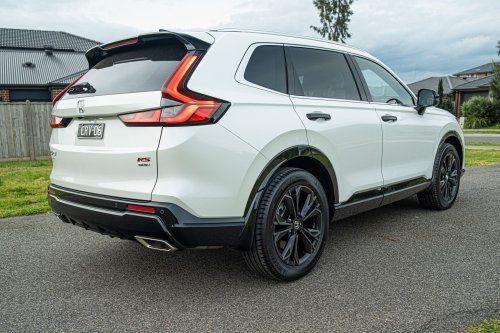
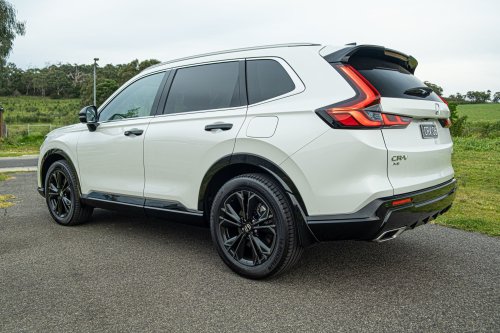
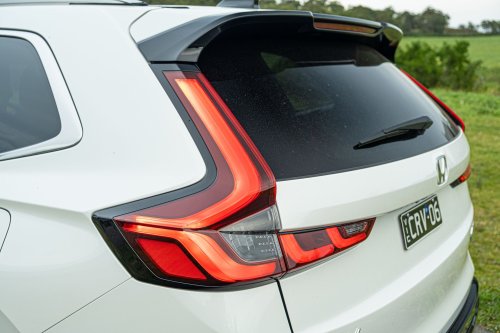
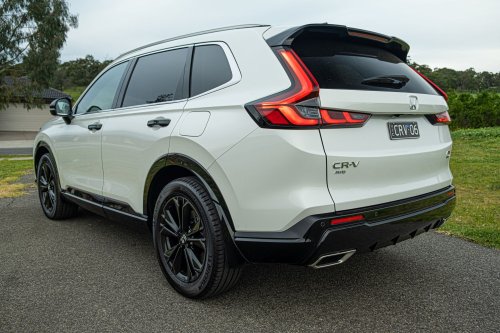
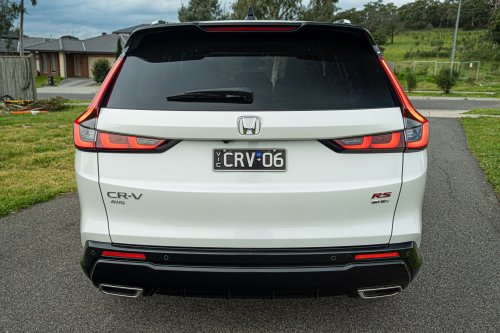
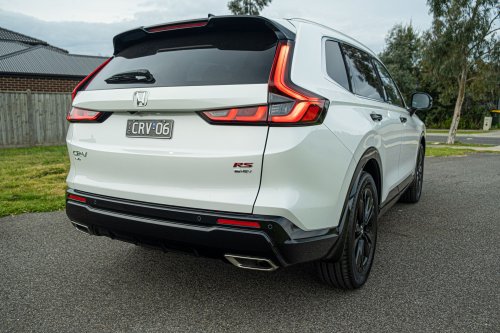
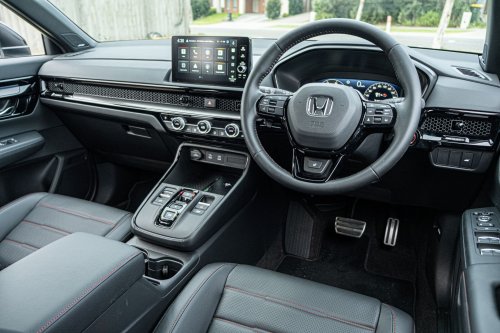
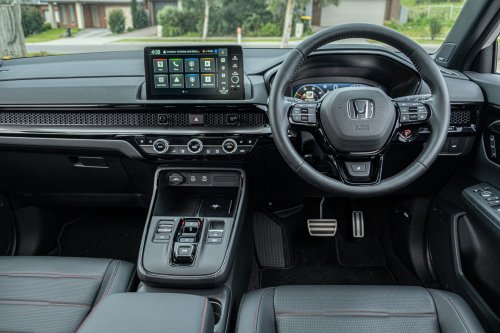
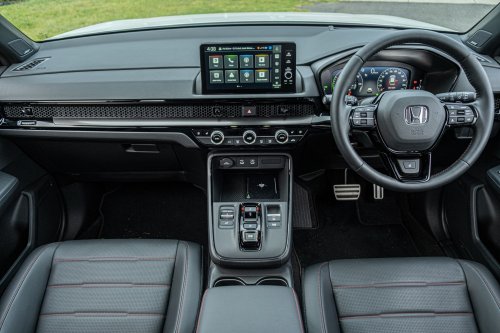
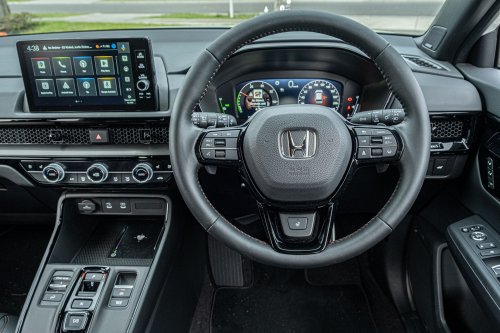
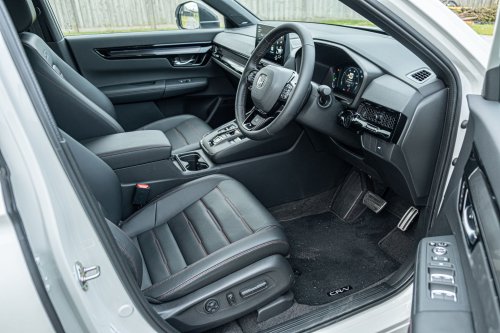
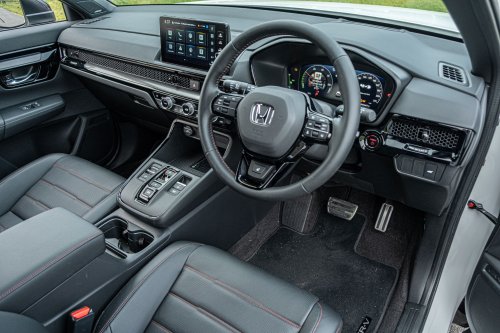
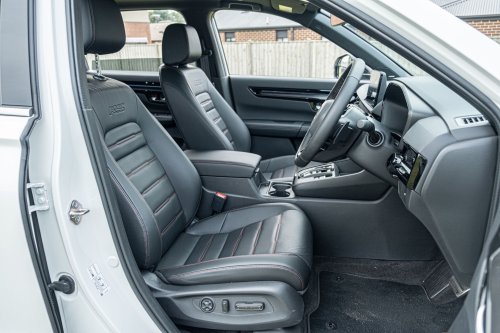
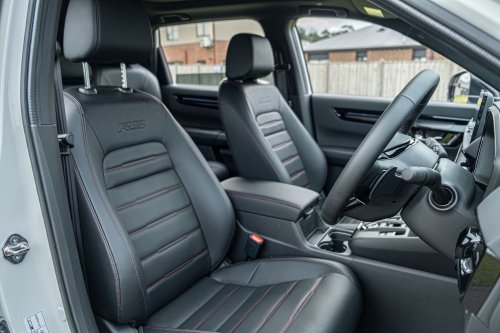
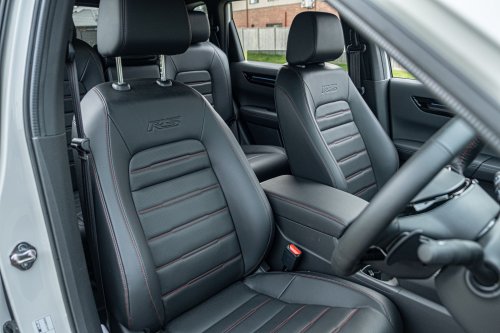
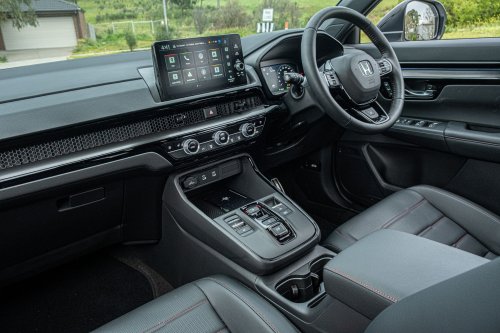
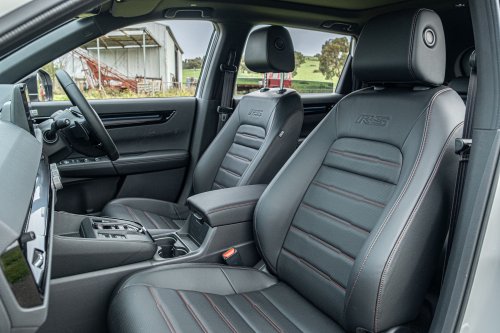
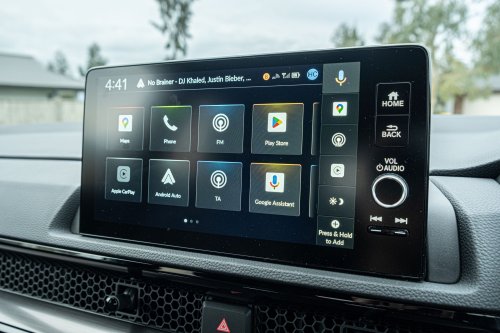
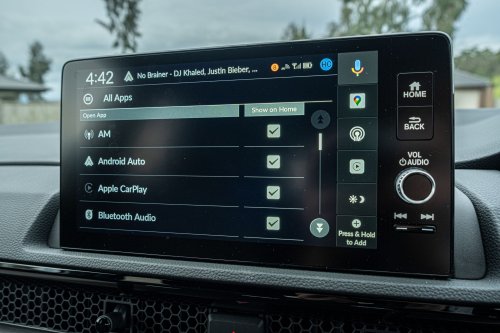
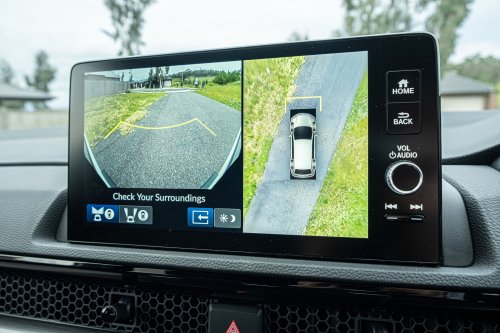
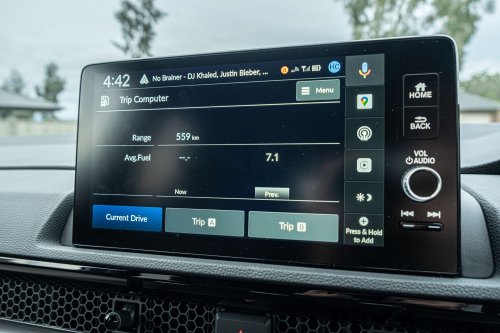
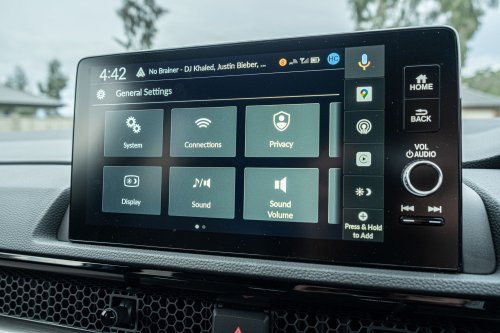
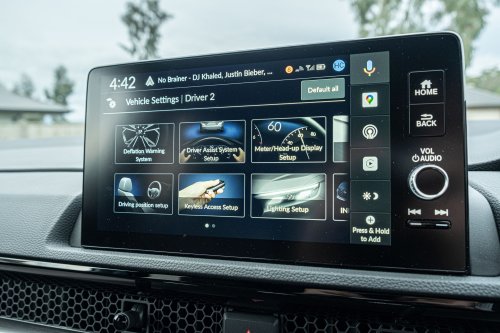
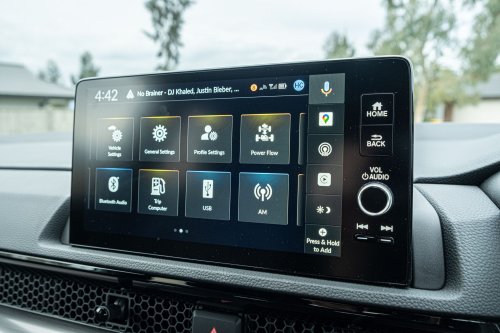
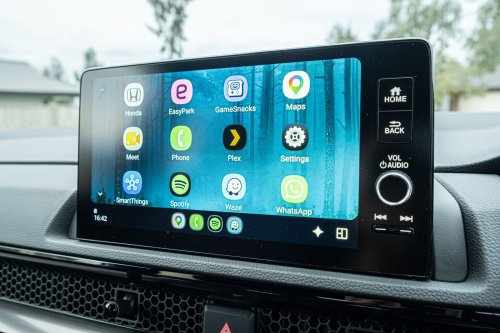
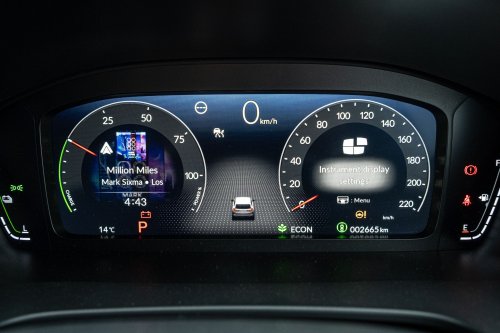
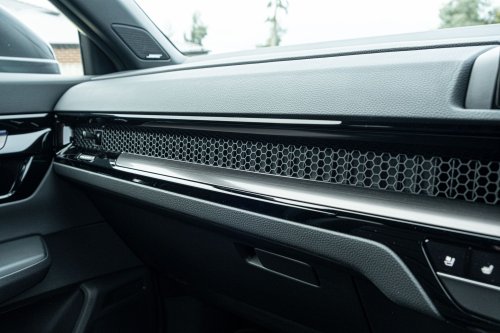
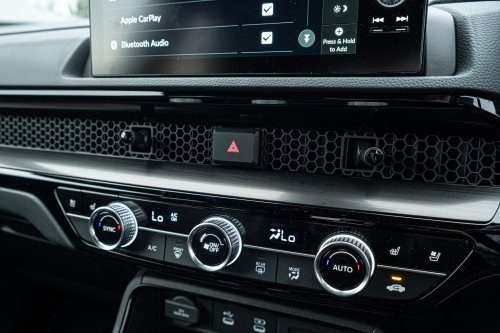
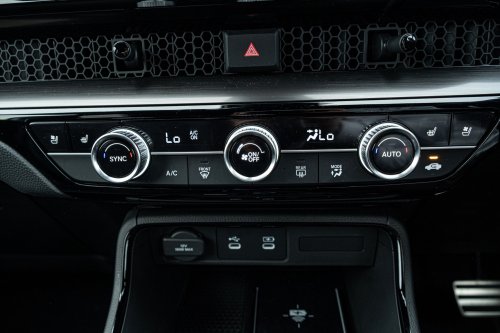
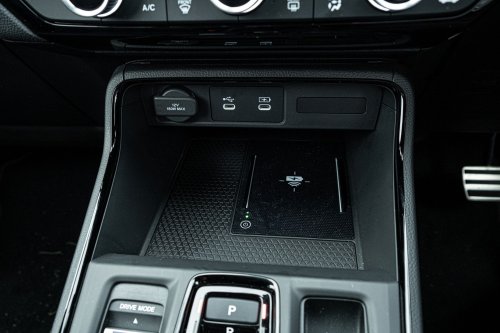
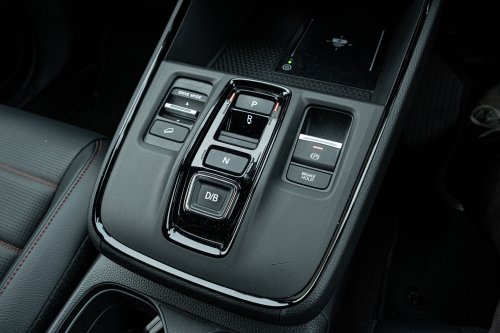
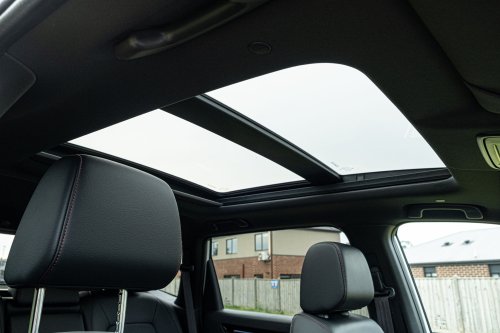
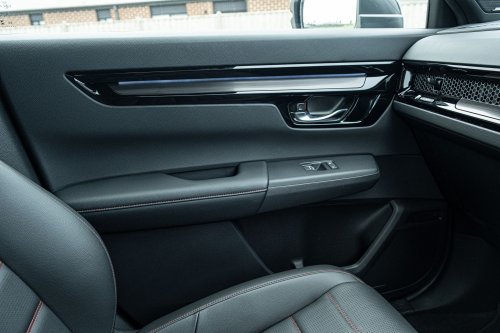
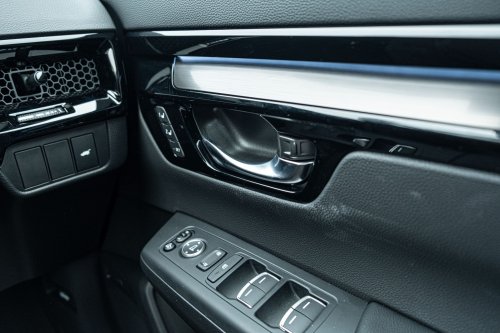
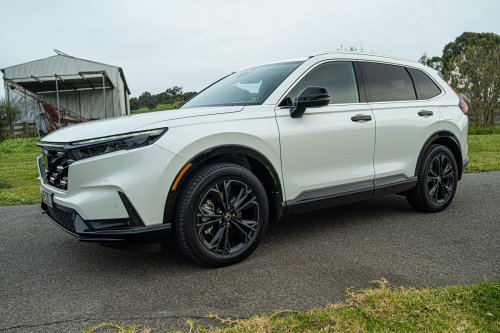
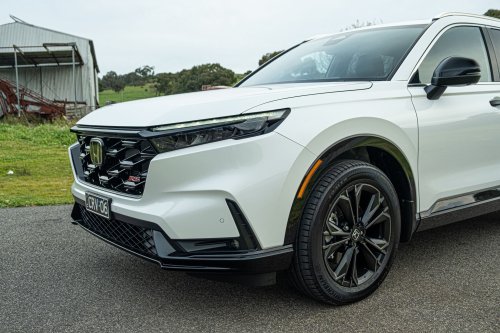
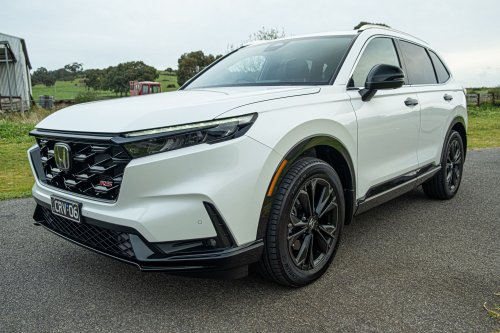
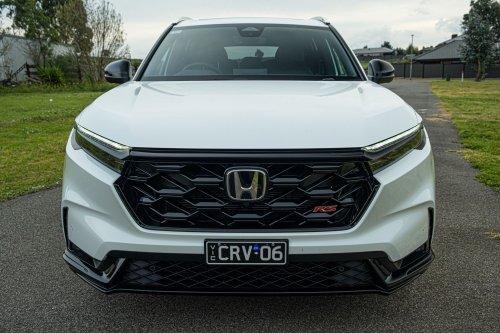
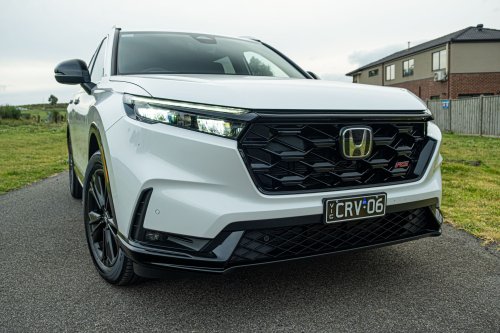
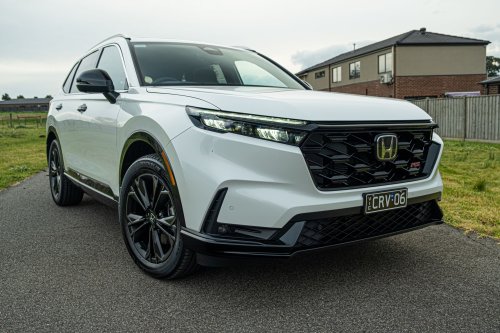
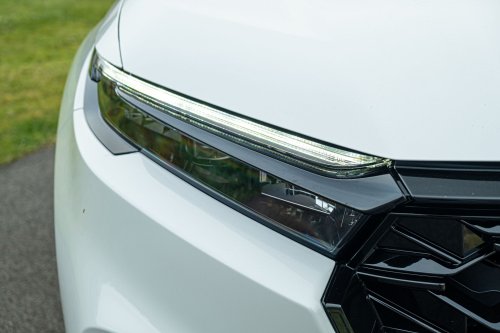
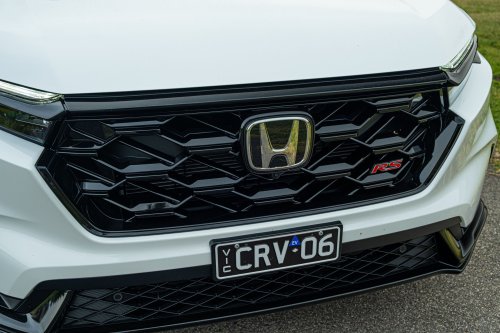
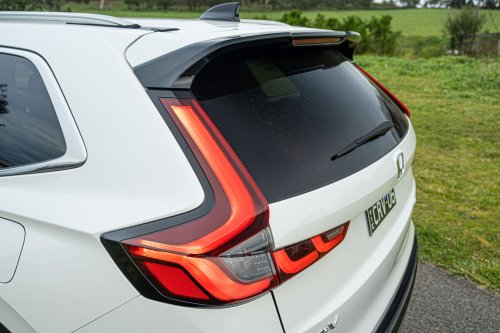
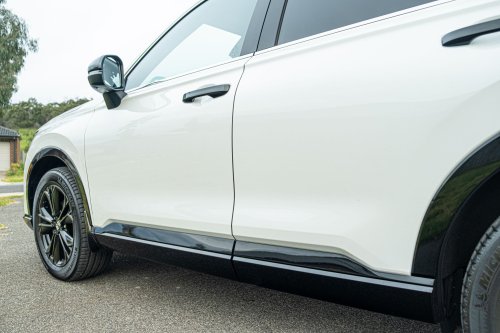
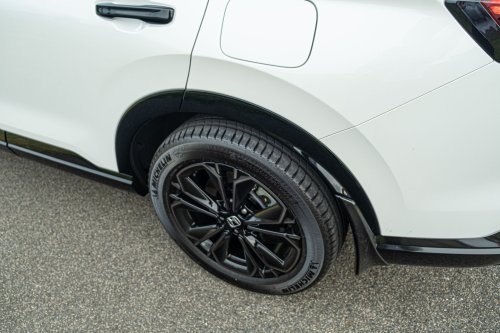
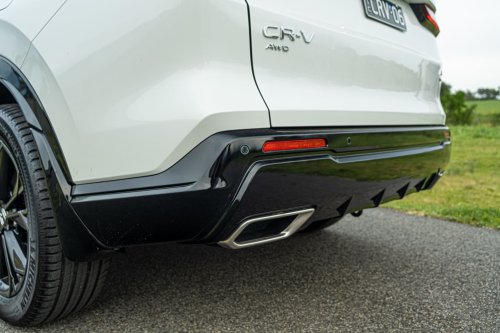
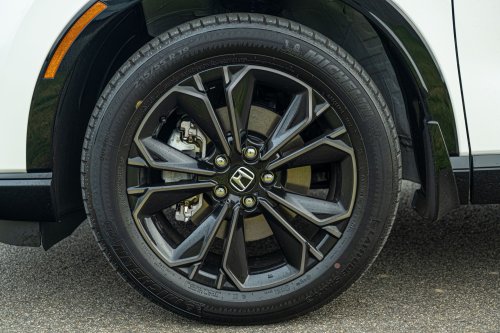
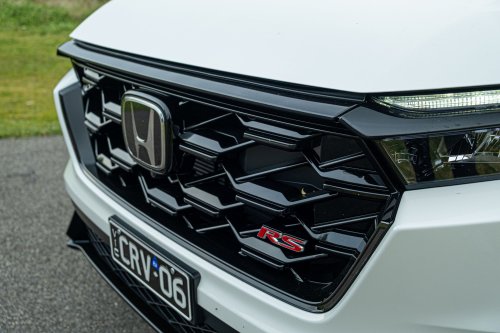
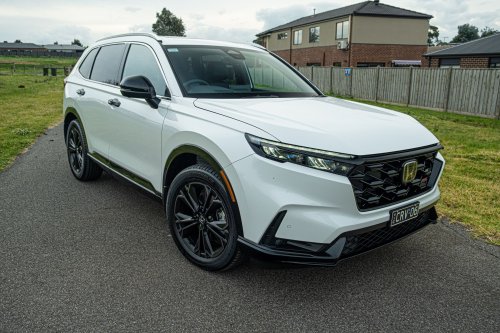
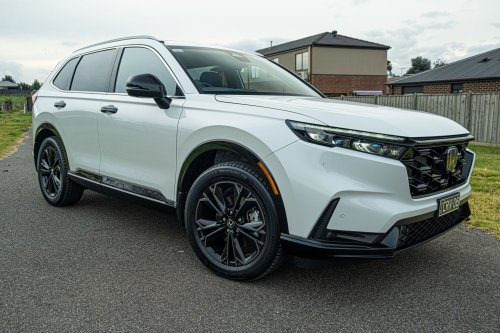
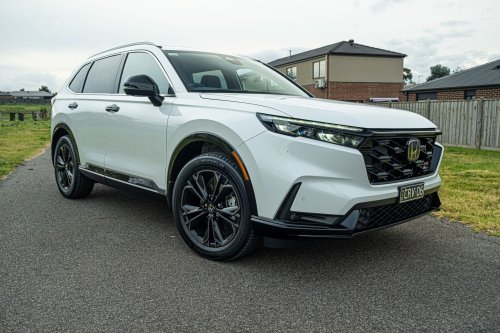
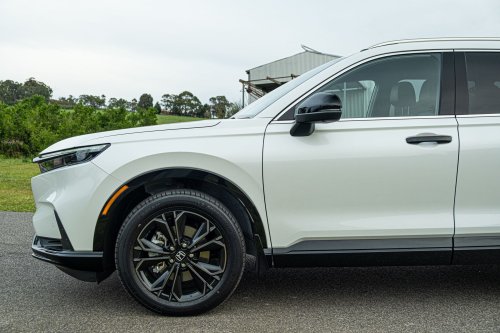
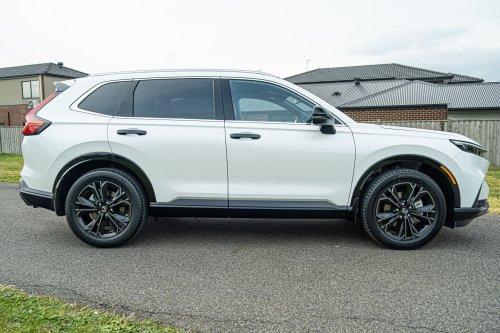
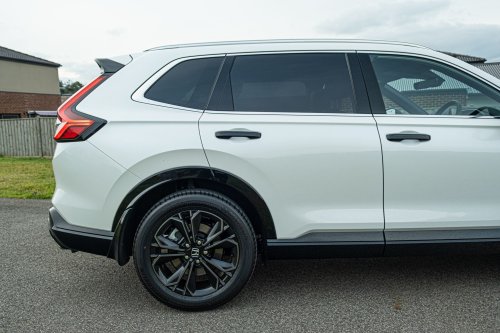
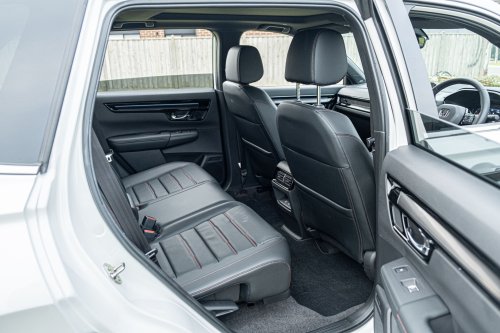
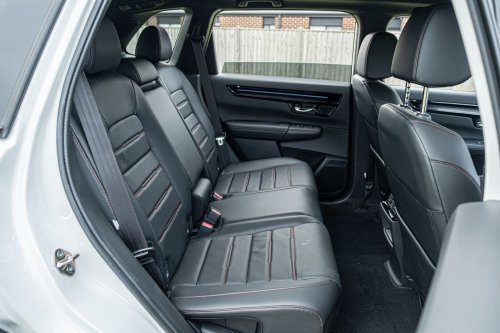
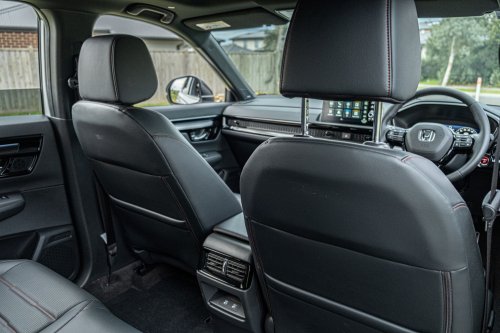
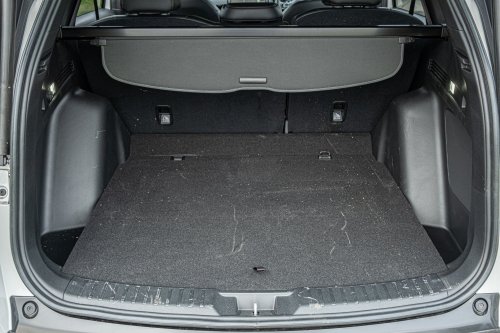
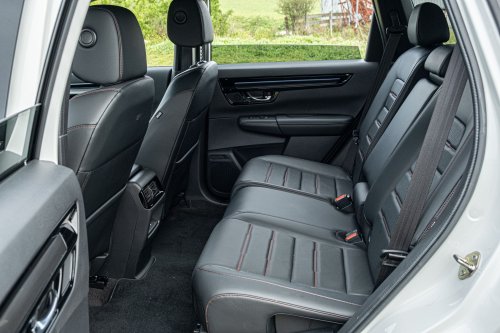
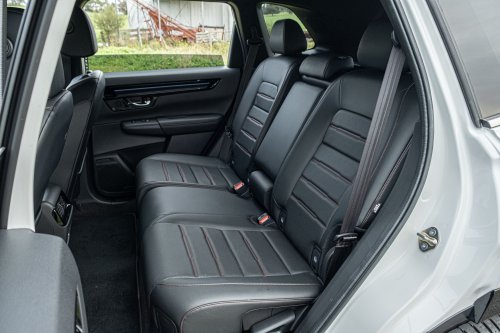
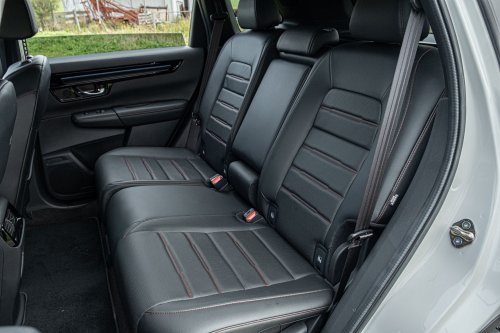
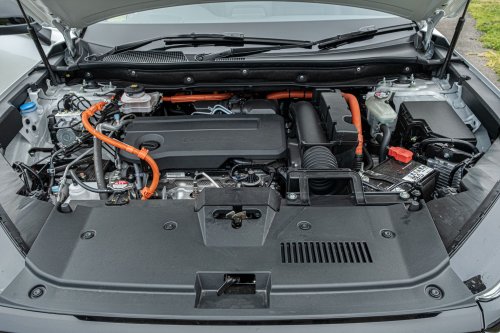
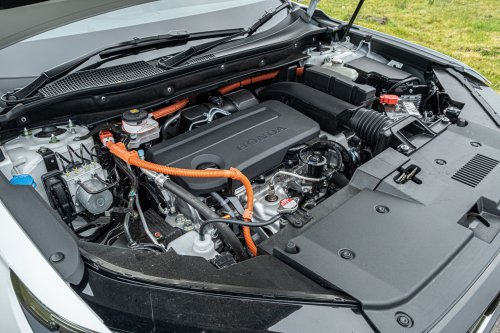



















PROS ›› Efficient, spacious, well-priced, handles well CONS ›› Outdated infotainment, eCVT, slow When Honda launched the new-generation CR-V Hybrid in Australia back in 2024, it arrived as a single well-equipped version called the e-HEV RS. The SUV was good, but it went without one thing that mattered, and that was all-wheel drive. The picture looks different for 2026. Hybrids now make up the bulk of the CR-V range, and the hybrid finally sends power to all four wheels. That change carries weight, because the CR-V’s two main rivals, the all-new Toyota RAV4 and the Mazda CX-5, both come with all-wheel drive. The CX-5 has no hybrid option yet, which leaves the new RAV4 Hybrid AWD as the most direct threat to the Honda. It landed several years after its Japanese compatriot and has already become a sales hit. QUICK FACTS › Model:2026 Honda CR-V e:HEV RS AWD› Starting Price:AU$64,400 (US$45,300), plus on-road costs› Dimensions:184.8 x 73.4 W x 66.1 in H (4,704 x 1,866 x 1,681 mm)› Wheelbase:106.3 in (2,701 mm)› Curb Weight:1,828 kg (4,030 lbs)› Powertrain:2.0-liter four-cylinder | two electric motors› Output:181 hp (135 kW) / 247 lb-ft (335 Nm)› 0-62 mph~8 seconds› Transmission:eCVT› Efficiency:5.5 l/100 km (42.7 US mpg) as tested› On Sale:Now SWIPE To find out whether the updated 2026 CR-V still holds up against the newer competition, we spent time living with the local flagship, badged the CR-V e:HEV RS AWD. Honda Goes Hybrid Photos Brad Anderson/Carscoops When we last tested the CR-V in late November 2024, we drove it with the standard 1.5-liter turbocharged four-cylinder. At the time, this was the engine that was driving most CR-V models on local roads. Now, there are just two versions offered with this engine, the VTi X and VTi L7, while the remaining four variants all get the hybrid. This hybrid consists of a 2.0-liter naturally-aspirated four-cylinder petrol working alongside a pair of electric motors and mated to an eCVT, which isn’t really a CVT. All up, the CR-V e:HEV, including the RS version we tested, delivers 135 kW (181 hp) and 335 Nm (247 lb-ft) of torque in Australian-spec. Overseas, it seems the combined output is calculated a little differently at 152 kW or 204 hp, the same as the Honda Accord. Although the base 1.5-liter turbocharged models have a slight power edge with 140 kW (188 hp) over the local hybrid, they are down significantly when it comes to torque, topping out at 240 Nm (177 lb-ft). Aussie prices for the CR-V start at AU$44,900 (US$31,600) for the VTi X, rising to AU$49,900 (US$35,100) for the e:HEV LX, AU$53,900 (US$38,000) for the e:HEV L, AU$54,900 (US$38,700) for the VTi L7, AU$58,900 (US$41,500) for the e:HEV LX, and AU$64,400 (US$45,300) for the e:HEV RS we drove, including all on-road fees. In the US, CR-V prices start at $30,920 and top out at $42,550 for the Sport Touring Hybrid. A Classic Honda Cabin Photos Brad Anderson/Carscoops Honda hasn’t made any noteworthy modifications to the cabin of the CR-V for the 2026 model year. Compared to the new Toyota RAV4 and Mazda CX-5, it does feel a little dated, particularly due to the far smaller infotainment display, but as an overall package, the interior is good. Read: Honda’s CR-V Is America’s New Best-Seller As F-150 And RAV4 Stumble While the RAV4 and CX-5 have adopted huge screens, the CR-V retains its familiar 9.0-inch display that includes wireless Apple CarPlay and Android Auto. The software of the CR-V, as well as all other current Honda models, feels rather antiquated compared to most of the competition and could benefit from nicer graphics and more features. Compared to turbocharged models, the CR-V e:HEV adopts the same fancy shifter buttons instead of a more traditional shift knob. As we recently found in the current Civic Hybrid, these buttons look nice, but can be annoying to use while performing three-point turns. Photos Brad Anderson/Carscoops The rest of the cabin is much the same as most other current Honda models. We’re still fans of the honeycomb grille running across the dashboard, and applaud Honda for continuing to use rotary dials and physical buttons for the climate control, rather than moving them to the screen. Most surfaces seem relatively premium to the touch, even if the overall design is a little humdrum and uninspired. Overall space is excellent, and adding to the sense of airiness is a panoramic sunroof, which is only available on the VTi L7 and the range-topping e:HEV RS. The RS is also the only model to come with a head-up display and is also the only one to include alloy sport pedals. It also gets a black headliner, while all others have beige headliners. In addition, the e:HEV RS is one of just two versions, alongside the e:HEV LX, to come standard with a 12-speaker Bose audio system, which sounds great. While some SUVs have ditched practicality in favor of style, opting for Coupe-inspired designs, that’s not the case with the CR-V. It still sits quite upright, meaning there’s plenty of headroom for adults in the second row. Additionally, it’ll happily swallow up 581 liters (20.5 cubic feet) of cargo with the rear seats in position, or 1,636 liters (57.7 cubic feet) with the second row folded down. Now Better Than Ever The current-generation CR-V isn’t a vehicle that really pushed the segment forward or revolutionized it, but it’s never really needed to. As with all of its predecessors, it remains a well-rounded and capable companion, and the inclusion of all-wheel drive to the hybrid has certainly broadened its appeal. Honda describes its e:HEV system as an ‘intelligent hybrid’ that can function as both a series hybrid and a parallel hybrid. As such, the 2.0-liter engine of the CR-V e:HEV can generate electricity while the electric motors power the wheels, or the engine can drive the wheels with assistance from the motor. At low and medium speeds, the CR-V primarily functions as a series hybrid, but at highway speeds, the combustion engine takes up most of the responsibility. On the road, this set-up works brilliantly, ensuring that the CR-V offers plenty of grunt, regardless of the driving scenario. Photos Brad Anderson/Carscoops Efficiency is also strong. Honda says the CR-V e:HEV RS can average 5.7 l/100 km (41.2 US mpg) over the combined cycle, although I was able to beat that and recorded 5.5 l/100 km (42.7 US mpg) during my week with it, driving along plenty of highways and suburban roads. This matches the efficiency claim Honda makes for the front-wheel drive versions of the CR-V hybrid. Aiding in the solid efficiency is the fact that the CR-V comes with configurable regenerative braking, controllable through the steering wheel-mounted paddle shifters. The inclusion of all-wheel drive also boosts the usability of the e:HEV, as front-wheel drive models, as well as other front-driven hybrids from Honda, can suffer from some unwanted wheelspin due to the instant torque offered up by the electric motor. For the most part, the powertrain is excellent. However, there are times when it can be a little loud and hold onto revs longer than I’d like, detracting from the otherwise mostly serene driving experience. The eCVT, which really isn’t a continuously variable transmission, has just a single gear, but Honda has engineered in a torque curve and shifts that make it feel more like a conventional automatic. For everyday driving, it works perfectly well, even though it may not appeal to enthusiasts. Photos Brad Anderson/Carscoops Perhaps the most surprising thing about the CR-V e:HEV RS is just how well it handles. While the RS is the heaviest model in the line-up, with a curb weight of 1,828 kg (4,030 lbs), it and all other versions use MacPerson strut suspension at the front with multi-link suspension at the rear and dual-pinion adaptive electric power steering. Of course, the CR-V doesn’t steer like a Civic Type R, but it remains locked to the road in a way that not all of the competition does. The relatively firm ride inevitably contributes to the CR-V’s surprisingly competent handling. I never found the ride of the Honda to be overly firm, but some might, so it’d be worth taking one for a test drive to see if it suits. Importantly, prospective customers shouldn’t expect a plush and supple ride that soaks up even the worst inconsistencies and bumps in the road, as that’s not what the CR-V delivers, at least not in hybrid guise. Verdict Although the Honda CR-V may not be on the cutting edge quite like the new Toyota RAV4, it has broad appeal and brand recognition that new rivals in Australia, particularly those from China, can’t yet replicate. Backed by a solid five-year, unlimited-kilometer warranty and five years of annual AU$199 (US$140) services, it’s a worry-free option for young families in the market for something new. Photos Brad Anderson/Carscoops