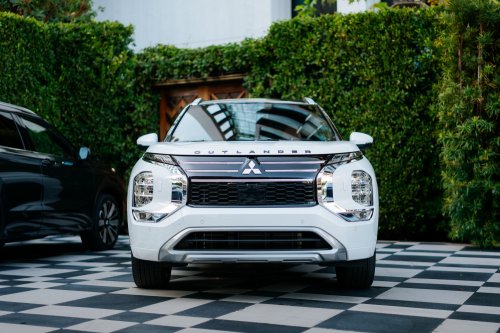
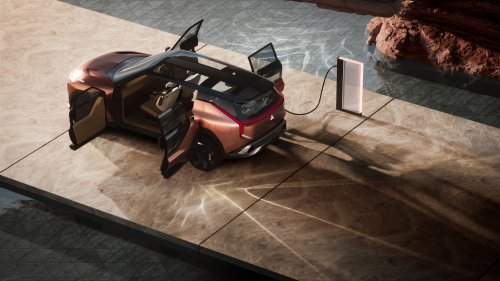
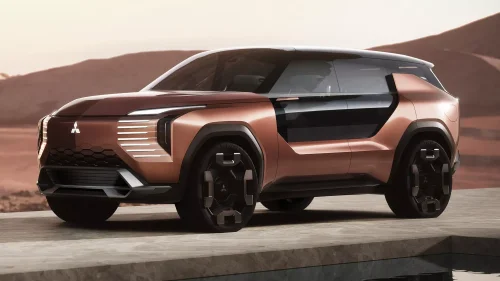
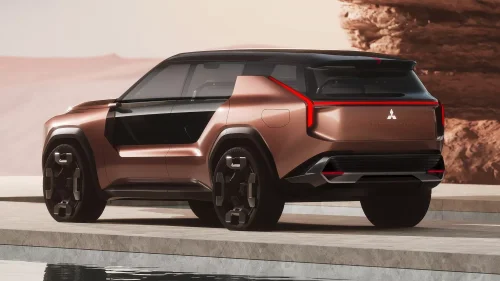
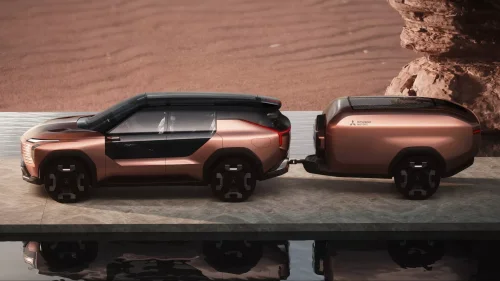
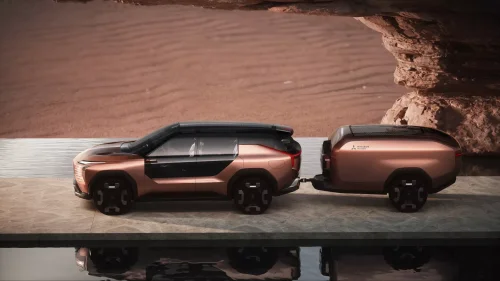
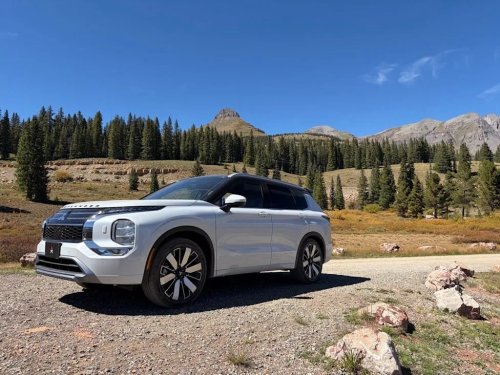
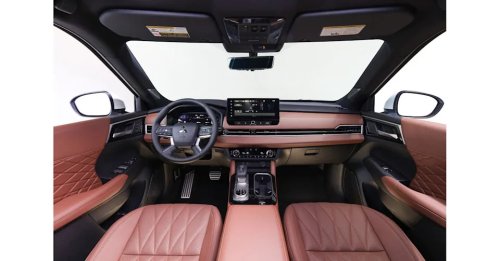
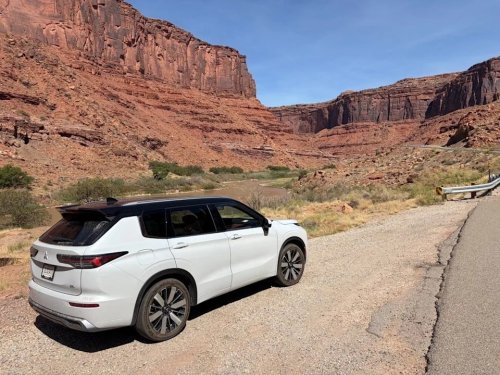
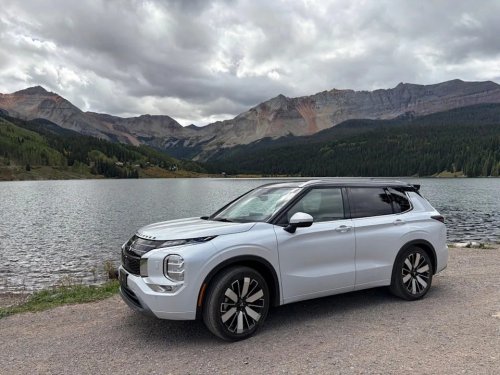
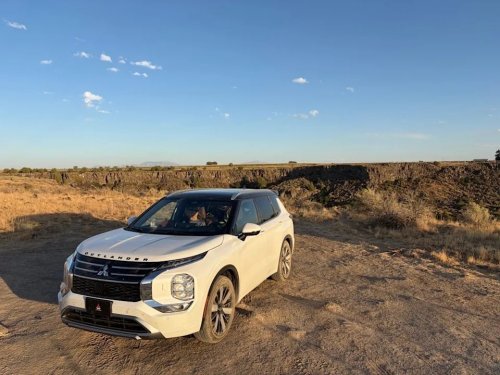
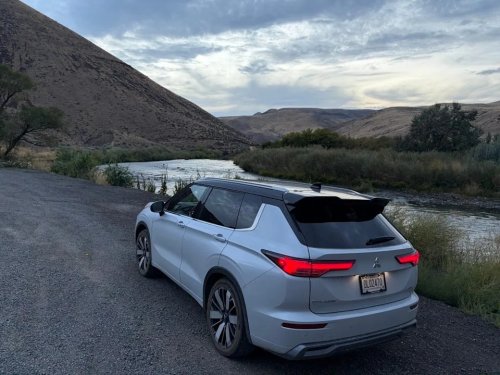
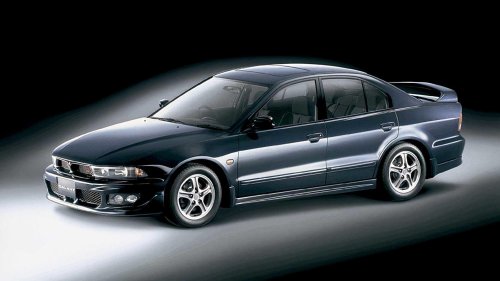
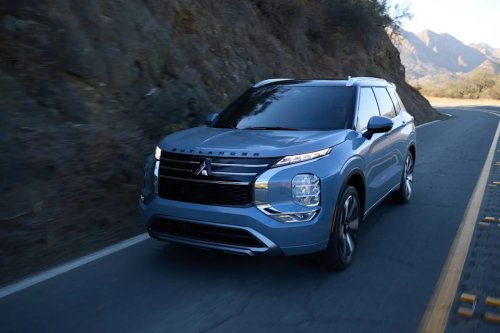
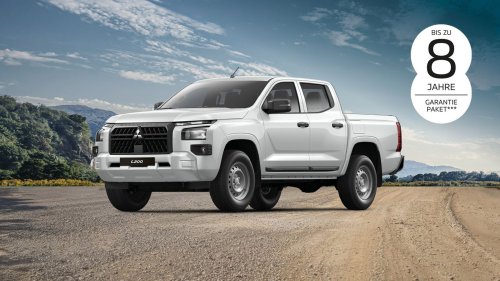
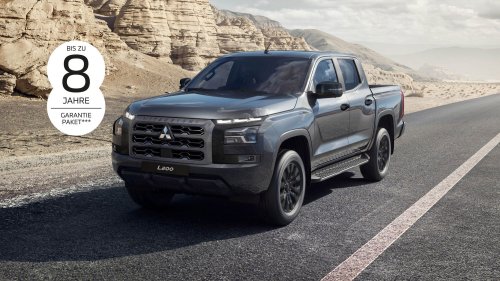
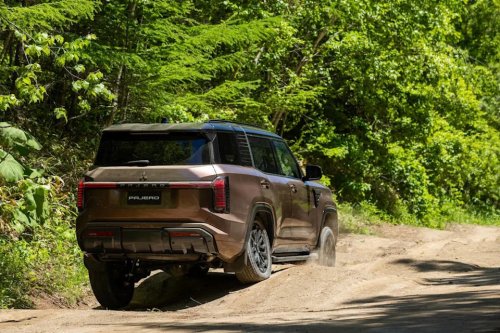
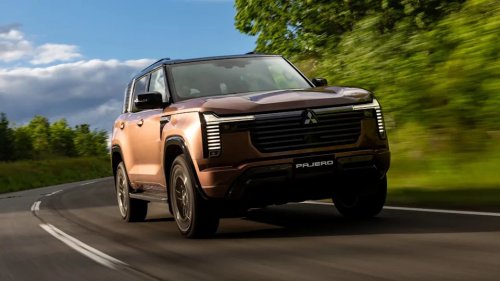
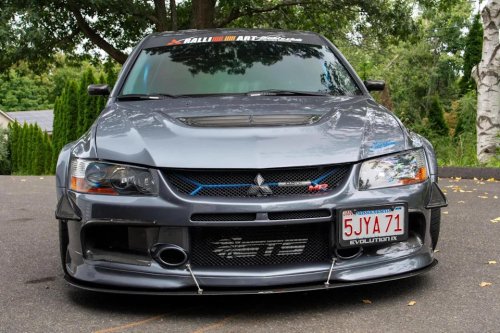
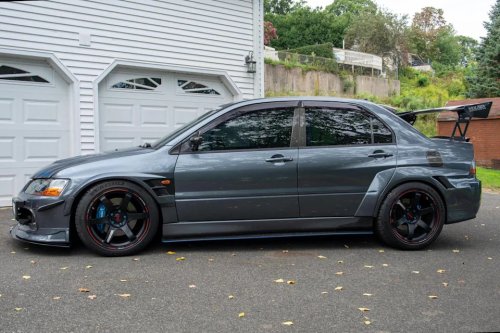
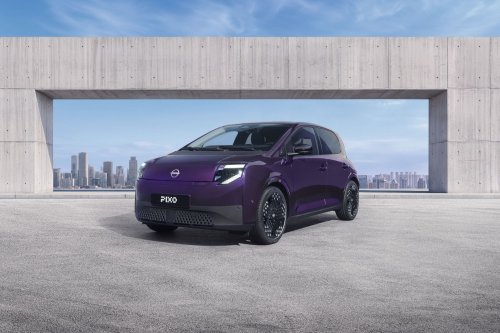
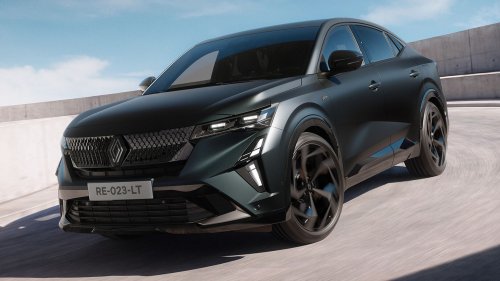
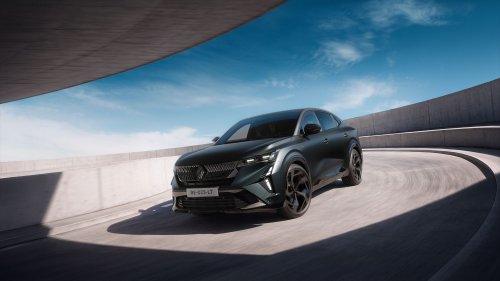
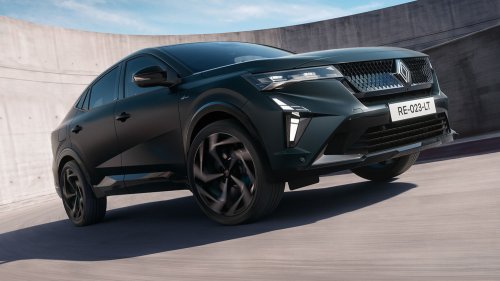
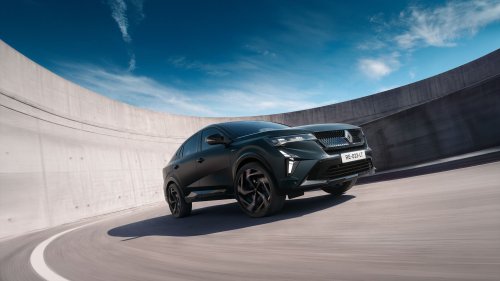
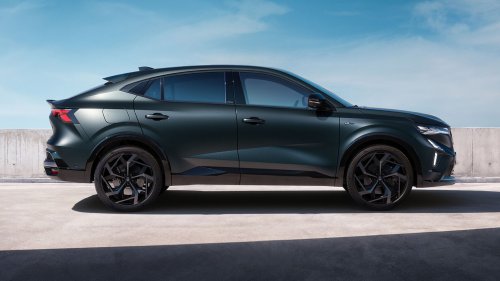
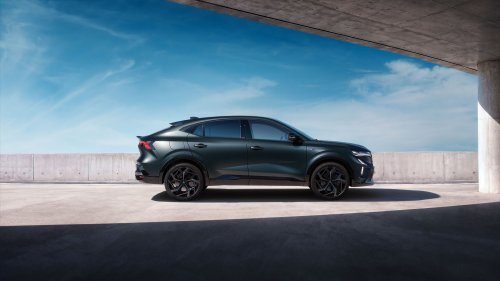
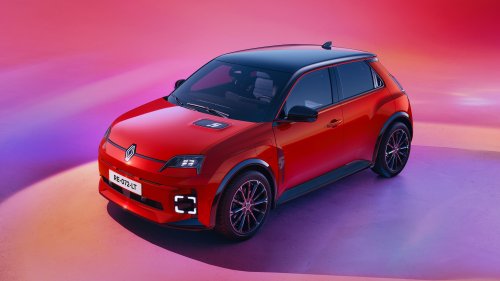
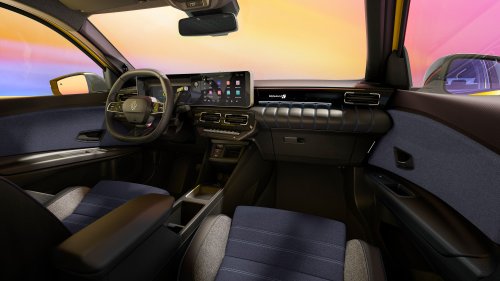
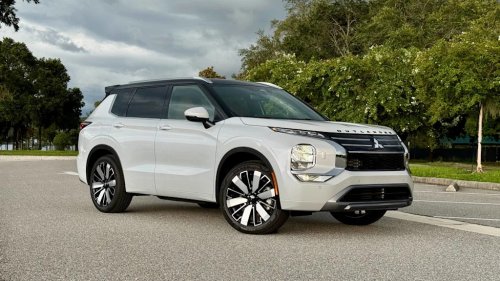
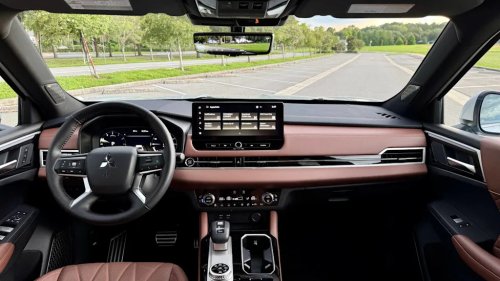
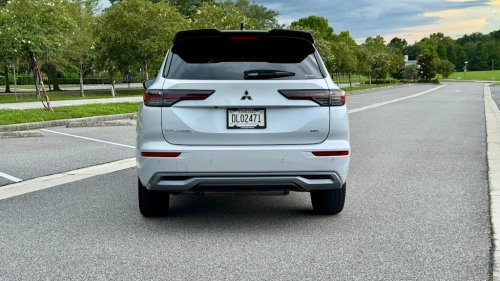
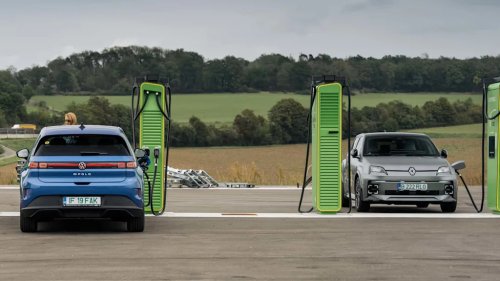
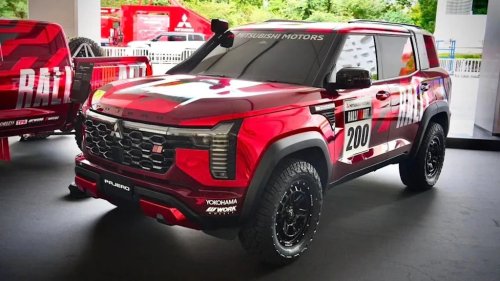
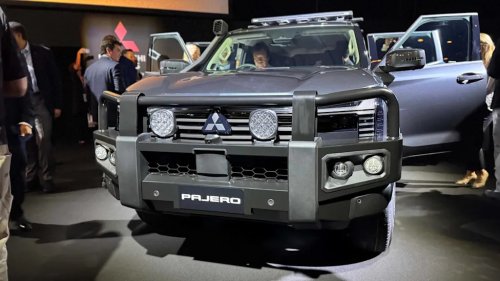
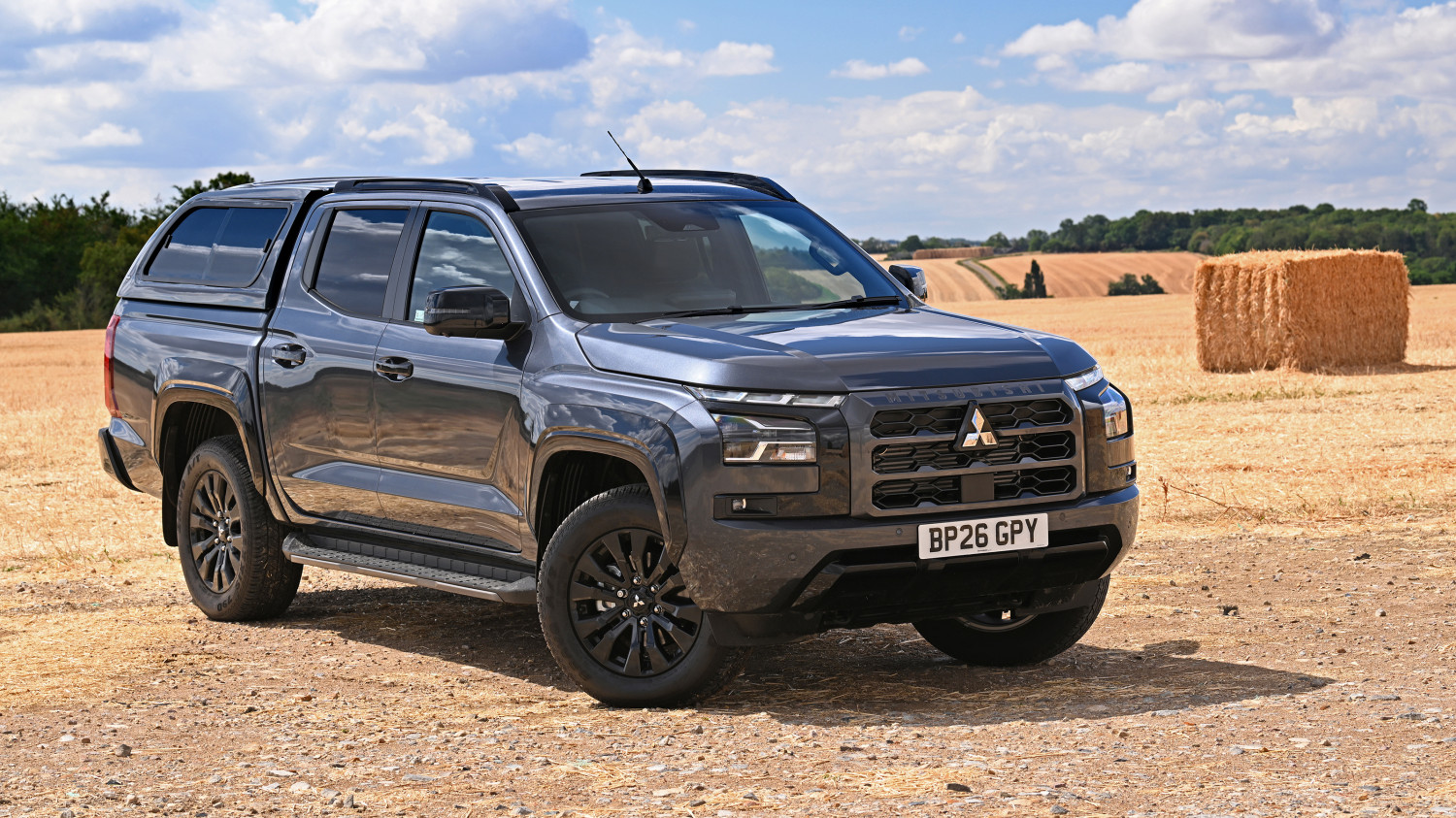
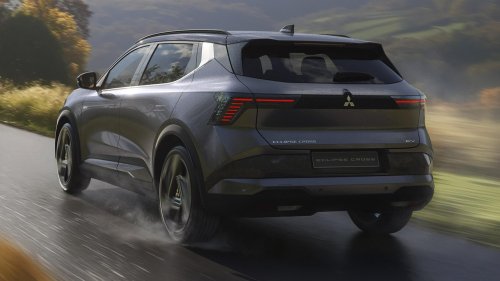
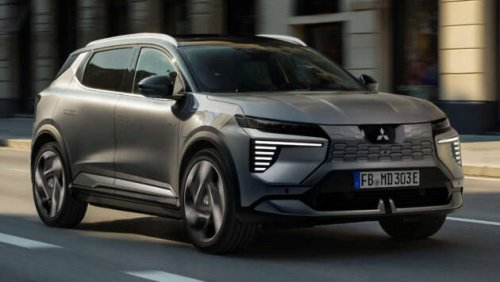
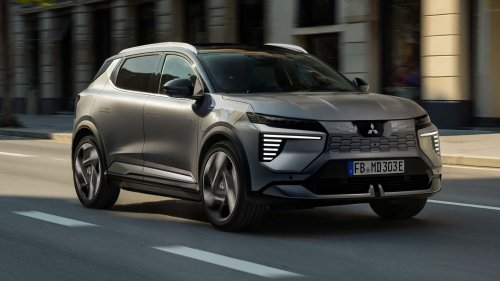
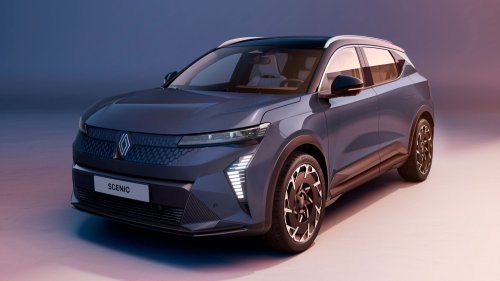
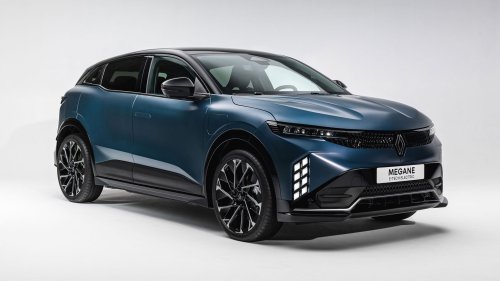
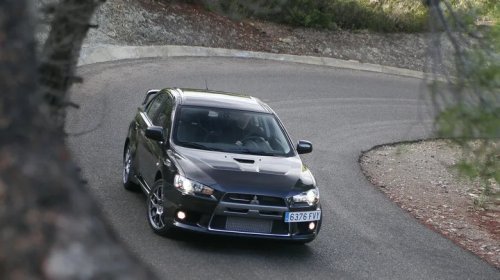
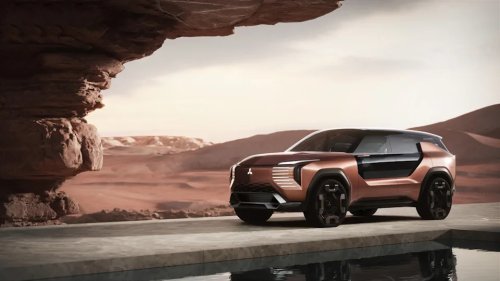
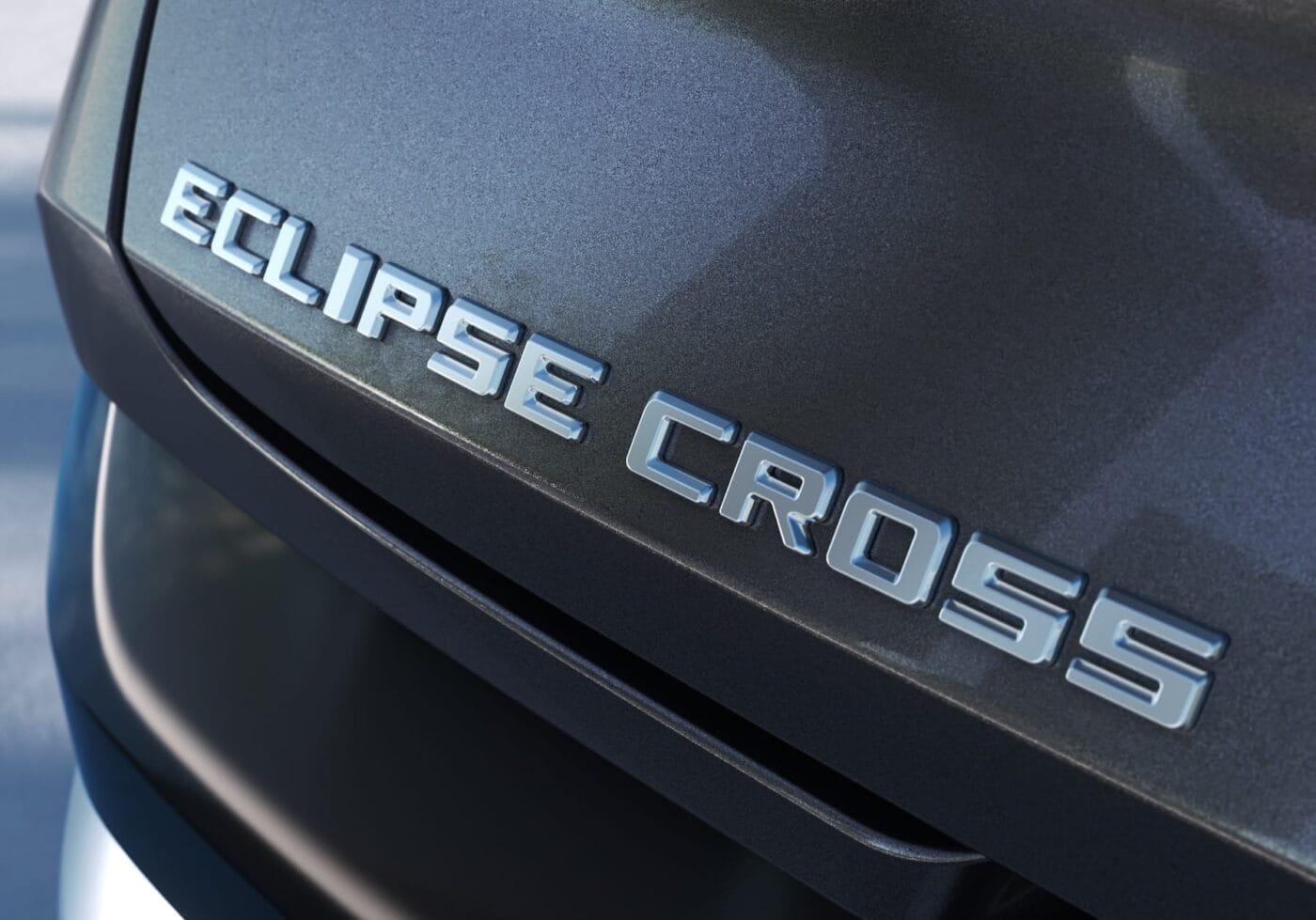
The Eclipse Cross is based on the same platform as the Renault Scenic.Image: MitsubishiThis is according to Spanish trade publication La Tribuna de Automoción, which cites industry sources familiar with the production plans. The publication reports that the new Renault Rafale is set to begin production in Palencia in June 2028. The new Renault Scenic is scheduled to follow in April 2029, with the next generation of the battery-electric Mitsubishi Eclipse Cross starting production in July 2029. The current generation of the Eclipse Cross has been produced alongside the Scenic at Renault’s Douai plant in France since the end of 2025. By manufacturing the three electric SUVs in Palencia, Renault aims to consolidate their production under its ‘Fifth Industrial Plan for Spain’.These plans provide further details on earlier announcements about the plant’s future. Renault had already revealed in spring that Palencia would be fully utilised from 2028 with three new models – two battery-electric vehicles and one model with a range extender. At the time, however, the manufacturer had not yet officially named the model ranges. The latest report now identifies the next generations of the Scenic and Rafale, as well as the battery-electric Mitsubishi Eclipse Cross, as the third model for the first time. According to La Tribuna de Automoción, Renault expects an average annual production of around 150,000 units for the three electric vehicles over a six-year period. The largest share is expected to come from the Scenic and Eclipse Cross, with a combined total of around 544,000 vehicles, while the Rafale is projected to account for approximately 335,000 units.In parallel, the plant will continue to produce the Renault Austral. A facelift for the SUV is planned for 2028, which may include a range-extender powertrain alongside the existing hybrid drivetrains. According to production forecasts, the plant could return to a two-shift operation from 2029. By relocating further EV models to Spain, Renault aims to diversify its manufacturing strategy. To date, the brand’s battery-electric passenger cars have primarily been produced within the northern French ElectriCity production network, centred around the Douai plant.Producing the three next-generation electric SUVs – Rafale, Scenic, and Eclipse Cross – at a single location makes sense, as all three will be based on the new RGEV medium 2.0 platform. Renault’s new CEO, François Provost, introduced this platform in March alongside the futuREAdy strategy plan. Under this roadmap, Renault aims to launch 36 new models by 2030. Of these, 22 new models are planned for Europe alone, with 16 being fully electric.Here, the RGEV medium 2.0 platform is set to play a central role. Unlike Renault’s current EV platforms, this is an 800-volt architecture designed to underpin vehicles from the B+ to D segments. The platform is also highly flexible, supporting all body styles – from saloons to SUVs and vans/MPVs.It is also designed to enable “ultra-fast charging in just ten minutes” by 2030. The battery features a cell-to-body architecture with a packing efficiency of 70 percent. The battery pack is designed to require 20 percent fewer components and is compatible with prismatic cells, blade cells, and pouch cells—an unusual combination for cell-to-body concepts. Renault has not yet disclosed the targeted energy content for these battery packs, but the range is expected to reach up to 750 kilometres under the WLTP cycle for the pure electric versions.Renault is focusing on two cell chemistries: one with high energy density “for models with high performance and/or very long range,” and a cost-efficient chemistry for small cars and variants with standard range—likely LFP. The more affordable cell chemistry is also expected to be used in the RGEV Medium 2.0 platform, enabling “long ranges” and short charging times.Additionally, Renault is developing a new third-generation electric motor without rare earth elements, specifically an electrically excited synchronous machine. “With efficiency of 93 per cent on the motorway and 25 per cent more power, this 275 hp motor will be developed and built in-house, and available in both front and rear-wheel drive versions,” the company states. “Coupled with innovative, scalable ‘7-in-1’ power electronics, this motor will cost 20 per cent less than the previous generation.”Furthermore, the platform is expected to support range-extender powertrains, which could achieve ranges of up to 1,400km with emissions of less than 25 grams of CO₂ per km. This is also confirmed by La Tribuna de Automoción, which cites its sources: alongside the electric drivetrain, the three electric SUVs are “expected to also feature a long-range electric drive (EREV).”latribunadeautomocion.es



















 +42 others